Before There Was Burma (Myanmar)
Burma (Myanmar) was not created because people stayed still. It was created because people kept moving.
“This is not merely the history of kings, kingdoms, or wars. It is the story of ordinary men and women whose countless journeys, struggles, discoveries, and dreams gradually shaped the land we now call Burma.”
“Before human beings made history, the Earth prepared the stage. Mountains became walls, rivers became highways, valleys became gateways, and monsoon winds became invisible sails. Long before the first traveller entered Burma, Nature had already drawn the map.”
Editorial Note
For historical clarity, this series generally uses the name Burma when discussing periods before the country’s official English name was changed to Myanmar in 1989. When referring to the present-day nation or contemporary institutions, Myanmar may be used. This choice is made solely to reflect historical context and should not be interpreted as a political statement.
Every Nation Has a Story
Every nation has a beginning.
Some people imagine that nations have always existed—that today’s countries, races, languages, and religions have remained unchanged since the dawn of time. History tells a very different story.
Human civilization is a story of movement.
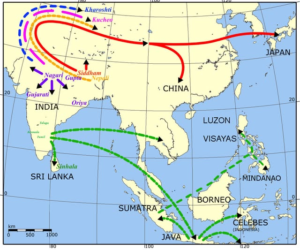
Long before there were passports, immigration checkpoints, or national borders, men and women crossed mountains, sailed across seas, and followed rivers in search of food, fertile land, trade, safety, and opportunity. Some journeys lasted a few days; others unfolded over centuries. Some migrants came as merchants, monks, craftsmen, soldiers, or scholars. Others fled famine, war, persecution, or natural disasters. Their descendants became the peoples we know today.
Burma was no exception.
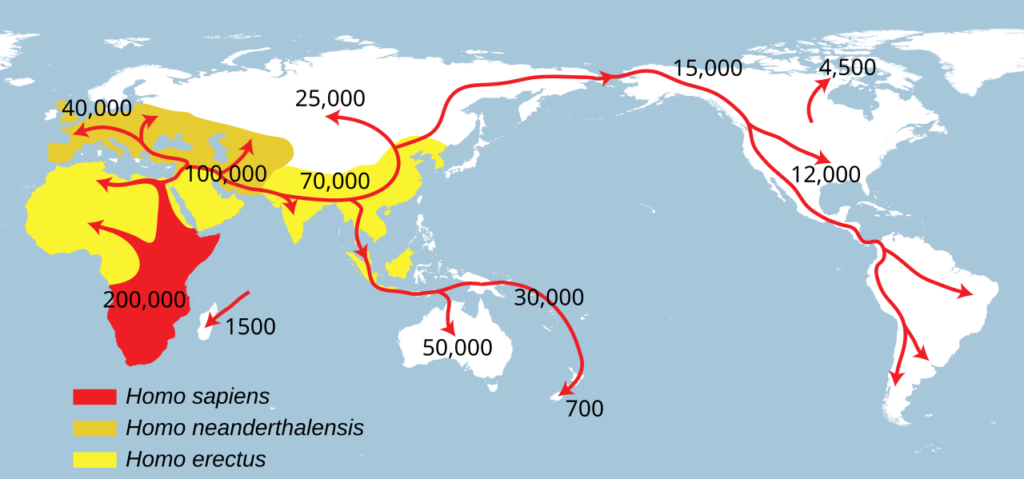
By NordNordWest – Spreading homo sapiens ru.svg by Urutseg which based on Spreading homo sapiens.jpg by Altaileopard, Public Domain, https://commons.wikimedia.org/w/index.php?curid=34697001
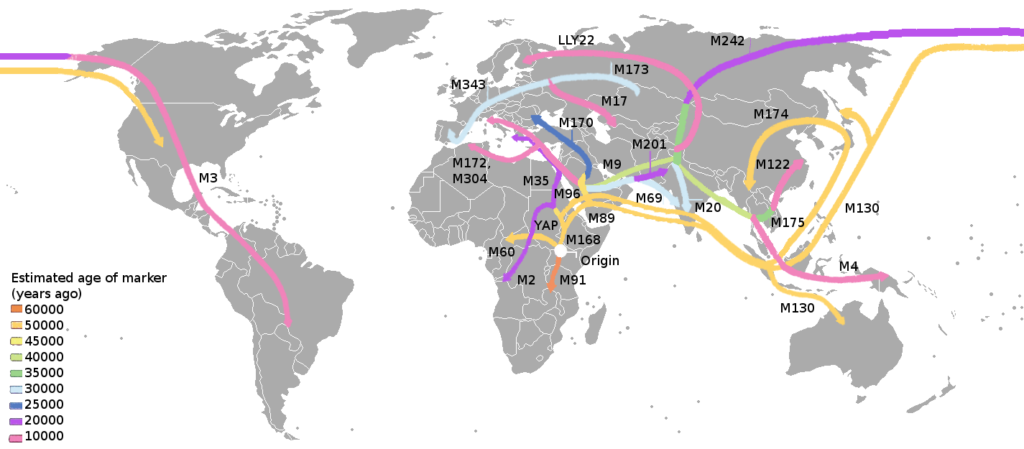
KVDP, Public domain, via Wikimedia Commons
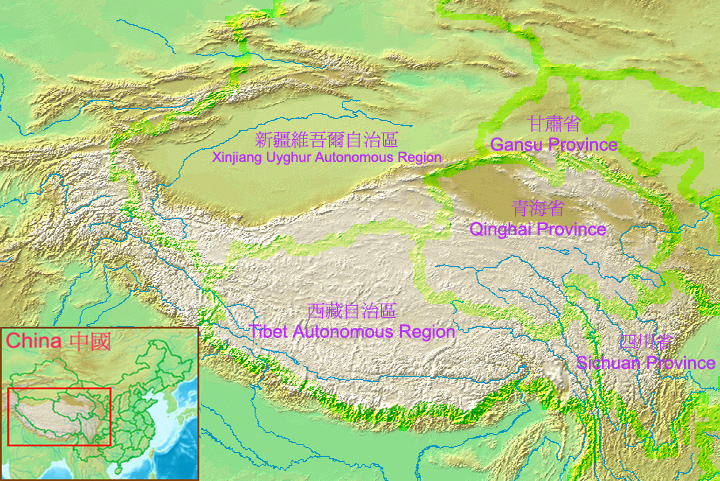
By Original uploader was Mak at zh.wikipedia – Transferred from zh.wikipedia; transferred to Commons by User:Shizhao using CommonsHelper., CC BY-SA 3.0, https://commons.wikimedia.org/w/index.php?curid=12746501
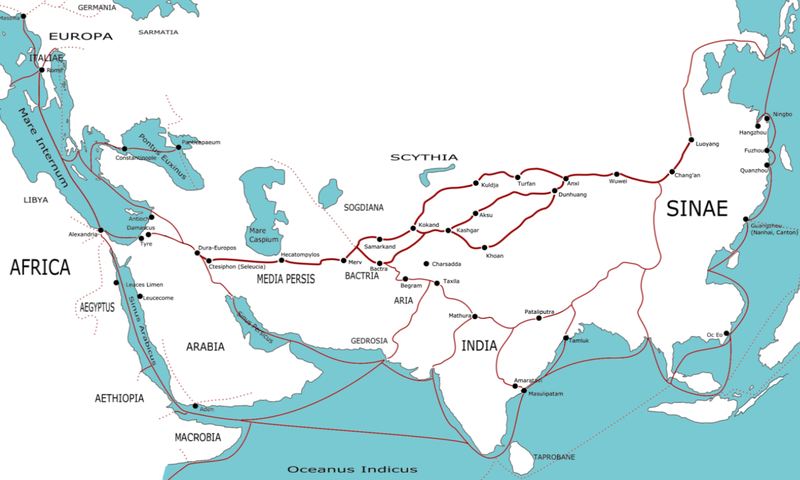
By TwoOneTwo – Wikipedia, CC BY-SA 3.0, https://commons.wikimedia.org/w/index.php?curid=721591
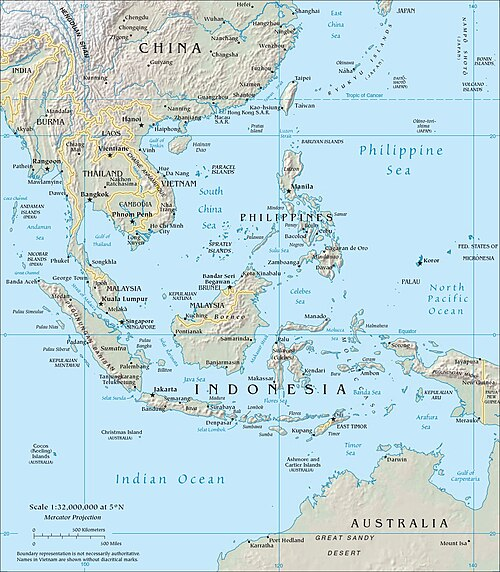
Public Domain, https://commons.wikimedia.org/w/index.php?curid=358858
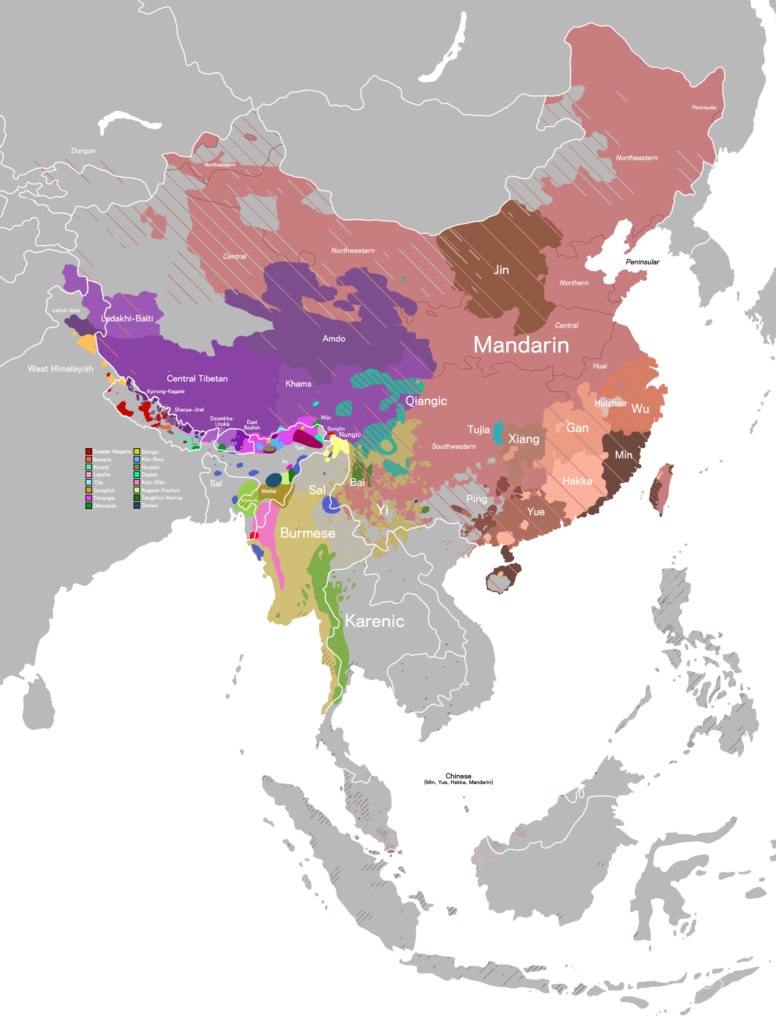
By GalaxMaps – Own work, CC BY-SA 4.0, https://commons.wikimedia.org/w/index.php?curid=115399902
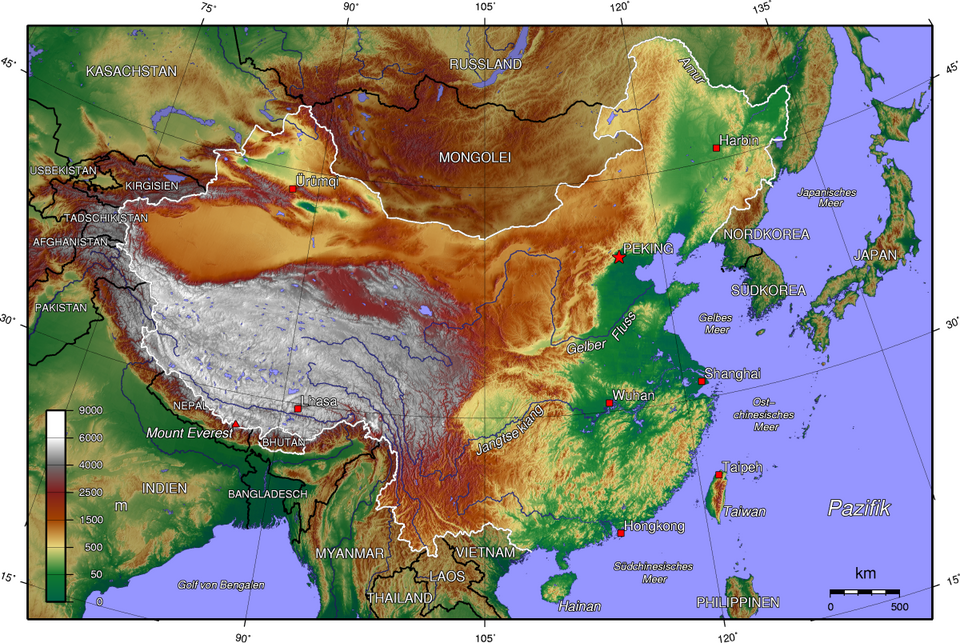
By Captain Blood – Own work, CC BY-SA 3.0, https://commons.wikimedia.org/w/index.php?curid=103903
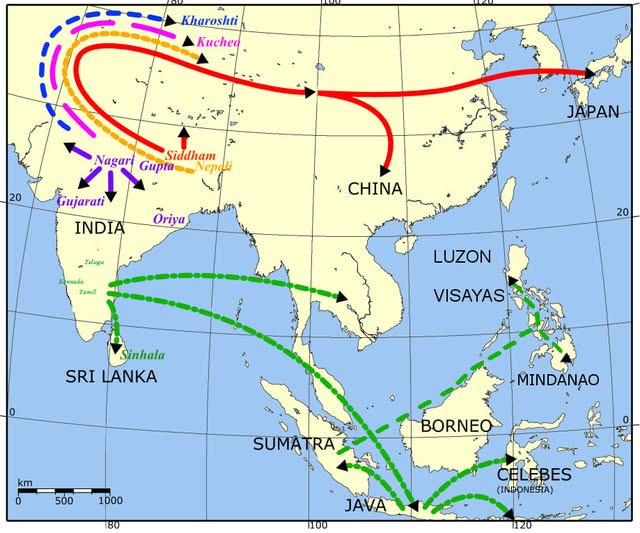
Brahmic scripts used in Southeast Asia and India. By Rafa Sukoco @ ASEAN World 24 – Southeast Asia Network ·
Situated between the Indian subcontinent, China, and mainland Southeast Asia, Burma occupied one of Asia’s most important crossroads. The mighty Ayeyarwady River carried travellers deep into the heart of the country, while the Bay of Bengal connected its ports with India, Sri Lanka, Arabia, and lands even farther away. Mountain passes linked Burma with Yunnan, Tibet, and the great civilizations of East Asia.
Because of this remarkable geography, Burma became not an isolated land but a meeting place of civilizations.
Over thousands of years, countless groups arrived, settled, traded, intermarried, exchanged ideas, and enriched one another. They brought new languages, beliefs, technologies, crops, arts, and traditions. Some kingdoms flourished and disappeared. Others merged with their neighbours. Together, they laid the foundations of the country we know today.
This series is not the story of one race or one religion.
It is the story of many peoples whose journeys, encounters, and shared experiences gradually shaped the rich and diverse heritage of Burma.
To understand modern Burma, we must first understand those ancient journeys.
Our story begins long before the first kingdoms, before written history, and even before the name “Burma” existed.
Continue reading:
2/ The Making of Myanmar: A History of Migrations, Civilizations and Peoples Part Two
3/ The Making of Myanmar: A History of Migrations, Civilizations and Peoples. Part Three
4/ The Making of Myanmar: A History of Migrations, Civilizations and Peoples. Part Four
5/ The Making of Myanmar: A History of Migrations, Civilizations and Peoples. Part Five
EXTRA: My Conversation With Chat GPT Regarding My Posts About The Migration Period Of Burma
6/The Making of Myanmar: A History of Migrations, Civilizations and Peoples. Part Six
7/The Making of Myanmar: A History of Migrations, Civilizations and Peoples. Part Seven
8/The Making of Myanmar: A History of Migrations, Civilizations and Peoples. Part Eight
10/ Part 10 (Final): “Myanmar Evolution up to date” – The Making of the Myanmar Peoples @