What happened, what can be documented—and what remains speculation
Edited by ChatGPT for MMNN
There is an uncomfortable question worth asking about Myanmar’s modern history:
Did the country’s attention become so consumed by communal conflict and anti-Muslim hatred that other major economic and strategic developments received far less public scrutiny?
The question deserves investigation.
But we should distinguish carefully between documented history, reasonable inference and speculation.
Myitsone: a rare victory for public pressure
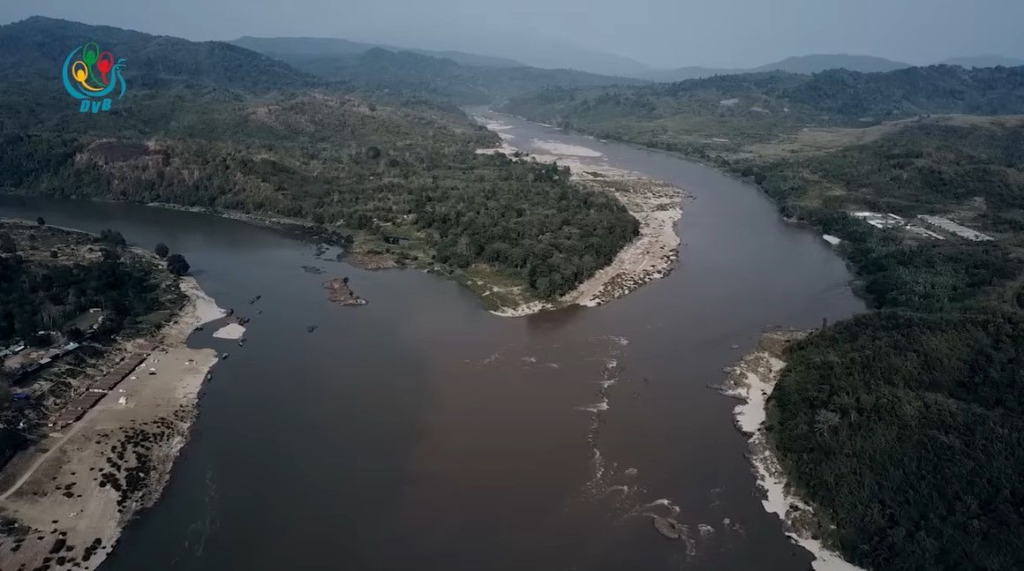
The Myitsone hydropower project was one of the largest Chinese-backed infrastructure projects in Myanmar. The proposed dam, at the confluence of the Mali and May Kha rivers—the beginning of the Ayeyarwady—was designed with a capacity of about 6,000 MW and an estimated construction cost of roughly US$3.6 billion.
The project was strongly opposed by many Kachin communities, environmental groups and, increasingly, people across Myanmar.
The opposition became a nationwide campaign.
On 11 August 2011, Daw Aung San Suu Kyi publicly appealed for the Ayeyarwady to be protected and called for the project to be reassessed. International Rivers records that her intervention helped bring the campaign to international attention.
Then, on 30 September 2011, President U Thein Sein announced the suspension of the project during the term of his government, saying that the government had to respect the will of the people. Contemporary reporting described the decision as a response to growing public opposition.
This is an important historical lesson:
Public opinion in Myanmar could, under certain circumstances, force even a government closely associated with the military establishment to reconsider a major Chinese-backed project.
The original post is therefore correct about the significance of the Myitsone campaign, although the stronger claim that the Generals and China became frightened specifically because approximately 720 other projects were at risk needs documentary evidence before it can be presented as fact.
Myitsone was not an isolated China project
The Myitsone controversy occurred alongside a much wider expansion of China-Myanmar economic and strategic relations.
The Kyaukphyu area in Rakhine State became particularly important because of the oil and natural-gas pipelines connecting Myanmar’s Bay of Bengal coast with Yunnan.
China and Myanmar agreed to develop the oil and gas pipeline projects in 2008–09. Construction began in 2009. The gas pipeline subsequently began transporting gas to China in 2013, while the oil pipeline was completed in 2014 and began operations later.
These pipelines were strategically significant to China because they provided an alternative route for energy imports that reduced reliance on the Malacca Strait. The gas pipeline could carry up to about 12 billion cubic metres of gas annually, while the crude-oil pipeline was designed to transport imported oil from the Indian Ocean coast into southwestern China.
Therefore, the original post is right to draw attention to the importance of the Kyaukphyu-Yunnan corridor.
But one must be careful about chronology.
The Myitsone dam was suspended in September 2011. The pipelines were already under construction by then.
That means it is reasonable to study whether the suspension affected China’s broader Myanmar strategy, but it would be too strong to state as established fact that the Myitsone campaign was deliberately suppressed or redirected into an anti-Rohingya campaign.
The much more difficult question: did anti-Rohingya mobilisation serve as a distraction?
The original post proposes that an anti-Rohingya online campaign emerged after the Myitsone controversy and that public attention was subsequently diverted from resource projects.
This is an intriguing hypothesis.
But we have not found reliable documentary evidence establishing a coordinated plan in which the military or Chinese interests deliberately created anti-Rohingya propaganda in order to conceal pipeline construction.
That distinction matters.
The chronology we can document is different.
The Myitsone controversy reached its peak in 2011.
Communal violence in Rakhine State escalated dramatically in 2012. Human Rights Watch documented serious abuses against Rohingya Muslims following the June 2012 violence, including killings, rape and mass arrests.
Human Rights Watch subsequently described the displacement of more than 125,000 Rohingya and other Muslims and characterised the campaign as ethnic cleansing and crimes against humanity.
Anti-Muslim violence then spread beyond Rakhine.
Meiktila experienced major violence in March 2013, followed by attacks in several other parts of the country. The U.S. State Department’s religious-freedom reporting documented the spread of anti-Muslim violence and the use of social media, pamphlets and DVDs to propagate anti-Muslim messages.
The 969 movement and nationalist Buddhist networks also became increasingly prominent in this period. Human Rights Watch documented hate speech, boycotts of Muslim businesses and campaigns against Muslim marriage and conversion.
So there certainly was an expanding anti-Muslim information environment.
What we cannot presently prove is that it was deliberately created as a diversion from the China-Myanmar pipelines.
One important correction: the BBC map claim
The original post says that the anti-Rohingya online campaign began because the BBC published a map identifying Rohingya as an ethnic minority of Myanmar.
I would not publish this as a factual statement without stronger evidence.
The history of anti-Rohingya discrimination and the denial of Rohingya identity considerably predates the BBC map controversy. The 1982 citizenship framework, restrictions on movement and marriage, exclusion from political participation, and long-standing official use of terms such as “Bengali” all belong to a much longer history.
The BBC map may have become a particular flashpoint in online arguments, but that is not the same as demonstrating that it started the anti-Rohingya campaign.
That distinction will make the MMNN article much stronger.
Nor should we say that the Rohingya genocide “started” simply because of the online campaign
There is another important correction.
The evidence now available establishes a long history of persecution, discrimination, forced displacement and violence against Rohingya communities.
The United Nations Independent International Fact-Finding Mission concluded that the Myanmar military’s 2017 clearance operations involved genocidal acts and found an inference of genocidal intent. It also warned in 2019 that the threat of genocide continued.
At the same time, the legal question before the International Court of Justice remains formally unresolved.
The ICJ held public hearings on the merits of The Gambia v. Myanmar from 12–29 January 2026. On 29 January 2026, the Court announced that it had begun deliberations; a judgment has not yet been delivered.
Therefore, MMNN can accurately say:
“The Rohingya have suffered persecution and atrocities that UN investigators have found included genocidal acts and evidence of genocidal intent.”
But we should not write as though the ICJ has already issued a final judgment determining genocide.
What about the huge figures in the circulating Myitsone document?
The original post contains a series of extraordinary claims concerning:
- thousands of tonnes of gold and other minerals;
- millions of tonnes of timber;
- hundreds of millions of dollars in timber, minerals and gemstones;
- large numbers of trucks transporting material;
- alleged Chinese processing facilities;
- alleged profits vastly exceeding the original investment;
- alleged payments and agreements involving military leaders and businessmen.
These are precisely the claims that require the greatest caution.
Some historical sources confirm the involvement of China Power Investment (CPI) and Asia World, and an academic chronology records a reported ownership structure of approximately 80% CPI, 15% Myanmar Ministry of Electric Power and 5% Asia World. It also records a 6,000-MW project and a 50-year concession.
However, I have not found sufficiently reliable primary documentation to verify all of the spectacular financial and mineral-extraction figures reproduced in the Facebook post.
Therefore, I would not present those figures as established MMNN facts.
Instead, we can say:
“A widely circulated Burmese-language account makes extensive claims about natural resources allegedly extracted during the Myitsone preparatory works. These claims require independent documentary verification and should not be treated as established facts merely because they have been repeatedly reproduced online.”
The real lesson about the pipelines
There is nevertheless an important historical point that should not be lost.
The suspension of Myitsone did not stop all major China-Myanmar energy projects.
The oil and gas pipelines continued.
The gas pipeline began operating in 2013, and the oil pipeline was completed in 2014. The projects survived substantial domestic controversy and local opposition.
Research on the pipeline corridor has documented disputes over land, environmental effects, local livelihoods and the distribution of benefits. Community activism along the pipeline route also developed partly in the aftermath of the Myitsone campaign.
This suggests a more defensible conclusion:
Myanmar’s public attention was divided among several enormous and simultaneous crises—ethnic conflict, communal violence, political transition, resource extraction and Chinese infrastructure projects.
Whether anyone deliberately engineered that fragmentation is a separate question.
My Comment: The question we should continue asking
For me, the most important lesson is not that we should automatically believe every conspiracy theory.
Nor should we automatically dismiss one simply because it sounds uncomfortable.
We should investigate.
The Myitsone campaign demonstrated that ordinary Myanmar people, environmentalists, ethnic communities, intellectuals, journalists and civil-society organisations could collectively influence a major national decision.
But Myanmar’s subsequent history also demonstrated how quickly public attention could be consumed by communal fear, ethnic conflict and anti-Muslim hatred.
The Rohingya crisis was not imaginary. The persecution was real. The displacement was real. The atrocities were real. And the international investigations into the 2017 military operations produced extremely serious findings.
At the same time, we must not turn a serious historical question into an unproven accusation.
If someone deliberately used communal hatred to divert public attention from natural resources, infrastructure or economic interests, that would be an extremely serious historical matter.
But the correct response is not to declare it proven.
The correct response is:
FOLLOW THE MONEY. FOLLOW THE CONTRACTS. FOLLOW THE TIMELINE. FOLLOW THE EVIDENCE.
And ask:
Who benefited?
Who lost land, livelihood and security?
Which contracts were signed, when and by whom?
Which projects continued while the country was consumed by communal conflict?
Who controlled the information reaching the public?
And perhaps most importantly:
Could Myanmar’s people have protected both their natural resources AND the dignity and rights of every community at the same time?
The answer should have been—and still should be—yes.
Myanmar does not have to choose between protecting the Ayeyarwady, welcoming responsible investment, respecting ethnic nationalities, protecting Muslims and Rohingya, and developing its economy.
A country belongs to all its people. Its rivers, forests, minerals and future should serve all its people—not merely those powerful enough to control them.
UNITY IN DIVERSITY. JUSTICE FOR ALL.
A Personal Warning About the Diversion Theory
The theory that anti-Rohingya mobilisation was deliberately encouraged to divert public attention from China’s strategic projects did not arise from nowhere. Some Myanmar observers, including people who claimed access to sensitive information, circulated maps and other material suggesting a connection between communal tensions and the rapidly developing China–Myanmar pipeline corridor.
I personally received some such material and, on other occasions, information from sources whose identities and access I considered significant enough to publish material supplied by them. Some of those sources provided information that subsequently proved useful or noteworthy.
But experience with a source is not the same thing as independent proof of every claim made by that source.
Therefore, the existence of the theory—and the fact that credible-looking information was circulated—can be documented as part of the history of the debate. The stronger proposition that the anti-Rohingya campaign was deliberately engineered to divert attention from Chinese pipelines, however, should remain a hypothesis unless documentary evidence establishes the connection.
Long before the China–Myanmar oil and gas pipelines existed, I personally heard a Chinese military attaché explain why Burma’s geographical position could become strategically vital to China. In late 1988, at a Myanmar Embassy Military Day reception, in the presence of an Indian military attaché, he told me that if China ever fought the United States, Malaysia, Singapore and Indonesia could potentially block China’s access through the Strait of Malacca. Burma, therefore, would become extremely important as China’s land route to the Indian Ocean and as an alternative route for goods and petroleum.
At that time, there was no discussion between us about pipelines. I am recording this as my personal recollection of a conversation—not as proof of what Chinese policy makers had already decided. What is remarkable is that subsequent developments gave practical form to the strategic logic he described: China later developed roads, ports and, eventually, oil and gas pipelines through Myanmar to bypass the Malacca Strait.
“Listen to the insider. Record the allegation. Check the documents. Follow the timeline. Never confuse access with proof.”
Interestingly, later scholarship provides independent evidence that the underlying strategic concept was real, even though it cannot prove what that particular officer said to you. A 1985 Beijing Review article by former Chinese minister Pan Qi has been cited as an early articulation of Myanmar’s importance as China’s outlet to the Indian Ocean. Later research describes Myanmar as a convenient land route to the Indian Ocean and discusses China’s concern about vulnerability at the Strait of Malacca.
And the chronology is particularly striking:
1985 — Chinese strategic thinking about Myanmar’s Indian Ocean access was already being publicly discussed.
Late 1988 — you personally recall hearing essentially this strategic logic from a Chinese military attaché.
1990s — China–Myanmar economic and military relations deepened considerably.
2004 onward — feasibility discussions concerning China–Myanmar pipelines began.
2007–08 — the oil/gas pipeline plans were formally advanced.
2009–10 — pipeline construction began.
2013–14 — the pipelines became operational, providing China with an energy route from the Indian Ocean that bypasses the Malacca Strait.
My fact-check verdict on the key points
| Claim in the original | My assessment |
|---|---|
| Myitsone faced a powerful nationwide public campaign | Supported |
| Thein Sein suspended Myitsone in Sept. 2011 because of public opposition | Strongly supported |
| Aung San Suu Kyi’s Aug. 2011 appeal was genuine | Supported |
| China-Myanmar oil/gas pipelines were strategically important | Supported |
| Pipelines were already being developed around the Myitsone period | Supported |
| Anti-Muslim/Rohingya mobilisation expanded after 2012 | Supported |
| The BBC map started the anti-Rohingya campaign | Most of Myanmar activist knew this. |
| Anti-Rohingya campaign was deliberately created to hide the pipeline | Remains a strong hypothesis believed by activists |
| Rohingya suffered systematic persecution and atrocities | Strongly documented |
| The ICJ has already legally ruled that Myanmar committed genocide | No—the merits judgment is still pending as of Sept. 2026 |
| All the extraordinary mineral/timber/profit figures in the Facebook post are proven | Not sufficiently verified BUT most of Myanmar knew this fact |
လူရင်းထိုးတဲ့ဓါးကပိုထိတယ်ဆိုတာ တရုတ်မက သက်သေပြလိုက်ပြီး မြန်မာပြည်ကသယံဇာတ တရုတ်နဲ့ကင်းတာမရှိ မြေရှား ကျောက်စိမ်း ကြေးနီ ရွှေ အစရှိသည်တို့အားလုံး တရုတ်လက်ဝါးအုပ်ထားတာ
တရုတ်နိုင်ငံသူလော်ဘီလည်းဖြစ် ၊စစ်ကော်မရှင်သမ္မတရဲ့တရုတ်ခရီးစဥ်မှာ စကားပြန်လုပ်ပေးခဲ့သူလည်းဖြစ်တဲ့
မစောရီ ခေါ် ကျောက်ကျင်းကမြစ်ဆုံကိစ္စမှာ၊ သူကလုပ်ချင်တာ၊ငါက လုပ်ချင်တာမဟုတ်ဘူး၊ ဆိုတဲ့အပေါ် ပြန်တုန့်ပြန်ခဲ့တယ်။၊
သူပြန်တုန့်ပြန့်လိုက်မှဘဲ “ညောင်မြစ်တူးရင်း ပုတ်သင်ဥ ပေါ်လာတယ်”ဆိုတဲ့စကားလိုမျိုး၊
မြစ်ဆုံကိစ္စတင်မဟုတ်ဘဲ #တရုတ်နိုင်ငံကုန်သွယ်ရေးဝန်ကြီးဌာနကနေ ဒီနိုင်ငံကို “#ရင်းနှီးမြှုပ်နှံဖို့အန္တရာယ်အများဆုံးနိုင်ငံအဖြစ်သတ်မှတ်ထားပြီး ရင်းနှီးမြုပ်နှံမှုတွေ လာမလုပ်တဲ့အပြင် ယခင်ရှိပြီးသားသူတွေတောင် ယခုကာလ #ပြန်ထွက်သွားနေတဲ့အကြောင်း” ကို နိုင်ငံသိ၊တိုင်းသိပြည်သိ ကြေညာပေးလိုက်သလို ဖြစ်သွားခဲ့တယ်။
……
ဖြစ်ကြပုံကိုပြန်ကြည့်တဲ့အခါ
DVB Debate တခုမှာ ဒေါက်တာထားထားက”နိုင်ငံအခြေအနေ မကောင်းတဲ့ကြားကတရုတ်အစိုးရ မြစ်ဆုံပြန်စချင်နေတယ်” ဆိုတဲ့ပြောကြားချက်အပေါ် သူမက
“မြစ်ဆုံပြန်စချင်တာက မြန်မာအစိုးရပါ။ တရုတ်အစိုးရ မဟုတ်ပါဘူး။ အခု မြန်မာပြည်မှာ တရုတ် CPI ကုမ္ပဏီက ဝန်ထမ်းတစ်ယောက်မှ မရှိတော့သလို မြန်မာနိုင်ငံကို ရင်းနှီးမြှုပ်နှံဖို့ အန္တရာယ်အများဆုံးနိုင်ငံအဖြစ် တရုတ်ကုန်သွယ်ရေးဝန်ကြီးဌာနက အခုထိ သတ်မှတ်ထားပါတယ်။
တရုတ်ပြည်ရဲ့ စက်မှုလုပ်ငန်းတွေရော ပြည်သူတွေရဲ့ နေထိုင်မှုပါ မီးမရှိလို့ မလည်ပတ်နိုင်ဘဲ မြစ်ဆုံရဲ့ လျှပ်စစ်ကို ငုတ်တုတ်ထိုင် စောင့်နေတာ မဟုတ်ပါဘူး” လို့ ဒေါ်စောကြည် ခေါ် ကျောက်ကျင်းက တုန့်ပြန်ခဲ့တာဘဲဖြစ်တယ်။
…..
ဆိုတော့..ဒီစကားတွေအရ၊ မြစ်ဆုံကိစ္စနဲ့ပြည်ပရင်းနှီးမြူပ်နှံမှုလာရောက်ဘို့ကိစ္စ နှစ်ခုကို လေ့လာကြည့်ရအောင်ပါ။
ဒီတော့ပထမဆုံး ရင်းနှီးမြုပ်နှံမှုတွေလာကြမယ့်ကိစ္စကို အရင်ကြည့်ရရင်
ဒီနိုင်ငံနဲ့ အရင်းနှီး၊အပတ်သတ်ဆုံး အူမချေးခါးသိပြီး သူ့လက်ဝေ ခံလိုထားတဲ့ တရုတ်နိုင်ငံကတောင်မှ၊ ဒီနိုင်ငံရဲ့အခြေအနေမှန်ကိုသိပြီး သူတို့အကျိုးစီးပွားထိခိုက်မှာစိုးတဲ့အတွက်၊
အသစ်ဝင်ရောက်လုပ်ကိုင်ဘို့မဆိုထားနဲ့၊ခုကာလ၊ ရှိပြီးသားသူတွေကတောင်ပြန်သွားနေကြတယ်လို့ ဆိုနေမှတော့ ၊
အခြားနိုင်ငံတွေဆိုတာက ပြောစရာမရှိပြီ၊ ဆိုသလိုဘဲပြောရမှာဖြစ်တာမြင်ကြရမယ်။
ခုဆိုရင်ဘဲ ကချင်၊ရခိုင်၊ကရင် နယ်စပ်တွေမှာစစ်ရေးပြင်ထန်နေတာ၊ပြည်မထဲက နေရာတွေမှာ ဖြစ်နေကြတဲ့ လေကြောင်း၊မြေပြင်တိုက်ပွဲတွေ၊ မီးရှို့ ဗုံးချတာတွေရဲ့ သတင်းက သူ့အလိုလို ကမ္ဘာ့စာမျက်နှာတွေအပေါ်မှာ နေရာယူကြတဲ့အခါ ၊ဘယ်ကိုဘာကိုဘယ်လို မျှော်လို့ရမလဲ ဆိုတာ ခလေးကအစ သိကြတာမျိုးဘဲဖြစ်တယ်။
ဆိုရရင်ဒီအဖြစ်တွေ ရှိနေသေးသရွှေ့ သေချာတာကတော့ပြည်ပကနေ၊ စီးပွားရေးအရ လာရင်းနှီးမြုပ်နှံဘို့ဆိုတာ ဝေးလို့၊ ကိုယ့်နိုင်ငံထဲမှာလည်း စိုက်ပျိုးရေး၊ကုန်စည်စီးဆင်းရေး၊ကုန်ထုတ်တာကအစ ပိူ့ကုန်တွေအရာရာထိခိုက်ပြီး၊
တစ်နေ့ထက်တနေ့ စီးပွားရေးပျက်ကပ်ဆီသာဦးတည်နေမှာ ဗေဒင်မေးစရာမလိုပါဘူး။
…..
နောက် တစ်ခုဖြစ်တဲ့မြစ်ဆုံကိစ္စ.ကို ကြည့်ရင်၊အထက်မှာ ပြောခဲ့သလို၊ ဒီဖက်ကအာဏာပိုင်တွေက ပြန်စချင်တာလား၊တရုတ်ကမလုပ်ချင်တာလား.ဆိုတာ..
အောက်က.စာလေးကိုသာ အဆုံးအထိ ဖတ်ကြည့်ရင် သိသာမှာပါ။ ဒီအကြောင်းအရာတွေက အတော်စိတ်ဝင်စားဖွယ်ရာဖြစ်ပြီး သိထားသင့်တဲ့အထဲ ပါပါတယ်။
……….
ဒါဖတ်ပြီးရင်
#ဧရာဝတီနှင့်မြန်မာပြည်ကိုသတ်ဖို့ဘယ်သူတွေကကြံစည်ခဲ့တာလဲဆိုတာ?ပေါ်လာမှာပါ။
==========
ဒီ #မြစ်ဆုံအကြောင်း နဲ့ ပတ်သက်ပြီး (၂၀၁၁ ခုနှစ် သြဂုတ်လ ၁၁ ၇က်)နေ့မှာ
ဒေါ်အောင်ဆန်းစုကြည်ဟာ သူမရဲ့ လက်ရေးမူ အင်္ဂလိပ်ဘာသာနဲ့ “#ဧရာ၀တီသနားခံစာ” ဆိုတဲ့ စာတမ်းကို ခေါင်းစဉ်တပ်ရေးသားခဲ့ပြီး
(နိုင်ငံတကာ မြစ်ချောင်းများလေ့လာရေးသုတေသနအဖွဲ့သို့ )ရေးသားတင်ပြခဲ့တယ်လို့ ဆိုတယ်။
…..~~~~~စာ.မူလတင်သူကိုCredit ပေးပါတယ်။
စာပါအပြည့်အစုံ.မှာ..
အဆိုပါမြစ်သည် အံ့ဖွယ်ဘနန်း ဖြစ်စေရပြီး မြန်မာပြည်၏အဓိကရေသောက်မြစ်လဲဖြစ်သော အရာဖြစ်၏။
ထို့အပြင် မြစ်ကြီးသည် ကျမတို့ သတ္တဗေဒနှင့် သဘာဝဗေဒတို့၏ ပင်မအဓိက မြစ်ကြီးလဲဖြစ်သည်။
ထိုမြစ်ကြီးမှ ကျမတို့လူသားများလက်ရှိနေထိုင်ကြသော ကျမတို့တိုင်းပြည်၏ သဘာ၀ ဂေဟစနစ်အသွင်အား ထုတ်ဖေါ်ပြသထားသော အံမခန်းဘွယ်မြစ်ကြီးဖြစ်ပါပေသည်။
ထိုမြစ်ကြီးအား အကြောင်းပြုကာ ကျမတို့ တိုင်းပြည်၏ သမိုင်း ယဉ်ကျေးမှုနှင့် လူနေဘ၀အဖုံဖုံအသွယ်သွယ်တို့အား ပေါင်းစပ်ထောက်ပံ့ပေးထားသော မြစ်ကြီးဖြစ်သည်သာမက ၄င်းဧရာ၀တီမြစ်ကြီးအား အခြေခံကာ ရွှင်မြူးဖွယ် ခံစားဖွယ် လွမ်းမောဖွယ် ဂုဏ်ယူဖွယ်နှင့် မရေတွက်နိုင်သော ရသစာပေများအား ခံစားစံစားရသော မြစ်ကြီးတစင်း စီးဆင်းလျှက်ပင်တည်း.. ”
=============
{၂၀၀၈ ခုနှစ် ဒီဇင်ဘာလ (၂၄) ရက်နေ့ နေခင်း (၂) နာရီတွင် }မြစ်ဆုံ လုပ်ငန်းအကောင်ထည်ဖေါ်ရေးအတွက် တွဲဖက်လုပ်ကိုင်မည် ဘန်ကာ BANCA နှင့် တရုတ်ဘက်မှ CPI ကုမ္မဏီတို့ သဘောတူ လက်မှတ်ရေးထိုးကာ နိုင်ငံတကာမှ ခွင့်ပြုချက်ရရှိမည့် အီးအိုင်အေ အတွက် လေ့လာရေးကို စတင် အကောင်ထည်ဖေါ်ကြပြန်သည်။
~~~~~~~~~~~~~~~~
(၂၀၀၉) ခုနှစ် ဇန်နာ၀ရီလမှ ဇွန်လအထိ တရုတ်မြန်မာ အဖွဲ့ပေါင်း (၁၁ ဖွဲ့မှ) လုပ်ငန်း အကောင်ထည်ဖေါ်ရန်နောက်ဆုံး လေ့လာစူးစမ်းမှုများ အပြီးသတ်ပြုလုပ်ခဲ့ကြသည်။
ထိုသို့ ပြုလုပ်ကြရာတွင် တရုတ်ဘက်မှ CPI
(China Power Investment) မှ ၄င်းတို့ တွေ့ရှိချက်များအား အထူးအစည်းဝေးခေါ်ယူကာ တင်ပြကြ၏။
~~~~~~~~~~~~~~~~~~~
#တင်ပြချက်ထဲတွင်ကုမ္မဏီ၏လုပ်ငန်း စတင်အကောင်ထည်ဖေါ်ချိန်မှစပြီး လုပ်အားနှင့် ရင်းနှီးမြုပ်နှံမှု အားလုံး အရှုံးဖြင့် ရင်ဆိုင်ကြုံတွေ့နိုင်စရာ အကြောင်း မရှိကြောင်းနှင့် လုပ်ငန်း စတင်လုပ်ကိုင်ဆောင်ရွက်ချိန်မှစကာ ကုမ္မဏီအဖို့ မျှော်လင့်မထားသော အကျိုးမြတ်ကြီးများ ရရှိနိုင်ကြောင်း ၄င်းတို့ စာတမ်းတွင် ဖေါ်ပြသည့်အတွက် တရုတ်ပြည်မ အစိုးရကိုယ်တိုင်ပင် အထူးစိတ်၀င်စားကာ တရုတ်ပြည်၏ သစ်တောရေးရာ (မြောက်ပိုင်းဒေသ) ကာကွယ်စောင့်ရှောက်ရေး၀န်ကြီး( #လျံချီပင်း) အား စီပီအိုင်၏ လုပ်ငန်းများအား ပူးတွဲပါ၀င်ကြီးကြပ်ရန် သံဗာန်စာဆင့်ထုတ်ကာ ညွန်ကြားခဲ့သည်။
~~~~~~~~~~~~~~~~~~~~
အကြောင်းမှာ {မေခ နှင့် မလိခ} မြစ်နှစ်သွယ် ဆုံမိစီးဆင်းသည့် အိုင်ကြီးသည် အလွန်တန်ဖိုးကြီးမားသော
(ရွှေနှင့် အခြားဓါသတ္တုပစ္စည်းများ )ရရှိသေချာကြောင်း၊ လုပ်ငန်း စတင်လုပ်ဆောင်သော အချိန်မှစပြီး လုပ်ငန်းပြီးဆုံးသည့် အချိန်ထိ ရွှေနှင့် တန်ဘိုးကြီး ဓါတ်သတ္တု ခန့်မှန်းခြေ တန်ပေါင်း ( ၅၀၀၀) နှင့် (၁၀၀၀၀) သောင်းအကြား တပါတည်း ရရှိတူးဖေါ်နိုင်ကြောင်း အပြင် ဒေသတွင်းရှိ ရှင်းလင်းပယ်ဖျက်ရန် သစ်တောကြီးများမှ
(သစ်တန်ချိန် ၂သန်းမှ ၇)သန်းထိ ရနိုင်သည့်အပြင် တန်ဘိုးရှိသော ရှားပါး သစ်ခွ နှင့် အခြားသော မျိုးစေ့ မျိုးဆက် အသစ်ဆန်းများ ရရှိမှာ ဖြစ်ကြောင်း အား အသေးစိတ် ဓါတ်ပုံများနှင့်တကွ တင်ပြခဲ့သည်။
~~~~~~~~~~~~~~~~~~
အထက်ပါ အစီရင်စာ အား (၂၀၀၉ခု ဂျူလိုင် လ ၆ ရက်နေ့ )တွင် တင်ပြခြင်းကြောင့် တရုတ်ပြည် ယူနန်ဒေသ အာဏာပိုင်များပင်မက ပြည်မ အာဏာပိုင်များပါ အထူးစိတ်၀င်စားခဲ့ပြီး မြန်မာပြည်သို့ တရုတ်ပြည် စီးပွားရေးဆိုင်ရာ ၀န်ကြီး အလည်ပတ်ရောက်ရှိလာပြီး အနားယူသွားသော #ဗိုလ်ချုပ်မှူးကြီးသန်းရွှေနှင့် မြန်မာ စီးပွားရေးသမားများ ခရိုနီများအား အထူးမက်လုံးပေးဖိတ်ခေါ်ခဲ့သည်။
~~~~~~~~~~~~~~~
(၂၀၀၉ ခုနှစ် စတင်ဘာလ ၈ ရက်နေ့တွင်) မြန်မာ
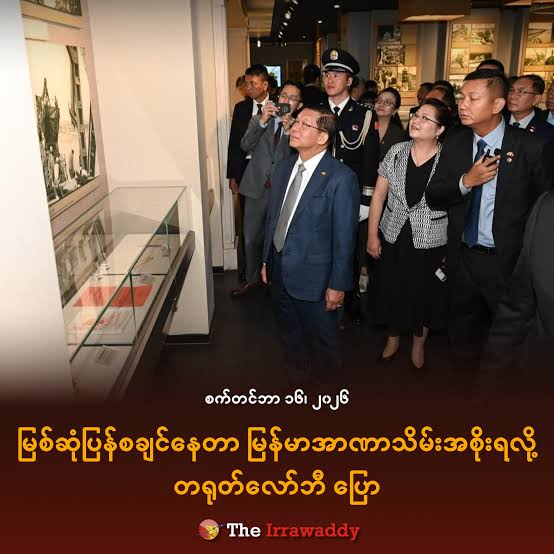
#အာဏာရှင်ကြီးဗိုလ်ချုပ်မှုးကြီးသန်းရွှေဦးဆောင်သော( ၈၁ )ယောက်ပါသည့် မြန်မာကိုယ်စာလှယ်အဖွဲ့ တရုတ်ပြည်သို့ လိုက်ပါပြီး တရုတ်ပြည်မှ “မဟာ ပြည်သူ့ရင်ပြင် အဆောက်ဦး” တွင် ကော်ဇောနီးခင်း ကာ တရုတ်ပြည်မှ သမ္မတ (ဟူဂျင်တောင်း) က ကြိုဆိုခဲ့ကြောင်း အမေရိကန်ပြည်ထောင်စု လော့အိန်ဂျလိ တိုင်းမ် သတင်းစာမှ ရေးသားတင်ပြထားသည်။
~~~~~~~~~~~~
#ထိုသို့ဗိုလ်ချုပ်မှူးကြီးသန်းရွှေနှင့် ခ၇ိုနီတို့၏ တရုတ်ပြည်ခရီးစဉ်တွင် တရုတ်ဖက်မှ မြစ်ဆုံလုပ်ငန်း အပါ၀င် အခြားသော အကြောင်းရာများ (၁၃) ခုအား အဖြေခိုင်ခိုင်မာမာရရှိအောင် တရုတ်တို့ဘက်မှ အင်တိုက်အားတိုက် ဆွေးနွေးခဲ့ပြီး လက်မှတ်ပေါင်း ( ၄၃) ခုအား မြန်မာဘက်မှ ထိုးပေးခဲ့ပါသည်။
~~~~~~~~~~~~~~~~~~
#ဗိုလ်ချုပ်မှူးကြီးသန်းရွှေမှလက်မှတ်ထိုးသဘောတူသော အချက်များတွင် တရုတ်တို့ လိုလားတောင်းတသော အချက်လက် ကို ရရှိသွားကြလေ၏။
၄င်းအချက်လက်မှာ မြစ်ဆုံဒေသရှိ နယ်မြေရှင်းလင်း တည်ဆောက်သော ကာလ၀ယ် အသုံးမ၀င်သော (သစ်မာနှင့် မြစ်ဆုံဒေသ တည်ဆောက်ရေးလုပ်ငန်းတွင် ဖယ်ထုတ်စွန့်ပစ်ရမည်ဖြစ်သော မြေသားများအား) တရုတ်တို့ဘက်သို့ တိုက်ရိုက်သယ်ယူ ပို့ဆောင်ရေး အပါ၀င် လိုအပ်လျှင် တရုတ်တို့ဘက်မှ လုံခြုံရေး အစီမံများ ပူးတွဲလုပ်ကိုင်ခွင့် ရရှိရန်ဖြစ်လေသည်။
~~~~~~~~~~~~~~~
#ထိုကိစ္စအရပ်ရပ်အားအကွက်ကျကျစီမံဆောင်ရွက်ပေးနိုင်သောယခု #အနားယူသွားသည့်ဒုတိယသမ္မတတင်အောင်မြင့်ဦးနှင့်ဗိုလ်ချုပ်ကြီး #မောင်အေးတို့အာအေးရှဝေါလ်နှင့်စီပီအိုင်တို့မှအမေရိကန်ဒေါ်လာ သန်းပေါင်း (၃၀၀) လက်ဆောင်ပေး အပ်နှင်းခဲ့သည်၊
~~~~~~~~~~~~~
#တရုတ်တို့လိုချင်သောကိစ္စရပ်များရရှိပြီးနောက် မြစ်ဆုံလုပ်ငန်းအား အားတိုက်အင်တိုက် ပြုလုပ်ကြလေတော့သည်။ မြစ်ဆုံလုပ်ငန်းအား မြန်မာဘက်မှ တာ၀န်ယူ ရင်းနှီးမြုပ်နှံထားသူ #အေးရှဝေါလ်ကုမ္မဏီမှ တက်သုတ်ရိုက်ကာ အလျှင်သလို အကောင်ထည်ဖေါ်ဆောင်ရွက်၇ာတွင် (၂၀၀၉ ခုနှစ် ဒီဇင်ဘာလ (၈)ရက်နေ့တွင် တရုတ်ပြည်ဘက်မှ မြန်မာပြည်၏ မိခင် ဧရာဝတီအား} #စတင်သတ်ဖြတ်၇န် စက်ယန္ဒယားပေါင်း ( ၁၀၃၂) ခု အားစတင်၀င်ရောက်လာတော့သည်။
~~~~~~~~~~~~~~~~~~
#၄င်းဒေသတွင်းရှိရွာပေါင်း (၆၃ ရွာ နှင့် လူဦးရေပေါင်း ၂ သောင်း ၆ထောင်မှ ၃၈၀၀၀ )အကြား ရှိမည်ဟုခန့်မှန်းရသည်။
#ဗိုလ်ချုပ်မှူးကြီးသန်းရွှေ၏ တရုတ်ပြည်သို့ သွားသော ခရီးစဉ်အား #ဘိန်းဘုရင်လောစစ်ဟန်နှင့် ၄င်းတို့ မိသားစုပိုင်ဆိုင်သော အေးရှဝေါလ် ကုမဏီမှ (အမေ၇ိကန်ဒေါ်လာ ၂.၈ သန်း )အကုန်ကျခံကာ တရုတ်အာဏာပိုင်များနှင့် ပူးပေါင်းကာ စီစဉ်ခဲ့ကြောင်းအား တရုတ်အမျိုးသား လုံခြုံရေးဆိုင် အထူးထောက်လှမ်းရေးမှ ၄င်းတို့၏ အသုံးစရိတ်နှင့် ဘတ်ဂျက် စာရင်းအား တရုတ်ပြည်မ နှင့် တရုတ် ရာဇ၀တ်မှု စောင့်ကြည့်ရေး ဌာနသို့ တင်ပြရာတွင် ဖေါ်ပြထားသည်။
~~~~~~~~~~~~~~~~~~
#၁၉၈၈စစ်တပ်မှအာဏာသိမ်းသောကာလ၀ယ် မိုင်းယမ်း တိုက်ပွဲကြီး ရှမ်းပြည်မြောက်ပိုင်း( ၀ )ဒေသနှင့် ထိစပ်နေသော နေရာတွင် ဖြစ်ပွားနေပြီး ၄င်းတိုက်ပွဲအား အဓိက တာ၀န်ယူ ထိပ်တိုက်ရင်ဆိုင် နေသူမှာ #ဗိုလ်မှူးတင်အောင်မြင့်ဦးဖြစ်ခဲ့ပြီး ဗိုလ်မှူး တင်အောင်မြင့်ဦးအား ညှိနိုင်းကာ #လော်စစ်ဟန် ၄င်း၏ လက်ထောက် #ဖုန်းကျားရှင်းတို့နှင့် ကိုးကန့်ဒေသ အာဏာသိမ်းမှု ဖြစ်ပေါ်စေရေးအတွက် #ဗိုလ်ချုပ်ခင်ညွန့် မှ စနစ်တကျ စီစဉ်ပေးခဲ့သည်။
~~~~~~~~~~~
၂၀၀၄ခုနှစ် စက်တင်ဘာလ နောက်ပိုင်းတွင်
#သူရသီဟတင်အောင်မြင့်ဦးအပါ၀င်သမ္မတဦးသိန်းစိန် ၊
#ဗိုလ်ချုပ်ကြီးမောင်အေး ၊ #ဗိုလ်ချုပ်မှူးကြီးသန်းရွှေနှင့် ၄င်း၏ မိသားစုများပါ ဆက်လက် ထိန်းသိမ်းပူးတွဲလုပ်ကိုင်လက်တွဲခဲ့ပြီး လော်စစ်ဟန်ပိုင်သော (အမေရိကန်ဒေါ်လာ 20.22.Billions )(ခန့်မှန်းချေ) အား မြန်မာနှင့် အားရှစီးပွားရေးလောကတွင် အရောင် ၀င်းလက်တောက်ပစေခဲ့သည်။
~~~~~~~~~~~~~~~
#လော်စစ်ဟန်မိသားစု၏အေးရှဝေါလ် ကုမ္မဏီသည် မြန်မာဘက်တွင် မြစ်ဆုံနယ်မြေတူးဆွရှင်းလင်းရေးနှင့်၄င်းဒေသမှ ရှင်းလင်းဖယ်ထုတ်သော မြေကြီးနှင့် သစ်တောထွက်ပစ္စည်းများအားလုံးအား တရုတ်ပြည်ဘက်သို့ တနေ့လျှင် (တန်ပေါင်း ၁၀တန် မှ တန်ပေါင်း ၂၅)တန် ၀န်တင်ဆောင်သော ကားကြီးကားငယ်များဖြင့် နေ့ရောညပါ တနေ့လျှင် (၂၂၈ စီးမှ ၃၄၀) ထိ သယ်ယူသွားသည်ကို တိကျသော ဒေသခံတို့မှ မှတ်တမ်းတင်ထားမှုအား စာရေးသူမှ ရရှိခဲ့သည်။
တရုတ်ပြည်ဘက်တွင် နေ့ည (၂၄) နာ၇ီ လည်ပတ်သော သစ်ခွဲစက်များ၊ ရွှေနှင့် ဓါတ်သတ္တု ခွဲထုတ်ရေး လုပ်ငန်းများဖြင့် လူအင်အား (၅၀၀ မှ ၈၀၀၀အထိ) အလုပ်ခန့်အပ်ကာ လုပ်ငန်းဆောင်ရွက်ခဲ့ကြပြီး စိပီအိုင်(CPI) မြစ်ဆုံဒေသ အကျိုးမြတ်နှင့် လုပ်ငန်း ဝေစု အတွင် ခွဲဝေရှင်းလင်းရေး မှတ်တမ်းတွင် မြန်မာ မြစ်ဆုံဒေသမှ လုပ်ငန်းအကောင်ထည်ဖေါ်ရေးကာလတွင်ရရှိသော ရှင်းတမ်းသည် (သစ်မာနှင့် သစ်တောထွက် ပစ္စည်းများမှ အမေ၇ိကန်ဒေါ်လာ သန်းပေါင်း ၃၈၂ သန်း( သဘာ၀ ဓါတ်သတ္တုများမှ ရွှေနှင့် အခြားဓါတ်သတ္တု အမေရိကန်ဒေါ်လာ (သန်းပေါင်း ၆၄၄သန်း )အား ရရှိပြီဖြစ်ကြောင်း အပြင် ကျောက်မျက်ရတနာ (အမေရိကန်ဒေါ်လာ ၂၂၄ သန်း) ဖြစ်ကြောင်းတင်ပြထားသည်။
~~~~~~~~~~~~~~
#မြစ်ဆုံဆည် စတင် လုပ်ဆောင်ခဲ့သော၂၀၀၉ ခုနှစ်မှစ ၍၂၀၁၀ )ရွေးကောက်ပွဲပြီးသွားပြီးနောက်
(၂၀၁၁ ခုနှစ် ဇန်နာ၀ရိလ ၇ ရက်နေ့)အထိ နိုင်ငံတကာ စီးပွားရေး ဆိုင်ရာ အကျိုးမြတ်စောင့်ကြည့်ရေးအဖွဲ့၏ ဖေါ်ပြချက်အရဆိုပါလျှင် (စီပီအိုင် နှင့် အေးရှဝေါလ်)တို့မှ လုပ်ငန်း အကောင်ထည်ဖေါ်ရန် အသုံးပြုခဲ့သော ရင်းနှီးမြုပ်နှံ စိုက်ထုတ်ထားသည့် အမေရိကန်ဒေါ်လာ (သန်း ၃၁၁ သန်းအား) အသုံးပြုခဲ့သော်ငြား မြစ်ဆုံဒေသမှ ပြန်လည်ရရှိသော ရွှေ၊ ကျောက်စိမ်း ၊အရည်သွေးကောင်းများ ၊နှင့် အခြား အဖိုးတန် ဓါတ်သတ္တုများအပြင် ၊သစ်တောထွက် ပစ္စည်းများကြောင့် အမေရိကန်ဒေါ်လာ (သန်းပေါင်း နှစ်ထောင် ဒသမ ၃ သန်းအား )အကျိုးမြတ် အလုံးရင်းရရှိကြောင်း သိရ၏။
~~~~~~~~~~~~~~~~
#မြစ်ဆုံဆည်ကြီးတည်ဆောက်ပြီးစီးသွားပါက မည်သို့သော ပြသနာများအား မြန်မာနိုင်ငံ ဧရာ၀တီမြစ်တလျောက်နှင့် ၄င်း၏နီးစပ်သော ဒေသများတွင် နေထိုင်သော သူများအဖို့ ရင်ဆိုင်ရနိုင်ကြောင်းအား ဒေါ်အောင်ဆန်းစုကြည်မှ သူမလက်ရေးမူဖြင့် ရေးသားတင်သွင်းသော
(နိုင်ငံတကာ မြစ်ကြောင်းများ စောင့်ကြည့်ရေးအဖွဲ့) သို့ ဧရာ၀တီ သနားခံစာ စာတမ်းတွင်ရေးသားတင်ပြထားသည်။
~~~~~~~~~~~~~~
” မကြာခဏ ငလျှင်လှုပ်လေ့ရှိသော မြန်မာ့ သဘာ၀ဘူမိ အနေထားအကြောင်း၊ သဘာ၀ ဂေဟပျက်ယွင်းမှုနှင့် မျိုးတုန်းပျောက်ကွယ်သွားနိုင်သော သတ္တဗေဒ အခြေနေများအပြင်
ဧရာ၀တီမြစ်ရေအားအကန့်သတ်ဖြင့်သာ လွှတ်ထုတ်စီးဆင်းအောင်ဆောင်ရွက်ထားမှုများက ဧရာ၀တီမြစ်ကြောင်း အဆုံးဒေသဖြစ်သည့်
(လူဦးရေး ၈ဒသမ ၆ )သန်းကျော် နေထိုင်နေကြသော ဧရာ၀တီတိုင်းတွင်၊ (လူဦးရေ ၁၄ဒသမ ၉) သန်းကျော်ခန့်နေထိုင်နေကြသော ရန်ကုန်တိုင်း စသော ကြီးမားသည့် ဒေသလွင်ပြင်များအတွက် မလွဲမသွေ ရင်ဆိုင်ရနိုင်သော အန္တရယ်မှာ အန္ဒိယသမုဒ္ဒရာမှ နေ့တဓူ၀ စီး၀င်လာနေသော (ဆားငန်ရေ)များအား လက်ရှိ ဧရာ၀တီမြစ်ရေ၏ စီးတွန်း ကျားကန်ထားမှု အရှိန်များကင်းမဲ့ သွားပြီး အထက်ဖေါ်ပြပါ ဒေသကြီး တိုင်းကြီးများတွင် (ဆားငန်ရေ) တနေ့တခြားလွှမ်းမိုးလာပြီး အားလုံး
(စိုက်ပျိုးရေးနှင့်ကျန်မားရေစသော လူဦးရေ ၁၈ သန်း)၏ လူမှုဘ၀များအား တိုက်ရိုက် ထိဆက်လာသော ဒုက္ခဘေးဆိုးကြီးအား ရင်ဆိုင်ရနိုင်ကြောင်း တိကျစွာ ဖေါ်ပြထားသည်ကိုတွေ့ရသည်။
===≠===============
.ဟုပါရှိကြောင်း ဖတ်ရတယ်။
ဒီအကြောင်းအရာ၊ဒီစာဟာ တကယ်ဘဲ ဒေါ်အောင်ဆန်းစုကြည်ပြုစုရေးသားခဲ့သလား၊ပေးပိူ့ခဲ့သလား ဆိုတာတော့ တိတိကျကျ မလေ့လာမိသေးတော့ အတည်မပြုသေးဘူး။
အတည်ပြုလို့ရတဲ့အချက်ကတော့ ခု မြစ်ဆုံဆည်ဆောက်တာ၊မဆောက်တာ မသေချာသေးပေမယ့်၊
သေချာတာကတော့ မြစ်ဆုံ တဝှိုက်မှာရှိတဲ့ မြေပေါ်မြေအောက် သယံဇာတတွေဟာ ခု အတော်ကုန်နေပြီ ဆိုတာပါဘဲ။