The Pyu: The First Great Builders
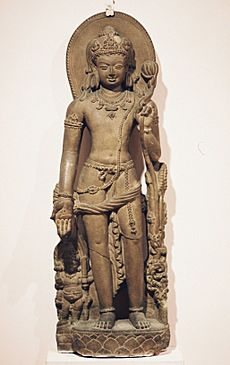
When the morning mist finally lifted over the valleys of ancient Burma, one of the earliest great civilizations began to emerge before our eyes.
These were the Pyu.
They did not suddenly appear from nowhere, nor were they the founders of the first human settlements in Burma. Many generations had already lived, hunted, farmed, traded, and travelled across this land. Yet the Pyu were among the first to transform scattered communities into organised cities, creating a civilization whose influence would endure for centuries.
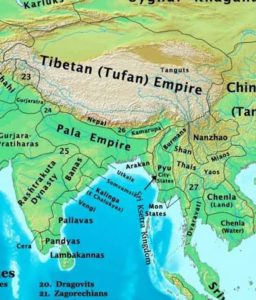
The Pyu flourished in the fertile plains of Upper Burma, especially along the Ayeyarwady River and its tributaries. Here they built walled cities, cultivated the surrounding countryside, developed irrigation, encouraged trade, and established centres of learning and religious life.
Unlike later kingdoms that are remembered mainly for conquest, the Pyu are remembered for something quieter but equally remarkable—their urban civilization.
Their cities were carefully planned. Their craftsmen produced fine pottery, beads, metalwork, and sculptures. Their monks helped spread Buddhist teachings, while their artists also reflected cultural influences arriving from India. Archaeological discoveries reveal images of both Buddhist and Hindu traditions, reminding us that ancient Burma was already connected to the wider world through trade, travel, and the exchange of ideas.
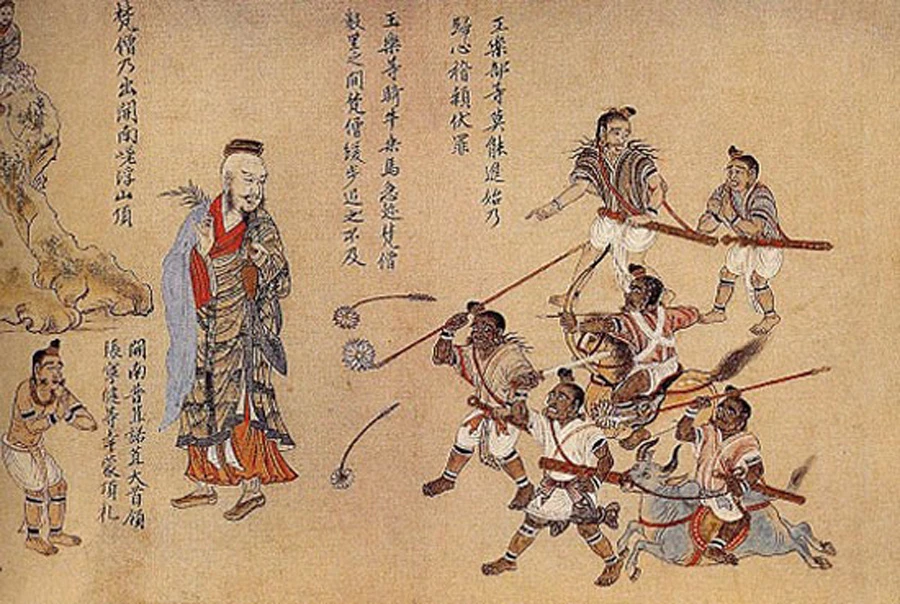
Chinese envoys who encountered the Pyu described a prosperous and cultured people. Their accounts tell of diplomacy, music, and peaceful customs. These descriptions, together with archaeological discoveries across Burma, allow us to glimpse a society that valued both material prosperity and spiritual life.
The Pyu were not an isolated civilization standing apart from Asia.
They were part of an interconnected world.
Merchants crossed seas.
Pilgrims crossed mountains.
Ideas crossed borders.
The Pyu welcomed many of these influences while shaping them into something uniquely their own.
Every civilization leaves a legacy.
Some leave monuments.
Some leave literature.
Some leave ideas.
The Pyu left all three.
Although later centuries would witness the rise of new peoples and new kingdoms, the foundations laid by the Pyu continued to influence the civilization that followed.
To understand Burma, we must first understand the Pyu.
Their story is not merely the beginning of Burmese civilization.
It is one of the earliest chapters in the shared history of Southeast Asia.
In our next chapter, we shall enter one of their greatest cities—Sri Ksetra—and walk through its gates as travellers might have done more than a thousand years ago.
Continue with Part Nine @: https://myanmarmuslim.news/en/2026/07/09/the-making-of-myanmar-a-history-of-migrations-civilizations-and-peoples-part-nine/