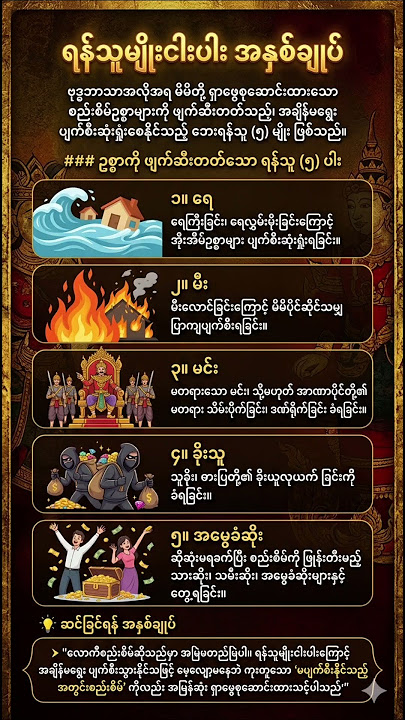
■ Burmese tradition lists tyrannical, wicked kings among the “Five Great Enemies” (yan-thu-myo-nga-par) — because the people had no choice but to endure whatever cruelty a bad ruler inflicted.
Note: There is a notorious coincidence as present President Senior General Min (Min=King) Aung Hlain is also t TYRANT MIN (King).

But is anything more destructive than a tyrant? Yes: the absence of governance altogether. A state with no ruler at all (Min-mae — “kingless”) can cause far greater, more limitless devastation than the cruelty of a single despot.
The same is true when rival kings compete without end — ordinary people, caught between warring factions, live in fear of whichever warlord’s territory they happen to be standing in, unable to work or build a livelihood in peace under anyone’s protection.
Bad governance, at least, is predictable. You can guess how a given general or ruler will behave. But once there is no ruler at all, no one can predict which commander, which faction, will do what, or when. Life, property, and security lose any guarantee whatsoever.
■ This is why, when trying to remove a tyrant, it’s essential that the administrative machinery to fill the resulting power vacuum is already in place before the tyrant falls — so no vacuum forms in the first place. That’s the reason for building bureaucratic/administrative structures in parallel with armed revolution, not after it.
I don’t believe that, left ungoverned, people will naturally organize themselves into a harmonious society. It isn’t in human nature. Without structure, societies revert to something closer to the Stone Age.
The international community shares this instinct — it rejects vacuums and fears chaos. Both the US and China fear it too. Even they only want to negotiate and make deals with parties capable of building real governing structures — not with scattered individuals who hold no real authority.
■ In Myanmar’s post-Spring future, I don’t want to see Che Guevara–style figures. Charismatic, dramatic personalities can energize young activists in the short term, but they are a serious liability for long-term state-building — difficult to rein in or hold accountable.
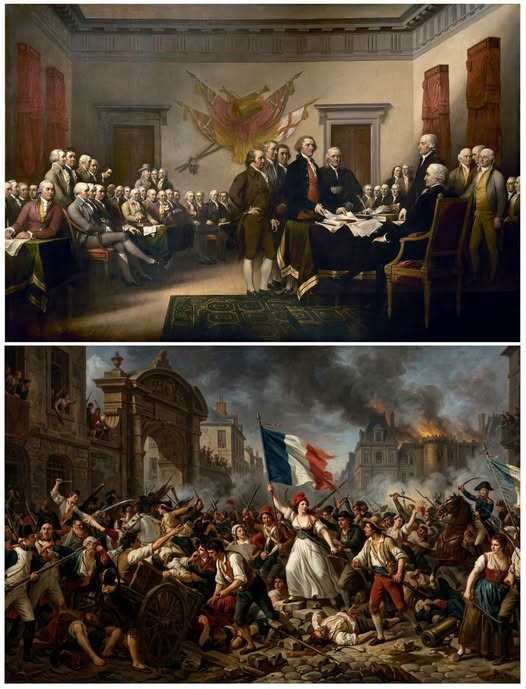
What’s needed instead is a body resembling America’s “Founding Fathers” — statesmen capable of managing both domestic and foreign affairs competently, beyond the battlefield. Civilian leadership — political actors without guns — guiding those who carry guns, is the very essence of democracy.
It’s possible for a victorious military commander to transform into a political leader at the top. But if so, military habits and mindsets must stay behind in the barracks.
■ Competing centers of power are just as dangerous — they lead straight toward a “Warlord Era.”
Once the military government is removed, there must already be a single armed force, under one unified command, with firepower not inferior to that of the old military — ready to take its place. Other armed groups may continue to exist, but this central force must carry enough weight to enforce order over them.
■ It must function as a single hegemonic authority, not merely a coalition fighting a common enemy. Without that, the result is “all against all” — factions turning on one another in endless cycles. We’ve already seen this in northern Shan State, where allied ethnic groups turned against each other over control of just four or five townships. It’s not surprising — it’s the natural outcome of a vacuum.
Rivals for power tend not to sit down at a round table. They settle disputes blade to blade, spear to spear, bullet to bullet.
■ Building a single, hegemon-level force to succeed the military government is necessary — but that’s exactly where the harder, messier problem begins. The collapse of the army does not by itself produce a “happy ending.” What happens after that collapse is what will actually determine the foundation of the new nation.
If future generations read this “Romance of the Myanmar Spring” as an epic, the real question is: what should this generation actually do?
■ Myanmar has historically lacked a strong, unifying state ideology. Since independence, the country’s borders have been held together mainly through large-scale coercive force. In any country like this, once that coercive capacity weakens, cohesion breaks down — every man becomes his own ruler, and the state fragments. We’ve seen this pattern before: the fall of the Qing (Manchu) dynasty, the collapse of the Soviet Union, and Libya after Gaddafi all followed the same trajectory. Myanmar is no exception.
We need to think ahead to avoid repeating this pattern. The goal should be to replace dictatorship with a genuinely different, democratic political system — but that doesn’t mean weakening hard power. Changing the political system doesn’t require a “soft” state. Rather than a country left fragile and depleted — a broken-down military and a weakened state apparatus, as under the current junta (however brutal) — I want to see a stronger “Greater Myanmar” emerge from this.
■ Hate the tyrant.
Fear the vacuum.
Be wary of rival rulers.
In the first year, we should look to the French Revolution as a model.
Beyond the first year, the aim should shift toward something closer to the American Revolution — a war of independence.
#Augustus_Linn
22 July 2026
A few brief reference notes, since you asked:
- “Five Enemies” (yan-thu-myo-nga-par): a traditional Burmese formulation of the five classic dangers to a household/community — commonly rendered as fire, flood, thieves, enemies, and a wicked ruler.
- Founding Fathers analogy: refers to the American revolutionary generation (Washington, Jefferson, Madison, etc.) who combined military struggle with sustained institution-building — the comparison the author draws for Myanmar’s post-military future.
- French Revolution vs. American Revolution: a common comparative shorthand in political theory — the French Revolution (1789–99) is often associated with radical, disruptive rupture and prolonged instability (including the Terror and successive regime changes), while the American Revolution (1775–83) is often characterized as producing a more orderly transition to durable constitutional government. The author is using this as a rhetorical arc (radical break first, institutional consolidation after), not a strict historical equivalence.
- China’s “Warlord Era”: the 1916–28 period following the collapse of centralized Qing/early Republican authority, when China fragmented among competing regional military commanders — the author’s reference point for what unchecked rival factions can produce.
- Post-Gaddafi Libya / Soviet collapse / fall of the Qing dynasty: each cited as historical cases where a strong coercive center collapsed without a ready successor structure, leading to fragmentation or civil conflict — used here to support the “power vacuum” argument rather than as detailed case studies.
Augustus.Linn.
■ မြန်မာတွေဟာ မင်းဆိုးမင်းယုတ်ဒဏ်ကို ကျောကော့အောင်ခံကြရတာမို့ ရန်သူမျိုး ငါးပါးစာရင်းထဲအထိ မင်းဆိုးမင်းယုတ်ကို ထည့်သွင်းထားပါတယ်။
မင်းဆိုးမင်းယုတ်ထက် ဖျက်ဆီးနိုင်စွမ်းကြီးတာရှိသလားဆိုရင် အုပ်ချုပ်ရေး ( မင်း ) မဲ့တဲ့ အခြေအနေဟာ သက်ဦးဆံပိုင်မင်းတပါး ယုတ်မာဆိုးသွမ်းခြင်းထက် အတိုင်းအဆမရှိ ပျက်စီးစေနိုင်တယ်။
သို့မဟုတ် မင်းပြိုင်များ ဖြစ်နေကြလျှင်လည်း အားပြိုင်မှု , ပဋိပက္ခတွေ မဆုံးသတ်မဲ့သည့် အနေအထားတွင် သာမာန်ပြည်သူတွေခမျာ နီးရာဓါးကြောက်ပြီး ဟိုလူ့မျက်နှာကြည့်ရ , သည်စစ်ဘုရင် မျက်နှာကြည့်ရဖြင့် လုပ်ကိုင်စားသောက် ကြီးပွားဖို့ အခွင့်မရှိဘူး။
ဆိုးရွားတဲ့ အုပ်ချုပ်ရေးတွေဟာ အောက်ထစ်တော့ ခန့်မှန်းလို့ရတဲ့ အမူအကျင့်ရှိပါတယ်။ မင်းမဲ့တဲ့အခါ ဘယ်နေရာကနေ ဘယ်ဗိုလ် , ဘယ်မင်းက ဘယ်လိုပြုမူမယ်ဆိုတာ ခန့်မှန်းလို့မရတော့ဘူး။ အသက်အိုးအိမ်စည်းစိမ်တို့အတွက် အာမခံ မဲ့သွားတတ်တယ်။
■ ဒါကြောင့်မို့ မင်းဆိုးမင်းယုတ်ကို ဖယ်ထုတ်ဖို့ ကြိုးစားကြတဲ့အခါ ၄င်းကို ဖြုတ်ချပြီးလျှင် လစ်လပ်သွားမယ့် အာဏာလေဟာနယ် ” Power Vaccum ” မဖြစ်စေဘဲ နေရာဝင်ယူဖို့ အုပ်ချုပ်ရေးယန္တရား အသင့်အနေအထားရှိနေဖို့ လိုအပ်ပါတယ်။ လက်နက်ကိုင်တော်လှန်ရေးနှင့် တချိန်တည်း ဗျူရိုကရေစီယန္တရားကို တပြိုင်တည်း တည်ဆောက်နေဖို့ အားပေးခြင်းဟာ ထို့ကြောင့်ပါ။
လူသားတွေဟာ အထက်က လွှမ်းမိုးချုပ်ကိုင်ထားသော အစိုးရမရှိတဲ့အခါ မိမိဘာသာ သင့်သလို လုပ်ကိုင်စားသောက် သဟဇာတဖြစ်စွာ နေထိုင်သွားမယ့် လူ့ဘောင်ကြီးကို တည်ဆောက်ကြမယ်ဆိုခြင်းကို အယုံအကြည်မရှိပါ။ ပင်ကိုဗီဇအရ မဖြစ်နိုင်ပါ။ ကျောက်ခေတ်ကိုသာ ပြန်ရောက်သွားပါလိမ့်မယ်။
နိုင်ငံတကာကလည်း Vaccum ကို ငြင်းဆန်ပါတယ် , ကစဥ့်ကလျားဖြစ်မှု Chaos ကို စိုးရွံ့ပါတယ်။ အမေရိကန်လည်း ကြောက်ပါတယ်။ တရုတ်လည်း ကြောက်ပါတယ်။ ၄င်းတို့ကိုယ်တိုင်သည်လည်း အာဏာတည်ဆောက် , အုပ်ချုပ်ရေးယန္တရားတည်ဆောက်နိုင်စွမ်း ရှိသူများနှင့်သာ စကားပြော၍ Deal လုပ်လိုပါတယ်။ တယောက်တပေါက်များနှင့် အဆက်အဆံ မလုပ်ပါ။
■ နွေဦးအလွန် မြန်မာ့အနာဂတ်တွင် ချီဂွေဗားရားလို ပုဂ္ဂိုလ်များ မလိုချင်ပါ။ တက်ကြွသည့်အရွယ် လူငယ်တချို့ကို ဒရာမာဆန်ဆန် ငြို့ငင်နိုင်သော အဆိုပါ ပါဆယ်နယ်လတီမျိုးသည် ရေတိုခဏအသုံးဝင်ပေမယ့် , ရေရှည်စတိတ်တည်ဆောက်ရေးအတွက် ပြသာနာကြီးလွန်းပါတယ်။ ထိမ်းချုပ်ရန် ခက်ခဲတယ်။
လိုအပ်နေခြင်းသည် အမေရိကန် ” Founding Fathers ” များကဲ့သို့ စုဖွဲ့မှု ဖြစ်ပါတယ်။ Beyond စစ်မြေပြင် ပြည်တွင်း, ပြည်ပ နှစ်ဌာနကို နိုင်နင်းစွာ ကိုင်တွယ်ဖို့ရာ Statesman တွေ၏ အခန်းကဏ္ဍက ပင်မဖြစ်ပါတယ်။ လက်ထဲဗျောက်ကိုင်ထားသူများကို သေနတ်မကိုင်သည့် နိုင်ငံရေးအလွှာက ထိမ်းကြောင်းဦးဆောင်ခြင်းသည်ပင် ဒီမိုကရေစီစနစ်၏ အနှစ်သာရပါ။
အောင်ပွဲရ စစ်ရေးခေါင်းဆောင်ကို နိုင်ငံရေးခေါင်ဆောင်အဖြစ် အသွင်ပြောင်းစေ၍ ထိပ်သို့ တက်စေမည်ဆိုလျှင်လည်း ဖြစ်နိုင်ပါတယ်။ စစ်ဘက်အတွေးအခေါ် , အမူအကျင့်ကိုတော့ တပ်တွင်းမှာ ချန်ထားခဲ့ရပါမယ်။
■ စင်ပြိုင် အုပ်ချုပ်ရေးများသည်လည်း ပြသာနာကြီးလွန်းတယ်။ ” Warlords Era ” စစ်ဘုရင်ကာလကို ဦးတည်ပါလိမ့်မယ်။
မြန်မာတွင် စစ်အစိုးရကို ဖယ်နိုင်ပြီးသော် အစားထိုးဖို့ အစိုးရယန္တရား , စစ်အစိုးရ၏ စစ်တပ်ထက် Firepower မလျော့သော တခုတည်းသော အမိန့်အောက်က လက်နက်ကိုင်တပ်တခု စုဖွဲ့ တည်ဆောက်ပြီး ဖြစ်နေရပါမယ်။ အခြားတပ်များလည်း ရှိနိုင်နေအုံးမှာပေမယ့် ၄င်းအစုစုတို့ကို အင်အားပြ ဖိအားပေးနိုင်သော ထုထည်ရှိရပါမယ်။
■ ဘုံရန်သူကို တွဲတိုက်နေသည်ထက် ပိုသော တခုတည်းသော Hegemon ယန္တရားဖြစ်ရပါမယ်။ ယင်းအချက် ကင်းမဲ့ခဲ့သော် ” All against all ” အချင်းချင်း လှည့်ပတ်၍ ပြောင်းလှည့်ကြဖို့ ဖြစ်လာပါမယ်။ ရှမ်းမြောက်တွင် မြို့နယ်လေး လေးငါးမြို့မျှ လက်ဝယ်ရယုံဖြင့် ညီနောင်တို့ ပြောင်းလှည့်ပြီးကြပါပြီ။ သဘာဝသာဖြစ်သဖြင့် မထူးဆန်းပါ။
အင်အားပြိုင်များသည် ” Round Table ” ထိုင်ဖို့ထက် မင်းဘာကောင် , ငါဘာကောင် သေးသေးတင်မခံဘဲ ဓါးကိုဓါးချင်း , လှံကိုလှံချင်း , ကျည်ဆန်ကို ကျည်ဆန်ချင်း ရှင်းကြပါလိမ့်မယ်။
■ စစ်အစိုးရအလွန်အတွက် အစားထိုးနိုင်မည့် ” Hegemon ” ဥသျှောင်အဆင့် အင်အားထုထည်ကို တည်ဆောက်ဖို့ လိုအပ်ခဲ့သော် ပို၍ ရှုပ်ထွေးကြီးလေးသောပြသာနာသည် ထိုအခါမှ စတင်ပါလိမ့်မယ်။ စစ်တပ် ပြိုသွားယုံမျှဖြင့် အရာအားလုံး ” Happy Ending ” ဖြစ်မသွားသေးပါ။ ယင်းနောက်တွင် မည်သို့ ကိုင်တွယ်နိုင်သလဲကသာ နိုင်ငံသစ်အတွက် အုတ်မြစ်ဖြစ်လာပါမယ်။
” Romane of Burmese Nway Oo ” နွေဦးခေတ် ဂန္ဓာဝင်ဝတ္ထုကြီးကို နောင်လာနောက်သားတို့ အတွဲလိုက် ဖတ်နေရသော် အဘယ်သို့ လုပ်ကြရမည်နည်း။
■ မြန်မာတွင် ပင်မ စတိတ်အိုင်ဒီယော်လော်ဂျီ အားနည်းခဲ့သဖြင့် လွတ်လပ်ရေးရကတည်းက ” Coercive Force ” အင်အား ပမာဏကြီးကြီးသုံး၍ နိုင်ငံ၏ နယ်နိမိိတ်ကို စည်းနှောင်ထားရပါတယ်။ ယင်းသို့သော် နိုင်ငံမျိုးတွင် ဖိနိုပ်နိုင်သောအင်အား အားလျော့သည်နှင့် အစည်းပြေ၍ သူတလူငါတမင်းဖြစ်ပါတယ်။ နိုင်ငံပြိုကွဲပါတယ်။ မန်ချူးမင်းဆက်အပျက် , ဆိုဗီယက်အပြိုကနေ ကဒါဖီအလွန် လစ်ဗျားအထိ သည်တပုံစံတည်းသာ လာပါတယ်။ မြန်မာသည် ချွင်းချက်မဟုတ်ပါ။
ယင်းဖြစ်စဥ်ကို ရှောင်ရှားဖို့ ကြိုတွေးရပါမယ်။ အာဏာရှင်စနစ်နှင့် မတူကွဲပြားသည့် ( ဒီမိုကရက်တစ် ) နိုင်ငံရေးစနစ်ဖြင့် အစားထိုးမှာပေမယ့် ” Hard Power ” အပိုင်း အားလျော့နည်းစေလို့ မဖြစ်ပါ။ နိုင်ငံရေးစနစ် ပြောင်းလဲဖို့ရာ ရည်ရွယ်ပေမယ့် ပျော့ဖတ်ဖတ်နိုင်ငံကို အလိုမရှိပါ။ စစ်အစိုးရလက်ဝယ် ( ရမ်းကားသော်လည်း ) ပုံစံပျက်ယွင်းသွားသော စစ်တပ်နှင့် စတိတ်ပါဝါအားဖြင့် ယိုင်နဲ့နဲ့ဖြစ်လာသောနိုင်ငံ ထက် အင်အားကြီးမားသော ” Greater မြန်မာ ” ဗားရှင်းကို မြင်ချင်ပါတယ်။
■ မင်းဆိုးမင်းယုတ်ကို ရွံမုန်းပါ။
မင်းမဲ့ခြင်းကို ကြောက်ရွံ့ပါ။
မင်းပြိုင်များကို စိုးထိတ်ပါ။
ပထမနှစ်တွင် ပြင်သစ်တော်လှန်ရေးကို အတုယူသင့်ပါတယ်။
တနှစ်လွန်သော် အမေရိကန်တော်လှန်ရေး ( လွတ်လပ်ရေးစစ်ပွဲ ) အသွင် ဖြစ်လာဖို့ကိုသာ ရည်မှန်းသင့်တော့သည်။
၂၂ ဇူလိုင် ၂၀၂၆
Note: ဗုဒ္ဓဘာသာ တရားတော်အရ လူသားတို့အတွက် အလွန်အန္တရာယ်ကြီးမားပြီး ဖျက်ဆီးတတ်သော ရန်သူမျိုး (၅) ပါး ရှိပါသည်။ ၎င်းတို့မှာ –
မချစ်မနှစ်သက်သောသူ (မိမိအပေါ် ရန်လိုသူ၊ မနာလိုသူ သို့မဟုတ် အမွေခံဆိုး)
ရေ (ရေကြီးခြင်း၊ ရေဘေး အန္တရာယ်)
မီး (မီးလောင်ခြင်း၊ မီးဘေး အန္တရာယ်)
မင်းဆိုးမင်းယုတ် (အုပ်ချုပ်သူ အာဏာပိုင်များ၏ နှိပ်စက်ညှဉ်းပန်းမှု၊ မတရားမှု)
သူခိုး (ပစ္စည်းဥစ္စာ လုယက်ဖျက်ဆီးသူများ)