Rights groups question need for curbs on Rohingya
Suhakam says there has to be justification for any restriction imposed while Tenaganita wants to see evidence that Malaysia’s security is under threat.
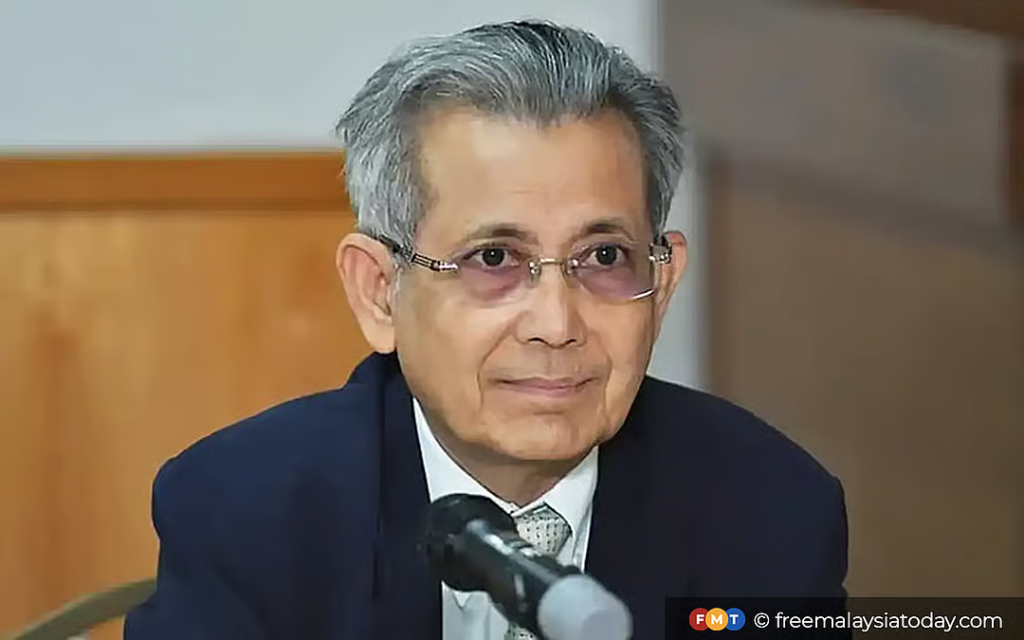
Suhakam chairman Hishamudin Yunus says any movement restrictions on Rohingya must be evidence-based and consistent with Malaysia’s constitutional and human rights obligations.
PETALING JAYA:
Human rights advocates have questioned a proposal to impose movement restrictions on Rohingya refugees, saying there is no evidence that they pose a threat to Malaysia’s national security.
The Human Rights Commission of Malaysia (Suhakam) questioned the justification for such curbs, while Tenaganita, a non-profit organisation that promotes the rights of women and refugees, called for clarification on whether these perceived threats had been identified.
In an interview with FMT, Suhakam chairman Hishamudin Yunus said the commission was unaware of any credible evidence that Rohingya refugees, as a group, posed a threat to Malaysia’s national security or sovereignty.
“In fact, Inspector-General of Police Khalid Ismail stated in June that the Rohingya community accounted for just 0.02% of the country’s overall crime rate from 2024 until then,” he said, adding that Khalid had also cautioned against negative stereotyping and speculation about the community.
“Suhakam is likewise not aware of any evidence establishing that restrictions on the movement of Rohingya refugees are necessary or proportionate to protect national security or sovereignty.”
Deputy prime minister Ahmad Zahid Hamidi said last week that the government was studying the possibility of restricting the movement of Rohingya refugees in Malaysia, taking into account factors such as security, national sovereignty and human rights.
Hishamudin, a former Court of Appeal judge, said any movement restrictions introduced on security grounds must be carefully assessed to ensure they are necessary, proportionate, evidence-based and consistent with Malaysia’s constitutional and human rights obligations.
He said strict movement controls could prevent refugees from accessing essential services, maintaining family ties and seeking legal assistance.
Refugees confined to designated geographical areas could also face difficulties accessing schools and healthcare facilities, particularly if they require regular medical treatment, he added.
Hishamudin said restrictions confining refugees to work areas linked to their employers could create a serious risk of forced labour and exploitation.
He said such measures could also prevent workers from accessing labour offices, tribunals, legal aid providers and civil society organisations outside their permitted areas, making it harder for them to seek redress.
He said any movement control measures must not undermine refugees’ rights to life, personal liberty, protection from forced labour and freedom of religion, which are guaranteed under the Federal Constitution.
Hishamudin also said that if restrictions were imposed, they must be applied fairly, without discrimination based on race, ethnicity, religion, gender, nationality, disability or age.
“A measure targeting only Rohingya refugees, or refugees from a particular country, would be inconsistent with the principle of non-discrimination under international human rights law,” said Hishamudin, who presided over multiple cases involving human rights during his 23-year career on the bench.
He also said Suhakam had observed a concerning increase in misinformation, disinformation and hate speech directed at refugees, particularly Rohingya. He added that incidents of harassment and intimidation, including those targeting children, should be investigated promptly and those responsible brought to justice.
Tenaganita executive director Glorene Das said there was no credible evidence that restricting the movement of the Rohingya community would address a clearly identified national security threat.
She said that while Tenaganita did not dispute that national security and sovereignty were legitimate responsibilities of any government, invoking national security as a basis for a policy should not absolve the government of its obligation to provide evidence, explain the necessity of a proposed measure and ensure accountability.
“What exactly is the threat? How widespread is it? What evidence connects freedom of movement to that threat? And how would restricting an entire refugee community make Malaysia safer?
“These are questions that must be answered before any such policy is considered.”
She said Malaysians must be extremely careful not to allow fear, isolated incidents or negative public perceptions to become the basis for policies affecting an entire ethnic community.
Instead, she said, the government should prioritise the effective, fair and accountable enforcement of existing laws to address criminal conduct and threats to public order.
Das said Malaysia had demonstrated humanitarian leadership by welcoming displaced Syrians and Palestinians, providing assistance and speaking out against persecution and injustice.
“Those commitments should not end when the refugees seeking protection are Rohingya,” she said.
“We cannot defend the dignity and freedom of people suffering persecution abroad while supporting measures that could further diminish the dignity and freedom of those seeking protection within our own borders.”