The First People of Burma: A Story Still Being Written
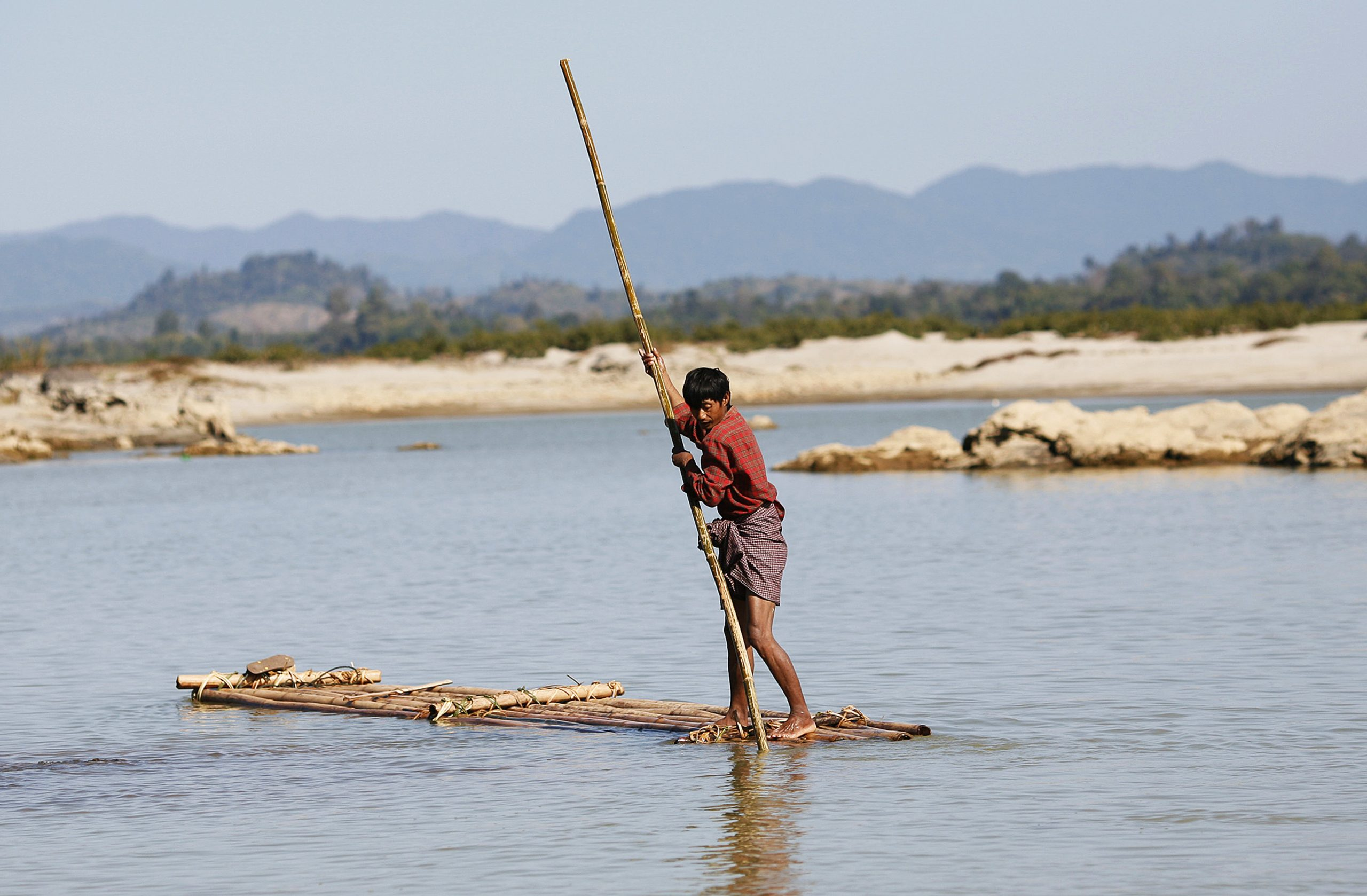
Pic source: DVB
If we could travel back ten thousand years and stand on the banks of the Ayeyarwady River, whom would we meet?
The honest answer is:
We do not know.
That may seem surprising.
After all, historians can describe the rise and fall of great kingdoms, while archaeologists have unearthed stone tools, pottery, burial sites, and traces of ancient settlements. Yet the names, languages, and identities of Burma’s earliest inhabitants remain one of history’s greatest mysteries.
Unlike later generations, these early people left no written records. They did not carve their names into stone or record their journeys in books. Their story survives only in fragments—stone axes worn smooth by countless hands, pieces of pottery buried beneath the earth, ancient cave paintings, and the silent testimony of bones resting where they were laid thousands of years ago.
Patiently, archaeologists have pieced together these clues, much as a physician studies symptoms to understand a disease. Each discovery adds another piece to a vast historical puzzle, but many pieces are still missing.
What we do know is remarkable.
Long before the rise of the Pyu cities or the Bagan Kingdom, people were already adapting to Burma’s varied landscapes. Some lived by hunting and gathering in forests and caves. Others gradually learned to cultivate crops, domesticate animals, and establish permanent villages along fertile river valleys.
These early communities were not isolated. Even in prehistoric times, ideas, tools, and technologies travelled from one region to another. The people who lived in ancient Burma were connected, directly or indirectly, to wider networks stretching across Asia.
History, therefore, did not begin with the first king.
It began with ordinary men and women who learned how to live with rivers, forests, mountains, and the changing seasons. Their names have been forgotten, but without them there would have been no villages, no cities, no kingdoms, and no Burma.
In the next chapter, we shall follow the evidence left by these early settlers and discover how the first great migrations gradually transformed this land into a crossroads of civilizations.
Continue to read: 5/ The Making of Myanmar: A History of Migrations, Civilizations and Peoples. Part Five