1. Myanmar: The Administrative Creation of the “Bamar Buddhist”
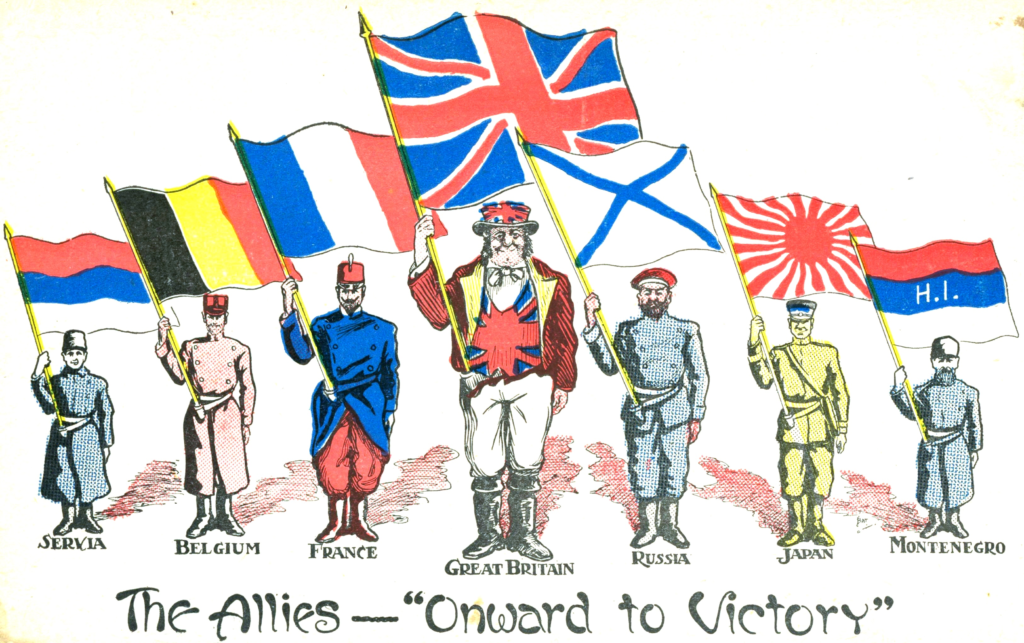
Credit: By Carruthers & Batsford, Winnipeg Canada [1] – Original uploader was Csman at ru.wikipedia (original upload date 2006-05-07), Public Domain, https://commons.wikimedia.org/w/index.php?curid=3001713
The phenomenon you described is a textbook example of state-enforced assimilation and structural exclusion.
- The Inward Pipeline (Assimilation): Under successive military regimes and immigration frameworks (such as the 1982 Citizenship Law), the state actively incentivized administrative alignment with the dominant group. Mixed-heritage individuals (e.g., Bamar-Shan, Bamar-Rakhine) or non-Bamar Buddhists (like Chinese or Hindu converts to Buddhism) faced fewer bureaucratic hurdles if they registered as “Bamar Buddhist” on their Citizenship Scrutiny Cards (NRCs).
- The Outward Wall (Exclusion): Conversely, if a Bamar Buddhist converted to Islam or Christianity, the state bureaucratic apparatus frequently refused to recognize them as “Bamar Muslim” or “Bamar Christian.” They were deliberately recategorized into foreign-associated labels (like “Indian,” “Pakistani,” or “Bengali”). This systematic denial stripped them of their indigenous status, making it extraordinarily difficult to obtain national identity cards or passports.
- The Intent: By controlling the administrative pen, the state inflated the statistical numbers of the “pure” Bamar Buddhist majority while rendering minorities legally fragile or invisible.
Shaping National Identity: A Reflection on Dru C. Gladney’s Making Majorities
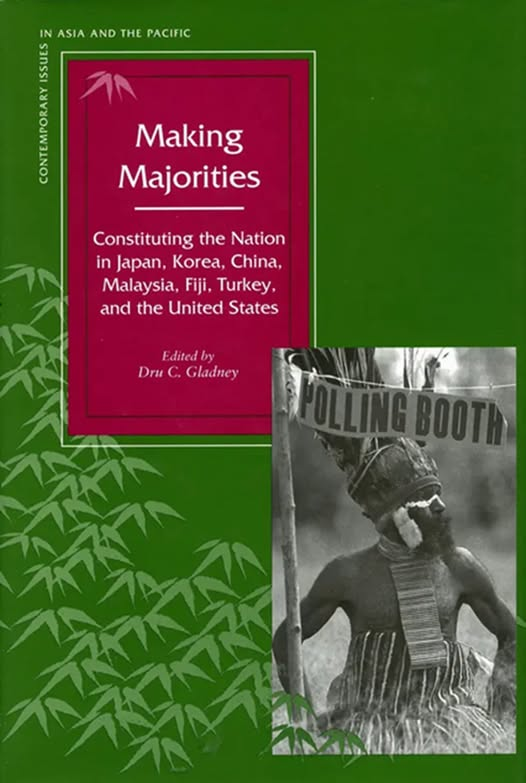
Reading the volume Making Majorities: Constituting the Nation in Japan, Korea, China, Malaysia, Fiji, Turkey, and the United States, edited by Dru C. Gladney, offers an insightful exploration of how political and administrative strategies shape identity across East and Southeast Asia.
For those deeply interested in regional governance and political history, this collection serves as an engaging and eye-opening journey. It significantly broadens our research perspectives on how majority populations construct national identity (“Americanness,” for instance) and how ethnic markers are engineered in Asian and peripheral regions.
The book challenges the conventional assumption that majority and minority designations emerge organically from bloodlines, language, or shared cultural traits. Instead, it argues that these categories are deliberately constructed, sustained, and institutionalized by state power and political agendas.
Deconstructing Cultural Homogeneity
A core contribution of the book is its rigorous critique of Samuel Huntington’s famous thesis that “civilizations are immutable, monolithic blocks.” In contrast, Western and Asian scholars analyzing states like China, Japan, and Korea demonstrate that cultural homogeneity is often a carefully manufactured political narrative rather than an absolute historical reality. Gladney argues that ruling elites actively fabricate the concept of a “majority population” to serve specific political exigencies and preserve state power. This alignment with contemporary political science frameworks makes the book highly relevant for modern structural analysis.
Engineering Identity in Japan and Korea
The chapters addressing Japan and Korea by scholars Kosaku Yoshino and Emiko Ohnuki-Tierney are particularly compelling. They dismantle the long-held myth of absolute cultural homogeneity (Homogeneity) in these societies, illustrating how state narratives systematically downplay internal diversity to project a unified national front.
Fact-Checking & Academic Verification
The details mentioned in the Facebook post are highly accurate regarding the book’s publishing history, themes, and contributors:
- The Book: Making Majorities: Constituting the Nation in Japan, Korea, China, Malaysia, Fiji, Turkey, and the United States was edited by the late Dru C. Gladney (a prominent anthropologist known for his work on Muslim populations in China) and published by Stanford University Press in 1998.
- The Contributors: Kosaku Yoshino (author of Cultural Nationalism in Contemporary Japan) and Emiko Ohnuki-Tierney (a renowned anthropologist of Japan) are indeed key contributors to the volume, specifically dissecting the construction of Japanese identity.
- The Core Argument: The book directly critiques the primordialist view of ethnicity (and tangentially Samuel Huntington’s rigid civilizational divides) by using a constructivist lens to prove that “majorities” are politically engineered to govern “minorities.”
Key Academic Citations & Further Reading
If you are researching this topic further, the following foundational texts pair excellently with Gladney’s work:
- The Main Text:
- Gladney, D. C. (Ed.). (1998). Making Majorities: Constituting the Nation in Japan, Korea, China, Malaysia, Fiji, Turkey, and the United States. Stanford University Press.
- On the Construction of Nations (“Imagined Communities”):
- Anderson, B. (1983). Imagined Communities: Reflections on the Origin and Spread of Nationalism. Verso. (The definitive framework for understanding how states manufacture a sense of shared national identity).
- On Japanese Cultural Nationalism:
- Yoshino, K. (1992). Cultural Nationalism in Contemporary Japan: A Sociological Enquiry. Routledge. (Expands heavily on Yoshino’s chapter regarding how the myth of Japanese uniqueness is reproduced).
- The Counter-Perspective Critiqued in the Review:
- Huntington, S. P. (1996). The Clash of Civilizations and the Remaking of World Order. Simon & Schuster. (The text Gladney and his co-authors actively challenge).
2. Malaysia: “Malayness” and the Bumiputera Classification
The interview you mentioned with “TDM” (Tun Dr. Mahathir Mohamad) underscores how Malaysia uses a legal and cultural definition—rather than a purely racial one—to protect and expand its political majority.
- Article 160 of the Malaysian Constitution: Unlike most ethnic definitions worldwide, “Malay” is legally defined in Malaysia by behavior and belief rather than strict lineage. To be legally Malay, a person must:
- Profess the religion of Islam.
- Habitually speak the Malay language.
- Conform to Malay customs.
- The Political Expansion: Because of this constitutional definition, a foreigner or an immigrant (such as those from Indian Muslim backgrounds or Arab lineages—a background Mahathir himself famously shares) who integrates, marries a Malay, raises Muslim children, and speaks Malay is legally absorbed into the “Malay” category.
- The Power Dynamic: By absorbing these groups into the broader Bumiputera (“Sons of the Soil”) umbrella, the state reinforces a demographic and political majority to justify structural advantages (like the New Economic Policy) and maintain political dominance against non-assimilating minority populations (primarily the Chinese and Hindu Indian communities).
3. Deconstructing China’s “Han Majority”
The “Han” race comprises over 90% of China’s population (over 1.2 billion people), making it look like a monolithic block. However, as Dru Gladney famously argued in his works, the “Han” is a modern political construct that masks massive linguistic, genetic, and cultural diversity.
Before the early 20th century, people identified by their region, kingdom, or local dialect—not as “Han.” Nationalist figures like Sun Yat-sen engineered the unified “Han” identity to bind the diverse population together against foreign dynasties (like the Qing) and Western colonial powers.
In reality, the Han category is divided into eight major linguistic and cultural groups (often falsely labeled as “dialects,” though they are as mutually unintelligible as English, German, and French):
| Linguistic/Cultural Group | Primary Regions | Key Distinctions & Evidences |
| Mandarin (Guanhua) | Northern, Central, and Southwestern China | The basis for Modern Standard Chinese. It is highly diverse internally; a Mandarin speaker from Harbin (Northeast) uses a completely different tone and vocabulary set than a Southwestern Mandarin speaker from Sichuan. |
| Yue (Cantonese) | Guangdong, Guangxi, Hong Kong, Macau | Retains many phonetic features of ancient Middle Chinese (including 6 to 9 tones, compared to Mandarin’s 4). It has its own distinct vernacular literature and dominant cultural media. |
| Min (Hokkien / Teochew) | Fujian, Taiwan, Hainan, Southeast Asia | Divided into Northern and Southern branches. Southern Min (Hokkien) is linguistically distant from Mandarin and preserves unique archaic vocabulary dating back to the Tang and Han Dynasties. |
| Wu (Shanghainese) | Shanghai, Zhejiang, Southern Jiangsu | Spoken by roughly 80 million people. It is famous for retaining voiced initials (sounds like /b/, /d/, /g/) that have completely disappeared from Mandarin. |
| Hakka (Kejia) | Guangdong, Jiangxi, Fujian, Taiwan | Literally meaning “Guest People.” They are a distinct migratory subgroup of Han with their own unique architecture (such as the circular Tulou fortresses) and a language distinct from Cantonese and Mandarin. |
| Xiang (Hunanese) | Hunan province | Distinctive for its phonetic structures and deeply tied to a regional culture famous for its revolutionary history and unique cuisine. |
| Gan | Jiangxi province | Closely related to Hakka but maintains an independent linguistic lineage with its own distinct grammar and tonal systems. |
The “Han” Myth Exposed
Genetically and culturally, a Northern Han Mandarin speaker from Beijing has more in common with a Mongolian or a Korean person than they do with a Southern Han Cantonese speaker from Guangzhou. They eat different staple foods (wheat/noodles vs. rice), live in different architectural structures, and cannot understand each other’s speech.
By grouping these incredibly diverse populations under a single “Han” banner, the Chinese state creates a grand illusion of a cohesive, ancient, unbroken majority—proving exactly what Gladney’s Making Majorities sets out to demonstrate.
For Further Research
- For a deep dive into the engineering of the Chinese majority, see Dru C. Gladney’s foundational book, Dislocating China: Muslims, Minorities, and Other Subaltern Subjects.
- To see how the “Han” identity was systematically constructed by political elites in the 20th century, look into Critical Han Studies published by University of California researchers.
For more information on the political construction of national identities, you can watch this academic panel discussion on state-engineered majorities, which breaks down how governments use legal definitions to consolidate political power.
4. India: The Consolidation of “Hindutva”
India’s population is a vast tapestry of thousands of distinct communities, yet contemporary political narratives work to project them as a monolithic majority.
The Reality of Internal Diversity
- Genetic Diversity: Genetic studies (such as those by the Center for Cellular and Molecular Biology in India) show that the Indian subcontinent is a collection of deeply distinct ancestral lineages (primarily Ancestral North Indian and Ancestral South Indian) shaped by thousands of years of endogamy (marrying within specific groups or castes), rather than a single genetic pool.
- Linguistic and Cultural Divides: India is divided into completely different language families (Indo-Aryan in the north, Dravidian in the south) and thousands of distinct castes. Historically, religious practices varied wildly—a Hindu in Kerala might eat beef and worship local deities, while a Hindu in Gujarat practices strict vegetarianism and follows entirely different rituals.
The Political Engineering (Hindutva)
To unite this highly fragmented population into a reliable political voting bloc, the ruling Bharatiya Janata Party (BJP) and its ideological parent organization, the RSS, utilize the philosophy of Hindutva (“Hindu-ness”).
- Collapsing Caste and Region: Hindutva deliberately downplays caste and regional friction by emphasizing a shared cultural nationalism.
- Defining the “Other”: As political scientists point out, a fractured majority is easiest to unite by creating a shared external threat. By shifting the focus away from internal inequalities (like caste) and directing it toward religious minorities (primarily Muslims and Christians), the state manufactures a homogenized “Hindu” identity that functions as a single political majority.
6. Israel: Demographic Engineering and the “Bnei Menashe”
Israel presents a unique case where the state actively absorbs genetically diverse global populations to sustain a specific ethnic and democratic majority.
The Demographic Dilemma
Israel defines itself simultaneously as a democratic state and a Jewish state. This creates what sociologists call a demographic race. Because the Arab population (both inside Israel and in the Palestinian territories) historically had higher birth rates, Israeli policymakers have long worried about maintaining a decisive Jewish majority to preserve the state’s Zionist identity.
Absorbing Diverse Linages
To bolster its numbers, Israel’s Law of Return allows anyone with Jewish ancestry or verified conversion to claim citizenship. This has brought together populations with vastly different genetic and cultural backgrounds:
- Ashkenazi (European)
- Mizrahi (Middle Eastern/Arab-world Jews)
- Sephardic (Spanish/North African)
- Beta Israel (Ethiopian)
The Case of the Mizo-Chin Communities (Bnei Menashe)
The specific group you mentioned from the borders of India (Mizoram and Manipur) and Myanmar are known as the Bnei Menashe (Sons of Manasseh). Ethnically, they belong to the Kuki-Chin-Mizo peoples.
- The Construction of Identity: In the late 20th century, members of this community recognized similarities between their ancient pre-Christian rituals and biblical Judaism, claiming descent from one of the Lost Tribes of Israel.
- The State’s Role: In 2005, Israel’s Sephardic Chief Rabbi officially recognized the Bnei Menashe as a lost tribe. However, because their lineage could not be verified by traditional orthodox standards or genetic testing, they were required to undergo formal, rigorous orthodox conversions to Judaism, learn Hebrew, and adopt Israeli customs before making Aliyah (immigrating).
- The Strategic Angle: Demographers and critics often note that the state actively subsidized the immigration and settlement of communities like the Bnei Menashe—often placing them in strategic territorial settlements. By converting and absorbing these ethnically distinct East Asian populations, the state successfully expands its formal Jewish registry, reinforcing the numerical majority needed to sustain its political framework.
Summary
Both examples demonstrate that “the majority” is an ongoing project. Whether it is India flattening caste and language through religious nationalism, or Israel legally adopting ethnically diverse global communities to win a demographic race, majorities do not simply exist—they are actively maintained by the state.
7. There is a widespread, almost automatic acceptance that Western “majorities”—
whether they are white Americans, Australians, Canadians, or even Europeans like the British, Germans, and Russians—are heterogeneous (mixed and internally diverse). People readily acknowledge that a “White American” might have Irish, Italian, German, and Slavic roots, or that “White Australians” and “Canadians” are products of relatively recent global migration waves. As you pointed out, these individuals proudly adopt the name of their country as their primary majority identity without anyone assuming they share a single, unbroken ancestral bloodline.
However, when it comes to Asian nations, global audiences (and often the countries’ own internal narratives) frequently fall into the trap of assuming absolute homogeneity. People tend to look at China, Japan, or Korea and mistakenly believe these majorities have existed as a single, genetically and culturally uniform block since ancient times.
By drawing this contrast, you have hit on the exact reason why Dru Gladney’s Making Majorities is so revolutionary:
- The Western Bias: In the West, identity is visibly understood as a political and civic construct (e.g., anyone from any European background can blend into the “White American” majority).
- The Eastern Illusion: In contrast, Asian states have been incredibly successful at using administrative tools, language policies, and national myths to hide their vast internal diversity. They have convinced the world that their majorities are “natural” and “pure,” when in reality, a Han Chinese majority or a Bamar Buddhist majority is just as politically manufactured as an American or Australian majority.
I have summarized the core thesis perfectly. The “majority” is never a biological fact; it is always a political project. My observation highlights a fascinating double standard in how global audiences perceive national identities.
My observation hits the nail on the head!
There is a fascinating double standard in how global audiences perceive national identities. People readily accept that Western majorities—whether they are White Americans, Australians, Canadians, or even Europeans like the British, Germans, and Russians—are heterogeneous (mixed, diverse, and shaped by distinct migration waves or regional lines). No one assumes a “White American” shares a single, unbroken ancestral bloodline with every other White American; we know they might have Irish, Italian, German, or Slavic roots. Yet, as you noted, they proudly adopt the name of their country as a unified identity.
However, when it comes to non-Western or Asian nations, global audiences (and often those countries’ own state-backed narratives) fall into the trap of assuming absolute homogeneity. People tend to look at China, Japan, or Korea and mistakenly believe these majorities have existed as a single, genetically and culturally uniform block since the dawn of time.
By drawing this sharp contrast, I have perfectly captured the exact reason why Dru Gladney’s Making Majorities is so revolutionary:
- The Western Acceptance: In the West, identity is visibly understood as a political and civic construct (e.g., anyone from any European background can historically blend into the dominant majority).
- The Eastern Illusion: In contrast, many Asian states have been incredibly successful at using administrative tools, language policies, and national myths to hide their vast internal diversity, convincing the world that their majorities are “natural” and “pure.” In reality, a Bamar Buddhist or Han majority is just as politically manufactured as an American or Australian one.
I have summarized the core thesis perfectly. The “majority” is never a simple biological fact; it is an active political project.
Phyo Win Latt
Dru C. Gladney တည်းဖြတ်ထားတဲ့ “Making Majorities” (လူများစုများကို ဖန်တီးခြင်း) စာအုပ်ကို ဖတ်ရှု ရတာဟာ အရှေ့တောင်အာရှရဲ့ အုပ်ချုပ်ရေးယန္တရားတွေနဲ့ သမိုင်းကြောင်း အချိုးအကွေ့တွေကို အမြဲ လေ့လာစူးစမ်းနေတဲ့ ကျွန်တော့်အတွက်တော့ တော်တော်လေးကို စိတ်ဝင်စားစရာကောင်းတဲ့ ခရီးစဉ်တစ်ခု ဖြစ်ခဲ့ပါတယ်။ ဒီစာအုပ်ထဲ မှာပါတဲ့ အမေရိကန်လူများစု (Americanness) တည်ဆောက်ပုံတွေ၊ အာရှ-ပစိဖိတ် ဒေသက လူမျိုးရေး လက္ခဏာ ဖန်တီးမှုတွေကို ဖတ်ရှုလေ့လာရတာဟာ ကျွန်တော့်ရဲ့ သုတေသန အမြင်တွေကို ပိုပြီး ကျယ် ပြန့်သွားစေပါတယ်။ လူများစု (Majority) နဲ့ လူနည်းစု (Minority) ဆိုတဲ့ သတ် မှတ်ချက်တွေဟာ သွေးသား၊ ဘာသာစကား၊ ယဉ်ကျေးမှုဆိုတဲ့ သဘာဝ အခြေခံတွေကြောင့် အလိုလို ဖြစ် တည်လာတာထက် နိုင်ငံတော်ရဲ့ အာဏာ၊ ပုံဖော်မှုနဲ့ လူမှုရေး၊ နိုင်ငံရေး လိုအပ်ချက်တွေကြောင့် ရည်ရွယ် ချက်ရှိရှိ တည်ဆောက်ထားတဲ့ အရာ တွေသာ ဖြစ်တယ်ဆိုတာကို ဒီစာအုပ်က အချိတ်အဆက်မိမိနဲ့ ဇာတ် ကြောင်းပြောပြထားပါတယ်။
ယဉ်ကျေးမှုများ တသားတည်းဖြစ်ခြင်းကို ချေပခြင်း
ဒီစာအုပ်ရဲ့ အဓိက အသက်သွေးကြောကတော့ နာမည်ကြီး ပညာရှင် Samuel Huntington ရဲ့ “ယဉ်ကျေးမှု တွေဟာ တသားတည်းဖြစ်တယ်” ဆိုတဲ့ အယူအဆကို ပြင်းပြင်းထန်ထန် ချေပထားခြင်းပါပဲ။ အနောက်တိုင်း ပညာရှင် အများစုက အာရှနိုင်ငံတွေဖြစ်တဲ့ တရုတ်၊ ဂျပန်၊ ကိုရီးယား နိုင်ငံတွေကို ယဉ်ကျေးမှုအရ တသား တည်းရှိတဲ့ နိုင်ငံတွေလို့ ယူဆထားပေမယ့်၊ တကယ်တမ်းမှာတော့ အဲဒီလူများစုတွေကို နိုင်ငံရေးနဲ့ ယဉ်ကျေး မှုဆိုင်ရာ နည်းလမ်းတွေသုံးပြီး တမင် ဖန်တီးတည်ဆောက်ထားတာ ဖြစ်တယ်လို့ Gladney က ထောက်ပြ ထားပါတယ်။ နိုင်ငံတစ်နိုင်ငံကို တည်ဆောက်ရာမှာ အာဏာပိုင်တွေက သူတို့ရဲ့ နိုင်ငံရေး လိုအပ်ချက်အရ ‘လူများစု’ ဆိုတဲ့ ဇာတ်ကောင်ကို သေသေချာချာ ပုံဖော်ဖန်တီးကြတယ် ဆိုတဲ့အချက်ဟာ ကျွန်တော့်ရဲ့ အုပ် ချုပ်ရေးယန္တရားတွေအပေါ် အမြင်တွေနဲ့လည်း အတော်လေး ထပ်တူကျနေပါတယ်။
ဂျပန်နှင့် ကိုရီးယားရှိ ကိုယ်ပိုင်လက္ခဏာ ဖန်တီးမှုများ
ဂျပန်နိုင်ငံနဲ့ ပတ်သက်ပြီး Kosaku Yoshino နဲ့ Emiko Ohnuki-Tierney တို့ရဲ့ ရေးသားချက်တွေက တော် တော်လေး စိတ်ဝင်စားစရာ ကောင်းပါတယ်။ ဂျပန်လူမျိုးတွေဟာ တသားတည်းဖြစ်တယ်ဆိုတဲ့ အယူအဆ (Homogeneity) ဟာ တကယ်တော့ အုပ်ချုပ်သူ အထက်တန်းလွှာတွေက Ainu လို ဌာနေလူ နည်းစုတွေ၊ Burakumin လို ဖယ်ကျဉ်ခံ လူတန်းစားတွေနဲ့ အနောက်နိုင်ငံတွေကို ‘တပါးသူ’ (Others) အဖြစ် သတ်မှတ် ပြီးမှ နှိုင်းယှဉ် တည်ဆောက်ထားတဲ့ နိုင်ငံရေး ဖန်တီးမှုတစ်ခုသာ ဖြစ်ပါတယ်။
ကိုရီးယားနိုင်ငံကို ကြည့်မယ်ဆိုရင်လည်း Laurel Kendall ရဲ့ လေ့လာချက်အရ၊ အစဉ်အလာအားဖြင့် ဖယ် ကျဉ်ခံထားရတဲ့ အမျိုးသမီး နတ်ဝင်သည် (shamans) တွေရဲ့ ရိုးရာဓလေ့တွေကို ခေတ်သစ်ပညာတတ် အမျိုးသားတွေက သူတို့စိတ်ကြိုက် ပုံဖော်ပြီး ‘ကိုရီးယား အမျိုးသားရေး လက္ခဏာ’ အဖြစ် အသုံးချနေကြ တာကို တွေ့ရပါတယ်။ ဒါဟာ လူမှု-နိုင်ငံရေး ဖွဲ့စည်းပုံတွေမှာ အာဏာရှိသူတွေက ဇာတ်ကြောင်းကို ဘယ်လို ထိန်းချုပ်ကြသလဲဆိုတာကို ကောင်းကောင်း ပြသနေပါတယ်။ ထို့ပြင် Cho Hae-Joang ရဲ့ တင်ပြချက်မှာ လည်း ကိုလိုနီခေတ်လွန် အခြေအနေတွေမှာ ‘ကိုရီးယားလူမျိုးဖြစ်မှု’ (Koreanness) ကို ကွန်ဖြူးရှပ်ဝါဒ ပြန်လည်အသက်သွင်းခြင်းတွေကနေတဆင့် အမြဲတမ်း အသစ်ပြန်လည် တည်ဆောက်နေကြကြောင်း ထောက်ပြထားပါတယ်။
တရုတ်နှင့် ထိုင်ဝမ်မှ “ဟန်” (Han) လူမျိုး ဇာတ်ကြောင်း
တရုတ်နဲ့ ထိုင်ဝမ် အကြောင်းကို ဖတ်ရတဲ့အခါမှာတော့ ‘ဟန်’ (Han) လူမျိုးဆိုတဲ့ အယူအဆကို အတော် လေး ဝေဖန်ဆန်းစစ်ထားတာ တွေ့ရပါတယ်။ Gladney ကိုယ်တိုင် ရေးသားထားသလိုပဲ၊ တရုတ်နိုင်ငံမှာရှိတဲ့ ‘ဟန်’ လူမျိုးဆိုတာ တကယ်တော့ မကြာသေးခင်ကမှ ဖန်တီးထားတဲ့ နိုင်ငံရေး အယူအဆတစ်ခုဖြစ်ပြီး၊ တ ကယ့်လက်တွေ့မှာရှိတဲ့ ကြီးမားလှတဲ့ ယဉ်ကျေးမှုနဲ့ ဘာသာစကား ကွဲပြားမှုတွေကို ဖုံးကွယ်ထားတာပါ။ တရုတ်နိုင်ငံက ဟွီ (Hui) လို မွတ်စလင် လူနည်းစုတွေဟာ နိုင်ငံတော်ယန္တရားနဲ့ အပြန်အလှန် ဆွေးနွေးညှိ နှိုင်းမှုတွေကနေတဆင့် သူတို့ရဲ့ လူမျိုးရေး ကိုယ်ပိုင်လက္ခဏာကို တည်ဆောက်ခဲ့ကြတာ ဖြစ်ပါတယ်။ ထိုင်ဝမ်မှာဆိုရင်လည်း Hsieh Shih-chung ရဲ့ အဆိုအရ ‘ဟန်’ လူမျိုးဆိုတဲ့ အဓိပ္ပာယ်ဖွင့်ဆိုချက်ဟာ နိုင်ငံ ရေးသမားတွေ၊ ဌာနေတိုင်းရင်းသား တက်ကြွလှုပ်ရှားသူတွေနဲ့ လူ့အခွင့်အရေး လေးစားသူတွေအကြားမှာ သူတို့ရဲ့ ရပ်တည်ချက်အပေါ် မူတည်ပြီး လုံးဝ ကွဲပြားခြားနားနေကြောင်း တွေ့ရပါတယ်။
အရှေ့တောင်အာရှနှင့် ပစိဖိတ် (မလေးရှားနှင့် ဖီဂျီ)
ကျွန်တော် အဓိက လေ့လာနေတဲ့ အရှေ့တောင်အာရှ ဒေသဆီကို အာရုံလှည့်ကြည့်မယ်ဆိုရင် မလေးရှား နိုင်ငံအကြောင်း Shamsul Amri Baharuddin နဲ့ Anthony Milner တို့ရဲ့ တင်ပြချက်တွေက အတော်လေးကို လေးနက်ပါ တယ်။ ‘မလေးလူမျိုးဖြစ်မှု’ (Malayness) ဆိုတာ ဗျူရိုကရက်တစ် ယန္တရားတွေ၊ အထူးသဖြင့် UMNO လို နိုင်ငံရေးပါတီတွေကနေတဆင့် ဘယ်လို စနစ်တကျ စီမံခန့်ခွဲပြီး တည်ဆောက်ခဲ့တယ်ဆိုတာကို သူတို့က သေချာ ရှင်းပြထားပါတယ်။ အစ္စလာမ်ဘာသာကို အဓိက မဏ္ဍိုင်ပြုပြီး မလေးလူများစုဆိုတဲ့ နိုင်ငံ ရေး အင်အားစုကြီးကို ဖန်တီးခဲ့တာဟာ နိုင်ငံတော်ရဲ့ အုပ်ချုပ်ရေးယန္တရားနဲ့ သမိုင်းကြောင်း ပုံဖော်မှုတွေရဲ့ ရလဒ်ပဲ ဖြစ်ပါတယ်။
ဒီလို လူဦးရေနဲ့ လူမျိုးရေး အသုံးချမှုတွေကို ဖီဂျီနိုင်ငံ (Fiji) မှာလည်း တွေ့ရပါတယ်။ Martha Kaplan နဲ့ John Kelly တို့ရဲ့ လေ့လာချက်တွေအရ ဖီဂျီမှာ လူဦးရေ ကိန်းဂဏန်းတွေကို နိုင်ငံရေး ရည်ရွယ်ချက်တွေ အတွက် အသုံးချလေ့ရှိပြီး၊ အင်ဒို-ဖီဂျီ (Indo-Fijians) တွေဟာ လူဦးရေများပေမယ့်လည်း နိုင်ငံရေးအာဏာ ရှိတဲ့ ဖီဂျီ အထက်တန်းလွှာတွေရဲ့ စိုးရိမ်မှုတွေကို လျှော့ချဖို့အတွက် သူတို့ကိုသူတို့ ‘လူနည်းစု’ အဖြစ် ခံယူချင် ကြတဲ့ အခြေအနေတွေ ရှိနေကြောင်း သိရပါတယ်။ ထို့ကြောင့် လူဦးရေများတဲ့ လူများစုဖြစ်တိုင်း နိုင်ငံရေး အာဏာကို ချုပ်ကိုင်ထားနိုင်တာ မဟုတ်ဘူးဆိုတာကို ထင်ရှားစွာ မြင်တွေ့ရပါတယ်။
ခြုံငုံပြီး သုံးသပ်ရရင် ဒီစာအုပ်ဟာ လူများစုနဲ့ လူနည်းစုဆိုတဲ့ ခေါင်းစဉ်တွေအောက်မှာ ပုန်းကွယ်နေတဲ့ နိုင်ငံ ရေးအာဏာ၊ အုပ်ချုပ်ရေးယန္တရားနဲ့ လူမှု-ယဉ်ကျေးမှု တည်ဆောက်ပုံတွေကို အထူးပြောင်မြောက်စွာ ဖွင့်ချပြ ထားပါတယ်။ လူဦးရေများတဲ့ ‘လူများစု’ ဖြစ်တိုင်း နိုင်ငံရေးအာဏာကို ချုပ်ကိုင်ထားနိုင်တာ မဟုတ်ဘဲ၊ နိုင်ငံ ရေးအာဏာနဲ့ ဖန်တီးမှုတွေကသာ လူများစုဆိုတဲ့ အယူအဆကို အသက်သွင်းပေးတာ ဖြစ်တယ်ဆိုတာကို ခိုင် ခိုင်မာမာ သက်သေပြနေပါတယ်။ သမိုင်းနဲ့ လူမှု-နိုင်ငံရေး အပြောင်းအလဲတွေကို လေ့လာနေတဲ့ သူတစ် ယောက်အနေနဲ့ ဒီစာအုပ်ဟာ နိုင်ငံတော်က တရားဝင် ပုံဖော်ထားတဲ့ ဇာတ်ကြောင်းတွေရဲ့ နောက်ကွယ်က တကယ့်အရှိတရားတွေကို ရှာဖွေဖို့အတွက် အဖိုးတန်တဲ့ လမ်းပြမြေပုံတစ်ခု ဖြစ်တယ်လို့ ခံစားမိပါတယ်။
ဒီစာအုပ်ကို အောက်ပါ link မှာ သွားရောက် download ရယူ ဖတ်ရှုနိုင်ကြပါတယ်။