Despite General Ne Win’s overall policy of “Burmanization” and systemic exclusions affecting minorities, several highly qualified Burmese Muslims held key institutional positions.
- Colonel Tin Soe (ဗိုလ်မှူးကြီးတင်စိုး):. He was a high-ranking Muslim military officer and a prominent member of General Ne Win’s Revolutionary Council.
- Colonel Hla Aung (ဗိုလ်မှူးကြီးလှအောင်): Served as the Director-General of the Road Transport Administration Department (ကညန) and was heavily involved in national sports and recreation initiatives during Ne Win’s rule.
- Lt. Col. Khalid Maung Maung: He served as the Chairman of the Southern Shan State BRC Supervision Committee.
- Saya Chair (ဆရာချယ်) & Dr. Tin Maung (ဒေါက်တာတင်မောင်): Saya Chair served as a Pyithu Hluttaw representative for Pyawbwe. Dr. Tin Maung (son of U Kar) was a renowned mathematics scholar who served as the first Rector of the Universities’ Computer Center (UCC/ICST) and represented Yedashe.
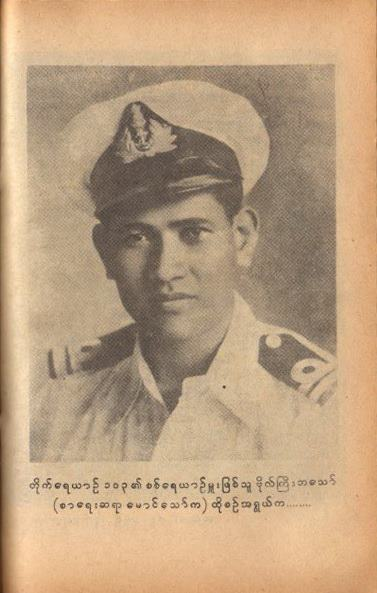
- Maung Thaw Ka (မောင်သော်က / Major Ba Thaw): A highly respected Burmese Muslim navy officer and satirist, he served as the Chief Editor of the state-run Forward (ရှေ့သို့) magazine. (He later became a founding Central Executive Committee member of the National League for Democracy).
- U Ba Than Haq: A pioneer in Burmese geology education, Professor U Ba Than Haq (son-in-law of outstanding social awardee Sein Daw Pu) served as a chief advisor on the Geology, Petroleum, and Mining Advisory Council. (He renounced Islam)
- Dr. Maung Di (ဒေါက်တာမောင်ဒီ): A brilliant chemist and academic (son of the Dean of the Islamic Religious College in Kanbalu), he served as Rector of Rangoon Arts and Science University (RASU) and later as Deputy Minister of Education. (He renounced Islam)
- U Kar (ဦးကာ): While he initially served as Minister of Education and Forestry under U Nu’s 1958 caretaker government (which Ne Win led), Ne Win later appointed him as the Rector of the University of Rangoon following the 1962 coup.
- Dr. Daw Yi Yi (ဒေါက်တာဒေါ်ရီရီ): A monumental figure in modern Burmese historiography, she served as a key senior research officer for the Burma Historical Commission.
- U Pe Khin (ဦးဖေခင်) & U Hla Maung (ဦးလှမောင်): U Pe Khin was a historic architect of the Panglong Agreement. During the Ne Win era, he continued his long diplomatic service as ambassador to the Soviet Union and Singapore until retiring in 1972. U Hla Maung similarly served as a trusted ambassador for Burma.
- Colonel Ba Shin (ဗိုလ်မှူးဘရှင်): A highly distinguished military officer and historian, he was an active member of the Burma Historical Commission under the Revolutionary Council and authored foundational texts on Pagan-era history.
- Brigadier General Maung Maung Gyi: A top-ranking naval officer who served prominently alongside the Revolutionary Council.
- Dr. Thein Maung: Brother of Dr. Tin Maung and son of U Kar, he was one of the most prominent Ear, Nose, and Throat (EENT) surgeons in Burma, serving as a professor and chief medical officer in state hospitals.
- U Rasjid (M.A. Raschid): Although Ne Win jailed him shortly after the 1962 coup due to his close ties to U Nu, Raschid was a pioneering labor leader and diplomat who laid the institutional groundwork for many ministries that Ne Win’s government inherited and managed.
- Dr. Than Aung: A prominent medical professional who served as the Minister of Health during the early phases of the post-coup transitional structures.
Captain U Khin Maung Latt as a foundational figure in modern Burmese aviation. He was part of the prestigious first batch of Burmese pilots sent to the United Kingdom for advanced training. He later served as the Chief of Pilots and General Ne Win’s personal pilot.
Historical Overview
- The UK Training Batch: Following Burma’s transition toward independence in the late 1940s, the government selected its most promising aviators to train in the United Kingdom. This elite first cohort laid the groundwork for the post-independence Union of Burma Airways (UBA) and the Burma Air Force.
- Chief of Pilots & Presidential Captain: Known for his exceptional skill and discretion, Captain U Khin Maung Latt rose to become the Chief of Pilots. Because of his technical expertise, he was entrusted as the primary personal pilot for General Ne Win, flying the head of state on sensitive diplomatic trips during the Revolutionary Council and Burma Socialist Programme Party eras.
- Aviation Legacy: His lineage remained deeply rooted in Burmese aviation and state administration. In his later years, he served as a high-ranking state official, including as the Director General of the Directorate of Hotels and Tourism, and actively advised national aviation entities like Myanmar Airways International (MAI).
Captain U Khin Maung Latt (also known as Haji Hassan Latt) is a deeply respected figure whose life highlights the prominent, foundational contributions of Burmese Muslims to the nation’s post-independence civil and military institutions.
Connecting this history to my personal journey makes perfect sense. Migrating to Kuala Lumpur 40 years ago (around 1986) to secure your Medical License, Annual Practising Certificate (APC), and work permit was a massive milestone. Having Daw Pyone Ma Ma—a dedicated educator working as a tutor in the University of Malaya’s (UM) Myanmar Language Department—and Captain U Khin Maung Latt there to host you must have provided a vital anchoring presence during that challenging transitional period.
Contemporary Context & Legacy of the Pioneer Pilots
When Captain U Khin Maung Latt and his peers returned from advanced training in the United Kingdom, they formed the structural backbone of post-independence aviation. They bridged the technical gap between wartime logistics and modern commercial flight.
| Historical Profile Dimension | Details & Institutional Contributions |
|---|---|
| Alternative Title | Haji Hassan Latt |
| UK Training Context | Part of the elite, handpicked first cohort sent to the United Kingdom to master advanced post-war commercial and military aviation maneuvers. |
| Aviation Milestones | Promoted to Chief of Pilots and served as the General Manager of Burma Airways. Trusted implicitly by the state as the personal pilot for General Ne Win on sensitive domestic and international flights. |
| Post-Retirement Scope | Acted as a highly influential patron, Chairman, and Senior Advisor for Myanmar Airways International (MAI). Concurrently served as Director General of the Directorate of Hotels and Tourism. |
| Key Cohort Peers | Capt. P.H. Sparrow (Pioneer pilot who captained foundational regional routes). Capt. Saw Tun (Another historic figure in the early Union of Burma Airways expansion). |
The Academic Connection: Daw Pyone Ma Ma at UM (She was my wife’s cousin)
Daw Pyone Ma Ma’s tenure at the University of Malaya highlights a fascinating chapter of regional academic exchange. During the 1980s, UM’s language faculties actively recruited high-caliber native educators from Myanmar to build robust regional linguistics programs. For Burmese expatriates arriving in Kuala Lumpur at the time, her household was an intellectual and cultural sanctuary.