Author: Ro Thin Thin Hlaing. Translated by Dr Ko Ko Gyi
Why do minorities always have to explain their own rights whenever they demand them? Is having a religion, attire, and culture different from the majority a crime? It has become necessary to ask these questions by comparing current events with the promises of the revolution.
1. Is wearing a hijab a crime?
The issue involving an Islamic woman facing criticism and pressure to apologize for wearing a hijab alongside traditional Myanmar attire is not just about clothing. It is a question of how much one respects an individual’s religious beliefs, freedom of choice, and human dignity.
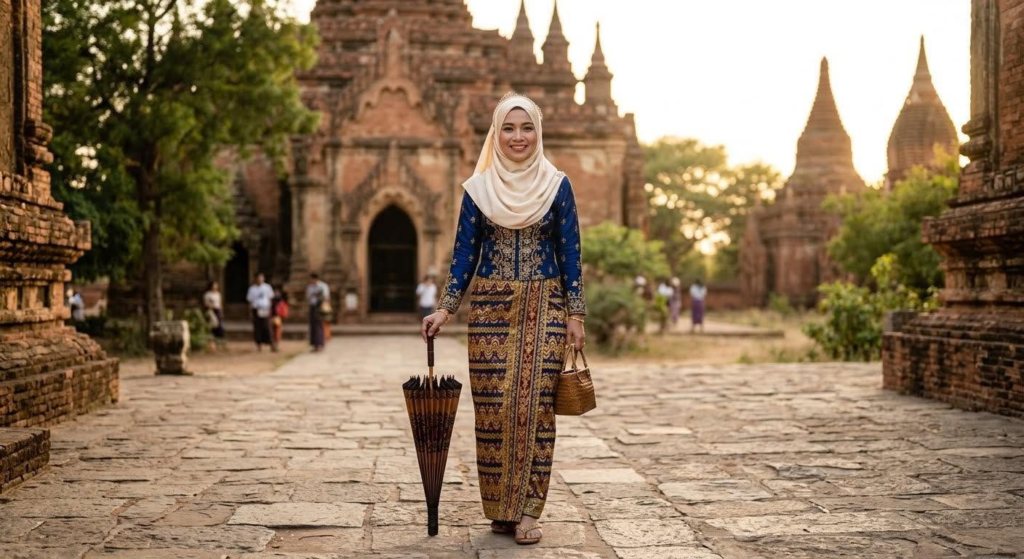
Wearing traditional Myanmar attire and wearing a hijab according to Islam do not contradict each other. There should be no rule stating that one must abandon their religious identity in order to respect a culture. It is acceptable to dislike a different style of clothing, and opinions can differ. However, who gave anyone the authority to humiliate, pressure, and force an individual to apologize simply because of differences? Loving Myanmar culture is not the same as denying someone else’s religious rights.
2. If there are allegations against a mosque, where is the law?
News reports regarding the Naungcho mosque issue have also raised questions about the future of a religious building, legal processes, and the freedom of belief for minorities. In such cases, the most important thing is to thoroughly investigate the facts, protect the rights of those involved, and follow due process.
Should decisions that affect the rights of an entire religious community be easily made simply because there are allegations against individuals? Investigating a case and taking action against a place of worship used by many are two different matters. Whatever decision is made, it must be based on the law, evidence, and fair procedures. Justice should not exist solely for the majority; it must equally exist for minorities.
3. By whose authority do religious leaders intervene to inspect mosque construction?
Reports emerged that after nationalist monastic members entered and questioned the reconstruction of the Sinkone Mosque in Thanlyin, the authorities ordered the suspension of the construction work. If building permits are required, the relevant authorities must inspect them in accordance with the law. If there is no permission, action should be taken according to relevant regulations.
However, a question arises: Is a religious leader’s right to file a complaint the same as having the authority to personally enter, inspect, and pressure a community’s religious building? Are the ones who determine whether a building has violated the law the relevant legal authorities, or the religious views and pressures of a group of people? In a country with laws, complaints must be resolved through the legal system. Deciding the rights of minorities through the pressure of a crowd is not the rule of law.
4. Criticizing Islam is not the same as targeting all Muslims
One can criticize Saudi Arabia’s judicial system, death penalty, and religion-based laws. Any country’s legal system can be examined and criticized from the perspective of human rights and justice. However, using the actions of a single country’s government, court, or law to blame all Muslims is a completely different matter.
An individual’s crime cannot be projected onto an entire religion, nor can a single country’s laws be defined as the collective stance of believers worldwide. One can criticize religious concepts, religious organizations, and injustices committed under the name of religion. However, criticism must be based on facts and reasoning. It should never serve as a justification to treat an entire ethnicity or religion as an enemy. Anyone who truly believes in human rights must be able to protect the rights of even a believer whose views they dislike.
5. Why are revolutionary groups remaining silent?
Was the struggle against the military dictatorship solely to remove a single group of dictators? Or was it to build a country where everyone, regardless of differences in ethnicity, religion, gender, and social background, can live equally?
During the revolutionary period, the participation of minorities was welcomed. Their support was accepted. It was said that they should participate as equal citizens. So now, when the religious freedom and human dignity of minorities are being harmed, who is taking a clear stand? Are they staying silent out of fear of going against the majority’s sentiment? Are they worried that standing up for minorities will make them less popular?
Justice is not something to be spoken of only when it is popular. It is the courage to call injustice an injustice even when it might become unpopular. It is not enough for revolutionary organizations to simply state that they protect minority rights. They must prove it through how they stand when discrimination actually happens in practice.
6. The promises I believed in at the beginning of the revolution
At the beginning of the revolution, some of my Bamar friends said that people of different ethnicities and religions are also citizens of this country, and therefore they have the right and should participate in the revolution. I also encouraged the Muslim community to participate in the revolution. What I believed was the concept that despite differences in ethnicity and religion, we could stand together against injustice.
We too participated as much as we could, amidst fears and anxieties. It is not that everyone could be persuaded to join. The reason is that minorities harbored anxieties about whether they would be treated equally even after participating in the revolution.
My family and I did not easily abandon our faith in the revolution. But having that faith does not mean we can no longer ask questions. If we truly want to fulfill the goals of the revolution, we need to listen to the concerns of minorities rather than view them as enemies. Asking questions should not be labeled as opposing the revolution; rather, it should be seen as an opportunity to review the promises of the revolution.
7. When desserts are handed out, we are left out; when batons are handed out, we are at the front
Among minorities, there is a common grievance often expressed: “When desserts are handed out we are not included; when batons are handed out, we have to stand at the very front of the queue.”
This saying is not about food or batons; it is about rights, recognition, and equal treatment. When sacrifice is needed, minorities are remembered as citizens. When dangers must be faced together, their participation is welcomed. But when it comes to discussions about rights, security, and human dignity, if their voices are ignored, what kind of equality are we building?
This question is not posed as an accusation against all Bamar people. It is asked of everyone who believes in justice, and every organization that truly believes in the goals of the revolution. Protecting the rights of minorities is not demanding special privileges; it is demanding an equal share of the rights that every person deserves.
If military dictatorship can be overthrown, but discrimination based on ethnicity and religion cannot be eliminated, what kind of freedom can the revolution deliver? If freedom arrives only for the majority after the revolution while minorities continue to live in fear, then that freedom is not yet freedom for everyone.
Therefore, I want to ask revolutionary organizations, human rights believers, and those standing on the side of truth: If we cannot protect minority rights now, how will we protect them after the revolution succeeds? Just as minorities were invited to join the revolution, may we also stand together when their rights are harmed.
The success of a revolution should not be measured solely by the overthrow of a group of dictators. It should also be measured by our ability to build a nation where no one who was previously oppressed ever has to face discriminatory oppression again.
Warning — Avoid religious conflicts. Do not fall into the traps of those who use religion for power. Be mindful so that minorities are not portrayed as enemies. While opposing injustice, do not become victims of religious conflict.
Ro Thin Thin Hlaing
မုန့်ဝေရင် မပါ၊ ဒုတ်ဝေရင် ရှေ့ဆုံးက — လူနည်းစုတွေအတွက် တရားမျှတမှု ဘယ်မှာလဲ
ရေးသားသူ — ရိုသင်းသင်းလှိုင်
လူနည်းစုတွေဟာ အခွင့်အရေးတောင်းတဲ့အခါ ဘာကြောင့် အမြဲတမ်း ကိုယ့်အခွင့်အရေးကိုယ် ရှင်းပြနေရတာလဲ။ လူများစုနဲ့ မတူတဲ့ ဘာသာ၊ ဝတ်စားဆင်ယင်မှုနဲ့ ယဉ်ကျေးမှုရှိနေတာဟာ အပြစ်တစ်ခုလား။
ဒီမေးခွန်းတွေကို လက်ရှိဖြစ်ရပ်တွေနဲ့ တော်လှန်ရေးရဲ့ ကတိစကားတွေကို ယှဉ်ကြည့်ပြီး မေးဖို့လိုလာပါပြီ။
၁။ ခေါင်းစည်းဝတ်တာဟာ အပြစ်လား
မြန်မာ့ရိုးရာဝတ်စုံနဲ့အတူ အစ္စလာမ်ဘာသာဝင် အမျိုးသမီးတစ်ဦးက ခေါင်းစည်းဝတ်ဆင်ခဲ့တဲ့အတွက် ဝေဖန်မှုတွေနဲ့ တောင်းပန်ဖို့ ဖိအားပေးမှုတွေ ကြုံနေရတယ်ဆိုတဲ့ အကြောင်းအရာဟာ အဝတ်အစားတစ်ခုတည်းအကြောင်း မဟုတ်ပါဘူး။
လူတစ်ဦးရဲ့ ဘာသာရေးယုံကြည်မှု၊ ကိုယ်ပိုင်ရွေးချယ်ခွင့်နဲ့ လူ့ဂုဏ်သိက္ခာကို ဘယ်လောက်လေးစားသလဲဆိုတဲ့ မေးခွန်းပါ။
မြန်မာ့ရိုးရာဝတ်စုံကို ဝတ်ဆင်ခြင်းနဲ့ အစ္စလာမ်ဘာသာအရ ခေါင်းစည်းဝတ်ဆင်ခြင်းဟာ တစ်ခုနဲ့တစ်ခု ဆန့်ကျင်နေစရာ မလိုပါဘူး။ ယဉ်ကျေးမှုတစ်ခုကို လေးစားဖို့အတွက် ကိုယ့်ဘာသာရေးလက္ခဏာကို စွန့်လွှတ်ရမယ်ဆိုတဲ့ စည်းမျဉ်းလည်း မရှိသင့်ပါဘူး။
မတူညီတဲ့ ဝတ်စားဆင်ယင်မှုတစ်ခုကို မကြိုက်တာရပါတယ်။ သဘောထားကွဲလွဲနိုင်ပါတယ်။ ဒါပေမဲ့ မတူညီမှုကြောင့် လူတစ်ဦးကို အရှက်ခွဲဖို့၊ ဖိအားပေးဖို့၊ တောင်းပန်ခိုင်းဖို့ ဘယ်သူက အခွင့်အာဏာပေးထားတာလဲ။
မြန်မာ့ယဉ်ကျေးမှုကို ချစ်မြတ်နိုးခြင်းဟာ အခြားသူရဲ့ ဘာသာရေးအခွင့်အရေးကို ငြင်းပယ်ခြင်းနဲ့ မတူပါဘူး။
၂။ ဗလီတစ်လုံးအပေါ် စွပ်စွဲချက်ရှိရင် ဥပဒေက ဘယ်မှာလဲ
နောင်ချိုဗလီကိစ္စနဲ့ပတ်သက်တဲ့ သတင်းတွေမှာလည်း ဘာသာရေးအဆောက်အအုံတစ်ခုရဲ့ အနာဂတ်၊ တရားစီရင်ရေးလုပ်ငန်းစဉ်နဲ့ လူနည်းစုတွေရဲ့ ယုံကြည်ကိုးကွယ်ခွင့်အပေါ် မေးခွန်းတွေ ပေါ်ပေါက်နေပါတယ်။
ဒီလိုကိစ္စမျိုးမှာ အရေးကြီးဆုံးက ဖြစ်ရပ်မှန်ကို သေချာစစ်ဆေးဖို့၊ သက်ဆိုင်သူတွေရဲ့ အခွင့်အရေးကို ကာကွယ်ဖို့နဲ့ တရားမျှတတဲ့ လုပ်ထုံးလုပ်နည်းကို လိုက်နာဖို့ပါပဲ။ လူတစ်ဦးချင်းစီအပေါ် စွပ်စွဲချက်ရှိတယ်ဆိုတာနဲ့ ဘာသာရေးအသိုင်းအဝိုင်းတစ်ခုလုံးရဲ့ အခွင့်အရေးကို ထိခိုက်စေမယ့် ဆုံးဖြတ်ချက်တွေကို အလွယ်တကူ ချမှတ်သင့်သလား။
အမှုတစ်ခုကို စစ်ဆေးခြင်းနဲ့ လူအများကို ကိုးကွယ်ခွင့်ရှိတဲ့ နေရာတစ်ခုအပေါ် အရေးယူခြင်းဟာ မတူညီတဲ့ ကိစ္စနှစ်ခုပါ။ ဘယ်လိုဆုံးဖြတ်ချက်မျိုးပဲဖြစ်ဖြစ် ဥပဒေအခြေခံ၊ သက်သေအထောက်အထားနဲ့ တရားမျှတတဲ့ လုပ်ထုံးလုပ်နည်း ရှိရပါမယ်။
တရားမျှတမှုဆိုတာ လူများစုအတွက်ပဲ ရှိရမယ့်အရာ မဟုတ်ပါဘူး။ လူနည်းစုတွေအတွက်လည်း တန်းတူရှိရပါမယ်။
၃။ ဗလီဆောက်လုပ်ရေးကို စစ်ဆေးဖို့ ဘာသာရေးခေါင်းဆောင်တွေက ဘယ်သူ့အာဏာနဲ့ ဝင်ရောက်စွက်ဖက်တာလဲ
သန်လျင်မြို့ရှိ စိန်ကုန်းဗလီ ပြုပြင်တည်ဆောက်ရေးကိစ္စမှာ အမျိုးသားရေးဝါဒီ သံဃာအဖွဲ့ဝင်တွေ ဝင်ရောက်မေးမြန်းစစ်ဆေးခဲ့ပြီးနောက် အာဏာပိုင်တွေဘက်က ဆောက်လုပ်ရေးလုပ်ငန်းကို ရပ်ဆိုင်းစေခဲ့တယ်ဆိုတဲ့ သတင်းတွေ ထွက်ပေါ်ခဲ့ပါတယ်။
ဆောက်လုပ်ရေးမှာ ခွင့်ပြုချက်လိုအပ်တယ်ဆိုရင် သက်ဆိုင်ရာအာဏာပိုင်တွေက ဥပဒေနဲ့အညီ စစ်ဆေးရမှာပါ။ ခွင့်ပြုချက်မရှိဘူးဆိုရင်လည်း သက်ဆိုင်ရာစည်းမျဉ်းအတိုင်း ဆောင်ရွက်ရမှာပါ။
ဒါပေမဲ့ မေးစရာရှိပါတယ်။
ဘာသာရေးခေါင်းဆောင်တွေက တိုင်ကြားခွင့်ရှိတာနဲ့ ကိုယ်တိုင်ဝင်ရောက်စစ်ဆေးပြီး လူမှုအသိုင်းအဝိုင်းတစ်ခုရဲ့ ဘာသာရေးအဆောက်အအုံအပေါ် ဖိအားပေးနိုင်တဲ့ အာဏာရှိတာဟာ တူညီသလား။
အဆောက်အအုံတစ်ခုမှာ ဥပဒေချိုးဖောက်မှုရှိ၊ မရှိကို ဆုံးဖြတ်ရမှာ သက်ဆိုင်ရာဥပဒေအာဏာပိုင်တွေလား၊ လူအုပ်စုတစ်စုရဲ့ ဘာသာရေးအမြင်နဲ့ ဖိအားတွေလား။
ဥပဒေရှိတဲ့နိုင်ငံမှာ တိုင်ကြားမှုကို ဥပဒေနဲ့ ဖြေရှင်းရပါတယ်။ လူအုပ်စုရဲ့ ဖိအားနဲ့ လူနည်းစုတွေရဲ့ အခွင့်အရေးကို ဆုံးဖြတ်တာဟာ တရားဥပဒေစိုးမိုးရေး မဟုတ်ပါဘူး။
၄။ အစ္စလာမ်ကို ဝေဖန်တာနဲ့ မွတ်စလင်အားလုံးကို ပစ်မှတ်ထားတာ မတူပါဘူး
ဆော်ဒီအာရေဗျနိုင်ငံရဲ့ တရားစီရင်ရေး၊ သေဒဏ်ချမှတ်မှုနဲ့ ဘာသာရေးအခြေပြု ဥပဒေတွေကို ဝေဖန်နိုင်ပါတယ်။ ဘယ်နိုင်ငံရဲ့ ဥပဒေစနစ်မဆို လူ့အခွင့်အရေးနဲ့ တရားမျှတမှုအရ ဆန်းစစ်ဝေဖန်နိုင်ပါတယ်။
ဒါပေမဲ့ နိုင်ငံတစ်နိုင်ငံရဲ့ အစိုးရ၊ တရားရုံး ဒါမှမဟုတ် ဥပဒေတစ်ခုရဲ့ လုပ်ရပ်ကို အကြောင်းပြုပြီး မွတ်စလင်အားလုံးကို အပြစ်တင်တာကတော့ မတူညီတဲ့ ကိစ္စပါ။
တစ်ဦးချင်းရဲ့ ပြစ်မှုကို ဘာသာတစ်ခုလုံးအပေါ် ပုံချလို့မရသလို နိုင်ငံတစ်နိုင်ငံရဲ့ ဥပဒေကိုလည်း ကမ္ဘာတစ်ဝန်းရှိ ဘာသာဝင်အားလုံးရဲ့ သဘောထားအဖြစ် သတ်မှတ်လို့မရပါဘူး။
ဘာသာရေးအယူအဆ၊ ဘာသာရေးအဖွဲ့အစည်းနဲ့ ဘာသာရေးအမည်ခံပြီး ကျူးလွန်တဲ့ မတရားမှုတွေကို ဝေဖန်နိုင်ပါတယ်။ ဒါပေမဲ့ ဝေဖန်မှုဟာ အချက်အလက်နဲ့ အကြောင်းပြချက်အပေါ် အခြေခံရပါမယ်။ လူမျိုးတစ်မျိုး၊ ဘာသာတစ်ခုလုံးကို ရန်သူလို သတ်မှတ်ဖို့ အကြောင်းပြချက် မဖြစ်သင့်ပါဘူး။
လူ့အခွင့်အရေးကို အမှန်တကယ် ယုံကြည်သူဆိုရင် ကိုယ်မနှစ်သက်တဲ့ ဘာသာဝင်တစ်ဦးရဲ့ အခွင့်အရေးကိုပါ ကာကွယ်ပေးနိုင်ရပါမယ်။
၅။ တော်လှန်ရေးအဖွဲ့တွေ ဘာကြောင့် တိတ်ဆိတ်နေကြတာလဲ
စစ်အာဏာရှင်စနစ်ကို ဆန့်ကျင်ခဲ့ကြတာဟာ အာဏာရှင်တစ်စုကို ဖယ်ရှားဖို့တစ်ခုတည်းအတွက်လား။ ဒါမှမဟုတ် လူမျိုး၊ ဘာသာ၊ လိင်နဲ့ လူမှုနောက်ခံ မတူသူအားလုံး တန်းတူညီမျှစွာ နေထိုင်နိုင်တဲ့ နိုင်ငံတစ်နိုင်ငံ တည်ဆောက်ဖို့လား။
တော်လှန်ရေးကာလမှာ လူနည်းစုတွေရဲ့ ပါဝင်မှုကို ကြိုဆိုခဲ့ကြတယ်။ သူတို့ရဲ့ ပံ့ပိုးမှုကို လက်ခံခဲ့ကြတယ်။ တန်းတူနိုင်ငံသားတွေအဖြစ် ပါဝင်သင့်တယ်လို့လည်း ပြောခဲ့ကြတယ်။
ဒါဆို အခု လူနည်းစုတွေရဲ့ ဘာသာရေးလွတ်လပ်ခွင့်နဲ့ လူ့ဂုဏ်သိက္ခာ ထိခိုက်လာတဲ့အခါ ဘယ်သူတွေက ပြတ်ပြတ်သားသား ရပ်တည်ပေးနေကြပါသလဲ။
အများစုရဲ့ သဘောထားနဲ့ ဆန့်ကျင်သွားမှာ စိုးရိမ်လို့ တိတ်ဆိတ်နေကြတာလား။
လူနည်းစုတွေအတွက် ရပ်တည်ပေးခြင်းက လူကြိုက်နည်းသွားစေမှာကို စိုးရိမ်နေကြတာလား။
တရားမျှတမှုဆိုတာ လူကြိုက်များတဲ့အချိန်မှာပဲ ပြောရတဲ့ စကားမဟုတ်ပါဘူး။ လူကြိုက်နည်းသွားနိုင်တဲ့အချိန်မှာပါ မတရားမှုကို မတရားမှုလို့ ပြောရဲခြင်းပါ။
တော်လှန်ရေးအဖွဲ့အစည်းတွေဟာ လူနည်းစုတွေရဲ့ အခွင့်အရေးကို ကာကွယ်တယ်ဆိုတဲ့ စကားနဲ့တင် မလုံလောက်ပါဘူး။
လက်တွေ့မှာ ခွဲခြားဆက်ဆံမှုတွေ ဖြစ်လာတဲ့အခါ ဘယ်လိုရပ်တည်သလဲဆိုတာနဲ့ သက်သေပြရပါမယ်။
၆။ တော်လှန်ရေးအစမှာ ကျွန်မ ယုံကြည်ခဲ့တဲ့ ကတိစကားတွေ
တော်လှန်ရေးအစပိုင်းမှာ ဗမာလူမျိုးထဲက မိတ်ဆွေတချို့က လူမျိုးမတူ၊ ဘာသာမတူတဲ့သူတွေလည်း ဒီနိုင်ငံရဲ့ နိုင်ငံသားတွေဖြစ်တဲ့အတွက် တော်လှန်ရေးမှာ ပါဝင်ခွင့်ရှိတယ်၊ ပါဝင်သင့်တယ်လို့ ပြောခဲ့ကြပါတယ်။ မွတ်စလင်အသိုင်းအဝိုင်းထဲမှာလည်း တော်လှန်ရေးမှာ ပါဝင်ဖို့ ကျွန်မ တိုက်တွန်းခဲ့ပါတယ်။
ကျွန်မ ယုံကြည်ခဲ့တာက လူမျိုးနဲ့ ဘာသာမတူပေမဲ့ မတရားမှုကို ဆန့်ကျင်တဲ့အခါ အတူရပ်တည်နိုင်တယ်ဆိုတဲ့ အယူအဆပါ။
ကျွန်မတို့ဘက်ကလည်း ကြောက်ရွံ့မှုတွေ၊ စိုးရိမ်မှုတွေကြားကနေ တတ်နိုင်သလောက် ပါဝင်ခဲ့ကြတယ်။ လူတိုင်းကို ပါဝင်လာအောင် စည်းရုံးနိုင်ခဲ့တာတော့ မဟုတ်ပါဘူး။ အကြောင်းက လူနည်းစုတွေဟာ တော်လှန်ရေးအတွင်း ပါဝင်ပြီးနောက်မှာတောင် တန်းတူဆက်ဆံခံရပါ့မလားဆိုတဲ့ စိုးရိမ်ချက်တွေ ရှိနေကြလို့ပါ။
ကျွန်မနဲ့ ကျွန်မမိသားစုကတော့ တော်လှန်ရေးအပေါ် ယုံကြည်ချက်ကို လွယ်လွယ်နဲ့ မစွန့်လွှတ်ခဲ့ကြပါဘူး။ ဒါပေမဲ့ ယုံကြည်မှုရှိခဲ့တယ်ဆိုတာကြောင့် မေးခွန်းမမေးရတော့ဘူးလို့ မဆိုလိုပါဘူး။
တော်လှန်ရေးရဲ့ ရည်မှန်းချက်တွေကို တကယ်အကောင်အထည်ဖော်ချင်တယ်ဆိုရင် လူနည်းစုတွေရဲ့ စိုးရိမ်ချက်တွေကို ရန်သူလို မမြင်ဘဲ နားထောင်ဖို့လိုပါတယ်။
မေးခွန်းထုတ်တာကို တော်လှန်ရေးဆန့်ကျင်မှုလို့ မသတ်မှတ်ဘဲ တော်လှန်ရေးရဲ့ ကတိတွေကို ပြန်လည်သုံးသပ်ဖို့ အခွင့်အရေးတစ်ခုအဖြစ် မြင်သင့်ပါတယ်။
၇။ မုန့်ဝေရင် မပါ၊ ဒုတ်ဝေရင် ရှေ့ဆုံးက
လူနည်းစုတွေအကြားမှာ စိတ်ထဲက မကျေနပ်ချက်တစ်ခုကို ဒီလိုပြောလေ့ရှိကြပါတယ်။
“မုန့်ဝေရင် မပါဘူး၊ ဒုတ်ဝေရင် ရှေ့ဆုံးက တန်းစီရတယ်။”
ဒီစကားဟာ မုန့်နဲ့ ဒုတ်အကြောင်း မဟုတ်ပါဘူး။ အခွင့်အရေး၊ အသိအမှတ်ပြုမှုနဲ့ တန်းတူဆက်ဆံခံရမှုအကြောင်းပါ။
အနစ်နာခံဖို့လိုတဲ့အခါ လူနည်းစုတွေကို နိုင်ငံသားတွေအဖြစ် သတိရကြတယ်။ အန္တရာယ်ကို အတူရင်ဆိုင်ဖို့လိုတဲ့အခါ သူတို့ရဲ့ ပါဝင်မှုကို ကြိုဆိုကြတယ်။ ဒါပေမဲ့ အခွင့်အရေး၊ လုံခြုံမှုနဲ့ လူ့ဂုဏ်သိက္ခာအကြောင်း ပြောလာတဲ့အခါ သူတို့အသံကို လျစ်လျူရှုနေကြမယ်ဆိုရင် ဘယ်လိုတန်းတူညီမျှမှုမျိုးကို တည်ဆောက်နေကြတာလဲ။
ဒီမေးခွန်းကို ဗမာလူမျိုးအားလုံးအပေါ် စွပ်စွဲချက်အဖြစ် မေးနေတာ မဟုတ်ပါဘူး။ တရားမျှတမှုကို ယုံကြည်တဲ့သူတိုင်း၊ တော်လှန်ရေးရဲ့ ရည်မှန်းချက်ကို တကယ်ယုံကြည်တဲ့ အဖွဲ့အစည်းတိုင်းကို မေးနေတာပါ။
လူနည်းစုတွေရဲ့ အခွင့်အရေးကို ကာကွယ်ပေးဖို့ဆိုတာ အထူးအခွင့်အရေးပေးဖို့ တောင်းဆိုနေတာ မဟုတ်ပါဘူး။
လူတိုင်းရထိုက်တဲ့ အခွင့်အရေးကို တန်းတူရရှိဖို့ တောင်းဆိုနေတာပါ။
စစ်အာဏာရှင်ကို ဖယ်ရှားနိုင်ပေမဲ့ လူမျိုးနဲ့ ဘာသာအပေါ် အခြေခံတဲ့ ခွဲခြားဆက်ဆံမှုတွေကို မဖယ်ရှားနိုင်ဘူးဆိုရင် တော်လှန်ရေးက ဘယ်လိုလွတ်လပ်မှုကို ပေးနိုင်မှာလဲ။
တော်လှန်ရေးပြီးတဲ့အခါ လူများစုအတွက်ပဲ လွတ်လပ်မှုရောက်လာပြီး လူနည်းစုတွေကတော့ ကြောက်ရွံ့စွာ နေထိုင်နေရဦးမယ်ဆိုရင် အဲဒီလွတ်လပ်မှုဟာ အားလုံးအတွက် လွတ်လပ်မှု မဟုတ်သေးပါဘူး။
ဒါကြောင့် တော်လှန်ရေးအဖွဲ့အစည်းတွေ၊ လူ့အခွင့်အရေးကို ယုံကြည်သူတွေ၊ အမှန်တရားဘက်က ရပ်တည်သူတွေကို မေးချင်ပါတယ်။
လူနည်းစုတွေရဲ့ အခွင့်အရေးကို အခုအချိန်မှာ မကာကွယ်နိုင်ဘူးဆိုရင် တော်လှန်ရေးအောင်မြင်ပြီးတဲ့အခါ သူတို့ရဲ့ အခွင့်အရေးကို ဘယ်လိုကာကွယ်ပေးကြမှာလဲ။
လူနည်းစုတွေကို တော်လှန်ရေးမှာ ပါဝင်ဖို့ ဖိတ်ခေါ်ခဲ့သလို၊ သူတို့ရဲ့ အခွင့်အရေး ထိခိုက်လာတဲ့အခါမှာလည်း အတူရပ်တည်ပေးနိုင်ကြပါစေ။
တော်လှန်ရေးရဲ့ အောင်မြင်မှုကို အာဏာရှင်တစ်စု ပြုတ်ကျသွားခြင်းနဲ့ပဲ မတိုင်းတာသင့်ပါဘူး။ အရင်က ဖိနှိပ်ခံခဲ့ရသူတွေထဲက ဘယ်သူမှ နောက်တစ်ကြိမ် ခွဲခြားဖိနှိပ်ခံရခြင်း မရှိတော့တဲ့ နိုင်ငံတစ်နိုင်ငံကို တည်ဆောက်နိုင်ခြင်းနဲ့ပါ တိုင်းတာသင့်ပါတယ်။
သတိပေးချက် — ဘာသာရေးပဋိပက္ခကို ရှောင်ရှားကြပါ။ ဘာသာရေးကို အာဏာအတွက် အသုံးချသူတွေရဲ့ လှည့်ကွက်ထဲ မဝင်ကြပါနဲ့။ လူနည်းစုတွေကို ရန်သူအဖြစ် ပုံဖော်ခံရခြင်း မရှိစေဖို့ သတိပြုကြပါ။ မတရားမှုကို ဆန့်ကျင်ရင်း ဘာသာရေးပဋိပက္ခရဲ့ သားကောင် မဖြစ်ကြပါစေနဲ့။
#ငါတို့သည်အမှန်းတရာလိုလာသူများဖြစ်ကျသည်
#ငါတို့သည်မြန်မာနိုင်ငံသာများဖြစ်ကျသည်
#ငါတို့သည်အစ္စလာမ်များဖြစ်ကျသည်
#ငါတို့သည်ရိုဟင်ဂျာများဖြစ်ကျသည်
#ငါတို့သည်မြန်မာအမျိုးသမီးများဖြစ်ကျသည်
#ငါတို့သည်အစ္စလာမ်အမျိုးသမီးများဖြစ်ကျသည်
#ငါတို့သည်ရိုဟင်ဂျာအမျိုးသမီးများဖြစ်ကျသည်
#ငါတို့လိုချင်တဲ့အနာဂတ်မြန်မာနိုင်ငံတော်ကိုငါတို့အာလုံးလက်တွဲတည်ဆောက်ကျစို့