For Myanmar Muslim News Network (MMNN)
English translation and editorial presentation based on a Burmese-language post by U Aung Tin, incorporating excerpts from interviews published by The Voice Weekly on 22 February 2014.
Editor’s Note
The following material revisits the anti-Muslim violence in Meiktila in March 2013 and the public controversy surrounding the role of Buddhist nationalist monks.
The original post draws attention to statements attributed to U Wirathu, who reportedly claimed that he had tried to protect Meiktila’s Muslims, while directing blame towards another monk known as Galone Ni. It also reproduces contemporary interviews in which Galone Ni discussed religiously motivated opposition to Muslim political activist Ko Mya Aye’s participation in a literary event in Mandalay.
The allegations concerning individual responsibility for the Meiktila killings must be distinguished from the statements documented in these interviews. The material below records the relevant claims and testimony; it does not independently establish criminal responsibility.
1. U Aung Tin’s Commentary
“I remember what Ko Mg Mg wrote. However, the fact that people are now becoming frightened and trying to shift the blame onto one another is a positive sign in one respect: matters that were previously concealed may now be coming to light.
“That is why I deliberately used the headline identifying Galone Ni as the person responsible for the killings.”
The original post then presents the competing claims in blunt terms: that Galone Ni was responsible for killing Meiktila’s Muslims, while U Wirathu portrayed himself as the person who rescued them.
These are allegations and claims made in the source material, not findings established by the interview reproduced below.
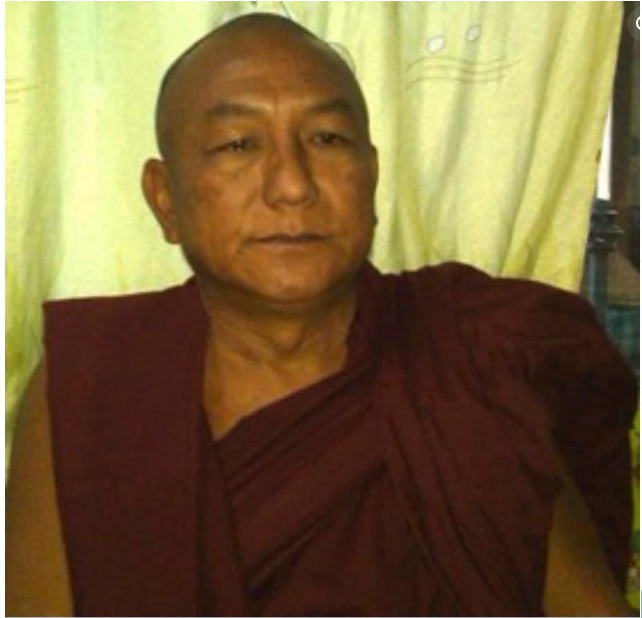
2. Interview with the Monk Known as Galone Ni
Source: The Voice Weekly, 22 February 2014 — interview concerning a literary talk in Mandalay
A literary talk commemorating the birthday of General Aung San was held on 15–16 February in the Phayaran Ward area, around 36th and 37th Streets on 77th Street in Mandalay.
Three speakers had been scheduled for the first evening: Maung Thwe Thit, Nyi Min Nyo, and Ko Mya Aye of the 88 Generation Open Society movement. Some local monks objected to Ko Mya Aye’s participation. The organisers eventually replaced him with writer Nay Win Myint.
Following the controversy, the monk known as Galone Ni, associated with the Mandalay organisation for the protection of race, religion and the Sasana, and other monks intervened in an attempt to resolve the dispute.
The Voice Weekly interviewed Galone Ni about the incident.
Q: What is your view of the objections to Ko Mya Aye’s scheduled speech?
Galone Ni: In my personal opinion, people should not object to someone on personal grounds.
Q: Why did some monks object?
Galone Ni: They objected without giving proper reasons. Some said that Ko Mya Aye was being opposed because he was Muslim. I think they were unhappy about his statements concerning the Rakhine and Meiktila conflicts, as well as remarks allegedly made by his daughter that they considered insulting to Buddhism.
Q: What was happening when you arrived at the venue?
Galone Ni: One side was demanding that Ko Mya Aye be removed from the programme, while the other side opposed removing him. They were arguing back and forth. We found a situation in which the disagreement could have escalated into a confrontation if he was not removed.
Q: What is your view of politicians speaking at literary events?
Galone Ni: I said the previous evening that politicians were becoming literary lecturers. I did not think that politicians taking on the role of literary speakers would necessarily contribute to the country’s progress.
“Nevertheless, whether the speaker is a politician or a writer, it is not appropriate to object to or condemn someone at a literary event merely because of a personal determination. Such actions can create disagreements, conflicts and fights. A minor issue can become a major problem that is difficult to resolve.”
Q: Some people believe that inviting politicians to speak alongside writers was a mistake by the organisers. What do you think?
Galone Ni: The organisers also bear responsibility. In my view, inviting Ko Mya Aye was not a good decision. They should have considered the fact that similar incidents had occurred in Yangon. A literary talk does not necessarily have to involve Ko Mya Aye. Only the organisers themselves know why they included him.
Q: Do you have anything further to add?
Galone Ni: The relevant administrative authorities also bear responsibility. Some monks had already posted objections to Ko Mya Aye on Facebook and the internet on 14 February. The authorities should have discussed whether including him would lead to conflict.
“I do not know whether they deliberately allowed it because they wanted a confrontation. Had permission not been granted, this problem would not have arisen. They did not allow it out of ignorance; they knew about the objections and allowed it anyway. When trouble arose, they then turned people against the monks and against one another.”
Interview attributed to Ye Win Naing.
3. Interview with Ashin Chandathiri
The Voice Weekly also interviewed Ashin Chandathiri, a 37-year-old monk with 17 years in the monkhood, then studying in the second year at a Buddhist university in Mandalay. He had led a group of younger monks who objected to Ko Mya Aye’s participation.
Q: Why did you lead the objections to Ko Mya Aye’s speech?
Ashin Chandathiri: We did not want people of other religions and ethnic backgrounds speaking at literary events in Yangon, which we regard as a Buddhist-majority city in Myanmar. We had also objected to similar events in North Okkalapa and Shwepyitha.
“The monks in Mandalay share the same position as those in Yangon. We wanted to express our wishes because the proposed speaker was of a different ethnicity and religion.
“Mandalay is a major centre of the Buddhist Sangha, with a large monastic population. We wanted the monks’ opposition to speakers from other ethnic and religious backgrounds to be clearly expressed. We were also concerned that the strength of the monastic community might lead to an unwanted confrontation.
“We love General Aung San like a father. We believed that the public and the monks did not want this person to speak on his birthday. We submitted a written objection to the General Administration Department and protested peacefully, not violently.”
Q: What was your view of Ko Mya Aye?
Ashin Chandathiri: He referred to statements allegedly made by Ko Mya Aye’s daughter, Wai Hnin Pwint Thon, during overseas campaigns. He claimed that her remarks about Myanmar, the Rohingya issue and Buddhist monks had offended the monastic community, and argued that Ko Mya Aye should have prevented her from making them.
These were the monk’s stated reasons for opposing Ko Mya Aye; they should not be treated as independently verified facts.
Q: What message do you have for the public about these objections?
Ashin Chandathiri: He argued that national interests should take priority in a Buddhist-majority country and distinguished individual human rights from what he called the collective rights of Myanmar’s 135 officially recognised ethnic groups. He also argued that the public should distinguish between the rights of hosts and those of guests.
These remarks illustrate the nationalist and religious reasoning advanced by those who opposed Ko Mya Aye’s participation.
Interview attributed to Tin Lin.
4. Interview with Ko Mya Aye of the 88 Generation
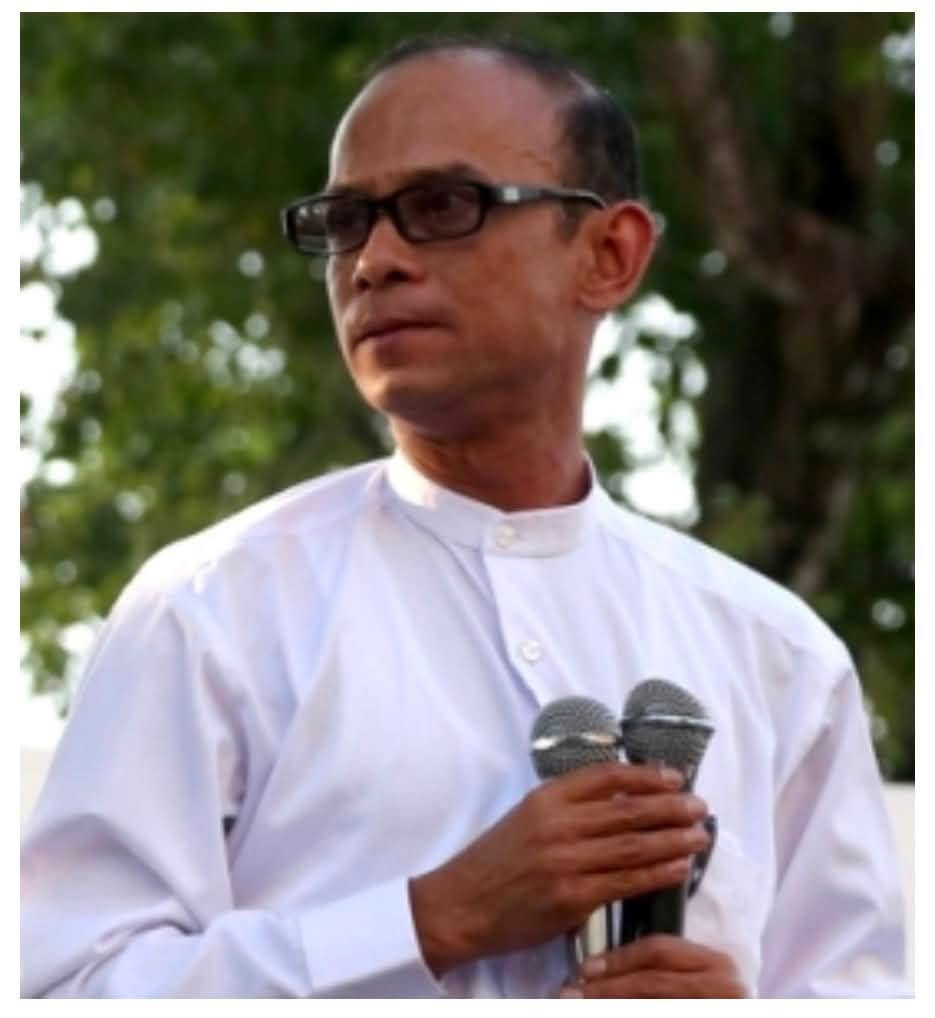
The Voice Weekly also interviewed Ko Mya Aye, a prominent member of the 88 Generation movement. The interview took place amid concerns that religiously connected conflicts could undermine Myanmar’s political transition.
Opposition to his participation in literary events
Q: Could you briefly explain what happened when your participation in literary events in Yangon and Mandalay was obstructed?
Ko Mya Aye: I was not one of the organisers, so I cannot give every detail. However, when people objected, I did not want the disagreement to turn into a confrontation or conflict.
“I do not accept violence or the use of powerful groups to intimidate and threaten people outside the law. For the sake of the country, the matter should be resolved peacefully.
“What troubles me is this: if something has been arranged in accordance with the law, can a group simply bully the organisers into cancelling it? That makes the country appear lawless.
“The administrative authorities bear full responsibility and must accept it.”
Religious discrimination and equal citizenship
Q: Have you experienced attacks or obstruction because of your religious beliefs during your political career?
Ko Mya Aye: Yes. This was not the first time.
“Some people see us simply as Muslims and use derogatory language to dismiss us. They ask what Muslims have to do with politics. Such language reflects the poor state of political thinking in the country.
“A country does not consist of people who are all the same. It contains many different communities and identities. We must accept multiculturalism if we want to move towards democracy.
“I am not doing politics for one religion or one ethnic group. I am doing politics for the 60 million people of my country. My only wish is to see my country and its people stand with dignity before the world.
“I do not want additional rights because my ethnicity or religion is different, but I will not surrender even the smallest part of my rights as a citizen. I want equality.”
Allegations concerning his daughter
Q: Some say you were opposed because people were unhappy with statements your daughter made overseas about politics and ethnicity. What is your response?
Ko Mya Aye: My daughter was 25 years old and had her own freedom. She had not spoken about these matters for a considerable time, and we had also tried to restrain her.
“I want to make one thing clear: the claim that she burned the national flag is not true. It is unreasonable to make accusations without carefully establishing the facts.
“When people have limited political experience, mistakes can happen. I understand that. It has become like the old story of the father, son and donkey: whatever you do, somebody will criticise you.
“Our family lived beside a monastery, and I grew up there. My grandparents served the state; they did not come from some foreign land.”
These are Ko Mya Aye’s own responses to the allegations reported in the interview.
Should politicians speak at literary events?
Q: Some argue that politicians should not speak at literary talks alongside writers. What is your response?
Ko Mya Aye: I have been writing for a long time. So have other political activists, including Min Ko Naing and Jimmy. We were unable to write freely while in prison, but I had a short story and a poem published in Sampel White magazine around 1997.
“Must a writer do nothing but write all the time? Eminent Myanmar writers such as Myat Than Tint and Htet Lwin also experienced imprisonment. Politics and the arts cannot always be separated.
“At a time when the country is struggling through a political transition, both writers and politicians have a role in broadening public understanding.”
Religious conflict or political conflict?
Q: You have suggested that the obstruction was politically motivated. How can further conflict be prevented?
Ko Mya Aye: This is fundamentally a problem of ideas. Ordinary people may see it as a religious issue, but it is also a political struggle between democratic forces and extremist nationalism.
“Look back at our history. Muslims participated in the 1920 student strike and in the struggle for independence. Muslim figures also contributed to Myanmar’s history in earlier periods. Many ethnic minorities in the country are Christian.
“When a country is moving towards equality, people cannot be judged simply by their religion or ethnicity. Otherwise, peace will be difficult to achieve, and the peace process itself may be harmed.
“Love of one’s nation cannot be demonstrated merely through loud declarations of national pride. If you genuinely love your country, you must work hard for it.
“Our contribution will be to share what we know so that the public becomes better informed. But the authorities must uphold the rule of law. Allowing those who act lawfully to be confronted by groups that obstruct them unlawfully risks provoking conflict. The administrative authorities bear primary responsibility.”
His final message
Q: What would you say to those who obstruct people and contribute to the present tensions?
Ko Mya Aye: I grew up beside Thein Phyu Monastery and have long been close to Buddhist monks. I have studied Buddhist philosophy seriously and respect it deeply.
“I was born Muslim. In 2006, we organised a prayer campaign at Shwedagon Pagoda calling for the release of political prisoners. Our slogan was: ‘We shall overcome everything through loving-kindness.’
“Loving-kindness is the principle I hold on to. I believe we can overcome everything through it. From childhood, I was taught not to respond to hatred with hatred. I will continue to respond with loving-kindness.
“My concern is for the country. The danger is not merely a return to the past. The country could deteriorate into a failed state, from which recovery might become impossible.”
Interview attributed to Naw Koko.
Original publication: The Voice News, 22 February 2014, 12:53 p.m.
Original article link supplied in the Burmese post:
http://thevoicemyanmar.com/2013/index.php/interviews/item/4707-km.html
5. The Original Post’s Reference to U Wirathu
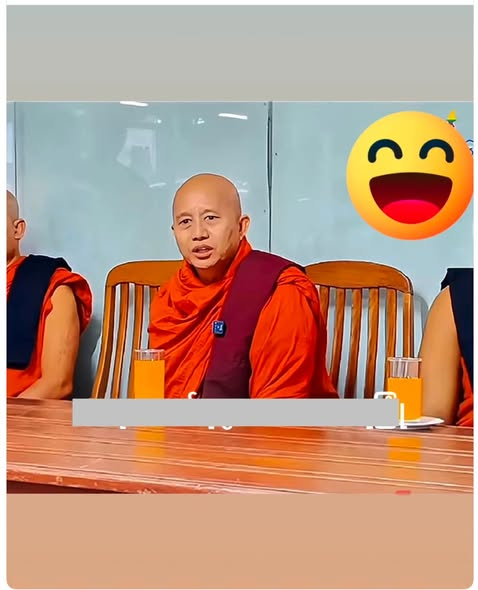
The Burmese post also includes a video link under a headline asserting, in effect, that Galone Ni killed Meiktila’s Muslims while U Wirathu rescued them.
The post’s author connects this claim with a statement attributed to U Wirathu, who reportedly presented himself as having tried to protect Muslims during the violence.
The video should be examined in its full context before quoting it as proof of what happened. The headline alone does not establish the truth of either monk’s claims.
Video link supplied by the author:
https://fb.watch/v/7tiHWEvR5/
Conclusion: The Need for Evidence and Accountability
The contemporary interviews reveal serious disagreements over religious identity, freedom of expression, nationalism and the responsibilities of public authorities. They also show how a Muslim political activist could face opposition to his participation in a public literary event because of his religion and how the competing sides justified their positions.
The broader historical record is clear that the March 2013 violence in Meiktila caused extensive loss of life, destruction of Muslim homes and businesses, and mass displacement. Human Rights Watch and Physicians for Human Rights documented the violence and serious failures by authorities to protect civilians.
However, responsibility for particular killings must be established through credible evidence rather than competing public accusations. Every person who incited, organised, facilitated or committed criminal violence should be investigated impartially, regardless of religious status, political influence or position in society.
Justice must not depend on a person’s religion or rank. Nor should any religious or political leader be allowed to evade accountability simply by claiming to have protected the very community that suffered the violence.
REFERENCES:
U Aung Tin
ကိုမောင်မောင်ရေးခဲ့တာ ကျနော်လည်း မှတ်မိပါတယ်။ သို့သော် အခုကျမှကြောက်လာပြီး ကိုယ်လွတ်ရုံး အချင်းချင်း အပြစ်ပုံချတာ ကောင်းတဲ့လက္ခဏာဖြစ်တယ်။
အဲဒါကြောင့် ခေါင်းစီးမှာ ဂဠုံနီက လူသတ်တရားခံလို့ တမင်ထည့်ရေးလိုက်တာ။
မိတ္ထီလာမွတ်စလင်တွေကို ဂဠုံနီဆရာတော်သတ်ခဲ့တာ၊ သူကလူသတ်တရားခံ၊ ငါဝီရသူကကယ်ခဲ့တာ
ဂဠုန်နီ ဆရာတော်နှင့် တွေ့ဆုံခြင်း
မန္တလေးမြို့တော် ၇၇ လမ်း၊ ၃၆ လမ်းနှင့် ၃၇ လမ်း ဖျာတန်း ရပ်ကွက်တွင် ဗိုလ်ချုပ်အောင်ဆန်း မွေးနေ့ အထိမ်းအမှတ် စာပေဟောပြောပွဲကို ဖေဖော်ဝါရီလ ၁၅ ရက်နေ့မှ ၁၆ ရက်နေ့အထိ ကျင်းပခဲ့ရာ ဟောပြောပွဲ ပထမညတွင် မောင်သွေးသစ်၊ ညီမင်းညို၊ ကိုမြအေး (၈၈ပွင့်လင်း) တို့ သုံးဦး ဟောပြောကြမည့် အနက် ကိုမြအေးဟောပြောမှု အစီအစဉ်ကို မြို့ခံသံဃာတော် အချို့က ကန့်ကွက်ခဲ့ကြသည်။ ယင်းကြောင့် ကိုမြအေး၏ နေရာတွင် စာရေးဆရာ နေဝင်းမြင့် အစားထိုး ဟောပြောခဲ့ရာ ယင်းဖြစ်စဉ်နှင့် ပတ်သက်၍ အမျိုးဘာသာ သာသနာ ထိန်းသိမ်း စောင့်ရှောက်ရေး (မန္တလေး) မှ ဂဠုန်နီ ဆရာတော်နှင့် သံဃာတော်အချို့ လာရောက်ကာ ညှိနှိုင်း ဖြေရှင်းမှုများ ပြုလုပ်ပေးခဲ့ရသည်။ ယင်းကဲ့သို့ ကန့်ကွက်ခဲ့မှုနှင့် ပတ်သက်၍ သွားရောက် ညှိနှိုင်းခဲ့သည်ဟု ဆိုသော ဂဠုန်နီ ဆရာတော်နှင့် The Voice Weekly မေးမြန်းခဲ့သည်များကို ကောက်နုတ် ဖော်ပြအပ်ပါသည်။
Voice: ဖျာတန်းရပ်ကွက် စာပေ ဟောပြောပွဲမှာ ၈၈ ပွင့်လင်းအဖွဲ့က ကိုမြအေး ဟောပြောမယ့် အစီအစဉ်ကို မြို့ခံ သံဃာတချို့က ကန့်ကွက်မှုများရှိခဲ့တာနဲ့ ပတ်သက်ပြီး အရှင်ဘုရားရဲ့အမြင်ကို သိချင်ပါတယ် ဘုရား။
ဂဠုန်နီဆရာတော် : ဘုန်းကြီးရဲ့အမြင် ပြောရရင်တော့ ပုဂ္ဂိုလ်ရေးအရ မကန့်ကွက်သင့်ပါဘူး။
Voice: ဘာကြောင့် ကန့်ကွက် ကြတာတဲ့လဲ။
ဂဠုန်နီဆရာတော် : အကြောင်းပြချက် မပါဘဲ ကန့်ကွက်တာ။ သူတို့က မြအေးဟာ မွတ်စလင်ဖြစ်လို့ ကန့်ကွက်တာလို့ ပြောကြတာပဲ။ ရခိုင်ပဋိပက္ခ၊ မိတ္ထီလာ ပဋိပက္ခတွေမှာ မြအေး ပြောဆိုခဲ့တာတွေ၊ မြအေးရဲ့သမီးက ဗုဒ္ဓဘာသာအပေါ် ရိုင်းရိုင်းပျပျ ပြောဆိုခဲ့တဲ့အပေါ် မကျေနပ်လို့ မြအေးကို ကန့်ကွက်တယ်လို့ ထင်တာပဲ။
Voice: ဘုန်းဘုန်းတို့ ဟောပြောပွဲရှိတဲ့ နေရာ ရောက်သွားချိန်မှာ ဘာတွေဖြစ်နေကြပြီလဲ ဘုရား။
ဂဠုန်နီဆရာတော် : ဘုန်းကြီးတို့ ရောက်သွားချိန်မှာ မြအေးကို တစ်ဖက်က ပယ်ပေးဖို့နဲ့ တစ်ဖက်က မပယ်ဖို့ အချီအချ အတိုက်အခံ အငြင်းအခုံ ဖြစ်နေကြတဲ့အချိန် ဖြစ်ပါတယ်။ ပယ်ဖျက်မပေးဘူးဆိုရင် တစ်ဖက်နဲ့ တစ်ဖက် ပဋိပက္ခတွေ ဖြစ်လာနိုင်တဲ့ အနေအထားကို သွားတွေ့ရပါတယ်။
Voice: ဒီဖြစ်စဉ်နဲ့ ပတ်သက် ပြီး တချို့ပြောနေကြတာလည်း ရှိပါတယ် ဘုရား။ စာပေဟောပြောပွဲ စင်မြင့်ပေါ်မှာ နိုင်ငံရေးသမားတွေ တက်ရောက် ဟောပြောမှုအပေါ် ဝေဖန် သုံးသပ်နေတာနဲ့ ပတ်သက်ပြီး ဘုန်းဘုန်း အမြင်ကို ပြောပြပေးပါ။
ဂဠုန်နီဆရာတော် : နိုင်ငံရေးသမားတွေက စာဟောဆရာ လုပ်နေပြီလို့ ညတုန်းက (စာပေဟောပြောပွဲ စင်ပေါ်တွင်) ငါပြောခဲ့တယ်။ နိုင်ငံရေးသမားတွေက စာဟောဆရာ လိုက်လုပ်နေတာဟာ တိုင်းပြည် တိုးတက်စရာ ကောင်းမွန်စရာ ဖြစ်ဖို့ မရှိဘူး။ ဘယ်လိုပဲဖြစ်ဖြစ် နိုင်ငံရေးသမား ဟောတာပဲဖြစ်ဖြစ်၊ စာရေးဆရာ ဟောတာပဲ ဖြစ်ဖြစ် ဒီစာပေ ဟောပြောပွဲမှာ ပုဂ္ဂလ အဓိဋ္ဌာန်အနေနဲ့ ကန့်ကွက် ရှုတ်ချတာကတော့ သင့်တော့ မသင့်တော်ဘူးပေါ့။ ဘာလို့တုန်းလဲဆိုတော့ ဝိရောဓိ ဖြစ်လာနိုင်တယ်။ ပဋိပက္ခတွေ ဖြစ်လာနိုင်တယ်။ ရန်ပွဲတွေ ဖြစ်လာနိုင်ပါတယ်။ ဘာမဟုတ်တဲ့ ပြဿနာလေးနဲ့ ကြီးမားတဲ့ ပြဿနာ ဖြစ်လာရင် ဖြေရှင်းရခက်တယ်။
Voice: စာပေ ဟောပြောပွဲ စင်မြင့်မှာ စာရေးဆရာတွေ ကြားထဲမှာ နိုင်ငံရေးသမားတွေ ဝင်ရောက် ဟောပြောစေမှုဟာ ရောထွေးနေတယ်။ ပွဲစီစဉ်တဲ့သူတွေရဲ့ အလွဲတစ်ခုလို့လည်း မြင်ကြတယ် ဘုရား။ ဒီအပေါ်မှာ ဘုန်းဘုန်းရဲ့ ထင်မြင်ချက်ကို မိန့်ပါဦး။
ဂဠုန်နီဆရာတော် : ဒီပွဲမှာဆိုရင် စီစဉ်တဲ့သူတွေလည်း လိုတယ်။ မြအေးကို ထည့်ပေးတာဟာ မကောင်းဘူး။ ရန်ကုန်မှာ အခုလို ဖြစ်ခဲ့တယ်ဆိုတာ သိပါလျက်နဲ့ မြအေး ပါလာတာကို စီစဉ်သူတွေ အနေနဲ့ စဉ်းစားဖို့ လိုပါတယ်။ စာပေ ဟောပြောပွဲဆိုတာ မြအေးနဲ့မှ မပတ်သက်ပဲ။ ဘာရည်ရွယ်ချက်နဲ့ ထည့်ခဲ့တာလဲ ဆိုတာတော့ ကာယကံရှင်တွေမှ သိမှာ။
Voice: ကျေးဇူးပါဘုရား။ ဖြည့်စွက် မိန့်စရာရှိရင် မိန့်ပါဘုရား။
ဂဠုန်နီဆရာတော် : ဒီဖြစ်စဉ်မှာ သက်ဆိုင်ရာ အာဏာပိုင် အုပ်ချုပ်ရေး အဖွဲ့အစည်းတွေမှာလည်း တာဝန်ရှိပါတယ်။ သံဃာတော်တွေက ၁၄ ရက်နေ့မှာ Facebook က တစ်ဆင့်၊ အင်တာနက်က တစ်ဆင့် မြအေးကို ကန့်ကွက်ကြောင်း တင်ထားလျက်နဲ့ ဒီပုဂ္ဂိုလ်ထည့်ရင် ပဋိပက္ခ ဖြစ်နိုင်တယ်၊ မဖြစ်နိုင်ဘူးဆိုတာ စည်းဝေး ဆုံးဖြတ်ဖို့ လိုပါတယ်။ သိရက်သားနဲ့ ပဋိပက္ခကို လိုချင်လို့ တမင် ခွင့်ပြုလိုက်တာလားတော့ မသိဘူး။ သူ့ခွင့်မပြုရင် ဒီပြဿနာ မတက်ဘူး။ သူက မသိလို့ ခွင့်ပြုတာ မဟုတ်ဘူး။ သိရက်သားနဲ့ ခွင့်ပြုတာ။ ဖြစ်လာတော့မှ ဘုန်းကြီးနဲ့ လှည့်တိုက်၊ လူတွေနဲ့ လှည့်တိုက် ဒါမျိုး လုပ်တယ်။
ရဲဝင်းနိုင်
ဆရာတော် ဦးစန္ဒာသီရိနှင့် တွေ့ဆုံခြင်း
မန္တလေးမြို့တော်တွင် ဖေဖော်ဝါရီလ ၁၅ ရက်မှ ၁၆ ရက်နေ့အထိ ဗိုလ်ချုပ်အောင်ဆန်း မွေးနေ့ အထိမ်းအမှတ် စာပေ ဟောပြောပွဲ ကျင်းပခဲ့ရာ ဟောပြောပွဲ ပထမရက်နေ့တွင် ကိုမြအေး ဟောပြောမည်ကို မြို့ခံ သံဃာတော်အချို့ ကန့်ကွက်မှုနှင့် ပတ်သက်၍ သံဃာငယ်များကို ခေါင်းဆောင်ပြီး ဝင်ရောက် ကန့်ကွက်သည့် မန္တလေးမြို့တော် ၈၃x၃၃ လမ်းရှိ ဗုဒ္ဓတက္ကသိုလ် ဒုတိယနှစ် တက်ရောက်နေသော သံဃာတစ်ပါးဖြစ်သူ ဝါတော် ၁၇ ဝါ၊ သက်တော် ၃၇ ရှိသော အရှင်စန္ဒာသီရိနှင့် တွေ့ဆုံ မေးမြန်းထားသည်များကို ဖော်ပြလိုက်ပါသည်။
Voice: မဟာအောင်မြေ စာပေ ဟောပြောပွဲမှာ ဦးပဉ္စင်း ဦးဆောင်ပြီး ကန့်ကွက်ရတဲ့ အကြောင်းအရင်းကို မိန့်ပါဦးဘုရား။
ASSDTR : ဦးပဉ္စင်းတို့ ဗုဒ္ဓဘာသာဝင် မြန်မာနိုင်ငံ ရန်ကုန်မြို့မှာလုပ်တဲ့ စာပေ ဟောပြောပွဲတွေ ဘာသာခြား လူမျိုးခြားက ဟောပြောတာ မလိုလားဘူး။ မလိုလားတဲ့အတွက် မြောက်ဥက္ကလာပနဲ့ ရွှေပြည်သာမှာလည်း ကန့်ကွက်ခဲ့ကြတယ်။ မန္တလေး သံဃာထုက ရန်ကုန် သံဃာထုနဲ့ တစ်ထပ်တည်းပါပဲ။ ဦးပဉ္စင်းတို့ ဆန္ဒကို ဖော်ပြချင်တဲ့ အချက်ရယ်၊ ဟောတဲ့လူက လူမျိုးခြား ဘာသာခြား ဖြစ်နေလို့ပါ။ ဘာကြောင့် ကန့်ကွက်ရသလဲ ဆိုရင် မန္တလေးက သံဃာ့မြို့တော် ဖြစ်နေတာကိုး။ သံဃာ အင်အားက အများကြီး။ သံဃာတော်တွေရဲ့ လူမျိုးခြား ဘာသာခြား မလိုလားတဲ့ဆန္ဒ တစ်ထပ်တည်း ဖြစ်အောင် ကန့်ကွက်တာပါ။ နောက်တစ်ချက်က မန္တလေး သံဃာ အင်အားများတဲ့အတွက် သူဟောပြောတဲ့ အပေါ်မှာ မလိုလားအပ်တဲ့ ပြဿနာဖြစ်မှာ စိုးလို့ပါ။ ဗိုလ်ချုပ်ကိုတော့ အဖေလို ချစ်ပါတယ်။ ပြည်သူရော သံဃာတော်တို့ ကပါ ဗိုလ်ချုပ်ရဲ့မွေးနေ့မှာ အဲဒီပုဂ္ဂိုလ် ဟောပြောတာကို မလိုလားတဲ့ အတွက် မန္တလေးက သံဃာငယ်တွေက ဦးဆောင် ကန့်ကွက်တာပါ။ ကန့်ကွက်တဲ့နေရာမှာ ဦးပဉ္စင်းတို့က အကြမ်းဖက် ကန့်ကွက်တာ မဟုတ်ပါဘူး။ ထွေအုပ်ရုံးမှာ စာတင်ပြီးတော့ ငြိမ်းငြိမ်းချမ်းချမ်းနဲ့ ကန့်ကွက်တာပါ။
Voice: ကိုမြအေးအပေါ် ဘယ်လို မြင်ပါသလဲ။
ASSDTR : ကိုမြအေးအပေါ် ဘယ်လိုမြင်သလဲ ဆိုတော့ သူ့သမီးက စပြီး ပြောရမယ်၊ သူ့သမီးက ဘားမားကန်ပိန်းမှာ သူပြောတဲ့ စကားတွေ ရှိတယ်။ ဘယ်လို ပြောသလဲဆိုတော့ မြန်မာနိုင်ငံကို ပုတ်ခတ် ပြောဆိုတဲ့၊ ရခိုင် တိုင်းရင်းသားတွေနဲ့ ပဋိပက္ခ ဖြစ်နေတဲ့ ဘင်္ဂါလီတွေကို ရိုဟင်ဂျာ၊ ရိုဟင်ဂျာလို့ တဖွဖွသုံးပြီး ဗုဒ္ဓဘာသာ ရဟန်းတော်တွေ ပုတ်ခတ် ပြောဆိုတဲ့အတွက် သူ့စကားတွေက သံဃာတော်တွေကို အများကြီး ထိခိုက်စေတယ်။ မြန်မာ သံရုံးတွေရှေ့မှာ သူပြောတဲ့ စကားတွေက ပြည်သူတွေ သိပါတယ်။ အဲဒီလို ပြောနေတဲ့ဟာကို အဖေဖြစ်သူက လုံးဝ တားမြစ်ချက် မရှိပါဘူး။ ဒါကြောင့် ကိုမြအေးကို ယုံလို့မရဘူး။ ရခိုင်ကိစ္စ ဖြစ်နေတဲ့အချိန်မှာ သူ့သမီး ပြောတဲ့ စကားတွေကို မတားမြစ်ခဲ့ဘူး။ ဘာလို့ မတားသလဲ ဆိုတာ သံဃာထုကြားမှာ သံသယ ပိုကြီး ထွားလာပြီး ဒီကိုမြအေး ဟောပြောမှုကို ကန့်ကွက်တာပါ။
Voice: အရှင်ဘုရား ဦးဆောင်တဲ့ သံဃာတွေက စာပေ ဟောပြောပွဲ ကန့်ကွက်တဲ့ အပေါ်မှာ ပြည်သူကို ဘာပြောချင်ပါသလဲ။
ASSDTR : ဘယ်နေရာပဲ ဖြစ်ဖြစ်၊ အမျိုးသားရေးမှာပဲ ဖြစ်ဖြစ်၊ ပါတီနိုင်ငံရေး လောကကဖြစ်ဖြစ် အမျိုးဘာသာ သာသနာအပေါ် လုံခြုံစိတ်ချရမှ အားလုံးအပေါ်မှာ တန်းတူညီမျှ ထားနိုင်မယ်၊ မြန်မာနိုင်ငံလို ဗုဒ္ဓဘာသာနိုင်ငံမှာ အမျိုးသားရေးကိုပဲ ဦးစားပေးရမယ်။ နောက် လူ့အခွင့်အရေး ဆိုတာကိုလည်း ပြောချင်တယ်။ လူ့အခွင့်အရေးဆိုတာ တစ်ဦးတစ်ယောက်ချင်းရဲ့ အခွင့်အရေးလို့ မြင်တယ်။ အမျိုးသား အခွင့်အရေးကတော့ တိုင်းရင်းသား ၁၃၅ မျိုးရဲ့ အခွင့်အရေးပဲ။ ပြည်သူတွေအနေနဲ့ လူ့အခွင့်အရေးနဲ့ အမျိုးသားရေး ဆိုတာ ခွဲခြားပြီး မြင်စေချင်တယ်။ နောက်ထပ် ပြောရရင် အိမ်ရှင် အခွင့်အရေးနဲ့ ဧည့်သည် အခွင့်အရေး ဆိုတာကိုလည်း ပြည်သူတွေအနေနဲ့ ခွဲခွဲခြားခြား သိမြင် စေချင်ပါတယ်။
တင်လင်း
၈၈ မျိုးဆက် ခေါင်းဆောင် တစ်ဦးဖြစ်သူ ကိုမြအေးနှင့် တွေ့ဆုံခြင်း
မြန်မာနိုင်ငံ၏ ဒီမိုကရေစီ အသွင်ကူးပြောင်းရေး လုပ်ငန်းစဉ်များအပေါ် ဆိုးကျိုး သက်ရောက် လာနိုင်သည့် ဘာသာရေး ဆက်နွှယ်သော ပဋိပက္ခများ ဖြစ်နိုင်ခြေ အလားအလာများ မြင်တွေ့နေရချိန် အစ္စလာမ် ဘာသာဝင် ဖြစ်သည့်အတွက် အချေအတင် အငြင်းပွားမှုများဖြင့် စာပေဟောပြောခွင့် ကန့်ကွက် တားဆီးခံခဲ့ရသော ၈၈ မျိုးဆက် ခေါင်းဆောင် တစ်ဦးဖြစ်သူ ကိုမြအေးကို The Voice က တွေ့ဆုံ မေးမြန်းထားသည်များမှ ကောက်နုတ် ဖော်ပြအပ်ပါသည်။
Voice: ရန်ကုန်နဲ့ မန္တလေးမှာ အစ်ကိုတို့ စာပေ ဟောပြောပွဲ ဟန့်တားခံရတဲ့ အခြေအနေကို အကျဉ်းချုံး ပြောပြပေးပါ။
ကိုမြအေး : ဒါက ကျွန်တော်ကိုယ်တိုင် ပွဲစီစဉ်သူ မဟုတ်တော့ အသေးစိတ်ကိုတော့ မပြောနိုင်ဘူး။ အဲ့ဒီမှာ ကန့်ကွက်တယ် ဆိုတော့ ထိပ်တိုက်တွေ့ပြီး ပဋိပက္ခ ဖြစ်မယ့် အခြေအနေကို လက်မခံဘူးလေ။ ကိုယ်တိုင်လည်း အကြမ်းဖက် ဝါဒကို လုံးဝ လက်ခံတဲ့သူ မဟုတ်ဘူး။ နောက်ပြီး အင်အားသုံး အုပ်စုနဲ့ ဥပဒေမဲ့ အနိုင်ကျင့် ခြိမ်းခြောက်တာတွေကို လုံးဝ လက်မခံဘူး။ ဒီနေရာမှာ တိုင်းပြည်ရဲ့ မျက်နှာကို ကြည့်သောအားဖြင့် ငြိမ်းငြိမ်းချမ်းချမ်းနဲ့ ဖြေရှင်းဖို့ပဲ။ တစ်ခုမချင့်မရဲ ဖြစ်မိတာက ဥပဒေနဲ့အညီ တင်ထားတာကို အုပ်စုနဲ့ အနိုင်ကျင့်ပြီးတော့ ဖျက်လို့ ရသလား။ ဒါမျိုးက ဥပဒေမဲ့ တိုင်းပြည်လို ဖြစ်သွားတယ် ဆိုတော့ ဘဝင်မကျဘူး။ အုပ်ချုပ်ရေး အာဏာပိုင်တွေမှာ တာဝန်အပြည့်အဝ ရှိတယ်လို့ မြင်တယ်၊ သူတို့ တာဝန်အပြည့်အဝ ယူရမယ်။
Voice: အစ်ကို နိုင်ငံရေး လုပ်လာတဲ့ တစ်လျှောက်မှာကော ကိုးကွယ် ယုံကြည်မှုနဲ့ ပတ်သက်ပြီး နှောင့်ယှက် တိုက်ခိုက်ခံရတာတွေ ကြုံဖူးပါလား။
ကိုမြအေး : ကြုံဖူးပါတယ်။ ဒါဟာ ပထမဆုံးအကြိမ် မဟုတ်ဘူး။ ဥပမာဆိုရင် ကျွန်တော်တို့ကို အစ္စလာမ်ဘာသာ ကိုးကွယ်တဲ့ ကုလားလို့ပဲ မြင်တယ်ဗျာ၊ ဒါ ခပ်ကြမ်းကြမ်း ပြောတာပေါ့။ နိုင်ငံရေးနဲ့ ကုလားတွေနဲ့ ဘာဆိုင်လို့လဲဆိုတဲ့ စကားလုံး ရှိတယ်။ ဒါက တိုင်းပြည်ရဲ့ အခြေအနေနဲ့ အတွေးအခေါ် နိမ့်ကျနေမှုကို ဖော်ပြတာပဲ။ တိုင်းပြည်တစ်ပြည်မှာ အရောင်အသွေး အားလုံး ဆင်တူရှိတာ မဟုတ်ဘူး၊ အရောင်အသွေး မျိုးစုံ ရှိတယ်။ အရောင်အသွေး မျိုးစုံ နေထိုင်တဲ့ ဗဟုဝါဒ Multicultural ကို လက်ခံရမယ်။ ဒါမှသာ ဒီမိုကရက်တစ်ကို သွားနိုင်မယ်။ ကျွန်တော် နိုင်ငံရေးလုပ်တာ ဘာသာတစ်ခု၊ လူမျိုးတစ်ခုအတွက် လုပ်နေတာ မဟုတ်ဘူး။ သန်းခြောက်ဆယ်အတွက် နိုင်ငံရေး လုပ်နေတာ။ ကျွန်တော့်နိုင်ငံနဲ့ လူမျိုး ကမ္ဘာ့အလယ်မှာ တင့်တင့်တယ်တယ် ဖြစ်စေချင်တဲ့ ဆန္ဒကလွဲပြီး ကျန်တာ မရှိဘူး။ လူမျိုးမတူ ဘာသာမတူလို့ အခွင့်အရေးလည်း ပိုမလိုချင်သလို နိုင်ငံသား အခွင့်အရေးကလည်း တစ်စက်မှ အလျော့ခံမှာ မဟုတ်ဘူး။ တန်းတူရည်တူပဲ လိုချင်တယ်။
Voice: ဘာသာရေး အကြောင်းပြပြီး အစ်ကိုနဲ့ ဦးကိုနီကို ဟန့်တားခဲ့တာဆိုတော့ အဓိက အကြောင်းအရင်းက ဘာဖြစ်မလဲ။
ကိုမြအေး : ဒါက ရှင်းပါတယ်။ ကျွန်တော်တို့ နှစ်ယောက်တင် မကဘူး၊ ဒီ့အရင်မှာ မသီတာ (စမ်းချောင်း) ကို ဘားလမ်းက မူဆလင် ဆေးရုံမှာ လုပ်လို့ဆိုပြီးတော့ ဟောပြောခွင့် တားဆီးခံရတယ်။ ဘားလမ်း ဆေးရုံဆိုတာ နိုင်ငံရေး အကျဉ်းသား တစ်ရာမှာ ကိုးဆယ်လောက်က ထောင်ကလွတ်ရင် ဆေးသွားစစ်ရတယ်။ ဆင်းရဲချမ်းသာ လူမျိုးမရွေး ကုသပေးနေတဲ့ ဆေးရုံ။ ဒါကို မကြည့်ဘဲ မူဆလင်ဆိုတာနဲ့ လျှောက်တိုက်နေတာ။ တစ်နည်းအားဖြင့်တော့ ဘာသာရေး တံဆိပ်ကပ်ပြီး ပြဿနာရှာတာပဲ။ ဒါတွေက သမိုင်းဦးဘုံမြေ ခေတ်မှာ ကျင့်သုံးကြတဲ့ အနေအထားပါ။ ခုခေတ်မှာ မရှိတော့ပါဘူး။
Voice : ပြောကြတာက ကိုမြအေးကို ကန့်ကွက်တာသည် သမီးဖြစ်တဲ့ မဝေနှင်းပွင့်သုန်ရဲ့ ပြည်ပမှာ နိုင်ငံရေး၊ လူမျိုးရေး ပြောဆိုမှုတွေကို မကျေနပ်တဲ့အတွက် အဓိက ကန့်ကွက်တာလို့ ပြောကြတယ်။ ဒီအပေါ် ဘာများ ပြောချင်လဲ။
ကိုမြအေး : ကျွန်တော် ပြောပြမယ်ဗျ။ သမီးက အသက်နှစ်ဆယ့် ငါးနှစ်ရှိပြီ၊ သူ့လွတ်လပ်ခွင့်နဲ့သူပဲ။ နောက်ပြီးတော့ ဝေနှင်းပွင့်သုန်က ဒီကိစ္စတွေနဲ့ ပတ်သက်ပြီး မပြောတာလည်း ကြာပါပြီ။ ကျွန်တော်တို့လည်း ဟန့်တားခဲ့တယ်။ ပြောနေကြတဲ့ နိုင်ငံတော် အလံကို မီးရှို့တယ် ဆိုတာလည်း ဝေနှင်းပွင့်သုန် လုပ်တာ မဟုတ်ဘူးဆိုတာ တိတိကျကျ ပြောချင်တယ်။ ဇာစ်မြစ်တစ်ခုကို သေသေချာချာ မသိဘဲ လျှောက်ပြော နေတာတော့ သဘာဝ မကျဘူး။ ခက်တာက နိုင်ငံရေး ဖြတ်သန်းမှု အားနည်းတဲ့အခါမှာ အမှားတွေ ရှိကြမှာပဲ ကျွန်တော် နားလည်တယ်။ သားအဖ နှစ်ယောက်နဲ့ မြည်းတစ်ကောင် ပုံပြင်လို ဖြစ်နေပြီ။ ခင်ဗျား ဘယ်လိုလုပ်လုပ် ခင်ဗျားကို မကောင်း ပြောမှာပဲလို့။ ကျွန်တော်တို့ မိသားစုက ဘုန်းကြီးကျောင်း ဘေးမှာနေတော့ ကျွန်တော်ဟာ ဘုန်းကြီးကျောင်းဘေးမှာ ကြီးပြင်းတယ်။ ကျွန်တော့်ရဲ့ အဘိုးအဘွားဆိုတာ မင်းမှုထမ်းတွေ၊ ဘာကုလားပြည်ကမှ မဟုတ်ဘူး။
Voice: နောက်တစ်ခုက နိုင်ငံရေးသမားတွေ စာပေ ဟောပြောပွဲတွေမှာ ပါဝင်လာပြီး ဟောပြောခြင်းတွေဟာ မသင့်လျော်ဘူးလို့ ပြောဆိုကြတာကိုရော အစ်ကိုဘာများ ပြောလိုပါသလဲ။
ကိုမြအေး : ကျွန်တော် ပြောချင်တယ်။ စာရေးဆရာဆိုတာ ဘာကို ပြောတာလဲ။ ကျွန်တော် စာရေးတာဆိုလည်း ခုမှ မဟုတ်ဘူး။ ထို့အတူ ကိုမင်းကိုနိုင်တို့၊ ကိုဂျင်မီတို့ ခုမှ ရေးတာ မဟုတ်ဘူး။ ထောင်ထဲမှာ နေခဲ့ရတဲ့ အချိန်တွေမှာ စာရေးသားခွင့် မရခဲ့ဘူး။ အဲ့ဒီကာလမှာပဲ ၁၉၉၇ လောက်မှာ စံပယ်ဖြူ မဂ္ဂဇင်းမှာ ကျွန်တော့်ရဲ့ ဝတ္ထုတိုနဲ့ ကဗျာတစ်ပုဒ် ပါခဲ့ဖူးတယ်။ ခုလည်း မအားလို့သာ စာမရေးနိုင်တာပါ။ စာရေးဆရာဆိုတာ စာတွေပဲ အမြဲတမ်း ရေးနေရမှာလား။ မြန်မာနိုင်ငံမှာ အလွန်ထင်ရှားတဲ့ ဆရာကြီး မြသန်းတင့် ကျွန်းပြန်ပဲ။ ဆရာထက်လွင် တစ်ကျွန်းပြန်ပဲ။ နိုင်ငံရေးသမားနဲ့ အနုပညာသမားဆိုတာ ခွဲခြားလို့ရတဲ့ အရာမဟုတ်ဘူး။ နိုင်ငံရေးသမားတွေ စာပေ ဟောပြောတယ် ဆိုတဲ့ကိစ္စ ဒီနေ့ တိုင်းပြည်က အသွင်ကူးပြောင်းရေးကို ကုန်းရုန်းပြီး လုပ်နေရတဲ့ အချိန်မှာ ပြည်သူတွေရဲ့ အသိဉာဏ်ကို ဖွင့်ပေးမှာ စာရေးဆရာတွေ၊ နိုင်ငံရေးသမားတွေပဲ ဖြစ်တယ်။
Voice: ခုဒီလို ဟန့်တားခံရတာတွေဟာ နိုင်ငံရေး ရည်ရွယ်ချက်နဲ့ လုပ်နေတာ ဖြစ်တယ်လို့ အစ်ကိုတို့ ပြောတော့ ပဋိပက္ခတွေ ဖြစ်မလာအောင် ဘယ်လို ထိန်းသိမ်း ဆောင်ရွက်သွားဖို့ စိတ်ကူး ထားပါလဲ။
ကိုမြအေး : ဒါက အတွေးအခေါ် ပြဿနာဗျ။ သာမန်လူ အမြင်မှာ ဘာသာရေး ပြဿနာလို့ မြင်နိုင်ပေမယ့် ဒါနိုင်ငံရေး ပြဿနာပါ။ ဒီမိုကရေစီ အင်အားစုတွေနဲ့ အစွန်းရောက် အမျိုးသားရေးဝါဒ အားပြိုင်နေတဲ့ ကိစ္စပဲ။ ကျွန်တော်တို့နိုင်ငံ အစဉ်အလာကို ပြန်ကြည့်၊ ၁၉၂၀ ကျောင်းသားသပိတ်မှာ အစ္စလာမ်တွေ ပါခဲ့တာပဲ။ လွတ်လပ်ရေး ကြိုးပမ်းမှု သမိုင်းတစ်လျှောက် ပါခဲ့သလို ဘုရင်ခေတ်က စာဆိုတော် ဦးနုဆိုတာ အစ္စလာမ် ဘာသာဝင်အဖြစ် ရှိခဲ့တာပဲ။ ဒီမှာဆို တိုင်းရင်းသား အများစုက ခရစ်ယာန်တွေ ရှိတယ်။ တိုင်းပြည်က တန်းတူညီမျှမှုဆီကို သွားနေတဲ့အခါမှာ ဘာသာ၊ လူမျိုးတစ်ခုအပေါ် မူတည်ပြီး ပြောလို့ မရဘူး။ မဟုတ်ရင် ငြိမ်းချမ်းဖို့ ခက်ခဲပြီး peace process ကိုပါ သွားထိခိုက်နိုင်တယ်။ ဒီမိုကရက် တစ်နိုင်ငံကို သွားလို့ မရဘူး။ အလကားနေရင်း အမျိုးသားမာန်တွေ တက်ကြွပြီး မြန်မာ အားကစား ကမ္ဘာကို လွှမ်းရမည် လုပ်လို့ မရဘူး။ တကယ် ကိုယ့်အမျိုးကို ချစ်ရင် ကိုယ်တိုင် ကြိုးစားဖို့ လိုတယ်။ လေနဲ့ ချစ်နေလို့တော့ မရဘူး။ ကျွန်တော်တို့ အပိုင်းကတော့ ပြည်သူလူထု မျက်စိပွင့် နားပွင့်လာအောင် သိသမျှ မျှဝေသွားမှာပဲ။ ဒီလို ဆောင်ရွက်နိုင်ဖို့တော့ တရားဥပဒေ စိုးမိုးရေးကို လက်ရှိ အာဏာပိုင်တွေက လုပ်ဖို့လိုတယ်။ ဥပဒေနဲ့အညီ လုပ်ကိုင် ဆောင်ရွက်နေသူတွေကို ဥပဒေမဲ့ တားဆီးတဲ့ သူတွေနဲ့ ထိပ်တိုက်ဆိုင်ပေးတာ ပဋိပက္ခ ဖြစ်စေချင်လို့ပဲ မြင်တယ်။ ဒါအုပ်ချုပ်ရေးပိုင်းမှာ အဓိက တာဝန်ရှိတယ်။
Voice: နောက်ဆုံးအနေနဲ့ လက်ရှိ ပဋိပက္ခမျိုး ဦးတည်အောင် ဟန့်တား စွက်ဖက်မှုတွေ လုပ်နေတဲ့ သူတွေကို တားဆီးခံရတဲ့ သူတစ်ယောက်အနေနဲ့ ဘာများ ပြောချင်လဲ။
ကိုမြအေး : ကျွန်တော်က သိမ်ဖြူကျောင်းတိုက်ဘေးမှာ ကြီးခဲ့တာနော်။ အစဉ်အလာအရလည်း ဗုဒ္ဓဘာသာဝင် ရဟန်းတော်တွေနဲ့ အင်မတန် ရင်းနှီးပါတယ်။ အတွေးအခေါ် အရလည်း ဗုဒ္ဓဖလော်ဆော်ဖီကို လေးလေးနက်နက် လေ့လာဖူးသူ ဖြစ်သလို အလွန် လေးစားတဲ့ သူတစ်ယောက်လည်း ဖြစ်ပါတယ်။ ကျွန်တော်က Born Muslim ပါ။ ၂၀၀၆ တုန်းက ရွှေတိဂုံ ဘုရားပေါ်မှာ Prayer Campaign ဆိုပြီး နိုင်ငံရေး အကျဉ်းသားတွေ လွတ်မြောက်ရေး လုပ်ခဲ့တယ်။ ကျွန်တော်တို့ရဲ့ ကြွေးကြော်သံက မေတ္တာဖြင့် အရာရာကို ကျော်ဖြတ်အံ့ ဆိုတာပဲ။ ကျွန်တော် လက်ကိုင်ထားတဲ့ တရားဟာ မေတ္တာပဲ။ မေတ္တာနဲ့ အားလုံးကို ကျော်ဖြတ်နိုင်မယ်လို့ ကျွန်တော် ယုံကြည်တယ်။ ရန်ကိုရန်ချင်း မတုံ့နှင်းဖို့ ငယ်ငယ်ကလည်း သင်ခဲ့ရတာပဲ။ ကျွန်တော် မေတ္တာနဲ့ပဲ တုံ့ပြန်သွားမယ်။ တစ်ခုပဲ တိုင်းပြည်အတွက် ကျွန်တော် စိတ်ပူတယ်။ လူတွေပြောနေတဲ့ နောက်ပြန်လှည့်တယ် ဆိုတာထက် ရှိနေတဲ့ အနေအထားတွေ အားလုံးပျက်ပြီး failed state ဖြစ်သွားမယ်။ ဘယ်လိုမှ ပြန်ဆယ်နိုင်မှာ မဟုတ်ဘူး။
နော်ကိုကို
The Voice News, 22 February 2014 12:53
http://thevoicemyanmar.com/…/interviews/item/4707-km.html
မိတ္ထီလာမွတ်စလင်တွေကို ဂဠုံနီဆရာတော်သတ်ခဲ့တာ၊ ငါကကယ်ခဲ့တာလင့်
1/Maung Maung (Shwe Keraweik) wrote…Trojan Horse U Wirathu @ @ https://myanmarmuslim.news/en/2026/06/12/trojan-horse-u-wirathu/
CHAPTER 4: The Oriental House Peace Summit and the Eve of Tragedy
Written by Maung Maung (Shwe Keraweik) and translated by Dr. Ko Ko Gyi.
CHAPTER 4: The Oriental House Peace Summit and the Eve of Tragedy.
on March 20, 2013… Meiktila was systematically and brutally terrorized in a one-sided slaughter.
At that time, U Wirathu was actively spreading false, baseless propaganda accusing Myanmar’s Muslims of turning their mosques into hidden military bases stocked with ammunition stored in underground bunkers.
2/ U Wirathu is running with the Hares (Muslims) and Hunting with the (969 Swarn Arr Shin) Hounds @ https://myanmarmuslim.news/en/2026/06/12/u-wirathu-is-running-with-the-hares-muslims-and-hunting-with-the-969-swarn-arr-shin-hounds/
Following his secret March 2012 meeting with U Aung Thaung—the notorious leader of the state-backed Swarn Arr Shin militia and trusted right-hand man of Senior General Than Shwe—U Wirathu aggressively restarted his anti-Islamic campaign with renewed consistency.
Weaponizing Social Media and Fabricating Threat
U Wirathu began leveraging Facebook to regularly post inflammatory, highly exaggerated accounts of crimes allegedly committed by Myanmar Muslims. Violating basic principles of justice, he routinely labeled suspects as convicted criminals long before any court of law had even reviewed the cases or issued a verdict.
Even minor, isolated incidents were systematically blown out of proportion. He manufactured a narrative that the Muslim community was hostile, calculating, and orchestrating these crimes as part of a grander, malicious scheme. By making mountains out of molehills, he successfully manipulated accidental disputes, minor civil cases, and localized crimes, framing them to the Buddhist public as deliberate, major Islamic offenses.
Furthermore, he openly supported the atrocities committed by Rakhine extremists. On the walls of his Dhama Wiraha monastery building, located within the Masoeyein monastery compound, he pasted Islamophobic propaganda, graphic hate speech articles, and misleading imagery. This included enlarged vinyl sheets displaying photos of attacked Thai Buddhist monks and burnt bodies from a tragic petrol-tanker train accident in Nigeria—intentionally presented as if these horrors had occurred within Myanmar at the hands of local Muslims.
He haphazardly organized public protests to fit his anti-Islam agenda, ranging from rallies supporting President U Thein Sein to demonstrations against the Organisation of Islamic Cooperation (OIC). Remarkably, none of these highly disruptive protests were ever blocked or disturbed by Mandalay Division Prime Minister U Ye Myint.
The Mandalay Youth Movement for Unity
In response to this growing threat, Mandalayan Muslims actively worked to prevent religious riots through collective physical and mental teamwork. We reached out to true, peace-loving Buddhist monks with donations, cooperative dialogue, and clear explanations of our faith.
Fortunately, our youth-led struggles were warmly supported by various respected factions of the monastic community, including monks from the four corners of Mandalay, representatives from the Ma Ha Na (the state monastic standard-bearers), and prominent leaders of the Saffron Revolution.
Revered figures such as Sayadaw U Ahriyar (Myawaddy Monastery), U Khaemarsara (Maha Myat Muni Mid-Monastery), U Withuta, Galoneni Sayardaw U Karwiya, the Asia Alinyaung Sayardaw, and the Patheingyi Ooyin Kyaung Sayardaw, along with Saffron Revolution monk Ashin Issariya (Uzin Jaung Jaung), joined hands with us to form the Thahazarta (Unity and Friendship) Association to actively safeguard Mandalay from riots.
Tragically, on the exact day our association was finding its footing, the military government launched a brutal firebombing attack against protesting monks at the Letpadaung Taung Copper Mine. Some of the brave monks who left our friendship meeting that evening were seriously injured in the crackdown.
The political fallout from this attack created deep internal rifts and differing opinions among the broader Mandalayan clergy. As a result, the urgent momentum of our newly formed Thahazarta Association stalled, as the monastic community was forced to prioritize internal unity and healing.
Disappearing Funds and Targeted Cyber Campaigns
People from all across Myanmar contributed aid for the firebombed monks. Among these donations, Mandalayan Muslims personally handed 2,000,000 Kyat to U Wirathu to assist the victims. Curiously, that entire sum vanished without a trace.
When some Muslim individuals (I cosponsored with the activists from Australia) offered to arrange specialized medical treatment abroad for the worst-injured monks, the military government flatly refused to grant them permission to leave. Instead, they transported only four monks to Yangon for treatment.
3/ THE AXIS OF EVIL: U Wirathu, MI Khin Nyunt, Taung Thar Terrorist leader U Aung Thaung, Mandalay PM U Ye Myint and President U Thein Sein @ https://myanmarmuslim.news/en/2026/06/12/the-axis-of-evil-u-wirathu-mi-khin-nyunt-taung-thar-terrorist-leader-u-aung-thaung-mandalay-pm-u-ye-myint-and-president-u-thein-sein/
U Wirathu began openly delivering Islamophobic hate speech, notably starting at the Buddhist Religion’s 2500 Anniversary West 45 Tar Zayat (Hall). There, he publicly declared:
“Because you lacked a proper leader, you failed in the 1997 Mandalay riots. Now, I will lead you all to ensure the ‘Kalars’ (Muslims) have no place to stay and no food to eat in Mandalay.”
In widely circulated video clips of this sermon, U Wirathu explicitly threatened to make the Muslims of Mandalay so terrified of Buddhists that they would not even dare to look up.
4/ “When Wirathu hunts with the hounds (military) while running with the hares (Muslims), blood stains the ground. Only law can cleanse it” @ https://myanmarmuslim.news/en/2025/06/26/when-wirathu-hunts-with-the-hounds-military-while-running-with-the-hares-muslims-blood-stains-the-ground-only-law-can-cleanse-it/
Ashin Wirathu, the firebrand monk whose face once graced Time magazine’s cover as “The Face of Buddhist Terror,” is not a rogue cleric driven by religious fervor. He is a calculated operative of Myanmar’s military junta, meticulously groomed to incite genocide against Muslims. Evidence proves his direct coordination with Military Intelligence (MIS) since at least 2003—exposed by foreign journalists who documented his role as an agent provocateur. His mission: to cloak state-sponsored ethnic cleansing in the robes of Buddhism.
-
- His sermons—calling Muslims “mad dogs,” advocating boycotts, and urging violence—were disseminated nationwide via state-controlled media.
- Blueprint for Massacre: The Meiktila Template
- In March 2013, Wirathu’s hate speech ignited the Meiktila massacre, where Buddhist mobs slaughtered 40+ Muslims, burned homes, and desecrated mosques. Survivor testimonies and AP photos confirm:
- Police stood idle as armed gangs marked Muslim homes with ink.
- Local officials (including Mandalay Mayor U Ye Myint) coordinated with Wirathu to block humanitarian aid.
- Military-linked politician U Aung Thaung supplied weapons to rioters.
- This was not “communal violence”—it was a state-orchestrated purge executed under Wirathu’s spiritual cover.
- In March 2013, Wirathu’s hate speech ignited the Meiktila massacre, where Buddhist mobs slaughtered 40+ Muslims, burned homes, and desecrated mosques. Survivor testimonies and AP photos confirm:
- The Axis of Evil
Wirathu operated within a military-political nexus:- President Thein Sein praised him as a “son of Buddha” in 2013.
- General Khin Nyunt deployed MIS resources to amplify his hate campaigns.
- U Aung Thaung (sanctioned by the U.S. for undermining reforms) funded Wirathu’s rallies.
- Together, they weaponized Buddhism to justify apartheid: the 1982 Citizenship Law, “Race and Religion Protection Laws,” and Rohingya genocide.
4/ Legal Memorandum: Assessment of Ashin Wirathu’s Actions Under International Human Rights and Criminal Law @ https://myanmarmuslim.news/en/2025/06/06/legal-memorandum-assessment-of-ashin-wirathus-actions-under-international-human-rights-and-criminal-law/
- Meiktila Muslim Massacre (2013): Eyewitness reports and photographic evidence show that Wirathu incited and later justified violence in Meiktila, where coordinated attacks on Muslim communities left dozens dead and thousands displaced. His role has been well-documented in the report “Meiktila Muslim Massacre (4M)” by Mg Mg Shwe Keraweik.
IV. EVIDENCE OF COMPLICITY AND INCITEMENT
- Public Sermons: Statements calling Muslims “non-humans” and urging Buddhists to resist Islamic influence. His sermons stating that he would made Muslims of Myanmar, homeless, jobless and foodless was notorious. He even called Ms Yanghee Lee, special rapporteur of the UN on the situation of human rights in Myanmar as a prostitute.
Ashin Wirathu exemplifies how religious authority can be manipulated for political violence and persecution. His documented actions meet international legal thresholds for prosecution, and his continued impunity undermines peacebuilding. A coordinated international legal response is crucial to prevent further atrocities and support Myanmar’s democratic and pluralist future.
5/ Wirathu’s Hate Speech: Junta’s Old Weapon Against Muslims and Democracy @ https://myanmarmuslim.news/en/2025/09/23/wirathus-hate-speech-juntas-old-weapon-against-muslims-and-democracy/
READ ALSO:
3/ The Saint Who Sold Hate: Exposing Sitagu Sayadaw’s Role in Myanmar’s Genocide Machinery
4/ Indoctrination of Islamophobia in Myanmar’s Dhamma Schools: A Politically Engineered Narrative
6/ Thidagu @ Sitagu @ Ashin Nyanissara Part 1
8/ Thidagu 3
9/ Meikitila Myanmar Muslim Massacre (4M) written by Mg Mg Shwe Keraweik
11/ Pyay Thara won’s advice to military-cybertrooper mercenaries
12/ “Who Is the Guest and Who Is the Host?”: A Historical Rebuttal to a Harmful Narrative
14/ Migration period of ancient Burma (shared back from my Wikipedia article)
16/ Myanmar Military Junta is the wolf keep on repeatedly trying to find fault with the Muslim lamb
17/ Ma Ba Tha Extremist Monks Threaten Mosque Reopening in Maubin
18/ Indian influence on Myanmar language, religion, culture and dance
19/ Myanmar Tatmadaw Is Unsinkable! Are You Sure?
21/ A Valentine Music DVD with Love for Dear Nan Sai
22/ MYANMAR MINORITIES also have a DREAM like Martin Luther King