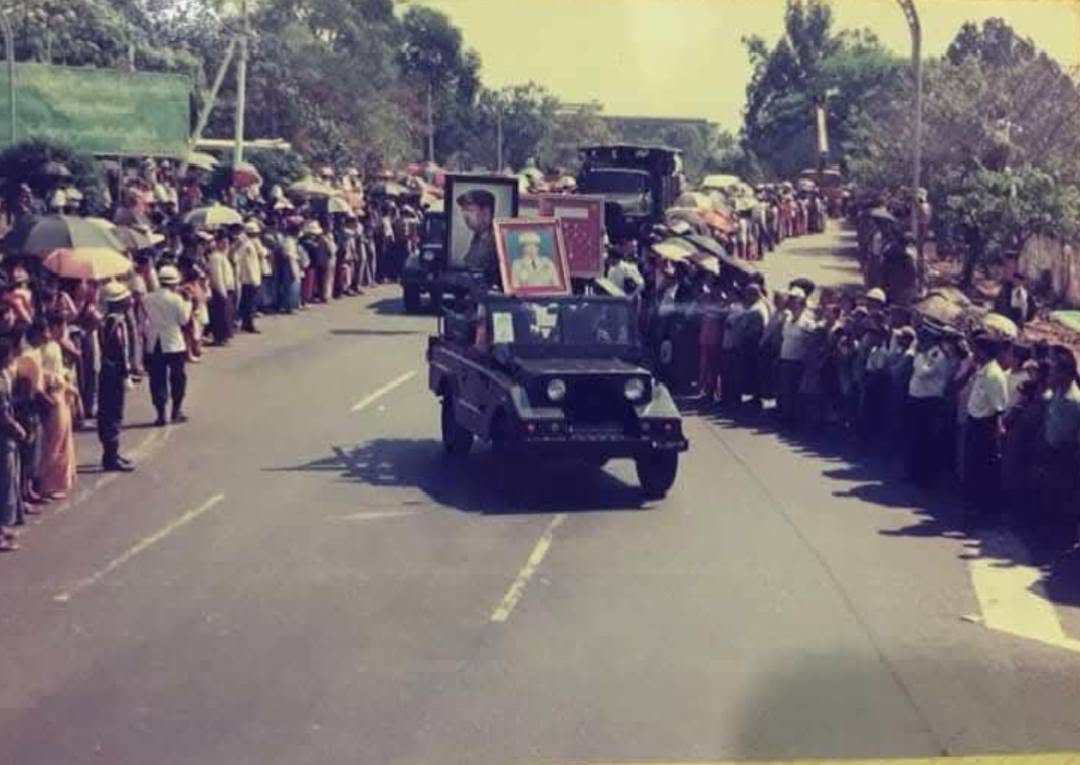
On February 16, 2001, a delegation led by Lieutenant General Tin Oo was inspecting battalions and units within the Tanintharyi Division and Mon State. This inspection tour was reportedly prompted by the border clash that occurred between Myanmar and Thailand at the Doi Chang Khun (O-7) hill in Tachileik on January 7, 2001.
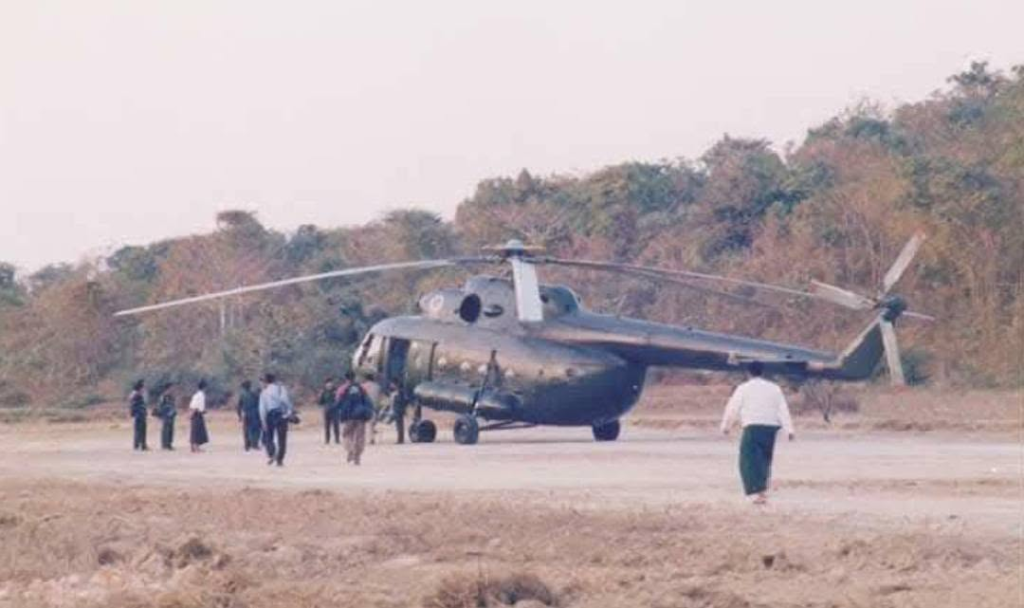
The delegation rested for the night on February 18 at the Southeast Command (SEC) headquarters in Mawlamyine. Early the next morning, on February 19, while heading toward Hpa-an, Kayin State, their helicopter crashed into the Thanlwin River near Taret Hla village due to severe weather conditions, resulting in the deaths of two top military leaders and a total of 16 people on board. The bodies of two colonels were never found.
Those who lost their lives:

- Lt. Gen. Tin Oo (Army / 8182)
- Maj. Gen. Sit Maung (Army / 11716)
- Brig. Gen. Lun Maung (Army / 10333)
- Col. Win Hlaing (Army / 11467)
- Col. Hla Paing (Army / 14770)
- Major Aung Phone Naing (Army / 18171)
- Capt. Khin Maung Kyaw (Army / 29470)
- Col. Tin Win (Air Force / 1633)
- Major Soe Naing (Air Force / 1862)
- Capt. Nay Min Aung (Air Force / 2174)
- Sgt. Thein Tun (Air Force / 18400)
- Sgt. Htein Lin Aung (Air Force / 22604)
Survivors:
- Maj. Gen. Than Maung
- Col. Hla Htay Win
- Lt. Col. Khin Maung Myint
- Lt. Col. Ohn Lwin
- Major Ye Myint Tun
- Major Soe Aung Kyaw
- Major Nay Myo Oo
- Capt. Aung Zaw
- Capt. Ohn Myint
- Master Sergeant Win Maung
- Sergeant Myat Kyaw
- Sergeant Maung Maung
- Civilian U Nay Soe Naing
The Key Figures
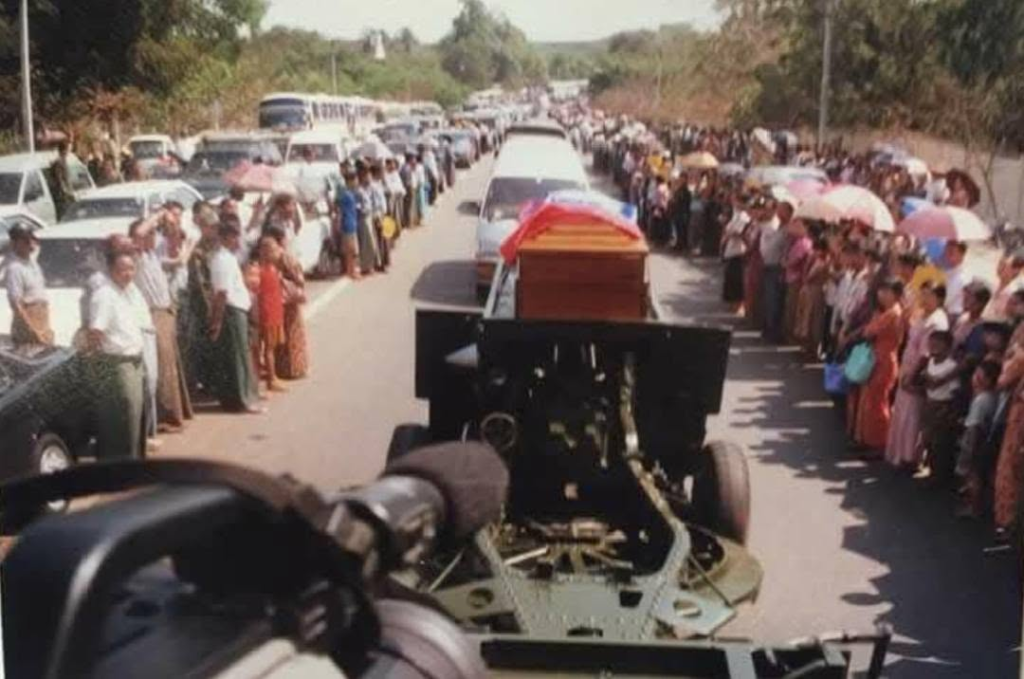
The two top leaders who perished were Lt. Gen. Tin Oo and Southeast Command Commander Maj. Gen. Thiha Thura Sit Maung.
Lt. Gen. Tin Oo had served as the War Office’s Adjutant General (Staff Officer) since the Burma Socialist Programme Party (BSPP) era, commanding numerous military operations. Consequently, during the State Law and Order Restoration Council (SLORC) and State Peace and Development Council (SPDC) eras, he acted on behalf of the Commander-in-Chief and Deputy Commander-in-Chief to daily direct and command all troops nationwide from the War Office.
Maj. Gen. Sit Maung, who died alongside him, held the prestigious “Thiha Thura” title—one of the highest gallantry medals in the Myanmar Armed Forces. At just 50 years old at the time of his death, he was widely regarded and designated as a future Commander-in-Chief of the Tatmadaw.
The Crash and Lingering Suspicions
Although the SPDC immediately issued a press release that very evening claiming the helicopter crashed due to severe weather, deep suspicions arose both inside and outside the military regarding the incident. While the military government claimed bad weather caused the crash, Russia reportedly rejected and dismissed this statement. They maintained that their Mi-17 helicopters were ruggedly built and capable of flying anytime—even during Russia’s harsh winters—making a mechanical failure of the helicopter itself virtually impossible. The military government’s lack of transparency likely fueled domestic and international skepticism.
Why Did Suspicions Arise?
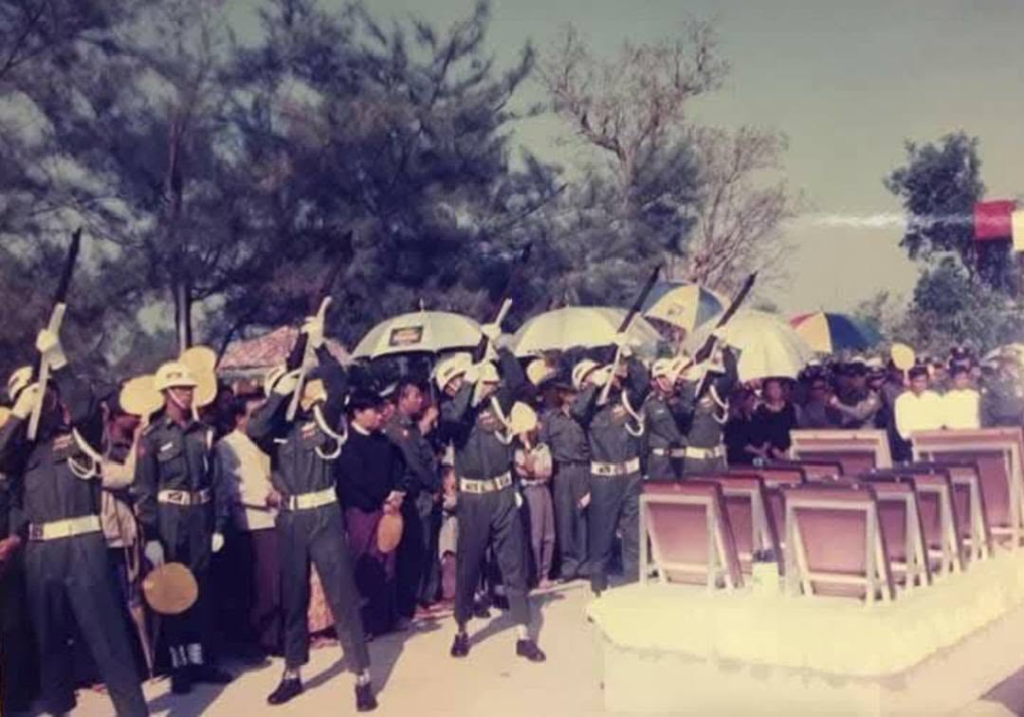
Suspicion arose largely because Lt. Gen. Tin Oo was a primary rival to Lt. Gen. Khin Nyunt, compounded by a series of successive bomb attacks targeting Lt. Gen. Tin Oo.
Lt. Gen. Tin Oo graduated from the Officers Training School (OTS) Class 22, while Lt. Gen. Khin Nyunt graduated from OTS Class 25, making Tin Oo senior to Khin Nyunt. During the 1988 nationwide pro-democracy uprising, while Khin Nyunt led the Directorate of Defense Services Intelligence (DDSI) to counter and subvert the movement from within, Tin Oo—serving as the War Office’s Adjutant General—directed combat troops and pushed for a violent, armed crackdown. Their combined efforts enabled the military to seize power swiftly. Consequently, both were appointed to prominent leadership roles as Secretary (1) and Secretary (2) within the SLORC ruling council. It appears the two became rivals from that point onward.

After 1992, with Gen. Maung Aye becoming the Deputy Commander-in-Chief, and Tin Oo serving under his direct command as Chief of Staff (Army) and Chief of the Bureau of Special Operations (BSO), Tin Oo was arguably closer to Maung Aye. Therefore, it was practically certain that if Senior General Than Shwe (who ousted Gen. Saw Maung) were no longer in power, Gen. Maung Aye would become the Commander-in-Chief and Lt. Gen. Tin Oo the Deputy Commander-in-Chief.
True to his soldierly nature, once Tin Oo chose a path, he preferred to pursue it decisively and boldly, leading him to dislike the evasive and ambiguous approaches of Gen. Saw Maung and Khin Nyunt. Conversely, Khin Nyunt reportedly looked down on Maung Aye and Tin Oo, viewing them as lacking understanding of politics, diplomacy, and economics.
Tin Oo also held underlying grievances toward Khin Nyunt and his mentor, Senior General Than Shwe. A major point of resentment was the abrupt purge of high-ranking Lieutenant Generals from the SLORC on November 15, 1997, which included Lt. Gen. Myint Aung, a mentor whom Tin Oo greatly respected.
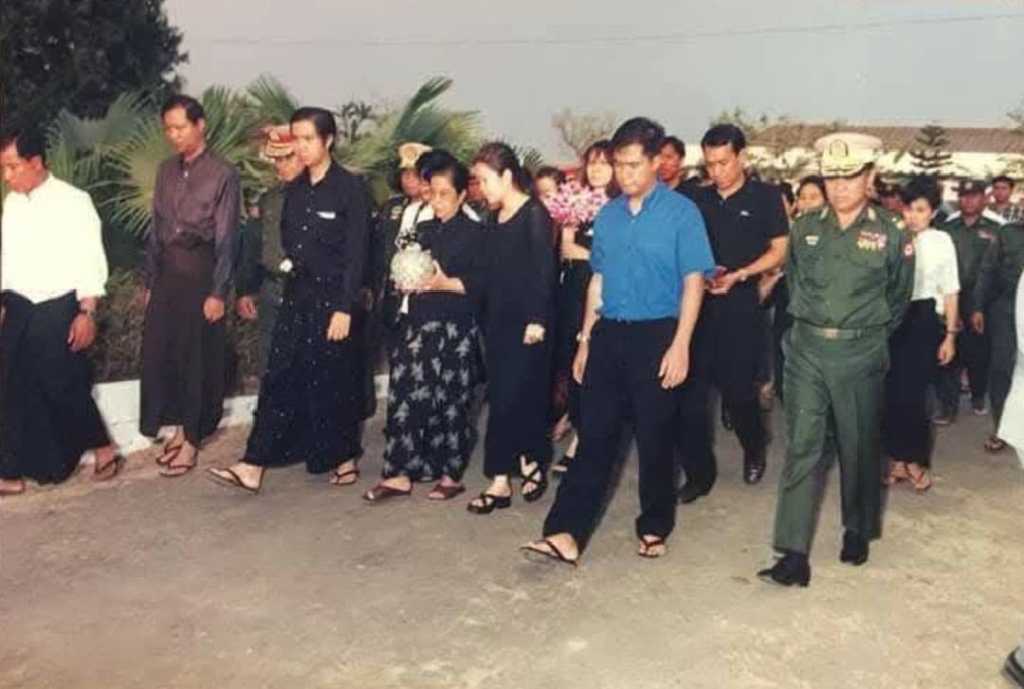
Prior Assassination Attempts on Lt. Gen. Tin Oo
Although Tin Oo met his end in 2001, it is evident that an assassination squad had been dogging his footsteps with the intent to eliminate him since around 1996.
- The Kaba Aye Pagoda Bombing (December 25, 1996): On the night of December 25, 1996, a bomb was planted at the Maha Pasana Cave on Kaba Aye Hill in Yangon to assassinate Secretary (2) Lt. Gen. Tin Oo, who was scheduled to pay homage to the Sacred Tooth Relic brought from China. The first bomb exploded prematurely in an outer corridor, prompting Tin Oo to cancel his trip. A second bomb, planted inside a flower vase in front of the relic, exploded while security personnel were searching the area, killing four security personnel. Outsiders could not possibly have known when the SLORC representative would visit the relic, nor could unauthorized saboteurs easily enter such heavily guarded grounds. SLORC Military Intelligence immediately blamed KNU terrorists without providing a shred of evidence.
- The Parcel Bomb Attack (April 6, 1997): The second assassination attempt occurred at his home on April 6, 1997. A parcel addressed to Tin Oo had arrived as early as April 3. On the night of April 6, his eldest daughter, Daw Cho Lae Oo (an Assistant Lecturer in the History Department at Yangon University), opened it, triggering a bomb blast that killed her instantly. Although the postmark on the parcel indicated it originated from Japan, the parcel had smoothly passed through the registration and sorting departments of the General Post Office in Yangon and cleared security checkpoints at Tin Oo’s residence before sitting right on his living room table.
On the day the parcel arrived, Tin Oo had forgotten about it and only two letters were given to him by his wife. The assassins, apparently monitoring the house and realizing the bomb hadn’t gone off after three days, called Tin Oo’s home around 8:00 PM on April 6 to ask if the parcel had been received. Daw Cho Lae Oo answered the phone, remembered the parcel, and opened it, resulting in the fatal explosion.
In Tin Oo’s biography, “He and the Image of His Life,” compiled by the Ngwehpyu Editorial Team, Tin Oo was quoted as saying:
“In truth, the assassination attempt was meant for me. My eldest daughter sacrificed her life in my place. By shielding her mother with her body, Cho Lae Oo not only protected our family but also warned the entire country of the ongoing threat of terrorists.”
Two months after the bombing, on June 27, military intelligence held a press conference where Khin Nyunt explicitly accused U Thein Ngwe and U Thomas Gun Aung—who lived and worked in Japan—of sending the parcel bomb. However, the Japanese Imperial Police denied the claim, stating that all outgoing packages were thoroughly inspected and that the bomb did not come from their country; they did not even summon U Thein Ngwe or U Thomas Gun Aung for questioning.
Additional Suspicions
Among those suspected in the deaths of Tin Oo and his colleagues, his prominent rival Khin Nyunt and his military intelligence apparatus appeared heavily implicated at the forefront. Furthermore, although Tin Oo had been a trusted confidant of SPDC Chairman Gen. Than Shwe, tensions arose because Tin Oo had reportedly sided with Than Shwe’s son (Ko Zaw Htun Oo) and daughter (Daw Khin Pyone Shwe) during family indiscretions, causing a personal falling out between the senior leaders. Some insiders familiar with the matter therefore harbored suspicions about Senior General Than Shwe as well.
Conclusion
To this day, the questions of who attempted to assassinate Lt. Gen. Tin Oo repeatedly, and why they targeted him instead of more powerful figures like Than Shwe or Maung Aye, remain unanswered puzzles. Ultimately, amidst competing young generals, Senior General Than Shwe maintained his authority well past the age of 75 by seemingly playing them against one another while pretending to mediate.
Source: Shared from “Secrets of the Naypyidaw Palace” / Shared by Ngwe Soe on January 8, 2019.
A Note on my family’s Shared Memory
Lt. Gen. Tin Oo’s wife warmly remembered my mother-in-law—visiting her in Yangon, providing a car for her use, having their son visit my family when posted to the embassy in Kuala Lumpur, and affectionately asking about me as a former Luyechun (outstanding student) from her school—adds a deeply human and poignant layer to these sweeping historical events. It paints a picture of enduring kindness and personal grace amidst a turbulent era.
Mone Sar Su
ပဟေဠိပေါင်းများစွာနဲ့ သို့လော၊ သို့လော ဖြစ်ခဲ့ရတဲ့ တပ်မတော်ထဲက ပြဿနာတစ်ရပ်
၂၀၀၁ ခုနှစ် ဖေဖော်ဝါရီလ (၁၆) ရက်နေ့မှာ ဒုတိယဗိုလ်ချုပ်ကြီး တင်ဦး ဦးဆာင်တဲ့ အဖွဲ့ဟာတနင်္သာရီတိုင်းနဲ့ မွန်ပြည်နယ် အတွင်းမှာရှိတဲ့ တပ်ရင်း တပ်ဖွဲ့တွေကို လှည့်လည် စစ်ဆေးနေခဲ့တာ ဖြစ်ပါတယ်။
အဲဒီလို လိုက်လံစစ်ဆေးရတဲ့အချက်ကတော့ ၇.၁.၂၀၀၁ ရက်နေ့ တာချီလိတ်မြို့ အို 7 တောင်ကုန်းမှာ မြန်မာ – ထိုင်း ဖြစ်ပွားခဲ့တဲ့ နှစ်နိုင်ငံ စစ်ပွဲကြောင့် ဖြစ်တယ်လို့ သိရပါတယ် ။
ဒုတိယဗိုလ်ချုပ်ကြီး ဦးဆောင်တဲ့အဖွဲ့ဟာ ဖေဖော်ဝါရီလ (၁၈) ရက်နေ့မှာ မော်လမြိုင် အရှေ့တောင်ပိုင်း စစ်ဌာနချုပ် (ရတခ) မှာ ညအိပ် ရပ်နားခဲ့ပြီး နောက်တစ်နေ့ (ဖေဖော်ဝါရီလ (၁၉) ရက်နေ့) မနက်စောစောမှာ ကရင်ပြည်နယ်၊ ဘားအံမြို့ကို အသွားမှာ ရာသီဥတု ဆိုးဝါးလွန်းတာကြောင့် တရုတ်လှ ကျေးရွာအနီးက သံလွင်မြစ်ထဲကို ထိုးကျပျက်စီးပြီး တပ်မတော်ရဲ့ထိပ်တန်းခေါင်းဆောင် နှစ်ဦး သေဆုံးသွားခဲ့ ပါတယ််။
သေဆုံးသူအားလုံး (၁၆) ဦး ရှိခဲ့ပြီး ဗိုလ်မှူးကြီး (၂) ဦးရဲ့ အလောင်းတွေကိုတော့ လုံး၀ ရှာမတွေ့ခဲ့ပါဘူး။
(၁။ကြည်း /၈၁၈၂ ဒုတိယဗိုလ်ချုပ်ကြီးတင်ဦး
၂။ကြည်း/၁၁၇၁၆ ဗိုလ်ချုပ်စစ်မောင်
၃။ကြည်း/၁၀၃၃၃ဗိုလ်မှူးချုပ်လွန်းမောင်
၄။ကြည်း/၁၁၄၆၇ ဗိုလ်မှူးကြီး၀င်းလှိုင်
၅။ ကြည်း/၁၄၇၇၀ဗိုလ်မှူးကြီးလှပိုင်
၆။ကြည်း/၁၈၁၇၁ ဗိုလ်မှူးအောင်ဖုန်းနိုင်
၇။ကြည်း/၂၉၄၇၀ဗိုလ်ခင်မောင်ကျော်
၈။ေလ/၁၆၃၃ ဗိုလ်မှူးကြီး တင်၀င်း
၉။ လေ /၁၈၆၂ ဗိုလ်မှူးစိုးနိုင်
၁၀။ေလ/၂၁၇၄ ဗိုလ်ကြီးနေမင်းအောင်
၁၁။ေလ/၁၈၄၀၀ တပ်ကြပ် သိန်းထွန်း
၁၂။ေလ/၂၂၆၀၄ တပ်ကြပ် ထိန်လင်းအောင် တို့ဖြစ်ပြီး
အသက်ရှင် ကျန်ရစ်ခဲ့သူများမှာ –
၁။ ဗိုလ်ချုပ် သန်းမောင်
၂။ဗိုလ်မှူးကြီး လှဌေး၀င်း
၃။ ဒုဗိုလ်မှူးကြီးခင်မောင်မြင့်
၄။ဒုဗိုလ်မှူးကြီး အုန်းလွင်
၅။ ဗိုလ်မှူး ရဲမြင့်ထွန်း
၆။ဗိုလ်မှူး စိုးအောင်ကျော်
၇။ ဗိုလ်မှူး နေမျိုးဦး
၈။ ဗိုလ်ကြီးအောင်ဇော်
၉။ဗိုလ်အုန်းမြင့်
၁၀။တပ်ကြပ်ကြီး ၀င်းမောင်
၁၁။ တပ်ကြပ် မြတ်ကျော်
၁၂။တပ်ကြပ်မောင်မောင်
၁၃။အရပ်သား ဦးနေစိုးနိုင်တို့ ဖြစ်ပါတယ်။)
အဲဒီထိပ်တန်းခေါင်းဆောင် နှစ်ဦးကတော့ ဒုတိယဗိုလ်ချုပ်ကြီး တင်ဦးနဲ့ ရတခ တိုင်းမှူး ဗိုလ်ချုပ်
သီဟသူရ စစ်မောင် တို့ ဖြစ်ကြပါတယ်။ ဒုတိယဗိုလ်ချုပ်ကြီးတင်ဦးဟာ မဆလ ခေတ်မှာကတည်းက စစ်ရုံးချုပ် စစ်ဦးစီး ဗိုလ်မှူးကြီးအဖြစ်နဲ့ စစ်ဆင်ရေး တော်တော်များများကို ကွပ်ကဲလာခဲ့သူ ဖြစ်တာကြောင့် န၀တ၊ နအဖ ခေတ်မှာလည်း တပ်ချုပ်ကြီးနဲ့ ဒုတပ်ချုပ်ကြီး တို့ကိုယ်စား တစ်ပြည်လုံးမှာ ရှိတဲ့ တပ်တွေကို စစ်ရုံးချုပ်ကနေ နေ့စဉ် ကွပ်ကဲ ညွှန်ကြားနေသူ ဖြစ်တယ်။
သူနဲ့အတူ သေဆုံးသွားခဲ့တဲ့ ရတခ တိုင်းမှူး ဗိုလ်ချုပ်စစ်မောင် ကတော့ သူရသီဟသူရ ဆိုတဲ့
မြန်မာ့တပ်မတော်ရဲ့ သူရ သတ္တိဆိုင်ရာ အမြင့်ဆုံး ဘွဲ့တံဆိပ်တွေကို ရရှိထားတဲ့အပြင် သူသေဆုံးချိန်မှာ အသက်က (၅၀) နှစ်သာ ရှိသေးတဲ့အတွက် အနာဂတ် မြန်မာ့တပ်မတော်ရဲ့ ကာကွယ်ရေးဦးစီးချုပ် အလောင်းအလျာ အဖြစ် သတ်မှတ် လျာထားခံရသူ တစ်ဦးလည်း ဖြစ်ပါတယ်။
အဲဒီ ရဟတ်ယာဉ် ပျက်ကျမှုဟာ ရာသီဥတု ဆိုးဝါးလွန်း တာကြောင့် ပျက်ကျခဲ့ရတာ ဖြစ်တယ်လို့ နအဖ က အဲဒီနေ့ ညနေမှာပဲ ချက်ချင်း သတင်းထုတ်ပြန် ကြေငြာခဲ့ပေမယ့် တပ်တွင်း၊ တပ်ပြင်မှာတော့ ရဟတ်ယာဉ် ပျက်ကျမှုအပေါ် ကြီးမားစေတဲ့ သံသယတွေ ဖြစ်ပေါ်လာခဲ့ပါတယ်။
စစ်အစိုးရက ရာသီဥတုဆိုးဝါးမှုကြောင့် ရဟတ်ယာဉ် ပျက်ရပါတယ်ဆိုပြီး သတင်း ထုတ်ပြန်ခဲ့ပေမယ့် ရှရှားနိုင်ငံကတော့ အဲဒီ သတင်းထုတ်ပြန်ချက်ကို လက်မခံဘဲ ပယ်ချခဲ့ကြောင်း သိရှိရပါတယ်။ သူတို့ရဲ့MI 17 ရဟတ်ယာဉ် အမျိုးအစားတွေဟာ ကြံ့ခိုင်တဲ့အပြင် ရှရှားနိုင်ငံရဲ့ ဆိုးဝါးလွန်းလှတဲ့ ဆောင်းရာသီ မှာတောင် အချိန်မရွေး ပျံသန်းနိုင်အောင် တည်ဆောက် ထားတာမို့ သူတို့ရဟတ်ယာဉ်ရဲ့ ချို့ယွင်းချက်ကြောင့် ပျက်ကျတာ လုံး၀ မဖြစ်နိုင်ဘူးလို့ တုံ့ပြန်ပြောဆိုခဲ့ကြောင်း သိရှိရပါတယ်။ စစ်အစိုးရရဲ့ ဒီလိုပွင့်လင်း မြင်သာမှု မရှိတဲ့ လုပ်ရပ်တွေကြောင့် စစ်အစိုးရအပေါ် ပြည်တွင်းပြည်ပက ပိုမိုပြီး မယုံသင်္ကာ ဖြစ်နေကြတာ ဖြစ်နိုင် ပါတယ်။
ဘာကြောင့် သံသယတွေ ဖြစ်ပေါ်ခဲ့ရသလဲဆိုရင် .
ဒုတိယဗိုလ်ချုပ်ကြီး တင်ဦးဟာ ဗိုလ်ခင်ညွန့်ရဲ့ အဓိက ပြိုင်ဘက် တစ်ဦးဖြစ်ခဲ့တဲ့ အပြင်
ဗိုလ်တင်ဦးကို ပစ်မှတ် ထားခဲ့တဲ့ ဗုံးခွဲလုပ်ကြံမှုတွေ ဆက်တိုက်ဆိုသလို ပေါ်ပေါက်ခဲ့တဲ့ သာဓကတွေကြောင့်လည်း အခုလို သံသယဖြစ်မှုတွေ ဖြစ်ခဲ့ရတာကိုး။
ဗိုလ်တင်ဦးဟာ (OTS 22) ကျောင်းဆင်းဖြစ်ပြီး ဗိုလ်ခင်ညွန့်ဟာ (OTS 25) ကျောင်းဆင်းတွေ
ဖြစ်ခဲ့တာကြောင့် ဗိုလ်ခင်ညွန့်ထက် စီနီယာကျသူ ဖြစ်ပါတယ်။ ၁၉၈၈ ခုနှစ် ရှစ်လေးလုံး လူထုအရေးတော်ပုံ ကာလအတွင်းမှာ ဗိုလ်ခင်ညွန့်က
စစ်ထောက်လှမ်းရေး အဖွဲ့ကို ဦးစီးကွပ်ကဲပြီး တန်ပြန် အဖျက်အမှောင့် လုပ်ငန်းတွေနဲ့ လူထုအရေးတော်ပုံကြီးကို အတွင်းကနေ ဖြိုခွဲဖို့
ကြိုးပမ်းနေချိန်မှာ စစ်ရုံးချုပ်ရဲ့ စစ်ဦးစီး ဗိုလ်မှူးကြီး တာ၀န်ကို ထမ်းဆာင်နေတဲ့ ဗိုလ်တင်ဦး ကလည်း တိုက်ခိုက်ရေး တပ်တွေကို စီမံခန့်ခွဲ
ညွှန်ကြားနေပြီး အရေးတော်ပုံကြီးကို အင်အားသုံး အကြမ်းဖက် ဖြိုခွဲနိုင်ဖို့ ကြိုးပမ်းနေခဲ့သူ ဖြစ်တယ် ။
သူတို့နှစ်ဦးရဲ့ အကူအညီတွေကြောင့် စစ်တပ်က အာဏာ မြန်မြန်သိမ်းနိုင်တာ ဖြစ်ပါတယ်။ ဒါကြောင့် အာဏာသိမ်းအဖွဲ့ န၀တ ထဲမှာ သူတို့
နှစ်ယာက်စလုံးကို အတွင်းရေးမှူး (၁) နဲ့ (၂) အဖြစ် အရေးပါတဲ့ ရာထူး နေရာ အဆင့်အတန်းတွေကို ခန့်အပ် တာ၀န်ပေးခဲ့တာ ဖြစ်တယ်။ သူ
တို့နှစ်ယောက် စလုံးဟာ အဲဒီအချိန် ကစပြီး အပြိုင်အဆိုင်တွေ ဖြစ်ခဲ့ပုံ ရပါတယ်။ ၁၉၉၂ ခုနှစ် နောက်ပိုင်း ဒုတိယ ကာကွယ်ရေးဦးစီးချုပ် ဖြစ်လာတဲ့ ဗိုလ်မောင်အေးနဲ့ သူရဲ့ တိုက်ရိုက်ကွပ်ကဲမှု အောက်မှာ စစ်ဦးစီး အရာရှိချုပ်၊ အထူးစစ်ဆင်ရေး အဖွဲ့မှူးဆိုတဲ့ တာ၀န်တွေကို ထမ်းဆောင်နေရတဲ့ ဗိုလ်တင်ဦးဟာ ဗိုလ်ခင်ညွန့် ထက်စာရင် တစ်ဦးနဲ့ တစ်ဦး ပိုပြီး ရင်းနှီးနိုင်ပါတယ်။ ဒါကြောင့် အာဏာသိမ်းခေါင်းဆောင် (ဗိုလ်စောမောင် ကို ဖြုတ်ချခဲ့သူ) တပ်ချုပ်ကြီး ဖြစ်တဲ့ ဗိုလ်သန်းရွှေ မရှိတော့ရင် မြန်မာ့တပ်မတော်မှာ ဗိုလ်မောင်အေးက တပ်ချုပ်ကြီး၊ ဗိုလ်တင်ဦးက ဒုတပ်ချုပ်ကြီး ဖြစ်လာဖို့ သေချာသလောက် ရှိပါတယ် ။
ဒုတိယဗိုလ်ချုပ်ကြီး တင်ဦးဟာ စစ်သားပီပီ လမ်းတစ်ခုခုကို ရွေးပြီးရင် တုံးတိုက်တိုက်၊ ကျား
ကိုက်ကိုက် လုပ်ချင်စိတ် ရှိတဲ့အတွက် ဗိုလ်စော
မောင်နဲ့ ဗိုလ်ခင်ညွန့် တို့ရဲ့ ဝေ့လည်လည် မရှင်း
မလင်း လုပ်ဆောင်မှုမျိုး တွေကို သဘောမကျခဲ့
ဘူး လို့လည်း သိခဲ့ရတယ်။ ဗိုလ်ခင်ညွန့် က
လည်း ဗိုလ်မောင်အေးနဲ့ ဗိုလ်တင်ဦးတို့ဟာ နိုင်ငံရေး၊ သံတမန်ရေး၊ စီးပွားရေး အကြောင်း
နားမလည် သူတွေအဖြစ် အထင်သေးခဲ့တယ် လို့
ဆိုပါတယ်။ ဗိုလ်တင်ဦးရဲ့ စိတ်ထဲမှာလည်း
ဗိုလ်ခင်ညွန့်နဲ့ သူ့ဆရာ ဗိုလ်သန်းရွှေတို့ အပေါ်မှာ
ခိုးလိုခုလုဖြစ်နေတဲ့ အချက်တွေ အတော်များ
များ ရှိခဲ့ကြောင့်လည်း သိရပါတယ်။ အဓိက အချက် တစ်ခုကတော့ ၁၉၉၇ ခုနှစ် နို၀င်ဘာလ (၁၅) ရက်နေ့မှာ န၀တ အဖွဲ့ထဲကနေ တစ်အုပ်တစ်မကြီး ဖယ်ရှားပစ်ခံခဲ့ရတဲ့ ဒုတိယ ဗိုလ်ချုပ်ကြီးတွေ ထဲမှာ သူလေးစား ကြည်ညိုရတဲ့ သူ့ဆရာ တစ်ဦးဖြစ်သူ ဒုတိယ ဗိုလ်ချုပ်ကြီး မြင့်အောင် ပါသွားခဲ့တဲ့အပေါ် မကျေနပ် တာလို့ ဆိုပါတယ် ။
ဗိုလ်တင်ဦးဟာ ၂၀၀၁ ခုနှစ် ရောက်မှ သေဆုံးခဲ့ရတာဖြစ်ပေမဲ့ လုပ်ကြံသတ်ဖြတ်ရေး အဖွဲ့တစ်ဖွဲ့က ၁၉၉၆ ခုနှစ်လောက် ကတည်းက သူ့ကို ပစ်မှတ်ထားပြီး သုတ်သင် ရှင်းလင်းဖို့ သူ့နောက်ကို အရိပ်လိုလိုက်နေခဲ့တာ ထင်ရှားပါတယ်။
၁၉၉၆ ခုနှစ် ဒီဇင်ဘာလ (၂၅) ရက်နေ့ညက ရန်ကုန်၊ ကမ်ဘာအေး မဟာပါသန လိုဏ်ဂူတော်ကြီးမှာ တရုတ်ပြည်က ပင့်ဆောင်လာတဲ့ စွယ်တော်မြတ် ကို ဖူးမြော်ဖို့သွားရောက်မဲ့ အတွင်းရေးမှူး (၂) ဒုတိယ ဗိုလ်ချုပ်ကြီး တင်ဦးကို လုပ်ကြံဖို့အတွက် ဘုရားမှာ ဗုံးထောင်ခဲ့ပါတယ် ။
ပထမဗုံးက အပြင်ဘက်စောင်းတန်းမှာ အချိန်မတိုင်မီ ပေါက်ကွဲ သွားတဲ့အတွက် ဗိုလ်တင်ဦးက သူ့ခရီးစဉ်ကို ဖျက်လိုက်ပါတယ်။ ဒုတိယဗုံးတစ်လုံးက စွယ်တော်ရှေ့မှာရှိတဲ့ ဘုရားပန်းအိုး အတွင်းမှာ ထောင်ထားတာဖြစ်ပြီး လုံခြုံရေး တပ်ဖွဲ့၀င်တွေ ရှာဖွေနေစဉ် ပေါက်ကွဲသွားခဲ့ပါတယ်။ ဒီပေါက်ကွဲမှုကြောင့် လုံခြုံရေး၀န်ထမ်း (၄) ဦး သေဆုံးခဲ့ရပါတယ်။ တရုတ်ပြည်က စွယ်တော်ကို န၀တ ကိုယ်စားဘယ်သူ ဘယ်နေ့မှာ လာရောက် ဖူးမြော်လိမ့်မယ် ဆိုတာ အပြင်လူတွေ လုံး၀ မသိနိုင်သလို လုံခြုံရေး ထူထပ်စွာ ချထားတဲ့ ဒီလို နေရာမျိုးကို အပြင်က
အဖျက်သမားဆိုသူတွေ ၀င်ရောက် ဗုံးထောင်နိုင်ဖို့ဆိုတာ ဘယ်လိုမှ မဖြစ်နိုင်ပါဘူး။ န၀တ စစ်ထောက်လှမ်းရေးက ဒီလုပ်ရပ်ကို ကေအင်ယူ အကြမ်းဖက်သမားတွေရဲ့ လုပ်ရပ်လို့ သက်သေ အထောက်အထား တစ်ခုမှ မရှိဘဲ ချက်ချင်း ထုတ်ဖော် စွပ်စွဲခဲ့ပါတယ် ။
ဗိုလ်တင်ဦးကို ပစ်မှတ်ထားပြီး ဒုတိယအကြိမ် လုပ်ကြံဖို့ ကြိုးစားခဲ့တာကတော့ ၁၉၉၇ ခုနှစ် ဧပြီလ (၆) ရက်နေ့ သူ့အိမ်မှာ ဖြစ်ပါတယ်။ ဧပြီလ (၃) ရက်နေ့ကတည်းက သူ့နာမည်နဲ့ ရောက်ရှိနေတဲ့ ပါဆယ်ထုပ်ကို ဧပြီလ (၆) ရက်နေ့ညမှာ သမီးကြီးဖြစ်သူ ရန်ကုန်တက္ကသိုလ် သမိုင်းဌာန လက်ထောက် ကထိက ဒေါ်ချိုလဲ့ဦးက ဖွင့်ဖောက်လိုက်ရာ ဗုံးပေါက်ကွဲပြီး သေဆုံးသွားခဲ့ပါတယ်။ အဲဒီ ပါဆယ်ထုပ်ပေါ်က တံဆိပ် တုံးတွေဟာ ဂျပန်ပြည်က ဖြစ်ပေမယ့် ဒီပါဆယ်ထုပ်ဟာ ရန်ကုန် စာတိုက်ကြီး မှတ်ပုံတင်ဌာန၊ စာဝေဌာနတွေက တဆင့် ဗိုလ်တင်ဦးရဲ့ အိမ်က လုံခြုံရေးတပ်ဖွဲ့ကို အဆင့်ဆင့် ဖြတ်သန်းခဲ့ပြီးမှ သူ့ဧည့်ခန်းထဲက စားပွဲပေါ်ကို ချောချောမောမော ရောက်ရှိလာပုံဟာ မထူးသော်လည်း ဆန်းနေတယ် လို့ ဆိုရမလိုဖြစ်နေပါတယ်။ ဒီပါဆယ်ထုပ် ရောက်ရှိလာတဲ့ နေ့က ဗိုလ်တင်ဦး ပြန်ရောက်လာတဲ့ အချိန်မှာလည်း ပါဆယ်ထုတ်ကို မေ့နေပြီး စာ (၂) စောင်ကိုပဲ ဇနီးဖြစ်သူက ပေးခဲ့မိတယ်လို့ ဆိုပါတယ်။
ပါဆယ်ထုပ် အိမ်ရောက်သည်အထိ စောင့်ကြည့်နေဟန်ရှိတဲ့ လုပ်ကြံသတ်ဖြတ်ရေး အဖွဲ့ဟာ (၃) ရက်ကြာလို့မှ ဗုံးကွဲတာကို မကြားရတဲ့ အတွက် ဧပြီလ (၆)ရက်နေ့ ည (၈) နာရီထိုးခါနီးမှာ ဗိုလ်တင်ဦး အိမ်ကို ဖုံးဆက်ပြီး ပါဆယ်ထုပ် လက်ခံ ရ / မရ မေးမြန်းခဲ့ပါတယ်။ တယ်လီဖုန်းကို နားထောင်နေတဲ့ ဒေါ်ချိုလဲ့ဦးက အဲဒီအချိန်ကျမှ သတိရပြီး ပါဆယ်ထုပ်ကို ဖွင့်ကြည့်မိရာက ဗုံးပေါက်ကွဲ သွားခဲ့ရတာ ဖြစ်ကြောင်း သိရှိရပါတယ်။
အမှန်က ကျွန်တော့်ကို လုပ်ကြံတာပါ ။ သမီးကြီးက ကျွန်တော့် ကိုယ်စား အသက်စွန့်သွားရတာပါ။ သူ့အမေကိုလည်း ကိုယ်ခန္ဓာနဲ့ ကာကွယ်ပေးထားသလို ဖြစ်ခဲ့လို့ ချိုလဲ့ဦးဟာ ကျွန်တော်တို့ မိသားစုကိုတင် မကဘူး။ တစ်နိုင်ငံလုံးကို အကြမ်းဖက် သမားတွေရဲ့ အန္တရာယ် ရှိနေကြောင်း သတိပေး သွားတာပါလို့ ဗိုလ်တင်ဦးက ပြောဆိုခဲ့ကြောင်း န၀ဒေးစာတည်းအဖွဲ့က ပြုစုထားတဲ့ သူနှင့် သူ၏ဘ၀ပုံရိပ်ဆိုတဲ့ ဗိုလ်တင်ဦးရဲ့ အတၳုပ္ပတ္တိ စာအုပ်မှာ အသေးစိတ် ရေးသား ဖော်ပြထားတာ တွေ့ရပါတယ်။
ဗုံးကွဲပြီး (၂) လအကြာ ဇွန်ဘ (၂၇) ရက်နေ့မှာ ပြုလုပ်ခဲ့တဲ့ စစ်ထောက်လှမ်းရေး အဖွဲ့ရဲ့သတင်းစာ ရှင်းလင်းပွဲမှာ ဗိုလ်ခင်ညွန့်က ဒီပါဆယ်ဗုံးကို ဂျပန်ပြည်မှာ နေထိုင် အလုပ် လုပ်ကိုင်နေတဲ့ ဦးသိန်းငွေနဲ့ ဦးသောမတ်စ်ဂုဏ်အောင် တို့က ပို့လိုက်တာလို့ အတိအကျ စွပ်စွဲ ပြောဆိုခဲ့ပါတယ်။ ဒါပေမယ့် ဂျပန် တော်၀င် ရဲတပ်ဖွဲ့က သူတို့နိုင်ငံက ပေးပို့တဲ့ ပစ္စည်းမှန်သမျှ တို့ကို သေသေချာချာ စစ်ဆေးပြီးမှသာ ပေးပို့တာမို့ ဒီပါဆယ်ဗုံးဟာ သူတို့နိုင်ငံက လာတာ မဟုတ်ဘူးလို့ ငြင်းဆို ခဲ့ပြီး ဦးသိန်းငွေနဲ့ ဦးသောမတ်စ်ဂုဏ်အောင် တို့ကို ခေါ်ယူ မေးမြန်းမှုမျိုးတွေတောင် မလုပ်ခဲ့ဘူလို့ ဆိုပါတယ် ။
ဗိုလ်တင်ဦးတို့ သေဆုံးမှုအပေါ် သင်္ကာမကင်းဖြစ်ခံရသူတွေထဲမှာ သူနဲ့ ပြိုင်ဖက်အဖြစ် နာမည်ကြီးခဲ့တဲ့ ဗိုလ်ခင်ညွန့်နဲ့ သူရဲ့ စစ်ထောက်လှမ်းရေး အဖွဲ့က ရှေ့ဆုံးက ပါ၀င်ပတ်သက် နေသလိုလို ရှိနေတယ်လို့ ထင်မြင် မိရပါတယ်။ ဒါ့အပြင် ဗိုလ်တင်ဦးဟာ နအဖ ဥက္ကဌ ဗိုလ်သန်းရွှေရဲ့ လူယုံတစ်ဦး ဖြစ်ခဲ့ပေမယ့်လည်း ဗိုလ်ချုပ်မှူးကြီးရဲ့သမီး ဒေါ်ခင်ပြုံးရွှေနဲ့ သူရဲ့သား ကိုဇော်ထွန်းဦးတို့ရဲ့ ဖောက်ပြန်မှု ကိစ္စတွေမှာ ဗိုလ်တင်ဦး ကလည်း အဖေတူသားဘက်က ရပ်တည်ခဲ့တဲ့ ကိစ္စနဲ့ ပတ်သက်ပြီး လူကြီးချင်းပါ
မကျေမလည် မသင့်မမြတ် ဖြစ်ခဲ့ကြတာကြောင့်
ဒီကိစ္စကို အတွင်းကျကျ သိနေကြသူ တချို့ကလည်း ဗိုလ်သန်းရွှေ အပေါ်မှာလည်း သံသယ ရှိခဲ့ ကြတယ် လို့ ဆိုပါတယ် ။
ဗိုလ်တင်ဦးကို ပစ်မှတ်ထားပြီး အကြိမ်ကြိမ် လုပ်ကြံဖို့ ကြိုးစားခဲ့သူတွေဟာ ဘယ်သူတွေလဲ ၊ ဗိုလ်တင်ဦးထက် အရေးပါတဲ့ ဗိုလ်သန်းရွှေနဲ့ ဗိုလ်မောင်အေးတို့ကို ပစ်မှတ်မထားဘဲ ဘာ ရည်ရွယ်ချက်တွေနဲ့ ဗိုလ်တင်ဦးကို ပစ်မှတ် ထားပြီး လုပ်ကြံဖို့ ကြိုးစားခဲ့ရသလဲ ဆိုတဲ့ အကြောင်းအရာတွေဟာ အခုအချိန်အထိ အဖြေမရှိသေးတဲ့ ပဟေဠိတွေ အဖြစ်နဲ့ ကျန်ရှိနေသေးတာ တွေ့ရတယ်။ ဘယ်လိုပဲဖြစ်ဖြစ် အချင်းချင်း အပြိုင်အဆိုင် ဖြစ်နေကြတဲ့ လူငယ် ဗိုလ်ချုပ်တွေ အကြား ထိန်းပေးသလိုနဲ့ မသိမသာ ရန်တိုက်ပေးပြီး အသက် (၇၅) နှစ်ကျော်သည့်အထိ သူ့သြဇာအာဏာကို ဆက်လက် ထိန်းသိမ်းထားသူ ကတော့ ဗိုလ်သန်းရွှေသာ ဖြစ်ကြောင်း သုံးသပ် တင်ပြလိုက်ရပါတယ်။
ကိုကား – ကြပ်ပြေးနန်းတွင်း အရှုပ်တော်ပုံ
သိစေချင်လွန်းလို့ မျှဝေ ပေးလိုက်ပါတယ်ဗျာ ။။။။။။။။။။။။။။
ငွေစိုး
၈ . ၁ . ၂၀၁၉