My observation after reading a very good article by Myat Maw. I will translate and post after my commpents first.
My observations on the original post
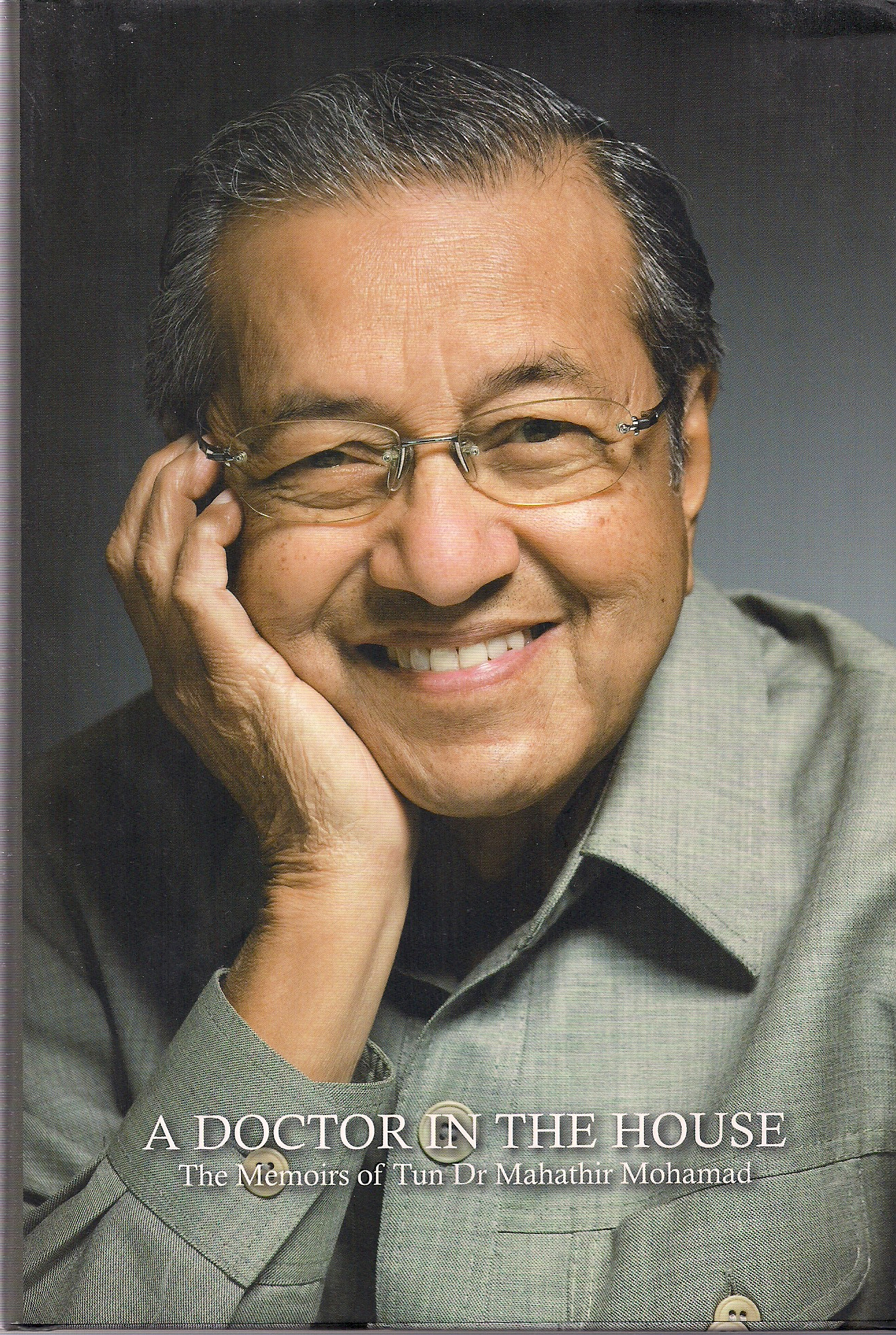
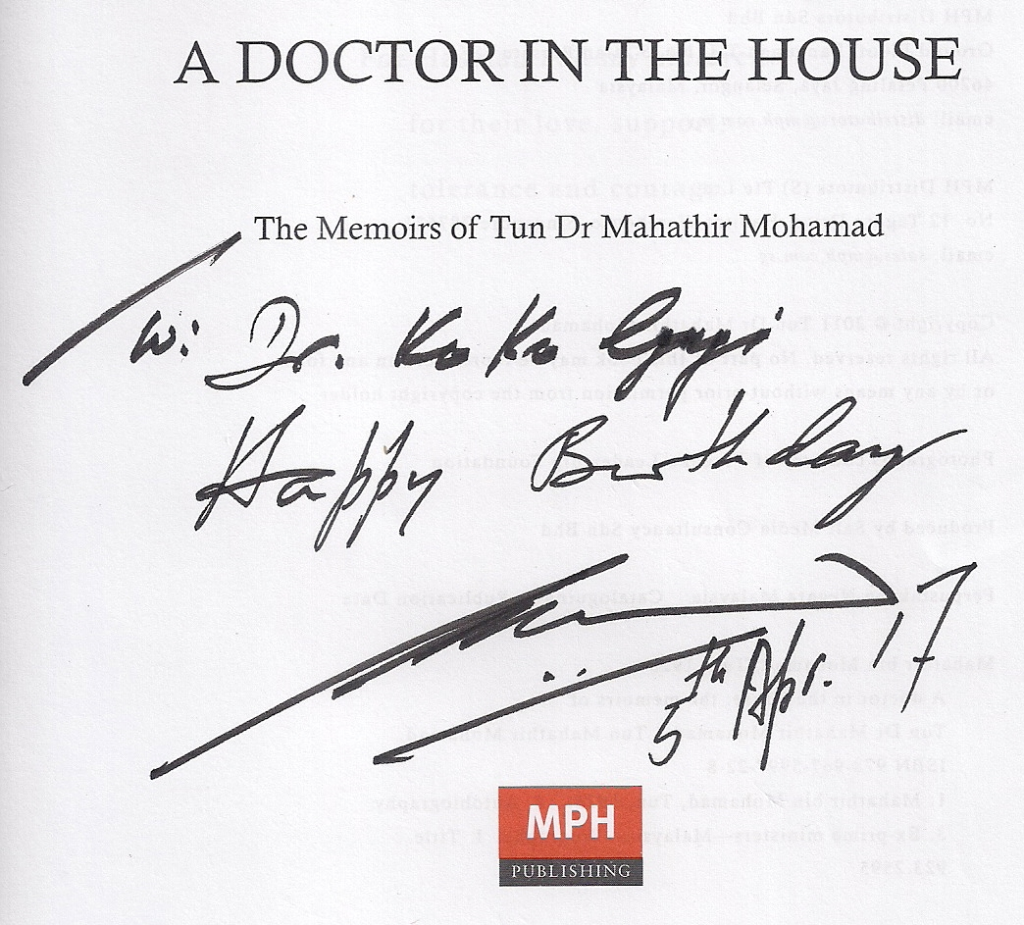
First of all let me present my _Interview with Former Prime Minister of Malaysia: His Excellency Tun Dr Mahathir about Myanmar Politics.
My Question:
What do you want to comment about the present economic condition of Burma? Any advice to improve?
Tun Dr Mahathir’s Answer:
It saddens me that a country that is, that has tremendous potential, very very rich should actually remained poor, because the government has not worked out a solution that would benefit the people of Burma. Do you know, Burma is very rich, a lot of minerals, a lot of precious stones. But wealth by itself, existence of wealth by itself, does not mean anything, until the wealth is mobilized. So the government can, even if it is an authoritarian, it still can work hard for the people.
Lets go back to our main topics. I think the author raises an important historical distinction: Burma did not become poor simply because it had relations with China and the Soviet Union. The country’s economic decline had much deeper institutional, political and economic causes.
However, I would add several important qualifications.
1. Building factories does not automatically mean achieving economic development. We must examine their productivity, profitability, technological capacity, management, maintenance, output and eventual fate.
2. Financial instability was important, but it was not the only cause. The 1964 and 1985 demonetisations, followed by the 1987 demonetisation, destroyed savings and confidence. Nationalisation, restrictions on private enterprise, isolation from international markets and poor economic management also contributed.
3. Foreign relations were not the decisive issue. The problem was how the country managed its economy, institutions, resources, trade and international relationships.
4. We should distinguish industrialisation from sustainable development. A country can construct hundreds of factories but still fail to create prosperity if its industries are inefficient, uncompetitive and politically controlled.
My ten points offer a wider explanation that the original author largely overlooks.
Hi, can you kindly translate this post into English. My answer to this post is:
1/Corruption
2/Theft or misuse of PUBLIC property
3/Income for the country is DIVERTED to the Generals, Top Military leaders, their families (NOPOTISM), Veteran or Military related companies and cronies.
4/ Others like: EROs, PDFs, etc are using the income from border trade and income from minerals, forestry and other resources for themselves.
5/ NUG is also misusing the donated funds.
6/Spending MOST of the money/budget on arms by both sides.
7/Suppression of PRIVATE Intrapreneurs.
8/ Self-protection and self-imposed isolation because of Xenophobia: Foreigners (Ne Win even probit Tourists first, later allowed 1-3 days and later 1-2 wks) and Non Myanmar Ethnic groups like Chinese, Indians and mixed blooded people
9/ Demonetization frequently made citizens and foreign investors scary to invest.
10. Prohibit FDI (Foreign direct investment) Private Import/export during Ne win’s time.
General Ne Win had stolen Gold, FEs and Jewellry from Burma.
According to my bro in law, his personal Pilot,Capt. Khin Mg Latt, he kept his stolen Golds and FEs in Swis banks. He told my repeatedly. He was dismissed from job, when he once said, under alcohol (later he became a religious and went to Haj) “Next time, if Ne win carry his ‘stolen’ Golds, I would bring my relatives, kick him out and runaway abroad.” As Ne win love him and he said under alcohol, he stopped his with the crime of paying USD to Ne Win’s son from former wife, in Hong Kong to buy Heroin. He migrated to Singapore and later to Malaysia. I stayed in his house for few months while waiting for my Medical Licence and Work Permit.
You see, how RICH his daughters up to grandchildren!
Now also, Min Aung Hlaing, Than Shwe, ALL Generals are POCKETTING all the country’s income. Military is also taking through U Paing.
Leaders of EROs and Rebel groups are also rich. Cronies and relatives of Military are also rich. People are poor.
ASEAN including EVEN Malaysia’s slow progress because of various amount of corruption. Singapore and Brunei progress because of less corruption.
In particular, I think three issues deserve special attention:
- Diversion of national wealth: Corruption, nepotism, military business interests, cronies and the alleged appropriation of public resources by powerful individuals and organisations.
- Destruction of economic confidence: Nationalisation, demonetisation, restrictions on private enterprise, foreign investment barriers and arbitrary government policies.
- Militarisation of the economy: Excessive expenditure on weapons and armed conflict instead of education, healthcare, infrastructure and productive economic activities.
I wish to present the Luyechun (Outstanding Students) discussion: Myanmar once invested in identifying and developing talented young people. The question is why the country subsequently failed to create an environment in which those talents could flourish.
My Luyechun articles are relevant to this wider discussion:
- Lu Ye Chun: How a Military Brainwashing Project Accidentally Sparked Critical Minds and Future Rebels
- Luyechun: Reaching for the Stars — and Where We Landed
The Luyechun (LYC) project identified and developed many talented students, but it was not necessarily a genuine meritocracy.
We must distinguish between:
- Meritocracy: Selection and promotion based on ability, achievement, knowledge and performance.
- Know-how: What a person knows, what they can do and their professional competence.
- Know-who: Whom a person knows, their connections, family background, political patronage and influential contacts.
My point is that Myanmar’s problem was not simply a shortage of talented people. It was also the failure to establish a system in which talent and competence consistently took precedence over personal connections and political loyalty.
The Missing Ingredient: Genuine Meritocracy
The Luyechun (Outstanding Students) project demonstrated that Myanmar had considerable human potential. However, identifying academically gifted students was not the same as establishing a genuine meritocratic system.
In Myanmar, advancement and access to opportunities have too often depended not on “Know-how” but “Know-who” — not necessarily what a person knows or can accomplish, but whom they know and who supports them.
Nepotism, patronage, political connections and personal loyalty have frequently undermined the fair recognition and utilisation of talent.
A country cannot achieve its full potential when competent people are overlooked while less qualified individuals advance through connections and favouritism.
Myanmar needs a genuine meritocracy in which education, professional competence, integrity, hard work and proven performance matter more than family connections, wealth, ethnicity, political affiliation or military rank.
Please read these :
Apartheid Burmese or Myanmar Medical Professors
LACK OF MERITOCRACY CROWNED THE STUPID CLOWNS IN THE MYANMAR MEDICAL GROUND
လူရည်ချွန်နှစ်ဦးနှင့် မွေးနိုင်ငံကိုစွန့်ခွါသူများ
LYC produced talented people, but the wider national system did not consistently reward talent according to merit.
That is a much stronger criticism than simply saying that Myanmar lacked educated or capable people.
Brain Drain is another major reason why Myanmar remains poor.
And it is closely connected to your previous point: Know-how versus Know-who.
When a country fails to recognise, reward and protect talent, its most capable people eventually leave.
Brain Drain: Losing the Country’s Most Valuable Resource
Another major reason for Myanmar’s economic decline is the continuous loss of its educated, skilled and talented people through brain drain.
For decades, Myanmar has produced capable doctors, engineers, scientists, teachers, technicians, businesspeople and other professionals. The Luyechun (Outstanding Students) programme itself demonstrated the country’s potential to nurture academic talent.
However, education and talent alone cannot build a prosperous nation. Talented people need opportunities, fair treatment, professional recognition, adequate remuneration, political stability and an environment in which they can work without fear.
When promotion depends more on “Know-who” than “Know-how”, when nepotism and political connections outweigh professional competence, and when corruption and arbitrary policies undermine businesses and careers, capable people naturally look for opportunities elsewhere.
The consequences are serious:
- The country loses highly educated and experienced professionals.
- Public investment in education increasingly benefits other countries.
- Hospitals, universities, research institutions and businesses lose experienced personnel.
- Domestic industries suffer from shortages of skilled workers and competent management.
- Innovation, productivity, entrepreneurship and economic competitiveness decline.
- Families become separated, while the country becomes increasingly dependent on remittances rather than productive domestic investment.
The political and economic crises, armed conflicts, insecurity and uncertainty have accelerated this problem.
Brain drain is not merely the departure of individuals. It is the loss of accumulated knowledge, professional experience, institutional memory, entrepreneurial ability and future generations of mentors.
A country does not become poor only because it lacks natural resources or educated people. It can also become poor because its system drives away the very people capable of developing it.
Myanmar must create conditions in which talented citizens want to remain, overseas professionals feel confident returning, and young people believe that their future depends on their abilities and hard work rather than their connections.
We should also discuss brain waste — educated and skilled Myanmar people working in jobs far below their qualifications, both inside Myanmar and abroad.
Brain drain loses people; brain waste fails to utilise the talent that remains or has migrated.
Both are enormous losses to national development.
This article, “Myanmar: The Cursed Country,” may add another important dimension to our discussion of Myanmar’s poverty: the long-term consequences of short-sighted policies and decisions by successive military administrations.
It connects naturally with our earlier points:
- Failure to establish genuine meritocracy.
- Preferential treatment based on Know-who rather than Know-how.
- Brain drain and brain waste.
- Suppression of private entrepreneurs.
- Economic isolation and loss of foreign investment.
- Spending national resources on military strength rather than human development.
The central question is not simply how much wealth Myanmar possesses, but why successive administrations have failed to turn its human and natural resources into sustainable prosperity.
I have read your article. There is a particularly powerful example here that deserves to be incorporated into our discussion.
The 1973 RIT hovercraft: An example of wasted national talent
in 1973 a group of final-year mechanical engineering students at the Rangoon Institute of Technology (RIT) built a small hovercraft using a discarded lawnmower engine.
Their prototype attracted interest, but the project was reportedly stopped by the then Minister of Industry, Colonel Maung Cho, on national-security grounds. The students were not given the opportunity to develop their invention further. Myanmar Muslims News Network
Consider the opportunity that was lost!
Instead of encouraging the students, providing research funding, developing a prototype and exploring commercial applications, the authorities reportedly stopped the project.
This illustrates several interconnected problems:
- Lack of vision: Failure to recognise the long-term economic and technological potential of innovation.
- Excessive security mentality: Treating even civilian technological development as a potential security problem.
- Failure to support research: Universities were not adequately connected to industrial development and commercialisation.
- Suppression of entrepreneurship: Inventors were not given sufficient opportunities to turn ideas into businesses.
- Brain drain: Talented people eventually seek countries where their abilities are recognised and rewarded.
The contrast is particularly revealing
Your article also recounts how the son of the writer, after graduating in electrical engineering, joined Honeywell in the United States in 2002.
According to the account, he subsequently developed two inventions related to aircraft systems, received US patents in 2009 and 2010, and received employer support for his US permanent-residency application. Myanmar Muslims News Network
The contrast raises a fundamental question:
Why could an engineer of Myanmar origin develop inventions and receive institutional support abroad, while promising engineering students in Myanmar reportedly saw their university invention discontinued?
The issue is not a lack of intelligence among Myanmar people. It is also the environment in which their abilities are allowed—or prevented—to flourish.
Short-Sighted Leadership and the Suppression of Innovation
One of the most damaging characteristics of Myanmar’s post-1962 governance was the failure to recognise the long-term value of human ingenuity, scientific research, technological innovation and entrepreneurship.
A striking example was the reported experience of final-year engineering students at the Rangoon Institute of Technology in 1973. They constructed a small hovercraft using an old lawnmower engine for their graduation project. Instead of receiving support to improve and commercialise their invention, the project was reportedly stopped on national-security grounds by the then Minister of Industry.
Consider how different the outcome might have been if the authorities had provided research funding, technical assistance and opportunities for further development.
This was not merely the loss of one experimental vehicle. It represented a missed opportunity to encourage a generation of inventors and engineers.
The subsequent experiences of Myanmar-origin professionals abroad illustrate another side of the problem. When talented people find environments that reward innovation, professional competence and initiative, they can make valuable contributions to their host countries.
Myanmar’s problem, therefore, cannot be explained simply by a shortage of educated people, natural resources or industrial projects.
It must also be examined in terms of governance, institutional attitudes, excessive control, lack of academic freedom, inadequate research investment and the failure to nurture private-sector innovation.
A government may possess the power to stop an invention, but it cannot manufacture innovation simply by issuing orders.
A country develops when its leaders create an environment in which people are free to think, experiment, invent, invest, compete and succeed.
When political control takes precedence over national development, the country loses not only its present opportunities but also its future generations of innovators.
This example adds something important to our discussion. We should not measure a country’s development merely by the number of factories, dams, roads, military installations or buildings constructed by its governments.
We should also ask:
How many inventions were encouraged? How many were abandoned? How many entrepreneurs were suppressed? How many talented people emigrated? And how many opportunities did the country lose because its institutions failed to recognise their value?
That is the human-resource dimension of Myanmar’s economic tragedy.
Why Did Myanmar Fail to Develop Under General Ne Win?
English translation of Myat Maw’s post, originally published on 30 July 2021, with a later comparison concerning Min Aung Hlaing’s administration.
- lk factory (later associated with Pyinmapin)
- Mandalay milk-processing factory
- Mandalay Brewery
- Mandalay match factory
- Maung Burma bicycle factory
- Cement factories
- Danyingon brick factory
- Ye Ni paper factory
- Sale fertiliser factory
- Heavy industrial equipment factories
- Pathein glass factory
In addition to these industrial establishments, various research institutions and infrastructure projects were established or developed.
These included:
- Hlegu agricultural research facilities for vegetable cultivation
- Bago irrigation research facilities
- Cotton development and research programmes
- Upgrading of the Yangon–Mandalay road, popularly known at the time as the road that cost ten million kyats per mile
- Upgrading of the Yangon–Pyay road
- Construction of the Pathein–Monywa road
- Improvements to the control tower at Yangon Airport
- Installation of one-hundred-tonne rice mills
- Kubota engines and agricultural machinery
- Battery manufacturing
- Thuwunna Sports Stadium
- The original route of what later became the Yangon–Mandalay Expressway
- The Taung Nawin and North Nawin dams
- Expansion of the Lawpita hydropower project
- The Durakabo river-water pumping and electricity-related project
- The Monywa copper project
- The Kalawlin gold-refining plant
There were also numerous military-related manufacturing and procurement activities.
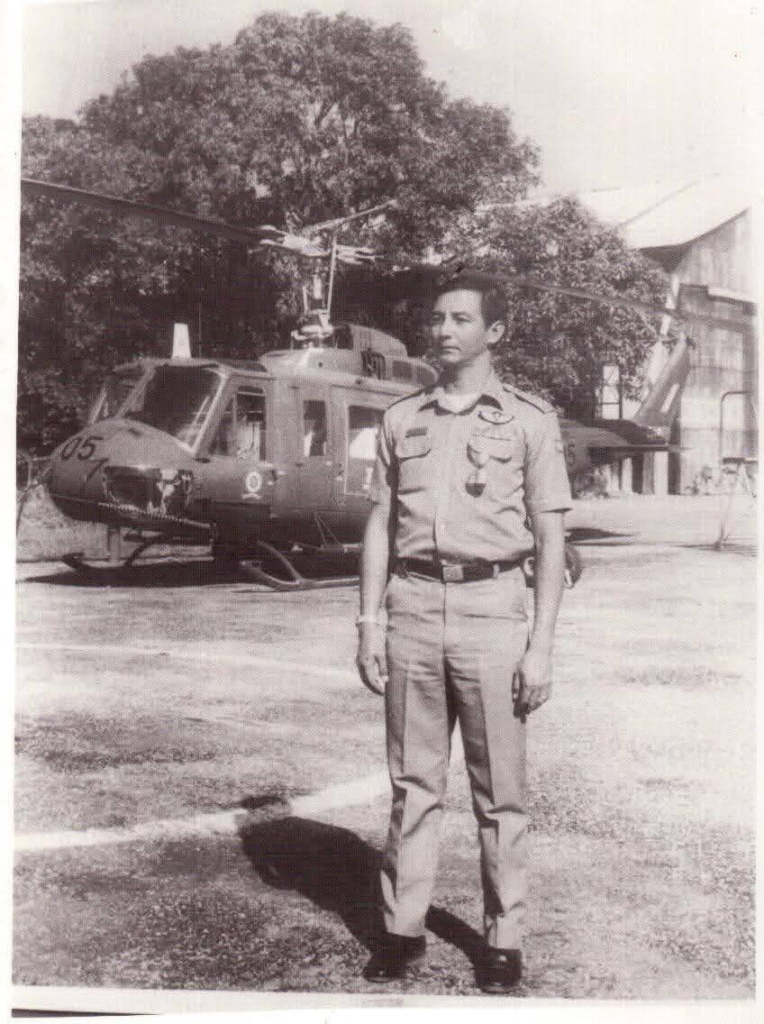
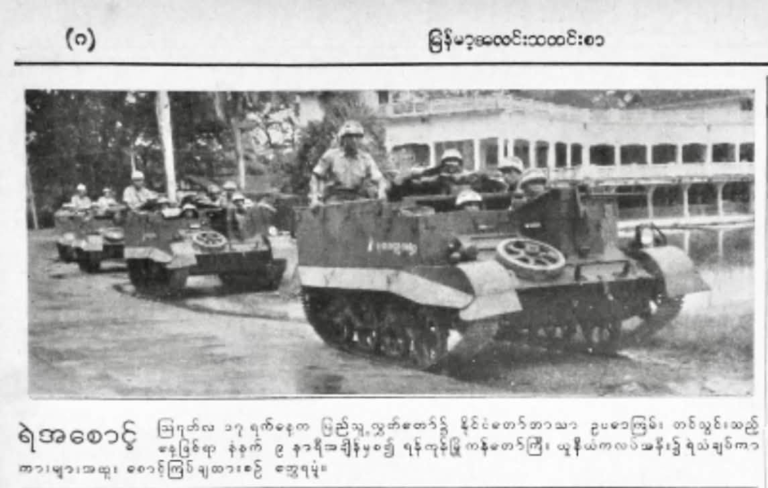
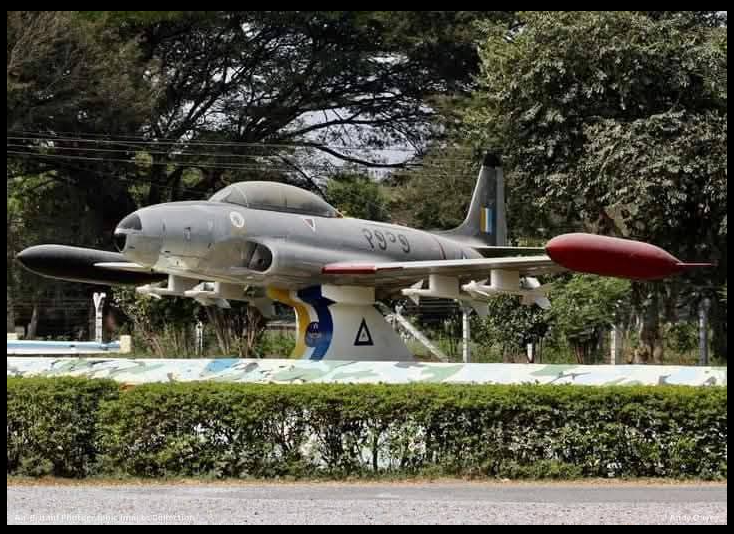
The military used equipment and weapons of Western origin, including M35 launchers, Swedish-made 84mm launchers, G2, G3 and G4 automatic rifles, Mercedes military vehicles, American-made T33 fighter aircraft, Fokker aircraft, American Bell helicopters, American-made 105mm mountain guns, GMC six-wheel trucks, Dodge Jeeps and Dodge vehicles equipped with rear-mounted 75mm guns.
Many military officers and civilian government officials received training in Western countries, including the United States, Britain, the Netherlands, Germany and Japan.
In fact, the number of officials who studied or received training in these countries was considerably greater than those who went to Russia or China.
One can also investigate where the well-respected economist Dr Aung Tun Thet received his education.
Therefore, the claim that Burma became poor simply because Ne Win aligned the country with China and Russia is misleading.
Ne Win did not belong to the Thakin Kodaw Hmaing faction within the Dobama Asiayone, which was associated with the hammer-and-sickle symbol. Rather, he belonged to the Tun Aung–Ba Sein faction.
He enjoyed horse racing and other entertainments. His personal lifestyle was quite different from the ideals of socialism.
At that time, socialism was popular throughout much of the world. Ne Win adopted socialist rhetoric and presented himself as a socialist leader when he seized power.
During his administration, unlike in some communist countries, certain private businesses were still allowed to operate, and some forms of private ownership were permitted.
The situation was somewhat comparable to China’s economic conditions between approximately 1978 and 1997.
So why did Burma fail to develop?
The main reason was the government’s inability to maintain financial and monetary stability. The frequent demonetisation of banknotes repeatedly destabilised the economy and undermined public confidence.
Therefore, the principal reason for Ne Win’s failure was not his relationship with the Soviet Union or China. Those relationships accounted for only a relatively small part of the problem.
China did, however, support the Communist Party of Burma (CPB), particularly in the northeastern region of the country.
The more fundamental problem was the absence of financial stability.
The enormous and inefficient bureaucratic machinery of the government may also have contributed to the country’s failure.
Blaming China and Russia for Burma’s economic problems is, in my opinion, simply an attempt to shift responsibility away from the people who were actually responsible.
(Those who believe that the military itself was good and that only Ne Win was bad are welcome to criticise or insult me if they wish.)
30 July 2021
Why Has Myanmar Become So Impoverished Under Min Aung Hlaing?
If we ask why Myanmar has become so economically devastated under Min Aung Hlaing, the explanation is also that his administration has failed to maintain monetary and financial stability.
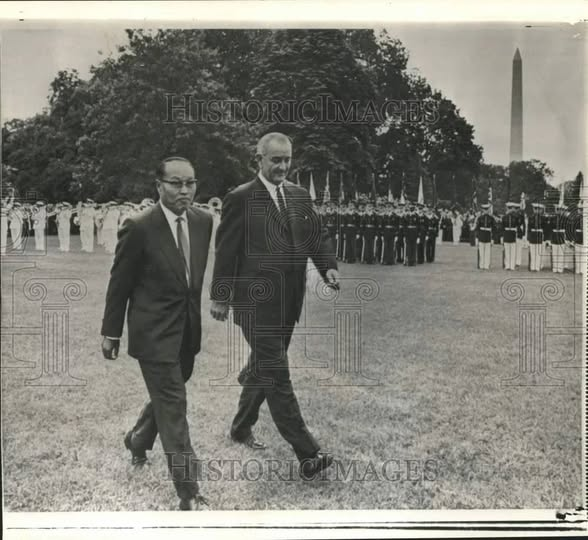
Photograph caption: General Ne Win meeting US President Lyndon B. Johnson at the White House.
Historical note: Following the 1962 coup, the United States had supplied Lockheed T-33 aircraft and American military helicopters to Burma.
Myat Maw
ဦးနေဝင်း ဘာကြောင့်မအောင်မြင်ရသလဲ။
ဦးနေဝင်း ဟာ ရုရှားတရုတ်နဲ့ ပေါင်းခဲ့လို့ မွဲသွားတယ် ဆိုရင်တော့ အချက်အလက် အရမှားပါတယ်။
ဦးနေဝင်းလက်ထက်ဆောက်ခဲ့တဲ Hino ကားစက်ရူံ Mazda ကားစက်ရုံ၊ national မီးခလုပ်ပန်ကာ၊ ထမင်းပေါင်းအိုး ရေဒီယိုစက်ရုံ၊ ပဒုံမာ ဓာတ်ဘူးစက်ရုံ၊ ရွှေတောင်အထည်စက်၊ ပလိပ်အထည်စက်၊ မန်းသံပကာကန်ရေနံချက်စက်ရုံ၊ ရွှေညောင်သကြားစက်၊ ပျဥ်းမနားသကြားစက်၊ ဇေယျဝတီသကြားစက်၊ ရေတာရှည်သကြားစက်၊ ကိုးမိုင်နို့ချက်စက်ရုံ(နောက်ပျဥ်းမပင် နိုချက်စက်ရုဲ)၊ မန်းနို့ချက်စက်ရုံ၊ မန်းတလေးဘီယာ ၊ မန်းမီးခြစ်စက်ရုံ၊ မောငိဗမာ စက်ဘီးစက်ရုဲ၊ ဘိလပ်မြေစက်ရုံ၊ ဒညင်းကုန်းအုပ်စက်ရုံ၊ ရေနီစက္ကူစက်ရုံ၊ စလေဓာတ်မြေသြဇာစက်ရုံ၊ အကြီးစားပစ္စည်းစက်ရုံ၊ ပုသိမ်မှန်စက်ရုဲ စတဲ့ စက်ရုံ အများစုအပြင် သုသေတန ဌာနတွေဖြစ်တဲ့ လှည်းကူး ဟင်းသီးဟင်းရွက် သုသေတန၊ ပဲခူးဆည်မြောင်းသုသေတန၊ ဝါစီမံကိန်းနှင့် သုသေတန ဌာနများ၊ ရန်ကုန်မန်း လမ်း အဆင့်မြှင့်တင်ရေး(တမိုင်ဆယ်သိန်းလမ်း) ရန်ကုန်ပြည်လမ်း အဆင့်မြှင့်တင်ရေး၊ ပုသိမ်မုံရွာလမ်းတည်ဆောက်ရေး ရန်ကုန်လေဆိပ် ကွန်ထရိုးတာဝါ အဆင်မြှငိ့တငိရေး ၊ ထိုစဥိက တန်တရာ ဆန်စက်တွေ၊ ကူဘိုတာ တစ်လုံးထုံးငါးကောင်အားအင်ဂျင်တွေ၊ ဓာတ်ခဲတွေ၊ သုဝဏ္ဏဘော်လုံးကွင်း၊ ယခုရန်ကုန်မန်း အမြန်လမ်း၏ လမ်းဟောင်းအူကြောင်း၊ တောင်နဝင်းမြောက်နဝင်းဆည်၊ လောပီတ ရေအားလျပ်စစ် တိုးချဲ့၊ ဒုရက်ကဗို လျှပ်စစ်မြစ်ရေတင်စီမံကိန်း၊ ထိုစဥ်က မုံရွာကြေးနီစီမံကိန်း ၊ ကောလင်းရွှေသန့်စင်ရုံ
စစ်တပ်က သုံးတဲ့ M35 လောင်ချာ၊ ဆွီဒင်လုပ် 84 လောင်ချာ။ G2,3,4 automatic rifile, စစ်တပ်သုံး မားစီး
တီး အမြှောက်ဆွဲယဥ်၊ စစ်တပ်သုံးအမေရိကန်လုပိ T33 တိုက်လေယာဥ်၊ စစ်တပ်သုံး forker လေယာဥ်၊ စစ်တပ်သုံး အမေရိကန် လုပ် ဘဲလ် ရဟတ်ယာဥ်၊ စစ်တပ်သုံး ၁၀၅ မမ အမေရိကန်လုပ်တောင်ပေါ်ပစ်အနြှောကိ၊ စစ်တပ်သုံး GMC ခြောက်ဘီးကား၊ စစ်တပ်သုံး dodge jeep ၊ စစ်တပ်သုံး 75မမ နောကိပွင့်တင်တဲ့ dedge jeep စတဲ့ ဟာဎတွ ( အချိန်မရေသေးလို့ အချိန်ရလို့စဥ်းစားရင် ဒိထက်ထွက်လာနိုငိသေး) တွေဟာ အနောက်တိုင်းပစ္သည်းတွေပါ။
ထို့အပြင် စစ်ဗိုလိတော်တော်များများနှင့် အရပ်သားအရာရှိတော်တော်များများဟာ အမေရိကန်၊ အဂ်လန်၊ဟော်လန်၊ ဂျာမဏီ ဂျပန်စတဲ့ နိုင်ငံတွေမှာ သင်တန်းသွားတက်လာသူများက အများကြီးပါ။ ရုရှားသွားတရုတ်သွားတဲလူထက်ပိုများပါတယ်။
ထိုထဲမှာ အများလေးစားကြတဲ့ စီးပွားရေး ပညာရှင်ဒေါက်တာအောင်ထွန်းသက် ဘယ်တိုင်းပြည်မှာ ပညာသင်ခဲ့သလဲ စုံစမ်းကြည့်လို့ရပါတယ်။
ဒီတော့ ဦးနေဝင်း လက်ထက် တရုတ် ရုရှားနဲ့ ပေါင်းလို့ ဆင်းရဲသွားတယ်ဆိုတာ ဂျင်းပါပဲ။
ဦးနေဝင်းက ဒိုဗမာအစည်းရုံးထဲမှာ တူတံဇဥ် ကိုင်တဲ့ သခင်ကိုယ်တော်မှိုင်းဂိုဏ်းမှမဟုတ်ပါ။ ထွန်းအုပ်ဗစိန်ဂိုဏ်းကဖြစ်ပါတယ်။
မြင်းပွဲလောင်းတယ် အပျော်အပါးလ်ိုက်စားတယ်။ ဆိုရှလ်လစ်ဝါဒနဲ့ တခြားစီပါ။
ထိုအချိန်မှာ ကမ္ဘာမှာဆိုရှယ်လစ်ဝါဒခေတ်စားပါတယ်။ ထိုဆိုရှယ်လစ်ဝါဒ ကိုခေတ်စားလူကြိုက်များချိန်မှာ ဆိုရှယ်လစ်ခေါင်းဆောငိးပြီးအာဏာသိမ်းခဲ့တာပါ။
ဦးနေဝင်းခေတ်မှာ ကွန်မြူနစ်တိုင်းပြည်နဲ့မတူတဲ့ ကိုယ်ပိုင်လုပ်ငန်းတွေလုပ်ခွင့် ပုဂ္ဂိလကပိုင်ဆိုင်မှုတချို့ပေးခဲ့ပါတယ်။
တရုတိပြည်၏ ၁၉၇၈ နှင့် ၁၉၉၇ လောက်ကြား အနေအထားမျိုးနှင့် အင်မတန်တူပါတယ်။
ဘာဖြစ်လို့မတိုးတကိသလဲ ဆိုရင် ဘဏ္ဍာရေးဂဏ္ဍ ကို တည်ငြိမ်အောငိမလုပ်နိုင်လို့ ငွေစက္ကူ တွေ မကြာခဏ ဖျက်သိမ်းရလို့ စီးပွားရေး မတည်မငြိမ်ခဏခဏဖြစ်လို့ မအောင်မြင်ခဲ့တာပါ။
ဒီတော့ အဓိက ကတော့ ဦးနေဝင်း ဘာကြောင့်မအောင်မြင်သလဲ ဆိုရငိ ဆိုဗီယက်နဲ့ တရုတ်နဲ့ ပေါင်းလို့ဆိုတာ ရာခိုငိနှုန်းအနည်းငယ်သာ သက်ဆိုင်ပါတယ်။ (တရုတ်က ဗကပကိုအရှေ့မြောက်ဒေသဆိုပြီးထောကိပံခဲ့တာရှိပါတယ်။)
ကျန်တာကတော့ financial stabilty မရှိတာကြောင့် ဟု ဆိုရမှာပါ။
အခြားဗျူရိုကရေစီ ယန္တယား ကြီးမားတာလည်း သက်ဆိုင်ပါလိမ့်မယ်။
တရုတ်ပေါင်းလို့ ရုရှားပေါင်းလို့ဆိုတာကတော့ကိုယ့် အပြစ်ကို တမင်လွှဲချတာလို့သာ ယူဆပါတယ်ဗျာ။
(စစ်တပ်က ကောင်းတယ်။ နေဝင်းပဲမကောင်းတာဆိုသူများ ဆဲချင်က ဆဲနိုင်ပါပြီလေ။)
July 30th, 2021
မင်းအောင်လှိုင်ခေတ် ဘာကြောင့် မွဲပြာ ကျသွားသလဲ ဆိုရင်လည်း ငွေကြေးတည်ငြိမ်မှုကို မလုပ်နိုင်၍ ဖြစ်ပါတယ်
ပုံမှာ အမေရိကန် သမ္မတ Lyndon B Johnson နဲ့ အတူ အိမ်ဖြူတော်တွင်တွေ့ရသော ဗိုလ်ချူပ်ကြီးနေဝင်း
၁၉၆၂ မှာ အာဏာသိမ်းပြီးနောက် အမေရိကန်က ပေးတဲ့ Lockhee T33 လေယာဥ် နှင့် အမေရိကန် စစ်ဘက်ရဟတ်ယဥ်