Thailand’s Education Minister Prasert Jantarongtong’s 2026 reaffirmation of migrant children’s right to schooling is the latest step in a three-decade journey: since the 1990s, Thailand has gradually expanded access through policies, migrant learning centers, and international commitments, though implementation remains uneven.
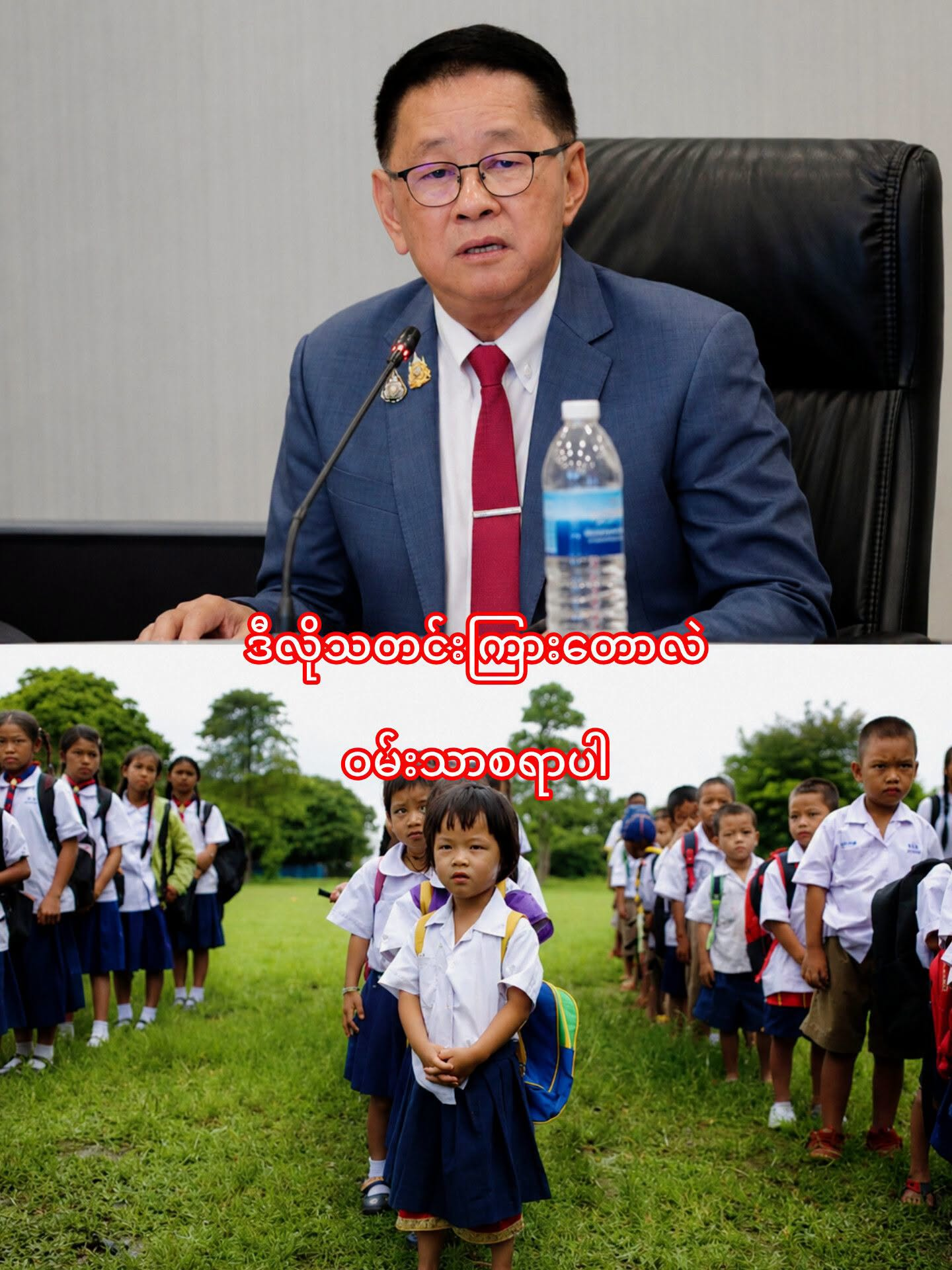
Bangkok, September 2026 — Thailand’s Education Minister Prasert Jantarongtong has confirmed that all children in Thailand — regardless of nationality or documentation — must have full access to basic education. This announcement is particularly significant for Myanmar migrant families, many of whom face bureaucratic hurdles when enrolling their children in schools.
But this is not a new story. Thailand’s migrant education policy has evolved since the 1990s, shaped by international treaties, grassroots initiatives, and the realities of mass migration.
Historical Context: From Exclusion to Inclusion
- 1990s beginnings: The influx of Myanmar migrants into Thailand’s labor market highlighted the absence of formal schooling for their children. Many were excluded due to lack of legal status.
- Emergence of Migrant Learning Centers (MLCs): By the late 1990s, Myanmar communities and NGOs established informal schools along the Thai-Myanmar border. These centers provided basic literacy and cultural education, often outside the formal Thai system.
- 2005 Cabinet Resolution: Thailand formally recognized the right of all children — including undocumented migrants — to free basic education. This was a landmark policy shift, aligning with the UN Convention on the Rights of the Child (ratified by Thailand in 1992).
- 2010s expansion: International donors and Thai universities supported MLCs, helping standardize curricula and create pathways into Thai schools.
- Persistent challenges: Despite policy guarantees, local implementation varied. Some schools resisted enrollment due to administrative burdens, language barriers, or resource shortages.
Today’s Policy Landscape
- Minister Prasert’s 2026 reaffirmation: Migrant and refugee children must not be excluded from education. Schools can assign provisional ID codes to undocumented students, ensuring enrollment.
- Collaboration with Interior Ministry: Efforts are underway to simplify registration procedures and reduce bureaucratic delays.
- NGO support: Organizations like BEAM Education Foundation and Save the Children continue to bridge gaps, offering language support and advocacy.
Implications for Myanmar Migrant Families
- Legal guarantee: No child can be denied schooling under Thai law.
- Practical advice: Parents should approach nearby public schools directly; if obstacles arise, NGOs and migrant worker associations can intervene.
- Future outlook: With over 200,000 non-Thai children still out of school, Thailand faces pressure to ensure that policy commitments translate into classroom realities.
Conclusion
Thailand’s journey from exclusion in the 1990s to today’s inclusive framework reflects both progress and persistent gaps. Minister Prasert’s announcement is a reminder that education is not a privilege but a right — one that migrant families must actively claim.
Myat Kyaw Soe is in Bangkok, Thailand. ·
ထိုင်းနိုင်ငံအတွင်း ရောက်ရှိနေကြတဲ့ ရွှေ့ပြောင်းလုပ်သား မိဘတွေအတွက် သတင်းကောင်းတစ်ခုအနေနဲ့ ကလေးငယ်တွေရဲ့ ပညာရေးအခွင့်အလမ်းနဲ့ ပတ်သက်ပြီး ထိုင်းပညာရေးဝန်ကြီး Prasert က အရေးကြီးတဲ့ ဆုံးဖြတ်ချက်တစ်ခုကို အတည်ပြုပြောကြားထားပါတယ်။
ထိုင်းနိုင်ငံမှာ နေထိုင်ကြတဲ့ ကလေးသူငယ်တွေအနေနဲ့ သူတို့ရဲ့ နောက်ခံအကြောင်းအရာ ဘယ်လိုပဲဖြစ်နေပါစေ ခွဲခြားဆက်ဆံမှုမရှိဘဲ ပညာသင်ကြားခွင့် အပြည့်အဝ ရရှိရမယ်လို့ ဆိုပါတယ်။ အထူးသဖြင့် ဒုက္ခသည်စခန်းတွေနဲ့ ရွှေ့ပြောင်းအခြေချသူတွေရဲ့ ကလေးငယ်တွေဟာ ပညာရေးစနစ်ထဲကနေ လွတ်ထွက်နေရတဲ့ ပြဿနာကို အဓိကထား ဖြေရှင်းသွားမှာဖြစ်ပါတယ်။ လက်ရှိမှာ မှတ်ပုံတင်ခြင်းဆိုင်ရာ အခက်အခဲတွေနဲ့ တင်းကျပ်တဲ့ စည်းမျဉ်းစည်းကမ်းတွေကြောင့် ကလေးငယ်တွေ ကျောင်းတက်ခွင့် ဆုံးရှုံးနေရတာကို ပြည်ထဲရေးဝန်ကြီးဌာနနဲ့ ပူးပေါင်းပြီး ဥပဒေလုပ်ထုံးလုပ်နည်းတွေကို ပိုမိုပြောင်းလွယ်ပြင်လွယ်ရှိအောင် ပြင်ဆင်ဆောင်ရွက်နေပြီဖြစ်ပါတယ်။ ထိုင်းနိုင်ငံရဲ့ မူဝါဒအရ ဘယ်ကလေးရဲ့ ပညာသင်ကြားခွင့်ကိုမှ ပိတ်ပင်တားဆီးထားတာ မရှိပါဘူး။
ဒီအခြေအနေတွေအရ ထိုင်းနိုင်ငံမှာ ရောက်ရှိလုပ်ကိုင်နေကြတဲ့ မြန်မာရွှေ့ပြောင်းလုပ်သားတွေအနေနဲ့ မိမိတို့ရဲ့ ကလေးငယ်တွေကို ကျောင်းအပ်နှံဖို့ ဘယ်တော့မှ မတွန့်ဆုတ်ကြဖို့ တိုက်တွန်းချင်ပါတယ်။ ထိုင်းပညာရေးဥပဒေအရ ကလေးတိုင်းမှာ တရားဝင်အထောက်အထား ရှိသည်ဖြစ်စေ၊ မရှိသည်ဖြစ်စေ အခြေခံပညာသင်ကြားပိုင်ခွင့် အပြည့်အဝ ရှိပါတယ်။ ကလေးတွေရဲ့ အနာဂတ်အတွက် ပညာရေးဆိုတာ အလွန်တရာမှ အရေးကြီးတဲ့အတွက် နီးစပ်ရာ အစိုးရကျောင်းတွေမှာ သွားရောက်စုံစမ်းပြီး အမြန်ဆုံး ကျောင်းအပ်နှံသင့်ပါတယ်။ ကျောင်းအပ်နှံတဲ့အခါမှာ တစ်စုံတစ်ရာ အခက်အခဲတွေ ကြုံတွေ့ခဲ့မယ်ဆိုရင်လည်း သက်ဆိုင်ရာ အလုပ်သမားအဖွဲ့အစည်းတွေနဲ့ ပညာရေးဆိုင်ရာ ကူညီဆောင်ရွက်ပေးနေတဲ့ အဖွဲ့အစည်းတွေထံကို ချက်ချင်း အကူအညီတောင်းခံနိုင်ပါတယ်။ မိမိတို့ရဲ့ ရင်သွေးငယ်တွေအတွက် ပညာသင်ကြားခွင့် အခွင့်အရေးကို ဘယ်တော့မှ လက်လွတ်မခံဘဲ မှန်မှန်ကန်ကန်နဲ့ အပြည့်အဝ အသုံးချကြဖို့ အသိပေးတိုက်တွန်းလိုက်ပါတယ်။