AI can sharpen the blade—but the doctor still has to do the cutting.
Adapted and translated from a post by Dr. Myo Lwin, based on the original post by Dr. Wunna Kyaw, with additional medical/AI perspectives and fact-checking by Dr. Ko Ko Gyi @ Abdul Rahman Zafrudin
🔪 Your Own Knowledge Is Your Most Valuable Possession
There is an old saying:
A knife stays sharp only when it is regularly sharpened, and a sharpening stone is needed to keep it sharp.
In my view, AI should be regarded like the sharpening stone.
The knife itself is our own knowledge, judgment and ability.
AI can help us sharpen our thinking—but we still have to do the thinking.
That distinction becomes especially important in medicine.
🚗 The Chauffeur and the Professor
There is a famous story associated with Nobel Prize-winning physicist Max Planck.
According to the story, Planck travelled around Germany giving lectures on the new quantum mechanics. His chauffeur heard the same lecture so many times that he eventually memorised it.
One day, the chauffeur jokingly suggested:
“Professor Planck, you must be tired of giving the same lecture. I know it by heart. Why don’t I give the lecture in Munich while you sit in the audience wearing my chauffeur’s hat?”
Planck agreed.
The chauffeur delivered the lecture perfectly.
But during the question-and-answer session, a physics professor asked a difficult technical question.
The chauffeur replied:
“I’m surprised that in a sophisticated city like Munich, a professor would ask such an elementary question. In fact, even my chauffeur can answer it.”
And he pointed toward Planck.
The story illustrates a powerful distinction between being able to reproduce knowledge and actually understanding it.
However, there is an important fact-checking point here.
Charlie Munger himself described this as an “apocryphal” story when he told it in his 2007 USC Law School commencement speech. Therefore, it is best treated as an illustrative anecdote, not as verified historical evidence that this incident actually happened to Max Planck.
Munger used the story to distinguish between what he called:
“Planck Knowledge”
Knowledge gained through genuine study, understanding, effort and intellectual ability.
and
“Chauffeur Knowledge”
The ability to repeat sophisticated information convincingly without possessing the underlying depth of understanding.
This distinction is particularly relevant in the age of AI.
🤖 AI Can Give Us Answers—But Can It Give Us Understanding?
Modern AI can produce an enormous amount of information within seconds.
It can:
- explain difficult concepts;
- summarise textbooks and research papers;
- compare clinical guidelines;
- generate differential diagnoses;
- challenge our clinical reasoning;
- identify gaps in our reasoning;
- create case-based learning exercises;
- explain a concept at different levels of complexity;
- help us explore unfamiliar diseases, drugs and investigations;
- analyse medical images in appropriately validated systems; and
- assist with clinical decision support.
The World Health Organization recognizes that AI has significant potential in diagnosis, treatment, health research, drug development and health-system functions—but also stresses the importance of safety, ethics, human rights, regulation and appropriate governance.
The American Medical Association’s 2026 policy position similarly emphasizes that AI should support rather than replace physician judgment, with transparency, accountability and physician oversight.
Therefore, saying simply that “AI only searches for information” is no longer accurate.
AI can be much more than a search engine.
But there is an equally important warning:
The fact that AI can explain something does not automatically mean that the doctor has understood it.
If we simply ask AI a question, copy the answer and move on, we may acquire Chauffeur Knowledge.
If we use AI to question ourselves, test our reasoning, consult authoritative sources, challenge assumptions and then apply what we have learned to real patients, AI can become a powerful learning partner.
📚 The Pleasure of Reading a Textbook
As a medical doctor, I understand very well why some doctors still love textbooks.
There is a particular pleasure in reading a difficult medical chapter slowly.
You read a paragraph.
You stop.
You think.
You read it again.
You connect it with something you learned years ago.
Then suddenly—
“Ah! So that’s why!”
A previously confusing concept becomes clear.
And the real satisfaction comes when that knowledge eventually connects with an actual patient in front of you.
That process is not merely memorisation.
It is learning, reasoning and integration.
AI can certainly help create such moments too. A doctor can read a textbook chapter and then ask AI to explain an unclear concept from several different angles.
But the intellectual work should not simply be outsourced.
The questioning, checking, understanding and judgment must remain ours.
🇮🇳 What About Mahatma Gandhi?
Another story in the original post concerns Mahatma Gandhi’s legal education in London.
This one has considerably stronger documentary support.
Gandhi wrote about how many students prepared for examinations by cramming notes for a relatively short period. He, however, bought the prescribed textbooks and deliberately read them because he believed that merely relying on notes was inadequate.
The lesson is not that every student must read every page of every textbook from beginning to end.
The deeper lesson is:
Do not confuse passing an examination with mastering a subject.
That lesson remains relevant in the AI era.
AI can make examination preparation dramatically easier.
But becoming a competent physician requires something much deeper than producing correct answers.
👨⚕️ In Medicine, Books Alone Are Not Enough
There is an equally important lesson from Sir William Osler, one of the great figures in modern medical education.
Osler famously wrote:
“To study the phenomena of disease without books is to sail an uncharted sea, while to study books without patients is not to go to sea at all.”
The quotation is well documented in Osler’s writings and later collections of his work.
The message is beautifully simple:
Books without patients are insufficient.
But:
Patients without knowledge are dangerous.
A doctor needs both.
Medical knowledge tells us what diseases can do.
Clinical experience teaches us how diseases actually present in human beings.
And clinical reasoning helps us decide what to do when the patient does not fit perfectly into a textbook description.
That is why bedside and patient-based teaching remain fundamental components of medical education.
🧑🏫 The Importance of a Good Teacher
Another part of the original post deserves emphasis.
A good teacher can sometimes accomplish in five minutes what a student has failed to accomplish after five years of reading.
A student may repeatedly encounter a difficult concept without understanding it.
Then an experienced teacher explains it from a different perspective:
“Look at it this way…”
Suddenly everything falls into place.
That is one of the great gifts of medical education.
And AI can sometimes perform a similar function.
We can ask:
- “Explain this to me as a medical student.”
- “Now explain it as a specialist.”
- “Give me an analogy.”
- “What am I misunderstanding?”
- “Challenge my differential diagnosis.”
- “What evidence would make you change the diagnosis?”
- “What important diagnosis am I missing?”
In that sense, AI can sometimes behave like a tutor or discussion partner.
But a human clinical teacher has something AI does not fully possess:
direct responsibility for the patient, accumulated real-world clinical experience, observation of the learner, and the ability to supervise actual clinical practice.
AI should therefore complement good teachers—not eliminate them.
🩺 My Own Perspective as a General Practitioner
For me, the most useful model is not:
Textbook OR AI
but:
Basic Medical Knowledge + Patient Examination + Clinical Experience + Good Teachers + Evidence + AI
My own practical approach would be something like this:
1. Start with basic medical knowledge
A doctor must possess a foundation of general medical knowledge.
We cannot outsource the entire foundation of medicine to AI.
2. Examine the patient
History-taking, physical examination and direct observation remain fundamental.
No AI can replace the responsibility of actually assessing the patient.
3. Use AI to challenge and support clinical reasoning
After assessing the patient, AI can be useful for discussing:
- differential diagnoses;
- appropriate investigations;
- possible management options;
- drug interactions;
- guideline comparisons;
- unusual presentations;
- alternative explanations; and
- questions that we may have overlooked.
But AI-generated information must be critically checked, especially when patient safety is involved.
💊 4. AI Can Solve Surprisingly Simple Problems
Sometimes the benefit of AI is not spectacular at all.
It may simply solve a puzzle that would otherwise waste valuable time.
For example, a patient may remember only the brand name or generic name of a medicine manufactured in an unfamiliar country.
A doctor may not immediately recognise it.
A reliable search or AI-assisted lookup can often identify the drug, its class and relevant information very quickly.
That does not replace medical knowledge.
It simply saves time.
And saving time can itself improve patient care.
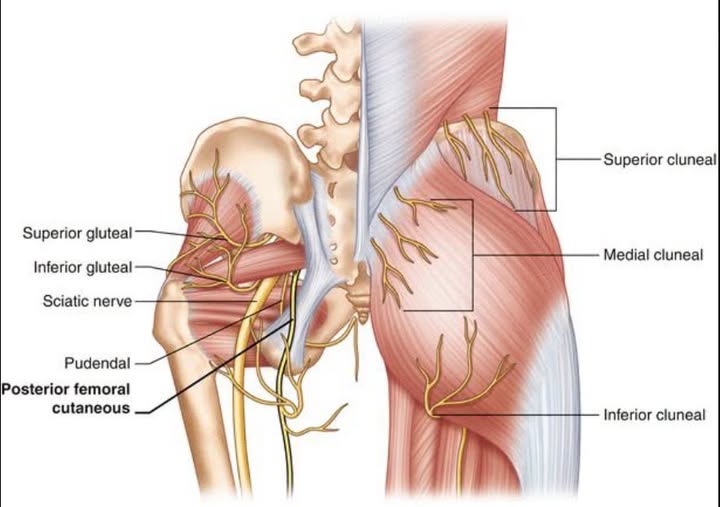
🖼️ 5. Visual Information Is Extremely Useful for a GP
For a general practitioner, another major advantage of modern digital tools is access to medical images and visual explanations.
A GP sees patients from almost every area of medicine.
Unlike a specialist, we cannot realistically memorise every anatomical variation, dermatological appearance, radiological sign, pathological image or rare disease.
Sometimes a picture is worth far more than several paragraphs of text.
Searching for a reliable image of:
- a dermatological condition;
- an anatomical structure;
- an ECG pattern;
- an X-ray finding;
- an ophthalmological sign; or
- a characteristic clinical manifestation
can be much faster than searching through multiple textbooks.
AI can make this process even more interactive by explaining what we are looking at.
However, visual AI must not be treated as automatically correct, particularly when diagnosis or treatment depends on the interpretation.
🏥 6. Finding the Right Specialist or Hospital
Even something as simple as referring a patient can benefit from digital tools.
A GP may know that a patient needs a particular specialist—but then comes another practical question:
Where should the patient go?
The doctor may need:
- the appropriate hospital;
- the relevant specialist department;
- the address;
- contact information;
- opening hours; and sometimes
- directions.
A reliable online search can provide the information quickly.
For patients in Malaysia, having the correct hospital address can even allow them to arrange transport through services such as Grab.
This is not “medical intelligence.”
It is practical intelligence.
And technology can make it considerably easier.
🧠 From Knowledge to Clinical Expertise
Perhaps we should therefore be careful with the phrase:
Knowledge → Wisdom
It is not quite that simple.
Reading a textbook does not automatically create wisdom.
Neither does asking AI hundreds of questions.
Clinical expertise develops through a combination of:
**Knowledge
- Reasoning
- Experience
- Practice
- Feedback
- Reflection
- Understanding uncertainty
- Professional judgment**
And, ultimately, responsibility for real human beings.
That is why a doctor who has memorised thousands of facts may still struggle with an unfamiliar patient.
Medicine is not simply a memory contest.
It is the application of knowledge to an individual human being under conditions of uncertainty.
⚔️ AI Should Be the Sharpening Stone—Not the Knife
So, has AI made medical textbooks obsolete?
No.
But AI has changed how we should use textbooks.
We no longer have to choose between:
“Read everything”
and
“Ask AI everything.”
A much better learning cycle may be:
READ → QUESTION → THINK → DISCUSS → CHECK → APPLY → GET FEEDBACK → REASSESS
Textbooks provide structured foundations.
Guidelines provide current recommendations.
Primary research provides new evidence.
Teachers provide experience and mentorship.
Patients provide the reality of medicine.
And AI can connect, explain, challenge and accelerate the entire learning process.
🌱 The Real Danger Is Not AI
The greatest danger may not be that AI becomes too powerful.
It may be that we become intellectually lazy because AI is powerful.
If we stop reading, stop questioning and stop thinking because AI can give us an answer in seconds, we may become extremely efficient producers of Chauffeur Knowledge.
But if we continue to learn, think, question, verify and practise—and use AI as a tool—we may become better doctors.
The difference lies not in the technology.
It lies in how we use it.
🎯 My Conclusion
As doctors, we need to maintain our own basic medical knowledge.
We must examine our patients.
We must learn from experienced teachers.
We must read textbooks and current evidence.
We must develop clinical reasoning through experience.
And now, we should also learn how to use AI intelligently.
AI is not merely an information-retrieval machine anymore.
It can be a tutor, a discussion partner, a research assistant, a reasoning challenger and, in appropriate validated applications, a clinical decision-support tool.
But it should remain an assistant—not the doctor.
The final responsibility for a patient’s care cannot simply be handed over to a machine.
Perhaps the best analogy is therefore not:
AI versus Textbooks.
It is:
Doctor + Textbook + Patient + Teacher + Evidence + AI
The textbook gives us the map.
The teacher helps us understand the map.
The patient takes us into the real world.
Experience teaches us how the terrain actually behaves.
And AI can help us search, compare, question and sharpen our thinking.
AI can be the sharpening stone.
But the blade must still be ours.
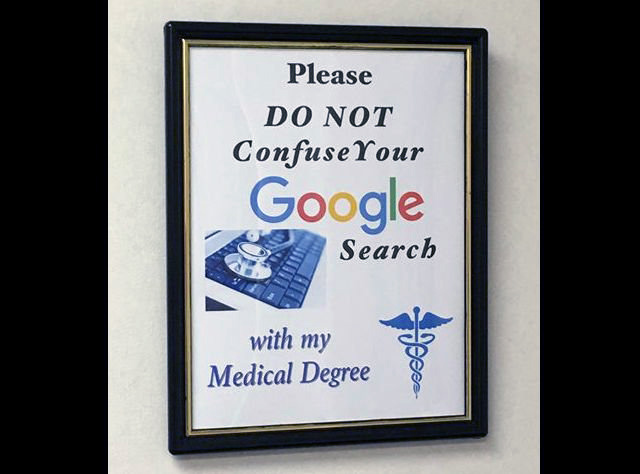
🩺 “Don’t Confuse My Medical Degree with a Google Search”
There is a humorous saying among doctors:
“Don’t confuse my medical degree with your Google search.”
It makes an important point.
A search engine—or now an AI system—can retrieve information in seconds.
But retrieving information is not the same thing as becoming a doctor.
I learned this lesson long before Google, smartphones, computers or artificial intelligence existed.
📚 How I Studied Medicine—More Than Half a Century Ago
When I was in high school in the late 1960s and later at Medical University in the early 1970s, I was never satisfied with simply reading examination notes.
I listened carefully to my own class lectures, but I also attended tutorial sections conducted for other classes whenever I could.
I even listened to lectures given to younger classes.
I wrote things down.
I read them again.
But, most importantly, I did not regard the lecture notes as the whole of medical knowledge.
I paid attention to the textbooks that our lecturers and professors themselves brought into the classroom.
I wanted to know:
What books were they actually using?
What did they recommend that we read?
So I read not only the prescribed textbooks, but also the additional books recommended by our teachers.
Then, approximately four months before the final examinations, I would begin a rapid but comprehensive reading of the selected textbooks, going through them from cover to cover.
During my second revision, I would return to all my lecture notes and the notes I had personally made.
Then, about one month before the examination, I would turn to the questions from previous years.
I would try to answer them myself—and whenever I could not, I would go back to the textbooks and search for the answers.
There was no Google.
There was no computer.
There was no internet.
There was certainly no ChatGPT.
There was only:
the lecture, the teacher, the textbook, the notebook, the question paper—and my own brain.
Looking back, I realise that this was not simply an examination strategy.
It was a process of building layers of knowledge.
Layer 1 — Listen
Learn from the teacher.
Layer 2 — Record
Write down what was taught and what seemed important.
Layer 3 — Read
Go beyond the lecture and study the textbooks.
Layer 4 — Think
Try to understand rather than merely memorise.
Layer 5 — Revise
Return repeatedly to the material.
Layer 6 — Test Yourself
Use previous examination questions to discover what you actually know—and what you do not know.
Layer 7 — Apply
Ultimately, medical knowledge has to connect with real patients.
That last step is what turns academic knowledge into clinical competence.
🤖 What Has Changed—and What Has Not?
Today, a medical student can perform in seconds what once took me hours.
A student can ask AI:
“Explain this concept.”
Then:
“Give me an example.”
Then:
“Compare these two diseases.”
Then:
“Quiz me on this topic.”
Then:
“Challenge my diagnosis.”
This is an extraordinary educational advantage.
We should use it.
But there is a danger.
If the student simply asks AI for the answer, copies it and memorises it, AI may produce exactly the kind of “Chauffeur Knowledge” described in the earlier discussion.
If, however, the student uses AI to question, challenge, explain, test and deepen their own thinking, it can become a powerful educational tool.
That is the difference between:
Using AI to avoid learning
and
Using AI to learn better.
🎓 My Medical Degree Still Matters
A Google search does not know my patient.
An AI system does not automatically know what I observed when I examined that patient.
Neither a search engine nor an AI model carries the professional responsibility that a doctor carries when making a clinical decision.
The modern doctor therefore needs something more than either a medical degree or AI.
We need:
Medical knowledge + clinical examination + reasoning + experience + evidence + good teachers + appropriate technology.
And yes—AI.
But AI should remain a tool that makes the doctor’s mind sharper, not a substitute for having a mind.
That brings me back to the metaphor I particularly like:
AI can be the sharpening stone.
But the medical knowledge, judgment and responsibility must belong to the doctor.
That was true when I was studying medicine in the early 1970s.
And despite all the extraordinary changes in technology since then,
I believe it remains true today.
I think this personal section is much stronger than simply saying “doctors should read textbooks.” It demonstrates how deep learning was actually done before digital technology—and, interestingly, your method already contained a primitive version of today’s best learning cycle:
Learn → explore → read deeply → revise → test yourself → identify gaps → go back to the source.
The only major difference is that today’s student has an extraordinarily powerful new “questioning and feedback partner” available through AI.
And there is a nice connection with your original knife metaphor:
In the 1970s, the sharpening stones were teachers, textbooks, lectures, notes and experience. Today, AI has become another sharpening stone—but it has not become the knife.
Dr Myo Lwin
Credit to Dr. Wunna Kyaw ကိုယ်ပိုင်ပစ္စည်းက တန်ဘိုးအရှိဆုံးပါ
ဓါးလိုပဲ သွေးနေမှ ထက်မှာ သံချေး ကင်းမှာ
ဒါပေမဲ့ ဓါးသွေး ကျောက် တော့လိုတာပါ
AI က ဓါးသွေး ကျောက်လိုပဲ နေရာထားသင့်တယ်လို့ ကျွန်တော့်အမြင်ပါ
သွေးရမှာက ကိုယ့်အလုပ် ပေါ့
AI တွေပေါ်လာပီ။ Medical Textbooks တွေဖတ်စရာမလိုတော့လား ?
The Chauffeur Knowledge vs Expert Knowledge
Noble Prize Winner ရူပဗေဒပညာရှင် (Max Planck) ဂျာမနီပတ်ပီး သူ့ရဲ့ ဆုရ Lecture ဟောတော့ သူ့ယာဉ်မောင်း chauffeur က သွားလေရာ အမြဲပါပေါ့။ Chauffer က သူ့ဆရာ Lecture ကို အခေါက်ခေါက် အခါခါ နားထောင်ရတော့ အလွတ်ရနေပီ။ တရက်တော့ သူ့ဆရာကို အကြံပေးတယ်။
“ဆရာကြီးလည်း အမြဲ ဒီ lecture ပဲဟောနေရတာ ပျင်းနေလောက်ပီ။ သူလည်း နားထောင်ပါများလို့ အလွတ်ရနေပီ။ ဒီတခေါက် Munich ပွဲကျ သူတက်ဟောမယ်။ ဆရာကြီးက ယာဉ်မောင်းဟန်ဆောင်ပီး အောက်ကနားထောင်ပေ့ါ။” Planck လည်းသဘောတူတယ်။
အဲ့ဒါနဲ့ ဟောပြောပွဲနေ့ရောက်။ သူ့ယာဉ်မောင်းက တက်ဟော။ ချောချောမွေ့မွေ့နဲ့ ပီးသွားတယ်။ ပွဲပီး အမေးအဖြေကဏ္ဏရောက်တော့ ပွဲလာတဲ့ Professor တယောက်က Lecture ရဲ့ အသေးစိတ်အချက်တခုကို မေးခွန်းထမေးတယ်။ Chauffeur က ဘယ်လိုပြန်ဖြေလဲဆိုရင် “Munich လိုမြို့ကြီးမှာ Professorကြီးတယောက်က ဒီလောက်လွယ်တဲ့ မေးခွန်းမျိုး ထမေးတာ အင်မတန်အံ့ဩမိတယ်။ ဒီလိုမေးခွန်းမျိုးက သူ့ယာဉ်မောင်းတောင်ဖြေတတ်ပါတယ်” ဆိုပီး စင်အောက်က သူ့ဆရာကို မိုက်ထိုးပေးလိုက်တယ်ပေါ့ဗျာ။
Charlie Munger သိပ်ကြိုက်တဲ့ပုံပြင်လေးပေါ့။
Knowledge မှာ နှစ်မျိုးရှိတယ်ဆိုပီး သူထောက်ပြခဲ့တာ။
၁။ Chauffeur Knowledge: သူများပြောတာကို ပြန်ရွတ်ပြတာ။ အပေါ်ယံ အလွတ်ကျက်မှတ်ထားတာ။ ခူးပြီးခပ်ပြီး ရလာတဲ့ “Knowledge”
၂။ Planck (Expert) Knowledge: ကိုယ်တိုင် အချိန်ပေးပီး သေချာစဉ်းစားဆင်ခြင်သုံးသပ်ပီးမှရလာတဲ့ “Wisdom”
အခုခေတ် AI တွေက ကျနော်တို့ကို ‘Chauffeur Knowledge’ တွေ စက္ကန့်ပိုင်းအတွင်း ခူးခပ်ပီး ပေးနိုင်ပါတယ်။ ဒါပေမဲ့ ကိုယ်တိုင် စဉ်းစားဆင်ခြင်သုံးသပ်မှု မပါရင်၊ အဲ့ဒီ Knowledge ဟာ ကျနော်တို့ရဲ့ ကိုယ်ပိုင် (Wisdom) ဘယ်တော့မှ ဖြစ်လာမှာမဟုတ်ပါဘူး။
Textbooks ဖတ်ခြင်း ‘အရသာ’ နဲ့ ဉာဏ်အလင်းပွင့်ခြင်း
Medicine သမားဖြစ်တဲ့အတွက် Textbooks တွေ ဇိမ်ပြေနပြေ ဖတ်ရတာ သိပ်ကြိုက်ပါတယ်။
Textbooks တွေထဲက စာကြောင်းတကြောင်းချင်းစီလိုက်ဖတ်ရတာကိုက အရသာ။ ဖတ်လိုက် တွေးလိုက် ပြန်ဖတ်လိုက် ပြန်တွေးလိုက် လုပ်ရတာကိုက အရသာ။ ကိုယ်မရှင်းတဲ့ Concept တခု ဖြတ်ကနဲ့သဘောပေါက်သွားရင်၊ ဪ ဒါက ဒီလိုပါလားဆိုပီး အလင်းပွင့်သွားရင်၊ Clinical မှာ တကယ့်လူနာနဲ့ ချိတ်ဆက်မိလိုက်ရင် သိပ်ပီတိဖြစ်ရတာပါ။ ဒီလိုအရသာကို AI က မပေးနိုင်ပါဘူး။
အကိုတယောက် ကိုယ့်ကို ဆုံးမနေကျ ပုံပြင်လေးရှိတယ်။ မဟတ္တမဂန္ဒီ ရှေ့နေစာမေးပွဲ ဖြေတော့ Notes တွေ ဖတ်ပြီး ဖြေလို့ရပါလျက်နဲ့ ဥပဒေပညာကို အင်မတန်မြတ်နိုးတာကြောင့် မူရင်း Textbooks အထူကြီးတွေကို စာမျက်နှာတရွက်မကျန် သေချာဖတ်ပြီးမှ သွားဖြေခဲ့ပါတယ်တဲ့။
ဆေးပညာမှာ ကိုယ့်ကိုသင်ပြပေးမယ့် ဆရာကောင်းလိုတာ
ဆရာကောင်းရှိဖို့ ဘယ်လောက်တောင်အရေးကြီးလဲဆိုတာ ရှင်းပြစရာတောင်မလိုပါဘူး။ ကိုယ်တွေလို ဆေးကျောင်းမှာ စာမတော်ခဲ့တဲ့သူ၊ စာမေးပွဲတွေကျခဲ့တဲ့သူကို ကျောင်းပီးတော့ နိုင်ငံခြားစာမေးပွဲတွေအောင်မြင်အောင်၊ Medicine ကိုချစ်တတ် ဖတ်တတ်လာအောင်၊ လူနာတွေကို Confidence ရှိရှိနဲ့ကုရဲအောင်- Progress ဖြစ်လာတာသည် ဒီဆရာတွေရဲ့ ကျေးဇူးကြောင့်ပါ။ ကိုယ်အနှစ်နှစ် အလလ ဖတ်ပီး နားမလည်တဲ့ တိုင်ပတ်နေတဲ့ Concept တခုကို တချက်တည်း တန်းမြင်အောင်ရှင်းပြပေးနိုင်တယ်။ ဒါလည်း AI က မသင်ပေးနိုင်ပါဘူး။
ဆေးပညာဖခင်ကြီး Sir William Osler ရဲ့ နာမည်ကျော်ဆိုရိုးစကားလေး
“To study the phenomena of disease without books is to sail an uncharted sea, while to study books without patients is not to go to sea at all.”
“စာမဖတ်ပဲ ရောဂါ ကုသခြင်းသည် မြေပုံမပါဘဲ ပင်လယ်ထဲ ရွက်လွှင့်တာနဲ့တူတယ်။ အဲ့ဒီထက်ဆိုးတာကတော့ စာပဲဖတ်ပီး လူနာမကုတာသည်ပင်လယ်ထဲကို လုံးဝမသွားတာနဲ့ တူတူပါပဲတဲ့”
စာတွေဘယ်လောက်ဖတ်ဖတ်
AI ကိုဘယ်လောက်မေးမေး
လူနာကို လက်တွေ့မကုသနိုင်ဘူးဆို အသုံးမဝင်ပါဘူး။ ကျနော်တို့ ရှာဖွေစုဆောင်းထားတဲ့ Knowledge တွေဟာ Clinical နဲ့ ပြန်ချိတ်ဆက်ပီး လူနာကို လက်တွေ့ စမ်းသပ်ကုသပေးနိုင်တဲ့အခါကျမှသာ အသက်ဝင်လာတာပါ။
နိဂုံးချုပ်ရရင်
AI သည် Informations ရှာပေးရုံသာ ဖြစ်ပြီး၊
ဒီ Informations တွေကို လူနာအသက်တွေကယ်တင်နိုင်တဲ့ Wisdom အထိ ကိုယ်ကိုယ်တိုင်ပဲ စဉ်းစားဆင်ခြင်ပီး ပြောင်းလဲရမှာပါ။
ကိုယ်သိတာသည် “Expert Knowledge” လား
ဒါမှမဟုတ် ယာဉ်မောင်းလို အလွတ်ကျက်ထားတဲ့ “Chauffeur Knowledge” လား ဆိုတာကတော့
ကိုယ်တိုင် ဘယ်လောက် စဉ်းစားဆင်ခြင်ပြီး ဖတ်
ထားလဲ၊ ဆရာကောင်းတွေရဲ့ သင်ကြားမှုတွေဘယ်လောက် ခံယူထားလဲ၊ လူနာတွေကို ဘယ်လောက်တောင် စမ်းသပ်ကုသထားလဲ ဆိုတဲ့အပေါ်မှာပဲ မူတည်ပါလိမ့်မယ်ဗျ။
Dr. Wunna Kyaw
3.8.2026
Rebuttal by Dr Htay Win
ဒီ Post ကို medical/AI perspective နဲ့ fact-check + အမြင် ပေးရမယ်ဆိုရင်—အဓိကအယူအဆက ကောင်းပါတယ်။ ဒါပေမယ့် ဆေးပညာအတွက်ဆိုရင် “AI = Information ရှာပေးရုံ” လို့ သတ်မှတ်ထားတာက ယနေ့အခြေအနေမှာ နည်းနည်းကျဉ်းပါတယ်။
အဓိက ပြင်သင့်တဲ့အချက်တွေ
1. “AI က Information ရှာပေးရုံ” ဆိုတာ မပြည့်စုံပါ။
AI က information retrieval တင်မကဘဲ—
Differential diagnosis စဉ်းစားဖို့ ကူညီနိုင်တယ်
Guideline တွေကို summarize/compare လုပ်နိုင်တယ်
Clinical reasoning ကို challenge လုပ်နိုင်တယ်
Case-based learning လုပ်နိုင်တယ်
ကိုယ်မသိတဲ့ concept ကို အဆင့်ဆင့်ရှင်းပြနိုင်တယ်
ကိုယ့် reasoning ထဲက gap/error တွေကို ထောက်ပြနိုင်တယ်
ဒါကြောင့် AI ဟာ “Chauffeur” တစ်ယောက်တည်းမဟုတ်ဘဲ၊ ကောင်းကောင်းအသုံးချရင် tutor / discussion partner / clinical reasoning assistant တစ်ခုပါ ဖြစ်နိုင်ပါတယ်။
2. “AI က ဒီလိုအရသာကို မပေးနိုင်ဘူး” ဆိုတာ opinion အနေနဲ့တော့ ရပါတယ်။
ဒါပေမယ့် absolute statement မလုပ်တာပိုကောင်းပါတယ်။ AI နဲ့ textbook တစ်ခန်းကို ဖတ်ပြီး မရှင်းတဲ့နေရာတွေကို ဆက်မေးဆက်ဆွေးနွေးရင်း concept တစ်ခု “အလင်းပွင့်” သွားတာလည်း ဖြစ်နိုင်ပါတယ်။
3. Textbook တွေကို မဖတ်တော့လို့ရပြီလား? — မရပါ။
ဒါပေမယ့် Textbook တစ်အုပ်လုံးကို အစအဆုံးဖတ်မှ တတ်မြောက်မယ် ဆိုတဲ့ learning model ကလည်း ယနေ့ခေတ်မှာ တစ်ခုတည်းသောနည်းလမ်း မဟုတ်တော့ပါ။
အကောင်းဆုံးက—
Textbook + Guidelines + Primary literature + Clinical experience + Good teachers + AI
တို့ကို အချင်းချင်းဖြည့်စွက်အသုံးပြုတာပါ။
4. “Knowledge → Wisdom” ဆိုတာကိုလည်း နည်းနည်းသတိထားသင့်ပါတယ်။
စာဖတ်ပြီး စဉ်းစားတာနဲ့ Wisdom အလိုအလျောက်ဖြစ်လာတာမဟုတ်ပါဘူး။ Clinical medicine မှာ knowledge + reasoning + experience + uncertainty management + judgment + feedback တွေ ပေါင်းမှ clinical expertise ဖြစ်လာတာ ပိုမှန်ပါတယ်။
5. Max Planck–chauffeur ပုံပြင်ကို သမိုင်းအချက်အလက်အဖြစ် တင်မယ်ဆိုရင် source တစ်ခုနဲ့ verify လုပ်သင့်ပါတယ်။
ဒီဇာတ်လမ်းဟာ Max Planck နဲ့ ဆက်စပ်ပြီး အများကြီးပြန်လည်ပြောဆိုကြတဲ့ anecdote ဖြစ်ပေမယ့် “အမှန်တကယ် ဒီအတိုင်းဖြစ်ခဲ့တယ်” လို့ သမိုင်းမှတ်တမ်းအဖြစ် ပြောဖို့တော့ သတိထားသင့်ပါတယ်။ ထို့အပြင် “Chauffeur Knowledge vs Expert Knowledge” ကို Charlie Munger က ဒီဇာတ်လမ်းကနေ တိတိကျကျ ဒီ terminology နှစ်ခုနဲ့ သတ်မှတ်ခဲ့တယ် ဆိုတာကိုလည်း source မရှိဘဲ definitive claim မလုပ်တာပိုကောင်းပါတယ်။
Medical education အတွက် ပိုအားကောင်းတဲ့ takeaway
ဒီ Post ရဲ့ အကောင်းဆုံး message က—
AI ကို textbook အစားထိုးအဖြစ် မသုံးပါနဲ့။ Textbook ကိုလည်း AI မသုံးဘဲ ဖတ်ဖို့ မလိုတော့ဘူးလို့ မယူဆပါနဲ့။
AI ကို “answer machine” အဖြစ်ပဲသုံးရင် Chauffeur Knowledge ရနိုင်ပါတယ်။
AI ကို “မေးခွန်းပြန်မေးတဲ့ tutor” အဖြစ်သုံးပြီး ကိုယ်တိုင် textbook/guideline ဖတ်၊ reasoning လုပ်၊ clinical case တွေနဲ့ ပြန်ချိတ်ဆက်ရင်တော့ AI က expertise တည်ဆောက်တဲ့ learning process ကိုတောင် ပိုကောင်းအောင် ကူညီနိုင်ပါတယ်။
အထူးသဖြင့် Medicine မှာ—
Read → Question → Reason → Discuss → Apply → Get feedback → Reassess
ဆိုတဲ့ cycle က အရေးကြီးပါတယ်။
ဒါကြောင့် “AI ခေတ်မှာ Textbook မလိုတော့ဘူးလား?” ဆိုရင် — မလိုတော့တာ မဟုတ်ပါ။ Textbook ဖတ်တဲ့ နည်းလမ်း နဲ့ AI အသုံးပြုတဲ့ နည်းလမ်း ပြောင်းသွားတာပါ။