Introduction
And Zohran Mamdani quotes Jawaharlal Nehru’s ‘Tryst with Destiny’ as he clinches NYC mayoral victory
Independence speeches are more than ceremonial words; they are moral compasses for nations. In 1947, Jawaharlal Nehru’s Tryst with Destiny pledged India to justice, equality, and service to the millions who suffered. Just months earlier, in Burma, General Aung San articulated a vision of nationalism rooted not in race or religion, but in the shared experience of living together, sharing joys and sorrows, and building a common destiny.
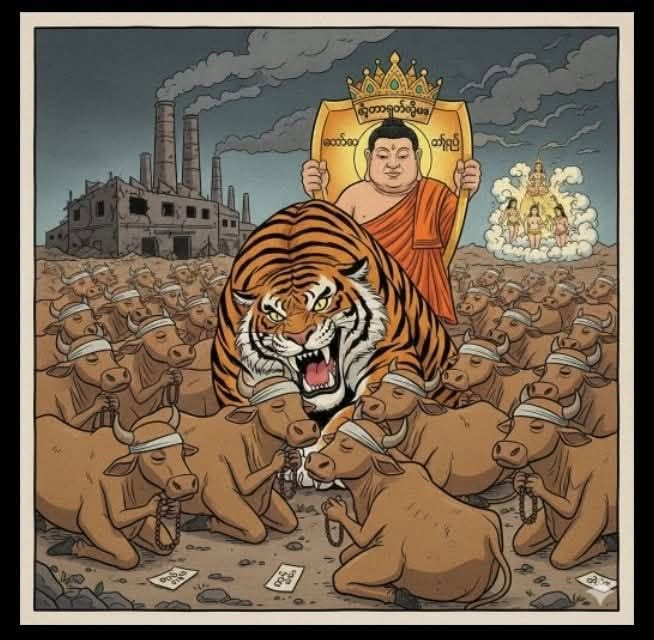
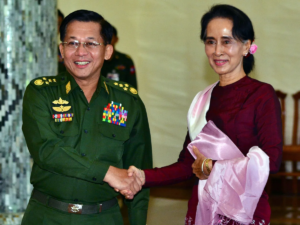
Both leaders framed independence as a collective awakening. Yet, decades later, their visions stand in stark contrast to the politics of exclusion and communalism that have taken root — in India through selective remembrance, and in Myanmar through the Islamophobia of Min Aung Hlaing and the Ma Ba Tha movement.
Nehru’s Midnight Pledge
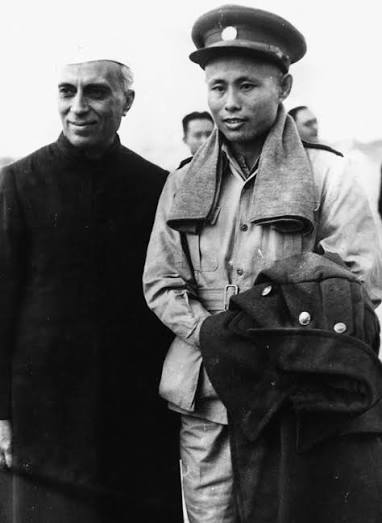
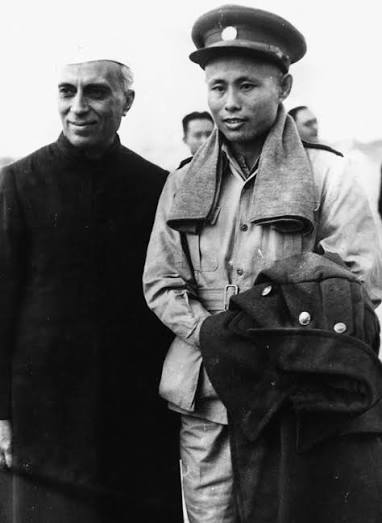
Nehru’s words — “At the stroke of the midnight hour, when the world sleeps, India will awake to life and freedom” — captured the soul of a nation stepping into responsibility. He called for ending poverty, ignorance, and inequality, and for building a democratic India where “all her children may dwell.” His vision was inclusive, rejecting communalism and narrow-mindedness, and pledging cooperation with the world for peace and democracy.
It was a promise that independence would mean not just freedom from colonial rule, but freedom from want, injustice, and division.
Aung San’s Inclusive Nationalism
General Aung San, Burma’s independence hero, spoke with striking clarity about the meaning of nationalism. “Race, religion, and language are thus by themselves not primary factors which go to the making of a nation,” he declared. For him, nationality was defined by the necessity of living a common life, sharing joys and sorrows, and fostering traditions of unity.
He welcomed Indians, Chinese, Muslims, Christians, and animists as brothers and sisters, reminding the Burmese people that these communities had fought alongside them against colonialism. He warned against opportunist leaders who exploit nationalism for selfish ends, fomenting racial strife to divert attention from justice and freedom. His appeal to the Sangha was equally powerful: monks should preach unity, love, and freedom from fear and superstition, guiding the people toward reconstruction both materially and spiritually.
The Betrayal of the Vision
If Nehru’s absence from India’s 75th anniversary celebrations symbolized selective erasure, Myanmar’s present reflects outright betrayal. Min Aung Hlaing’s military regime, aligned with Ma Ba Tha’s extremist monks, has weaponized religion to marginalize Muslims, especially the Rohingya. Where Aung San envisioned a nation embracing diversity, today’s junta enforces exclusion, declaring Buddhism as the state’s identity and fostering Islamophobia as a political tool.
The irony is stark: Aung San warned that if Burma imposed one religion as the state’s, the nation would collapse into ruin. His words — “If we oppress them and declare only the majority’s religion as the state religion, we will become despised and degraded” — now read as prophecy fulfilled.
Two Paths, One Lesson
India and Myanmar share a parallel history of midnight awakenings. Nehru and Aung San both pledged unity, justice, and service to the suffering. Yet, both nations today wrestle with the erosion of those ideals — India through the airbrushing of Nehru’s legacy, Myanmar through the militarization of religion and race.
The lesson is clear: nationalism rooted in exclusion corrodes the very foundations of freedom. True independence, as both leaders insisted, is not merely external liberation but internal justice — freedom from poverty, ignorance, fear, and division.
Conclusion
Seventy-five years on, Nehru’s Tryst with Destiny and Aung San’s inclusive nationalism remain moral compasses. They remind us that independence is not a flag or a slogan, but a pledge to unity and justice. As India and Myanmar navigate their contested presents, the question is whether they will honour those midnight promises — or allow opportunist politics to betray them.
History, as Nehru said, begins anew with each generation. The challenge is whether nations will remain true to their tryst with destiny, or surrender it to the narrow politics of erasure and exclusion.
Zohran Mamdani quotes Jawaharlal Nehru’s ‘Tryst with Destiny’ as he clinches NYC mayoral victory
Lakhshya L.
Zohran Mamdani against the RACIST/BIGOTS TRUMP and Modi
Why is Zohran Mamdani against the BJP-RSS? And does that make him anti-India?
First, know who Mamdani is. His father, Mahmood Mamdani, is a Gujarati Muslim, and his mother is filmmaker Mira Nair, born in Odisha and raised in Bhubaneswar. His Indian heritage is undeniable.
So why is he critical of the BJP-RSS?
Remember Gujarat 2002. Bilkis Bano, a pregnant Gujarati Muslim woman, was gang-raped and seven members of her family were murdered. Eleven men were convicted. In 2022, the Gujarat government released them. They were publicly welcomed with sweets and garlands. BJP MLA C.K. Raulji even called them “Brahmins with good sanskaar.” Union Minister Pralhad Joshi defended their release.
So if someone opposes the politics associated with that ideology, why call them anti-India?
Mamdani himself invoked Jawaharlal Nehru’s “Tryst with Destiny” speech after winning the New York mayoral election, the same historic speech delivered on the eve of Indian independence.
BJP is not India. RSS is not India. Hindutva is not India.
Mamdani can be anti-BJP, anti-RSS and anti-Hindutva while still being deeply connected to India.
The tragedy is that some Indians cannot look past his Muslim identity.
If today there is a global leader who represents a more Nehruvian vision of India, Mamdani comes pretty close.
Mamdani is not anti-India. He simply refuses to confuse India with Hindutva.
Diamond he is.