A persistent global media pattern reveals double standards in crime reporting—often referred to as Islamophobic news practices. When a crime is committed by a Muslim individual, media outlets routinely highlight their religious background and frequently apply labels like “terrorist.” Conversely, when similar or worse crimes are committed by non-Muslims, the perpetrator’s religion is omitted, and the act is often framed as an isolated incident or attributed to mental instability.
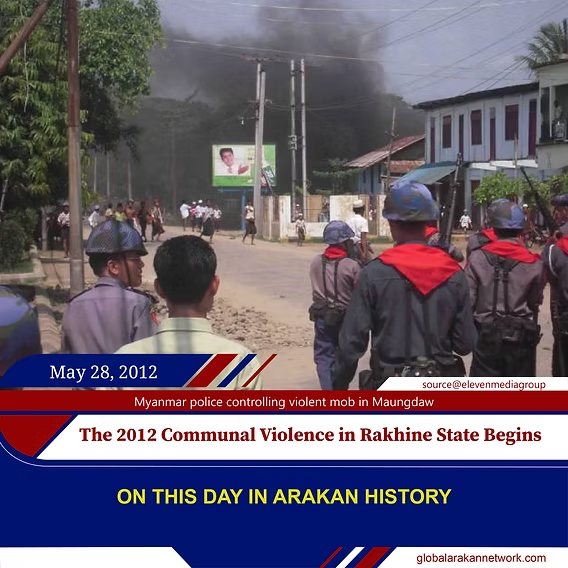
Case Study: The 2012 Violence in Rakhine State A tragic example of selective media coverage and its dangerous real-world consequences occurred in 2012:
- The Incident: Following the rape and murder of Ma Thida Htwe, initial reports quickly fixated on ethnic and religious lines. Although it was a robbery-murder and the primary perpetrator was a Buddhist convert (rather than a Rohingya Muslim), sensationalized online reports and graphic imagery circulated widely.
- The Escalation: This inflammatory reporting directly triggered the massacre of roughly ten Burmese Muslim Tablighi pilgrims at Taungup.
- The Aftermath: This event sparked the 2012 anti-Muslim violence in Rakhine State, which rapidly escalated into widespread anti-Muslim riots across Myanmar.
U Aung Tin’s Commentary: Media Integrity and Ground Realities
U Aung Tin commends journalist Mratt Kyaw Thu for exposing the double standards in public perception and Rakhine community psyche, while emphasizing critical gaps in ground-level reporting:
- Ongoing Atrocities: International organizations and the UN continue to document severe ongoing crimes in Rakhine State, including sexual violence, torture, and killings targeted specifically against Rohingya women by both the Arakan Army (AA) and local Rakhine groups.
- Selectivity in Public Reaction: To reflect the true reality on the ground, media coverage must highlight how public reactions shift depending on who commits the crime.
- Ethical Journalism: Mratt Kyaw Thu is acknowledged as a rare Rakhine journalist who maintains professional standards. Similarly, Rakhine journalist Ko Moe Myint is highlighted as an exemplary standard for media ethics, risking his life for objective truth, alongside respected journalists like Ko Thein Myat (with Ko Thet Htwe Naing noted as capable, though occasionally partisan).
Mratt Kyaw Thu’s Post: Selective Empathy and the Loss of Justice
Mratt Kyaw Thu addresses the rise of extreme rhetoric (“cut off, kill”) and recent violent crimes—including gang rape, extortion-linked abuse, and the assault of a 9-month pregnant woman—in Rakhine State:
- Selective Public Empathy: When perpetrators and victims are both Buddhist Rakhine, social media responses are overwhelmingly sympathetic (“Sad” reactions). However, if the accused is Muslim and the victim Rakhine, public sentiment instantly shifts to outrage (“Angry” reactions), accompanied by derogatory racial slurs and hate speech.
- Media Framing: Major crimes committed by non-Muslims are rarely reported with explicit religious labels (e.g., “A 40-year-old Buddhist man assaulted a 18-year-old Buddhist woman”). Yet, as soon as a Muslim is involved, religious identifiers are immediately highlighted by the press and public.
- The Core Issue: When crime, rape, or murder is viewed through a racial or religious lens rather than a legal one, genuine justice becomes secondary. A true movement for justice and human rights cannot depend on who the perpetrator is; ignoring crimes committed by one’s own group reduces a struggle for liberation to mere factional self-interest.
U Aung Tin
ရခိုင်စိတ်ထား Psycheကို ထောက်ပြသော သိပ်ကောင်းတဲ့ထောက်ပြချက်ဖြစ်တယ် ကိုမြတ်ကျော်သူ။
သို့သော် ရခိုင်ပြည်နယ်မှာ ကုလသမဂ္ဂအပါအဝင် နိုင်ငံတကာလူ့အခွင့်အရေးအဖွဲ့တွေ ထောက်ပြနေတာက ရိုဟင်ဂျာအမျိုးသမီးတွေအပေါ် အေအေနဲ့ ရခိုင်လူမျိုးဘက်က မုဒိန်းမှုတွေနဲ့ သတ်ဖြတ်မှု၊ အနိုင်ကျင့်မှုတွေဖြစ်တယ်။
လူအုပ်စုတစ်စုကို ပစ်မှတ်ထားကျူးလွန်နေသော အကျယ်ပြန့် အပြင်းထန်ဆုံး ongoing ဖြစ်နေဆဲ ရာဇဝတ်မှုတွေလည်း ဖြစ်တယ်။
ကိုမြတ်ကျော်သူက ရခိုင်တွေက မွတ်စလင်တွေ (ရိုဟင်ဂျာလို့ မသုံးချင်ရင်)အပေါ် ကျူးလွန်တဲ့သတင်းတက်လာရင် ရခိုင်တွေ ဘယ်လိုတုန့်ပြန်ကြသလဲဆိုတာကို ထည့်သွင်းရေးသားရင် ပိုပြည့်စုံမယ်၊ ပိုလက်တွေ့ကျမယ်၊ ပိုပြီးမြေပြင်နဲ့နီးစပ်မယ်လို့ အကြံပြုချင်တယ်။
ပြောမယ့်သာပြောတာပါ။
ကိုမြတ်ကျော်သူက သတင်းသမားပီသတဲ့ အင်မတန်ရှားပါးသော ရခိုင်လူမျိုးတစ်ဦးဖြစ်တာကို အသိအမှတ်ပြုပါတယ်။
ရခိုင်မီဒီယာသမား ကိုမိုးမြင့်ကတော့ မီဒီယာကျင့်ဝတ် ပြတ်သားသော စံပြပုဂ္ဂိုလ်ဖြစ်တယ်။ ကိုမိုးမြင့်လို သတင်းအတွက် မိမိအသက်ကိုပင် ပဓာနမထားတဲ့ မီဒီယာသမားမျိုး အခြားလူမျိုးတွေထဲမှာတောင် ကျနော့တစ်ဦးတည်းအမြင်အရ ပြောရရင် မရှိဘူး။
ကိုသိန်းမြတ်ကိုလည်း ကြိုက်တယ်။
ကိုသက်ထွေးနိုင်က တော်ပေမယ့် နည်းနည်း ဘက်လိုက်ချင်၊ ကစားချင်ပုံရတယ်။
ရခိုင်ပြည်မှာ ခုတလော ဖြတ်ပစ်၊ သတ်ပစ် ဆိုတဲ့ အသံတွေကျယ်တယ်။
တလောက လက်ထိတ်နဲ့ နောက်ပြန်လက်ထိတ်ခတ်ပြီး အဓမ္မကျင့် သတ်ဖြတ်မှုတခု။ တခါ သိပ်မကြာဘူး၊ ပွဲစားနဲ့ပေးတွေ့မယ်ဆိုပြီး အဓမ္မကျင့်မှု၊ ဒီရက်ထဲမှာပဲ ၉ လ ကိုယ်ဝန်ဆောင် အမျိုးသမီး အဓမ္မကျင့်ခံရမှု။
ဒီအမှုတွေဟာ မီဒီယာတွေက ရေးလို့ တနည်းအားဖြင့် ရေးရဲလို့ ထွက်လာတဲ့ သတင်းတွေ။ မရေးရဲလို့၊ သတင်းထွက်မလာဘဲ၊ ဒါမှမဟုတ် သတင်းမထွက်အောင် အတင်းဖုံးဖိထားတဲ့ သတင်းတွေ ရှိပါသေးတယ်။
အပေါ်မှာရေးခဲ့တဲ့ အမှုအားလုံးမှာ ကျူးလွန်ခဲ့သူတွေကို ဖမ်းမိတယ်။ အမိန့်ချပါတယ်။ (ဒီနေရာကနေပြီး အောက်ကို ဆက်ဖတ်မယ်ဆိုရင် အဆုံးထိ ဖတ်ဖို့ မေတ္တာရပ်ခံလိုတယ်။) ဆက်ပါ့မယ်။
ကျူးလွန်ခဲ့သူအားလုံးဟာ ရခိုင်သားတွေချည်း ဖြစ်ပါတယ်၊ ကျူးလွန်ခံရသူ အမျိုးသမီးတွေအားလုံးဟာ ရခိုင်အမျိုးသမီးတွေချည်း ဖြစ်ပါတယ်။ ဒီအကြောင်းသတင်းတွေအားလုံးကို ဆိုရှယ်မီဒီယာပေါ် React လုပ်ကြတာမှာ Sad React များတယ်။ သနားတယ်၊ ဝမ်းနည်းတယ်၊ စာနာကြတယ်။
ဒီနေရာမှာ တခုစဉ်းစားကြည့်စေချင်တယ်။ ကျူးလွန်သူက မွတ်ဆလင်ဖြစ်နေပြီး ကျူးလွန်ခံရသူက ရခိုင်အမျိုးသမီး ဖြစ်နေရင် ဘယ်လိုနေမလဲဆိုတာပဲ။ ပထမဆုံး ဆိုရှယ်မီဒီယာပေါ်က React တွေအားလုံး Angry ပြောင်းသွားပါလိမ့်မယ်။ ‘ကုလား’ ဆိုတဲ့အသုံးအနှုန်းနဲ့ လူမျိုးရေး၊ မုန်းတီးရေးစာတွေ ဗြောင်းဆန်နေပါလိမ့်မယ်။
စစ်တပ်အုပ်ချုပ်မှုအောက်က ရခိုင်ပြည်နယ်၊ အရပ်သားအုပ်ချုပ်မှုအောက်က ရခိုင်ပြည်နယ်တုန်းကရော ဘယ်လိုတွေဖြစ်ခဲ့သလဲ။ ရခိုင်အချင်းချင်း အဓမ္မကျင့်မှုဖြစ်ရင်၊ လူသတ်မှုဖြစ်ရင် ဘယ်လို တုံ့ပြန်ကြသလဲ။ မွတ်ဆလင်တယောက်က ရခိုင်အမျိုးသမီးတယောက်ကို အဓမ္မကျင့်မှုဖြစ်ရင် ရခိုင်အမျိုးသားတယောက်ကို လူသတ်မှုဖြစ်ရင် လူထုက ဘယ်လိုတုံ့ပြန်ကြသလဲ။ ကွဲပြားမှုကို မြင်အောင်ကြည့်ဖို့လိုပါတယ်။
ခု မှုခင်းတွေမှာ အသက် ၄၀ အရွယ် ဗုဒ္ဓဘာသာ ရခိုင်အမျိုးသားတဦးက ၁၈ နှစ်အရွယ် ဗုဒ္ဓဘာသာ ရခိုင်အမျိုးသမီးတဦးကို အဓမ္မကျင့်လို့ ဘာကြောင့် မရေးကြသလဲ။ မွတ်ဆလင်ပါလာတော့မှ အသက် ၄၀ အရွယ် အစ္စလာမ်ဘာသာဝင် မွတ်ဆလင် တဦးက ၁၈ နှစ်အရွယ် ဗုဒ္ဓဘာသာ ရခိုင်အမျိုးသမီး တဦးကို အဓမ္မကျင့်လို့ ဘာကြောင့် ရေးကြသလဲ။
တကယ်တော့ ရာဇဝတ်မှု၊ မှုခင်း၊ လူသတ်မှု၊ အဓမ္မကျင့်မှု ဘာပဲဖြစ်ဖြစ် လူမျိုးရေး၊ ဘာသာရေးကို ထည့်သွင်းစဉ်းစားလိုက်တာနဲ့ တရားမျှတမှုဆိုတာ ဦးစားပေး မဖြစ်နိုင်တော့ဘူးဆိုတာပါပဲ။ မှုခင်းကို မှုခင်းလို မြင်တတ်ဖို့၊ လူသတ်မှုကို လူသတ်မှုလို မြင်တတ်ဖို့၊ တရားမျှတမှုကို တရားမျှတမှုအတိုင်း လိုက်နာ ကျင့်သုံးဖို့ပဲ လိုပါတယ်။
တော်လှန်ရေးလုပ်တယ်ဆိုတာ တရားမျှတမှုကို လိုချင်လို့ လုပ်ကြတာဖြစ်တယ်။ ကိုယ်ခံရချိန်မှာ တရားမျှတမှုကို လိုချင်ပြီး ကိုယ်မဟုတ်တဲ့ ‘တခြား – အခြား’ ဖြစ်သွားတာနဲ့ တရားမျှတမှုအပေါ်မှာ အခြေမခံတော့ဘူးဆိုရင် မစာနာတတ်ဘူးဆိုရင် အဲ့ဒါ တော်လှန်ရေး ဘယ်ဟုတ်တော့မလဲ။ လူတစု ကောင်းစားရေး၊ လူမျိုးစု တစုကောင်းစားရေး၊ အုပ်စုတစု ကောင်းစားရေးပဲ ဖြစ်တော့မှာပေါ့။
မြတ်ကျော်သူ

(ဓာတ်ပုံကတော့ မောင်တော တောင်ပြို လမ်းနံဘေးမှာ ငါးအိုင်ပက်နေတဲ့ ‘သက်’ လူငယ်တွေ)