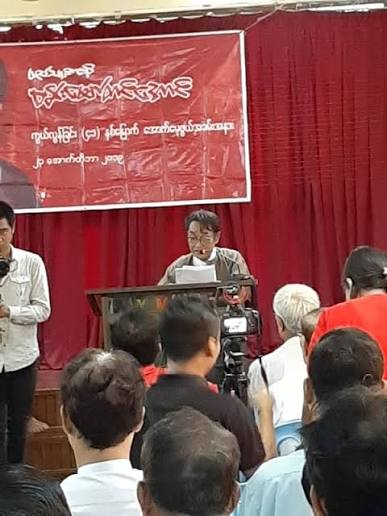
“The power that the country entrusted to him in good faith, he suddenly announced he was handing over — without hesitation, without ceremony — to the Commander-in-Chief of the armed forces, as if it were property inherited from his own parents. How irresponsible an act was that toward the nation? Prime Minister U Nu did not merely insult the country — he acted with outright irresponsibility.”
The Red Loyalty Oath
The country had placed its trust in him and entrusted him with power. Yet how irresponsibly did he act toward the nation when he suddenly announced that he was handing that power over — without hesitation, without fanfare — to the Commander-in-Chief of the armed forces, as though it were an inheritance from his own parents? Prime Minister U Nu did not merely insult the country; he had gone further and acted with outright irresponsibility.
Historians of Burmese history point to what they consider the greatest political error committed by U Nu (Thakin Nu), who had by then served four terms as Prime Minister: his appointment of Bo Ne Win as Commander-in-Chief of Defence Services. This was the same Bo Ne Win who would go on to seize power from U Nu not once but twice. According to these historians, U Nu elevated Ne Win to the highest position in the armed forces because he did not want to give that post to the communist-leaning Bo Zeya. Bo Zeya had once asked Prime Minister U Nu to appoint him Commander-in-Chief, a request made after the Communists went underground on 28 March 1948, shortly after independence. By army seniority, service number BC 3501 belonged to Bo Let Ya, 3502 to Bo Ne Win, 3503 to Bo Zeya, 3504 to Bo Kyaw Zaw, and 3505 to Bo Aung Shwe — Ne Win and Zeya being adjacent in seniority. Fearing that appointing Bo Zeya as Commander-in-Chief would allow the Communists to seize control, U Nu instead appointed Ne Win — a man who would twice depose him — in what historians describe as a case of “releasing a tiger to the forest, out of fear of the one you’re afraid will kill you.”
Planning to Seize Power
In 1958, U Nu’s AFPFL (Anti-Fascist People’s Freedom League) government split cleanly in two: U Nu and Thakin Tin led the “Clean” faction, while U Ba Swe and U Kyaw Nyein led the “Stable” faction. In the fiercely contested parliamentary vote, U Nu prevailed only with the support of the National Unity Front (NUF) votes. It was at this point that Bo Ne Win began plotting to seize power back from U Nu by military means.
To Be Sent Back
The first to learn of this plan were Home Affairs Minister Bo Min Gaung — a member of the “Thirty Comrades” — and Trade Minister U Thwin. The two of them had already arranged an aircraft to move Prime Minister U Nu to a safe location. Bo Min Gaung and U Thwin had planned to send Bo Ne Win, Bo Aung Gyi, and Bo Maung Maung back [to the barracks]. U Nu did not permit this. Instead, U Nu negotiated a peaceful arrangement through parliament to hand the premiership over to Bo Ne Win — allowing Ne Win to govern for about a year and a half before elections were to be held and power returned. The NUF members, who on the “Stable” side had helped rescue the “Clean” faction in parliament, were left heartbroken by this outcome. As soon as Bo Ne Win took power, several NUF figures were sent into exile on Coco Island.
Could Not Accept It
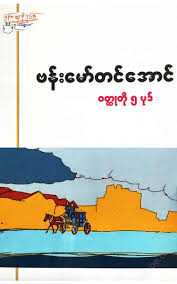
One person who could not accept U Nu’s formal handover of the premiership to Bo Ne Win was the people’s writer and journalist himself — Bahmo Tin Aung. His analysis, published in the first issue of his Linyon journal (Volume 1, No. 1), dated 1 November 1958, is worth examining closely.
As If Bo Ne Win Wished It
In early 1958, at the Third AFPFL Conference held in Kambe (Kandawgyi), the League’s leaders were sharply divided ideologically and relations grew strained. Some military officers began preparing to align themselves with the faction to which they felt personal loyalty. It was at this point that Bo Ne Win issued a pointed warning: the army should not involve itself in political affairs, and if any officer wished to take part in politics, he should leave the army first.
They Broke Ranks
After the Kandawgyi conference, however, officers senior and junior alike paid little heed to Bo Ne Win’s admonition — some openly, others more discreetly, aligned themselves with political factions. Ne Win did not restrain them, and discipline within the ranks broke down. Bahmo Tin Aung went so far as to allege, pointedly, that this breakdown of discipline extended even to Bo Ne Win’s own ambition to become Prime Minister himself.
Was It an Insult?
Prime Minister U Nu explained his reasoning thus: “Because I no longer have the capacity to take responsibility for holding a clean and fair election, I am handing over power — not to the armed forces as an institution, but to Commander-in-Chief Bo Ne Win as an individual.”
Begging a Favor
Beyond this, U Nu went so far as to ask the public, in effect, for a personal favor — as one might ask for a discount when buying a slave. The manner of the request was itself painful to witness: he appealed to the people to rally around and support the incoming Ne Win government, on the country’s behalf.
An Insult
The reasoning U Nu offered — that because a duly and lawfully constituted government, elected by the people, was unable to hold a fair election, power had to be handed over (in a personal capacity) to the Commander-in-Chief of the armed forces — is the kind of excuse that only those who have grown old and worldly can bring themselves to voice with a straight face. Such conduct, one must conclude, amounted to nothing less than an insult to the nation.
Childish
The country should not have to tolerate such a childish and thoroughly irresponsible excuse. Indeed, it would be hard even for U Nu’s own wife, or for the followers within his own “Clean” faction, to accept it in good faith.
U Nu Should Have Returned the Mandate
If U Nu’s own explanation is to be taken at face value — that he could no longer honestly discharge the responsibility the nation had entrusted to him — then there was only one proper course open to him: to lay his difficulties openly before the Parliament and the President of the Union, to whom he was accountable, and only then either hand back his mandate or seek a solution through proper channels.
Irresponsible
Instead, without any thought of first disclosing his difficulties to the nation or consulting it, Prime Minister U Nu simply announced — abruptly, without hesitation or ceremony — that he was transferring the power the nation had entrusted to him to the Commander-in-Chief of the armed forces, as if it were property inherited from his own parents. How irresponsible an act was that toward the nation? U Nu did not merely insult the country — he acted with outright irresponsibility.
To Cover It Up
During this period, General Ne Win declared that anyone — any individual or any party — who wrote or spoke falsely about him would face legal action. This, in effect, was an attempt to suppress open discussion of what amounted to a seizure of state power.
Rival Rallies
At the same time, Prime Minister U Nu and opposition leader U Kyaw Nyein each began organizing competing welcome rallies and demonstrations of support for the incoming Ne Win government. Why would they do this? First, U Nu was trying to protect himself against the accusation that he had been forced out. Second, it was simply an attempt at political theater — to make the country believe that the incoming government favored their side in particular, and thereby raise their own standing.
A Matter Worth Reflecting On
Bahmo Tin Aung’s clear-eyed account, written nearly sixty years ago at the time, shone a light on the episode from the standpoint of historical truth. Looking back on this great constitutional crisis today, his assessment remains something well worth reflecting on again and again.
A Lesson Learned
Elder statesman U Nu, even after Bo Ne Win seized power from him a second time on 2 March 1962, apparently still believed at first that someone else — not Ne Win — was behind it, and hoped, as he recorded in his own memoir Saturday’s Son, that Ne Win might yet come to his rescue. That such a figure as Prime Minister U Nu could exist in this world is itself, one must conclude, an extraordinary lesson for the rest of us to learn.
(Article from the weekly journal Myanma Sadaunhsin [Myanmar Herald])
Appendix: Additional Historical Context on Ne Win
The following material is not part of Bahmo Tin Aung’s 1958 article. It has been added separately, with its own sourcing noted, at the request of the person who commissioned this translation.
1. The marriage to Daw Khin May Than, and U Nu’s near-dismissal of Ne Win (sourced)
According to an account by U Tin Maung, then an editor at the newspaper Burma Khit, and later compiled in the historical reference work Myanmar Politics, 1958–1962 (U Mya Han and U Thein Hlaing), Ne Win married Daw Khin May Than in a civil court proceeding while she was still married to another man. When a journalist congratulated Ne Win and photographed the moment outside the courthouse, Ne Win assaulted him and destroyed his camera. Ne Win’s first wife, Daw Tin Tin, subsequently published a lengthy rebuttal in Burma Khit asserting her status as his senior wife. U Tin Maung’s account states that Prime Minister U Nu, regarding the marriage as a serious breach of conduct by a government servant, brought the matter to his cabinet and came close to formally removing Ne Win from his post as Commander-in-Chief, before political allies — including figures from the Socialist (“Stable”) faction who did not want to lose Ne Win’s backing — intervened and persuaded U Nu to relent.
Source: U Tin Maung’s account, as published in myanmarmuslim.news (“How the Seeds of Myanmar’s First Military Dictatorship Were Sown,” 16 August 2026), citing Myanmar Politics, 1958–1962 (Mya Han and Thein Hlaing).
2. Gambling, Inya Lake, and related stories (recorded as unverified rumor by their own compiler)
Separately, stories have long circulated among older Burmese that Ne Win, while abroad on a defense-procurement trip during the U Nu era, spent considerable time and possibly misused funds at gambling (including dog racing), and that he later kept a foreign mistress on Kyet Kyun island in Inya Lake, a matter said to have nearly cost him his post when it became known. These stories were compiled and published by Dr. Ko Ko Gyi in myanmarmuslim.news (“General Ne Win: The Man, The Regime, and the Rumours That Shaped a Nation’s Memory,” 4 December 2025) — the same person who requested this translation. That piece states explicitly, in its own words, that these accounts are being recorded “as unverified yet widely circulating public rumours” and that “no documentation exists” for them. They are included here on that same basis: as oral history and public memory of the period, not as established fact.
Source: Dr. Ko Ko Gyi, “General Ne Win: The Man, The Regime, and the Rumours That Shaped a Nation’s Memory,” myanmarmuslim.news*, 4 December 2025 — by the author’s own account, unverified rumor.*
၁၉၅၈ အာဏာသိမ်း အရှုပ်တော်ပုံအပေါ် သတင်းစာဆရာ ဗန်းမော်တင်အောင်၏ အကဲဖြတ်ချက်
မြေနီသစ္စာ
တိုင်းပြည်က ယုံကြည်၍ အပ်ထားသော အာဏာကို မိမိ၏ မိဘများထံက အမွေရရှိသော ပစ္စည်းကဲ့သို့ တပ်မတော် စစ်ဦးစီးချုပ်အား ဆိုင်းမပါ ဗုံမပါ လွှဲပေးသည့်အကြောင်း ရုတ်တရက် ကြေညာလိုက်ပုံမှာ တိုင်းပြည်အပေါ် အဘယ်မျှ တာဝန်မဲ့ရာ ကျနေပါသနည်း။ ဝန်ကြီးချုပ်ဦးနုသည် တိုင်းပြည်ကို စော်ကားရုံသာမက တာဝန်မဲ့စွာ ကျင့်ကြံသွားခဲ့ပြီ။
ဝန်ကြီးချုပ် ၄ ကြိမ် ဖြစ်ဖူးသော ဦးနု (သခင်နု) သည် အကြီးဆုံး နိုင်ငံရေးအမှားတခု ကျူးလွန်ခဲ့သည်ဟု မြန်မာ့သမိုင်း လေ့လာရှင်တို့က ထောက်ပြကြ၏။ ယင်းအမှားကြီးသည်ကား ဗိုလ်နေဝင်းကို ကာကွယ်ရေး ဦးစီးချုပ် ခန့်အပ်ခဲ့ခြင်းဖြစ်သည်။ ဦးနုကို ၂ ကြိမ် တိုင်တိုင် အာဏာသိမ်းခဲ့သော ဗိုလ်နေဝင်းကို တပ်မတော်၏ အဆင့်အမြင့်ဆုံး နေရာပေးခဲ့ခြင်းသည် ကွန်မြူနစ် ဗိုလ်ဇေယျကို ဤနေရာ မပေးလိုသောကြောင့် ဖြစ်၏။ ဗိုလ်ဇေယျသည် သူ့ကို တပ်ချုပ်ကြီး နေရာပေးရန် ဝန်ကြီးချုပ်ဦးနုထံ တောင်းဖူး၏။ လွတ်လပ်ရေး ရပြီးစ ကွန်မြူနစ်တွေ ၂၈-၃-၁၉၄၈ နေ့ တောခိုသွားသည့် နောက်ပိုင်းတွင် ဗိုလ်ဇေယျ တောင်းခြင်း ဖြစ်သည်။ တပ်မတော်စဉ်အရ ဘီစီ ၃၅၀၁ သည် ဗိုလ်လက်ျာ၊ ၃၅၀၂ သည် ဗိုလ်နေဝင်း၊ ၃၅၀၃ သည် ဗိုလ်ဇေယျ၊ ၃၅၀၄ သည် ဗိုလ်ကျော်ဇော၊ ၃၅၀၅ သည် ဗိုလ်အောင်ရွှေ တို့ဖြစ်သည်။ ဗိုလ်နေဝင်းနှင့် ဗိုလ်ဇေယျသည် အထက်အောက် ကိုယ်ပိုင်အမှတ်စဉ် ရှိသူများပင်။ ဗိုလ်ဇေယျကို တပ်ချုပ်ကြီးနေရာ ပေးလိုက်ပါက ကွန်မြူနစ်တွေ အုပ်စိုးသွားမည်ဟု စိုးရိမ်ကာ ဦးနုသည် သူ့ကို ၂ ကြိမ် အာဏာသိမ်းခဲ့သည့် ဗိုလ်နေဝင်းကို သေချင်တဲ့ကျား တောပြောင်း ဆိုသကဲ့သို့ ခန့်အပ်ခဲ့ခြင်း ဖြစ်သည်ဟု သမိုင်းလေ့လာသူများက ထောက်ပြကြလေသည်။
အာဏာသိမ်းမည်
၁၉၅၈ တွင် ဦးနု၏ ဖဆပလ အစိုးရအဖွဲ့သည် ပြတ်ပြတ်သားသား နှစ်ခြမ်း ကွဲသွား၏။ ဦးနု နှင့် သခင်တင်က သန့်ရှင်းအုပ်စု၊ ဦးဗဆွေနှင့် ဦးကျော်ငြိမ်းက တည်မြဲအုပ်စု။ လွှတ်တော်၌ ပယ်ပယ်နယ်နယ် ပြိုင်ကြရာတွင် ပမညတ မဲကြောင့် ဦးနု နိုင်ခဲ့ရသည်။ ယင်းမှာ ဗိုလ်နေဝင်းက ဦးနုဆီက အာဏာကို စစ်နည်းဖြင့် ပြန်သိမ်းယူရန် ကြံစည်၏။
ပြန်ချဖို့
ယင်းကိစ္စကို ပထမဆုံး သိရှိသူသည် ပြည်ထဲရေးဝန်ကြီး ရဲဘော်သုံးကျိပ်ဝင်ဗိုလ်မင်းခေါင်နှင့် ကုန်သွယ်ရေးဝန်ကြီး ဦးသွင်တို့ ဖြစ်ကြသည်။ သူတို့ ၂ ဦးက ဝန်ကြီးချုပ်ဦးနုကို တခြား လုံခြုံရာတွင် ရွှေ့ထားရန် လေယာဉ်ပျံပင် အသင့် ပြင်ထားပြီးပြီ။ ဗိုလ်နေဝင်း၊ ဗိုလ်အောင်ကြီးနှင့် ဗိုလ်မောင်မောင်တို့ကို ပြန်ချမည်ဟု ဗိုလ်မင်းခေါင်နှင့် ဦးသွင်တို့ စီစဉ်ထား၏။ ယင်းကို ဦးနု ခွင့်မပြုချေ။ ဦးနုက လွှတ်တော်ကတဆင့် အေးချမ်းသော နည်းဖြင့် ဗိုလ်နေဝင်းကို ဝန်ကြီးချုပ် နေရာ ပေးဖို့ အပေးအယူ လုပ်သည်။ တနှစ်ခွဲလောက် ဗိုလ်နေဝင်းကို အုပ်ချုပ်ခိုင်းပြီး ရွေးကောက်ပွဲ လုပ်ကာ အာဏာ ပြန်ယူမည့်နည်း ဖြစ်သည်။ လွှတ်တော်မှာ တည်မြဲလက်က သန့်ရှင်းကို ကယ်ခဲ့သော ပမညတတို့ ရင်ကွဲနာကျ ကြတော့သည်။ ဗိုလ်နေဝင်း အာဏာရသည်နှင့် ပမညတ တချို့တို့ ကိုကိုးကျွန်း အပို့ခံရသည်။
လက်မခံနိုင်
ဗိုလ်နေဝင်းကို ဦးနုက တရားဝင် ၀န်ကြီးချုပ်ရာထူး လွှဲပေးခြင်း အပေါ် လက်မခံနိုင်သူတဦးကား ပြည်သူ့စာရေးဆရာ၊ ပြည်သူ့သတင်းစာဆရာ ဗန်းမော်တင်အောင်ပင်။ သူ၏ လင်းယုန်ဂျာနယ် အတွဲ (၁)၊ အမှတ် (၁) ၁၉၅၈ ၊ နို၀င်ဘာလ ၁ ရက် ထုတ်တွင် သုံးသပ် ဖော်ပြချက်သည် စိတ်ဝင်စားစရာ ကောင်းသည်။
ဗိုလ်နေဝင်းသည်လို
၁၉၅၈ နှစ်ဦးပိုင်းတွင် ကမ္ဘာအေးမှာ ကျင်းပခဲ့သည့် တတိယအကြိမ် ဖဆပလ ညီလာခံ၌ ဖဆပလ ခေါင်းဆောင်တို့ ဝါဒကွဲပြားသည်။ မသင့်မတင့် ဖြစ်ကြသည်။ တပ်မှူးတချို့သည် သံယောဇဉ်ရှိရာ ဘက်သို့ ပါဝင်ဖို့ ခြေလှမ်း ပြင်ကြသည်။ ယင်းမှာ ဗိုလ်နေဝင်းက နိုင်ငံရေးကိစ္စတွင် တပ်က မပါဝင်ရန်၊ ပါဝင်လိုပါက တပ်ကထွက်၍ ပါဝင်ကြရန် ခပ်ပြောင်ပြောင် ပြောသည်။
စည်းဖောက်ကြ
ကမ္ဘာအေးညီလာခံ ပြီးသည့်နောက် တပ်မှူးကြီးငယ်တို့ ဗိုလ်နေဝင်း၏ ဆုံးမဩဝါဒကို အလျဉ်း ဂရုမပြုတော့ဘဲ ဗြောင်ကျကျလည်း ပါသညျ။ ခပ်လျှိုလျှိုလည်း ပါကြသည်။ ထိုအခါ ဗိုလ်နေဝင်း မဟန့်တားတော့၊ တပ်မှူးကြီးငယ်တို့ စည်းဖောက်ကြ၏။ ဗိုလ်နေဝင်း ကိုယ်တိုင် နိုင်ငံတော် ဝန်ကြီးချုပ် တက်လုပ်လိုသည်အထိ စည်းဖောက်သည်ဟု ဆရာဗန်းမော်တင်အောင်က ပြောင်ပြောင် ဖော်ထုတ် စွပ်စွဲလိုက်လေသည်။
စော်ကားသလား
ဝန်ကြီးချုပ်ဦးနုက “သန့်ရှင်း၍ တရားမျှတသော ရွေးကောက်ပွဲတရပ်ကို မိမိအနေနှင့် တာဝန်ယူ ကျင်းပပေးနိုင်ရန် အရည်အချင်း မရှိတော့၍ ယခုကဲ့သို့ စစ်ဦးစီးချုပ် ဗိုလ်နေဝင်းအား တပ်မတော် အနေနှင့် မဟုတ်ဘဲ ပုဂ္ဂိုလ် အနေဖြင့်သာ အာဏာ လွှဲပြောင်းပေးရခြင်း ဖြစ်ပါသည်” ဟု အကြောင်းပြ၏။
အဆစ်တောင်း
ထိုမျှမက ဦးနုက ကျွန်ဝယ်ရာ အဆစ်ပါ ဆိုသကဲ့သို့ ပြည်သူလူထုကို နိုင်ငံရေး အဆစ် တောင်းလိုက်ပါသေး၏။ တောင်းပုံက နာကြည်းဖွယ်ပင်။ ပြည်သူလူထု အနေနှင့် ဗိုလ်ချုပ်နေဝင်း အစိုးရကို တိုင်းပြည်ကပါ ဝိုင်းဝန်း ထောက်ခံပေးကြပါဦး ဟူ၍ တောင်းဆိုလိုက်ခြင်းပင်။
စော်ကားမှု
တိုင်းပြည်က ရွေးကောက် တင်မြှောက်လျက် တရားဝင် ဖွဲ့စည်း တည်ထောင်ထားသော အစိုးရက ရွေးကောက်ပွဲကို ဖြောင့်ဖြောင့်တန်းတန်း မကျင်းပ ပေးနိုင်သဖြင့် တပ်မတော် စစ်ဦးစီးချုပ်အား (ပုဂ္ဂိုလ်အရ) အာဏာ လွှဲပြောင်း ပေးရပါသည် ဆိုသော ဦးနု၏ ဆင်ခြေနှင့် အကြောင်းပြချက်သည် တမင်းစား၍ လူဖြစ် ကြီးပြင်းလာကြရသူများ အတွက် နားရှိ၍သာ ကြားလိုက်ရသော ဆင်ခြေနှင့် အကြောင်းပြချက်မျိုး ဖြစ်နေ၏။ ယင်းအပြုအမူသည် တိုင်းပြည်ကို စော်ကားလိုက်ခြင်းသာ ဖြစ်သည်ဟု ဆိုရလိမ့်မည်ဖြစ်၏။
ကလေးကလား
ဤကဲ့သို့ ကလေးကလား နိုင်လျက် တာဝန် မဲ့လှသော ဆင်ခြေနှင့် အကြောင်းပြချက်မျိုးကို တိုင်းပြည်က မဆိုထားနှင့်၊ ဦးနု၏ဇနီး နှင့် သန့်ရှင်းအဖွဲ့ဝင် နောက်လိုက်များကပင်လျှင် ယုံကြည် လက်ခံနိုင်ရန် ခဲယဉ်း လှပေလိမ့်မည်။
ဦးနုပြန်အပ်
ဦးနုက တိုင်းပြည်ကို ထုတ်ပြန်လိုက်သော အကြောင်းပြချက်နှင့် ဆင်ခြေ အတိုင်း တိုင်းပြည်က မိမိအား ပေးအပ်သော တာဝန်ကို ရိုးရိုးသားသား မထမ်းဆောင်နိုင်ခဲ့ဟု ဆိုလျှင် ဦးနုလုပ်ရန် တခုပဲ ရှိ၏။ ဦးနုသည် မိမိ တာဝန်ခံယူ ထားရသော ပြည်သူ့လွှတ်တော်နှင့် နိုင်ငံတော် သမ္မတကြီးတို့အား မိမိ၏ အခက်အခဲကို ဖော်ထုတ် တင်ပြရမည်။ ယင်းသို့ ဖော်ထုတ် တင်ပြပြီးသော် တာဝန်ကို ပြန်အပ်နိုင်၏။ သို့မဟုတ် နည်းလမ်း ရှာဖွေနိုင်၏။
တာဝန်မဲ့
ယခုမူ ဝန်ကြီးချုပ်ဦးနုသည် တိုင်းပြည်က ယုံကြည်၍ အပ်နှင်းထားသော တာဝန်ကို တိုင်းပြည်အား ထုတ်ဖော် တိုင်ကြားခြင်းနှင့် တိုင်ပင်ခြင်း ပြုရန် လုံးဝ မစဉ်းစားဘဲ တိုင်းပြည်က ယုံကြည်၍ အပ်ထားသော အာဏာကို မိမိ၏ မိဘများထံက အမွေရရှိသော ပစ္စည်းကဲ့သို့ တပ်မတော် စစ်ဦးစီးချုပ်အား ဆိုင်းမပါ ဗုံမပါ လွှဲပေးသည့် အကြောင်း ရုတ်တရက် ကြေညာလိုက်ပုံမှာ တိုင်းပြည်အပေါ် အဘယ်မျှ တာဝန်မဲ့ရာ ကျနေပါသနည်း။ ဝန်ကြီးချုပ်ဦးနုသည် တိုင်းပြည်ကို စော်ကားရုံသာမက တာဝန်မဲ့စွာ ကျင့်ကြံသွားခဲ့ပြီ။
ဖုံးကွယ်ရန်
ဤအတွင်း ဗိုလ်ချုပ်နေဝင်းက တစုံတယောက်၊ တပါတီက မိမိကို မဟုတ်မဟတ် လုပ်ကြံ ရေးသားလျှင် တရားဥပဒေအရ အရေးယူမည်ဟု ဆိုလာ၏။ ယင်းသည် ဤနိုင်ငံတော် လုပ်ကြံမှုကြီးကို ဖုံးကွယ်ရန် ကြိုးပမ်းခြင်းပင်။
ထောက်ခံပွဲ
တချိန်တည်းမှာပင် ဝန်ကြီးချုပ် ဦးနုနှင့် အတိုက်အခံ ဦးကျော်ငြိမ်း တို့က ဗိုလ်ချုပ်နေဝင်းအစိုးရကို အပြိုင်အဆိုင် ကြိုဆိုပွဲများ၊ ထောက်ခံပွဲများ ပြုလုပ်လာကြ၏။ အဘယ့်ကြောင့် ကြိုဆိုထောက်ခံပါသနည်း။ (၁) ဦးနုသည် မိမိကို ဖြုတ်ချခြင်း ကိစ္စ အပေါ် ကာကွယ်လိုက်ခြင်း။ (၂) နောက်တက်လာမည့် အစိုးရသည် မိမိကိုသာလျှင် လိုလားသော အစိုးရအနေနှင့် တိုင်းပြည်က ထင်မြင်လာအောင်၊ အထင်ကြီး လာအောင် ဟန်ရေးပြခြင်းမျှပင်။
စဉ်းစားဆင်ခြင်
ဆရာဗန်းမော်တင်အောင်၏ ရှင်းလင်း ရေးသားချက်သည် ပြီးခဲ့သည့် အနှစ် ၆၀ နီးပါးက ဖြစ်စဉ်ကို အမှန်တရား ရှုထောင့်က မီးမောင်း ထိုးပြခဲ့ခြင်း ဖြစ်၏။ ယင်း နိုင်ငံတော်လုပ်ကြံမှုကြီးကို ယခုအခါ ပြန်လည် လေ့လာလိုက်သောအခါ ဆရာဗန်းမော်တင်အောင်၏ သုံးသပ် အကဲဖြတ်ချက် တို့သည်ကား အဖန်တလဲလဲ စဉ်းစား ဆင်ခြင်စရာပင်။
သင်ခန်းစာယူ
ဆရာကြီးဦးနုသည် သူ့ကို ဗိုလ်နေဝင်း ဒုတိယအကြိမ် ၂-၃-၁၉၆၂ နေ့က အာဏာသိမ်းခြင်းကိုပင် တခြားလူ သိမ်းသည်ဟု ထင်လျက် ဗိုလ်နေဝင်း သူ့ကို လာကယ်ကောင်း လာကယ်မလားဟု မျှော်လင့်မိပုံကို သူ၏ ‘တာတေ စနေသား’ တွင် ဖော်ပြခဲ့သေး၏။ ဤလူ့ဘဝတွင် ဝန်ကြီးချုပ်ဦးနု ကဲ့သို့ ပုဂ္ဂိုလ်မျိုးလည်း ရှိနေသေးသည်ကိုတော့ မိမိတို့သည် ထူးထူးဆန်းဆန်း သင်ခန်းစာ ယူကြရတော့မည်ပင်။
(မြန်မာသံတော်ဆင့် အပတ်စဉ် သတင်းဂျာနယ်ပါ ဆောင်းပါး)