— A Satirical Observation based on Ko Aung San Oo’s original post, translated, edited and expanded with additional commentary by Dr Ko Ko Gyi @ Abdul Rahman Zafrudin, with the assistance of ChatGPT.
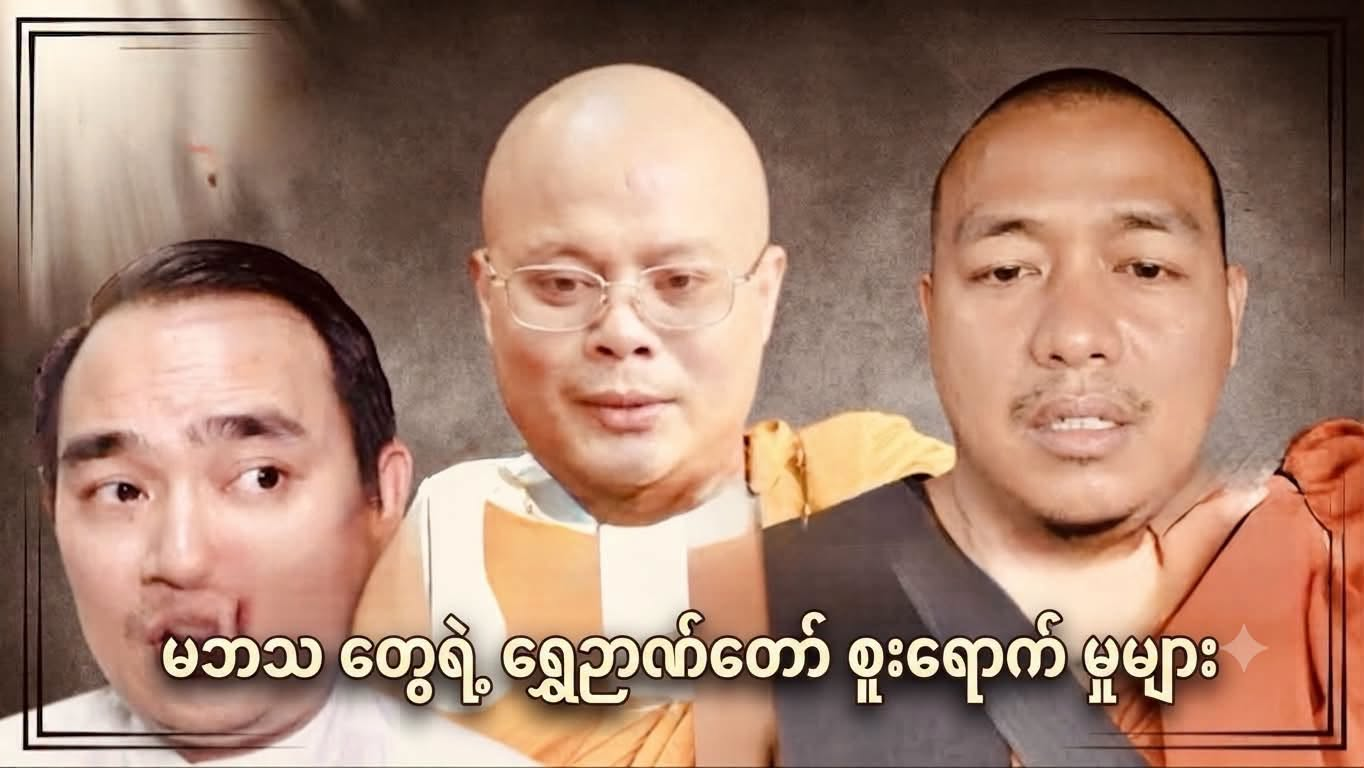
Here are some examples of the extraordinary “wisdom” displayed by certain self-proclaimed defenders of race, religion and country:
1. They seem to believe that mosques—places where people peacefully pray for the safety and well-being of future generations—are a greater threat to the country than the trafficking and exploitation of Myanmar women in Chinese entertainment venues and along the border.
2. They appear more concerned about suppressing people of other religions than about asking why Myanmar’s young men and women are being forced by poverty, war and economic collapse to scatter around the world in search of survival and employment.
3. They seem to accept that Chinese populations in places such as Wa and Kokang can have their own autonomous territories inside Myanmar, while somehow imagining that Muslims—many of whom have lived in Myanmar for generations and have never betrayed the country—are the ones “taking over” Myanmar.
4. Chinese businessmen and networks accused of exploiting Myanmar’s economy in various ways apparently receive considerably less outrage because they are seen as economically or politically useful. Meanwhile, Muslims are subjected to suspicion and hostility simply because of their religion.
5. When people are left without food, shelter or livelihoods after floods, earthquakes and war, one might expect patriotic organisations to concentrate on helping them. Yet some seem to find greater patriotic purpose in threatening mosques, religious schools and prayer halls.
6. They sometimes behave as though they stand above the authority of municipal and immigration authorities—as if their religious or political status gives them powers that ordinary citizens do not possess.
7. Bars, gambling establishments, drug trafficking, KTVs and prostitution—many of which have long been associated with the exploitation and destruction of young people’s lives—do not always seem to provoke the same level of outrage. But a religious school, mosque or prayer hall belonging to another faith is portrayed as an existential danger.
8. There sometimes appears to be a serious confusion between the discipline and teachings expected of Buddhist monks and the behaviour of political activists or street enforcers.
9. If the real objective were to preserve Buddhist civilisation and strengthen the dignity of the Bamar people, would it not be better to teach young people the essential teachings of the Buddha—compassion, wisdom, morality, restraint and loving-kindness—rather than teaching them to regard people of different faiths as enemies?
10. They sometimes claim that the higher birth rate of other religious communities will eventually cause the disappearance of the Bamar race or Buddhism.
Perhaps they have forgotten one small fact: a civilisation is not preserved merely by producing more children. It survives through wisdom, education, morality, justice, unity and the ability to live peacefully with others.
That is enough “golden wisdom” for today.
There is still plenty more that could be added. Perhaps I shall continue with Part 2 whenever another example of this remarkable wisdom comes to mind. 😃
A Little Background: When “Patriotism” Becomes a Political Weapon
This satire is not directed at Buddhism, Buddhists, or the Bamar people as a whole.
It is directed at the politicisation of race and religion—particularly when religious fear is deliberately used to divert public attention from much more serious political, economic and social problems.
Myanmar has repeatedly experienced a dangerous pattern:
When a government or political movement faces serious difficulties, it can be tempting to redirect public anger toward an easily identifiable “Other.”
The rhetoric is familiar:
“Our race is disappearing.”
“Our religion is under threat.”
“Our country is being taken over.”
Once such fears are successfully created, minorities, migrants and foreigners can easily become scapegoats.
Religious minorities are particularly vulnerable because they can be portrayed as outsiders—even when their families have lived in the country for generations.
This is why religious riots can become a political trump card for authoritarian rulers and unscrupulous politicians.
As Samuel Johnson famously observed, “Patriotism is the last refuge of a scoundrel.”
The important lesson is not that patriotism itself is bad.
True patriotism protects the country without requiring hatred of another community.
General Aung San’s Warning
General Aung San himself warned against confusing religion with politics and against exploiting religion for political purposes.
His argument was essentially this:
Religion belongs to individual conscience, while politics is a social science concerned with the organisation of society and the rights and welfare of its people.
Religion and politics therefore should not be deliberately mixed in ways that distort both.
He also emphasised the importance of freedom of religious worship, and called upon religious leaders to promote unity, love, freedom, knowledge and self-reliance among the people.
His message to Buddhist monks was especially significant: rather than becoming instruments of political division, they could help spread unity and love throughout the country.
That principle remains relevant today.
Race, Religion and Nationalism
Every serious student of history and political science knows that race, religion and language alone do not constitute a nation.
Almost every country contains multiple ethnicities.
Many countries contain multiple religions.
And people of different ethnic and religious backgrounds can share one nationality, one homeland and one future.
Myanmar is no exception.
The question therefore should not be:
“How can we eliminate those who are different from us?”
The better question is:
“How can people who are different from one another build a country in which everyone has a secure place?”
What Is Politics Really About?
Politics is not some mysterious game played only by politicians.
It affects ordinary people every day.
The worker wants fair wages.
The farmer wants secure land and a better livelihood.
The civil servant wants dignity and security.
The businessperson wants fair opportunities.
The young person wants education and employment.
The family wants safety.
The citizen wants freedom and justice.
That is politics.
As Aristotle famously described human beings as political animals, politics ultimately concerns the way we live together as a society.
Politics should therefore not be:
- hatred of another race;
- hostility toward another religion;
- intimidation of minorities;
- destruction of places of worship;
- or manipulation of public fear.
Politics should be about creating the freedom and conditions in which people can live, work, worship, create and prosper without depriving others of the same rights.
That is the difference between patriotism and chauvinism.
That is the difference between religion and religious nationalism.
And that is the difference between serving a country and using a country for political power.
A truly confident nation does not need a scapegoat to prove its patriotism.
— MMNN Satire / Commentary
မဘသ တွေရဲ့ ရွှေဉာဏ်တော် စူးရောက်မှုများ
၁. ဗမာမတွေ တရုတ် KTV နဲ့ နယ်စပ်မှာ ရောင်းစားခံရပြီး ဖာဖြစ်ကြတာထက် နောင်မလွန်အတွက် အေးချမ်းစွာ ဆုတောင်းဝတ်ပြုရာ ဗလီကျောင်းတွေက ပိုအန္တရာယ်ရှိတယ်လို့ ထင်ကြခြင်း
၂. သူတို့အရှင်သခင် စစ်ဗိုလ်ချုပ်များကြောင့် ဗမာလူငယ်များနဲ့ ဗမာမိန်းမငယ်လေးများ ကမ္ဘာပတ် ကျွန်ခံနေရတာဖြေရှင်းဖို့ ထက် တခြားဘာသာခြားတွေနိပ်ကွပ်မှ မျိုးချစ်သည်ဟု ထင်ကြခြင်း
၃. ကိုးကန့်၊ ဝ စသည့် တရုတ်တွေကို
မြန်မာ့နယ်မြေမှာ ကိုယ်ပိုင်အုပ်ချုပ်ခွင့်ရနယ်မြေတွေ ပေးထားရပြီး တိုင်းပြည်အပေါ် သစ္စာမဖောက်ဖူးသော အစ္စလမ်ဘာသာဝင်များက ဝါးမျိုနေသည်ဟု ထင်ကြခြင်း
၄. နည်းပေါင်းစုံနဲ့ ဂုတ်သွေးစုတ်နေသော တရုတ်ဘေား များသည် ဖြူသောကြောင့် ဆီပုလင်း ခါးချိတ်ပေးရလည်း တန်သည်ဟု ထင်ကြခြင်း (ကုလားဘေား က မဲသဖြင့် မကြိုက်ကြဟန်တူပါသည်၊ သို့သော် ပိုကြီးသည်ကိုလည်း သိကြဟန်တူပါသည်)
၅. ရေဘေး၊ ငလျင်ဘေး၊ စစ်ဘေးကြောင့် စားစရာ၊ နေစရာမရှိသည့် ပြည်သူတွေကို ကူညီတာထက် ဗလီကျောင်းတွေကို ခြိမ်းခြောက်ပြီး ပြဿနာရှာတာက မျိုးချစ်ရာကျသည်ဟု ထင်ကြခြင်း
၆. စည်ပင်နဲ့ လဝက အထက်တွင် သူတို့ရှိသည်ဟု ထင်ကြခြင်း
၇. လူငယ်တွေရဲ့ဘဝ အညွန့်တုံးစေမည့် အရက်ဆိုင်များ၊ မူးရစ်ဆေးဝါးများ၊ KTV၊ ပြည့်တန်ဆာခန်းများထက် သူများကိုးကွယ်ရာ ဘုရားကျောင်းများက ပိုအန္တရာယ်ရှိသည်ဟု ထင်ကြခြင်း
၈. သံဃာ့ဝိနည်းနဲ့ လူမိုက်ဝိနည်းကို သေချာမကွဲပြားခြင်း
၉. လူမျိုးဂုဏ်နဲ့ သာသနာအဓွန့်ရှည်ဖို့ လူငယ်လူရွယ်များအား ဗုဒ္ဓဘာသာရဲ့ အနှစ်သာရ တရားဒေသနာတော်တွေ သင်ကြားပို့ချရမည့်အစား ကိုယ်နဲ့မတူ ရန်သူဟု အနုကြမ်းစီးတဲ့နည်းတွေ သင်ပေးခြင်းက အမျိုးချစ်ရာရောက်တယ်လို့ ထင်ကြခြင်း
၁၀. တခြားဘာသာများက မွေးဖွားမှုနှုန်း မြင့်သဖြင့် အမျိုးပျောက်မည်ဟု ထင်ကြခြင်း (သူတို့က နတ်ကွတ်တွေမို့ မမွေးကြတော့သည့် သဘေား)
ဒီနေ့တော့ ဒီလောက်ပါပဲ။ နောက်သတိပေါ်တဲ့အခါ အပိုင်း ၂ ဆက်ပေးပါ့မယ်

။ အဖတ်ကိုဆယ်လို့မရလောက်အောင် စူးရောက်လှတဲ့ မဘသတို့ရဲ့ ရွှေဉာဏ်တော်တွေ အများကြီးကျန်ပါသေးတယ်။
Aung San Oo