August 13, 1967 Sittwe Rice Crisis and Massacre in Rakhine State.
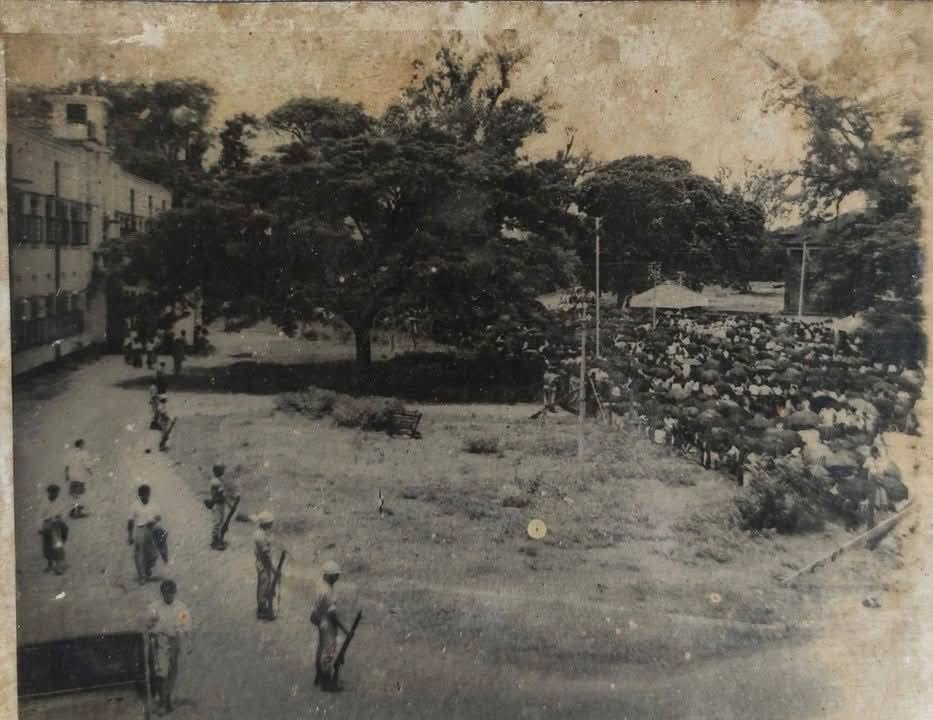
Context & Intro Note: On August 13, 1967 (on this day), a protest erupted in Sittwe, Rakhine State, triggered by a severe rice shortage. The military violently suppressed the demonstration by opening fire, leading to numerous deaths. To document a part of this history regarding the Sittwe protest shooting, this post is shared. Credit – Ann Tharr Gree
History of the Sittwe Rice Crisis
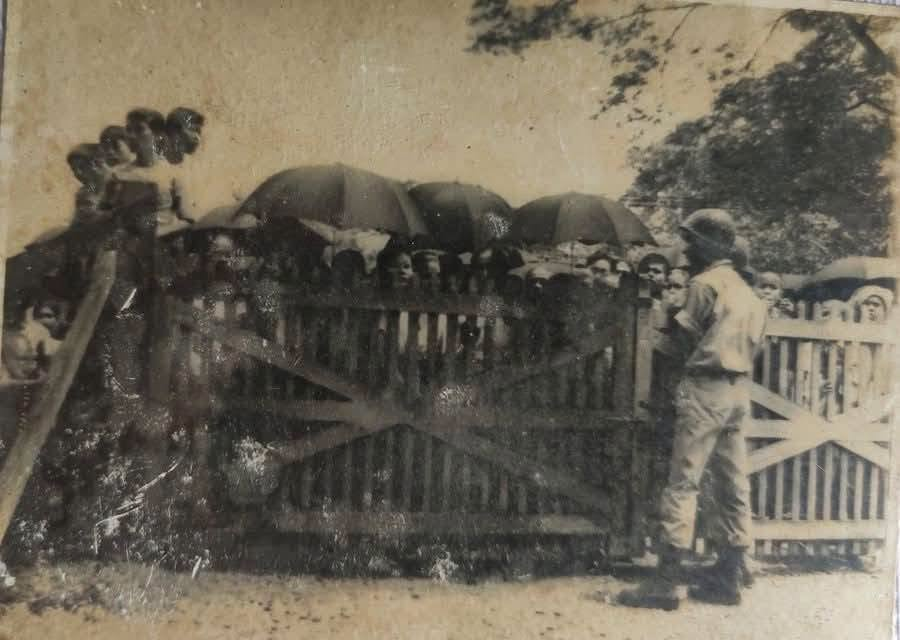
Exactly 49 years ago, on August 13, 1967, at around 12:00 PM, certain authorities instructed hospital administrators at Sittwe Hospital to clear out and prepare space for at least 50 incoming patients. Later that afternoon, the military opened fire on the crowd of protesters. The prepared hospital beds were completely overwhelmed, and over 200 people lost their lives.
During the events of 1967, the commander who gave the order on the ground to shoot at the crowd was Lieutenant Colonel Tint Lwin of Infantry Battalion (20). His superior officer at the time was Colonel Tin Oo, then-Commander of the Central Regional Command (known today as NLD’s U Tin Oo).
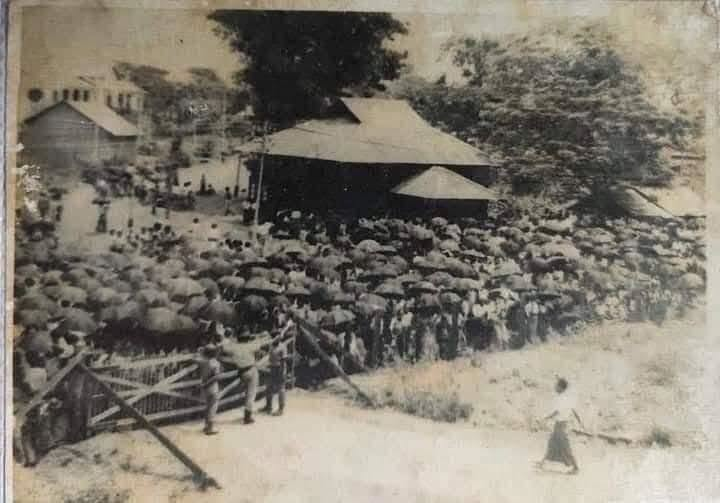
Surviving victims who were wounded during the incident recounted that while civilian local authorities were attempting to set up distribution plans to feed starving citizens, the military executed orders from top officials to shoot and kill the demonstrators.
To reflect on the Sittwe Rice Crisis, the following notes are presented sequentially based primarily on eyewitness accounts:
(1) Prior to the August 1967 incident, General Ne Win, Chairman of the Revolutionary Council, allegedly lost $2 million while betting on greyhound dog racing in a Western country. It was said he attempted to collect and export the country’s paddy yield to offset his gambling debts. While this claim remains unverified, there is no dispute that the rice crisis was caused by government mismanagement while attempting to control market forces.
(2) Between July and August 1967, rice prices in Rakhine State skyrocketed nearly tenfold. In rural villages, strict community bans (gama panyat) enforced with sticks and knives prevented anyone from moving their own harvested rice out of the village. During an era when 1 tical of gold cost only 300 Kyats, the price of a bag of rice jumped from 20 Kyats to 200 Kyats. Daily wage earners in urban areas faced literal starvation. (In today’s terms, relative to gold values, this would be equivalent to paying 400,000 Kyats for a single bag of rice).
(3) As poor families in Sittwe (particularly Muslim communities) were starving, well-off individuals offered small-scale private aid. However, private charity was unsustainable long-term. For instance, a prominent woman in Sittwe sold her gold bracelets—weighing 0.5 tical each—one per day to buy and cook a bag of rice for donation. After 11 days and 11 bracelets, she had to stop.
(4) Rakhine State, which had been wealthy during the British colonial era by exporting rice to Europe via the Suez Canal, saw families living along main city streets reduced to eating rice porridge (rice gruel) during this crisis. On August 11 and 12, unrest began to spread. Despite widespread hunger on the streets of Sittwe, a large ship was seen anchored in the river, loaded with rice collected and stockpiled by the government’s Trade/Agricultural Department for overseas export. Additionally, two unpowered rice barges (byat) were moored nearby. On August 11, desperate families boarded the two barges and raided a nearby land warehouse to retrieve small amounts of rice. To prevent people from taking rice, authorities drove the vessels away from the shore, allegedly carrying away women who were still onboard, which further heightened public fury.
(5) At the time, the highest regional authority in Rakhine State was Regional Party Committee Division (13) of the Burma Socialist Programme Party (BSPP). Local authorities held heated discussions on how to navigate the crisis. News leaked out from meetings where representatives—such as U Maung Oo Kyaw, U Ba Khin, and U Kyaw Maung—appeared to side with prioritizing government rice exports. Consequently, on August 12, angry crowds threw stones at their homes. A famous phrase emerged from Commander Shwe Zan Aung (Navy) of BSPP Division (13), who reportedly said, “If there is no rice, eat mont di (rice noodles).” This outraged the public. (Contemporaries note he may have meant using traditional rice-based noodles as a staple alternative during severe grain shortages, given local fondness for mont di, rather than malicious intent).
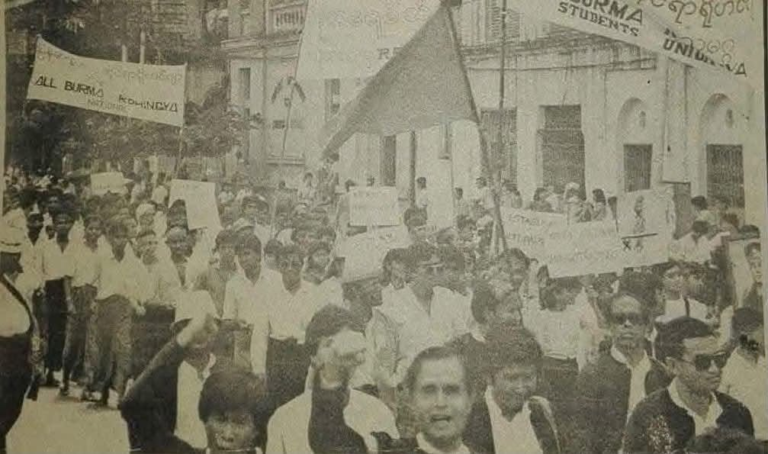
(6) At noon on August 13, hundreds gathered at the Atula Marazein Pyi Lone Chan Tha Pagoda near the Sittwe Wun-ka-bar Ground to begin a march. According to records by U Khine Aung Kyaw, he and 12 student friends led the initial group with a handwritten banner brought from home reading: “Resolve the Rice Crisis — The Rakhine Revolution Must Succeed!” Eyewitnesses recall protesters chanting slogans such as:
- “Rakhine sons will not eat rice porridge!”
- “Rakhine sons will not eat broken rice!”
As the march lengthened, demands expanded beyond the immediate food crisis into political slogans, including:
- “The Taw Pan Zin issue is our issue!”
- “Party, Party, f*ing Party!”
(7) As the procession moved through suburban neighborhoods, the crowd grew larger. It passed through the Big Pagoda, Doe Waing Village (now Ywa Gyi Taung), Sin Ku Road, Ohn Ta Pin, the jetty, and Lanmadaw, heading directly down the main street toward the southern end of the city. Upon reaching the Sittwe Jail entrance, protesters demanded the release of Ko Aye Kyaw and Ko Shwe Win. (Ko Aye Kyaw currently serves as Vice-Chairman of the Arakan League for Democracy). Two months prior, in June 1967, Ko Aye Kyaw and four companions had been jailed for distributing and posting pamphlets titled “Bar Bu Hi Yang, San Hi Yang; Daing Kyi Hi Yang, Ri Hi Yang” (a Rakhine phrasing highlighting how a naturally fertile land was brought to ruin and hunger under the Ne Win regime). Protesters demanded the release of these two detained activists, who had laid the groundwork for the August movement.
(8) Turning back from the jail entrance, the crowd proceeded through Paloke Taung (now Yey Nwel Su) Ward, Ma Kyee Myaing, the Power Plant Intersection, and up Merchant Street toward the small hill bridge at the entrance of Ka Thei Village, stopping before the Mya Rice Mill. By this time, nearly the entire city population (numbering in the tens of thousands to over a hundred thousand) had joined the protest. While the head of the crowd reached the Mya Rice Mill, the tail end was still back at the Bu Ma intersection in Paloke Taung.
(9) In front of Mya Rice Mill, the military blocked the path using at least three Hino trucks and barbed-wire wooden barricades. The military ordered the crowd to retreat and refrain from advancing. Authorities asked for five representatives to step forward to negotiate (and to listen to Section 144, which banned gatherings of more than five people). The five representatives explained that their destination, the Wun-ka-bar Ground, was nearby and that the crowd intended to disperse peacefully once they reached it. Officials (including BSPP Division 13 official Major Saw Phyu) agreed to this. The barricades were parted to let the crowd pass in ranks of four. However, after about 200 people (50 rows of four) had passed through, the military under Major Tint Lwin opened fire without warning. People fell like cut crops. Both the dead and the wounded were thrown onto the three waiting Hino trucks and hauled away for burial. At least 200 people were killed or disappeared. Following the gunfire, the crowd dispersed in panic. In the days that followed, a strict day-and-night curfew was imposed.
(10) The government officially declared that 17 people had died, later updating the count to 19. According to local testimonies, the dead and the living wounded were buried together across at least two locations. While exact secondary sites are debated, it is verified that one mass burial took place inside Sittwe’s main cemetery. The cemetery watchman at the time later recounted to locals that on the night the Hino trucks arrived, he heard the groans, pleas, and cries of injured survivors shouting, “I am not dead yet!” before the voices were silenced. Other reported mass grave sites include Ohn Taw Gyi and Thea Chaung in Sittwe Township.
(11) On the same day, August 13, 1967, similar rice-shortage protests broke out in Mrauk-U Township. However, the military there dispersed the crowd by firing warning shots into the air and alleviated the conflict the following day, August 14, by distributing rice.
(12) Although official excuses claimed the military fired because protesters threw mangrove firewood sticks (ka-paing-thar) at soldiers, the fact that authorities ordered Sittwe Hospital to clear 50 beds before the march even reached the downtown area was later revealed during post-event inquiry commissions.
(13) This written account serves as a basic framework to help compile more comprehensive historical documentation based primarily on oral histories. It is written with the sincere intention that elders and knowledgeable individuals can add to, edit, and preserve this piece of history without concealment for future generations.
— Kyaw Zan Oo
Respectfully credited to the original photographer.
Ye Hein Aung
၁၉၆၇ ဩဂုတ်လ ၁၃ရက်နေ့ (ဒီနေ့)မှာ ရခိုင်ပြည်နယ် စစ်တွေ မြို့မှာ ဆန်းရှာပါးမှု ပြဿနာကြောင့် ဒေသခံများမှ ဆန္ဒပြမှုများ ဖြစ်ပွားခဲ့ပြီး ထိုဆန္ဒပြမှုကို စစ်တပ်မှ ပစ်ခတ် နိုမ်နှင်းခဲ့ပါတယ်။ ထိုပစ်ခတ်မှုကြောင့် လူအများအပြားသေဆုံးခဲ့ရပါတယ်။ အဆိုပါ စစ်တွေ ဆန္ဒပြပွဲပစ်ခက်မှုနဲ့ ပတ်သက်တဲ့ သမိုင်းကြောင်း တစိတ်တပိုင်းကို မှတ်တမ်းတင်နိုင်ရန် ဤpost ကို ကူးယူတင်ပြအပ်ပါတယ် ခင်ဗျ။
Credit – Ann Tharr Gree
စစ်တွေဆန်ပြသနာနိသမိုင်းကြောင်း
လွန်ခဲ့သော နှစ်ပေါင်း (၄၉) နှစ်တိတိ၊ ၁၉၆၇-ခုနှစ် သြဂုတ်လ (၁၃) ရက်နေ့ နေ့လယ် ဆယ့်နှစ်နာရီခန့်တွင် စစ်တွေမြို့တွင် အာဏာပိုင်အချို့သည် စစ်တွေမြို့ ဆေးရုံတွင် လူနာအယောက်ငါးဆယ်စာ နေရာကြိုတင်ပြင်ဆင် ထားရန် ညွှန်ကြားချက်ကို ဆေးရုံအုပ်ချုပ်သူများအား လာပေးသွားခဲ့သည်။ ထို့နောက် ထိုနေ့မွန်းလွဲပိုင်းတွင် ဆန္ဒပြလူအုပ်အား စစ်တပ်က ပစ်သတ်သည့်အတွက် ဆေးရုံတွင် ကြိုတင်မှာထားသော နေရာများပြည့်လျှံသွားရုံမကဘဲ လူပေါင်းနှစ်ရာကျော် သေဆုံးသွားခဲ့ရသည်။
၁၉၆၇-ခုနှစ်၏ ထိုဖြစ်စဉ် ထိုအချိန်က ဆန္ဒပြလူအုပ်ကို ပစ်သတ်ရန် လက်တွေ့မြေပြင်အခြေအနေထဲတွင် အမိန့်ပေးခဲ့သူမှာ ထိုစဉ်က ခလရ (၂၀) တပ်ရင်းမှူး ဒုဗိုလ်မှူးကြီးတင့်လွင် ဖြစ်ပြီး၊
ထိုစဉ်က ၎င်း၏ အထက်အရာရှိမှာ ထိုစဉ်က အလယ်ပိုင်းတိုင်း တိုင်းမှူး ဗိုလ်မှူးကြီး တင်ဦး (ယနေ့ခတ်တွင် NLD ဦးတင်ဦး) ဖြစ်သည်။
ထိုစဉ်က အရပ်ဘက် အာဏာပိုင်များက ထမင်းငတ်နေကြသော ပြည်သူလူထုအား ဆန်ဝေပေးနိုင်မည့် အစီအစဉ်များကို ချမှတ်လုပ်ဆောင်နိုင်ရန် အားထုတ်နေကြသည့်အချိန်တွင် တပ်ဘက်က ထိပ်ပိုင်းမှလာသောအမိန့်အားဖြင့် ဆန္ဒပြသူများကို ပစ်သတ်ခဲ့ကြောင်း ထိုစဉ်ကဖြစ်ရပ်များတွင် ပါဝင်ဒဏ်ရာရခဲ့ပြီး၊ အသက်မသေဘဲ ကျန်ရစ်ခဲ့ကြသည့်သူများက ပြောကြားခဲ့ကြသည်။
ထိုစစ်တွေ ဆန်ပြဿနာကို ပြန်ပြောင်းလှန်လှောကြည့်နိုင်ရန်အလို့ငှာ အောက်ပါ မှတ်စုတိုများကို နံပါတ်စဉ်ထိုး ရေးသားတင်ပြအပ်ပါသည်။ ကိုယ်တွေ့ ကြုံခဲ့ရသူများ၏ ပြောကြားချက်များကို အဓိက အခြေခံ ရေးသားပါသည်။
(၁) ထို ၁၉၆၇-ခုနှစ် သြဂုတ်လ ဖြစ်ရပ် မတိုင်မီက တော်လှန်ရေးကောင်စီ ဥက္ကဌ ဗိုလ်ချုပ်ကြီးနေဝင်းသည် အနောက်နိုင်ငံတစ်နိုင်ငံတွင် ခွေး(ပြိုင်)ပွဲသွားလောင်းရာမှ ဒေါ်လာနှစ်သန်းဖိုး ရှုံးလာခဲ့ရာ ထိုလောင်းကစားကြွေးကို ထေနိုင်ထင့်နိုင်ရန်အတွက် တိုင်းပြည်၏ဆန်စပါးအထွက်ကို စုသိမ်းရောင်းချနိုင်ရန် ကြိုးစားနေသည် ဟု ဆိုသည်။ ဤအချက်ကို အတည်ပြုနိုင်ခြင်းမရှိပါ။ သို့ရာတွင် ဤဆန်ပြဿနာ ဖြစ်ပေါ်လာရခြင်းသည် စျေးကွက်စီးပွားရေးကို ချုပ်ကိုင်ရန်ကြိုးစားသော အစိုးရ၏ လွဲမှားစီမံခန့်ခွဲမှု (mis-management) ကြောင့် ဖြစ်ပွားခဲ့ရသည် ဆိုလျှင်မူကား အငြင်းပွားဖွယ်ရာ မရှိပေ။
(၂) ၁၉၆၇-ခုနှစ် ဇူလိုင် သြဂုတ် အတောအတွင်း ရခိုင်ပြည်အတွင်း ဆန်စပါးစျေးနှုန်းသည် ဆယ်ဆခန့် ကြောက်မက်ဖွယ်ရာ ထိုးတက်သွားခဲ့ရာ …
နယ်ဘက်ကျေးရွာများတွင် ရွာထဲမှ မည်သူ မည်ဝါ ပိုင်သည့် (မိမိကိုယ်တိုင် ပိုင်သည့်) ဆန်စပါးကိုပင်ဖြစ်စေ ရွာပြင်သို့ ရွှေ့ပြောင်းယူသွားခွင့်မပြုသည့် ဂါမပညတ်များကို တုတ်တပြက် ဓါးတပြက်ဖြင့် ကျင့်သုံးလာကြသည်။
ရွှေတစ်ကျပ်သားလျှင် သုံးရာကျပ်သာကျသင့်သည့် ခေတ်ကာလတွင် ဆန်တစ်အိတ်၏ စျေးနှုန်း သည် ၂၀-ကျပ်မှ ၂၀၀-ကျပ်သို့ထိုးတက်သွားရာ တစ်နေ့လုပ်မှ တစ်နေ့စားရသည့် မြို့ပေါ် ဆင်းရဲသားများမှာ အမှန်တကယ်ပင် ထမင်းငတ်ကြတော့သည်။ ရွှေတစ်ကျပ်သားကို ခြောက်သိန်းပေးရသည့် ခေတ်မှာဆိုလျှင် ဆန်တစ်အိတ်ကို ကျပ်ငွေ လေးသိန်းပေးမှ ဝယ်လို့ရတော့မည့် အခြေအနေပင် ဖြစ်လေသည်။
(၃) စစ်တွေမြို့ပေါ်မှ ဆင်းရဲသားမိသားစုများ (အထူးသဖြင့် ကုလားများ) ထမင်းငတ်နေကြသဖြင့် တတ်နိုင်သူအချို့က တစ်နိုင်တပိုင် ဒါနပြုကြသည်။ ထိုသို့သော ပုဂ္ဂလိက အစီအစဉ်များမှာလည်း ရေရှည် ပြုလုပ်နိုင်ခြင်းမရှိပေ။ ဥပမာ စစ်တွေ လူဂုဏ်ထံ အမျိုးသမီးတစ်ဦးသည် မိမိ၏ ငါးမူးသား ရွှေလက်ကောက်များကို တစ်နေ့တစ်ကွင်းရောင်းချကာ ဆန်တစ်အိတ်စီ ဝယ်ယူပြီး ချက်ပြုတ် လှူဒါန်းခဲ့သည် ဟု ဆိုသည်။ သို့ရာတွင် ထိုကဲ့သို့ လှူဒါန်းပြီး ဆယ့်တစ်ရက်မြောက်အကြာ လက်ကောက်ဆယ့်တစ်ကွင်း ကုန်ပြီး သောအခါ ထိုအစီအစဉ်ကို ၎င်းက ရပ်လိုက်သည် ဟု ဆိုသည်။
(၄) အင်္ဂလိပ်ခေတ်တွင် ဆူးအက်တူးမြောင်းကိုဖြတ်ကာ ဥရောပသို့ ဆန်တင်ပို့ ရောင်းချနိုင်သဖြင့် ကြွယ်ဝခဲ့သော ရခိုင်ပြည်တွင် ဆန်ပြဿနာကာလအတွင်းက မြို့ပေါ်လမ်းမကြီးတွင် နေထိုင်သည့် မိသားစုအချို့ကပင် ဆန်ပြုတ် ပြုတ်စားရသည့် အခြေအနေရောက်လာခဲ့ကြသည်။ သြဂုတ်လ (၁၁) ရက်နေ့ နှင့် (၁၂) ရက်နေ့တို့တွင် မငြိမ်မသက်မှုများ စတင်ဖြစ်ပွားသည်။
စစ်တွေမြို့ပေါ်တွင် လူအများ ထမင်းငတ်နေကြသော်လည်း အစိုးရက ကုန်သွယ်/လယ်ယာဌာနအားဖြင့် ဝယ်ယူသိမ်းဆည်းကာ နိုင်ငံခြားသို့ တင်ပို့မည့် ဆန်များကို တင်ဆောင်ထားသည့် သင်္ဘောကြီးတစ်စီး မြစ်ထဲမှာ ရပ်ထားသည်ကို မြင်နေရသည် ဟုလည်း ဆိုသည်။ ထို့အပြင် ဆန်တင် ဗျတ် (ခေါ်) အင်ဂျင်မဲ့ ကုန်တင် ဆွဲသင်္ဘော နှစ်စီးလည်း စစ်တွေအနီး ရေပြင်တွင် ရှိနေသည်။ သြဂုတ်လ (၁၁) ရက်နေ့တွင် ငတ်ပြတ်နေကြသောမိသားစုများသည် ထိုဆန်တင် ရေယာဉ်နှစ်စီးပေါ်မှ ဆန်များ နှင့် ကုန်းပေါ်ရှိ ဆန်ဂိုဒေါင်တစ်လုံးကို ဖောက်ကာ ဆန်များကို တစ်နိုင်တပိုင် လာရောက်ယူငင်ကြသည်။ ထိုရေယာဉ်များပေါ်မှ ဆန်များလာရောက် ယူငင်ခြင်းကို မပြုနိုင်ကြစေရန် ရေယာဉ်များကို ကမ်းအနီးကပ်ထားရာကနေ အဝေးသို့ မောင်နှင်သွားစေရာ တွင် ဆန်ယူနေသူအမျိုးသမီးများ ရေယာဉ်ပေါ် ပါသွားခဲ့သည် ဆိုသော သတင်းများထွက်ပေါ်လာရာ ပိုမိုမငြိမ်မသက် ဖြစ်လာခဲ့သည်။
(၅) ထိုစဉ်က အရပ်ဘက်ဒေသဆိုင်ရာ အာဏာပိုင်များတွင် လမ်းစဉ်ပါတီ၏ ဒေသပါတီကော်မတီ တိုင်းခွဲ (၁၃) မှာ ရခိုင်ပြည်၏ အမြင့်ဆုံးအာဏာပိုင်ဖြစ်သည်။ ထိုထိုသော ဒေသအာဏာပိုင်အပေါင်းတို့ကလည်း ဤအကျပ်အတည်းကို မည်ကဲ့သို့ ကျော်လွှားရမည်ဆိုသည်ကို အကြိတ်အနယ် ဆွေးနွေးတိုင်ပင်ကြသည်။ အဆိုပါဆွေးနွေးပွဲများတွင် နိုင်ငံတော်က စပါးဝယ်ယူကာနိုင်ငံခြားတင်ပို့ခြင်းကို အလေးပေးလိုသည့် လေသံဖြင့် မျက်နှာလို မျက်နှာရ လေသံဖြင့် ဆွေးနွေးခဲ့သည် ဟု (ဆန်အစည်းအဝေး ခေါ်) ဆွေးနွေးပွဲများပြင်ပသို့ သတင်းထွက်လာသည့် အစည်းအဝေးတက်ရောက်သူ သုံးဦးဖြစ်သည့် (မြို့မိမြို့ဖလိုလို လူထုကိုယ်စားလှယ် လိုလို ပုဂ္ဂိုလ်များ ဖြစ်ကြသည့် ) ဦးမောင်ဦးကျော် ၊ ဦးဘခင် နှင့် ဦးကျော်မောင်တို့၏ မိသားစု နေအိမ် အသီးသီးမှာ သြဂုတ်လ (၁၂) ရက်နေ့တွင် လူအုပ်စုများ၏ ခဲဖြင့်ပစ်ပေါက်ခြင်းကို ခံရသည်။
ထိုဖြစ်စဉ်ထဲက သမိုင်းဝင်စကားတစ်ခွန်းမှာ လမ်းစဉ်ပါတီ၏ တိုင်းခွဲ (၁၃)၏ အကြီးအကဲတစ်ဦးဖြစ်သူ ဒုတိယ ဗိုလ်မှူးကြီး ရွှေဇံအောင် (ရေတပ်) ၏ စကားဖြစ်သည်။ “ဆန်မရှိရင် မုန့်တီစား” သင့်သည်ဟု ၎င်းက ပြောခဲ့သည်ဟုဆိုရာ ပြည်သူအများက ဒေါသအကြီးအကျယ် ထွက်ကြသည်ဟု ဆိုသည်။ (၎င်းက ထိုအတိုင်းပြောခဲ့ခြင်း ဟုတ်ချင်မှဟုတ်မည် ဟု ယူဆရသည်။ ရခိုင်တွေက မုန့်တီကို အရမ်းကြိုက်တော့ ဒီလိုရှားပါးနေတဲ့ အချိန်မှာ ဆန်အခြေခံ ရိုးရာစားစရာဖြစ်တဲ့ မုန့်တီကိုလည်း အစားထိုးအားပြု စားကြဖို့ဆိုသည့်သဘော ပြောခဲ့ခြင်း ဖြစ်ကောင်းဖြစ်မည်ဟု ခန့်မှန်းရကြောင်း ခေတ်ပြိုင်ပုဂ္ဂိုလ်အချို့က ဆိုသည်။ )
(၆) သြဂုတ်လ (၁၃) ရက်နေ့ မွန်းတည့် (၁၂) နာရီတွင် ရာချီသော လူအုပ်စုဖြင့် စစ်တွေမြို့ ဝင်္ကဘာကွင်းအနီး အတုလမာရဇိန် ပြည်လုံးချမ်းသာ ဘုရားကြီးစုရပ်မှ နေ၍ ဆန္ဒပြလူအုပ် စတင်ချီတက်သည်။ ဦးခိုင်အောင်ကျော် ရေးသားသော မှတ်တမ်းများ၏ အဆိုအရ ဘုရားကြီးမှ စတင်စုဝေးထွက်ခွာလာသူ ကျောင်းသားလူငယ် (၁၃) ဦးမှာ ၎င်းနှင့်၎င်း၏ သူငယ်ချင်း ကျောင်းသား (၁၂) ဦးဖြစ်ပြီး ၎င်းတို့ ကိုင်ဆောင်လာသော ခေါင်းစည်းစာတမ်း “ဆန်ပြသနာဖြေရှင်းပါ ၊ – – – – – ရခိုင့်အရေးတော်ပုံ အောင်ရမည်” ဆိုသည့် ခေါင်းစည်းစာတမ်းကို ၎င်းကိုယ်တိုင် အိမ်က ရေးဆွဲယူလာခဲ့ခြင်းဖြစ်သည်ဟု ၎င်းက ဆိုထားသည်။ ဆန္ဒပြပွဲတွင် ကိုယ်တိုင်ကိုယ်ကျပါဝင်ခဲ့ကြသည့် ပုဂ္ဂိုလ်များ၏ အဆိုအရ ဆန္ဒပြသူများ ဟစ်ကြွေးကြသည့် ကြွေးကြော်သံများထဲမှ အချို့မှာ – “ပြုတ်ဆန်မစား ရခိုင်သား” “ဆန်ပြုတ်မစား ရခိုင်သား” “ဆန်ကွဲမစား ရခိုင်သား” တို့ဖြစ်ကြသည်ဟု ဆိုသည်။ ဆန္ဒပြနေသည့်အချိန် ရွေ့လျားကြာမြင့်လာသောအခါ တောင်းဆိုချက်များမှာ လတ်တလော အခြေအနေကို ပြေလည်စေလိုသည့် တောင်းဆိုချက်များသာမက နောက်ကွယ်က နိုင်ငံရေးပြဿနာများအား ထင်ဟပ်သည့် ကြွေးကြော်သံများ ပေါ်ထွက်လာခဲ့သည် ဟု ဆိုသည်။ ထိုအထဲမှ အချို့မှာ “တောပန်ဇင်းအရေး ဒို့အရေး” “ပါတီ ပါတီ လီးပါတီ” တို့ဖြစ်ကြသည်ဟု ဆိုသည်။
(၇) ဆန္ဒပြလူစုလူဝေးသည် မြို့ဆင်ခြေဖုံးရပ်ကွက်များတစ်လျှောက် ရွေ့လျားရင်း လူဦးရေ ကြီးထွားသထက် ကြီးထွားလာသည်။ ဘုရားကြီး၊ ဒိုးဝန်းရွာ (ယခု ရွာကြီးတောင်)၊ ဆင်ကူးလမ်း ၊ အုန်းတပင် ၊ သင်္ဘောဆိပ် ၊ လမ်းမတော် . . . ထို့နောက် လမ်းမကြီးအတိုင်းမြို့ထဲတည့်တည့် မြို့တောင်ဘက်သို့ ဦးတည်သွားကြသည်။ စစ်တွေထောင်ဗူးဝသို့ ရောက်သောအခါ ကိုအေးကျော် နှင့် ကိုရွှေဝင်းတို့အား လွှတ်ပေးရန် ဆန္ဒပြသူများက တောင်းဆိုသည်။ ကိုအေးကျော်မှာ ယခုလက်ရှိတွင် ရခိုင်ဒီမိုကရေစီအဖွဲ့ချုပ်၏ ဒုတိယဥက္ကဌဖြစ်သူ ဦးအေးကျော် ဖြစ်သည်။ ကိုအေးကျော်အပါအဝင် မိတ်ဆွေငါးဦးတို့မှာ လွန်ခဲ့သည့် နှစ်လခန့် ၁၉၆၇-ခုနှစ် ဇွန်လခန့်က သဘာဝအားဖြင့် ဆန်ရေစပါးပေါကြွယ်ဝသော ရခိုင်ပြည်နယ်သည် မဆလ အစိုးရလက်ထက်တွင် မတရားသဖြင့် စုတ်ပြတ်နုံချာ ဆင်းရဲငတ်ပြတ်သွားရခြင်းဖြစ်သည် ဆိုသည့် သဘောကို “ဘားဘူဟိယင့် ဆန်ဟိယင့်၊ ဒိုင်းကျီဟိယင့် ရီဟိယင့်” ဆိုသည့်ခေါင်းစည်းဖြင့် ရေးသားထားသည့် လက်ကမ်းစာစောင်များကို ရေးသား/ပုံနှိပ် ဖြန့်ချိခြင်း နံရံကပ်ခြင်း များ ပြုလုပ်သဖြင့် ထောင်ဒဏ်ကျခံနေကြရခြင်းဖြစ်သည်။ ထိုပုဂ္ဂိုလ်ငါးဦးမှာ သြဂုတ် ၁၃ ဆန်ပြဿနာ အရေးအခင်းကို ရှေးဦးခင်းကျင်းနှိုးဆွခဲ့သူများ ဖြစ်သည် ဟု ဆိုနိုင်သည်။ ထို ငါးဦးထဲမှ စစ်တွေ ထောင်ထဲတွင် ထောင်ကျနေသူ နှစ်ဦးဖြစ်သည့် ကိုအေးကျော် နှင့် ကိုရွှေဝင်း တို့အား ထောင်မှ လွှတ်ပေးရန် သွားရောက်တောင်းဆိုခဲ့ကြသည်။
(၈) ထို့နောက် ဆန္ဒပြလူအုပ်သည် ထောင်ဗူးဝ က ပြန်လှည့်လာပြီး စစ်တွေ ပုလုပ်တောင် (ယခု ရဲနွယ်စု) ရပ်ကွက်၊ မကျည်းမြိုင် ၊ ထိုမှ မီးစက်ခွဆုံ၊ ထိုမှ ကုန်သည်လမ်းအတိုင်း ပြန်တက်လာကာ ကသည်းရွာထိပ် ကုန်းတံတားငယ် ၊ ယင်းနှင့် ကပ်လျက် မြဆန်စက်ရှေ့သို့ ရောက်ရှိသည်။ မြဆန်စက်ရှေ့သို့ရောက်သောအခါ ဆန္ဒပြလူဦးရေမှာ တစ်မြို့လုံးနီးကပါး (လူဦးရေ သိန်းချီကာ) ဖြစ်နေလေပြီ။ မြဆန်စက်ရှေ့သို့ လူစုလူဝေး၏ ထိပ်ဖျားက ရောက်နေသည့်အချိန်တွင် ပုလုတ်တောင်ရပ်ကွက် ဘုမခွဆုံတွင်မူကား နောက်က လိုက်ပါ လာသည့် လူစီးကြောင်းက ရှိနေသေး သည်။
(၉) မြဆန်စက်ရှေ့တွင် ဟီးနိုးကားကြီး အနည်းဆုံးသုံးစီးကို ရပ်လျက် စစ်တပ်က စောင့်ကြပ်ပိတ်ဆို့ထားသည်။ လူအုပ်စုရှေ့တက်မလာရအောင် သံဆူကြိုးပတ် သစ်သားဘောင်တန်း အဆီးအတားများဖြင့် ပိတ်ထားသည်။
ရှေ့ဆက်မတိုးဘဲ လူအုပ်အနေဖြင့် နောက်ပြန်ဆုတ်ရန် စစ်တပ်က တောင်းဆိုသည်။ ဆွေးနွေးညှိနှိုင်းရန် (သို့မဟုတ်၊ လူငါးဦးထက် ပိုမစုရသည့် ပုဒ်မ ၁၄၄ ကိုဖတ်ပြသည်ကိုနားဆင်ရန်) ကိုယ်စားလှယ် ငါးဦးထွက်လာကာ ဆွေးနွေးကြဖို့ အာဏာပိုင်များက ပြောကြားသည်။ လူအုပ်စု၏ ကိုယ်စားလှယ်ငါးဦးက ၎င်းတို့မူလထွက်ခွာလာရာ ဝင်္ကဘာကွင်းမှာ သိပ်မဝေးတော့ပြီဖြစ်ကြောင်း ထိုနေရာတွင် လူစုခွဲရန် ရည်ရွယ်ထားကြောင်းတင်ပြရာ ၎င်းတို့နှင့် ညှိနှိုင်းကြသူများ (ဆိုလိုသည်မှာ လမ်းစဉ်ပါတီ တိုင်းခွဲ ၁၃ အကြီးအကဲ ဗိုလ်မှူးစောဖြူ နှင့် အဖွဲ့) က သဘောတူညီသည်။
သဘောတူညီချက်အရ အတားအဆီးများကို ဟပေးပြီး လေးယောက်တစ်တန်းစီ အားဖြင့် ရှေ့သို့ခရီးဆက်ကြသည်။ သို့ရာတွင် လေးယောက်တစ်တွဲစီ စုစုပေါင်း အယောက်နှစ်ရာခန့် ထွက်ရှိ ရှေ့ဆက်ပြီးသည့်အချိန်တွင် ဗိုလ်မှူးတင့်လွင် ဦးစီးသည့် စစ်တပ်က စတင်ပစ်ခတ်သည်။
ကောက်ပင်များကို ရိတ်လှီးလိုက်သလို လူအများအတုံးအရုံး လဲကျသွားကြသည်။ သေသူများ နှင့် မသေမရှင် ဒဏ်ရာရနေသူများ အားလုံးကို အသင့်ရပ်ထားသော ဟီးနိုးကားကြီးသုံးစီးအပေါ်ပစ်တင်၍ သွားရောက်မြှုပ်နှံသည်။ အနည်းဆုံး လူနှစ်ရာ သေဆုံး/ပျောက်ဆုံးသည်။ တပ်ဦးမှ ချီတက်သူများ အပစ်ခတ်ခံရပြီးနောက် လူတန်းကြီးမှာ အလျှိုလျှိုပျောက်ကွယ်သွားသည်။ နောက်နေ့များတွင် နေ့ဘက်ရော ညဘက်ပါ အိမ်ပြင်မထွက်ကြရန် အာဏာပိုင်များက တားမြစ်သည်။
(၁၀) သေဆုံးသူဦးရေကို အစိုးရက ဆယ့်ခုနှစ်ဦးရှိသည် ဟု ကြေငြာသည်။ နောက်ထပ် နှစ်ဦးထပ်တိုးရာ ၎င်းတို့အလိုအရ စုစုပေါင်း (၁၉) ဦးဖြစ်သည်။ မေးမြန်းပြောကြားချက်များအရ သေဆုံးသူများနှင့် မသေမရှင်များကို နှစ်နေရာခွဲ၍ မြှုပ်နှံခဲ့သည် ဟု ဆိုရာတွင် မြှုပ်နှံသည့်နေရာကို ပြောကြရာတွင် ဝိ၀ါဒကွဲပြားမှုရှိနေသည်။ သေချာသည့်နေရာတစ်ခုမှာ စစ်တွေ သချႋုင်းကြီးအတွင်းတစ်နေရာတွင် မြှုပ်နှံခဲ့သည် ဆိုသည့်အချက်ဖြစ်သည်။ စစ်သားများ ဟီးနိုးကားများနှင့် လာရောက်မြှုပ်နှံခဲ့သည့်ညက သချႋုင်းကြီးမှ သချႋုင်းစောင့်မှာ မသေမရှင် ဒဏ်ရာရနေသူများ၏ ငြီးတွားသံများ၊ တောင်းပန်သံများ၊ ကျွန်တော်/ကျွန်မ မသေသေးပါဘူး တိုးရှိုးသံများကို ကြားနေခဲ့ရပြီးနောက် ခဏကြာသောအခါ ထိုအသံများ ပျောက်ကွယ် သွားခဲ့သည် ဟု ထိုအချိန်က သချႋုင်းစောင့်က သိမီသူ တော်တော်များများအား ပြောပြချန်ထားရစ်ခဲ့သည်။ သို့ဖြစ်၍ စစ်တွေ သချႋုင်းကြီးတွင် မြှုပ်နှံခဲ့သည် ဆိုသည့်အချက်မှာ ယုံမှားသံသယ ဖြစ်ဖွယ်ရာမရှိ ဟု ဆိုနိုင်သည်။ နောက်ထပ် စုပေါင်းမြှုပ်နှံသည့် နေရာတစ်ခုမှာ စစ်တွေမြို့နယ် အုန်းတောကြီးဖြစ်သည်ဟု တချို့က ဆိုသည်။ တချို့ကလည်း စစ်တွေမြို့နယ် သဲချောင်းတွင်ဖြစ်သည် ဟု ဆိုသည်။ အသေအချာသိရှိနိုင်ခြင်းမရှိသေးပေ။
(၁၁) ၁၉၆၇-ခုနှစ် သြဂုတ်လ (၁၃) ရက်၊ ထိုနေ့ထိုရက်တွင် မြောက်ဦးမြို့၌လည်း ဆန်ရှားပါးမှုကို အလားတူ အခြေခံသော မငြိမ်မသက်မှုများ တစ်ချိန်တည်း ဖြစ်ပွားခဲ့ရာ စစ်တပ်က မိုးပေါ်ထောင်ပစ်ကာ လူအုပ်ကို တားဆီးနိုင်ခဲ့သည်။ နောက်နေ့ သြဂုတ် (၁၄) ရက်နေ့တွင် လူအများအား ဆန်ဝေငှပေးခြင်းအားဖြင့် ပြဿနာ ကို လျော့ပါးသက်သာစေခဲ့သည်ဟု ဆိုသည်။
(၁၂) မြဆန်စက်ရှေ့တွင် ဆန္ဒပြလူအုပ်စုက ကပိုင်သား ထင်းချောင်းများဖြင့် ပစ်ပေါက်သည့်အတွက် စစ်တပ်က သေနတ်ဖြင့်ပစ်သတ်ခဲ့ရကြောင်း ဆင်ခြေပေးမှုများရှိခဲ့သော်လည်း တာဝန်ရှိသူများအနေဖြင့် ထိုနေ့ ဆန္ဒပြပွဲစသည်နှင့် တစ်ပြိုင်နက် စစ်တွေဆေးရုံကြီးတွင် လူနာအနည်းဆုံးငါးဆယ်လာမည်ဖြစ်သည့်အတွက် နေရာများကို ကြိုတင်ရှင်းလင်းထားပါရန် ဆေးရုံအုပ်ချုပ်သူများအား အာဏာပိုင်များက ကြိုတင်ညွှန်ကြားချက် ပေးခဲ့သည် ဆိုသောအချက်မှာ ဖြစ်ရပ်နောက်ပိုင်း စုံစမ်းရေး ကော်မရှင်၏ မေးမြန်းမှုများအတွင်း ပေါ်ပေါက်ခဲ့သည်ဟု ဆိုသည်။
(၁၃) ယခုဆောင်းပါးသည် ဤသမိုင်းမှတ်စုများအား သည့်ထက်မက ပိုမိုပြည့်စုံတိကျသော သမိုင်းမှတ်တမ်းများအဖြစ် ပြုစုနိုင်ရေးအတွက် အခြေခံ ကျောရိုးချခင်းကြည့်ခြင်းသာဖြစ်ပြီး နှုတ်ပြောမှတ်တမ်းများကိုသာ အဓိက အခြေခံပါသည်။ သိမီသူများ တတ်ပွန်သူများ ပါဝင်ဖြည့်စွက် တည်းဖြတ် ရေးသားခြင်း အားဖြင့် နောင်လာနောက်သားများ သိရှိသင့်သည့် သမိုင်းဖြစ်ရပ်တစ်ခုကို မကွယ်မဝှက် မှတ်တမ်းရေးထိုးနိုင်စေလိုသော စေတနာဖြင့် ရေးသားအပ်ပါသည်။
ကျော်ဇောဦး
**မူရင်း ဓါတ်ပုံရှင်အား လေးစားစွာဖြင့် Credit ပေးပါတယ် ခင်ဗျ။
Read also:

Historic Sittwe rice killing day observed in Rakhine capital city
August 15/ 2023 | View Counts :5373
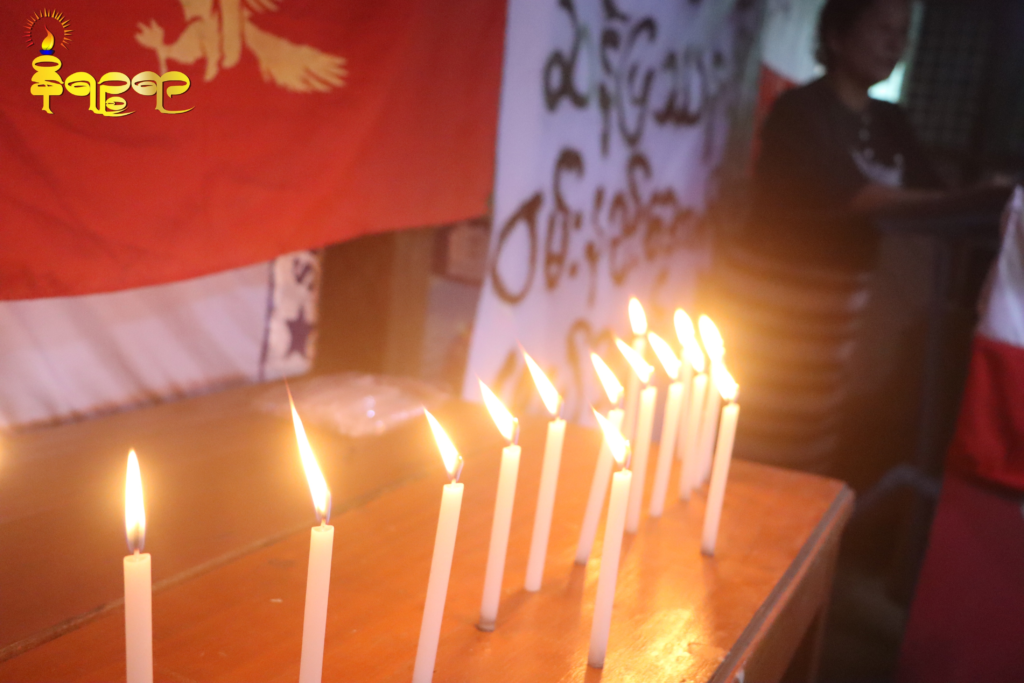
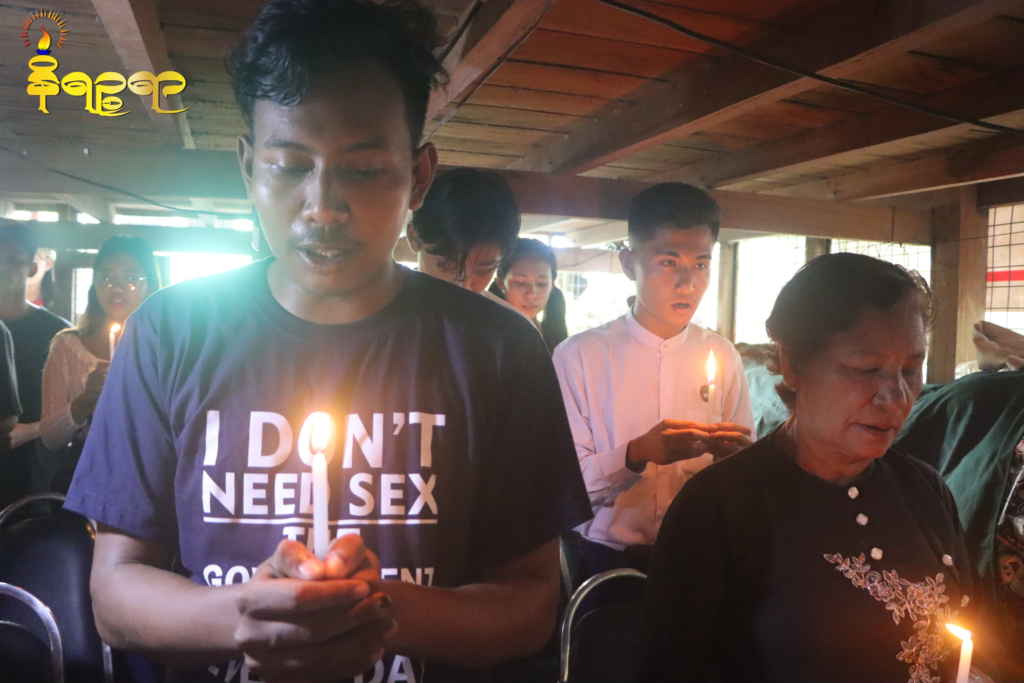
A commemoration of 13 August Sittwe rice killing day, in which 300 people were killed asthe army personnel opened fire on the protestors, was organised at Sittweuniversity student’s union office.
“The incident took place in Sittwe of RakhineState in 1967, when there was a shortage of rice grains that emerged as afamine. The people hit the Sittwe street and demanded rice grains. But theyfaced the army bullets and hundreds of them died. It was 56th anniversary ofthe painful day,” said Ko U Than Naing of Sittwe university city student’sunion.
Historic Sittwe rice killing day observed in Rakhine capital city
August 15/ 2023 | View Counts :5373
A commemoration of 13 August Sittwe rice killing day, in which 300 people were killed asthe army personnel opened fire on the protestors, was organised at Sittweuniversity student’s union office.
“The incident took place in Sittwe of RakhineState in 1967, when there was a shortage of rice grains that emerged as afamine. The people hit the Sittwe street and demanded rice grains. But theyfaced the army bullets and hundreds of them died. It was 56th anniversary ofthe painful day,” said Ko U Than Naing of Sittwe university city student’sunion.
The memorial meeting was however cut short because ofthe restless political ambience of the country.
“We organised the ceremony to mourn and rememberthose Rakhine people who died during the protest. We will never forget those300 victims,” he added.
The then military revolutionary council, led bygeneral Ne Win, forcefully confiscated rice grains from Rakhine State and laterexported to foreign countries to buy weapons.
As a result of it, a shortage of rice grains wasobserved in Rakhine State and many people suffered from starvation.
Tens of thousands of agitating people came to thestreet on 13 August 1967 demanding food items. The people of Arakan alwaysremember the unfortunate incident where the agitating citizens were killed bythe military rulers.
The memorial meeting was however cut short because ofthe restless political ambience of the country.
“We organised the ceremony to mourn and rememberthose Rakhine people who died during the protest. We will never forget those300 victims,” he added.
The then military revolutionary council, led bygeneral Ne Win, forcefully confiscated rice grains from Rakhine State and laterexported to foreign countries to buy weapons.
As a result of it, a shortage of rice grains wasobserved in Rakhine State and many people suffered from starvation.
Tens of thousands of agitating people came to thestreet on 13 August 1967 demanding food items. The people of Arakan alwaysremember the unfortunate incident where the agitating citizens were killed bythe military rulers.