Phyo Win Latt
This post is related to the one I published on December 19th titled “Commemorating the 240th Anniversary of the Fall of Arakanese Sovereignty.”
Throughout history, the Mon and Arakanese kingdoms existed grandly with their own monarchs, sovereignty, and empires. I believe we must unreservedly uncover historical records showing both the imperial atrocities committed by Bamar kings against these kingdoms, as well as the cruelties those kingdoms inflicted upon Myanmar/Bamar kings and citizens. Therefore, I am re-presenting the article “The Mon People and King Alaungpaya: The Perspective of Venerable Master Acwo” written by Thwin Latt (Mon State).
In the next post, I will re-present how Mon kings committed genocide against the Myanmar people, as recorded in Letwe Nawrahta’s “Alaungpaya Ayedawbon”.
Article Translation
The Mon People and King Alaungpaya: The Perspective of Venerable Master Acwo
By Thwin Latt (Mon State)
The main purpose of writing this article is twofold:
- To let the public know the true history as it is.
- To enable people to learn lessons from history.
Let me state at the outset that this is not meant to incite ethnic hatred. Because successive ruling governments concealed true history and understood it solely from the victor’s perspective, the civil war in multi-ethnic Union of Myanmar has been burning for as long as the country has been independent, remaining unabated to this day.
This is an era where the government, democratic opposition forces, and all ethnic people alike clamor for and desperately long for “National Reconciliation.” Yet, why have we not attained true peace and national reconciliation? The main reason is that the rulers and the ruled view things from different, opposing perspectives. I specifically refer to Bamar leaders who wish to solve the civil war—which originated from political problems—by bullying from a position of superiority using armed force.
Personal Reflections and Historical Context
From early childhood until I grew up, I attended state schools. In school, I became familiar with four school houses named after legendary national heroes:
- Kyansittha House
- Bayinnaung House
- Alaungphaya House
- Bandula House
Bamar citizens hold these four Bamar figures in high esteem as heroic martyrs. Thus, I grew up hearing the name “Alaungphaya” from my early school days. Furthermore, throughout my education, history classes continuously taught how King Alaungpaya unified and founded the Third Myanmar Empire. I also repeatedly heard military songs praising Alaungphaya on Myanmar Radio. Consequently, like many others, I deeply admired and respected King Alaungpaya until I passed tenth grade. At that time, I could not yet read or write Mon.
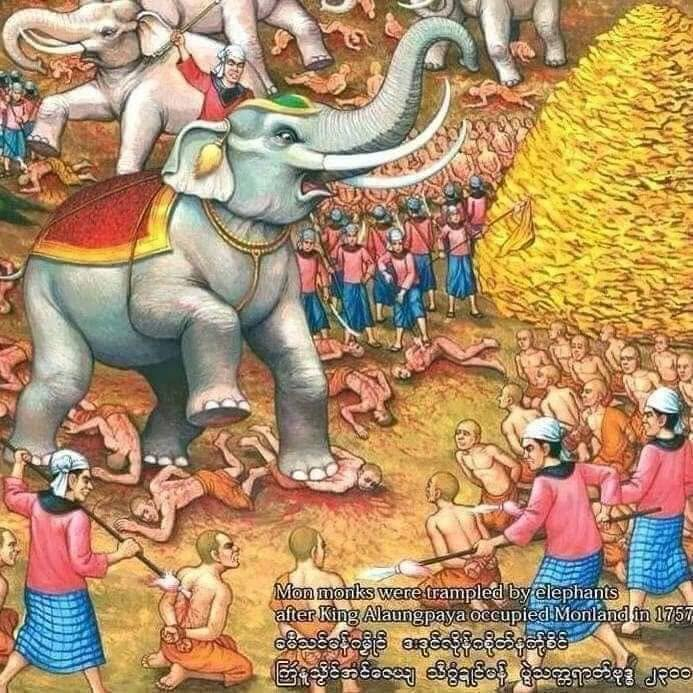
After passing tenth grade and before entering university, I attended a self-funded summer Mon literacy course organized by Mon Buddhist monks to learn basic Mon. There, I learned about King Alaungpaya’s imperial conquest of the Hanthawaddy Mon Kingdom: how tens of thousands of innocent Mon civilians—including men, women, and children—were subjected to various forms of brutal torture and burned alive in granaries; and how over 3,000 Mon monks were put to death without regard for the Buddhist Sasana (dispensation), whether by sword and spear, trampled by elephants, or burned alive in granaries.
Upon learning this, my long-held admiration for King Alaungpaya completely inverted, and I came to detest him. However, my grievance and resentment were solely toward King Alaungpaya, not toward the Bamar people or Bamar citizens.
Comparing Historical Figures and Historical Accountability
Even Devadatta, in his extreme foolishness and wickedness, never slaughtered tens of thousands of innocent human beings in cold blood. Though Devadatta caused a schism in the Sangha, he did not murder over 3,000 monks. Yet King Alaungpaya—the acclaimed hero revered by the Bamar people—was so utterly cruel and wicked that Devadatta himself would defer to him. There is no doubt that King Alaungpaya is now suffering alongside Devadatta in Avici Hell.
Why is an account of King Alaungpaya committing such atrocities and desecrating the Sasana absent from Bamar (Myanmar) history? Was it because past Bamar historians did not know, or did they deliberately conceal it from future generations? It is worth pondering.
Consider the well-known story of Khondaw Maung Kyaban. Because he insulted monks through word and deed, Bamar monks boycotted him by refusing his donations (Thabeik Hmauk). They only lifted the boycott after he admitted his mistake and apologized. Khondaw Maung Kyaban’s offense was minor, born of intellectual pride. Why, then, did Bamar people and monks not boycott King Alaungpaya, who tortured and murdered over 3,000 monks and desecrated the Sasana?
Could Bamar people truly have been unaware of King Alaungpaya’s cruelty? To say they did not know is illogical, as he executed numerous Mon monks and civilians in broad daylight in front of the public. News of massacres claiming tens of thousands of innocent Mon lives and monks would undoubtedly have echoed across the whole country.
If Bamar people genuinely did not know, it falls under the bias of ignorance (Moha-gati). If they knew but dared not speak the truth out of fear during an absolute feudal monarchy, it falls under the bias of fear (Bhaya-gati). If they knew but ignored his crimes because he was a proud figure for the Bamar people whom they loved, it falls under the bias of favoritism (Chanda-gati). Or, if they harbored hatred toward the Mon as wartime enemies and thought “let them perish,” it falls under the bias of ill-will (Dosa-gati). In any case, it cannot escape the four biases (Agati).
I believe present-day Bamar people should not leave this deep historical wound unaddressed, but rather actively heal it. In accordance with modern global practice, current Bamar citizens should accept accountability for both the good and bad legacies of their ancestors. Every year on the anniversary of the Hiroshima bombing, the Japanese government speaks words of apology on behalf of all Japanese people to nations that suffered from fascist Japan’s wartime atrocities. Current Myanmar government leaders—President U Win Myint and State Counsellor Daw Aung San Suu Kyi—should deeply reflect on this.
Just as a wound cannot heal without treatment, this historical injury lingering in Mon hearts for over two and a half centuries cannot automatically disappear. It can only be healed if Bamar people acknowledge it and apologize.
Simultaneously, the practice of glorifying King Alaungpaya—a perpetrator of severe atrocities against the Sasana—as a national hero and founder of the Third Myanmar Empire should cease. True history cannot be viewed exclusively from the perspective of the victor; the painful perspective of those who suffered must also be included in modern Myanmar history textbooks. Military songs extolling Alaungphaya on Myanmar radio and television should likewise be stopped, as continuing to broadcast them daily insults the ears of the Mon people. As long as the government fails to halt this, genuine Mon-Bamar reconciliation and friendship cannot truly materialize.
Discovering Master Acwo’s Writings
After the 8888 Uprising, I arrived at the Thai-Myanmar border. Occupied with other matters, I did not study ancient Mon literature then, possessing only basic Mon literacy. It was in 1997 that circumstances allowed me to study advanced Mon literature. I began reading the works of Shin Maha Uttama Ramba, also known as Venerable Master Acwo (Vaw Sayadaw), a preeminent luminary in Mon literary history. Master Acwo excelled in both Mon poetry and prose, standing as one of the most famous Mon writers of his era.
Coincidentally, Master Acwo lived through the era of King Alaungpaya and recorded contemporary Mon history on palm leaves. His historical accounts remain as enduring evidence for future generations. When King Alaungpaya invaded and captured the Mon kingdom of Hanthawaddy, Master Acwo was 54 years old. When Alaungpaya persecuted and executed over 3,000 Mon monks, Master Acwo managed to escape to safety. His survival was fortunate for the Mon people because he was able to rewrite and preserve a significant portion of the Mon literature destroyed by Alaungpaya’s fires.
Among Master Acwo’s works, the text that briefly addresses King Alaungpaya is titled “Rajawansa Samkhep” (A Summary of Chronicles). The text outlines over 84,000 royal lineages in this auspicious eon (Bhaddakappa) from the Bodhisatta’s life as a noble king up to King Vessantara.
In writing about King Alaungpaya’s cruelty, Master Acwo refrained from exaggeration. Desiring that the Mon people not harbor vengeance or hate against the Bamar, he wrote with restraint and omitted details. His omission was skillful: he recorded only the figure of over 3,000 executed monks, deliberately excluding the accounts and casualties of tens of thousands of innocent Mon civilians, including children. (Other Mon writers did record these civilian massacres). Master Acwo focused primarily on the unforgivable acts of slaughtering monks and desecrating the Sasana, addressing these tragic events succinctly in just a few sentences. This restraint gives his writing immense depth, nuance, and impact.
Rather than expressing anger, Master Acwo reflected on King Alaungpaya through the lens of Dhamma and spiritual urgency (Samvega). He respectfully addressed him as “Tlang Aungzeya” (His Majesty Aungzeya). Had Master Acwo been consumed by hatred, he would not have addressed him with such respect.
Because of its rich substance, Western scholars studied his Mon text Rajawansa Samkhep. During the British colonial era, Scottish missionary scholar Mr. Robert Halliday translated the work into English so scholars worldwide could read it.
Below are the historical excerpts detailing Master Acwo’s account of King Alaungpaya:
Excerpts & Translations
Excerpt 1: The Fall of Pegu and Execution of Monks
Mr. Halliday’s English Translation:
“It was after this that (His Majesty) Aungzeya, marching down from Muktsobo and Ava, arrived at Pham village. Because the rulers in Pegu were not in agreement among themselves, (His Majesty) Aungzeya had the opportunity to take the city of Pegu. At that time all the monks of the country who lived outside the city were gathered together in Pegu. There were over three thousand of them. The Burmese king, having taken Pegu, put all the monks to death. Only the monks who lived right out east of Sittang took flight across to Martaban, and went away on to the Siamese cities of Lampun and Chiengmai to escape from death. The Burmese king took away His Majesty himself and the Uparaja to Muktsobo.”
- Burmese Translation by Thwin Latt:“Afterwards, His Majesty Aungzeya marched down from Muktsobo and Ava and arrived at Pha village. Because the rulers in Pegu were disunited, His Majesty Aungzeya captured Pegu. During that period, monks nationwide residing outside the city were summoned to gather in Pegu, numbering over three thousand. After taking Pegu, the Bamar king executed all those monks. Only monks residing in the forest east of Sittang fled to Martaban and onward to the Siamese cities of Lampun and Chiang Mai to escape death. The Bamar king carried off the Mon king and the Crown Prince (Uparaja) to Muktsobo.”
Excerpt 2: The Date of the Fall of Pegu
Mr. Halliday’s English Translation:
“In the year 1119, on Friday, the 5th of the dark half of the month Vaisakha, at the time when old people sleep, the Burmese king Aungzeya took Pegu.”
- Burmese Translation by Thwin Latt:“In the year 1119, on Friday, the 5th waning day of Kason, at the time when elders retire to bed, the Bamar king Aungzeya captured Pegu.”
Excerpt 3: The Persecution and Desecration of Robes
Mr. Halliday’s English Translation:
“His Majesty Aungzeya was of a very fierce and cruel disposition, and made no account at all of life. He put to death many monks, and their iron almsbowls and silk robes were taken away, and the homespun robes were made into footmats. Of some they made pillows, of some they made belts, and of some they made sails. The monks’ robes were scattered all over land and water.”
- Burmese Translation by Thwin Latt:“His Majesty Aungzeya was exceedingly fierce, cruel, and ruthless, placing no value on human life. After executing the monks, his men confiscated their iron almsbowls and silk robes. They converted the coarse cotton robes into doormats, pillows, waistbands, and boat sails. Monks’ robes were left scattered everywhere across land and water.”
Concluding Reflections
King Alaungpaya (U Aung Zeya) passed away within three years of invading and capturing Hanthawaddy (Pegu). His short remaining lifespan was a blessing for surviving Mon civilians. He ascended the throne at Muktsobo in ME 1113, ruled for nine years, and died of illness in ME 1122 while returning from an unsuccessful campaign against Siam.
Master Acwo lived a long life, living through the reigns of King Alaungpaya’s son and grandson. At age 80, he translated 550 Jataka tales from Pali into Mon.
In the conclusion of Rajawansa Samkhep, Master Acwo admonished future Mon generations to cultivate spiritual reflection (Samvega), avoid harboring grudges, refrain from spreading hatred, and nurture loving-kindness (Metta). I deeply admire and revere his moral integrity, patience, virtue, and wisdom. I encourage all Mon people to heed his guidance. May everyone see historical truth; may historical wounds be healed through peaceful means; let us rebuild Mon-Bamar friendship and walk together hand-in-hand toward a peaceful new Union.
Dedication Poem
A Floral Offering to Master Acwo, the Beacon of Mon Literature
Our national heritage, passed down by ancestors,
The sacred palm-leaf manuscripts, our prized treasures,
Lay scattered on the ground, soiled and stained,
Where swine, ducks, chickens, and birds roamed and fed.
Witnessing this decline brought deep heartache;
Swiftly gathering and assembling the scattered leaves,
Reading, pondering their meanings and rich essence,
Embracing the unbloomed buds of literature with devotion,
Gazing intently as distant memories blurred—
Dreaming of the ancient Mon realm of Ramanya,
Once prosperous, pleasant, and glorious,
Resting peacefully in the soothing shade of Dhamma.
Meeting in awe the noble Sangha,
The master poets, scholars, and sages.
Through the turbulent storms of our history,
Amid brutal, dark times that uprooted giant trees,
Though witnessing these horrors firsthand,
Armed with wisdom and equal measure of compassion,
He derived Dhamma insights (Samvega),
Teaching the path of forgiveness and loving-kindness.
Preserving the multi-faceted Dhamma literature
As a noble heritage for posterity—
Rich in substance, quality, and flavor,
Setting standards for the Mon language
In various styles of poetry and prose,
Standing as a literary beacon at our doorway.
Following the Master’s heart and keeping his counsel,
Holding his teachings close to our chest,
We shall steadily march forward toward the future goal.
Thwin Latt (Mon State), temporarily in the United States.
Phyo Win Latt is feeling guilty.
ဒီ post ကတော့ ကျနော် ဒီဇင်ဘာလ ၁၉ ရက်နေ့မှာတင်ခဲ့တဲ့ “ရက္ခိုင့်အချုပ်အခြာအာဏာ ကျဆုံးခြင်း နှစ်၂၄၀ပြည့် အထိမ်းအမှတ်” post နဲ့ဆက်စပ်မှုရှိတဲ့ post တခုဖြစ်ပါတယ်။ သမိုင်းတလျောက်မှာ ကိုယ့်မင်း ကိုယ့်ချင်း ကိုယ့်အင်ပါယာနဲ့ ထည်ဝါခမ်းနားစွာ နေထိုင်လာခဲ့ကြတဲ့ မွန်နဲ့ ရက္ခိုင့်ဘုရင့်နိုင်ငံတော်တွေကို ဗမာမင်းတွေရဲ့ နယ်ချဲ့ ကျူးကျော်ရက်စက်ခဲ့မှုတွေကိုရော အဲ့ဒီ ဘုရင့်နိုင်ငံတော်တွေက မြန်မာ/ဗမာ မင်းတွေနဲ့ မြန်မာ/ဗမာ ပြည်သူတွေအပေါ် ကျူးလွန်ခဲ့ဖူးတဲ့ ရက်စက်မှုတွေကိုရောကို သမိုင်းမှတ်တမ်းတွေထဲကနေတွေ့ရတဲ့အတိုင်း မချွင်းမချန် ပြန်လည်ဖော်ထုတ်တင်ပြသင့်တယ်လို့ယုံကြည်တဲ့အတွက် သွင်လက် (မွန်ပြည်) ရေးသားခဲ့တဲ့ “မွန်လူမျိုးနှင့် အလောင်းမင်းတရားကြီး ဝေါဆရာတော်၏အမြင်” ဆောင်းပါးကို ပြန်လည်တင်ဆက်ပေးလိုက်ပါတယ်။ နောက်တ post မှာတော့ လက်ဝဲနော်ရထာ ရေးခဲ့တဲ့ “အလောင်းမင်းတရားကြီး အရေးတော်ပုံ” ထဲက မွန်မင်းတွေရဲ့ မြန်မာပြည်သူတွေကို genocide ကျူးလွန်ခဲ့ပုံတွေကို ပြန်လည်တင်ဆက်ပေးပါမယ်။
မွန်လူမျိုးနှင့် အလောင်းမင်းတရားကြီး ဝေါဆရာတော်၏အမြင်
သွင်လက် (မွန်ပြည်)
ဤဆောင်းပါးကို ရေးသားရခြင်း၏ အဓိကရည်ရွယ်ချက်မှာ (၁) သမိုင်းမှန်ကို အရှိကိုအရှိအတိုင်း လူအများသိရှိစေရန်နှင့် (၂) သမိုင်းမှ သင်ခန်းစာယူတတ်ကြစေရန်ဖြစ်သည်။ လူမျိုးရေးမုန်းတီးမှု ကို ဖန်းတီးရန်မဟုတ်ကြောင်း ဦးစွာဆိုပါရစေ။ သမိုင်းမှန်ကိုဖုံးကွယ်ခြင်းနှင့် သမိုင်းကို စစ်အောင် နိုင်သူလူမျိုး၏ အောင်နိုင်သူရှုထောင့်တစ်ခုတည်းကိုသာ နားလည်ထားကြသော အုပ်စိုးသူအစိုးရ ဆက်ဆက်ကြောင့်သာ တိုင်းရင်းသားလူမျိုးပေါင်းစုံ မှီတင်းနေထိုင်ကြသော ပြည်ထောင်စုမြန်မာနိုင် ငံတွင် တိုင်းပြည်လွတ်လပ်ရေးသက်တမ်းနှင့်အညီ ပြည်တွင်းစစ်မီး တောက်လောင်နေခဲ့သည်မှာ ယ နေ့ထက်တိုင်ပင် အဆုံးသတ်နိုင်ခြင်း မရှိသေးချေ။ “အမျိုးသားပြန်လည်ရင်ကြားစေ့ရေး” ဟူ၍ စိုးရသည်လည်းကောင်း၊ ဒီမိုကရေစီအတိုက်အခံ အင်အားစုများသည်လည်းကောင်း၊ တိုင်းရင်းသား ပြည်သူတစ်ရပ်လုံးသည်လည်းကောင်း အစာစာအော်၍ တကယ်လိုလား အထူးတောင့်တနေကြသော ခေတ်ဖြစ်ပေသည်။ အားလုံးလိုလားတောင့်တနေကြပါလျက် တကယ်စစ်မှန်သော ငြိမ်းချမ်းရေးကို လည်းကောင်း၊ အမျိုးသားပြန်လည်သင့်မြတ်ခြင်းကိုလည်းကောင်း အဘယ့်ကြောင့် မရရှိသေးပါသနည်း။ အဓိကအကြောင်းရင်းမှာ အုပ်စိုးသူနှင့်အုပ်စိုးခံအကြား မတူသောရှုထောင့် ဆန့်ကျင်ဘက်ရှု ထောင့်မှ ရှုမြင်နားလည်နေကြသောကြောင့်ပင်ဖြစ်သည်။ နိုင်ငံရေးပြဿနာမှ အခြေတည်ပေါ်ပေါက် ခဲ့ရသော ပြည်တွင်းစစ်မီးကို လက်နက်အားကိုးဖြင့် အထက်စီးမှနေ၍ အနိုင်ကျင့်ဖြေရှင်းလိုသော ဗမာခေါင်းဆောင်များကို အထူးရည်ညွှန်းလိုသည်။
စာရေးသူသည် ငယ်စဉ်ကလေးဘဝမှ ကြီးပြင်းလာသည့်တိုင် အစိုးရကျောင်းတွင် ကျောင်းနေခဲ့သူ ဖြစ်သည်။ ကျောင်းတွင် အသင်း(၄)သင်းနှင့် ရင်းနှီးလာခဲ့သည်။ (၁) ကျန်စစ်သားအသင်း၊ (၂) ဘု ရင့်နောင်အသင်း၊ (၃) အလောင်းဘုရားအသင်း၊ (၄) ဗန္ဓုလအသင်းဟူ၍ဖြစ်သည်။ ဗမာအမျိုးသား ဤပုဂ္ဂိုလ်ကြီး(၄)ဦးကို ဗမာပြည်သူ ဗမာလူမျိုးတို့က အာဇာနည်သူရဲကောင်းကြီးများအဖြစ် အထူးလေးစားကြသည်။ ဤသို့စာရေးသူကျောင်းစနေစဉ် ငယ်စဉ်ကလေးဘဝကတည်းက လောင်းဘုရားဟူသော အမည်နာမနှင့်ရင်းနှီးခဲ့သည်။ ထို့အပြင် စာရေးသူငယ်စဉ်မှစ၍ ကြီးပြင်းလာ သည့်တိုင် သမိုင်းဘာသာရပ်တွင် အလောင်းမင်းတရားကြီး၏ တတိယမြန်မာနိုင်ငံကို သိမ်းသွင်း တည်ထောင်ခဲ့ပုံများကို ဆက်တိုက်သင်ကြားခဲ့ရသည်။ မြန်မာ့ရေဒီယိုမှ အလောင်းဘုရားကို ချီးမွမ်း စပ်ဆိုထားသော တပ်မတော်သီးချင်းများကိုလည်း အမြဲတမ်းကြားနေခဲ့ရသည်။ ထို့ကြောင့်ပင် အ လောင်းမင်းတရားကြီးကို အများနည်းတူ စာရေးသူလည်း အလွန်အထင်ကြီးလေးစားခဲ့သည်။ ရေးသူဆယ်တန်းအောင်ပြီးသည့်အချိန်အထိဖြစ်သည်။ ထိုအချိန်တွင် စာရေးသူသည် မွန်စာမတတ် သေးပေ။
စာရေးသူဆယ်တန်းအောင်ပြီးနောက် တက္ကသိုလ်မတက်မီ မွန်စာသင်ပုန်းကြီးကို လေ့လာရန်အတွက် မွန်ရဟန်းသံဃာတော်များ ဦးစီးဖွင့်လှစ်သော ကိုယ်ထူကိုယ်ထ နွေရာသီမွန်စာပေသင်တန်းကို တက်ရောက်ခဲ့သည်။ ထိုအခါ အလောင်းမင်းတရားကြီး၏ ဟံသာဝတီမွန်နိုင်ငံတော်ကို နယ်ချဲ့သိမ်း ပိုက်ခဲ့ပုံ၊ အရေအတွက်အားဖြင့် သောင်းပေါင်းများစွာသော ယောကျာ်း, မိန်းမ, ကလေးသူငယ်များ မှအစ အပြစ်မဲ့မွန်ပြည်သူများအား နည်းအမျိုးမျိုးဖြင့် ရက်စက်ကြမ်းကြုတ်စွာ ညှဉ်းပမ်းနှိပ်စက်၍ အရှင်လတ်လတ် ကျီသွင်း၍မီးရှို့သတ်ဖြတ်ခဲ့ပုံ၊ မွန်ရဟန်းသံဃာတော်ပေါင်း အပါး(၃၀၀၀)ကျော် ဓါးလှံတို့ဖြင့် ထိုးခုတ်၍လည်းကောင်း၊ ဆင်နင်းစေ၍လည်းကောင်း၊ ကျီသွင်းမီးရှို့၍လည်း ကောင်း ဗုဒ္ဓသာသနာတော်ကိုမျှ မထောက်ထားဘဲ .. အလောင်းမင်းတရားကြီး၏ ရက်စက်ကြမ်း ကြုတ်စွာ သတ်ဖြတ်ခဲ့ပုံများကို စာရေးသူလေ့လာသိရှိခဲ့ရသည်။ ထိုအခါ အချိန်ကာလကြာမြင့်စွာ အလောင်းမင်းတရားကြီးကို အလွန်အထင်ကြီးလေးစားလာခဲ့သော စာရေးသူသည် ဆန့်ကျင်ဘက်အ ခြေသို့ လုံးလုံးလျားလျား ဆိုက်ရောက်သွားကာ အလောင်းမင်းတရားကြီးအား အလွန်ရွံရှာမုန်းတီး သော သူတစ်ယောက်အဖြစ်သို့ ရောက်ခဲ့ရသည်။ အလောင်းမင်းတရားကြီးကိုသာ မုန်းတီးနာကြည်း ပါသည်။ ဗမာလူမျိုး ဗမာပြည်သူများကို စာရေးသူမမုန်းပါ။
မိုက်မဲယုတ်မာရာတွင် ကမ်းကုန်သောဒေဝဒတ်သည်ပင်လျှင် သောင်းပေါင်းများစွာသော အပြစ်မဲ့လူ သားများကို သွေးအေးအေးဖြင့် မသတ်ဖြတ်ခဲ့ရပါ။ ဒေဝဒတ်သည် သံဃာသင်းခွဲသည်ဆိုသော် လည်း အပါး(၃၀၀၀)ကျော်သော ရဟန်းသံဃာတော်များကိုလည်း မသတ်ဖြတ်ခဲ့ရပါ။ ဗမာလူမျိုး တို့၏ အထူးကြည်ညိုလေးစားပြီး အလွန်အထင်ကြီးနေကြသော သူရဲကောင်းအာဇာနည်ပုဂ္ဂိုဟ်ကျော် ကြီး အလောင်းမင်းတရားကြီးသည်ကား ဒေဝဒတ်ပင် အဘခေါ်ရလောက်အောင် အလွန်မိုက်မဲယုတ် မာကြမ်းကြုတ်၏။ ယခုအချိန်တွင် အလောင်းမင်းတရားကြီးသည် အဝီစိငရဲတွင် ဒေဝဒတ်နှင့်အတူ ချိုးကပ်နေမည်မှာ ယုံမှားဖွယ်မရှိပေ။ ဤမျှရက်စက်ကြမ်းကြုတ် ရုန့်ရင်းရိုင်းပျသော ဤမျှ သာသနာတော်ကို စော်ကားပြစ်မှားခဲ့သော အလောင်းမင်းတရားကြီး၏အကြောင်းကို ဗမာ့သမိုင်း (မြန်မာ့သမိုင်း)တွင် လုံးဝမတွေ့ရသည်မှာ ရှေးဗမာ့သမိုင်းပညာရှင်များက ဤအကြောင်းကို မသိကြ၍ လော။ သို့တည်းမဟုတ် ဤအကြောင်းကို နောင်လာနောက်သားများကို မသိစေလို၍ တမင်လျှို့ဝှက်ထိမ်ချန်ခဲ့ကြ၍လော။ စဉ်းစားစရာပင်ဖြစ်သည်။
နောက်တစ်ချက်မှာ ခုံတော်မောင်ကျဘမ်းအကြောင်းကို လူတိုင်းဖတ်ဖူးကြမည်ဟု ထင်ပါသည်။ ခုံ တော်မောင်ကျဘမ်းသည် ကိုယ်အမူအရာ နှုတ်အမူအရာဖြင့် ရဟန်းသံဃာတော်များကို စော်ကား သည် အကြည်အညိုပျက်စေသည်ဟုဆို၍ ဗမာသံဃာတော်များက ခုံတော်မောင်ကျဘမ်းအား ၄င်း ၏အလှူအတန်းကို လက်မခံဘဲ သပိတ်မှောက်ခဲ့ကြလေသည်။ ၄င်းက အမှားကိုဝန်ခံ၍ သံဃာတော် များအား ဝန်ချတောင်းပန်ပြီးသောအခါမှသာ ပြန်လည်သပိတ်လှန်ခဲ့ကြသည်။ ခုံတော်မောင်ကျဘမ်း ၏ ပညာမာနယစ်မူး ကျူးလွန်ခဲ့သည့်အပြစ်သည် မဆိုစလောက်သာဖြစ်သည်။ ရဟန်းသံဃာတော် အပါး (၃၀၀၀)ကျော်ကို နှိပ်စက်သတ်ဖြတ်၍ သာသနာတော်ကို စော်ကားခဲ့သည့် အလောင်းမင်း တရားကြီးကိုကား ဗမာလူမျိုးနှင့်ဗမာရဟန်းတော်တို့က အဘယ့်ကြောင့် သပိတ်မမှောက်ခဲ့ကြ လေသနည်း။
အလောင်းမင်းတရားကြီး၏ မိုက်ကန်းရက်စက်ယုတ်မာခြင်းကို ဗမာလူမျိုးတို့က မသိကြကုန်၍ လော။ မသိဟုဆိုလျှင်ကား ယုတ္တိယုတ္တာမရှိပေ။ အဘယ်ကြောင့်ဆိုသော် အလောင်းမင်းတရားကြီး သည် များလှစွာသော မွန်ရဟန်းရှင်လူတို့ကို ဗမာပြည်သူများ၏ရှေ့မှောက် ကွင်းပြောင်ကြီးတွင်ပင် သတ်ဖြတ်ခဲ့သောကြောင့်ဖြစ်သည်။ သောင်းနှင့်ချီသော အပြစ်မဲ့မွန်ပြည်သူလူထုနှင့် သံဃာတော်များ ကို အစုလိုက်အပြုံလိုက် သတ်ဖြတ်ခဲ့သည့် လူသတ်ပွဲကြီး၏သတင်းသည် ထိုအချိန်ကာလက ဗမာ တစ်ပြည်လုံးသို့ အုတ်အုတ်ကျက်ကျက် ပဲ့တင်ရိုက်ခတ် ပျံ့နှံ့ကျော်ကြားသွားစေခဲ့မည်မှာ ယုံမှားသံ သယဖြစ်ဖွယ်မရှိပေ။ အလောင်းမင်းတရားကြီး၏ ဤရက်စက်ကြမ်းကြုတ်ယုတ်မာသောလုပ်ရပ်ကို ဗမာလူမျိုးတို့ တကယ်မသိရပါဟုဆိုလျှင်လည်း အဂတိတရားလေးပါးအနက် မောဟာဂတိသို့ လား ရောက်ပါသည်။ သို့တည်းမဟုတ် သိမြင်ပါလျက် သက်ဦးဆံပိုင် ပဒေသရာဇ်ခေတ်ဖြစ်နေ၍ အလောင်းမင်းတရားကြီးကို ကြောက်ရွံ့ရသောကြောင့် အမှန်တရားကို မဆိုဝံ့ဟုဆိုလျှင်လည်း အဂတိ တရားလေးပါးအနက် ဘယာဂတိသို့ လားရောက်ပါသည်။ သို့တည်းမဟုတ် အလောင်းမင်းတရား ကြီးသည် ဗမာလူမျိုးတို့အတွက် ဂုဏ်ယူထိုက်သော ဘုရင်တစ်ပါးဖြစ်နေ၍ ၄င်းကိုချစ်သောကြောင့် ၄င်းကျူးလွန်ခဲ့သောအပြစ်ကြီးကို သိနေပါလျက်နှင့် ၄င်း၏အပြစ်ကို ဖာထေးဖုံးကွယ်လိုသောကြောင့် မသိကျိုးကျွံပြုခဲ့လျှင်လည်း အဂတိတရားလေးပါးအနက် ဆန္ဒာဂတိသို့ လားရောက်ပါသည်။ သို့ တည်းမဟုတ် မွန်လူမျိုးသည် ဗမာလူမျိုး၏စစ်ပြိုင်ဘက် ရန်သူလူမျိုးဖြစ်သည်ဟု သဘောထား၍ အမုန်းတရားဖြင့် သေပလေ့စေဟုဆိုလျှင်လည်း အဂတိတရားလေးပါးအနက် ဒေါသာဂတိသို့ လား ရောက်ပါသည်။ မည်သို့ပင်ဆိုစေ အဂတိတရားလေးပါးနှင့် မကင်းပါပေ။
သမိုင်း၏ဤအနာဒဏ်ရာကြီးကို ယနေ့ဗမာလူမျိုးတို့အနေနှင့် ဤအတိုင်းမထားဘဲ ကုစားရန် ထုတ်သင့်သည်ဟု စာရေးသူမြင်ပါသည်။ ယနေ့ခေတ်ကမ္ဘာ၏ အစဉ်အလာအရ မိမိလူမျိုးဘိုးဘွား ဘီဘင်တို့ ပြုခဲ့ကြသော ကောင်းကျိုးဆိုးပြစ် ကောင်းမွေဆိုးမွေအားလုံးကို ယနေ့ခေတ်ဗမာပြည် သူများက တာဝန်ခံသင့်ပေသည်။ ဒုတိယကမ္ဘာစစ်ကာလက ဖက်ဆစ်ဂျပန်များ၏ ရက်စက်ကြမ်း ကြုတ်ခဲ့သည့် လုပ်ရပ်များအတွက် ယနေ့ဂျပန်နိုင်ငံ ဂျပန်အစိုးရသည် ဂျပန်ပြည်သူတစ်ရပ်လုံး၏ ကိုယ်စား ဟီရိုရှီးမားမြို့ ဗုံးကြဲခံခဲ့ရသောနေ့သို့ရောက်တိုင်း နစ်နာခံစားခဲ့ရသည့်နိုင်ငံများမှ ပြည် သူများကို ဝန်ချတောင်းပန်စကား ပြောကြားနေကြပေသည်။ ဤအရေးနှင့်ပတ်သက်၍ လက်ရှိဗမာ အစိုးရခေါင်းဆောင်များဖြစ်သော သမ္မတဦးဝင်းမြင့်သည်လည်းကောင်း၊ အတိုက်အခံဗမာ့ဒီမိုကရေ စီခေါင်းဆောင်အဖြစ်မှ နိုင်ငံတော်အတိုင်ပင်ခံပုဂ္ဂိုလ်ဖြစ်လာသော နိုဘဲငြိမ်းချမ်းရေးဆုရှင် ဒေါ်အောင် ဆန်းစုကြည်သည်လည်းကောင်း အလေးအနက်ထား စဉ်းစားသင့်ပေပြီ။ အနာဒဏ်ရာတစ်ခုသည် မ ကုစားလျှင် မပျောက်ကင်းနိုင်သကဲ့သို့ပင်၊ မွန်လူမျိုးတို့၏နှလုံးသား၌ ရာစုနှစ်(၂)စုခွဲကျော်က ဖြစ် ပေါ်တည်ရှိနာကြည်းနေခဲ့သော ဤသမိုင်းဒဏ်ရာဒဏ်ချက်ကြီးကို လျစ်လျူရှုမကုစားဘဲ ဤအတိုင်း ထား၍ အလိုအလျောက် မပျောက်ကင်းနိုင်ပါ။ ဗမာတို့က ဝန်ခံတောင်းပန်ခြင်းဖြင့် ကုစားပေးမှ သာလျှင် ဤဒဏ်ရာကြီး ပျောက်ကင်းနိုင်ပါမည်။
တစ်ဆက်တည်းတွင် သာသနာတော်ကို ရိုင်းပျစော်ကားကြမ်းကြုတ်ခဲ့သော ငရဲရာဇဝတ်ကောင်ကြီး အလောင်းဘုရားကို တတိယမြန်မာနိုင်ငံတော်ကို တည်ထောင်ခဲ့သူ အာဇာနည်သူရဲကောင်းတစ်ဦးအဖြစ် သတ်မှတ်နေခြင်းကိုလည်း ဤမျှဖြင့် ရပ်ဆိုင်းသင့်ပေပြီ။ သမိုင်းမှန်ဟူသည်မှာ စစ်အောင်နိုင်သူ လူမျိုး၏ ဂုဏ်ယူဖွယ်ရှုထောင့်တစ်ခုတည်းကိုသာ ယူ၍မရတော့ပါ၊ နစ်နာခံစားခဲ့ရသည့်လူမျိုး၏ နာကြည်းကြေကွဲဖွယ်ရှုထောင့်ကိုလည်း ခေတ်မီမြန်မာ့သမိုင်းဖတ်စာသစ်တွင် ထည့်သွင်းဖော်ပြသင့် ပေပြီ။ မြန်မာ့ရေဒီယိုနှင့် ရုပ်မြင်သံကြားအစီအစဉ်တွင် ထုတ်လွှင့်နေသော အလောင်းဘုရားကို အ မွှမ်းတင်ဂုဏ်ပြုသီဆိုနေသော စစ်ချီတေးသီချင်းများကိုလည်း ဤမျှဖြင့် ရပ်ဆိုင်းသင့်ပေပြီ။ မရပ် ဆိုင်းသေးပါက တိုင်းရင်းသားပြည်သူများအနက် – မွန်ပြည်သူတို့၏နားအာရုံကို နေ့စဉ်နှင့်အမျှ စော် ကားနေသကဲ့သို့ ဖြစ်နေပေသည်။ ဤသည်တို့ကို ဗမာအစိုးရက မရပ်ဆိုင်းသေးသမျှကာလပတ် လုံး မွန်ဗမာပြန်လည်ရင်ကြားစေ့ရေးသည်လည်းကောင်း၊ မွန်ဗမာပြန်လည်ချစ်ကြည်ရေးသည်လည်း ကောင်း တကယ်တမ်း ပြည့်ပြည့်ဝဝ အနှစ်သာရရှိရှိ ဖြစ်ပေါ်လာနိုင်မည်မဟုတ်ပေ။
စာရေးသူသည် (၈၈)အရေးအခင်းနောက်ပိုင်းတွင် ထိုင်းမြန်မာနယ်စပ်ဒေသသို့ ရောက်ရှိသွားခဲ့ သည်။ အခြားသောကဏ္ဍများတွင် အလုပ်များနေသဖြင့် မွန်စာပေဟောင်းကို မလေ့လာဖြစ်ခဲ့ပါ။ မွန်သင်ပုန်းကြီးနှင့် မွန်စာအသတ်ဆယ်မျိုးကိုသာ အခြေခံအဆင့်မျှ တတ်မြောက်ထားခဲ့သည်။ ၁၉၉၇ ခုနှစ်ရောက်မှ အခြေအနေက ဖန်တီးလာသောကြောင့် အဆင့်မြင့်မွန်စာပေဟောင်းများကို စ၍လေ့လာဖြစ်ခဲ့သည်။ မွန်စာပေသမိုင်းတွင် နေတစ်ဆူအဖြစ် ထင်ရှားခဲ့သော ရှင်မဟာဥတ္တမရမ္ဘ (ခေါ်) ဝေါဆရာတော်ဘုရားကြီး၏စာပေများကို စတင်ဖတ်ရှုလေ့လာခဲ့သည်။ အဆင့်မြင့်မွန်စာပေ ဟောင်းများ၏ အရသာနှင့်တန်ဖိုးကို သိရှိပြီးနောက် ယခုအချိန်အထိ ဆက်လက်လေ့လာနေဆဲဖြစ် သည်။ ဝေါဆရာတော်ဘုရားကြီးသည် မွန်စာပေအရေးအသား၌ လကာ်စကားပြေ နှစ်မျိုးစလုံးတွင် အလွန်ထူးချွန်ကျွမ်းကျင်သည်။ ဆရာတော့်ခေတ်အခါတွင် ဆရာတော်သည် နေတစ်ဆူပမာ ကျော်ကြားဆုံးသော မွန်စာဆိုတော်ကြီးတစ်ဦးဖြစ်သည်။
တိုက်ဆိုင်စွာပင် ဝေါဆရာတော်သည် အလောင်းဘုရားကို ကောင်းစွာမိခဲ့ပြီး ထိုခေတ်မွန်သမိုင်းကို အထိုက်အလျောက် ပေထက်အက္ခရာတင်နိုင်ခဲ့သည်။ ဆရာတော်ရေးသားသော သမိုင်းအချက်အ လက်များသည် ယနေ့ထက်တိုင် နောင်လာနောက်သားများလေ့လာရန် သက်သေအဖြစ်ကျန်ရစ်ခဲ့ လေသည်။ မွန်ပြည်ဟံသာဝတီကို ဗမာဘုရင်အလောင်းဘုရား ကျူးကျော်တိုက်ခိုက်သိမ်းပိုက်ချိန်၌ ဝေါဆရာတော်သည် သက်တော်(၅၄)နှစ်ရှိပေပြီ။ အလောင်းဘုရားက မွန်ရဟန်းသံဃာ(၃၀၀၀) ကျော်အား နှိပ်စက်သတ်ဖြတ်ချိန်တွင် ဝေါဆရာတော်ကိုယ်တိုင်သည် ဘေးလွတ်ရာကို ရှောင်တိမ်း နိုင်ခဲ့၍ အလောင်းဘုရား၏ သတ်ဖြတ်ခြင်းမှ ကံကောင်းထောက်မစွာ လွတ်မြောက်ခဲ့လေသည်။ ဆရာတော်အသက်မသေ လွတ်မြောက်ခဲ့ခြင်းသည် မွန်လူမျိုးတို့အတွက် ကံကောင်းသည်ဟု ဆိုရပေ မည်။ အဘယ်ကြောင့်ဆိုသော် အလောင်းဘုရား မီးရှို့ဖျက်ဆီးပစ်လိုက်သည့် မြောက်မြားလှစွာသော မွန်စာပေကျမ်းဂန်များကို ဆရာတော်က အတိုင်းအတာတစ်ခုအထိ ပြန်လည်ရေးသားပြုစုပေးနိုင်ခဲ့ ခြင်းကြောင့်ပင်ဖြစ်သည်။ ဝေါဆရာတော်၏ကျေးဇူးကြောင့် များစွာသော မွန်စာပေအမွေအနှစ်သည် ယနေ့ထက်တိုင် ကျန်ရစ်ခဲ့ပေသည်။
ဝေါဆရာတော်ဘုရားကြီး ရေးသားခဲ့သော မွန်စာပေများအနက် အလောင်းဘုရားအကြောင်းကို နည်းငယ် ထည့်သွင်းရေးသားသောကျမ်းစာမှာ အမည်အားဖြင့် “ရာဇာဝံသသံခိပ်” ပင်ဖြစ်သည်။ ဤဘဒ္ဒကမ္ဘာ၌ ဂေါတမမြတ်စွာဘုရားလောင်းသည် သာမန္တမင်းဘဝမှ ဝေဿန္တရာမင်းဘဝအထိ ထို ကာလအတွင်း မင်းဆက်ပေါင်း ရှစ်သောင်းလေးထောင်ကျော်ရှိကြောင်း ဖော်ပြပြီးလျှင် ထိုမင်းဆက် တို့၏အကြောင်းကို အကျဉ်းချုံးရေးသားထားသော သံခိပ်ကျမ်းတစ်စောင်ပင်ဖြစ်သည်။ ဆရာတော် သည် အလောင်းဘုရား၏ ယုတ်မာကြမ်းကြုတ်မှုကို ရေးသားရာ၌ လုံးဝချဲ့ကားခဲ့ခြင်းမရှိပေ။ မွန် လူမျိုးတို့ကို ဗမာလူမျိုးတို့၌ ရန်ငြိုးမဖွဲ့စေလိုသောကြောင့် ထိမ်ချန်လျှော့ပေါ့၍ပင် ရေးသားခဲ့လေ သည်။ ဆရာတော်ထိမ်ချန်လျှော့ပေါ့၍ ရေးသားခဲ့ပုံမှာ ပညာသားလည်းပါလှသည်။ အသတ်အဖြတ် ခံရသော မွန်လူမျိုးတို့အနက်မှ ရဟန်းသံဃာအရေအတွက်ကိုသာ အပါး(၃၀၀၀)ကျော်ဟု ထည့် သွင်းရေးသားခဲ့သည်။ သောင်းပေါင်းများစွာသော ကလေးသူငယ်များပါမကျန် အပြစ်မဲ့မွန်ပြည်သူ များ၏ အသတ်အဖြတ်ခံခဲ့ရသည့် ဖြစ်ရပ်ကိုလည်းကောင်း အရေအတွက်ကိုလည်းကောင်း ရာဇာဝံ သသံခိပ်ကျမ်း၌ ဆရာတော်ထည့်သွင်းရေးသားခဲ့ခြင်းမရှိပေ။ အခြားမွန်စာဆိုတို့ကသာ ကလေးသူ ငယ်များနှင့် အမျိုးသမီးများအပါအဝင် သောင်းနှင့်ချီသော မွန်ပြည်သူများကိုလည်း အလောင်းဘု ရားက ရက်စက်စွာသတ်ဖြတ်ခဲ့ကြောင်း ရေးသားကြသည်။ အလောင်းဘုရား၏ သံဃာတော်အများ အပြားကို သတ်ဖြတ်ခြင်း၊ သာသနာတော်ကို ပြစ်မှားစော်ကားခြင်းကိုသာလျင် ခွင့်မလွှတ်နိုင်သော လုပ်ရပ်အဖြစ် ဝေါဆရာတော်က ပဓါနပြုရေးသားလိုခဲ့ဟန်တူသည်။ ဆရာတော်သည် ဤအနိဋ္ဌာရုံ အကြောင်းကို ရေးသားရာတွင် အလျင်းပုံကြီးမချဲ့ခဲ့၊ ဝါကျသုံးလေးကြောင်းမျှဖြင့်သာ တိုတိုတုတ် တုတ် ရေးသားခဲ့လေသည်။ ထိုသို့ချဲ့ကားမှုမရှိခြင်း၊ လျှော့ပေါ့ချန်လှပ်၍ ရေးသားခဲ့ခြင်းကြောင့်ပင် လျှင် ဆရာတော်၏အရေးအသားသည် အနှစ်သာရနှင့်ပြည့်စုံ၍ အလွန်လည်းထိမိ၍ အလွန်လည်း ထိရောက်လှသည်။
ဝေါဆရာတော်သည် အလောင်းဘုရားကို အမျက်ဒေါသမထွက်ဘဲ တရားသဘောဖြင့်သာ သံဝေဂယူ ခဲ့သည်။ အလောင်းဘုရားကိုလည်း ဘုရင်တစ်ပါးအဖြစ် တလေးတစားပင် “တညးအံင်ဇေယျ” ဟူ၍ ခေါ်ဝေါ်ခဲ့သည်။ ဗမာလိုအဓိပ္ပါယ်မှာ “သူ့ရှင်အောင်ဇေယျ” အင်္ဂလိပ်ဘာသာအားဖြင့် (His Majesty Aungzeya) ဟူ၍ဖြစ်သည်။. အကယ်၍သာ ဝေါဆရာတော်သည် အလောင်းဘုရားကို အမျက်ထွက်မုန်းတီးနေမည်ဆိုပါလျှင် ဤကဲ့သို့ တလေးတစား “သူ့ရှင်” (His Majesty)ဟု ခေါ် ဆိုနိုင်မည်မဟုတ်ချေ။ ဝေါဆရာတော်ရေးသားသော “ရာဇာဝံသသံခိပ်” အမည်ရှိ ဤမွန်ဘာသာ ကျမ်းသည် အနှစ်သာရနှင့် ပြည့်စုံသောကြောင့် အနောက်တိုင်းပညာရှင်တို့ကပင် အလေးအနက် ထား လေ့လာဖတ်ရှုခဲ့ကြသည်။ စကော့တလန်နိုင်ငံသားပညာရှင် ခရစ်ယန်သာသနာပြုပုဂ္ဂိုလ် မစ္စ တာဟားလီးဒေး (Mr. Halliday)သည် တစ်ကမ္ဘာလုံးရှိပညာရှင်များ လေ့လာဖတ်ရှုနိုင်ရန်အလို့ငှာ ဤကျမ်းကို ဗြိတိသျှအစိုးရခေတ်တွင် အင်္ဂလိပ်ဘာသာသို့ ပြန်ဆိုခဲ့လေသည်။ အလောင်းဘုရားနှင့် ပတ်သက်၍ ဝေါဆရာတော်၏အမြင်နှင့် အရေးအသားကို တင်ပြလိုပါသည်။
“ကြံဝံ့ … တလညးအံင်ဇဲယျ ဇက်ရှ်နူမုက်ဆောင်ပေါဝ် နူအဝတေတဲ့ စိုပ်ကျွင်ဒိုကွာန်ဖီရ။ သိုင်တံပွဲဍုင်ဗဂေါရွံ ဟိုတ်ဟုံသွဟ်သွန်ကိုရင်ညံ့တဲ့ ဍုင်ဗဂေါဂ္ဂံ တလည်းဗမာအံင်ဇဲယျ ဖွံ့ ကေတ်ဍုင်ဗဂေါရ။ ကာလဂ် အိုတ်ဂမှီဍုင်ရး မတံမူးဍုင်တော် ကွိုင်ကော်ပွဲဍုင်ဗဂေါဂ္ဂံ သိုဖ အိုတ်တဲ့ ဗွတ်ပိလို့ပြင်ရ။ သွင်ဗမာတွံဍုင်ဗဂေါတဲ့ ဂစိုတ်က္ကံဂမှီဖအိုတ်ရ။ ဆဂမှီမတ်ဇိုင်ဗွိုင်ဗွက်ဍုင်သတိုင်ဗာန်ဆက်တိတ်၌ ဒကော်အာမတ်တူတဲ့ လောပ်အာဍုင်သေံ လဗုန်ဇင်မှာတေ ဌ် မခွံဗးဂစိုတ်ရ။ ဇကုတလည်း သိုဥပ္ပရာဇာ သွင်ဗမာ၇ံင္တိုန်ဏာ ဍုင်မုက်ဆောင်ပေါဝ်တံရ။
ဤစာပိုဒ်ကို မစ္စတာဟားလီးဒေး (Mr. Halliday)၏ အင်္ဂလိပ်ဘာသာပြန်ဆိုချက်မှာ’။
“It was after this that (His Majesty) Aungzeya marching down from Muktsobo and Ava, arrived at Pham village. Because the rulers in Pegu were not in agreement among themselves, (His Majesty) Aungzeya had the opportunity to take the city of Pegu. At that time all the monks of the country who lived outside the city were gathered together in Pegu. There were over three thousand of them. The Burmese king having taken Pegu, put all the monks to death. Only the monks who lived right out east of Sittang took flight across to Martaban, and went away on to the Siamese cities of Lampun and Chiengmai, to escape from death. The Burmese king took away his Majesty himself and the uparâjâ to Muktsobo.”
စာရေးသူ၏ မြန်မာဘာသာပြန်ဆိုချက်မှာ’။
“ထို့နောက် သူ့ရှင်အောင်ဇေယျသည် မုဆိုးပိုနှင့်အင်းဝမှ စုန်ဆင်းလာရာ (ဖ)ရွာသို့ရောက်၏။ ပဲ ခူးရှိမင်းတို့သည် အချင်းချင်းမညီညွတ်ကြသောကြောင့် သူ့ရှင်အောင်ဇေယျသည် ပဲခူးမြို့ကို သိမ်း ယူနိုင်ခဲ့၏။ ထိုကာလ၌ မြို့ပြင်ပတွင်သီတင်းသုံးသော နိုင်ငံအလုံးရှိ ရဟန်းများကို ပဲခူးမြို့၌ အား လုံးလာရောက်စုရုံးစေ၏။ ရဟန်းပေါင်း အပါးသုံးထောင်ကျော်၏။ ဗမာမင်းသည် ပဲခူးမြို့ကိုရပြီး နောက် ထိုရဟန်းအားလုံးကို သတ်ဖြတ်လိုက်၏။ စစ်တောင်းအရှေ့ဘက် တောအရပ်၌သီတင်းသုံး သော ရဟန်းများသာလျှင် မုတ္တမသို့ တိမ်းရှောင်သွားပြီးလျှင် ထိုမှတစ်ဆင့် ယိုးဒယားနိုင်ငံ လမ် ဖွန်းနှင့်ဇင်းမယ်မြို့များသို့ ဝင်ရောက်ခိုလှုံ၍ သေဘေးမှလွတ်ခဲ့ကြ၏။ ဘုရင်ကိုယ်တိုင်နှင့် ဥပရာဇာ တို့အား ဗမာဘုရင်က မုဆိုးပိုသို့ ယူဆောင်သွားခဲ့၏။”
“ပွဲလအိတ်သက္ကရာတ် ၁၁၁၉ ဂိတုပသာ်(၅)စွေက်တွဲသိုက် ပယာံဇမျှော်လှိင် သွင်ဗမာ အံင်ဇဲယျ မဂ္ဂံဍုင်ဗဂေါရ။”
ဤစာပိုဒ်ကို မစ္စတာဟားလီးဒေး(Mr. Halliday)၏ အင်္ဂလိပ်ဘာသာပြန်ဆိုချက်မှာ’၊
“In the year 1119, on Friday the 5th of the dark half of the month Vaisakha, at the time when old people sleep, the Burmese king Aungzeya took Pegu.”
စာရေးသူ၏ မြန်မာဘာသာပြန်ဆိုချက်မှာ’။
“၁၁၁၉ ခုနှစ် ကဆုန်လဆုတ်(၅)ရက် သောကြာနေ့ သက်ကြီးခေါင်းချချိန်၌ ဗမာဘုရင်အောင်ဇေ ယျသည် ပဲခူးမြို့ကိုရ၏။”
တလည်းအံင်ဇဲယျဝံ့ စိုတ်ဒြိုဟ်သွာတ် ဒဇန်သဟာသီလောန်သန် ဟုံဂိုဟ်လမျိုသက်သက် ရောင်။ ဂစိုတ်က္ကံဂမှီဂမွိုင်တဲ့ ဒို့ဗဗေင်ပသဲသွာဗြေဝ်တံဌ် ကေတ်ဏာရ။ သှ်သွာယာတ်လန် တံဂ် ပက္ခေလို့န်ဇိုင်၊ လွီပဖုန် လျှံပဒါ လျှံပယာတိယာ သွာပြးဗွိုင် အလုံတိဍာ်ဇီကျင်ရ။
ဤစာပိုဒ်ကို မစ္စတာဟားလီးဒေး(Mr. Halliday)၏ အင်္ဂလိပ်ဘာသာပြန်ဆိုချက်မှာ-။
“His Majesty Aungzeya was of a very fierce and cruel disposition, and made no account at all of life. He put to death many monks, and their iron almsbowls and silk robes were taken away, and the homespun robes were made into footmats. Of some they made pillows, of some they made belts, and of some they made sails. The monks’ robes were scattered all over land and water.”
စာရေးသူ၏ မြန်မာဘာသာပြန်ဆိုချက်မှာ’။
“သူ့ရှင်အောင်ဇေယျသည် အလွန်လျှင် ရက်စက်ကြမ်းကြုတ်ရုန့်ရင်း၏။ အသက်ကို လုံးဝမနှမြော တတ်။ ရဟန်းများအား သတ်ဖြတ်ပြီးလျှင် ၄င်းတို့၏သံသပိတ်များနှင့် ပိုးထည်သင်္ကန်းများကို ယူ ဆောင်သွား၏။ ထိုသင်္ကန်းထည်တို့ကို ခြေသုတ်ဝတ်များ လုပ်ပစ်၏။ အချို့ကို မွေ့ရာခင်းများလုပ် ၏။ အချို့ကို ခါးစည်းများလုပ်၏။ အချို့ကို လှေရွက်ထည်များလုပ်၏။ ရဟန်းများ၏သင်္ကန်းတို့ သည် ကြည်း၌လည်းကောင်း မြစ်ရေချောင်းရေ၌လည်းကောင်း နေရာအနှံ့ ပြန့်ကြဲနေ၏။”
အလောင်းဘုရား (ဦးအောင်ဇေယျ)သည် မွန်ပြည်ဟံသာဝတီ(ပဲခူး)ကို ကျူးကျော်သိမ်းပိုက်ပြီး နောက် သုံးနှစ်အတွင်းမှာပင် နတ်ရွာစံခဲ့သည်။ အလောင်းမင်းတရားကြီး သက်ဆိုးမရှည်ခဲ့ခြင်းသည် ကျန်ရစ်သူမွန်ပြည်သူများအတွက် ကံကောင်းသည်ဟု ဆိုရပေမည်။ အလောင်းမင်းတရားကြီးသည် သက္ကရာဇ် ၁၁၁၃ ခုနှစ်တွင် မုဆိုးပို၌ နန်းတက်သည်။ (၉)နှစ်မင်းပြုပြီးနောက် သက္ကရာဇ် ၁၁၂၂ ခုနှစ်တွင် ယိုးဒယားပြည်သို့စစ်ချီ၍ မအောင်မြင်ဘဲ လမ်းခုလတ်တွင် မုတ္တ၌အနာဖြစ်၍ အနိစ္စ ရောက်လေသည်။
ဝေါဆရာတော်သည် အသက်တော်ရှည်ခဲ့ပါသည်။ ဆရာတော်ပျံလွန်တော်မူသည့် အချိန်ကာလနှင့် နေရာဒေသ အတိအကျကို မည်သူမျှမသိသော်လည်း ဆရာတော်သည် အလောင်းမင်းတရားကြီး၏ သားလက်ထက်ကိုလည်းကောင်း၊ မြေးလက်ထက်ကိုလည်းကောင်း မီခဲ့သည်။ မွန်ဘာသာဇာတ်တော် (၅၅၀)ကို သက်တော်(၈ဝ)အရွယ်၌ ပါဠိဘာသာမှ ဘာသာပြန်ရေးသားသည်ဟု ဆရာတော်ဆိုထား သည်။
“ရာဇာဝံသသံခိပ်” ကျမ်းနိဂုံး၌ ဝေါဆရာတော်သည် နောင်လာနောက်သား မွန်လူမျိုးတို့အား ရားသံဝေဂယူတတ်ရန်၊ ရန်ငြိုးမဖွဲ့ရန်၊ အမုန်းမပွားရန်နှင့် မေတ္တာစိတ်မွေးမြူကြရန် ဆိုဆုံးမတော် မူခဲ့သည်။ ဝေါဆရာတော်ဘုရားကြီး၏ စိတ်ကောင်းစိတ်မြတ်နှင့် ခန္တီသီလပညာတို့ကို စာရေးသူ သည် ကြက်သီးမွေးညှင်းထလျက် အလွန်ချီးကျူးမိသည်၊ အလွန်ကြည်ညိုလေးစားမိသည်။ အကျင့် သီလနှင့်ပြည့်စုံ၍ ကလောင်ထက်သော မွန်ပညာရှိ ကဝိစာဆိုတော်ကြီးပေတည်း။ ဝေါဆရာတော် ဘုရားကြီး၏ အဆုံးအမဩဝါဒစကားများကို အလေးအနက်ထား၍ လိုက်နာကျင့်ကြံကြရန် မွန်လူ မျိုးထုတစ်ရပ်လုံးကို စာရေးသူတိုက်တွန်းလိုပါသည်။ လူတိုင်းလူတိုင်း သမိုင်းမှန်ကို သိမြင်နိုင်ကြ ပါစေ။ သမိုင်း၏အနာဒဏ်ရာကို မှန်ကန်ငြိမ်းချမ်းသောနည်းဖြင့် ကုစားနိုင်ကြပါစေ။ မွန်ဗမာချစ် ကြည်ရေးကို ပြန်လည်တည်ဆောက်ကြပါစို့။ အားလုံးသောပြည်ထောင်စုသားများ ငြိမ်းချမ်းသာယာ သော ပြည်ထောင်စုနိုင်ငံတော်သစ်ဆီသို့ အတူတကွ လက်တွဲလျှောက်လှမ်းကြပါစို့။
နိဂုံးချုပ်အားဖြင့် အောက်ပါကဗျာလကာတစ်ပုဒ်ဖြင့် ကျေးဇူးရှင်ဝေါဆရာတော်ဘုရားကြီးအား ဦး ညွတ်ဂုဏ်ပြုအပ်ပါသည်။
မွန်စာပေမီးရှုးတန်ဆောင် ဝေါဆရာတော်သို့ ကန်တော့ပန်း
တို့မျိုးသားမွေ၊ ဘိုးဘွားဝေသည့်
မြတ်ပေရွက်စာ၊ ရတနာလည်း
မြေမှာပြန့်ကြဲ၊ ချေးညှိစွဲလျက်
ဝက်ဘဲကြက်ငှက်၊ ကျက်စားယှက်ရာ
ရွေ့သက်ရောက်လျှော၊ ရင်နာမောလှ
ဆောညင်ကောက်စု၊ ဆက်စပ်ပြုကာ
ဖတ်ရှုတွေးဆ၊ ဓိပ္ပါယနှင့် ရသကုံလုံ၊ စာဖူးငုံကို
ခုံမင်ပွေ့ပိုက်၊ နမ်းရှုရှိုက်ယင်း
လှည့်စိုက်ငေး၊ မှုန်ရေးရေးလျှင်
ရှေးမွန်ဋ္ဌာန၊ ရာမည
သာစွဝေစည်၊ တို့ရွှေပြည်သို့
စိတ်ရည်လှမ်းမျှော်၊ လွမ်းမိသော်တွင်
ကြည်ပျော်ချွေးသိပ်၊ ဓမ္မရိပ်၌
စက်အိပ်မွေ့ရှာ၊ မြတ်သံဃာနှင့်
စာဆိုကဝိ၊ ပညာရှိအား
ဖူးမိအံ့ဖွယ် မြင်တကား။
ကြမ္မာမုန်တိုင်း၊ တို့သမိုင်းဝယ်
ထန်ရိုင်းကြမ်းကြုတ်၊ မြစ်လဲပြုတ်မျှ
ဆိုးယုတ်ကာလ၊ ဖြတ်သန်းရစဉ်
လုံးဝကိုယ်လျှင်၊ ကြုံတွေ့မြင်လည်း
ပညာဗလ၊ မေတ္တာမျှလျက်
ဓမ္မသံဝေ၊ ယူစွမ်းလေ၏
မျက်ဖြေတရား၊ ချစ်စပွားဖို့
မြွက်ကြားဆုံးမ၊ ညွှန်လမ်းပြခဲ့
ဓမ္မစာပေ၊ အထွေထွေကို
မြတ်မွေအဖြစ်၊ တည်ထားရစ်ခဲ့
ဆီနှစ်ရသ၊ ဂုဏ်ပြည့်ဝသည့်
မညဘာသာ၊ စံနှုန်းရာဖို့
လကာ်စကားပြေ၊ ဟန်ထွေထွေနှင့်
စာပေမီးရှူး၊ တို့မုခ်ဦးမှာ
တင်ကူးထွန်းရစ် ခဲ့ပေ၏။
ရှင်တော့်နှလုံး၊ လိုက်နာသုံး၍
ဆုံးမစကား၊ ရင်ဝယ်ထားကာ
ရှည်လျားနာဂတ်၊ ပန်းဝင်မှတ်သို့
မပြတ်ဦးချီ ဆက်လှမ်းအံ့။
သွင်လက် (မွန်ပြည်) ခေတ္တအမေရိကန်နိုင်ငံ။

CONCISE HISTORY OF THE KINGS
(မန်၊ ဗမာ၊ အင်္ဂလိက် ပိဘာသာ)

မွန်စာဆိုကျော်ဝေါဆရာတော်နှင့် ခေတ်သစ်မွန်စာပေ
ဆရာတော်၏ထူးဆန်း၍ ပဟေဠိဆန်သော လက်ချောင်းဖြတ်ဇာတ်လမ်း၏အဖြေမှန်
နိုင်သက်လွင်ရှာဖွေစုဆောင်းတင်ပြသည့်စာတမ်း
အင်္ဂလိပ်မြန်မာနှစ်ဘာသာဖြင့် ရေးသားတင်ပြထားပါသည်။ ၂ဝ၂၄ ခု ဇန္နဝါရီလ
The Role of Venerable Master Acwo’ in Writing Modern Mon Literature His strange and puzzling “cut-off-finger” story and its correct answer
A paper collected and presented by Nai Sac Lun (Mon Language Preservation Organization/ MLPO) Written in English and Burmese January 2024
Phyo Win Latt
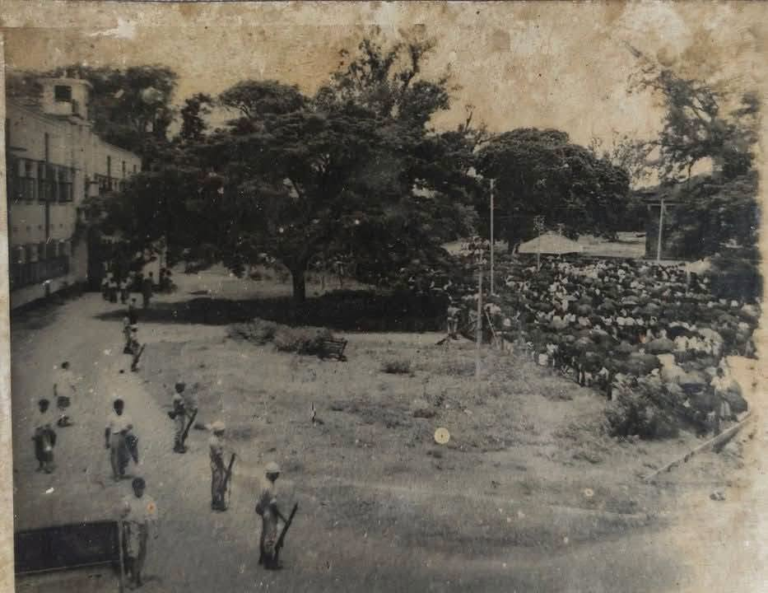
ဒီပုံကတော့ ခရစ်သက္ကရာဇ် ၁၇၅၇ခုနှစ် ဒဂုန်မြို့ (ရန်ကုန်) မှာ အလောင်းဘုရားခေါ် အောင်ဇေယျရဲ့ မွန်ရဟန်းသံဃာတွေကို ဆင်နဲ့နင်းစေပြီးသုတ်သင်နေပုံကို စိတ်မှန်းနဲ့ပြန်လည်ရေးဆွဲထားပုံ ဖြစ်ပါတယ်။