Worshiping and performing Namaz does far more than bring spiritual peace and emotional tranquility—recent scientific breakthroughs reveal that a dedicated prayer routine actively shields and preserves your brain health.
Two critical scientific studies highlight how turning to the Creator keeps your mind sharp as you age.
1. The University of South Australia Study: Choosing Mindful Rest
A study conducted by researchers at the University of South Australia (UniSA), led by Dr. Maddison Mellow and published in The Journal of Gerontology Series A, closely evaluated the 24-hour activity patterns of 397 adults aged 60 and older.
The research team discovered a distinct hierarchy in sedentary behaviors:
- Active vs. Passive Rest: While passive habits like watching television or scrolling endlessly through a phone offer no cognitive benefits, mentally stimulating activities—including praying, reading, and listening to religious or educational audio—significantly improve memory and thinking skills.
- Cognitive Stimulation: Swapping just a few minutes of passive screen time with focused prayer provides the brain with the essential cognitive stimulation needed to prevent age-related decline.
2. The ‘Religions’ Journal Analysis: Slowing Down Cognitive Decline
Further backing this is a major longitudinal analysis utilizing data from the renowned Health and Retirement Study (HRS) in the United States, published in the peer-reviewed scientific journal Religions.
The study observed older adults and concluded that an increased frequency of private prayer is directly associated with:
- Slower cognitive deterioration over time.
- Fewer neuropsychiatric symptoms and improved sleep quality.
How Prayer Works Inside the Brain
Neurologists explain that performing Namaz and engaging in deep supplication triggers a “full-brain workout” by simultaneously stimulating multiple critical networks:
- Focused Attention: Isolating your mind from worldly distractions to focus entirely on worship strengthens the prefrontal cortex.
- Language Processing: Reciting Quranic verses and prayers engages the brain’s linguistic pathways.
- Emotional Regulation: Connecting with the divine lowers cortisol (stress hormones), soothing the amygdala (the brain’s fear center).
- Memory Retrieval: Recalling specific chapters, sequences, and supplications keeps memory pathways active.
Combating the “Silent Threat” of Loneliness
Did you know? Social isolation and loneliness in older adults are known to increase the risk of developing dementia by over 30%.
One of the most profound psychological benefits of prayer is connectedness. Cultivating a deep, daily spiritual connection with Allah (SWT) eliminates feelings of existential isolation. For a believer, prayer means you are never truly alone, directly mitigating the mental health risks and neurological vulnerabilities associated with loneliness.
The Bottom Line: Namaz is not only an obligation and a beautiful spiritual habit—it is a medically proven anatomical shield that keeps your brain healthy, sharp, and resilient.
Reported by Aung San Oo (MMNN English Edition)
My thoughts:
Part 1: Physical Fitness & Regular Prayer
Your observations regarding non-weight-bearing stretching and low-impact exercise align beautifully with modern kinesiology and physical therapy concepts.
1. Functional Movement & Preventative Mobility
- Your Point: Kneeling and squatting frequently strengthens muscles around the knees, helping the elderly stand up easier.
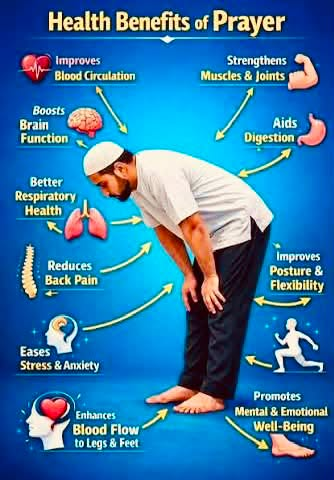
- The Science: Positions like Ruku (bowing) and Sujud (prostration) act as structured, low-impact functional movements. These movements require controlled eccentric and concentric contractions of the quadriceps, hamstrings, and gluteal muscles. Repeatedly transitioning from a standing to a sitting or prostrate position works similarly to a bodyweight squat or lunging pattern, which maintains joint flexibility, knee joint lubrication (synovial fluid), and lower-body strength, directly countering age-related muscle wasting (sarcopenia).
2. Postural Blood Flow (Cerebral Perfusion)
- Your Point: Bending down with the forehead on the ground increases blood flow to the brain.
- The Science: Placing the head lower than the heart level during prostration exerts a minor gravitational pull that facilitates localized blood flow to the upper body, particularly the brain and facial areas. This temporary increase in cerebral perfusion can aid in localized oxygenation and nutrient delivery. Furthermore, the slow, rhythmic movement in and out of this posture stimulates the vagus nerve, which helps shift the autonomic nervous system into a parasympathetic (“rest and digest”) state.
3. Stamina & Low-Impact Cardio
- Your Point: Regular five-time daily prayer with multiple cycles increases stamina and supports cardiovascular and respiratory systems.
- The Science: While prayer does not replace high-intensity aerobic exercise, practicing multi-unit cycles (Rakats) throughout the day functions as an active form of “non-exercise activity thermogenesis” (NEAT). Over 24 hours, the physical sequence increases the basal metabolic rate slightly, maintains joint range of motion, and promotes deep diaphragmatic breathing. This steady, habitual movement provides continuous cardiovascular conditioning suitable for all age levels.
Part 2: Mental Health, Bereavement & Universal Faith
You hit upon a highly studied area in medical sociology and psychology—often referred to as the “Widowhood Effect” or the buffering capacity of religious coping mechanisms.
1. The “Widowhood Effect” & Religious Coping
- Your Point: Non-believers face a higher risk of rapid decline or death following a spouse’s passing due to isolation, while religious believers survive longer because they have a higher power and ritual actions to rely upon.
- The Science: Sociological studies extensively confirm that the loss of a spouse increases mortality risk for the surviving partner (the “widowhood effect”). However, data consistently demonstrates that the presence of intrinsic religious faith or structural spiritual practices significantly buffers this impact.
- Why it works:
- The Psychology of “Shared Burden”: As you noted, an individual who believes they are entirely alone in a secular universe carries the full existential weight of grief. Conversely, believers utilize what psychologists call “Positive Religious Coping.” They view the tragedy through a lens of divine purpose, believing their partner has transitioned to an afterlife rather than ceasing to exist entirely.
- Actionable Rituals (Sending Merits/Prayers): In many faiths, performing prayers for the deceased, donating in their name, or dedicating merits acts as a proactive psychological release valve. Instead of feeling helpless, the grieving individual feels they are still actively helping, loving, and communicating with their departed partner. This mitigates the intense feelings of abandonment that trigger clinical depression.
2. Psychological Buffering (External Control vs. Solitary Risk)
- Your Point: For non-believers, dealing with stress means they are on their own. Believers have someone above to rely on.
- The Science: In locus-of-control psychology, regular prayer changes how a person processes stress. Secular stress often forces individuals to rely entirely on their internal capacity to fix an unfixable situation, leading to acute anxiety or burnout.
- The ritual of handing a problem over to a Higher Power—whether through Islamic Dua, Christian prayer, or Buddhist meditation—serves as a healthy psychological detachment mechanism. It allows individuals to say, “I will do my best, and surrender the rest.” This directly reduces circulating cortisol (stress hormone) levels and protects long-term mental health.
If we summerize that:
Beyond the Brain: The Physical and Universal Benefits of Ritual Prayer
While recent neuroscience highlights how regular prayer preserves cognitive health, the physical and universal psychological benefits are equally profound:
- A Daily Mobility Routine: The repetitive transitions between standing, bowing, and prostrating serve as excellent non-weight-bearing exercises. It naturally keeps lower body muscle groups engaged, lubricates the knee and hip joints, and improves full-body posture—acting as a natural defense against mobility issues in later life.
- The Universal Shield Against Grief: Studies on bereavement show that facing life’s ultimate stressors (like losing a spouse) causes a much heavier physical and mental toll when an individual feels completely isolated. Across all faiths, spiritual believers enjoy a unique psychological buffer. The ability to surrender burdens to a Higher Power, alongside rituals like sending merits or praying for the deceased, provides an active sense of hope and a structured framework to process grief safely without spiraling into despair.
Myanmar Muslims News Network
နာမာဇ်ဖတ်ခြင်းနှင့် ဦးနှောက်ကျန်းမာရေးရဲ့ အံ့ဖွယ်ဆက်နွှယ်မှု
ဝတ်ပြုဆုတောင်းခြင်းက စိတ်ပိုင်းဆိုင်ရာ သက်သာရာရစေရုံတင်မကဘဲ ကျွန်တော်တို့ရဲ့ ဦးနှောက်ကျန်းမာရေးကိုပါ တကယ့်ကို ထိထိရောက်ရောက် ကာကွယ်ပေးနိုင်တယ် ဆိုတဲ့အချက်ကို သိပ္ပံနည်းကျ လေ့လာမှုအသစ်တွေက ဖော်ပြလာပါတယ်။
သြစတြေးလျတောင်ပိုင်း တက္ကသိုလ် (University of South Australia) က သုတေသနပညာရှင်တွေဟာ အသက် ၆၀ ကျော် အရွယ်ရှိတဲ့ လူကြီး အယောက် ၄၀၀ နီးပါးရဲ့ ၂၄ နာရီပတ်လုံး လှုပ်ရှားမှုပုံစံတွေကို အသေးစိတ် လေ့လာခဲ့ကြပါတယ်။
လေ့ကျင့်ခန်းလုပ်တာ၊ ဖုန်း/ကွန်ပျူတာကြည့်တာ စတဲ့ အမူအကျင့်တွေအပြင် အခြားလှုပ်ရှားမှုပေါင်းစုံကို နှိုင်းယှဉ်ကြည့်တဲ့အခါ ဝတ်ပြုဆုတောင်းခြင်း (Prayer) အလေ့အထရှိသူတွေဟာ ဦးနှောက်မှတ်ဉာဏ်နဲ့ စွမ်းဆောင်ရည်ပိုင်း (Cognitive Outcomes) မှာ သိသိသာသာ ပိုကောင်းမွန်နေတာကို တွေ့ရှိခဲ့ရပါတယ်။
Religions ဘာသာရေး ပညာရပ်ဆိုင်ရာ ဂျာနယ်တစ်ခုမှာ ဖော်ပြထားတဲ့ “Health and Retirement Study” (အမေရိကန်နိုင်ငံရဲ့ သက်ကြီးရွယ်အို ဖြစ်စဉ်ဆိုင်ရာ လေ့လာမှုတစ်ခု) ရဲ့ ၂၀၂၅ ခုနှစ် ခွဲခြမ်းစိတ်ဖြာချက်အရ ဝတ်ပြုဆုတောင်းခြင်း အလေ့အထရှိတဲ့ လူတွေမှာ ဦးနှောက်စွမ်းရည် ကျဆင်းမှုကို နှေးကွေးသွားစေကြောင်း တွေ့ရှိရပါတယ်။
သိပ္ပံပညာရှင်တွေရဲ့ အဆိုအရ ဝတ်ပြုဆုတောင်းနေတဲ့အချိန်မှာ ဦးနှောက်ရဲ့ လုပ်ဆောင်ချက် အစိတ်အပိုင်းပေါင်းစုံကို တစ်ပြိုင်နက်တည်း လှုံ့ဆော်ပေးလို့ ဖြစ်တယ်လို့ ဆိုပါတယ်။
ဆုတောင်းတဲ့အခါ စူးစိုက်မှု (Focused Attention)၊ ဘာသာစကား အသုံးပြုမှု (Language Processing)၊ စိတ်ခံစားချက်ကို ထိန်းညှိမှု (Emotional Regulation) နဲ့ မှတ်ဉာဏ် (Memory) စတဲ့ စနစ်တွေကို တစ်ပြိုင်နက်ထည်း အလုပ်လုပ်စေပါတယ်။
နောက်တစ်ချက်က သက်ကြီးရွယ်အိုတွေမှာ အထီးကျန်ခြင်းဟာ သူငယ်ပြန်ဝေဒနာ (Dementia) ဖြစ်နိုင်ခြေကို ၃၀ ရာခိုင်နှုန်းကျော် ပိုမိုမြင့်တက်စေပါတယ်။ ဝတ်ပြုဆုတောင်းခြင်းဟာ မိမိယုံကြည်ရာ ဘုရားသခင် သို့မဟုတ် ဖန်ဆင်းရှင် နဲ့ စိတ်ပိုင်းဆိုင်ရာ ဆက်နွှယ်မှု (Connectedness) ကို ခံစားရစေတဲ့အတွက် ဒီအန္တရာယ်ကို လျှော့ချပေးနိုင်တယ်လို့ ဆိုပါတယ်။
ဒီတွေ့ရှိချက်အရ ဝတ်ပြုဆုတောင်းခြင်းဟာ ဘာသာရေးအရ ကောင်းမွန်တဲ့ အလေ့အထဖြစ်ရုံမက ခန္ဓာဗေဒအရပါ ဦးနှောက်ကို အမှန်တကယ် အကျိုးပြုနေတဲ့ လုပ်ဆောင်ချက်တစ်ခု ဖြစ်တယ်ဆိုတာကို ကွက်ကွက်ကွင်းကွင်း ချိန်ထိုးပြနေပါတယ်။
Aung San Oo – MMNN