From 144 to 135: The Myanmar Muslim Groups Erased from the “National Races” List
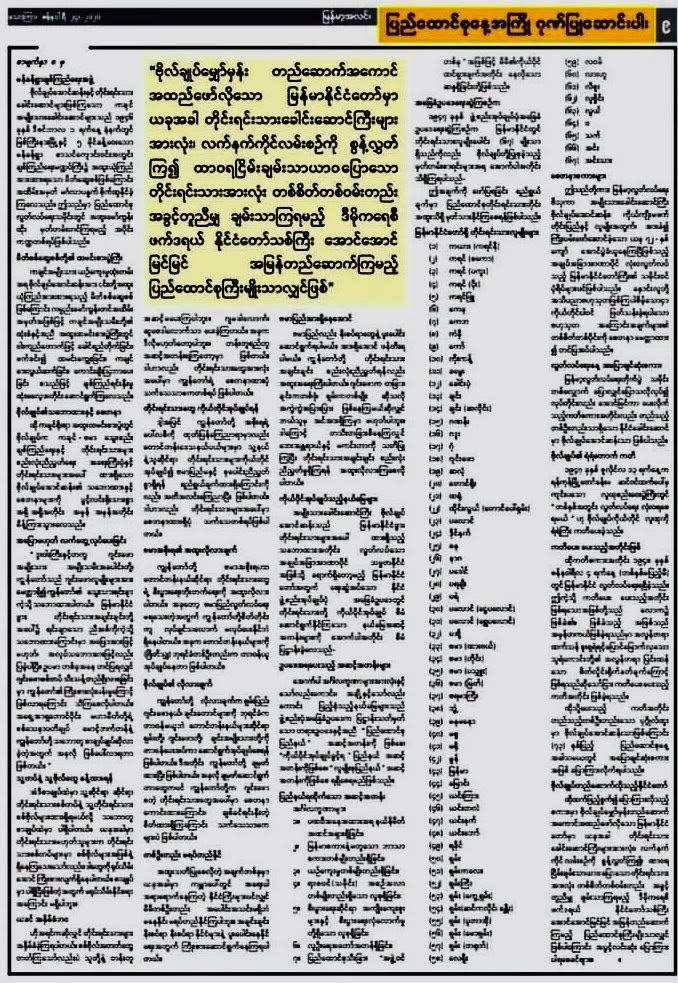
Translated from Burmese, fact-checked, and annotated with sources. Original credited to Aung San Oo – MMNN.

The list of “144 national races” (*taing-yin-tha*) published in the *Botahtaung* newspaper on 23 February 1973 is a fascinating landmark in Myanmar’s ethnic history. This piece extracts and highlights the Myanmar-Muslim-descended groups that appeared on that list but are absent from today’s official list of 135 “national races.”
Myanmar’s political history has seen ethnic classifications shift with each era. The “144 races” list, issued in preparation for the nationwide census, reflected the view of ethnicity held by the Burma Socialist Programme Party (BSPP) government of that time.
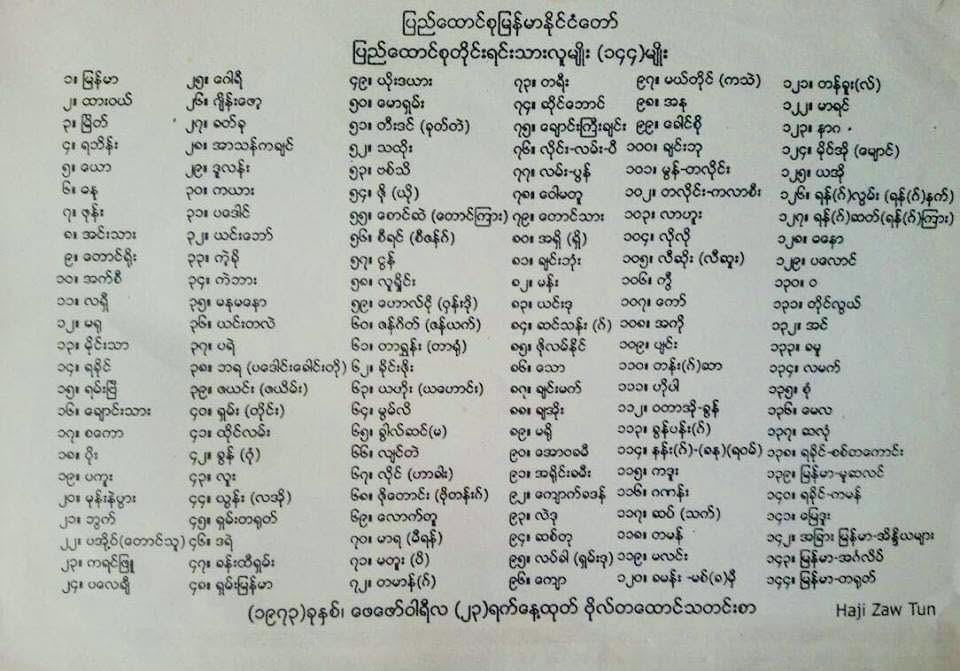
As shown in the photographed clipping below, the *Botahtaung* newspaper of 23 February 1973 announced a list of “144 national races.” Entry number 139 on that list officially recorded the term “Burmese-Muslim” (*Myanma-Muslim*) — formally recognizing, as a distinct ethnic group, Muslims who lived in Myanmar and were integrated with Burmese language and culture.
When the list was revised down to 135 in 1983, this designation was deleted. In addition, the “Myedu” group, which had also appeared on the earlier indigenous-races list, were descendants of Muslim soldiers who had served Burmese kings since ancient times. Based in Myedu town in Shwebo district, they served the Burmese monarchy loyally. Although present on the 1973 list, they later vanished as a recognized, distinct ethnic group.
Among the final entries of the 144-group list (numbers 142–144):
– Burmese-Indian
– Burmese-English (Anglo-Burmese)
– Burmese-Chinese
These groups were also officially recognized as citizens at the time. Notably, the Burmese-Indian category included a large number of Muslims.
**Why were they struck from the list?**
After the 1982 Citizenship Law was enacted, ethnic categories were re-screened in 1983. Groups deemed “mixed-blood” or of “foreign origin” were removed from what became the list of 135 national races. As a result, Myanmar Muslims, the Myedu, and other mixed-heritage groups were dropped from the indigenous-races list and left only with “naturalized citizen” status — a lower tier of citizenship.
This 1973 *Botahtaung* list stands as solid historical evidence that Myanmar Muslims were, at one point, formally recognized by the state as members of an indigenous ethnic group. It illustrates how far ethnic-classification discrimination went under military rule.
—
## Fact-Check & Verification Notes
I checked the article’s core claims against academic and human-rights literature on Myanmar’s ethnic classification system. Overall, **the central narrative is well-supported** by independent scholarship, though a few specific details (exact list dates, the “139” entry number) come only from the original source and could not be independently confirmed.
**Confirmed by independent sources:**
– <cite index=”6-1″>An official list from 1972 contained 144 groups, and another version appearing in state newspapers the following year (Botahtaung, 23 February 1973) listed 143 groups</cite>, so a “144” figure circulating around 1973 is consistent with the historical record, even though sources differ slightly on the exact count and dates. <cite index=”6-1″>These lists were prepared ahead of the 1974 Constitution, and the government later removed eight groups from the list for the 1983 census to arrive at 135, doing so without any public explanation</cite>. This matches the article’s claim that the cut from 144 to 135 happened via the 1983 census.
– <cite index=”10-1″>Previous lists of Myanmar ethnicities from the early 1970s contained as many as 144 groups, and with stricter rules on who qualified as taingyintha, the list was later cut to today’s 135</cite>.
– <cite index=”19-1″>At the 1973 Census, recognised quasi-indigenous Muslim groups in Burma included Arakan-Chittagong, Kaman, Myedu, Burmese Muslim, other Burmese Indian, and Chinese Muslim, within a national-race listing of 144 ethnicities; this list of 144 was later replaced by the list of 135 national races, from which all Muslim ethnicities except the Kaman were excluded</cite>. This directly corroborates the article’s central claim that a “Burmese Muslim” (Myanma-Muslim) category existed on the 144 list and was later dropped.
– **On the Myedu group:** <cite index=”12-1″>the Myedu were named after Myedu village in Shwebo district in Upper Burma, where Muslims captured by Burmese kings in raids on Mrauk-U and elsewhere in the 17th–18th centuries had been resettled</cite>. <cite index=”19-1″>The Myedu were Burmese captives from the 16th century who formed a Myedu Army contingent that supported the Burmese annexation of Arakan in 1785</cite>. This confirms the article’s description of the Myedu as descendants of Muslim soldiers who served the Burmese monarchy.
– **On the citizenship consequence:** <cite index=”7-1″>Myanmar’s 1982 Act grants citizenship to Taingyintha (“ethnic nationalities”); everyone else must apply based on family genealogy and supporting documents</cite>, creating the lower “naturalized citizen” tier described in the article. <cite index=”11-1″>The current law recognizes three tiers — citizens, associate citizens, and naturalized citizens</cite>.
– **On today’s 135 list generally:** <cite index=”4-1″>after independence, Myanmar’s governments officially recognized 135 “national races” (taing-yin-tha), and the 1982 citizenship law reserved full citizenship for those in this category, effectively excluding groups such as the Rohingya</cite>.
**Point of nuance / minor discrepancy:**
– One scholarly source states the historical dating slightly differently: <cite index=”3-1″>while the 1982 Law itself does not name the 135 groups, the 1983 census used a list of 135 nationalities that was only later publicized in state newspapers by the military junta that took power in 1988</cite>. In other words, the *135 figure* was likely settled around the 1983 census, but the SLORC/SPDC junta appears to have re-publicized the finalized list only around 1990. The article’s framing (144 in 1973 → 135 in 1983) matches the mainstream academic timeline, but readers should be aware the “135” list wasn’t widely publicized until later.
– I could not independently verify the specific claim that “Myanma-Muslim” was **entry number 139** on the list, or that Burmese-Indian, Burmese-English, and Burmese-Chinese were specifically entries **142–144**. These details rely on the photographed 1973 newspaper clipping cited by the original author (Aung San Oo/MMNN) and I have no independent access to that primary document to confirm exact numbering. The broader claim — that a “Burmese Muslim” category existed on the 144-group list and that Burmese-Indian, Burmese-English, and Burmese-Chinese mixed-heritage categories also existed on it — is plausible and consistent with the type of categories used at the time, but the precise serial numbers are unverified.
– One academic source adds useful context often missing from popular accounts: <cite index=”10-1″>the origins of the 135-group list, and what the categories actually meant, were never made fully clear, even though the concept continues to be reproduced in Myanmar’s discourse on national belonging</cite>, and <cite index=”7-1″>the 135-group system is based on unverified lists compiled by amateur colonial-era linguists and physiognomists nearly a century ago, and functions poorly as a classification system today</cite>. This is a caution against treating either the 144 or 135 lists as scientifically rigorous ethnographic documents — both were administrative artifacts of their time.
**Overall assessment:** The article’s central thesis — that Myanmar Muslim communities (Burmese Muslim, Myedu, and Muslim members of the “Burmese-Indian” category) were included in an official 144-group ethnic list around 1973, and were subsequently excluded when the list was cut to 135 around 1983, leaving them with lower “naturalized citizen” status under the 1982 Citizenship Law — is **consistent with the historical and legal record** as documented in peer-reviewed and human-rights literature. The exact entry numbers cited from the newspaper clipping could not be independently verified but are a plausible, secondary detail that doesn’t affect the overall accuracy of the historical narrative.
—
## References
1. Cheesman, Nick. “How in Myanmar ‘National Races’ Came to Surpass Citizenship and Exclude Rohingya.” *Journal of Contemporary Asia* 47, no. 3 (2017): 461–483. http://uniset.ca/fatca2/47JContempAsia1.pdf
2. “Citizenship Denied, Deferred and Assumed: A Legal History of Racialized Citizenship in Myanmar.” *Ethnic and Racial Studies* (2022). https://www.tandfonline.com/doi/full/10.1080/13621025.2022.2137468
3. “Ethnicity in Myanmar.” Wikipedia. https://en.wikipedia.org/wiki/Ethnicity_in_Myanmar
4. “Myanmar Nationality Law.” Wikipedia. https://en.wikipedia.org/wiki/Myanmar_nationality_law
5. “The 1982 Citizenship Law and Right to Citizenship of Minorities and Freedom of Movement.” Progressive Voice, 9 July 2020. https://progressivevoicemyanmar.org/2020/07/09/the-1982-citizenship-law-and-right-to-citizenship-of-minorities-and-freedom-of-movement/
6. “Law and Statelessness: A Case Study of the Rohingya Muslims of Myanmar.” *International Journal of Bangladesh Studies* (2021). https://ijbs.online/journal-issues/2021-vol-1/law-and-statelessness-a-case-study-of-the-rohingya-muslims-of-myanmar/
7. “Myanmar.” Transitional Justice Evaluation Tools. https://transitionaljusticedata.org/en/Asia/Myanmar.html
8. “Beyond Federalism? Inclusion, Citizenship, and Minorities Without Territory in Myanmar’s Spring Revolution.” *Journal of Contemporary Asia* (2024). https://www.tandfonline.com/doi/full/10.1080/00472336.2024.2367497
9. “Population, Ethnic Groups, and Languages – Myanmar.” Pritzker Legal Research Center, Northwestern Pritzker School of Law. https://library.law.northwestern.edu/myanmar/population
10. “Incompatible Identities: Ethnicity, Belonging, and Exclusion in Making Myanmar’s Democracy.” *Modern Southeast Asia*, Yale University Council on Southeast Asia Studies. https://seasia.yale.edu/incompatible-identities-ethnicity-belonging-and-exclusion-making-myanmars-democracy
11. *Myanmar: The Politics of Rakhine State.* International Crisis Group, Asia Report N°261, 22 October 2014. https://www.ecoi.net/en/file/local/1294758/1002_1414163665_261-myanmar-the-politics-of-rakhine-state.pdf
12. “Islam in Myanmar.” Wikipedia. https://en.wikipedia.org/wiki/Islam_in_Myanmar
13. “BUR0009 – Evidence on Violence in Rakhine State.” UK Parliament Written Evidence. https://committees.parliament.uk/writtenevidence/81870/html/
*Note: Several items above (esp. #1, #10, #13) are the strongest primary/academic sources for the 144→135 transition and the Myedu/Burmese-Muslim categories specifically.*
တိုင်းရင်းသား ၁၄၄ မှ ၁၃၅ သို့မဟုတ် သမိုင်းအဖျောက်ခံလိုက်ရသော မြန်မာမွတ်စလင်မ် များ
၁၉၇၃ ခုနှစ်၊ ဖေဖော်ဝါရီလ (၂၃) ရက်နေ့ထုတ် ဗိုလ်တထောင်သတင်းစာမှာ ဖော်ပြခဲ့တဲ့ “တိုင်းရင်းသား ၁၄၄ မျိုး” စာရင်းဟာ မြန်မာ့လူမျိုးစုသမိုင်းမှာ အလွန်စိတ်ဝင်စားဖို့ကောင်းတဲ့ မှတ်တိုင်တစ်ခု ဖြစ်ပါတယ်။ အဲဒီစာရင်းထဲမှာ အခုခေတ် တိုင်းရင်းသား (၁၃၅) မျိုးထဲမှာ မပါဝင်တော့တဲ့ မြန်မာမွတ်စလင် နွယ်ဖွားတွေအကြောင်းကို ကောက်နုတ်တင်ပြပေးလိုက်ပါတယ်။
မြန်မာ့နိုင်ငံရေး သမိုင်းကြောင်းမှာ လူမျိုးစု သတ်မှတ်ချက်တွေဟာ ခေတ်စနစ်အလိုက် ပြောင်းလဲခဲ့ပါတယ်။ ၁၉၇၃ ခုနှစ် ပြည်လုံးကျွတ် သန်းခေါင်စာရင်း ကောက်ယူဖို့ ပြင်ဆင်ချိန်မှာ ထုတ်ပြန်ခဲ့တဲ့ “၁၄၄ မျိုး” စာရင်းဟာ အဲဒီခေတ်က မြန်မာ့ဆိုရှယ်လစ်လမ်းစဉ်ပါတီရဲ့ လူမျိုးစုအပေါ် ထားရှိတဲ့ အမြင်ကို ထင်ဟပ်နေပါတယ်။
အောက်မှာ ဖော်ပြထားတဲ့ 23.2.1973 နေ့ထုတ် ဗိုလ်တထောင် သတင်းစာမှာ တိုင်းရင်းသား 144-ဆိုပြီး ကြော်ညာခဲ့တယ် လို့သိရပါတယ်။ သတင်းစာဓာတ်ပုံပါ စာရင်းရဲ့ နံပါတ် (၁၃၉) မှာ “မြန်မာ-မူစလင်” ဆိုတဲ့ အသုံးအနှုန်းကို တရားဝင် တွေ့ရှိရမှာ ဖြစ်ပါတယ်။ ဒါဟာ မြန်မာနိုင်ငံအတွင်း နေထိုင်ပြီး မြန်မာစကား၊ မြန်မာ့ယဉ်ကျေးမှုနဲ့ တစ်သားတည်း ဖြစ်နေတဲ့ မွတ်စလင်ဘာသာဝင်တွေကို သီးခြားလူမျိုးစုတစ်ခုအနေနဲ့ အသိအမှတ်ပြုခဲ့တာ ဖြစ်ပါတယ်။
၁၉၈၃ ခုနှစ်မှာ (၁၃၅) မျိုး ပြန်လည်သတ်မှတ်တဲ့အခါမှာတော့ ဒီအမည်နာမဟာ စာရင်းထဲကနေ ပယ်ဖျက်ခံခဲ့ရပါတယ်။နောက်ပြီး အရင် တိုင်းရင်းသား စာရင်းထဲမှာ ပါဝင်တဲ့ “မြေဒူး” လူမျိုးစုဟာ ရှေးမြန်မာမင်းများလက်ထက်ကတည်းက အမှုထမ်းခဲ့တဲ့ အစ္စလာမ်ဘာသာဝင် စစ်သည်တော်တွေရဲ့ မျိုးဆက်များ ဖြစ်ပါတယ်။ ၎င်းတို့ဟာ ရွှေဘိုခရိုင်၊ မြေဒူးမြို့ကို အခြေပြုပြီး မြန်မာဘုရင်တွေဆီမှာ သစ္စာရှိစွာ အမှုထမ်းခဲ့ကြသူတွေပါ။ ၁၉၇၃ စာရင်းမှာ ပါဝင်ခဲ့ပေမဲ့ နောက်ပိုင်းမှာ သီးခြားလူမျိုးစုအဖြစ်ကနေ ပျောက်ကွယ်သွားခဲ့ပါတယ်။
၁၄၄ မျိုးစာရင်းရဲ့ နောက်ဆုံးအပိုင်း (နံပါတ် ၁၄၂ မှ ၁၄၄) မှာ တွေ့ရတဲ့ –
• မြန်မာ-အိန္ဒိယ
• မြန်မာ-အင်္ဂလိပ်
• မြန်မာ-တရုတ်
ဒီအုပ်စုတွေဟာလည်း အဲဒီခေတ်က နိုင်ငံသားအဖြစ် တရားဝင် အသိအမှတ်ပြုခံခဲ့ရတဲ့ အုပ်စုတွေ ဖြစ်ပါတယ်။ အထူးသဖြင့် မြန်မာ-အိန္ဒိယ အုပ်စုထဲမှာ အစ္စလာမ်ဘာသာဝင် အများအပြား ပါဝင်ခဲ့ပါတယ်။
ဘာကြောင့် ဖြုတ်ချခံခဲ့ရတာလဲ?
၁၉၈၂ ခုနှစ် နိုင်ငံသားဥပဒေ ပြဋ္ဌာန်းပြီးနောက် ၁၉၈၃ ခုနှစ်မှာ လူမျိုးစုတွေကို ပြန်လည် စိစစ်ခဲ့ပါတယ်။ အဲဒီအခါမှာ “သွေးနှော” လို့ ယူဆရတဲ့ အုပ်စုတွေနဲ့ “နိုင်ငံခြားနွယ်ဖွား” လို့ ယူဆရတဲ့ အုပ်စုတွေကို တိုင်းရင်းသား (၁၃၅) မျိုး စာရင်းထဲကနေ ဖယ်ထုတ်ခဲ့ပါတယ်။ ရလဒ်အနေနဲ့ မြန်မာမွတ်စလင်၊ မြေဒူး နဲ့ အခြားသော ကပြားနွယ်ဖွားတွေဟာ တိုင်းရင်းသားစာရင်းကနေ ပယ်ဖျက်ခံခဲ့ရပြီး “နိုင်ငံသားပြုခွင့်ရသူ” အဆင့်ပဲ ကျန်ခဲ့တာ ဖြစ်ပါတယ်။
၁၉၇၃ ခုနှစ် ဗိုလ်တထောင်သတင်းစာပါ ဒီစာရင်းဟာ မြန်မာမွတ်စလင်တွေဟာ တစ်ချိန်က နိုင်ငံတော်က တရားဝင် အသိအမှတ်ပြုခဲ့တဲ့ “တိုင်းရင်းသား လူမျိုးစုဝင်” များ ဖြစ်ခဲ့ဖူးကြောင်း ခိုင်မာတဲ့ သမိုင်းဝင် အထောက်အထားတစ်ခု ဖြစ်ပါတယ်။ ဒါဟာ စစ်အာဏာရှင် တွေ လက်ထက်မှာ လူမျိုးစုရေးရာနဲ့ ပတ်သက်ရင် ခွဲခြားမှုတွေ ဘယ်လောက်အထိ ကြီးမားခဲ့သလဲဆိုတာကို ပြသနေတာပဲ ဖြစ်ပါတယ်။
Aung San Oo- MMNN