The Thucydides Trap, its history, and why Chinese President Xi Jinping repeatedly references it in relation to US-China relations.
1. Meaning
The Thucydides Trap is a term in international relations that describes a severe structural stress that occurs when a rising power challenges the dominance of an established, ruling power.
In this scenario, war often becomes highly likely—not because either nation necessarily wants it, but because of a toxic mix of shifting power dynamics, mutual suspicion, and fear. The ruling power fears losing its dominant position, while the rising power feels entitled to more global influence, leading to miscalculations that escalate into conflict.
2. History
- The Ancient Origin: The concept originates from the 5th-century BC Greek historian Thucydides. In his foundational work, History of the Peloponnesian War, he analyzed the catastrophic conflict between Athens and Sparta. Thucydides famously wrote: “It was the rise of Athens and the fear that this instilled in Sparta that made the war inevitable.” [1]
- The Modern Term: The actual phrase “Thucydides Trap” was coined around 2011 by Harvard political scientist Graham Allison. He launched a study looking at 16 historical cases over the last 500 years where a rising power confronted a ruling power. In 12 of those 16 cases, the result was a major war (such as World War I, triggered by the rise of Germany challenging Great Britain).
3. Why Xi Jinping Repeatedly Mentions It
President Xi Jinping has consistently used this concept in high-profile speeches and meetings with US presidents (including Barack Obama, Donald Trump, and Joe Biden) since at least 2014. His repeated emphasis serves several strategic purposes:
- A Warning to Avoid Strategic Miscalculation: Xi uses the trap to argue that war between the US and China is not inevitable, but it could become a self-fulfilling prophecy if both sides let fear dictate policy. He has stated that “there is no such thing as a Thucydides Trap,” but warns that “if major countries time and again make strategic miscalculations, they will create such traps for themselves.”
- Demanding the Acceptance of China’s Rise: By referencing this historical phenomenon, Xi frames China’s growing economic, military, and technological power as a natural, unstoppable historical process. He is implicitly telling Washington that trying to contain or suppress China’s growth is futile and dangerous.
- Pushing for a “New Model of Major-Power Relations”: Xi uses the trap to pressure the US into adopting a new diplomatic paradigm. He argues that instead of falling into the historical pattern of conflict, the US and China must find a way to peacefully coexist through mutual respect, non-confrontation, and win-win cooperation.
- Drawing Red Lines (Particularly on Taiwan): Whenever geopolitical tensions flare up over issues like Taiwan, South China Sea territorial disputes, or technological blockades (like semiconductors), Xi invokes the trap. It acts as a diplomatic shield, warning the US that pushing China too hard on its core sovereignty issues risks pushing both nations into the dangerous territory of a catastrophic military conflict.
In short, Xi Jinping utilizes the Thucydides Trap as a powerful diplomatic tool—both to warn the West about the dangers of containing China and to advocate for a global power shift where China is treated as an equal superpower to the United States.
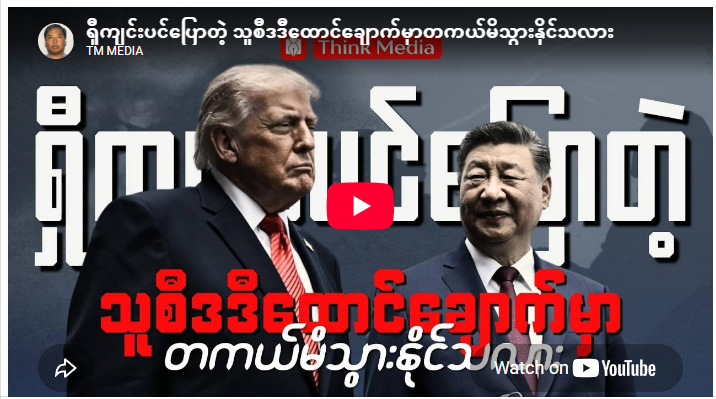
တရုတ်သမ္မတ ရှီကျင်းပင် (Xi Jinping) အမေရိကန်ခေါင်းဆောင်များနှင့် တွေ့ဆုံရာတွင် အကြိမ်ကြိမ် ထည့်သွင်းပြောကြားလေ့ရှိသည့် “သူစီဒဒီထောင်ချောက်” (Thucydides Trap) ၏ အဓိပ္ပာယ်၊ သမိုင်းကြောင်းနှင့် ယင်းကို ထပ်ခါတလဲလဲ သုံးနှုန်းရခြင်း အကြောင်းရင်းများမှာ အောက်ပါအတိုင်း ဖြစ်သည်။
၁။ အဓိပ္ပာယ် (Meaning)
သူစီဒဒီထောင်ချောက် (Thucydides Trap) ဆိုသည်မှာ အင်အားကြီးနိုင်ငံဟောင်း (Established Power) တစ်ခု၏ ဩဇာလွှမ်းမိုးမှုကို အင်အားကြီးစပြုလာသော နိုင်ငံသစ် (Rising Power) တစ်ခုက စိန်ခေါ်လာသည့်အခါ ၎င်းနိုင်ငံကြီးနှစ်ခုအကြား စစ်မက်ဖြစ်ပွားရန် အခွင့်အလမ်း အလွန်မြင့်မားသွားသည့် ဖြစ်စဉ်ကို ခေါ်ဆိုခြင်း ဖြစ်သည်။ [1]
ရိုးရှင်းစွာဆိုရလျှင် လက်ရှိဗိုလ်စွဲထားသော ထိပ်သီးနိုင်ငံကြီးက ၎င်း၏နေရာကို လုယူမည့် နိုင်ငံသစ်အပေါ် စိုးရိမ်ကြောက်ရွံ့စိတ် ဝင်လာခြင်းကြောင့် နှစ်ဖက်စလုံး မလိုလားအပ်ဘဲ စစ်ပွဲအတွင်းသို့ မလွဲမသွေ ကျရောက်သွားတတ်သည့် အခြေအနေ ဖြစ်သည်။ [1, 2]
၂။ သမိုင်းကြောင်း (History)
- မူလမြစ်ဖျားခံရာ ရှေးဟောင်းဂရိသမိုင်း: ဤအယူအဆသည် ဘီစီ ၅ ရာစုက ဂရိသမိုင်းပညာရှင် သူစီဒဒီ (Thucydides) ရေးသားခဲ့သော “ပယ်လိုပွန်နီးရှန်းစစ်ပွဲ သမိုင်း” (History of the Peloponnesian War) စာအုပ်မှ စတင်ခဲ့သည်။ ထိုခေတ်က ဂရိပြည်နယ်များတွင် လက်ရှိအင်အားကြီးနိုင်ငံဖြစ်သော စပါတာ (Sparta) သည် အင်အားအရှိန်အဟုန်ဖြင့် တိုးတက်လာသော အေသင် (Athens) ၏ တန်ခိုးအာဏာအပေါ် စိုးရိမ်ထိတ်လန့်လာရာမှ နှစ်နိုင်ငံအကြား မလွှဲမရှောင်သာဘဲ စစ်ပွဲကြီး ဖြစ်ပွားခဲ့ရသည်ကို သူစီဒဒီက ထောက်ပြခဲ့ခြင်း ဖြစ်သည်။ [1, 2, 3]
- ခေတ်သစ်ဝေါဟာရ ဖြစ်လာပုံ: ဤအသုံးအနှုန်းကို ၂၀၁၁ ခုနှစ်ဝန်းကျင်တွင် ဟားဗတ်တက္ကသိုလ်မှ ပါမောက္ခ ဂရေဟမ် အယ်လီဆန် (Graham Allison) က အမေရိကန်-တရုတ် ဆက်ဆံရေးကို ရှင်းလင်းရန်အတွက် ပြန်လည်ရေပန်းစားစေခဲ့သည်။ ၎င်း၏ လေ့လာမှုအရ လွန်ခဲ့သော နှစ်ပေါင်း ၅၀၀ အတွင်း ဤကဲ့သို့ နိုင်ငံကြီးနှစ်ခုအကြား အားပြိုင်မှု ဖြစ်စဉ်ပေါင်း ၁၆ ကြိမ် ရှိခဲ့ရာတွင် ၁၂ ကြိမ်အထိ စစ်ပွဲဖြင့် အဆုံးသတ်ခဲ့ကြောင်း ဖော်ပြခဲ့သည်။ [1, 2, 3, 4]
၃။ ရှီကျင်းပင် အဘယ်ကြောင့် ထပ်ခါတလဲလဲ ထည့်သွင်းပြောကြားသနည်း။
တရုတ်သမ္မတ ရှီကျင်းပင်သည် ဘားရတ်အိုဘားမား၊ ဂျိုးဘိုင်ဒင်နှင့် ဒေါ်နယ်ထရမ့် အပါအဝင် အမေရိကန်သမ္မတများနှင့် တွေ့ဆုံသည့် ထိပ်သီးအစည်းအဝေးများတွင် ဤအသုံးအနှုန်းကို ၂၀၁၄ ခုနှစ်ကတည်းက စတင်ကာ ယနေ့တိုင် အကြိမ်ကြိမ် အသုံးချခဲ့သည်။ ၎င်း၏ ရည်ရွယ်ချက်များမှာ- [1, 2]
- စစ်ပွဲကို ရှောင်လွှဲရန် သတိပေးခြင်း: ရှီကျင်းပင်က “ကမ္ဘာပေါ်တွင် သူစီဒဒီထောင်ချောက်ဟူ၍ သီးသန့်မရှိကြောင်း၊ သို့သော် နိုင်ငံကြီးများက မဟာဗျူဟာမြောက် တွက်ချက်မှု မှားယွင်းပါက ထိုထောင်ချောက်ကို ဖန်တီးမိလိမ့်မည်” ဟု ပြောကြားခဲ့ဖူးသည်။ အမေရိကန်နှင့် တရုတ်သည် စစ်မက်ဖြစ်ပွားပါက နှစ်ဖက်စလုံး ပျက်စီးမည်ဖြစ်၍ ပူးပေါင်းဆောင်ရွက်မှုကို အားပေးရန် ၎င်းက တိုက်တွန်းလိုခြင်း ဖြစ်သည်။ [1, 2, 3]
- တရုတ်၏အင်အားကြီးလာမှုကို လက်ခံခိုင်းခြင်း: ဤထောင်ချောက်ကို အကြောင်းပြခြင်းဖြင့် တရုတ်နိုင်ငံ၏ ထိပ်သီးအင်အားကြီးနိုင်ငံ ဖြစ်လာမှုမှာ “မလွှဲမရှောင်သာသော သဘာဝဖြစ်စဉ်” ဖြစ်ကြောင်း၊ အမေရိကန်အနေဖြင့် တရုတ်၏ ထောက်လှမ်းရေး၊ နည်းပညာနှင့် စီးပွားရေး တိုးတက်မှုများကို ဖိနှိပ်ရန် မကြိုးစားဘဲ လက်ခံရန် သွယ်ဝိုက်သတိပေးလိုခြင်း ဖြစ်သည်။ [1]
- ထိုင်ဝမ်အရေးအတွက် အနီရောင်စည်းတားခြင်း: လက်ရှိအမေရိကန်-တရုတ် ဆက်ဆံရေးတွင် ရှီကျင်းပင်သည် ထိုင်ဝမ်အရေးနှင့် ပတ်သက်၍ အထူးသတိပေးလိုသည့်အခါ ဤဝေါဟာရကို သုံးလေ့ရှိသည်။ အမေရိကန်က ထိုင်ဝမ်ကို စစ်ရေးအရ ဆက်လက်ကူညီနေပါက ၎င်းထောင်ချောက်ထဲသို့ ကျရောက်ပြီး တိုက်ရိုက်စစ်ပွဲ ဖြစ်ပွားသွားနိုင်ကြောင်း ရာဇသံပေးခြင်း ဖြစ်သည်။ [1, 2]
- နိုင်ငံတကာ ဩဇာအာဏာ ချိန်ခွင်လျှာသစ် တောင်းဆိုခြင်း: အမေရိကန်အနေဖြင့် တရုတ်ကို ရန်သူကဲ့သို့ သဘောမထားဘဲ “အင်အားကြီးနိုင်ငံအချင်းချင်း အပြန်အလှန် လေးစားသော ဆက်ဆံရေးပုံစံသစ်” (New Paradigm of Major-Power Relations) ကို တည်ဆောက်ရန် တွန်းအားပေးလို၍ ဖြစ်သည်။ [1, 2]
အမေရိကန်နှင့် တရုတ်အကြား ကုန်သွယ်ရေး စစ်ပွဲများ၊ နည်းပညာ ပိတ်ဆို့မှုများနှင့် ထိုင်ဝမ်အရေး တင်းမာမှုများ မြင့်တက်နေချိန်တွင် ဤသမိုင်းဝင် သင်ခန်းစာကို ကိုးကားပြီး ပဋိပက္ခကို ထိန်းညှိရန် ရှီကျင်းပင်က မဟာဗျူဟာမြောက် ကိရိယာတစ်ခုအဖြစ် ရည်ရွယ်ချက်ရှိရှိ အသုံးချနေခြင်း ဖြစ်သည်။ [1, 2]