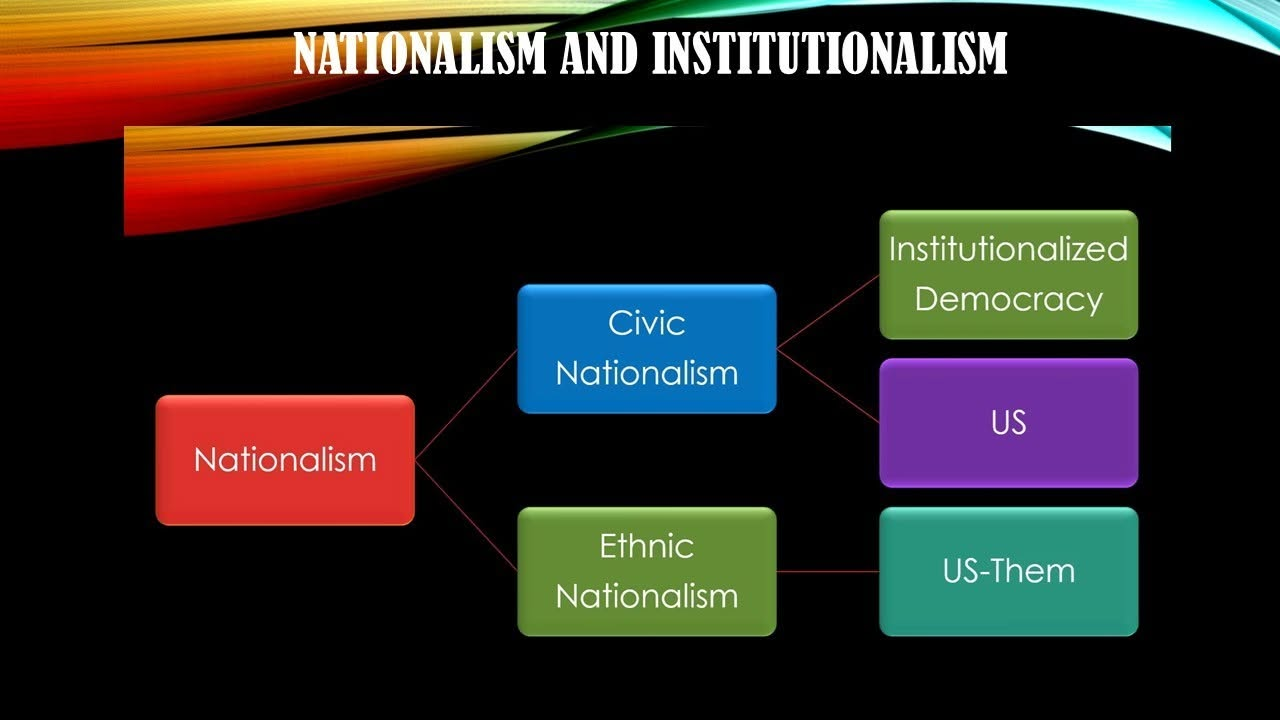
When searching for the root cause of Myanmar’s political problems, we must rely on history and science. In evaluating the current debate over whether the core problem is a centralized system or Burman chauvinism, if those who view things through an ethnic lens accept the 1947 Constitution based on historical developments, it becomes clear that establishing democracy is primary. Instead of achieving civic equality first and then addressing ethnic equity, we face a contradiction where ethnic identity is pushed to the forefront.
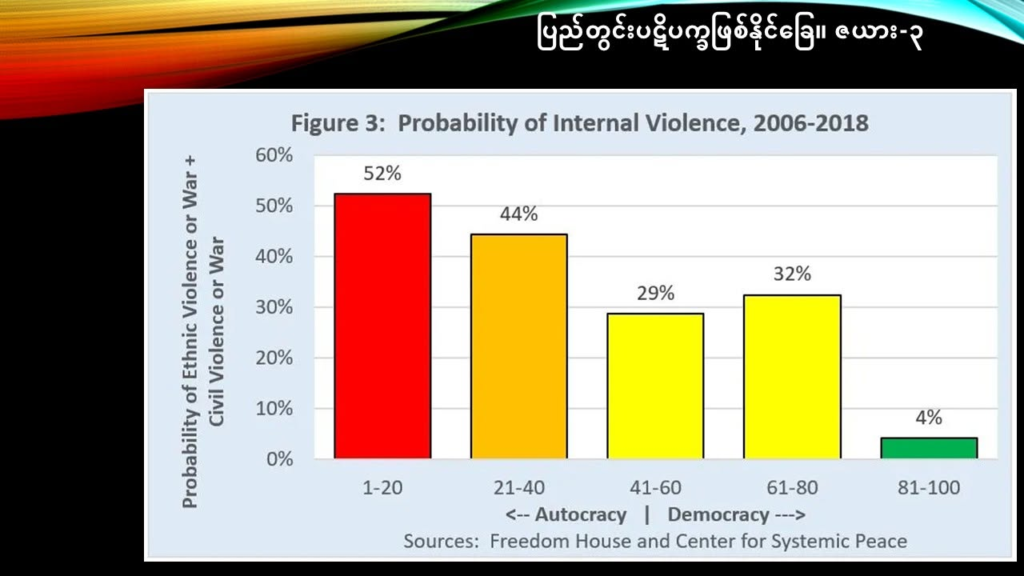
Looking at the objective political history of Myanmar, we must admit there was a lack of political freedom. World evidence shows that ethnic conflicts arise due to a lack of democracy. Myanmar’s history rejects the claim that ethnic conflict is solely due to Burman chauvinism. If ethnic conflict is caused by a lack of democracy, then the centralized system is the main culprit. This is clear when looking at Prime Minister Nu’s historical attempts to relax centralization and complete parliamentary democracy:
- December 1956: Opposition to the AFPFL government began at the Mong Yai Conference, attended by 150 Shan Sawbwa representatives.
- May 16–17, 1957: At the second Mong Yai Conference, the Shan State Independence Army was formed to resist the government military.
- March 1957: U Nu resumed the prime ministership.
- Early 1958: After the Nu-Tin-Swe-Nyein AFPFL split, Prime Minister U Nu delivered a four-hour speech at the All-Burma Congress aiming to complete parliamentary democracy.
- July 1958: U Nu declared an amnesty for insurgents.
- August 1958: Bo Po Kun’s People’s Volunteer Organization (PVO/Yebaw Hpyu), the Mon People’s Front, and the Pa-O National Union surrendered (“entered the light”). The Pyusawhti militia—notorious for extrajudicial killings of opponents—was dissolved.
- September 16, 1958: Displeased with these actions, the military stepped in, declaring that “the military will not sit idly by while politicians do as they please,” leading to the 1958 caretaker military takeover. This shows that the main fortress of the centralized system is the military itself.
To solve Myanmar’s political crisis using historical reality and logical principles:
Centralization is the lifeblood of military dictatorship. Fighting centralization is fighting military dictatorship. Which is more vital for building a new federal nation: dismantling centralization or fighting Burman chauvinism?
Before addressing this, let us start with scientific findings from genetics (mtDNA). By synthesizing mitochondrial DNA research, Historical Materialism, and a Three-Stage Federal Transition Model, we present a structured solution:
I. Genetic (mtDNA) Findings: Inadequacy of Pure Identity Politics
Mitochondrial DNA (mtDNA) research shows that major ethnic groups in Myanmar (Bamar, Rakhine, Mon, Shan, Chin, Kachin, etc.) share common maternal genetic ancestry. They belong to major macro-haplogroups M (40%–60%) and N/R (30%–50%), along with shared sub-haplogroups (D, M7, B, F, R9, M9), indicating descent from a shared ancestral pool.
- Genetic Proximity: Bamar and Rakhine/Mon populations show close genetic proximity (low genetic distance). The Bamar population represents a genetic hotspot with over 80 haplogroups.
- Weakness of Ethnic-Based Federalism: Identity-based federalism risks institutionalizing identity, fostering localized minority-on-minority dominance (sub-ethnic dominance), and entrenching border conflicts. Given high genetic mixing and shared history, ethnic identity alone cannot solve structural political problems.
II. Historical Materialism and Economic Structure
In Historical Materialism, a society’s economic base and its superstructure (laws, politics, military, government) interact continuously. When a society bypasses federalism or decentralization and defaults toward heavy centralization, the military—as the most organized force holding weapons—naturally becomes the dominant power controlling that centralized structure.
Mathematical / Game Theory Modeling of Centralization ($C$) vs. Ideology ($I$):
- Total Control / Dictatorial Power: $P_{\text{total}} = f(C, I) = C \times (1 + I)$, where $C \in [0, 1]$ represents the index of centralization and $I \in [0, 1]$ represents ideological reinforcement (such as chauvinism).
- If $C = 0$ (Complete Decentralization/Federalism): $P_{\text{total}} = 0 \times (1 + I) = 0$. Even if ideological chauvinism ($I$) exists, the institutional mechanism for dictatorship loses its power and revenue base.
- If $I = 0$ but $C = 1$ (Centralization remains): $P_{\text{total}} = 1 \times (1 + 0) = 1$. Even without identity chauvinism, a centralized structure naturally perpetuates authoritarian rule.
Game Theory Perspective:
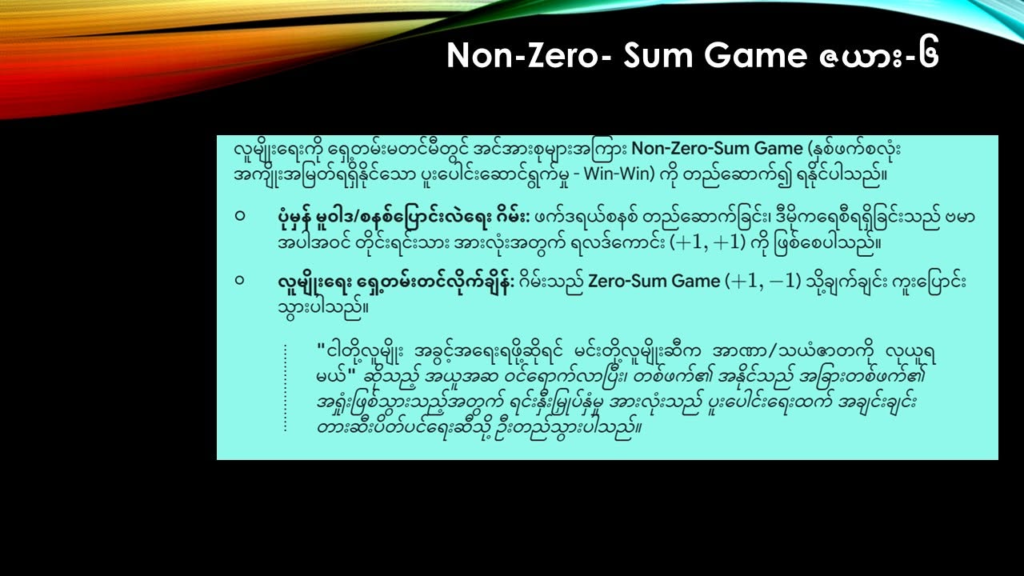
Framing political struggles primarily around identity/ethnicity shifts interactions from a Non-Zero-Sum Game (where cooperation produces win-win outcomes for all groups) into a Zero-Sum Game (where one group’s gain is perceived as another’s loss). This creates trust deficits ($T = \frac{1}{1 + C}$), leading actors toward non-cooperative strategies (“Defection”), polarization, and collective action failures against the common authoritarian threat.
Summary:
Centralization ($C$) is the structural hardware of military dictatorship; chauvinism ($I$) is its ideological software. Trying to fix the software without dismantling the hardware allows authoritarianism to persist. Therefore, systematically dismantling central control is a necessary condition for a democratic federal union.
2. Layman’s Explanation
In simple terms, the post argues:
- Hardware vs. Software: Imagine a computer running a virus. The centralized system (all power held at the top in Naypyidaw) is the physical computer hardware. Racial supremacy / Chauvinism is just one software program running on it. If you change the program but leave the centralized computer intact, another dictator will simply install a new bad program. To prevent dictatorship permanently, you must dismantle the centralized control system itself.
- We Are Genetically Interconnected: DNA research on maternal lines shows that Myanmar’s ethnic groups share deeply intertwined ancestral roots. Dividing states strictly by race or ethnicity creates smaller internal conflicts within regions rather than solving the main problem.
- Unity Over Division: When politics focuses purely on race vs. race, it becomes a game where one side’s gain is viewed as the other side’s loss. When politics focuses instead on building fair systems, local rights, and strong democratic institutions, everyone wins together.
3. Fact-Check of Historical & Scientific Claims
| Claim in Text | Historical / Scientific Fact-Check | Verdict |
| 1956–57 Mong Yai Conferences & Shan Resistance | Historical records confirm that Shan leaders met at Mong Yai in 1956/1957 to demand constitutional reform and federal rights, which contributed to the emergence of early armed resistance in Shan State (e.g., Noom Suk Harn in 1958). | Accurate |
| 1958 Amnesty & Surrender of Insurgent Groups | In mid-1958, U Nu’s government announced “Arms for Democracy” (an amnesty initiative). Key groups like the PVO (Yebaw Hpyu) under Bo Po Kun, the Mon People’s Front, and Pa-O forces surrendered arms and entered electoral politics. | Accurate |
| Dissolution of Pyusawhti & 1958 Caretaker Takeover | U Nu attempted to disband the Pyusawhti paramilitary militias due to political violence and election intimidation. Tensions between the civilian government and military leaders (General Ne Win) over internal security culminated in the September 1958 military “caretaker” regime handover. | Accurate |
| Mitochondrial DNA (mtDNA) Shared Ancestry | Population genetics studies on Myanmar (such as research on maternal lineages/mtDNA haplogroups M, N, R, D, F, B) demonstrate significant shared deep ancestry across Tibeto-Burman, Tai-Kadai, and Mon-Khmer speaking populations, alongside localized genetic diversity. | Accurate in principle (though genetic overlap does not negate modern cultural, political, or self-determination identities). |
4. Further Explanation: Reform Roadmap for Myanmar’s Future
To move beyond perpetual conflict, Myanmar’s reform framework requires transitioning from identity-based authority to institutional checks, local autonomy, and meritocracy.
[ Centralized Military Hegemony ]
               │
               ▼  (Institutional Reforms)
  ┌────────────┼────────────┬────────────┐
  ▼            ▼            ▼            ▼
Federal      Secular     Anti-Corruption Meritocracy &
Decentral-   State Governance          Professional State
ization                  & Economy       Civil Service
A. Structural Decentralization & Genuine Federalism
- Fiscal Autonomy: Local and regional governments must retain a fair share of locally generated revenues (taxes, mining royalties, energy sales) rather than handing 100% to a central authority.
- Devolution of Power: State/regional assemblies should hold legislative power over local policing, primary education, local infrastructure, and land administration.
- Symmetry in Federalism: Shifting from identity-based state division to regional governance guarantees equal civic rights to all residents within a state, regardless of whether they belong to the majority or minority ethnic group of that state.
B. Secular State & Protection Against Discrimination
- Separation of Religion and State: The state apparatus, judicial system, and public education system must remain strictly secular. Religion should be a personal right, not a metric for citizenship, legal standing, or public office eligibility.
- Civic Citizenship (Equal Protection): Legal rights and citizenship status must be tied to civic status, ending statutory discrimination based on race, ethnicity, or religious affiliation.
C. Eliminating Cronyism, Nepotism & Military Economic Dominance
- Dismantling Military Conglomerates: Economic entities operated under military auspices (such as MEHL and MEC) must be audited, restructured, or dismantled to establish a transparent, competitive market economy.
- Public Procurement Transparency: Natural resource concessions, public infrastructure projects, and government contracts must go through open, competitive, and public bidding processes to eliminate cronyism.
D. Transitioning from “Military Experience” to Meritocracy
- Civilian Supremacy: Armed forces must be placed strictly under elected civilian oversight. Military experience should no longer be a prerequisite or shortcut for civilian administrative positions, ministry leadership, or state-owned enterprises.
- Merit-Based Public Service: Recruitment, promotions, and appointments across civil service, diplomacy, judiciary, and economic administration must rely on standardized qualifications, professional performance metrics, and competitive examinations rather than military rank, personal connections, or political patronage.
Myo Nyunt
ကနေ့တော်လှန်ရေးသည်ဗဟိုဦးစီးစနစ်တိုက်ဖျက်ရေးလား၊ဗမာလူမျိုးကြီးဝါဒတိုက်ဖျက်ရေးလား?
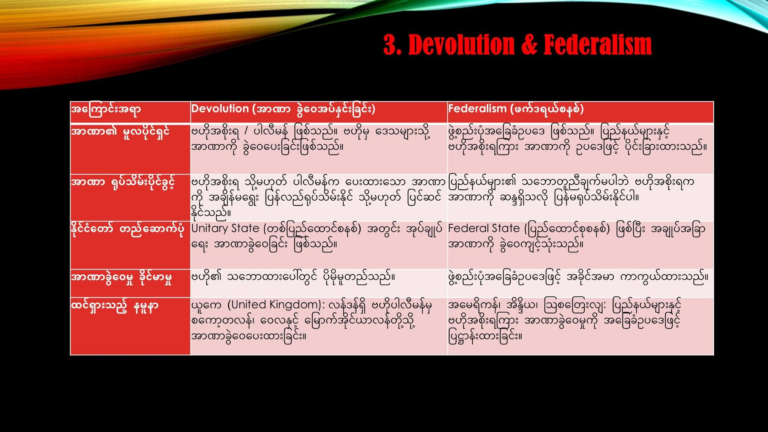
ဗမာ့နိုင်ငံရေးပြဿနာအကြောင်းရင်းဇစ်မြစ်ကိုရှာတဲံနေရာမှာသမိုင်းနဲ့ သိပ္ပံအကူအညီယူရပါသည်။ အခုအညင်းအခုံဖြစ်နေတဲ့ ပြဿနာအရင်းအခံဟာဗဟိုဦးစီးစနစ်လား? လူမျိုးကြီးဝါဒကြောင့်လားဆိုတဲ့ဤရင်းခံ(၂) ခုကိုစမ်းစစ်ရာမှာသမိုင်းအဆင့်ဆင့်ဖြစ်ပေါ်တိုးတက်မှုအရ၁၉၄၇ဥပဒေကိုလူမျိုးရေးရှုဒေါင့်အခြေခံသူများကလက်ခံတယ်ဆိုရင် ဒီမိုကရေစီရေးအဓိကဆိုတာပေါ်လွင်ပြီး civic-equality လာပြီးမှ ethnic equity ကိစ္စရှင်းရမဲ့အစား လူမျိုးစုအရေးရှေ့တမ်းတင်လာတဲ့ဝီရောဓိရင်ဆိုင်နေရပါသည်။ ပုံ-၁
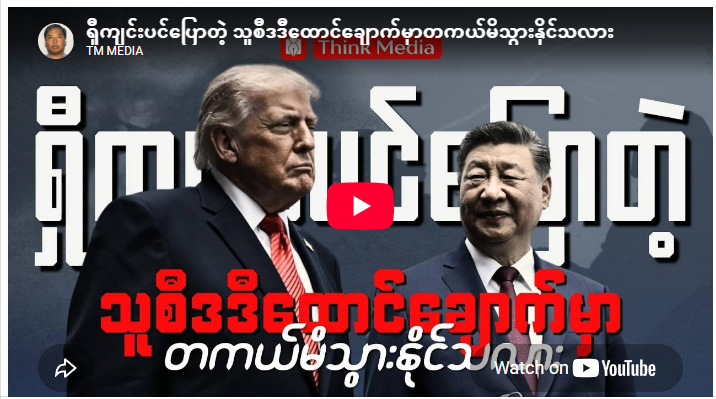
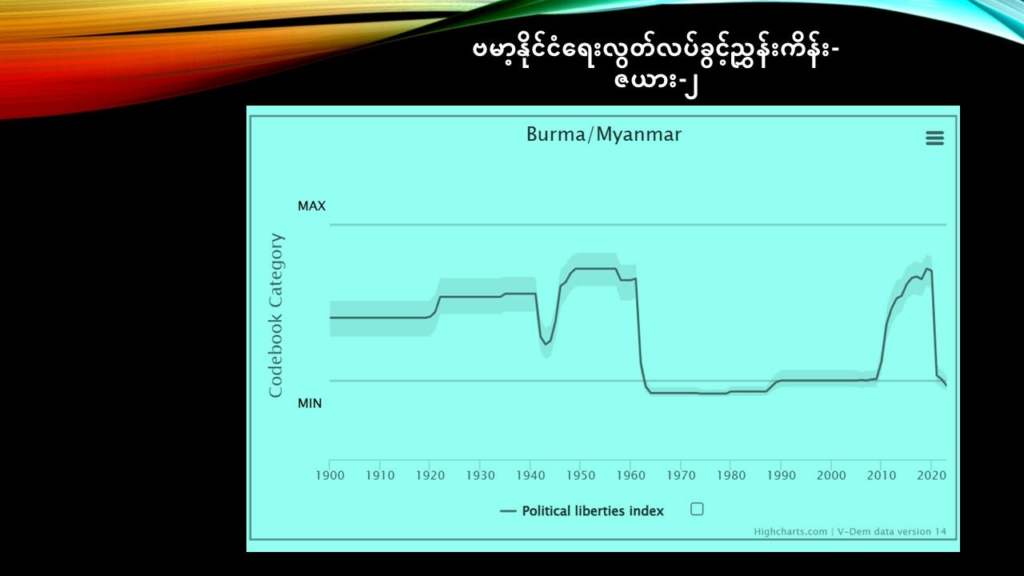
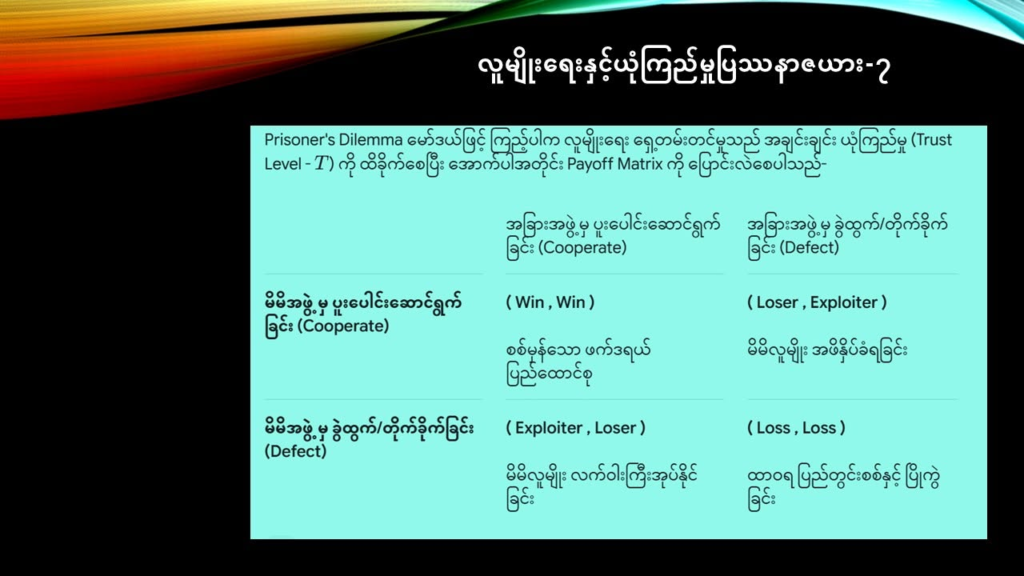
ဗမာပြည်ရဲ့နိုင်ငံရေးသမိုင်းရုပ်ပကတိ (ပုံ-၂) အရ ကြည့်ရင် နိုင်ငံရေးလွတ် လပ်ခွင့်မရှိတာကိုလက်ခံရပါမယ်။ ဒီမိုကရေစီမရှိခြင်းကြောင့်လူမျိုးစုပဋိပက္ခဖြစ်ပွါးနေရတာကိုကမ္ဘာ့သက်သေအထောက်အထားပေါ်အခြေခံတဲ့တရား (ပုံ-၃) ကိုတွေ့ရပါမယ်။ ဗမာ့နိုင်ငံရေးသမိုင်းရုပ်ပကတိအရဗမာလူမျိုးကြီးဝါဒကြောင့်င့်ဆိုတာကိုငြင်းဆိုနေပါသည်။ ပုံ-၃ အရ လူမျိုးစုပဋိပက္ခဟာဒီမိုကရေစီမရှိခြင်းကြောင့်ဆိုလျှင်ဗဟိုဦးစီးစနစ်ဟာတရားခံဖြစ်နေပါတော့သည်။ ဗဟိုဦးစီးစနစ်ဖြေလျော့ပြီးဒီမိုကရေစီပြီးပြည့်စုံရေးဦးနုကျိုးပမ်းချက်သမိုင်းကိုပြန်ကြည့်ရင်တွေ့ရပါမည်။
၁၉၅၆ဒီဇင်ဘာတွင်ရှမ်းစောဘွား ၁၅၀ကိုယ်စားလှယ်တက်ရောက်သောမုံးရဲညီလာခံမှ ဖဆပလအစိုးရ ဆန့်ကျင်ရေးစတင်ခါ၁၉၅၇ခု မေလ ၁၆-၁၇ ဒုတိယအကြိမ်မုံးရဲ ညီလာခံတွင်ရှမ်းပြည်နယ် လွတ်မြောက်ရေးတပ်ဖွဲ့ကာအစိုးရစစ်တပ်ကိုခုခံ ၁၉၅၇ခုမတ်လတွင်ဦးနု ဝန်ကြီးချုပ်ရာထူးပြန်ရယူ ၁၉၅၈ခုနှစ်စတွင်နုတင်ဆွေငြိမ်း ဖဆပလကွဲအက်ပြီး ဝန်ကြီးချုပ်ဦးနု၏လေးနာကြာမိန့်ခွန်းကိုဗမာနိုင်ငံလုံးဆိုင်ရာ ကွန်ဂရက်တွင်ပါလီမံဒီမိကရေစ္ပြီပြည့်စုံရေးကျိုပမ်းခဲ့ပါသည်။။
သူပုန်တို့ကိုသင်ပုန်းချေလွတ်ငြိမ်းခွင့်ကိုဦးနုက၁၉၅၈ခုဇူလိုင်လကျေညာအပြီး ဤသြဂုတ်လတွင်ဗိုလ်ဖိုးကွန်း၏ပြည်သူ့ရဲဘော်၊ရဲဘော်ဖြူ၊ မွန်ပြည်သူ့တပ်ဦး၊ ပအိုဝ်တပ်ပေါင်းစုတို့အလင်းဝင်လာ။တရားမဲ့မင်းမဲ့ဆန်စွာ အတိုက်အခံများကို သုတ်သင်ရှင်း လင်း(လေးလောင်ပြိုင်လူသတ်မှု) တတ်သောပြူစောထီးတပ်ကိုလည်း ဖျက်သိမ်း လိုက် ၏။ယင်းကိုစစ်တပ်ကမကျေနပ်ပါ။ “နိုင်ငံရေးသမားတွေထင်ရာလုပ်တိုင်းစစ်တပ်ကခံနေမည်မဟုတ်”ဆိုပြီး၁၉၅၈ခုစက်တင်ဘာ လ ၁၆ရက်တွင်စစ်တပ်ကအာဏာသိမ်းခံ့တာကိုကြည့်ရင်ဗဟိုဦးစီးစတစ်ရဲ့အခိုင် အမာ ခံတပ်ကြီးဟာစစ်တပ်ဖြစ်နေတာကိုတွေ့ရမည်ဖြစ်သည်။
အဲဒိသမိုင်ပကတိကိုပြန်ကောက်ပြီးဗမာ့နိုင်ငံရေးပြဿနာဖြေရှင်းရင်အောက်ပါအတိုင်းသဘာဝယုတ္တိ၊အာဂမယုတ္တိအရသုံးသပ်ရပါမည်။
ဗဟိုဦးစီးစနစ်သည်စစ်အာဏာရှင်၏အသက်ဖြစ်သည်။ ဗဟိုဦးစီးစနစ်ကိုတိုက်ဖျက်ခြင်းသည်စစ်အာဏာရှင်စနစ်ကိုတိုက်ဖျက်ခြင်ဖြစ်သည်။ဗဟို၊းစီးစနစ်တိုက်ဖျက်ရေးလား၊ဗမာလူမျိုးကြီးဝါဒတိုက်ဖျက်ရေးလား? ဘယ်ဟာကကနေ့ဖယ်ဒရယ်နိုင်ငံတာသစ်တည်ဆောက်ရေးအတွက်အရေးကြီးသလဲ?
ဒါကိုမစခင်လူမျိုးရေးကိုသိပ္ပံတွေ့ရှိချက်မျိုးရိုးဗီဇ (mtDNA) သုတေသန တွေ့ရှိချက်ကစရအောင်။နဲ့စရ
ဗမာ့နိုင်ငံရေးနှင့် တိုင်းရင်းသား ပဋိပက္ခ အကျပ်အတည်းများအတွက် မျိုးရိုးဗီဇ (mtDNA) သုတေသန တွေ့ရှိချက်များ၊ သမိုင်းရုပ်ဝါဒ (Historical Materialism) နှင့် ဘဏ္ဍာရေး/စီးပွားရေး ပြုပြင်ပြောင်းလဲမှုဆိုင်ရာ Three-Stage Federal Transition Model တို့ကို ပေါင်းစပ်၍ Logical Sequence အလိုက် စနစ်တကျ ထွက်ပေါက်အဖြေ ထုတ်နုတ် ရှင်းလင်းတင်ပြအပ်ပါသည်။
၁။ မျိုးရိုးဗီဇ (DNA) တွေ့ရှိချက်အရ လူမျိုးရေးအခြေခံ သီးသန့်စနစ်၏ အားနည်းချက် (Genetic Inadequacy of Pure Identity Politics)
မိခင်မျိုးရိုးဗီဇ (Mitochondrial DNA / mtDNA) သုတေသနပြုချက်များအရ ဗမာနိုင်ငံအတွင်းရှိ တိုင်းရင်းသား လူမျိုးစုကြီးများ (ဗမာ၊ ရခိုင်၊ မွန်၊ ရှမ်း၊ ချင်း၊ ကချင် စသည်) သည်-
*ဘုံဗီဇ ဆင်းသက်မှု (Shared Genetic Ancestry): Macro-haplogroups ဖြစ်သော M (၄၀%-၆၀%) နှင့် N/R (၃၀%-၅၀%) အပါအဝင် အဓိက Sub-haplogroups များ (D, M7, B, F, R9, M9) ကို ဘုံတူညီစွာ ပိုင်ဆိုင်ထားကြသဖြင့် ရှေးဟောင်း မူလဗီဇ အမြစ်တစ်ခုတည်းမှ ပေါင်းစပ်ဆင်းသက်လာကြသူများ ဖြစ်ကြသည်။
*ဗမာနှင့် ရခိုင်/မွန်တို့၏ ဗီဇစုံလင်မှု: ဗမာနှင့် ရခိုင် တိုင်းရင်းသားများသည် မိခင်မျိုးရိုးဗီဇအရ အလွန် နီးစပ်ပြီး (Genetic Distance အနိမ့်ဆုံး)၊ ဗမာသည် Haplogroup အမျိုးပေါင်း ၈၀ ကျော် ပါဝင်သော Genetic Hotspot အဖြစ် တွေ့ရသည်။
လူမျိုးအလိုက် စီမံခန့်ခွဲသော သီးသန့် လူမျိုးရေးအခြေပြု မူဝါဒများ (Identity-based Federalism) သည် ပြည်နယ်များအတွင်း ထပ်မံ၍ “လူမျိုးကြီးဝါဒအသေးစား (Sub-ethnic Dominance)” နှင့် နယ်နိမိတ်ဆိုင်ရာ ပဋိပက္ခများကို အိုင်ဒီယာအရ ခိုင်မာစေသည့် (Institutionalizing Identity) အားနည်းချက်များ ရှိသည်။ ထို့ကြောင့် မျိုးရိုးဗီဇအရောအနှောနှင့် သမိုင်းဆိုင်ရာ ထိစပ်မှုများအရ လူမျိုးရေးအပေါ် ပိုင်ခြား၍ ပြဿနာကို ဖြေရှင်း၍ မရနိုင်ပါ။
၂။ သမိုင်းရုပ်ဝါဒ (Historical Materialism) နှင့် စီးပွားရေး အခြေခံစနစ် (Economic Base vs Superstructure)
သမိုင်းရုပ်ဝါဒ၏ သဘောတရားအရ လူ့အဖွဲ့အစည်း၏ စီးပွားရေး အခြေခံအဆောက်အအုံ (Economic Base) နှင့် ၎င်းအပေါ်တွင် တည်ဆောက်ထားသော အထက်structure (Superstructure – ဥပဒေ၊ နိုင်ငံရေး၊ တပ်မတော်၊ အစိုးရစသည်) တို့သည် အပြန်အလှန် အကျိုးပြုနေကြပါသည်။ သမိုင်းစဉ်အလိုက် အဆင့်ဆင့် တိုးတက်ပြောင်းလဲရမည့် သဘောတရားကို ကျော်လွန်၍ သို့မဟုတ် ဘေးဖယ်၍ ဗဟိုချုပ်ကိုင်မှုအားကောင်းသော စနစ် (Centralization) ထံ ဦးတည်သွားသည့်အခါ ထိုဗဟိုချုပ်ကိုင်မှု၏ ထိပ်ခေါင်ထိပ်သီးတွင် အင်အားအတတ်နိုင်ဆုံးဖြစ်သော စစ်တပ်၏ လွှမ်းမိုးကြီးစိုးမှု (Military Dominance) သို့ သဘာဝကျစွာ ဆိုက်ရောက်သွားတတ်ပါသည်။
ဤအခြေအနေကို သုံးသပ်ကြည့်ပါက အောက်ပါအချက်များကို တွေ့ရှိနိုင်ပါသည် –
*စီးပွားရေးနှင့် အာဏာ ဗဟိုချုပ်ကိုင်မှု (Economic & Political Centralization)။
တိုင်းပြည်၏ ထုတ်လုပ်မှု စွမ်းအားများနှင့် သယံဇာတများကို ဗဟိုမှ တင်းကြပ်စွာ ထိန်းချုပ်ရန် ကြိုးပမ်းသည့်အခါ ယင်းထိန်းချုပ်မှုကို စိစစ်ကွပ်ကဲရန် အာဏာပိုင်အဖွဲ့အစည်းနှင့် စက်ယန္တရားလိုအပ်လာပါသည်။ ဗမာ့သမိုင်းတွင် သမိုင်းအဆင့်ဆင့် ဖြစ်စဉ်များအတိုင်း ဖက်ဒရယ်စနစ် သို့မဟုတ် ဗဟိုအာဏာခွဲဝေရေး (Decentralization) သို့ မသွားဘဲ ဗဟိုချုပ်ကိုင်မှုကို အားပြုခဲ့ခြင်းကြောင့် လက်နက်ကိုင်စွဲထားသည့် စစ်ဘက်အဖွဲ့အစည်းက အချုပ်အခြာ အာဏာ၏ ဗဟိုချက်ဖြစ်လာခဲ့ရပါသည်။ ဒီတော့ခါဗဟိုဦးစီးစနစ်နဲ့ဗမာလူမျိုးကြီးဝါဒတို့ကကနေ့ပြဿနာအပေါ်သက်ရောက်အားကိုသုံးသပ်ကြည့်ရပါမည်။
ဗဟိုဦးစီးစနစ် (Centralized System) နှင့် ဗမာလူမျိုးကြီးဝါဒ (Burman Chauvinism) တို့၏ သက်ရောက်မှုကို သင်္ချာနည်းကျ သီအိုရီ (Quantitative / Mathematical Modeling) အမြင်ဖြင့် တိုင်းတာဆန်းစစ်ပြပါမည်။
နိုင်ငံရေးနှင့် စီးပွားရေး သီအိုရီများတွင် အာဏာနှင့် အကဲဆတ်မှုများကို မက်ထရစ် (Matrix)၊ ဂိမ်းသီအိုရီ (Game Theory) နှင့် ပါဝါ အညွှန်းကိန်း (Power Index) များဖြင့် ဖော်ပြတွက်ချက်လေ့ ရှိပါသည်။
၁။ အာဏာဖွဲ့စည်းပုံဆိုင်ရာ ပါဝါ မက်ထရစ် (Power Distribution Matrix)
စနစ်တစ်ရပ်၏ စုစုပေါင်း စိစစ်ထိန်းချုပ်နိုင်စွမ်း (P_total) ကို ဗဟိုဦးစီးစနစ်မှ ထွက်ပေါ်လာသော အုပ်ချုပ်မှုအာဏာ (C) နှင့် အယူအဆရေးရာ ဝါဒ/အတွေးအခေါ် (I) တို့၏ မြှောက်လဒ် အပြန်အလှန် သက်ရောက်မှုအဖြစ် မော်ဒယ်ဖွဲ့စည်းနိုင်ပါသည်-(ဖေါ်မြူလာများကိုပုံတွင်ကြည့်ရှုပါ)
P_total=f(C,I)=C×(1+I)
C∈[0,1] : ဗဟိုဦးစီးစနစ် အညွှန်းကိန်း (C=1 သည် ရာခိုင်နှုန်းပြည့် ဗဟိုမှ အာဏာနှင့် သယံဇာတ လက်ဝါးကြီးအုပ်ထားခြင်း ဖြစ်ပြီး၊ C=0 သည် အပြည့်အဝ ဖက်ဒရယ် ပြန်းအားဖြစ်သည်)
I∈[0,1] : အယူအဆရေးရာ အားဖြည့်မှု အညွှန်းကိန်း (ဝါဒ/အဓိပ္ပာယ်ဖွင့်ဆိုချက်)
တွက်ချက်မှုနှင့် ဆန်းစစ်ချက်-
၁။ C=0 ဖြစ်သွားပါက (ဗဟိုဦးစီးစနစ်ကို လုံးဝဖြိုဖျက်လိုက်ပါက):
P_total=0×(1+I)=0
ဗဟိုဦးစီးစနစ် စိစစ်မှုမရှိတော့ပါက ဝါဒ (I) မည်မျှပင် ရှိနေပါစေ၊ အာဏာရှင်စနစ် ရပ်တည်နိုင်မည့် ဘဏ္ဍာရေး၊ စစ်ရေးနှင့် အုပ်ချုပ်ရေး ယန္တရား (P_total) သည် သုည သို့ ရောက်ရှိသွားမည် ဖြစ်သည်။
၂။ I=0 ဖြစ်သွားသော်လည်း C=1 ကျန်ရှိနေပါက (ဝါဒကို ပျောက်ကွယ်စေသော်လည်း ဗဟိုဦးစီးစနစ် ကျန်ရှိနေပါက):
P_total=1×(1+0)=1
ဝါဒ သို့မဟုတ် အယူအဆဆိုင်ရာ သတ်မှတ်ချက်များ လျော့ကျသွားသော်လည်း ဗဟိုဦးစီးစနစ် ယန္တရား ကျန်ရှိနေသရွေ့ အာဏာရှင်စနစ် အသက်ဆက်နိုင်ဆဲ ဖြစ်သည်။
၂။ ဂိမ်းသီအိုရီအမြင် – ယုံကြည်မှုနှင့် ပူးပေါင်းဆောင်ရွက်ရေး စမတ်ဂိမ်း (Game Theory Perspective)
ဖက်ဒရယ် နိုင်ငံသစ် တည်ဆောက်ရေးတွင် ဗဟိုအစိုးရ/ဗမာ ဒီမိုကရေစီ အင်အားစုများ (Player A) နှင့် တိုင်းရင်းသား အင်အားစုများ (Player B) တို့အကြား ယုံကြည်မှုနှင့် မဟာမိတ်ဖွဲ့မှုကို ဂိမ်းသီအိုရီအရ Prisoner’s Dilemma ဖြင့် ကြည့်နိုင်ပါသည်။
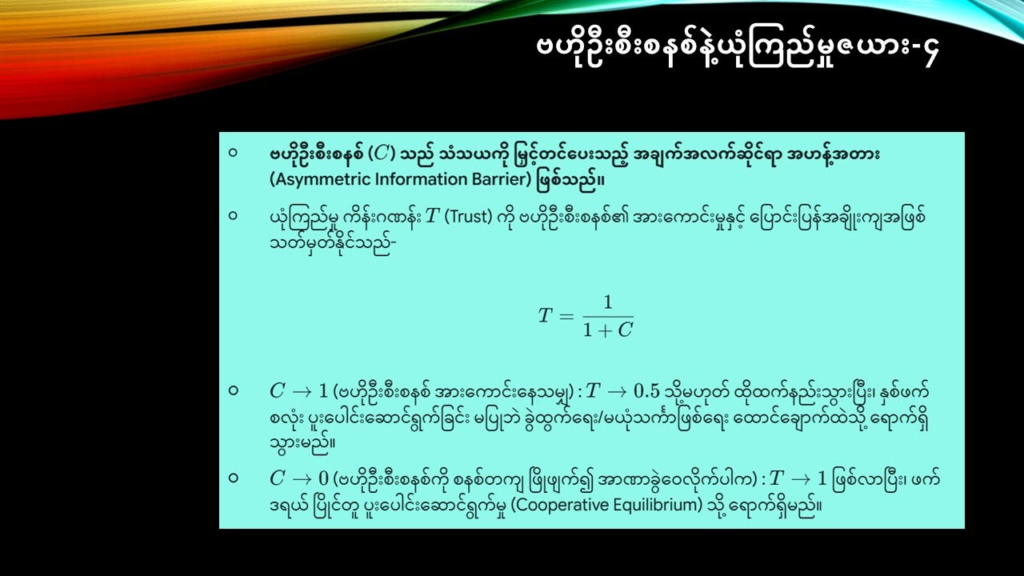
*ဗဟိုဦးစီးစနစ် (C) သည် သံသယကို မြှင့်တင်ပေးသည့် အချက်အလက်ဆိုင်ရာ အဟန့်အတား (Asymmetric Information Barrier) ဖြစ်သည်။
ယုံကြည်မှု ကိန်းဂဏန်း T (Trust) ကို ဗဟိုဦးစီးစနစ်၏ အားကောင်းမှုနှင့် ပြောင်းပြန်အချိုးကျအဖြစ် သတ်မှတ်နိုင်သည်-
T=1/(1+C)
C→1 (ဗဟိုဦးစီးစနစ် အားကောင်းနေသမျှ) : T→0.5 သို့မဟုတ် ထိုထက်နည်းသွားပြီး၊ နှစ်ဖက်စလုံး ပူးပေါင်းဆောင်ရွက်ခြင်း မပြုဘဲ ခွဲထွက်ရေး/မယုံသင်္ကာဖြစ်ရေး ထောင်ချောက်ထဲသို့ ရောက်ရှိသွားမည်။
C→0 (ဗဟိုဦးစီးစနစ်ကို စနစ်တကျ ဖြိုဖျက်၍ အာဏာခွဲဝေလိုက်ပါက) : T→1 ဖြစ်လာပြီး၊ ဖက်ဒရယ် ပြိုင်တူ ပူးပေါင်းဆောင်ရွက်မှု (Cooperative Equilibrium) သို့ ရောက်ရှိမည်။
၃။ သယံဇာတနှင့် ဘဏ္ဍာရေး စီမံခန့်ခွဲမှုဆိုင်ရာ ညီမျှခြင်း (Resource Allocation Equation)
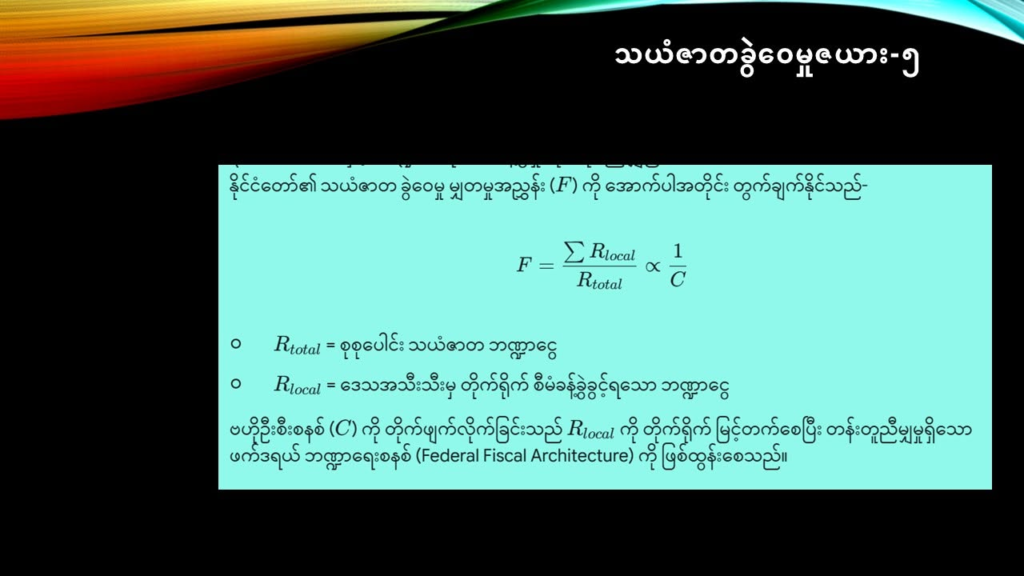
နိုင်ငံတော်၏ သယံဇာတ ခွဲဝေမှု မျှတမှုအညွှန်း (F) ကို အောက်ပါအတိုင်း တွက်ချက်နိုင်သည်-
F=(∑▒R_local )/R_total ∝1/C
R_total = စုစုပေါင်း သယံဇာတ ဘဏ္ဍာငွေ
R_local = ဒေသအသီးသီးမှ တိုက်ရိုက် စီမံခန့်ခွဲခွင့်ရသော ဘဏ္ဍာငွေ
ဗဟိုဦးစီးစနစ် (C) ကို တိုက်ဖျက်လိုက်ခြင်းသည် R_local ကို တိုက်ရိုက် မြင့်တက်စေပြီး တန်းတူညီမျှမှုရှိသော ဖက်ဒရယ် ဘဏ္ဍာရေးစနစ် (Federal Fiscal Architecture) ကို ဖြစ်ထွန်းစေသည်။
သင်္ချာ မော်ဒယ်ဆိုင်ရာ အချိုးအစားအရ –
ဗဟိုဦးစီးစနစ် (Centralized System) သည် စစ်အာဏာရှင်စနစ်၏ “အခြေခံအဆောက်အအုံ (Structural Base – Hardware)” ဖြစ်သည်။
လူမျိုးကြီးဝါဒ (Chauvinism) သည် ယင်းအဆောက်အအုံကို လည်ပတ်စေသည့် “အယူအဆရေးရာ မောင်းနှင်အား (Ideological Software)” ဖြစ်သည်။
သင်္ချာနည်းကျ အဓိကကျမှု အဆင့်အရ-
Hardware (C) ကို မဖျက်ဆီးဘဲ Software (I) ကိုသာ ပြင်ဆင်ရန် ကြိုးစားပါက အာဏာရှင်စနစ် ပြန်လည် ခေါင်းထောင်ထနိုင်သည့် ပမာဏမှာ မြင့်မားနေဆဲ ဖြစ်သည်။
ထို့ကြောင့် “ဗဟိုဦးစီးစနစ်ကို စနစ်တကျ ရိုက်ချိုး ဖျက်ဆီးခြင်း” သည် ဖက်ဒရယ် နိုင်ငံသစ် တည်ဆောက်ရေးအတွက် ပထမအဆင့်နှင့် အရေးအကြီးဆုံး မရှိမဖြစ် လိုအပ်ချက် (Necessary & Sufficient Condition) ဖြစ်ကြောင်း တွက်ချက် ဆန်းစစ်နိုင်ပါသည်။
ဂိမ်းသီအိုရီ (Game Theory) မော်ဒယ်များအရ နိုင်ငံရေးနှင့် လူမှုရေး အခင်း အကျင်းတစ်ခုတွင် “လူမျိုးရေး/ဝါဒရေးရာ” ကို ရှေ့တမ်းတင်လိုက်ပါက (Identity/Ethnic Framing) ဖြစ်ပေါ်လာသည့် သက်ရောက်မှုများကို အောက်ပါအတိုင်း သင်္ချာနှင့် မဟာဗျူဟာမြောက် နမူနာများဖြင့် ဆန်းစစ်ကြည့်နိုင်ပါသည်-
၁။ Zero-Sum Game (သုညပေါင်းလဒ် ဂိမ်း) သို့ ပြောင်းလဲသွားခြင်း။
လူမျိုးရေးကို ရှေ့တမ်းမတင်မီတွင် အင်အားစုများအကြား Non-Zero-Sum Game (နှစ်ဖက်စလုံး အကျိုးအမြတ်ရရှိနိုင်သော ပူးပေါင်းဆောင်ရွက်မှု – Win-Win) ကို တည်ဆောက်၍ ရနိုင်ပါသည်။
ပုံမှန် မူဝါဒ/စနစ်ပြောင်းလဲရေး ဂိမ်း: ဖက်ဒရယ်စနစ် တည်ဆောက်ခြင်း၊ ဒီမိုကရေစီရရှိခြင်းသည် ဗမာအပါအဝင် တိုင်းရင်းသား အားလုံးအတွက် ရလဒ်ကောင်း (+1,+1) ကို ဖြစ်စေပါသည်။
လူမျိုးရေး ရှေ့တမ်းတင်လိုက်ချိန်: ဂိမ်းသည် Zero-Sum Game (+1,-1) သို့ချက်ချင်း ကူးပြောင်းသွားပါသည်။
“ငါတို့လူမျိုး အခွင့်အရေးရဖို့ဆိုရင် မင်းတို့လူမျိုးဆီက အာဏာ/သယံဇာတကို လုယူရမယ်” ဆိုသည့် အယူအဆ ဝင်ရောက်လာပြီး၊ တစ်ဖက်၏ အနိုင်သည် အခြားတစ်ဖက်၏ အရှုံးဖြစ်သွားသည့်အတွက် ရင်းနှီးမြှုပ်နှံမှု အားလုံးသည် ပူးပေါင်းရေးထက် အချင်းချင်း တားဆီးပိတ်ပင်ရေးဆီသို့ ဦးတည်သွားပါသည်။
၂။ Payoff Matrix နှင့် Defection (သစ္စာဖောက်/ခွဲထွက်ရေး) ဖြစ်နိုင်ခြေ မြင့်တက်လာခြင်း။
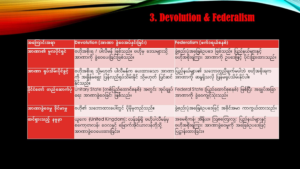
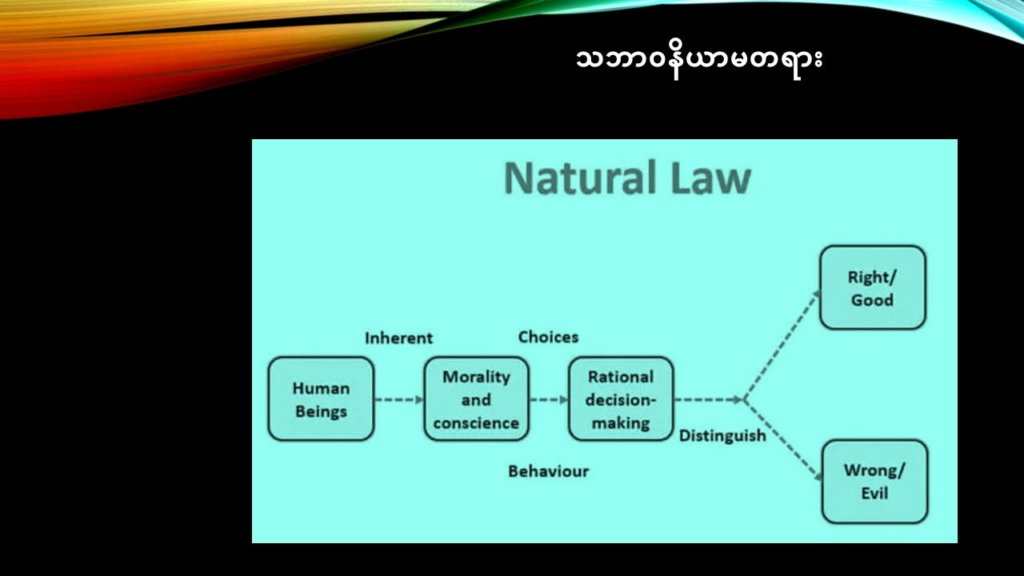
Prisoner’s Dilemma မော်ဒယ်ဖြင့် ကြည့်ပါက လူမျိုးရေး ရှေ့တမ်းတင်မှုသည် အချင်းချင်း ယုံကြည်မှု (Trust Level – T) ကို ထိခိုက်စေပြီး အောက်ပါအတိုင်း Payoff Matrix ကို ပြောင်းလဲစေပါသည်-ပုံ-၄
လူမျိုးရေးကို ရှေ့တမ်းတင်လိုက်သောအခါ “အခြားအဖွဲ့က ငါ့လူမျိုးကို လှည့်ဖြား/ဖိနှိပ်သွားမည်” ဆိုသည့် စိုးရိမ်စိတ် (Risk Avoidance) မြင့်တက်သွားပါသည်။
ထို့ကြောင့် ကစားသမား (Player) တိုင်းသည် အမြဲတမ်း Defect (ခွဲထွက်/ တိုက်ခိုက်ခြင်း) ကိုသာ မိမိလူမျိုးအတွက် ဘေးအကင်းဆုံး မဟာဗျူဟာ (Dominant Strategy) အဖြစ် ရွေးချယ်ကြရာမှ နှစ်ဖက်စလုံး ပျက်စီးရသည့် Sub-optimal Nash Equilibrium (Loss,Loss) ထဲသို့ ကျရောက်သွားပါသည်။
၃။ Polarization Trap (အစွန်းရောက် ဝင်ရိုးစွန်း ထောင်ချောက်)
ဂိမ်းသီအိုရီတွင် ကစားသမားများအကြား သတင်းအချက်အလက် အရည်အသွေးနှင့် ယုံကြည်မှု ပျက်ပြားသွားသောအခါ အလယ်အလတ် လမ်းစဉ် (Moderate Path) လျှော့ကျသွားလေ့ရှိပါသည်။
*ကျဉ်းမြောင်းသော သတင်းအချက်အလက် (Asymmetric Information)။ အုပ်စုအသီးသီးသည် မိမိလူမျိုး၏ နစ်နာချက်များကိုသာ စိစစ်ကြည့်ရှုကြပြီး အခြားအုပ်စု၏ စိုးရိမ်မှုကို လစ်လျူရှုလာကြသည်။
*Hardliner Dominance (အစွန်းရောက်များ ဩဇာကြီးလာခြင်း)။ လူမျိုးရေး ရင်းနှီးမြှုပ်နှံမှု ပိုမိုပြုလုပ်သူ (Hardliners) က လူထုထောက်ခံမှုကို ပိုမို ရရှိသွားပြီး၊ ပူးပေါင်းညှိနှိုင်းလိုသော အလယ်အလတ် သမားများ (Moderates) မှာ အခွင့်အလမ်း မရှိတော့ဘဲ မှေးမှိန်သွားသည်။
၄။ ဘုံရန်သူကို တိုက်ဖျက်ရာတွင် အင်အားယိုယွင်းခြင်း (Collective Action Problem)
စစ်အာဏာရှင်စနစ်ကဲ့သို့ ဗဟိုဦးစီး စနစ်ကြီးတစ်ခုကို တိုက်ဖျက်ရာတွင် အင်အားစုများအကြား Collective Action (စုပေါင်းလှုပ်ရှားမှု) လိုအပ်ပါသည်။
*လူမျိုးရေး ရှေ့တမ်းမတင်ဘဲ စနစ်ကို ဦးတည်စဉ်။ အစုအဖွဲ့ အားလုံး၏ ဘုံရည်မှန်းချက်မှာ “ဗဟိုဦးစီး အာဏာရှင်စနစ် ဖြိုဖျက်ရေး” ဖြစ်သဖြင့် အရင်းအမြစ်အားလုံးကို ဗဟိုတိုက်ပွဲဆီသို့ စုစည်းနိုင်ပါသည်။
*လူမျိုးရေး ရှေ့တမ်းတင်လိုက်စဉ်။ ဘုံရန်သူကို မတိုက်မီ အချင်းချင်း “အာဏာရပြီးရင် ဘာခွဲဝေမလဲ/ငါ့လူမျိုးနယ်မြေက ဘယ်လောက်လဲ” ဆိုသည့် အနာဂတ် ခွဲဝေမှုပြဿနာ (Distributional Conflict) ကြောင့် စွမ်းအင်နှင့် စည်းလုံးမှုများ ပြိုကွဲသွားပြီး ဘုံရန်သူ (အာဏာရှင်စနစ်) က သွေးခွဲအုပ်ချုပ်ရန် အခွင့်အရေး ပိုမိုရရှိသွားပါသည်။
အနှစ်ချုပ်။
ဂိမ်းသီအိုရီအရ လူမျိုးရေးကို ရှေ့တမ်းတင်လိုက်ခြင်းသည် မဟာဗျူဟာမြောက် ပူးပေါင်းဆောင်ရွက်မှု (Strategic Cooperation) ကို ပျက်စီးစေပြီး၊ အပြန်အလှန် မယုံသင်္ကာဖြစ်မှုနှင့် သုညပေါင်းလဒ် သံသရာ (Zero-sum Trap) ထဲသို့ အားလုံးကို ဆွဲသွင်းလိုက်ခြင်း ပင် ဖြစ်ပါသည်။
ထို့ကြောင့် စစ်မှန်သော ဖက်ဒရယ် နိုင်ငံသစ် တည်ဆောက်ရေးတွင် “လူမျိုးရေး စွဲကင်းသည့် စနစ်နှင့် မူဝါဒအခြေပြု ပြုပြင်ပြောင်းလဲမှုများ (Institutional & Structural Reforms)” ကိုသာ ရှေ့တမ်းတင် တည်ဆောက်ခြင်းက အားလုံးအတွက် မဟာဗျူဟာမြောက် အနိုင်ရလဒ် (Win-Win Equilibrium) ကို ဖန်တီးပေးနိုင်မည် ဖြစ်ပါသည်။
သမိုင်းအဆင့်ဆင့်ဖြစ်ပေါ်တိုးတက်မှုဝိဇ္ဇာတရားအရပါလီမံဒီမိုကရေးစီပြီးပြည့်စုံရေးအဆင့်ဆင့်ကိုဖြတ်သန်းရမည်မှာမလွဲမသွေသောဒိဌတရားဖြစ်ပါသည်။ နိုင်ငံရေးသမား မည်သူ ပင်မဆိုအမှား ကျူး လွန်ခဲ့ကြစေဦးတော့ဗမာပြည် ၏တော်လှန်ရေးတရားကားစဥ်ဆက် မပြတ်ဆေးကြောသန့်စင်သွားနေမည်ကိုကားမည်သူမျှတားဆီးရမည်မည်မဟုတ်ပါ။စစ်တပ်သည် ဗဟိုအာဏာကို အသုံးချ၍ တိုင်းရင်းသား ခေါင်းဆောင်အချို့ သို့မဟုတ် အဖွဲ့အစည်းအချို့အား သယံဇာတ တူးဖော်ခွင့်၊ နယ်စပ်ဂိတ် ခွင့်ပြုမိန့် ကဲ့သို့သော “ကိုယ်ကျိုးစီးပွား လိုင်စင်များ” အကန့်အသတ်ဖြင့် ပေးကာ သွေးခွဲခဲ့သည်။
ဗဟိုဦးစီးစနစ်မှသည် တန်းတူညီမျှသော စစ်မှန်သည့် ဖက်ဒရယ် ဒီမိုကရေစီ ပြုပြင်ပြောင်းလဲရေး (Federal Reform) သို့ ကူးပြောင်းပါက ဒေသခံ ပြည်သူအပေါင်း တရားဝင် သယံဇာတနှင့် အုပ်ချုပ်ရေး အခွင့်အာဏာ ပိုင်ဆိုင်သွားမည် ဖြစ်ရာ စစ်တပ်၏ သယံဇာတ သွေးခွဲထောင်ချောက်များ လုံးဝ အလုပ်လုပ်တော့မည် မဟုတ်ပေ။
စစ်တပ်သည် “မဟာဗမာဝါဒ” အပေါ်ထပ် အဆောက်အအုံဆိုင်ရာ အယူအဆများကို ဒိုင်းလွှားလုပ်၍ ဗမာ ဒီမိုကရေစီ အင်အားစုများနှင့် တိုင်းရင်းသား ခေါင်း ဆောင်များအကြား ယုံကြည်မှု ကင်းမဲ့အောင် အမြဲတမ်း သပ်လျှိုခဲ့သည်။အဓိက ပြဿနာ၏ မြစ်ဖျားခံရာ ဖြစ်သော “ဗဟိုဦးစီးစနစ်” ကို စနစ် တကျ Reform ပြုလုပ်ခြင်းသည် ဗမာနှင့် တိုင်းရင်းသား ပြည်သူများအကြား ဘုံရန်သူ၏ ထောင်ချောက်ကို အာရုံစိုက် စိစစ်နိုင်စေပြီး၊ စစ်အာရှင်စနစ် ချုပ်ငြိမ်း၍ စစ်မှန်သော ဖက်ဒရယ် ဒီမိုကရေစီ ပြည်ထောင်စု တည်ဆောက်နိုင်မည့် တစ်ခုတည်းသော သမိုင်းဝင် အဖြေဖြစ်ပါသည်။
မျိုးညွန့်(နိုငံတကာမာခရိုစီးပွါးရေးပါရဂူ)