
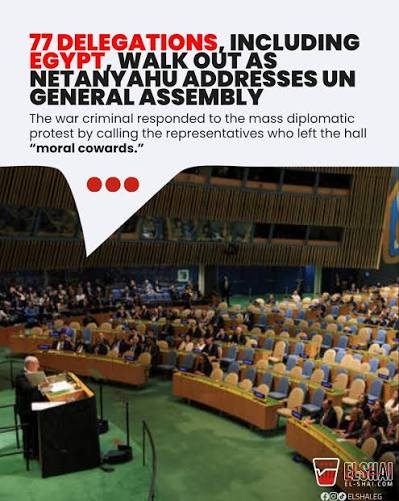
Yesterday, on September 24, at the UN General Assembly, when Israeli Prime Minister Netanyahu delivered his speech, representatives from 77 countries stood up and walked out. Most of those who turned their backs in protest were Islamic nations and Latin American countries with strong left-wing political presence, responding to Netanyahu’s actions in Gaza reaching an excessive and lawless level.
Actions were taken both as bloc initiatives and out of domestic political considerations. For example, Spain’s government joined due to its socialist orientation, while Chile—despite having a right-leaning president—prioritizes Palestinian issues because it hosts around 500,000 ethnic Palestinians outside the Arab world.
■ Among non-Muslim-majority Asian nations, North Korea and Myanmar were the ones that staged a walkout during Netanyahu’s speech. North Korea exchanging nuclear technology and ICBM systems with Iran makes its opposition to Israel—which is at war with Iran—unextraordinary.
What is notable is that Myanmar’s delegation, despite not being an Islamic country with a need to display religious solidarity, walked out during Netanyahu’s speech. What benefit does this act yield?
■ Myanmar’s Permanent Representative and delegation represent the NUG, which is resisting an oppressive military regime, trapping them in a “Moral Consistency Trap.” Opposing Netanyahu, who is viewed as an oppressor of Palestinians, becomes a political-moral obligation they cannot easily avoid.
Similarly, they likely seek continued sympathy and backing for Myanmar’s cause from the Global South and progressive blocs.
■ On the flip side, the Jewish lobby is among the most powerful political groups in the US, making it unwise to alienate them when seeking US government attention.
Looking outside the immediate context of Myanmar’s Spring Revolution, Myanmar–Israel relations have historically been quite strong. Myanmar was the first country in Southeast Asia to recognize Israel, and the personal friendship between Prime Minister U Nu and Prime Minister Ben-Gurion was well known. U Nu was also the first Asian leader to pay an official state visit to Israel. Cooperation expanded across multiple sectors from then on, including Israeli training for Myanmar’s military and intelligence sectors.
■ While Israel’s links to the military junta are controversial, maintaining good relations with Israel could offer substantial benefits once a democratic system emerges in Myanmar. Preserving an established relationship with a nuclear-capable nation—where Myanmar holds historical goodwill—carries clear advantages.
In an unpredictable global environment, access to cutting-edge technology is limited. Aside from the US and Chinese ecosystems, countries capable of offering diversification options are limited to Japan, India, and Israel (as negotiating terms with Europe carries a high normative bar).
Accessing technology exchanges in defense and missile defense from Israel would be highly valuable—an area even the UAE relies upon. Myanmar could be a “natural partner” for an Israel with few friends, meaning Myanmar wouldn’t need to act submissively.
Palestine, not yet a fully sovereign state, has little to offer Myanmar. Overflowing sympathy should not lead to unnecessary entanglement.
■ Concerns over alienating other Islamic nations whose goodwill Myanmar needs are largely overstated. The Israel-Palestine issue does not directly impact those nations’ vital interests; their solidarity is primarily driven by domestic Muslim public sympathy. Even Arab neighbors like Egypt and Jordan turned away from Palestinians when their own national interests collided.
When Muslim-majority nations like the UAE, Morocco, Albania, Azerbaijan, and Kazakhstan maintain trade and diplomatic ties with Israel, Myanmar can navigate its relations smoothly without getting caught in the middle—maintaining good standing with both Israel and key Islamic nations.
Prime Minister Modi’s government in India—referred to by Netanyahu as a brotherly partner—continues buying oil and natural gas from Iran even during ongoing conflicts.
■ In summary, walking out on the Israeli Prime Minister may serve as a reasonable short-term move to resolve moral consistency dilemmas and secure support from the Global South.
However, for long-term national interest, Myanmar–Israel relations hold significant value and should not be discarded. Should Israel fall or global power balances shift drastically, Myanmar’s policy can be adjusted accordingly.
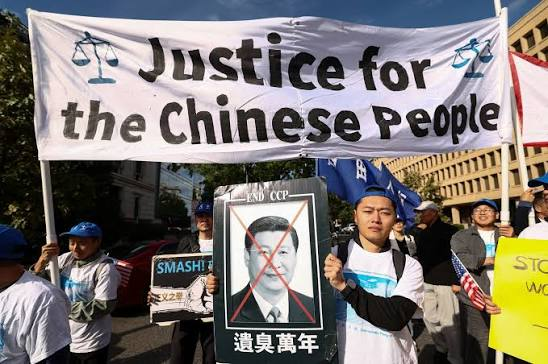
■ On that same day, September 24, protests occurred during Chinese President Xi’s visit to the White House. Rallies organized by Tibetan, Uyghur, and Hong Kong activists focused on national liberation and regional democracy inside China. Their loud chants reached the White House, visibly flustering President Trump, who appeared embarrassed that his capital city lacked order while two major global leaders were meeting.
Crucially, some Myanmar activists joined these protests. Entangling Myanmar’s movement in China’s sensitive domestic issues carries severe political risks.
■ While sympathy for Tibetans (who share linguistic roots) is understandable, Tibetan and Uyghur activists cannot provide a single bullet or grain of gunpowder to Myanmar’s resistance, nor can they shift the strategic balance. As Myanmar struggles for its own survival, it lacks the capacity to champion Tibetan-Burman brethren; sympathy, if felt, should remain quiet and distant.
Beijing, on the other hand, is the primary external stakeholder in Myanmar’s crisis. Through Yunnan province alone, Beijing holds decisive leverage over the military balance and political legitimacy of the resistance.
Whether one likes it or not, ignoring neighboring global superpower China is completely impossible. Many in Myanmar still view China through the lens of WWII-era vulnerability under Japanese invasion, but modern China has returned as a regional hegemon. Provoking it given its economic, technological, and hard power influence is counterproductive.
■ The status of Myanmar’s delegation at the UN reflects an implicit understanding between the US and China. While the UN Credentials Committee has 9 members, permanent seats held by the US, China, and Russia dominate outcomes.
Though the US provides no direct physical intervention, it honors the ambassador appointed by the civilian government. Similarly, Beijing—seeking influence across all factions rather than total commitment to the junta—has blocked the military regime’s representative from taking Myanmar’s UN seat. Keeping the green light open for the NUG ambassador gives Beijing continued leverage over the junta.
■ Exercising freedom of expression in a democratic country is a valid right. However, activist positions on Tibet or Uyghur issues must be explicitly separated from the official platform of Myanmar’s democratic government to avoid blowback. Even if Beijing offers no sympathy or aid to Myanmar’s democratic movement, avoiding total hostility remains essential.
The core goal of Myanmar’s Spring Revolution is restoring a democratic system inside Myanmar. External issues like Chinese political reform, Palestinian liberation, or Uyghur rights are neither core priorities nor Myanmar’s responsibility, nor is it Myanmar’s role to lead global revolutionary causes.
■ Struggling against a powerful military regime requires shrewd positioning on external matters beyond Myanmar’s control. Neutrality is preferable when possible; when forced to take a stance, choices should align with national self-interest or minimize potential damage.
Yesterday demonstrated how Myanmar’s democratic community must navigate sensitive global dynamics—whether by choice or necessity. Hopefully, these moves avoid unintended fallout.
(Image note: Red areas indicate countries whose UN delegates walked out during Netanyahu’s speech.)
#Augustus_Linn — September 25, 2026
Analysis: Strategic Dilemmas for the NUG & Spring Revolution
The commentary highlights a central tension in the NUG’s diplomatic strategy: Moral Consistency vs. Realpolitik.
┌──────────────────────────┐
│ NUG DIPLOMATIC CORE │
└────────────┬─────────────┘
│
┌────────────────────────────┴───────────────────────────┐
▼ ▼
┌─────────────────────┐ ┌────────────────────┐
│ MORAL ALIGNMENT │ │ REALPOLITIK / NEED │
│ (UN / Walkouts) │ │ (Geopolitics/Tech) │
└──────────┬──────────┘ └─────────┬──────────┘
│ │
• Global South backing • China: Neighboring Hegemon
• Western liberal values • US: Legal/Visa leverage
• Human rights credentials • Israel: Historical/Defense
1. Standing with / Opposing Israel
Pros of Moral Alignment (Pro-Palestine Walkout):
Maintains internal and international moral credibility for a resistance movement fighting against authoritarian military oppression.
Preserves diplomatic goodwill with the Global South, progressive caucus groups, and key ASEAN/Muslim-majority neighbors (e.g., Malaysia, Indonesia).
Cons / Risks:
Risks alienating influential pro-Israel foreign policy groups and congressional lobbies in the US whose support is vital for sanctions enforcement and funding.
Forecloses long-term strategic benefits with Israel (advanced defense technology, agricultural innovation, cyber intelligence) that previous Myanmar administrations historically leveraged.
2. Position on China
Pros of Pragmatic Engagement:
Acknowledges geographic reality: China shares a long border, controls vital trade corridors, and exerts heavy influence over Ethnic Armed Organizations (EAOs) in northern Myanmar.
Prevents Beijing from fully backing the junta, preserving the NUG’s diplomatic representation at the UN credentials committee.
Cons / Risks of Confrontation:
Joining anti-Beijing demonstrations (Tibet/Uyghur/Hong Kong) yields zero material or military aid while directly risking retaliatory economic or strategic pressure from Beijing along the border.
3. Position on the United States
Pros of Strong US Relations:
Provides vital legal recognition, humanitarian aid, and platforms for international advocacy (e.g., the BURMA Act framework).
Keeps the military regime isolated internationally through banking sanctions and diplomatic pressure.
Cons / Constraints:
US foreign policy priorities are split across multiple global crises, limiting direct intervention or lethal aid to Myanmar.
Domestic US policy constraints directly affect Myanmar exiles, refugees, and students through restrictive immigration policies and visa processing hurdles.
Ultimately, the analysis underscores that while moral consistency helps secure international sympathy, survival and long-term governance require pragmatic diplomacy that avoids unnecessary friction with key global powers.
While it’s often told alongside Aesop’s fables, this specific story—commonly known as “The Lion, the Fox, and the Bear” or “The Lion’s Bad Breath”—is a classic tale about surviving a dangerous tyrant through strategic neutrality:
The Bear (The Honest One): Told the lion directly that his breath smelled terrible. The lion was offended, accused him of treason/insult, and killed him.
The Monkey or Sheep (The Flatterer): Seeing the bear’s fate, answered that the lion’s breath smelled like sweet perfume. The lion saw through the fake hypocrisy, grew disgusted by the lie, and killed him too.
The Clever Fox / Rabbit (The Diplomat): Feigned a heavy cold, coughed, and politely claimed, “Your Majesty, I cannot smell a thing because my nose is completely stuffed.” The lion had no ground to punish him, and the clever animal escaped unharmed.
Applying that exact wisdom to geopolitics:
When a small nation or a resistance movement is surrounded by powerful global “lions” asking loaded political questions, taking an extreme side—whether brutally honest or overly flattering—often turns you into target practice.
Pleading a “cold”—remaining discreetly neutral, focusing strictly on internal survival, and keeping out of matters that don’t serve the core mission—is frequently the only way to avoid getting eaten alive by world powers.
How do you feel the Spring Revolution leadership is handling this balancing act currently? Are there areas where you think they could play “the clever fox” even better?
■ မနေ့က စက်တင်ဘာ ၂၄ ရက်နေ့ ကုလသမဂ္ဂ အထွေထွေညီလာခံမှာ အစ္စရေးဝန်ကြီးချုပ် နေတန်ယာဟု မိန့်ခွန်းပြောသည့်အခါ နိုင်ငံပါင်း ၇၇ နိုင်ငံက ကိုယ်စားလှယ်တွေ ထိုင်ရာကထ၍ ထွက်သွားခဲ့ကြတယ်။ ဂါဇာအရေးတွင် နေတန်ယာဟု တုန့်ပြန်မှုဟာ လက်လွန်ခြေလွန် ရမ်းကားသည့်အဆင့်ကိုရောက်နေတာကြောင့် ကန့်ကွက်သည့်အနေဖြင့် ကျောခိုင်းမှုပြုကြရာမှာ အစ္စလာမ်နိုင်ငံများနှင့် လက်ဝဲနိုင်ငံရေး အားကောင်းသည့် လက်တင်နိုင်ငံတွေက အများစုပါ။
အစုအဖွဲ့ဖြင့် အက်ရှင်ယူကြခြင်းရှိသလို ပြည်တွင်းနိုင်ငံရေး လိုအပ်ချက်အရလည်း ရွေးချယ်ရပ်တည်ကြတယ်။ စပိန်အစိုးရသည် ဆိုရှယ်လစ်ဝါဒီဖြစ်နေသဖြင့် ယင်းအစုကို ပူးပေါင်းသလို ချီလီတွင် လက်ယာယိမ်းသမ္မတဖြစ်သော်လည်း အာရပ်ကမ္ဘာပြင်ပတွင် ပါလက်စတိုင်းလူမျိုး ၅ သိန်းခန့် နေထိုင်သည့်နိုင်ငံဖြစ်တာကြောင့် ပါလက်စတိုင်းအရေးကို အလေးထားလေ့ရှိတယ်။
■ အာရှနိုင်ငံများထဲက အစ္စလာမ်ဘာသာဝင်လူများစု မဟုတ်ဘဲ နေတန်ယာဟုမိန့်ခွန်းကို ဆန့်ကျင်ကျောခိုင်းခဲ့သည်က မြောက်ကိုရီးယားနှင့် မြန်မာတို့ဖြစ်နေကြတယ်။ မြောက်ကိုရီးယားသည် အီရန်နှင့် နျူကလီးယားနည်းပညာ , တိုက်ချင်းပစ်ဒုံးနည်းစနစ်များ ဖလှယ်နေကြသည့် မိတ်ဆွေရင်းဖြစ်နေရာ အီရန်နှင့်ရန်စစ်ဖြစ်နေသော အစ္စရေး၏ ဆန့်ကျင်ဘက်တွင်နေခြင်းသည် အထူးတလည်မဟုတ်ပါ။
ထူးဆန်းသည်က အစ္စလာမ်နိုင်ငံလည်း မဟုတ်သဖြင့် ညီအကိုတော်များနှင့် သွေးစည်းညီညွတ်ကြောင်း ပြစရာမလိုဘဲ နေတန်ယာဟု မိန့်ခွန်းခြွေသည့် အချိန်တွင် ကျောခိုင်းခဲ့သူက မြန်မာကိုယ်စားလှယ်အဖွဲ့ဖြစ်ပါ၏။ ယင်းလုပ်ရပ်ကနေ မည်သည့်အကျိုးရနိုင်မလဲ။
■ မြန်မာသံအမတ်ကြီးနှင့် ကိုယ်စားလှယ်အဖွဲ့သည် ဖိနိုပ်သူစစ်အစိုးရကိုတွန်းလှန်နေရသော NUG အစိုးရကို ကိုယ်စားပြုထားသည်ဖြစ်ရာ ကိုယ်ကျင့်တရား တသမတ်တည်းဖြစ်မှုထောင်ချောက် ( Moral Consistency Trap ) တွင် ပိတ်မိနေတယ်။ ပါလက်စတိုင်းတို့ကို ဖိနိုပ်သူဟု ရှုမြင်ခံထားသော နေတန်ယာဟုကို ဆန့်ကျင်ဖို့ရာသည် နိုင်ငံရေးသီလအရ ငြင်းပယ်လို့ မရသည့် ဖိအားဖြစ်လာတယ်။
သည်လိုပဲ မြန်မာ့အရေးတွင် Global South နှင့် Progressive အုပ်စု၏ ကိုယ်ချင်းစာထောက်ခံမှုကိုလည်း ဆက်လက်၍ လိုလားလို့ဖြစ်မယ်။
■ ဘေးထွက်အနေနဲ့ကတော့ ဂျူးလော်ဘီတို့သည် အမေရိကန်နိုင်ငံရေး အသိုင်းအဝိုင်းတွင် အင်အားအကောင်းဆုံး အစုအဖွဲ့ဖြစ်ရာ အမေရိကန်အစိုးရတို့၏ ဂရုစိုက်မှုကို လိုလားသော် ၄င်းတို့၏ ဆန့်ကျင်ဘက်တွင် မနေစကောင်းပါ။
ယနေ့ မြန်မာ့နွေဦး Context အပြင်က ထွက်ကြည့်သော် မြန်မာ-အစ္စရေးဆက်ဆံရေးသည် အစဥ်အလာအရ အလွန်ပင်အားကောင်းပါတယ်။ အရှေ့တောင်အာရှနိုင်ငံများတွင် အစ္စရေးကို ပထမဆုံးအသိအမှတ်ပြုခဲ့သည့်နိုင်ငံဖြစ်သလို မြန်မာဝန်ကြီးချုပ်ဦးနုနှင့် အစ္စရေးဝန်ကြီးချုပ်ဘန်နဂူအင်တို့၏ မိတ်ရင်းဆွေသဟာရင်းနှီးမှုသည် ထင်ရှားလှတယ်။ ဦးနုသည် အစ္စရေးနိုင်ငံကို ပထမဆုံး နိုင်ငံတော်ခရီးစဥ် သွားရောက်ခဲ့သော အာရှနိုင်ငံခေါင်းဆောင်လည်း ဖြစ်ပြန်တယ်။ ယင်းကစလို့ ကဏ္ဍပေါင်းစုံတွင် ပူးပေါင်းနိုင်မှု မလစ်လပ်ခဲ့ပါ။ မြန်မာစစ်ဘက်နှင့်ထောက်လှမ်းရေးကို အစ္စရေးဘက်က မွမ်းမံပေးတာမျိုးတွေလည်း ရှိခဲ့တယ်။
■ အာဏာသိမ်းစစ်တပ်နှင့် ဆက်ဆံရေး အမျှင်တန်းမှုကြောင့် အစ္စရေးအစိုးရကို ပြောစရာဖြစ်နေပေမယ့် မြန်မာတွင် ဒီမိုကရက်တစ်နိုင်ငံရေးစနစ် ပေါ်ထွန်းလာပြီးလျှင်လည်း အစ္စရေးနှင့် ဆက်ဆံရေး ဆက်လက်ကောင်းမွန်မှုကနေ အကျိုးအမြတ် များပြားစရာရှိပါတယ်။ နျူကလီးယားနည်းပညာပိုင် နိုင်ငံတနိုင်ငံနှင့် ယခင်ကတည်းက အမြစ်ခိုင်ပြီးသား၊ ရှားရှားပါးပါး ကိုယ့်ဘက်က ကျေးဇူးရှိခဲ့သော ဆက်ဆံရေးကို ထိမ်းထားသော် အကျိုးမယုတ်ပါ။
ခန့်မှန်းရခက်သော ကမ္ဘာ့အခြေအနေတွင် ရှေ့ပြေးနည်းပညာပိုင်း ရပေါက်ရလမ်း များများစားစား မရှိနေပါ။ အမေရိကန်နှင့် တရုတ်တို့၏ ဂေဟစနစ်တို့မှအပ အခြားစွမ်းဆောင်နိုင်သော နိုင်ငံများကို Diversify လုပ်ကာလမ်းကြောင်းဖွင့်ထားမယ်ဆိုလျှင် ဂျပန် , အိန္ဒိယနှင့် အစ္စရေးတို့သာရှိတယ်။ ဥရောပနှင့် အပေးအယူလုပ်ဖို့က စံနှုန်းဘားမြင့်လွန်းတယ်။
ကာကွယ်ရေးနှင့် ဒုံးခွင်းနည်းပညာများတွက် ရှေ့တန်းရောက်နေသည့် အစ္စရေးကနေ နည်းပညာဖလှယ်ခွင့်ရသော် အမြတ်ကြီးမယ်။ အာရပ်စော်ဘွားများပြည်ထောင်စုပင် ယင်းကဏ္ဍမှာ အားကိုးထားတယ်။ မြန်မာသည် မိတ်ဆွေနည်းသည့် အစ္စရေးအတွက် ” Natural ပါတနာ ” ဖြစ်နိုင်သဖြင့် ကိုယ့်ဘက်ကလည်း အောက်အလွန်ကျို့စရာမလိုသည့် အနေအထားရှိနေနိုင်တယ်။
အချုပ်အခြာအာဏာပိုင်နိုင်ငံပင် တင်းပြည့်ဖြစ်မလာသေးသည့် ပါလက်စတိုင်းသည် မြန်မာတို့အတွက် ပေးစရာ မရှိနေပါ။ ဤအရေးတွင် စာနာမှုယိုဖိတ်၍ လက်ဝင်မလျှိုသင့်။
■ မြန်မာတို့နှင့် ဆက်ဆံရေးကောင်းမွန်ဖို့ လိုအပ်သည့် အခြားသော အစ္စလာမ်ဘာသာဝင်နိုင်ငံများက အမြင်စောင်းမှာကိုလည်း ကြောင့်ကြစရာတော့မများပါ။ ပါလက်စတိုင်း-အစ္စရေး အရေးသည် ၄င်းတို့နိုင်ငံများ၏ အကျိုးစီးပွားကို တိုက်ရိုက်ထိခိုက်ခြင်းမဟုတ်ပဲ ပြည်တွင်းနေ အစ္စလာမ်လူထု၏ စာနာမှုကြောင့်သာ သွေးစည်းမှုပြနေရခြင်းက အဓိကအကြောင်းရင်းပါ။ အာရဗ်ညီနောင်သားချင်းဖြစ်သော အီဂျစ်နှင့် ဂျော်ဒန်တို့သည်ပင် ကိုယ့်အကျိုးနှင့် ပွတ်တိုက်လာသည့်အခါ ပါလက်စတိုင်းတို့ကို မျက်နှာလွှဲလိုက်ကြတော့တယ်။
ယူအေအီး , မော်ရိုကို , အလ်ဘေးနီးယား , အဇာဘိုင်ဂျန်နှင့် ကာဇက်စတန်တို့လို အစ္စလာမ်လူများစုနိုင်ငံများပင် အစ္စရေးနှင့် မိတ်မပျက် ရောင်းဝယ်ဖောက်ကားနေချိန်တွင် မြန်မာသည် အစ္စရေး-ပါလက်စတိုင်းအရေးတွင် ကြားညပ်မခံဘဲ အစ္စရေးနှင့်လည်းကောင်း ၊ ကိုယ့်အတွက် အကျိုးရှိမည့် အစ္စလာမ်နိုင်ငံများနှင့်လည်းကောင်း ဆက်ဆံရေး ကောင်းမွန်အောင် နေထိုင်နိုင်တယ်။
နေတန်ယာဟုက ညီရင်းအကိုလို့ ခေါ်ဆိုထားသည့် ဝန်ကြီးချုပ်မိုဒီ၏ အိန္ဒိယအစိုးရသည် အီရန်ထံကနေလည်း ပဋိပက္ခကာလအတောတွင်းမှာပင် ရေနံနှင့် သဘာဝဓါတ်ငွေ့ကို ဝယ်ယူပါ၏။
■ ယင်းအရေးကို ချုပ်ရသော် အစ္စရေးဝန်ကြီးချုပ်ကို ကျောခိုင်းကန့်ကွက်ခြင်းသည် မြန်မာကိုယ်စားလှယ်ကြီးတို့၏ နိုင်ငံရေးစာရိတ္တ သမာသမတ်ဖြစ်မှု ဝိရောဓိကို ဖြေရှင်းဖို့ရာနှင့် Global South ထံက မြန်မာ့အရေးကို ထောက်ခံစာနာမှုလိုအပ်နေသည့် ပစ္စုပ္ပန်ကာလအတွက် သင့်တင့်သော ရွေးချယ်မှု ဖြစ်ကောင်းဖြစ်နိုင်ပါတယ်။
ရေရှည်အမျိုးသားအကျိုးစီးပွားအတွက်ကတော့ မြန်မာ-အစ္စရေး ဆက်ဆံရေးကနေ အကျိုးအမြတ် ရယူနိုင်စရာများသဖြင့် မပယ်သင့်ပါ။ အကယ်လို့ အစ္စရေးနိုင်ငံ ဗုန်းဗုန်းလဲလို့ အင်အားအခင်းအကျင်း ပြောင်းလဲလျှင်တော့ မြန်မာတို့၏ မူဝါဒကို အလိုက်သင့်ပြောင်းလို့ရပါ၏။
■ စက်တင်ဘာ ၂၄ တရက်တည်းမှာပင် တရုတ်သမ္မတရှီ အိမ်ဖြူတော်ကို ရောက်ရှိစဥ် ဆန့်ကျင်ဆန္ဒပြမှုတချို့ ပြုလုပ်ကြတာတွေ မြင်ရတယ်။ ယင်းသို့ Rally ပြုကြရာမှာ တိဘက် , ဝီဂါ , ဟောင်ကောင်အရေး တက်ကြွလှုပ်ရှားသူများ စုဝေးကြခြင်းဖြစ်သဖြင့် တရုတ်နိုင်ငံ ပြည်တွင်းရှိ အမျိုးသားရေးလွတ်မြောက်ရေး ၊ ဒေသတွင်းဒီမိုကရေစီအရေးများအတွက်လို့ ဆိုရပါမယ်။ ၄င်းတို့၏ ဟစ်ကြွေးသံများ ကျယ်လောင်လောင်ဖြင့် အိမ်ဖြူတော်သို့တိုင် လွင့်ပျံလာသဖြင့် သမ္မတကြီးထွမ့်ပင် မျက်နှာအတော်ပျက်၏။ ကြီး ၂ ကြီး ( ၄င်းအမြင် စကြာမင်း ၂ ပါး ) မင်းပွဲခင်းနေချိန်တွင် မိမိ၏မြို့တော်ကိုမှ ငြိမ်ဝပ်အောင် ဖြစ်မနေသည်ကို ရှက်ဟန်တူတယ်။
ပြောရမည်က မြန်မာ့အရေးတက်ကြွလှုပ်ရှားကြသူအချို့ပါ ယင်းဆန္ဒထုတ်ဖော်ကြသည့်အစုတွင် ပူးပေါင်းခြင်းကို တွေ့ရပြန်တယ်။ တရုတ်အစိုးရအနေဖြင့် အကဲဆတ်၍ အထိမခံသော ပြည်တွင်းရေးများတွင် မြန်မာ့အရေးကို ဝင်ရောက်ယှက်နွယ်ထားသည်ကလည်း နိုင်ငံရေးအရ အန္တရာယ်ကြီးလှတယ်။
■ ဘာသာစကားအုပ်စုတူ တိဘက်တို့ကို စာနာနိုင်လှသော်လည်း တိဘက်နှင့် ဝီဂါအရေး ဆောင်ရွက်သူများသည် မြန်မာနွေဦးတွင် ကျည်တတောင့် ၊ ယမ်းတမှုန်မျှ အကူအညီပေးနိုင်ဖို့ မစွမ်းနိုင်ပါ။ အင်အားချိန်ခွင်ကိုလည်း ရွေးတသားမျှ မရွေ့စေနိုင်ပါ။ ယင်းတို့ကိုယ်တိုင်လည်း မစွမ်းသလို မြန်မာသည်လည်း မိမိကိုယ်ကမှ တိုင်းပြည်မပျက်ဖို့ ရုန်းကန်နေရသဖြင့် တိဘက်တို-ဘားမား ဘရာသားများကို စောင်မနိုင်စွမ်း ကင်းမဲ့တယ်။ စာနာလိုသော် တိတ်တိတ်လေးသာ အဝေးကနေ စာနာလို့ဖြစ်နိုင်တယ်။
တဖက်တွင် ဘေဂျင်းသည် မြန်မာ့အရေး၏ ပင်မ ပြင်ပ Actor ဖြစ်ပါတယ်။ မြန်မာ့နွေဦး စစ်ရေးအနေအထား ၊ နိုင်ငံရေးတရားဝင်မှု အခန်းကဏ္ဍအများစုကို ယူနန်ပြည်နယ်အစိုးရလောက် တဆင့်ခံဖြင့်ပင် သွန်လိုသွန် ၊ မှောက်လိုမှောက် လုပ်နိုင်ပါ၏။ အဆုံးအဖြတ် ဖြစ်စေနိုင်တယ်။
ကြိုက်သည်ဖြစ်စေ ၊ မကြိုက်သည်ဖြစ်စေ ဂလိုဘယ်စူပါပါဝါ ဖြစ်နေသည့် တရုတ်ကို အိမ်နီးချင်းကပ်ရက်ကနေ လျစ်လျူရှုဖို့ လုံးဝ ( လုံးဝ ) မဖြစ်နိုင်ပါ။ မြန်မာအများစု၏ အမြင်တွင် ပြည်တွင်းစစ်ကြီးကာလ ဆင်းရဲနိမ့်ပါးခေတ်ပျက်ကြုံနေသော ဒုတိယကမ္ဘာစစ်အတွင်း ဂျပန်ကျူးကျော်ခံရသည့် တရုတ်နိုင်ငံမျှဟု ရှုမြင်ကြသေးဟန်တူတယ်။ ယနေ့တရုတ်သည် အရှေ့တိုင်း၏ မူလ Hegemon နေရာကို ပြန်ရောက်နေပြီမို့ စီးပွားရေး၊ နည်းပညာနှင့် စွက်ဖွက်နိုင်စွမ်း Hard Power ခိုင်ဖြီးမှုအရ နားရွက်တံတွေးသွားဆွတ်၍ သင့်တော်သည့် အပြုအမူ မဟုတ်လေဘူး။
■ ကုလသမဂ္ဂရှိ မြန်မာကိုယ်စားလှယ်ကြီးတို့၏ အနေအထားသည်ပင် အမေရိကန်နှင့် တရုတ်တို့အကြား နားလည်မှုဟု ယုံကြည်ရပါတယ်။ UN ၏ Credentials ကော်မတီတွင် အဖွဲ့ဝင် ၉ နိုင်ငံ ထားရှိသော်လည်း အမေရိကန် , တရုတ်နှင့် ရုရှားတို့သည် အမြဲတမ်းနေရာယူထားပြီး ၄င်းတို့၏ သဘောထားကို ကျန်အလှည့်ကျ ၆ ထိုင်ခုံမှ နိုင်ငံများက စိန်ခေါ်နိုင်စွမ်းမရှိပါ။
အမေရိကန်သည် မြန်မာ့အရေးတွင် ကိုယ်ထိလက်ရောက် မကူညီသော်လည်း အရပ်သားအစိုးရခန့်အပ်ထားသော သံအမတ်ကြီး၏ နေရာကို ဆက်လက် Honour လုပ်ထားတယ်။ သည်လိုဘဲ စစ်အစိုးရတဘက်တည်းကိုသာ ရာနှုန်းပြည့် ထောက်ခံမှုမပေးဘဲ ဘက်ပေါင်းစုံကို လွှမ်းမိုးဖို့ အခင်းအကျင်းဖန်တီးထားသော ဘေဂျင်းကလည်း စစ်တပ်ကိုယ်စားလှယ်ကို ကုလသမဂ္ဂတွင် ကိုယ်စားပြုခွင့် မပေးသေးပါ။ ဤသို့ NUG အစိုးရ၏ ကိုယ်စားလှယ်ကြီးအတွက် မီးစိမ်းပြ လမ်းကြောင်းဖွင့်ထားသည့်နည်းဖြင့် စစ်အစိုးရအပေါ် Leverage အထက်စီးတခု ထပ်ယူထားတယ်။
■ လွတ်လပ်သည့် ဒီမိုကရက်တစ်နိုင်ငံတွင် အခွင့်အရေးဖြစ်သည့် မလိုလားသည်ကို ဆန္ဒထုတ်ဖော်ခွင့် ရှိသဖြင့် လုပ်နိုင်ပါတယ်။ သို့သော် တက်ကြွလှုပ်ရှားသူတို့၏ တိဘက်အရေး ၊ ဝီဝါအရေးသဘောထားများသည် မြန်မာ ဒီမိုကရက်တစ်အစိုးရ၏ တရားဝင်ရပ်တည်မှု မဟုတ်ကြောင်း အတိအလင်း ရှောင်ထားပါမှ မလိုလားအပ်သည့် ရိုက်ခတ်မှုမျိုးကနေ ရှောင်ကြဥ်နိုင်ပါမယ်။ ဘေဂျင်းသည် မြန်မာ့ဒီမိုကရက်တစ်အရေးကို စာနာမကူညီသည့်တိုင် ရန်ဘက်လုံးလုံးလျားလျားဖြစ်မသွားဖို့စေဖို့ သတိကြီးရမယ်။
မြန်မာ့နွေဦး၏ ပင်မရည်မှန်းချက်သည် မြန်မာတွင် ဒီမိုကရက်တစ်နိုင်ငံရေးစနစ်ကို ပြန်လည်အကောင်အထည်ဖော်နိုင်ဖို့သာ ဖြစ်ပါတယ်။ ယင်းကလွဲ၍ တရုတ်တွင် နိုင်ငံရေးစနစ် ပြောင်းလဲဖို့အရေး ၊ ပါလက်စတိုင်းလွတ်မြောက်ရေး ၊ ဝီဂါအရေးတို့သည် ဦးစားပေးမဟုတ်သလို မဆိုင်ရေးချ မဆိုင်ပါချေ။ ကမ္ဘာ့ရေးရာအထွေထွေတွင် ဂလိုဘယ်တော်လှန်ရေးကို မတည်လမ်းပြဖို့်လည်း မဟုတ်ပါ။
■ စစ်အစိုးရရန်ဘက်တဦးဖြင့်ပင် ရုန်းကန်နေရရာ ၄င်းတို့ထက် လုပ်နိုင်စွမ်းကြီးမားပြီး မိမိ၏ဘောင်အပြင်က အရေးအရာများတွင် ပါးနပ်စွာ ရပ်တည်ဖို့လည်း အရေးကြီးပါတယ်။ နှာစေးနေနိုင်သော် နှာစေးပါ။ မဖြစ်မနေ ဘက်ရွေးရသော် မိမိဘက်အကျိုးရှိမည့်ဘက်ကို ရွေးသင့်ပြီး ဘယ်ဘက်ရွေးရွေး ချောက်ကြီးပဲဆိုလျှင်တော့ Damage အနည်းဆုံးဖြစ်မည့်ဘက်ကို ရွေးချယ်ရပ်တည်လျှင် အကျနာမှုသက်သာမယ်။
ယမန်နေ့ တရက်တည်းတွင် မြန်မာ့ဒီမိုကရေစီအသိုင်းအဝန်းသည် နိုင်ငံကြီးများနှင့် ပတ်သတ်ဆက်နွယ်သော ကျွတ်ဆတ်သည့် ကမ္ဘာ့အရေးများတွင် မဖြစ်မနေအနေအထားကြောင့်လည်းကောင်း , ရွေးချယ်မှုဖြင့်လည်းကောင်း ရပ်တည်ကိုင်တွယ်ရပုံများကို မြင်တွေ့ခဲ့ရပါတယ်။ မီးမဟတ်ခဲ့သော် ကောင်းပါ၏။
ပုံ – အနီရောင်ချယ်ထားသည်မှာ အစ္စရေးဝန်ကြီးချုပ် နေတန်ယာဟု မိန့်ခွန်းပြောချိန် ကျောခိုင်းထွက်ခွာသွားသည့် ကုလကိုယ်စားလှယ်ကြီးများ၏ နိုင်ငံများပါ။
၂၅ စက်တင်ဘာ ၂၀၂၆