Dr Ko Ko Gyi
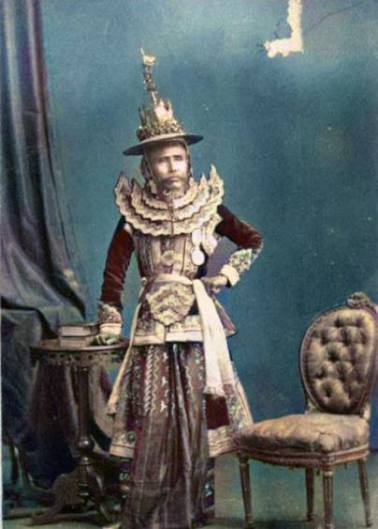
ကင်းဝန်မင်းကြီး ဦးကောင်း – ဝီကီပီးဒီးယား
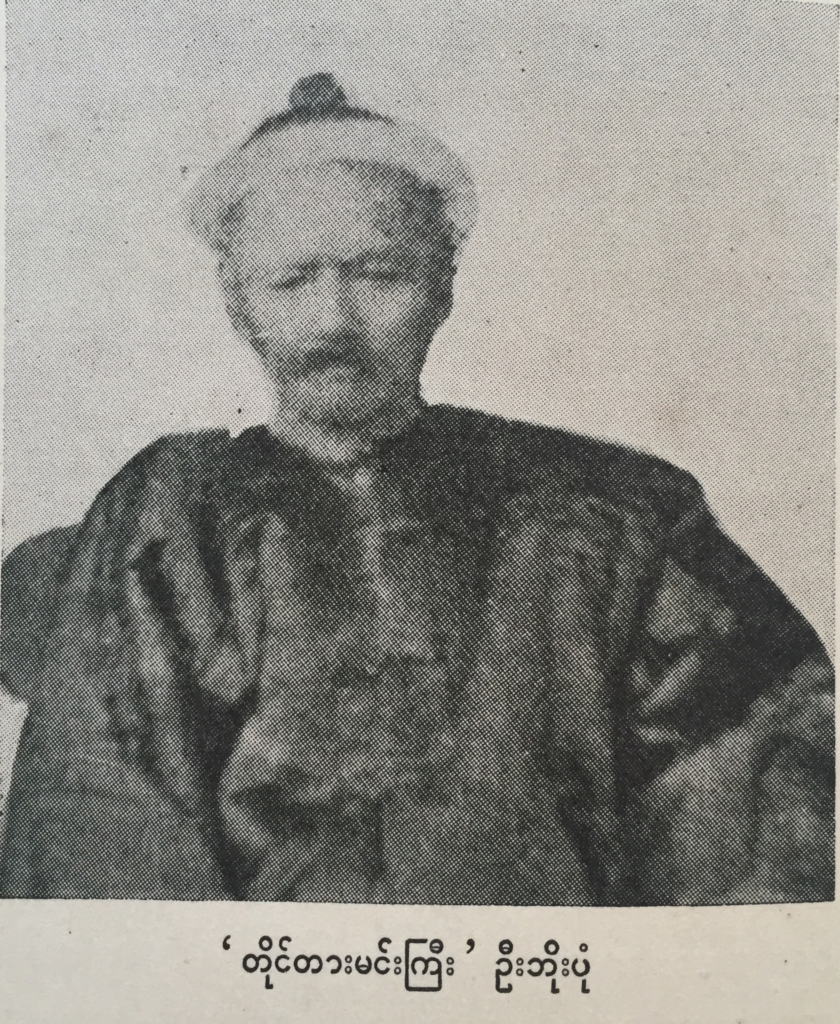
ဝီကီပီးဒီးယား မှ
Do not allow the military, hard-line nationalists or Ma Ba Tha to monopolise the definition of patriotism.
A person who wants justice for Rohingya victims can also love Burma. A Buddhist who supports the ICJ judgment is not betraying Buddhism. A Muslim who wants reconciliation is not abandoning justice. An ethnic nationality seeking equality is not an enemy of national unity.
We should also avoid treating every critic of the ICJ as an enemy. Some may have genuine concerns about the judgment, sovereignty or international double standards. Those concerns can be discussed peacefully, but they do not cancel Myanmar’s legal obligations.
The best way to defend Myanmar’s national dignity is not to deny the suffering of its people, but to demonstrate that Myanmar is capable of acknowledging wrongdoing, respecting international law, delivering justice and protecting every community equally.
1. A historical lesson worth remembering
A Facebook post by former Information Minister U Ye Htut has brought attention to an interesting historical comparison: the contrasting diplomatic approaches associated with Kinwun Mingyi and Taingda Mingyi during the reign of King Thibaw in the late nineteenth century.
The expression “Taingda Mingyi’s diplomacy” is used critically to describe a rigid, confrontational approach that fails to assess the actual balance of power and the likely consequences of political decisions.
More than 140 years ago, the Burmese royal court faced mounting pressure from British colonial authorities. The country was divided over how to respond.
There were competing approaches: one favouring diplomatic negotiations and accommodation, and another favouring a tougher, more confrontational position.
The consequences of those decisions deserve serious consideration today, particularly following the International Court of Justice (ICJ) judgment against Myanmar.
2. Kinwun Mingyi: Pragmatic diplomacy
Kinwun Mingyi was an experienced diplomat who had travelled to Britain and other European countries. He had witnessed Western military superiority, industrial development and the expansion of European colonial power.
He understood that the balance of military and economic power between the British Empire and the remaining Burmese kingdom was extremely unequal.
The diplomatic approach associated with him emphasised:
- Avoiding a disastrous military confrontation with a vastly stronger opponent.
- Negotiating disputes through diplomatic channels.
- Modernising the country’s administration and institutions.
- Maintaining international relations and seeking support from other powers.
- Preserving as much independence and sovereignty as possible through practical compromises.
His approach should not be interpreted as cowardice or unconditional surrender.
Rather, it reflected the understanding that protecting a country’s people, independence and future sometimes requires difficult compromises.
3. Taingda Mingyi: The dangers of excessive confrontation
On the other side were influential court figures who favoured a much harder position towards Britain.
Queen Supayalat and Taingda Mingyi are frequently associated with this confrontational approach in historical accounts.
Some traditional accounts also recount the famous anecdote in which Queen Supayalat supposedly mocked Kinwun Mingyi by offering him a thanaka-grinding stone and suggesting that he should wear women’s clothing if he was afraid.
Although this anecdote is widely repeated, it should be treated as a historical account rather than an independently established fact.
The court’s hardliners believed that accepting British demands would damage royal prestige and national dignity.
They underestimated the military and technological superiority of Britain and the extent of its imperial ambitions.
However, it is important to recognise that the British were not simply seeking a peaceful settlement. Their demands included substantial interference in Burma’s sovereignty, particularly over foreign relations.
The immediate dispute concerned the Bombay-Burmah Trading Corporation, which the Burmese authorities had fined over alleged violations of its teak extraction agreements.
Britain demanded arbitration, suspension of the proceedings against the company, a British representative at the royal court and greater control over Burma’s external relations.
The Burmese court rejected the British ultimatum.
British forces invaded Upper Burma in November 1885. Mandalay fell on 28 November, and King Thibaw was sent into exile in India. Britain proclaimed the annexation of Upper Burma on 1 January 1886.
The end of Burmese independence was not simply the result of one minister’s advice or one royal decision. British imperial expansion, commercial interests, international rivalry and internal weaknesses all contributed.
Nevertheless, the episode offers an important lesson: a government must realistically assess its strength, understand international developments and consider the consequences of its decisions before choosing confrontation.
4. Are we repeating the same mistakes today?
Fast-forward to the present.
Myanmar is facing multiple international challenges involving:
- The United Nations (UN).
- The UN Security Council (UNSC).
- The International Court of Justice (ICJ).
- The International Criminal Court (ICC).
- The International Labour Organization (ILO).
- The Financial Action Task Force (FATF).
- ASEAN and its Five-Point Consensus (5PC).
These institutions have different mandates and legal powers. They should not be treated as one unified organisation or as having identical authority.
Nevertheless, their involvement reflects the serious international concerns surrounding Myanmar’s political crisis, human rights situation, alleged international crimes, labour issues and financial systems.
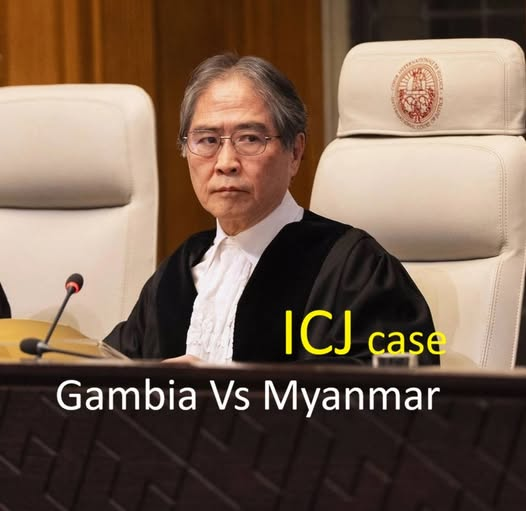
On 19 November 2026, the ICJ delivered its judgment in The Gambia v. Myanmar.
The Court found Myanmar responsible for genocide against the Rohingya during the 2017 military operations in northern Rakhine State.
The judgment was adopted by a majority of nine judges to six. Although there were dissenting opinions, the judgment is final and binding under the ICJ Statute.
Myanmar cannot simply disregard the judgment because some political groups, nationalists or government supporters disagree with it.
5. Different reactions within Myanmar
Unfortunately, the reactions to international accountability are not uniform.
Some military-affiliated commentators, hard-line nationalist groups and Ma Ba Tha-aligned activists have adopted strongly confrontational positions towards the ICJ and international criticism.
Some portray international judicial proceedings as attacks on Myanmar’s sovereignty, national dignity, Buddhism or the country as a whole.
However, we should distinguish between the legitimate patriotism of ordinary citizens and political rhetoric that encourages hostility towards international justice.
There are also more moderate and pragmatic voices among Myanmar citizens, ethnic communities, democratic activists and political stakeholders.
Some voices within or associated with the National Unity Government (NUG), ethnic resistance communities and other political groups recognise the importance of diplomacy, dialogue and international cooperation.
Myanmar Muslim communities, including those who have long experienced discrimination and persecution, naturally have strong reasons to welcome lawful accountability and justice for victims.
However, the most constructive approach should not be presented as belonging exclusively to any one ethnic, religious or political group.
It should become a common national position.
Supporting international justice is not equivalent to being anti-Myanmar.
Likewise, loving one’s country does not require defending every action committed by its authorities or security forces.
A genuine patriot should be concerned about the country’s international reputation, the welfare of its people and the future of generations yet to come.
6. What should Myanmar do after the ICJ judgment?
Instead of rejecting the judgment, threatening international institutions or encouraging hostility towards those seeking justice, Myanmar’s political stakeholders should consider a more constructive approach.
A. Respect the rule of international law
The ICJ is the principal judicial organ of the United Nations.
Its judgment in this case is binding on Myanmar. Disagreeing with the judgment or pointing to dissenting opinions does not cancel the legal obligations arising from it.
The government and all relevant authorities should study the complete judgment, including the majority reasoning and dissenting opinions, and formulate a lawful implementation strategy.
B. Protect the rights and dignity of Rohingya people
Myanmar must address the underlying causes of the Rohingya crisis.
These include citizenship, freedom of movement, access to education, healthcare, employment, security and equal protection under the law.
The safe, voluntary and dignified return of displaced Rohingya must be pursued with meaningful guarantees.
Reconciliation cannot be achieved by forcing victims to forget their suffering or by continuing policies that deny their fundamental rights.
C. Pursue accountability through lawful procedures
The ICJ determines the international responsibility of states. It does not conduct criminal trials of individual military officers or politicians.
Individual criminal responsibility is a separate matter that may be addressed through appropriate national or international judicial mechanisms, including the ICC where it has jurisdiction.
Those reasonably suspected of committing serious crimes should be investigated through credible, independent and lawful procedures.
Accountability should be based on evidence and individual responsibility, not collective punishment against an ethnic, religious or political community.
D. Cooperate with international institutions
Myanmar should avoid unnecessary confrontations with the UN, ASEAN, international courts and other relevant organisations.
Diplomatic engagement, constructive cooperation and compliance with legal obligations can help restore international confidence.
The country should seek practical assistance in rebuilding institutions, restoring the economy, addressing humanitarian needs and establishing sustainable peace.
E. Do not allow the crisis to become another religious or ethnic conflict
The Rohingya issue must not be turned into a confrontation between Buddhists and Muslims.
Ordinary Buddhists are not collectively responsible for crimes committed by state authorities or individual perpetrators.
Likewise, Muslims should not be blamed collectively for the actions of any organisation or political movement.
We need justice without hatred, accountability without revenge, and reconciliation without discrimination.
7. Justice and national reconciliation must go together
The ICJ judgment should not become another excuse for political groups to deepen divisions within Myanmar.
Nor should the military or any other political organisation use nationalism, religious sentiment or sovereignty arguments to avoid legitimate accountability.
The best way forward is to recognise the suffering of victims, fulfil legal obligations, prevent further atrocities and establish a political system that protects everybody.
This is also why Myanmar needs an inclusive political settlement.
A durable peace agreement should involve all relevant stakeholders, including the military, NUG, ethnic resistance organisations, political parties, civil society, religious communities and representatives of minorities.
No group should be permanently excluded from the country’s political future.
Justice and peace are not contradictory. Properly pursued, they can reinforce one another.
8. A final warning from history
During the reign of King Thibaw, the Burmese royal court failed to find an effective way to manage an increasingly dangerous international situation.
The country subsequently lost its independence.
We must not simplistically compare nineteenth-century British imperialism with today’s international judicial institutions. They are fundamentally different.
Britain was a colonial power pursuing territorial expansion. The ICJ is an international judicial institution operating under a treaty-based legal framework.
Nevertheless, one important lesson remains relevant:
A country must understand the realities of its international environment and choose policies that protect its people and future rather than satisfy the pride of those temporarily holding power.
Myanmar has already suffered decades of military rule, civil conflict, economic decline, international isolation and mass displacement.
Do we really want another generation to suffer because political leaders and influential groups refuse to reconsider their positions?
Do we want to repeat the mistakes of the past by choosing confrontation when diplomacy, legal compliance and constructive engagement offer a better path?
The time has come for all Myanmar stakeholders to think beyond personal power, political pride, religious nationalism and ethnic supremacy.
Our common objectives should be:
- Equal rights and equal protection for all citizens.
- Additional safeguards for ethnic and religious minorities.
- Justice and accountability for victims.
- Federal democracy and genuine power-sharing.
- National reconciliation and sustainable peace.
- Respect for international law and responsible international relations.
Patriotism should mean protecting the country and its people, not leading them towards another avoidable disaster.
Let us learn from history.
Let us choose wisdom over arrogance, diplomacy over unnecessary confrontation, justice over revenge, and unity in diversity over hatred and division.
May we build a peaceful, democratic and prosperous Burma for all its peoples.
Equal Rights for All, with Additional Safeguards for Ethnic Nationalities.
MMNN – Myanmar Muslim News Network
| Original assertion | My assessment |
|---|---|
| Kinwun Mingyi was democratic | Not historically accurate in the modern political sense. Use pragmatic diplomat. |
| Taingda Mingyi alone caused the fall of Burma | Oversimplification. Internal divisions and British imperial ambitions were also decisive. |
| The British invasion was caused by the teak dispute | The dispute was the immediate pretext, but strategic and colonial interests were also involved. |
| Burma was annexed immediately in November 1885 | Mandalay fell on 28 November 1885; formal annexation was proclaimed on 1 January 1886. |
| Rejecting the ICJ means defending sovereignty | Legally misleading. Sovereignty does not exempt a state from treaty obligations. |
| The ICJ can punish individual military officers | Incorrect. The ICJ addresses disputes between states, not individual criminal prosecutions. |
Further references for MMNN readers
These are particularly useful because they provide independent and official documentation.
Historical background
1. National Army Museum – The Third Burma War. An accessible account of the British invasion, the teak dispute, the ultimatum and the fall of Mandalay.
2. Historical Dictionary of Burma/Myanmar. Background on the Konbaung dynasty, colonial expansion and the circumstances surrounding the 1885 war.
3. Burma Lawyers’ Council – The Story of the Constitution. Includes the historical account of the royal court and the Kinwun Mingyi–Taingda Mingyi disagreement.
ICJ judgment and its implications
4. Independent Investigative Mechanism for Myanmar – ICJ case summary. Important details about the judgment of 19 November 2026 and its findings.
5. Myanmar Ministry of Foreign Affairs – Official response to the ICJ judgment. Useful for understanding the position taken by Myanmar’s authorities, including their objections and references to dissenting opinions.
6. Human Rights Watch – World Court Finds Myanmar Committed Rohingya Genocide. Independent human-rights analysis of the judgment.
7. UN General Assembly President – Statement on the ICJ judgment. Discusses implementation, return, reparations and prevention of future atrocities.
8. Reuters – Rohingya crisis remains unresolved as ICJ rules on Myanmar. Useful reporting on the judgment and the continuing humanitarian and political challenges.
Facebook ပေါ်ရှိ ဦးရဲထွဋ်၏ ပို့စ်ထဲမှ “တိုင်းတာမင်းကြီးရဲ့ဒီပလိုမေစီ” (တိုင်တားမင်းကြီး ဦးဘိုး) ဆိုသည်မှာ သီပေါမင်းလက်ထက် ဗြိတိသျှတို့၏ ဖိအားပေးမှုများအပေါ် ညှိနှိုင်းပြေလည်အောင် ဆောင်ရွက်လိုသော ကင်းဝန်မင်းကြီး၏ သံတမန်ရေးချဉ်းကပ်မှုနှင့် ဆန့်ကျင်ဘက်ဖြစ်သည့် “သဘောထားတင်းမာပြီး ထိပ်တိုက်ရင်ဆိုင်လိုသော နိုင်ငံရေး/သံတမန်ရေး လမ်းစဉ်” ကို ရည်ညွှန်းခြင်းဖြစ်သည်။
အဓိက ဆိုလိုရင်းနှင့် သမိုင်းနောက်ခံ
- သမိုင်းကြောင်း နောက်ခံ. လွန်ခဲ့သော နှစ်ပေါင်း ၁၄၀ ကျော် (၁၈၈၅ ခုနှစ်ဝန်းကျင်) ဗြိတိသျှတို့က အထက်မြန်မာပြည် သီပေါမင်းအား ဘုံဘိုင်ဘားမား သစ်မှုကိစ္စ အပါအဝင် အမျိုးမျိုး ဖိအားပေးနေချိန်တွင် မန္တလေးနေပြည်တော်၌ သဘောထားအုပ်စု နှစ်စု ကွဲပြားခဲ့သည်။
- ကင်းဝန်မင်းကြီး အုပ်စု. အင်္ဂလိပ်တို့၏ စစ်အင်အားနှင့် ခေတ်မီလက်နက် အခြေအနေကို နားလည်သဖြင့် သံတမန်နည်းအရ အလျှော့အတင်းလုပ်ကာ တိုင်းပြည်မပျက်စီးအောင် ထိန်းသိမ်းညှိနှိုင်းလိုသူများ ဖြစ်သည်။
- တိုင်တားမင်းကြီး အုပ်စု. မိမိတို့၏ အင်အားအစစ်အမှန်နှင့် နိုင်ငံတကာအခြေအနေကို လက်တွေ့ကျကျ မသုံးသပ်ဘဲ မာန်မာနဖြင့် သဘောထားတင်းမာကာ စစ်ရေးအရ ခုခံတိုက်ခိုက်ရန် တွန်းအားပေးခဲ့သော အုပ်စုဖြစ်သည်။ (အဆိုပါ တင်းမာမှု၏ ရလဒ်အဖြစ် တတိယ အင်္ဂလိပ်-မြန်မာ စစ်ပွဲ ဖြစ်ပွားပြီး မြန်မာတစ်နိုင်ငံလုံး သူ့ကျွန်ဘဝ ရောက်ခဲ့ရသည်။)
လက်ရှိ အသုံးအနှုန်း၏ ရည်ရွယ်ချက်
နိုင်ငံရေး သို့မဟုတ် နိုင်ငံတကာ ဆက်ဆံရေး နယ်ပယ်တွင် “တိုင်တားမင်းကြီးရဲ့ ဒီပလိုမေစီ” ဟု တင်စားသုံးနှုန်းသည့်အခါ မိမိဘက်က အင်အားနှင့် အခြေအနေမှန်ကို မချိန်ဆဘဲ တစ်ဖက်သတ် တင်းမာသော၊ သံတမန်ရေးအရ ပျော့ပျောင်းညှိနှိုင်းမှု မရှိဘဲ အကျိုးဆက်ကို မမျှော်တွေးသည့် ချဉ်းကပ်ပုံမျိုးကို ဝေဖန်ထောက်ပြလိုခြင်း ဖြစ်သည်။
ဒီမနက်ဖတ်ရတဲ့U Ye Htut စာထဲမှာ “တိုင်းတာမင်းကြီးရဲ့ဒီပလိုမေစီ” ဆိုတဲ့ကိစ္စတွေ့လိုက်တယ်။
……
ဒီတော့ သူပြောတဲ့ တိုင်းတာမင်းကြီးရဲ့ဒီပလိုမေစီ ဆိုတာကိုပြန်ကြည့်တဲ့အခါ၊
လွန်ခဲ့တဲ့ နှစ်ပေါင်း ၁၄၀ ကျော်က အင်္ဂလိပ်ကအထက်မြန်မာပြည်ဘုရင်သီပေါကို ဖိအားပေးနေချိန်နေပြည်တော်ထဲမှာ ဖြစ်ပွားခဲ့တဲ့
ကင်းဝန်မင်းကြီးရဲ့ သံတမန်ရေးရာ ချဉ်းကပ်မှုနဲ့ တိုင်တားမင်းကြီးအုပ်စုရဲ့သဘောထားတင်းမာမှု အားပြိုင်မှုကိစ္စကို သွားတွေ့ရတယ်။
………
နိုင်ငံ့အရေးလေ့လာသူတွေက ခုကာလ စစ်ကောင်စီအစိုးရကြုံနေရတဲ့ ကိစ္စကို ထိုခေတ်ကကြုံခဲ့ရတဲ့ကိစ္စနဲ့ယှဥ်ပြီး ကင်းဝန်နဲ့တိုင်းတာအုပ်စုရဲ့ ဒီပလိုမေစီနည်းလမ်းတွေကိုပြန်တူးစွပြီး ခုကာလနဲ့နှိုင်းယှဥ်ကာ သတိပေးရေးသားလာကြတာလည်းမြင်ရတယ်။
…….
ဆိုရရင် ယနေ့ကြုံနေရတဲ့UN UNSC ICJ ICC ILO FATF နဲ့Asean`s 5PC ရဲ့ဖိအားဟာ တချိန်က သီပေါဘုရင်ကြုံခဲ့ရသလိုနဲ့အဖြစ်ချင်းတူနေတယ်။
…….
ထိုခေတ်ကဘုရင်သီပေါ၊မိဘုရားနဲ့ တိုင်းတာမင်းကြီးအုပ်စုရဲ့မှားယွင်းခဲ့တဲ့ ဆုံးဖြတ်ချက်တွေကြောင့် နှစ်ရာကျော်ကျွန်ဖြစ်ခဲ့ရတဲ့ သင်ခန်းစာကို မယူနိုင်ရင်၊ခုလည်း သမိုင်းတစ်ပတ် ပြန်လည်လာနိုင်တဲ့ အန္တရာယ် ရှိနေတယ်လို့ဆိုနေကြတာသာဖြစ်တယ်။
……..
ဆိုတော့၊အဲ့တုန်းက ဘယ်လိုဖြစ်ခဲ့ကြတာလဲ၊ဘယ်လိုတွေဆုံးဖြတ်လုပ်ကိုင်မှုတွေမှားခဲ့ကြသလဲဆိုတာကိုပြန်ကြည့်ရအောင်ပါ။
…….
သီပေါမင်းလက်ထက်မှာအင်္ဂလိပ်တို့ဟာ အောက်မြန်မာပြည်ကို သိမ်းပိုက်ထားပြီး ဘုံဘေဘားမားကုမ္ပဏီရဲ့သစ်ကိစ္စအပါ ကျန်တဲ့သံတမန်ရေး ဖိအားပေးမှုကို အပြင်းအထန် ခံနေရချိန်၊
နေပြည်တော်ထဲမှာက ကင်းဝန်မင်းကြီး အုပ်စုနဲ့တိုင်းတာမင်းကြီးအုပ်စုနှစ်ခုဟာ နိုင်ငံ့အရေးဖြေရှင်းဘို့ ဒီပလိုမေစီနည်း အားပြိုင်နေခဲ့တယ်။
…….
ကင်းဝန်မင်းကြီးဖက်ကိုကြည့်ရင်သူဟာ အင်္ဂလန်နဲ့ ပြင်သစ် စတဲ့ ဥရောပနိုင်ငံကြီးတွေအထိ သံတမန်အဖြစ် သွားရောက်ခဲ့ဖူးသူ ဖြစ်တဲ့အတွက် အနောက်နိုင်ငံတွေရဲ့ စစ်ရေးအင်အား၊ စက်မှုထွန်းကားမှုနဲ့ ကိုလိုနီနယ်ချဲ့မူဝါဒတွေကို မျက်ဝါးထင်ထင် မြင်တွေ့နားလည်ခဲ့သူဖြစ်တဲ့အားလျော်စွာ၊
သူတို့ပညာတတ်အုပ်စုရဲ့သံတမန်နည်းက အင်အားချင်း မမျှတဲ့ ဗြိတိသျှတွေနဲ့ စစ်ရေးအရ ထိပ်တိုက်ရင်မဆိုင်ဘဲ သံတမန်နည်းလမ်းအရ အလျှော့အတင်းလုပ်ဖို့၊ နိုင်ငံတကာ စည်းမျဉ်းစည်းကမ်းတွေနဲ့အညီ အုပ်ချုပ်ရေးစနစ်ကို ပြုပြင်ပြောင်းလဲဖို့နဲ့ အခြားဥရောပနိုင်ငံတွေနဲ့ မဟာမိတ်ဖွဲ့ပြီး အင်အားချိန်ခွင်လျှာ ညှိဖို့ ကြိုးစားဘို့ဖြစ်တယ်။
သူ့အဆိုအရဆိုရင် ဒါဟာ တဖက်ကို အလျှော့ပေး၊ အရှုံးပေးခြင်းမျိုး မဟုတ်ဘဲ တိုင်းပြည်ရဲ့အချုပ်အခြာအာဏာနဲ့ နိုင်ငံသားတွေဘဝကောင်းစားစေဘို့၊သားစဥ်မြေးဆက်သူ့ကျွန်ဘဝမရောက်ဘို့၊လွတ်လပ်တဲ့အခွင့်အရေးတွေဆက်ခံစားကြနိုင်ဘို့အတွက် ရေရှည်တည်တံ့အောင် ထိန်းသိမ်းဘို့ဘဲဖြစ်တယ်။ဆိုရရင်ကင်းဝန်မင်းကြီးအုပ်စုဟာ
ဒီမ်ိုကရက်တစ်အုပ်စု ဖြစ်တယ်။
……….
ဒါပေမယ့်တဖက်က
တိုင်တားမင်းကြီး ရဲ့အုပ်စုကတော့ တိုင်းပြည်ထဲမှာဘဲနေပြီး ရှေးမြန်မာအဆက်ဆက်တို့ရဲ့ထုံးမူအတိုင်း ပြင်ပကမ္ဘာရဲ့ ပြောင်းလဲမှု၊တိုးတက်နေမှု တွေကို မသိမမြင်ဘဲ သူတို့အာဏာတည်မြဲရေး၊ဘုန်းတန်ခိုးပြနိုင်ရေးနဲ့ အတိတ်ကရွှေထီးဆောင်းခဲ့တာတွေကိုသာ အထင်ရောက်ပြီး သူတို့
အင်အားကိုသာ အထင်ကြီးနေခဲ့ကြတဲ့ အာဏာရှင်ရှေးရိုးစွဲ ကွန်ဆာဗေးတစ်၊ဗျူရိုကရက်အုပ်စုဖြစ်တယ်။
သူတို့အမြင်က တော့
အနောက်နိုင်ငံတွေရဲ့ တောင်းဆိုချက်တွေကို လိုက်လျောတာဟာ ဘုရင်စနစ်နဲ့ တိုင်းပြည်ဂုဏ်သိက္ခာကို ထိခိုက်စေတယ်၊သူတို့မှာ စစ်သည်အင်အား နဲ့၊နိုင်ငံက်ိုအုပ်စီးထားတဲ့အာဏာရှိတယ်၊နိုင်ငံထဲမှာဆန်ရေစပါးပေါများတယ်၊ဘေးနားကအယုဒ္ဓယ၊ ခမာ၊စိနတို့သူတို့ဖက်မှာရှိတယ်၊ ဒိအတွက် ဘာမှညှိနှိုင်းစရာမလိုဘူး၊ တံခါးပိတ်ဝါဒ ကျင့်သုံးပြီး လာတိုက်ရင်ပြန်တိုက်မယ်ဆိုတဲ့ အယူအဆကိုလက်ကိုင်ထားတယ်။
……
ဒိနောက် နေပြည်တော်ထဲမှာ အမတ်မင်းတွေ စုဝေးပြီး တိုင်ပင်စည်းဝေးချိန်မှာ ကင်းဝန်မင်းကြီးအုပ်စုဖက်က သူတို့အယူအဆကိုတင်ပြတယ်၊ဒီအခါ သီပေါဘုရင်ရဲ့မိဖုရားက ကင်းဝန်မင်းကြီးကို ကြောက်တတ်ရင် သနပ်ခါးသာလူးပါဆိုပြီး ကျောက်ပြင်ပစ်ပေးခဲ့တယ်ဆိုတာလည်းကြားဘူးကြမယ်။
ဒီလိုနဲ့တိုင်းတာမင်းကြီးရဲ့ရှေးရိုးစွဲဝါဒီတွေဖက်က အားသာသွားကြပြီးနောက်၊
ဘုံဘေဘားမား သစ်ကုမ္ပဏီ ကတောင်းဆိုထားတဲ့ကိစ္စကိုသံခင်းတမန်ခင်းနဲ့မဖြေရှင်းနိုင်ခဲ့တဲ့အပြင်၊
သူတိူ့ဖက်က လိုက်နာဖြေရှင်းပေးရမယ့် ကိစ္စတွေကိုလည်း မဖြေရှင်းပေးဘဲ တင်းမာတဲ့ ဆုံးဖြတ်ချက်တွေ ချမှတ်ခဲ့ကြတော့တယ်။
ဆိုရရင် ဒါဟာ တိုင်းပြည်ချောက်ထဲကျဘို့လက်နှစ်လုံးအလိုမှာဖြစ်ခဲ့ကြတာပါ။
ဒိနောက်မှာတော့ သိကြတဲ့အတိုင်း ၁၈၈၅ ရဲ့ခုလိုချမ်းအေးတဲ့နိုဝင်ဘာမှာနေပြည်တော် ဟာ ကျဆုံးသွားခဲ့တော့တယ်။
………
ဆိုရရင်ဒီလိုအရည်အချင်းမဲ့တဲ့ဘုရင်နဲ့မိဘုရားတွေ၊ အကြံပေးအမတ် တိုင်းတာမင်းကြီးအုပ်စုတွေရဲ့ မိုက်မဲမှုကြောင့်
နိုင်ငံရဲ့ နှစ်ပေါင်းရာချီ တည်တံ့ခဲ့တဲ့ မြန်မာ့လွတ်လပ်ရေးဟာ ဆုံးရှုံးခဲ့ရသလို ၊နိုင်ငံသားတွေဟာလည်း သူ့ကျွန်ဘဝရောက်ခဲ့ရတော့တယ်။
…….
တဖန် ဦးနေဝင်းခေတ်ကလို ဘယ်နိုင်ငံနဲ့မှမကူးလူးမဆက်ဆံဘဲ တံခါးပိတ်ဝါဒကျင့်သုံးမယ်(သူကတော့ နိုင်ငံတကာကိုချောင်းပေါက်အောင်သွားပြီး မိန်းမထည်လဲယူခဲ့တယ်)၊ ဆိုပြီး အာဆီယံထဲက ထွက်ပြီး မိတ်ဆွေနိုင်ငံအနည်းငယ်နဲ့ဘဲ ရှေ့ဆက်မလား၊ဒီလိုဆိုရင် ဦးနေဝင်းခေတ်က တိုင်းပြည်ဘယ်လိုဖြစ်ခဲ့ပြီး ဦးနေဝင်းဘယ်လိုအဆုံးသတ်သွားခဲ့ရသလဲ။
….
သဘောကတော့ အတိတ်ကမှားခဲ့တဲ့အယူအဆတွေကို သင်ခန်းစာယူပြီး နိုင်ငံနဲ့လူထု မျက်နှာကိုသာရှေ့ရှူပြီး ဆုံးဖြတ်လုပ်ကိုင်တတ်ကြစေဘို့ ဘဲဖြစ်တယ်။
…
ဒါတောင်အလွန်နောက်ကျနေပါပြီ။ ခုတောင်ဖိအားမျိုးစုံလာနေပြီဆိုတော့ ဒိရှေ့.. ။