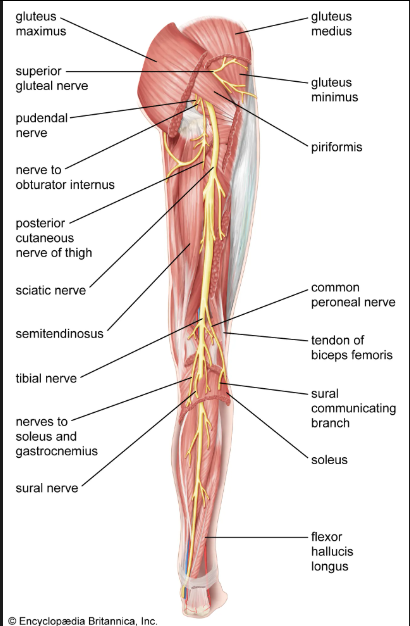
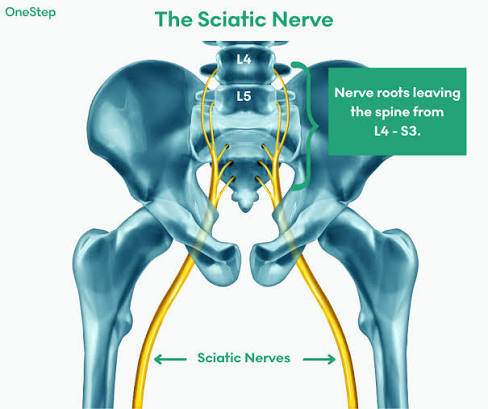
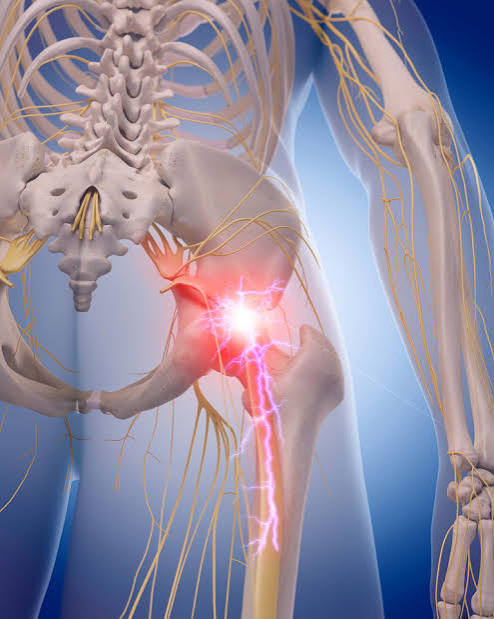
For centuries, the term sciatica has been used to describe radiating pain from the lower back down the leg. Ancient physicians like Hippocrates noted the disabling effects of this condition, though they often attributed it to imbalances of bodily humors rather than nerve entrapment. By the Renaissance, anatomists began mapping the sciatic nerve, recognizing it as the longest and thickest nerve in the human body—a vital highway of sensation and movement.
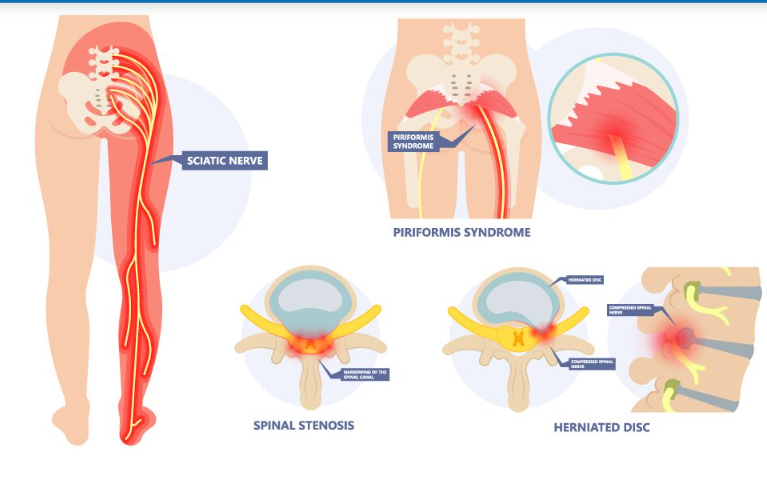
Yet even today, sciatica remains a catch-all diagnosis. Many patients endure years of discomfort, assuming the pain originates from spinal discs or arthritis, when in fact the culprit may lie elsewhere: the small, overlooked cutaneous nerves of the gluteal region.
A Personal Struggle
For years, I lived with pain that mimicked sciatica. X-rays, consultations at UMMC (although free as my son was working), Ultrasound guided acupuncture, and months of physiotherapy brought only partial relief. Convenience led me to private care, where Dr. Bains generously offered extended physiotherapy sessions at a fraction of the usual cost. Still, the pain persisted.
The breakthrough came when my son, now a Sports Medicine (and rehabilatation) specialist trained in University Malaya for 4 yrs and further trained in Kuantan, identified the true source: entrapment of the superficial cluneal nerves. His targeted injections—around ten sites in the back and buttock, without steroids—brought almost immediate relief. Shukur Alhamdulillah.
The Overlooked Cluneal Nerves
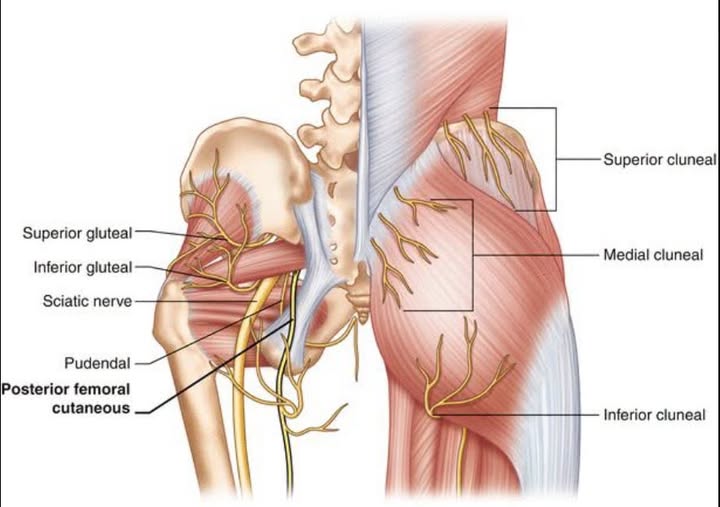
The superior, middle, and inferior cluneal nerves are tiny branches that supply sensation to the buttock and lower back. When compressed by fascia, scar tissue, or tight musculature, they can produce pain indistinguishable from classic sciatica. This “hidden entrapment” often escapes diagnosis, leaving patients in prolonged suffering.
Modern Innovation: Perineural Injection Therapy (PIT)
Recent advances have introduced perineural injection therapy, also called glucopuncture. This technique uses 5% dextrose (D5W) mixed with a low-dose anesthetic like Xylocaine (lidocaine), injected around the cutaneous nerves.
Key Benefits:
- Pain relief: D5W calms irritated nerves.
- Receptor modulation: Dextrose downregulates TRPV1 pain receptors.
- Inflammation reduction: It stabilizes nerve membranes and improves nutrient flow.
- Immediate anesthesia: Lidocaine provides rapid relief and confirms diagnosis.
Historical Echoes
The idea of treating nerve pain with injections is not new. In the early 20th century, physicians experimented with “prolotherapy,” using irritants to stimulate healing. PIT represents a gentler evolution: instead of provoking inflammation, isotonic dextrose soothes and nourishes the nerve. This shift reflects a broader trend in medicine—from aggressive intervention to targeted, minimally invasive therapy.
Clinical Outcomes
Studies show that ultrasound-guided dextrose hydrodissection of the superior cluneal nerve yields significant pain reduction in about 80% of patients. Relief can last weeks to months, offering a safer alternative to repeated corticosteroid injections.
Reflection
My journey underscores a vital lesson: not all back or buttock pain stems from the spine. Sometimes, the smallest nerves hold the greatest secrets. For patients and clinicians alike, awareness of cluneal nerve entrapment may open doors to lasting relief.