This is a translation and fact-check of a Burmese-language Facebook post that pushes back on a widely shared claim by the monk Dr. Ashin Nyanissara (Sitagu Sayadaw), who described Buddhists as the “hosts” of Myanmar and non-Buddhists as “guests.” The original poster (writing under the handle U U Mhaw Sayar) argues this framing is historically inaccurate and socially corrosive, and backs the argument with two published Myanmar sources plus a 2004 essay by historian Dr. Than Tun.
Translation
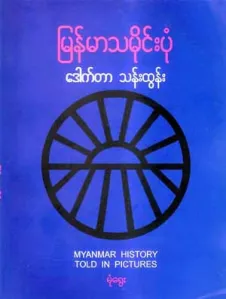
Let me say a little about the “guests” the Sayadaw [senior monk] was talking about. There are parts of the 8th- and 9th-century history I haven’t gone into yet. For now, let me just look at a page from a book I have on my computer — the first page of Dr. Than Tun’s book Maps of Myanmar History. Everyone knows that “the 17th century” means the 1600s onward, and that the British arrived in the 19th century.
The “guests” Dr. U Nyanissara spoke of
I read a report in Voice Weekly of a talk given by Dr. Ashin Nyanissara. He put it this way:
“Buddhism has been in our Myanmar for 2,000 years. The Christians and the Muslims only arrived when the British came in. They came afterward, so don’t talk about a thousand years — it’s only about one hundred, one hundred and fifty years or so. If we’re going to say it plainly, Buddhism is the host nation. The people who came in by invading were invaders; the people who came in by migrating are guests.”
Setting that aside — does anyone wonder whether, among the ordinary people captured as war prisoners [in earlier centuries], there might already have been non-Buddhists — Muslims and Christians? Have a look at page 65 of a booklet titled For the Radiance of the Sasana to Shine, published by the Ministry of Defence in 1997, under the heading “Islam and Myanmar.” It states that Islam has been present in Myanmar for roughly 1,000 to 1,200 years.
(I don’t know if this was written on the Saudis’ payroll or not — ha.)
The same booklet, on page 58, states that the earliest Christians to reach Myanmar appear to have belonged to the Nestorian sect, arriving with Kublai Khan’s Tatar forces around 1277 CE.
Since the claim was “Buddhism has been in our Myanmar for 2,000 years…,” let me repost something I once posted before. This is page 2 of Dr. Than Tun’s article “The History of Myanmar History,” published in the Kalyar Sayar historical booklet series, No. 8, April 2007.
In truth, “2,000 years ago” would barely even count as the dawn of the Pyu era — that’s how carefully one has to phrase it. Dr. Than Tun, who did the research himself, said he found no evidence for it. And let’s not even get into the history of the Shwedagon Pagoda here — that would be even more embarrassing. Everything I’ve cited in this post comes from ordinary, easily available books that anyone can find.
Speaking without being sure of the facts just makes a person a laughingstock. And to be honest, this kind of talk doesn’t prevent problems, nor does it resolve problems that already exist — it just stirs up people who are already anxious to some degree. The Myanmar people themselves are a people who, roughly a thousand years ago, came in by invasion and by migration — that’s history, and it can’t be denied. Let’s not be so quick to cast ourselves as “host” and others as “guest.”
In this era of advancing research, if we’re not careful, we may one day find ourselves “guests” in our own language.
To those commenting: please don’t mock Dr. Ashin Nyanissara.
If you want to see the images clearly, they’re posted on my (U U Mhaw Sayar) wall — you can download and view them there.
Attached article: “The First Burmese Migrants’ Invasion from China, to Colonize and Settle in Pagan”
Bamar Settlement in the Heart of Myanmar By Dr. Than Tun
The great Nanzhao army that raided and destroyed the city-states of Southeast Asia included Mranma [proto-Burman] troops. In Myanmar, they carried out raids and destruction between 832 and 835 CE. The Mranma soldiers were known for their courage and loyalty — when a Mranma soldier was captured, no amount of beating or interrogation could get him to reveal the army’s important secrets. These men had originally enjoyed making war, but came to realize they could not go on being sent by Nanzhao on endless roving raids. So, from around the middle of the 9th century CE, they broke away from the Nanzhao-ruled territory. Although they had already passed through much of Southeast Asia, they chose the plains of central Myanmar as the best place to build a new home — having seen how the humid, malaria-prone lowland regions could kill, they chose the dry zone instead.
Knowing the land and the existing peoples of Myanmar, they entered by routes that met little resistance — following the Salween River downstream, crossing northern Shan State, and cutting in through the southeastern corner. They then took Kyaukse and Minbu, the areas producing the most grain. They stationed garrisons around Mandalay in the north and around Myittha in the south. In this sense, Bamar settlement was effectively a military occupation of territory. Taking over the central plains — already home to Mon, Kadu, Pyu, Sak/Thet, Palaung and Sagaw peoples — was made easier by this approach. They designated Pagan as the center of the new state. By the middle of the 9th century CE, the Bamar had established themselves in Myanmar’s dry zone.
They chose to settle in the dry zone because they disliked heavy rain, and because it let them defeat the Pyu, Palaung and Mon with relative ease. Before long, they were criticized for having “lost” even in victory, because they had come to adopt so many of the customs of the peoples they’d conquered. Those who loved war shifted into the settled life of farmers and came to embrace Buddhism, but without losing their innate military habits — when the need arose, they could still muster quickly and fight, and they were especially skilled at earthworks and siege warfare.
In Kyaukse and Minbu they quickly learned irrigated rice farming from the existing Mon and Palaung populations and became farmers themselves. They soon cleared wilderness and, fanning the irrigated land out like a fan, planted rice paddies across Shwebo, Monywa, Pakokku, Sagaing, Mandalay and the hill regions. In areas with poorer soil they planted toddy-palm and betel groves; along riverbanks that flooded once a year they grew varieties of beans and pulses; on the poorest land they grew maize and sesame. They used the land meticulously to avoid waste, and used every method available to expand the cultivated area as far as possible. That the entire dry zone came to flourish agriculturally this way was an extraordinary achievement — one that today’s Bamar should be proud their ancestors accomplished.
At first, growing enough grain to feed one’s own family was as far as it went, but once peaceful conditions took hold, the Bamar population grew quickly, requiring farmland — and, in turn, ruled territory — to expand. Combining the original core territory with newly added areas, a recognizable state emerged from around the middle of the 11th century CE, and the first prominent ruler credited with founding it was King Anawrahta (Aniruddha).
It is understood that irrigated rice cultivation in Myanmar was begun by the Mon. The Bamar quickly learned this system and used it to found towns and villages across the central plains, expanding irrigated farmland throughout. Because of this intensive effort, nearly the whole dry zone came to flourish agriculturally. By the 11th century, further territorial expansion pushed the Bamar-ruled area north to Bhamo and south to Bassein [Pathein]. At one point they even briefly seized Thaton, then a key hub in overseas maritime trade. This southward expansion also led to war with Sri Lanka in 1165 CE.
— Dr. Than Tun [Reproduced from Dr. Than Tun’s Myanmar History Maps*, Monywa Sarpay, 1st edition, July 2004]*
Comments
Sein Htay: Please think carefully about whether the eminent person who drew this “host and guest” divide is really the true “host” himself.
By the logic of Buddhist teaching, every human being who has ever come into this world is only ever “earlier” or “later” — that’s the only real difference. The original owner, at the very beginning, was the Buddha himself. That’s why, when people die, they are said to return to the Buddha. Seeing a respected Dhamma teacher use this to demean fellow human beings — calling some “host” and others “guest” — is genuinely upsetting.
The Kachin and Jinghpaw came down from Tibet through Yunnan and reached upper Myanmar around the 15th–16th centuries (Tibetan/Yunnanese/Chinese-related peoples). The Kayah (Karenni) are of Mongoloid stock and reached the Kayah region as early as around 700 BCE — their history has strong ties to India, it’s said.
The Karen are also of Mongoloid stock — according to their own histories, they were already settled inside the country before the Bamar and Mon arrived, going back to the legendary “Bawathi” era.
The Chin and Zomi are Tibeto-Burman peoples who settled in the Chindwin river valley of upper Myanmar as early as around the 9th century. Large numbers of Mon people also arrived very early on from what is now Mizoram, Meghalaya, Assam, Manipur (India) and Bangladesh — as far back as roughly 1500 BCE — contemporaneous with, or predating, the Bamar in this history, with an earlier culture and earlier literature, having migrated from southwestern China. Their script and literature trace directly back to Indian Brahmi script, from which Bamar script later developed further. Who exactly the Pyu of history were is still debated — likely a people of long-standing Sino-Tibetan cultural heritage, with substantial Indian religious, literary and cultural influence as well.
The Rakhine [Arakanese] descend from Indo-Aryan peoples who came from the Indus–Ganges region of India, already mixed with Mongoloid peoples of eastern India before ever reaching what is now Myanmar. Royal capitals are said to have existed in Rakhine as far back as roughly 3000 BCE.
The Shan are a Tai people who began migrating and settling from southwestern China; today Tai peoples (Shan) live not only across present-day Myanmar but also in Thailand, Laos, Vietnam, Cambodia and parts of India. They were already present in Myanmar before the start of the Christian era — in other words, since BCE times.
[Copied from Su Yamin, citing “Languages, Identities, and Education — in Relation to Burma/Myanmar” by Dr. Thein Lwin, October 15, 2011.]
Ko Moe Thee: I’m reading with real interest how the descendants of the Pyu ended up not staying Pyu, but becoming Bamar.
[Final comment, from the original poster]: I firmly believe this: no one can rewrite, alter, or lie about history. Every people must accept their history as it is, with dignity. We must always keep our hearts and our understanding open — we cannot keep them shut. It isn’t possible.
If your grandfather was Indian, you can’t say you’re not; if he was Chinese, you can’t say you’re not either — unless you’re a genuinely distinct people, in which case Indian and Chinese ancestry are simply not relevant.
History takes no sides. It has no love and no hatred. History knows nothing of ethnic pride or ethnic chauvinism. History knows only facts. Only facts exist in history.
There are only two things we can do: learn the lessons history has to teach, and emulate what is worth emulating from it.
What matters most is how we use those lessons and those examples to make our present-day society the best it can be.
Fact-check
1. “Buddhism has been in our Myanmar for 2,000 years” — Disputed / not established. This is a commonly repeated devotional figure rather than an archaeologically settled date. As the post notes, historian Dr. Than Tun said his own research turned up no evidence for it, and mainstream scholarship places the emergence of a documented Buddhist presence with the Pyu city-states (roughly the last few centuries BCE through the first millennium CE) rather than a firm “2,000 years.” This claim should be treated as a round, traditional figure, not a verified historical fact — the post’s skepticism here is fair.
2. “Christians and Muslims only arrived when the British came in” (19th century) — False. This is the claim most clearly contradicted by the historical record.
- Islam: Independent sources — including a 1997 Myanmar Ministry of Defence publication cited in the post — date Muslim presence in the Myanmar/Arakan region to <cite index=”6-1″>Arab traders being in close contact with the peoples of Arakan as early as AD 788, introducing Islam there around that time</cite>. <cite index=”8-1″>Muslim merchants and traders are documented arriving from as early as the 9th century, settling along the Ayeyarwady delta, the Tanintharyi coast and Rakhine</cite>, with <cite index=”4-1″>Burmese Muslim traders, sailors and settlers well recorded along the whole Myanmar coast by the 15th–17th centuries</cite>, long before the British arrived in the 19th century. <cite index=”5-1″>Arakan even had a period from roughly 1430 to 1645 when its kings used Muslim titles on their coinage</cite>.
- Christianity: The post’s claim that Nestorian Christians arrived around 1277 with Kublai Khan’s forces is well supported. <cite index=”11-1″>The first Mongol invasion of Burma took place between 1277 and 1287, pitting Kublai Khan’s Yuan dynasty forces against the Pagan Empire</cite>, and <cite index=”12-1″>Nestorian Christianity was an officially recognized religion within the Yuan state alongside Buddhism, Islam and others</cite> — so Nestorian Christians very plausibly did enter Myanmar with that Mongol-Yuan military presence in the late 13th century, roughly six centuries before British colonization, not “only” with the British.
3. Bamar migration into central Myanmar via the Nanzhao raids, and the founding of Pagan — Broadly accurate, with scholarly caveats. <cite index=”18-1″>In 832 the Nanzhao sacked Halingyi, the chief Pyu city-state, with a further Nanzhao invasion in 835 devastating other Pyu city-states in Upper Burma</cite>, and <cite index=”18-1″>the Mranma (Burmans) of the Nanzhao kingdom entered the upper Irrawaddy valley in the early 9th century, going on to found the Pagan Empire</cite>. This matches Dr. Than Tun’s account. However, modern scholarship adds nuance the original article doesn’t mention: <cite index=”21-1″>some historians argue Burman-speakers’ origins in Myanmar may predate, and be unconnected to, the 832 Nanzhao raid, and no firm evidence has been found of a violent Nanzhao overthrow of Pyu sites</cite>; radiocarbon dating at Halin shows activity continuing to around 870, and <cite index=”21-1″>Pagan’s own founding date is disputed among Burmese chronicles, with one 1520 chronicle even placing it as early as 156 CE</cite>. So the migration-and-settlement narrative is essentially right, but the “clean” 832/835 timeline is one interpretation among several in the scholarly literature, not an uncontested fact.
4. Anawrahta and the founding of the Pagan Empire, mid-11th century — Accurate. <cite index=”21-1″>King Anawrahta founded the Pagan Empire in the 1050s–1060s, the first unification of the Irrawaddy valley and its periphery</cite>, consistent with the article’s account.
5. War with Sri Lanka in 1165 — Date is correct; the article’s stated cause is oversimplified. <cite index=”25-1″>A series of Sri Lankan (Polonnaruwa) military expeditions against the Pagan kingdom did take place between 1165 and 1181, arising from a trade dispute between the two states</cite>. Independent scholarship attributes the immediate trigger to a diplomatic breakdown under King Narathu — including mistreatment of Sri Lankan envoys — rather than simply Bamar territorial expansion southward, as Dr. Than Tun’s article implies. The date is accurate; the causal story is a simplification.
6. The 1997 Ministry of Defence booklet and its claims about Islam (1,000–1,200 years) and Nestorian Christians (c. 1277) — Consistent with independent scholarship. As shown in point 2, both figures align well with independent historical and archaeological sources, lending credibility to the post’s central argument.
ဦးဉာဏိဿရ Thidagu Monk ပြောတဲ့ ဧည့်သည် မြန်မာတို့ ဗဟိုမြန်မာနိုင်ငံအတွင်း ဝင်ရောက်နေထိုင်ခြင်း
ဆရာတော်ပြောသွားတဲ့ ဧည့်သည်တွေအကြောင်း နည်းနည်း ပြောကြည့်မယ်။ ၈-ရာစု၊ ၉-ရာစု လောက်က သမိုင်းကြောင်း တချို့ကို မပြောသေးဘူး။ လောလောဆယ် ကျနော့်ကွန်ပျူတာမှာရှိတဲ့ စာအုပ် တစ်အုပ်က စာမျက်နှာကိုပဲ အရင်ကြည့်ဦးမယ်။ ဒီစာမျက်နှာက ဒေါက်တာသန်းထွန်းရေးတဲ့ `မြန်မာ့သမိုင်း မြေပုံများ´ ဆိုတဲ့ စာအုပ်ရဲ့ ပထမဆုံး စာမျက်နှာပါ။ (၁၇) ရာစုဆိုတာ ၁၆၀၀ ကျော်နှစ်များကို ဆိုလိုတယ်လို့ လူတိုင်းသိကြမယ်ထင်တယ်။ အင်္ဂလိပ်ဝင်လာတာ (၁၉) ရာစု .. ။ဦးဉာဏိဿရ ပြောတဲ့ ဧည့်သည်
ဒေါက်တာအရှင်ဉာဏိဿရ က ဒီလိုပြောသွားတာကို voice weekly မှာ ဖတ်လိုက်ရတယ်။
.. “တို့မြန်မာနိုင်ငံကို ဗုဒ္ဓဘာသာ ရောက်တာနှစ်၂၀၀၀ရှိပြီ။ ခရစ်ယာန်တွေ၊ အစ္စလာမ်တွေ ရောက်လာတာက အင်္ဂလိပ်ဝင်မှ ရောက်လာတာ။ အဲဒီနောက်မှ ရောက်လာတာ ဆိုတော့ နှစ်တစ်ထောင်မပြောနဲ့ တစ်ရာ တစ်ရာ့ငါးဆယ်လောက်ပဲ ရှိသေးတယ်။ ဒါကို ပြောရမယ်ဆိုရင် ဗုဒ္ဓဘာသာက အိမ်ရှင်နိုင်ငံပါ။ အဲဒီလို Invade လုပ်ပြီးတော့ ဝင်ရောက်လာကြတဲ့ ပုဂ္ဂိုလ်တွေ၊ Migrate လုပ်ပြီးတော့ ဝင်ရောက် လာကြတဲ့ လူတွေက ဧည့်သည်တွေ။” …..
ဒါတွေက သုံ့ပန်းတွေဆိုတော့ သာမာန်ပြည်သူတွေထဲမှာရော ဗုဒ္ဓဘာသာမဟုတ်တဲ့ အစ္စလာမ်တွေ၊ ခရစ်ယာန်တွေမရှိနိုင်ဘူးလားလို့ သိချင်တယ်မလား.. ၁၉၉၇ ခုနှစ်က ကာကွယ်ရေးဝန်ကြီးဌာနက ပုံနှိပ်ထုတ်ဝေတဲ့ သာသနာရောင်ဝါထွန်းစေဖို့ ဆိုတဲ့ စာအုပ် စာမျက်နှာ ၆၅ မှာ “အစ္စလာမ်ဘာသာနဲ့ မြန်မာနိုင်ငံ” ဆိုတဲ့ ခေါင်းစဉ်အောက်မှာ ဖေါ်ပြထားတာလေး ဖတ်ကြည့်ပါ။ မြန်မာပြည်ထဲ အစ္စလာမ်ဘာသာ ဝင်ရောက်လာတာ နှစ်ပေါင်း ၁၀၀၀- ၁၂၀၀ ခန့်ရှိပြီဆိုပဲ။
ဆော်ဒီက ပိုက်ဆံတွေ စားပြီး ရေးထားတာလား မသိ .. း-}
အဲဒီစာအုပ်မှာပဲ စာမျက်နှာ ၅၈ မှာ မြန်မာနိုင်ငံကို အစောဆုံးရောက်ရှိလာသော ခရစ်ယာန်များဟာ Nestorian ဂိုဏ်းဝင်တွေ ဖြစ်ဟန်တူပြီး၊ ကူဗလိုင်ခန်ရဲ့ တာတာ တပ်တွေနဲ့အတူ အေဒီ ၁၂၇၇ ခုနှစ်ခန့်က စတင်ဝင်ရောက်လာခဲ့တယ် လို့ ရေးထားတယ်။
“တို့မြန်မာနိုင်ငံကို ဗုဒ္ဓဘာသာ ရောက်တာနှစ်၂၀၀၀ရှိပြီ။…” လို့ ဆိုထားတော့ တခါက ကျနော် တင်ဖူးတာကိုပဲ ပြန်တင်လိုက်မယ်။ ဒီစာမျက်နှာက ၂၀၀၇ ခုနှစ်၊ ဧပြီလမှာ ကွန်သာယာ၊ သမိုင်းအုပ်ဆောင်း စာစဉ် အမှတ်(၈) မှာ ဒေါက်တာသန်းထွန်းရေးတဲ့ `မြန်မာ့သမိုင်းရဲ့ သမိုင်း´ ဆိုတဲ့ ဆောင်းပါးရဲ့ စာမျက်နှာ- ၂ ကိုကြည့်ပါ။
အမှန်တော့ လွန်ခဲ့တဲ့ နှစ် ၂၀၀၀ ဆိုတာ ဗိဿနိုးခေတ်ရဲ့ အစဦးလို့တောင် မရဲတရဲ ပြောရမှာပါ။ ကိုယ်တိုင် သုတေသန
ပြုခဲ့သူ ဒေါက်တာ သန်းထွန်း ကတော့ ဘာမှမတွေ့ခဲ့ပါဘူးတဲ့။ ရွှေတိဂုံဘုရားသမိုင်းကြောင်းတော့ လာမပြော နဲ့နော်..ထပ်ပြီး အရှက်ကွဲလိမ့်မယ်။ ခုဒီပို့စ်မှာ ကျနော် ပြောခဲ့တာတွေက လူတိုင်း လွယ်လွယ်ကူကူ ရှာနိုင်တဲ့ သာမာန်စာအုပ်လေးတွေကိုပဲ ကိုးကားထားတာပါ။
ကိုယ်လည်းသေချာမသိဘဲ ပြောမိတော့ လူ ရယ်စရာ ဖြစ်တာပေါ့ဗျာ။ အမှန်တော့ ဒီစကားက ပြဿနာတွေ မဖြစ်အောင် တိုက်တွန်းတဲ့စကားလည်း မဟုတ်၊ ဖြစ်နေတဲ့ပြဿနာကို ဖြန်ဖြေပေးတဲ့စကားလည်း မဟုတ် .. အူကြောင်ကြား တစ်ချို့ကို သွေးနထင်ရောက်စေတဲ့ စကားပဲ ဖြစ်တယ်။ မြန်မာလူမျိုးဆိုတာလည်း လွန်ခဲ့တဲ့ နှစ်တစ်ထောင်လောက်က Invade လုပ်လာတဲ့လူမျိုး၊ migrate လုပ်လာတဲ့ လူမျိုး… ဒါ ငြင်းလို့မရတဲ့ သမိုင်းပဲ။ သိပ်ပြီး အိမ်ရှင်/ဧည့်သည် မလုပ်ချင်ကြပါနဲ့။
သုတေသနတွေ တိုးတက်လာတဲ့ ဒီခေတ်ကြီးမှာ တော်ကြာ ကိုယ့် စကားနဲ့ကိုယ် ဧည့်သည်ဖြစ်သွားရင် ခက်ပေရော့မယ် ..
ကွန်မန့်ပေးသူများ ဒေါက်တာအရှင်ဉာဏိဿရ ကိုတော့ မလှောင်ပြောင်ကြပါနဲ့ ခင်ဗျ ..
ပုံတွေကို သေချာကြည့်ချင်ရင် ကျနော့် U U Mhaw Sayar wall ပေါ်မှာ တင်ထားပါတယ်။ ဒေါင်းလုတ် ပြီး ကြည့်နိုင်ပါတယ်။
The First Burmese Migrants’ invasion from China, to colonize and settle in Pagan မြန်မာတို့ ဗဟိုမြန်မာနိုင်ငံအတွင်း ဝင်ရောက်နေထိုင်ခြင်း
- မြန်မာတို့ ဗဟိုမြန်မာနိုင်ငံအတွင်း ဝင်ရောက်နေထိုင်ခြင်း
ရေးသူ- ဒေါက်တာသန်းထွန်း
မြန်မာတို့ ဗဟိုမြန်မာနိုင်ငံအတွင်း ဝင်ရောက်နေထိုင်ခြင်း ရေးသူ- ဒေါက်တာသန်းထွန်း
အရှေ့တောင်အာရှ မြို့နိုင်ငံတွေကို ဝင်ရောက်လုယက် ဖျက်ဆီးခဲ့တဲ့ နန်ကျောင်စစ်တပ်ကြီးမှာ မန်းမန်တွေ ပါတယ်။ မြန်မာနိုင်ငံမှာ ခရစ် ၈၃၂ နဲ့ ၈၃၅ အတွင်း လုယက်ဖျက်ဆီးတယ်။ မန်းမန် တပ်သားတွေဟာ သတ္တိရှိတယ်။ သစ္စာရှိတယ်လို့ ဂုဏ်သတင်းကြီးတယ်။ မန်းမန် တပ်သားတယောက်ကို ဖမ်းဆီးရမိတဲ့အခါမှာ ဘယ်လိုပဲ ရိုက်နှက်စစ်ဆေးပေမယ့် စစ်တပ်ရဲ့ အရေးပါတဲ့ လိျှု့ဝှက်ချက်တွေကို မေးမရပါ။အဲဒီ လူတွေဟာ စစ်တိုက်ခိုက်တာကို အစကပဲ နှစ်သက်သူတွေ ဖြစ်ပေမယ့် နန်ကျောင်ခိုင်းသလို အကြာကြီး လှည့်လည် လုယက်တိုက်ခိုက်နေလို့ မဖြစ်နိုင်လို့ သဘောပေါက်လာတယ်။ ဒါကြောင့် ခရစ် ၉ရာစုနှစ် လယ်က စပြီး နန်ကျောင်အုပ်စိုးတဲ့ ပြည်နယ်ထဲက ထွက်ခွါလာခဲ့တယ်။ အရှေ့တောင် အာရှတခွင် နေရာအများကို ရောက်ဖူးပြီး ဖြစ်ပေမယ့် ဗဟိုမြန်မာနိုင်ငံ မြေပြန့်ဒေသတွေကိုသာ သူတို့ရဲ့ အိုးအိမ်သစ် ထူထောင်ဖို့ ကောင်းတဲ့နေရာလို့ ရွေးချယ်လိုက်တယ်။ ပူအိုက် စွတ်စိုပြီး ငှက်ဖျားရောဂါနဲ့ သေတတ်တဲ့ ရပ်ရွာဒေသကို ကြောက်လို့ ပူအိုက်ခြောက်သွေ့တဲ့ ဒေသကို ရွေးချယ်ခဲ့တာ ဖြစ်တယ်။
မြန်မာနိုင်ငံနယ်မြေကို သိတဲ့အပြင် ရှိရင်းစွဲလူမျိုးတွေအကြောင်းကိုလည်း သိလို့ သူတို့ဝင်လာတာကို မခုခံမဲ့ လမ်းက ဝင်တယ်။ သံလွင်မြစ်ကို စုန်ဆင်းပြီး မြောက်ပိုင်း ရှမ်းပြည်နယ်ကိုကျော် အရှေ့တောင်ထောင့်က ဖြတ်ဝင်တယ်။ အဲဒီနောက် စားသုံးရန် ကောက်ပဲသီးနှံ အများဆုံးထွက်တဲ့ ကျောက်ဆည်နဲ့ မင်းဘူးဒေသတွေကို သိမ်းယူတယ်။ မြောက်ဘက်မှာ မန္တလေးဝန်းကျင်၊ တောင်ဘက်မှာ မိချောင်းရဲဝန်းကျင်တွေမှာ အစောင့်တပ် ချထားတယ်။ ဒါကြောင့် မြန်မာတွေ ဝင်ရောက်လာတာဟာ စစ်တပ်နဲ့ ပြည်နယ်သိမ်းယူလိုက်တဲ့ သဘော ဖြစ်နေပါတယ်။ မွန်၊ ကဒူး၊ ပျူ၊ သက်၊ ပေါင်လောင်း နဲ့ စကြောလူမျိုးတွေ ရှိပြီးဖြစ်တဲ့ အလယ်ပိုင်း မြန်မာနိုင်ငံကို သိမ်းရာမှာ လွယ်ကူပါတယ်။ နိုင်ငံသစ်ရဲ့ ဗဟိုအရပ်ကို ပုဂံဟု သတ်မှတ်လိုက်တယ်။ ခရစ် ၉ ရာစုနှစ် အလယ်မှာ မြန်မာတွေက မြန်မာရဲ့ ခြောက်သွေ့တဲ့အရပ်မှာ အခြေချပြီး ဖြစ်သွားပါတယ်။
ခြောက်သွေ့အရပ်မှာ နေဖို့ ဆုံးဖြတ်တာဟာ မိုးများတာကို မကြိုက်လို့ ဖြစ်တယ်။ ပျူ၊ ပေါင်လောင်နဲ့ မွန်တွေကိုလည်း လွယ်လွယ်နဲ့ တိုက်ခိုက်နှိမ်နင်း နိုင်ပါတယ်။ မကြာခင် ရှိရင်းစွဲ လူမျိုးတွေရဲ့ ဓလေ့ ထုံးစံတွေကို မြန်မာတွေ နှစ်သက် သုံးစွဲလာတဲ့အတွက် အောင်နိုင်သူတွေ ကျဆုံးပြီလို့ ပြောဆိုတာ ခံရပါတယ်။ စစ်လိုလားသူ တွေဟာ ငြိမ်းချမ်းစွာ နေထိုင်တဲ့ တောင်သူဘဝကို ကူးပြောင်းလာပြီး ဗုဒ္ဓသာသနာမှာလည်း သက်ဝင်ယုံကြည် လာတယ်။ ဒါပေမဲ့ ပင်ကိုယ်သဘောဖြစ်တဲ့ စစ်အလေ့အကျင့် မပျောက်ဘဲ အရေးရှိရင် ရှိတဲ့အတိုင်း လူမြန်မြန် စုပြီး လက်နက်စွဲကိုင် တိုက်ခိုက်နိုင်ပါတယ်။ မြေကတုတ်နဲ့ စစ်ဆင်တိုက်နည်းကို အထူးကျွမ်းကျင် တယ်။
ကျောက်ဆည်နဲ့ မင်းဘူး အရပ်ဒေသတွေမှာ ရှိရင်စွဲ မွန်နဲ့ ပေါင်လောင်လူမျိုးတွေဆီက ဆည်ရေသောက် စပါးစိုက်နည်းကို ခပ်မြန်မြန် သင်ယူတတ်မြောက်ပြီးတော့ သူတို့လည်း တောင်သူ လယ်သမားတွေ ဖြစ်လာ ပါတယ်။ မကြာခင် တောရိုင်းတွေကို ခုတ်ထွင်ရှင်းလင်းပြီး စိုက်ပျိုးမြေ ဧရိယာကို ဆည်မြောင်းတွေနဲ့ ရေသွင်းပြီး ယပ်တောင်ဖြန့်လိုက်သလို ရွှေဘို၊ မုံရွာ၊ ပခုက္ကူ၊ စစ်ကိုင်း၊ မန္တလေးနဲ့ တောင်တွင်းဒေသတွေမှာ လယ်စိုက် ကြတယ်။ မြေသြဇာညံ့တဲ့ အရပ်တွေမှာ ထန်းဥယျာဉ်၊ ကွမ်းသီး ဥယျာဉ်တွေကို စိုက်တယ်။ တနှစ်မှာ တကြိမ် မြစ်ရေလျှံတဲ့ ဒေသတွေမှာ ပဲမျိုးစုံ စိုက်တယ်။ မြေညံ့လွန်းရင် ပြောင်းနဲ့ နှမ်းစိုက်တယ်။ စိုက်ပျိုးရာမှာ အလေအလွင့် မရှိအောင် မြေကို အသေးစိတ် အသုံးချတတ်ပါတယ်။ အဲဒီလို စိုက်ပျိုးတဲ့ မြေဧရိယာကို တတ်နိုင်သလောက် ကျယ်ပြန့်စေဖို့ နည်းအမျိုးမျိုးကို သုံးပါတယ်။ ဒါကြောင့် ခန်းခြောက်ဒေသ တခုလုံး ကောက်ပဲသီးနှံ ဖြစ်ထွန်းလာတာဟာ အလွန်ကြီးကျယ်တဲ့ အောင်မြင်မှုတရပ် ဖြစ်တယ်။ ဒီကနေ့ မြန်မာတွေဟာ မိမိတို့ရဲ့ ဘိုးဘွားတွေ အဲဒီလို အစွမ်းထက်ပါတယ်လို့ ဂုဏ်ယူရမှာ ဖြစ်ပါတယ်။
ကောက်ပဲသီးနှံ စိုက်ပျိုးတယ်ဆိုရာမှာ ကိုယ့်မိသားစု တနှစ် ဝမ်းစာရရုံလောက် စိုက်တယ်လို့ ဆိုနိုင်ပေမယ့် ငြိမ်းချမ်းစွာ နေခွင့်ရလာတဲ့အခါ မြန်မာလူဦးရေဟာ အလျင်အမြန် တိုးတက်လာတယ်။ ဒီတော့ စိုက်ခင်းနယ်မြေကို မချဲ့မဖြစ် ချဲ့ရပါတယ်။ အုပ်စိုးတဲ့ နယ်မြေကိုလည်း တိုးချဲ့နိုင်တယ်။ အရင်းမူလပြုတဲ့ ဒေသအပြင် တိုးလာတဲ့ ဒေသကို ပေါင်းစပ်လို့ ခရစ် ၁၁ ရာစုနှစ် အလယ်က စပြီး နိုင်ငံဟု ထင်ရှား ပေါ်ပေါက်ပြီး နိုင်ငံထူထောင်ရာမှာ ပထမဆုံး ထင်ရှားတဲ့ မင်းဟာ အနိရုဒ္ဓ ခေါ် အနော်ရထာမင်းစော ဖြစ်ပါတယ်။
မြန်မာနိုင်ငံမှာ ဆည်ရေသောက် လယ်စိုက်တာကို မွန်တို့က စတယ်လို့ သိရတယ်။ မြန်မာတို့က ဆည်ရေသောက် လယ်စနစ်ကို အလျင်အမြန် နည်းယူတတ်မြောက်ပြီး မြန်မာ့အလယ်ပိုင်း လွင်ပြင်အနှံ့ မြို့ရွာ တည်ထောင်ကာ ဆည်ရေသောက် လယ်တွေ တိုးချဲ့ခဲ့တယ်။ အပြင်းအထန် ကြိုးစားနိုင်လို့လည်း ခန်းခြောက်ဒေသနယ် တခုလုံးနီးနီး ကောက်ပဲသီးနှံ ဖြစ်ထွန်းလာတာ ဖြစ်တယ်။ ၁၁ ရာစုနှစ်မှာ နောက်ထပ် နယ်ချဲ့ နိုင်တဲ့အခါ မြန်မာနယ်ဟာ မြောက်ဘက်ကို ဗန်းမော်အထိ၊ တောင်ဘက်ကို ဘိတ် အထိ ကျယ်ပြန့်လာတယ်။ အဲဒီအခါက ပင်လယ်ရပ်ခြား ရောင်းဝယ်မှုမှာ အချက်အချာဖြစ်တဲ့ စလင် အငူကိုပါ ခေတ္တခဏ သိမ်းယူနိုင်တဲ့အထိ အောင်မြင်ခဲ့ပါတယ်။ အဲဒီလူ တောင်ဘက်ကို ချဲ့ထွင်နိုင်လို့ ခရစ် ၁၁၆၅ မှာ သီရိလင်္ကာနိုင်ငံနဲ့ စစ်မက်ဖြစ်ပွါးခဲ့ရပါတယ်။
ဒေါက်တာသန်းထွန်း
[မုံရွေးစာအုပ်တိုက်ထုတ် ဒေါက်တာသန်းထွန်းရဲ့ မြန်မာသမိုင်းပုံ စာအုပ်၊ ပထမအကြိမ်၊ ဇူလိုင်၊ ၂၀၀၄မှ ကူးယူဖော်ပြပါတယ်။]
Comments:
Sein Htay
အိမ်ရှင် ဧည့်သည်ဆိုပြီး သွေးခွဲစကားပြောခဲ့တဲ့ ပုဂ္ဂိုလ်ကြီး ရော အိမ်ရှင်အစစ်အမှန်ဟုတ်ရဲ့လား သေချာစဉ်းစားပါဦး။
တရားသဘောအရ ကြည့်ရင်ဒီကမ္ဘာမြေပေါ်ရောက်ရှိလာတဲ့လူသားမှန်သမျှ အစောရောက်တာနဲ့ နောက်ကျတာပဲကွာတာပါ။ စကနဦးပိုင်ဆိုင်တာက ဘုရားရှင်ပဲဖြစ်တယ်။
ဒါကြောင့်လူတွေသေပြီးကြရင်လည်း ဘုရားရှင်ထံပဲပြန်ကြရတယ်။ ဒါကိုတရားပြတဲ့ ပုဂ္ဂိုလ်ကိုယ်၌က လူအချင်းချင်းနှိမ့်ချ အိမ်ရှင် ဧည့်သည်ဆိုပြီးသွေးခွဲပေးနေတာ မြင်ရတော့ စိတ်မကောင်းဖြစ်ရတယ်။
ကချင် ဂျင်းဖော တို့က တိဘက် ကနေ ယူနန်ကိုဖြတ်ပြီး ၁၅ရာစု ၁၆ရာစုမှာ မြန်မာပြည် အထက်ပိုင်း ရောက်တယ်
(တိဘက် ယူနန် တရုတ်နွယ်တွေ)ကယား (ကရင်နီ) က မွန်ဂိုးလီးယားနွယ်တွေ … ဘီစီ ၇၀၀ ကျော်တုန်းက ကယားပြည်ဘက် ရောက်လာတယ်။
သူတို့ သမိုင်းမှာ အိန္ဒိယနဲ့ ဆက်နွယ်မှု အကြီးကြီး ရှိခဲ့ပါတယ်တဲ့။
ကရင်တွေကလည်း မွန်ဂိုးလီးယားနွယ်တွေ … ဗမာတွေ မွန်တွေ ပြည်တွင်းမရောက်ခင် ပဝေသဏီကတည်းက ပြည်တွင်းရောက်နေကြပြီ တဲ့
ချင်း တွေ ဇိုမီးတွေက တိဘက်တိုဘားမင်းတွေ … ဗမာပြည်အထက်ပိုင်း ချင်းတွင်းမြစ်ဝှမ်းမှာ၉ရာစုလောက်က အခြေချ နေထိုင်လာခဲ့သလို
အိန္ဒိယနိုင်ငံ မီဇိုရမ် မာဃလန်း အာသံ မဏိပူရဘက် နဲ့ ဘင်္ဂလားဒေ့ရှ် န်ိုင်ငံတို့ မှာလည်း အများကြီးမွန်တွေဗမာပြည်ထဲရောက်တာ အတော်ကို စောတာ … BC 1500 လောက်ကတည်းက … သမိုင်းမှာ ဗမာနဲ့ခေတ်ပြိုင် … ယဉ်ကျေးမှု စောခဲ့တယ် … ဘာသာစာပေ စောခဲ့တယ်။ တရုတ်ပြည် အနောက်တောင်ဘက်ကနေ ပြောင်းလာကြတာ …
ဘာသာစာပေအရလည်း အိန္ဒိယ ဗြဟ္မီစာပေကနေ တိုက်ရိုက်ဆက်ခံ … အဲဒီကနေမှ ဗမာစာပေ ထပ်မံထွန်းကားလာတာ … သမိုင်းမှာ ရှိခဲ့တဲ့ ပျူတွေဆိုတာ ဘယ်သူဖြစ်မလဲ အငြင်းပွားနေကြဆဲပါ။ ယဉ်ကျေးမှုအစဉ်အလာကြီးတဲ့ တရုတ်နွယ်ဖွားတွေပေါ့။ ဘာသာ စာပေ ယဉ်ကျေးမှု အားဖြင့် အိန္ဒိယ လွှမ်းမိုးမှုလည်း ရှိခဲ့ပါတယ်။
ရခ်ိုင် ဆိုတာက အီန္ဒိယနိုင်ငံ အိန္ဒူ ဂင်္ဂါဘက်ကနေ လာတဲ့ အင်ဒို အာရိယန်တွေ … ဗမာပြည်ထဲမရောက်ခင် အိန္ဒိယအရှေ့ပိုင်းက မွန်ဂိုလွိုက် တွေနဲ့ ပေါင်းစပ်ရောနှောခဲ့သေးတယ် တဲ့။ BC 3000 ကျော်ကတည်းက မင်းနေပြည်တွေ ရခိုင်တိုင်းမှာ ရှိခဲ့ပြီးသား တဲ့။
ရှမ်း တွေက တရုတ်ပြည် အနောက်တောင်ပိုင်းကနေ စတင်ပြောင်းရွှေ့အခြေချတဲ့ တိုင်း လူမျိုးတွေ … လက်ရှိ ဗမာပြည်ထဲသာမက ထိုင်း လာအို ဗီယက်နမ် ကမော္ဘဒီးယား အပြင် အိန္ဒိယနိုင်ငံထဲမှာလည်း တိုင်းတွေ (ရှမ်းတွေ) ရှိတယ်။ ခရစ်သက္ကရာဇ် မစတင်မီကတည်းက မြန်မာပြည် ရောက်နေကြပြီ (BC ကာလ ကတည်းက ပဲပေါ့)
COPY FROM Su Yamin.
(Languages, Identities, and Education – in Relation to Burma/Myanmar by Dr. Thein Lwin, October 15, 2011)
ပျူသား ပျူမြေးက ပျူမဖြစ်ဘဲ ဗမာဖြစ်လာတာကို စိတ်ဝင်တစား စောင့်ဖတ်နေပါတယ်၊ ကိုမိုးသီး။
ကျနော်အသေအချာ ယုံကြည်တာက သမိုင်းကို ဘယ်သူကမှ ပြင်လို့ ပြောင်းလို့၊ လိမ်လို့ ညာလို့ မရဘူး။ လူမျိုးတိုင်းက သမိုင်းကို အရှိအတိုင်း ဂုဏ်သိက္ခာရှိရှိ လက်ခံကြရပါမယ်။ မိမိတို့၏ နှလုံးသားတံခါးနဲ့ အသိညာဏ်တံခါးကို အစဉ်ဖွင့်ထားရမယ်။ ပိတ်ထားလို့ မရဘူး။ မဖြစ်နိုင်ဘူး။
ကိုယ့်ဘိုးဘေးက ကုလားဖြစ်တယ်ဆိုရင် ကုလားမဟုတ်ဘူးပြောလို့ မရသလို၊ တရုတ်ဖြစ်တယ်ဆိုရင်လည်း တရုတ်မဖြစ်ဘူး ပြောလို့ မရပါဘူး။ သီးခြားလူမျိုးဖြစ်တယ်ဆိုရင်လည်း ကုလားနဲ့ တရုတ်က အနေသာကြီးပါ။
သမိုင်းက ဘက်မလိုက်ဘူး။ ချစ်သူ မုန်းသူ မရှိဘူး။ ဇာတိသွေး၊ ဇာတိမာန်ဆိုတာကို သမိုင်းက မသိဘူး။ သမိုင်းက အချက်အလက်ဘဲ သိတယ်။ သမိုင်းမှာ အချက်အလက်ဘဲ ရှိတယ်။
ကျနော်တို့ လုပ်နိုင်တာက နှစ်ခုဘဲ။
သမိုင်းက သင်္ခန်းစာယူသင့်တာကို သင်္ခန်းစာယူခြင်းနဲ့ အတုယူသင့်တာကို အတုယူခြင်းသာဖြစ်ပါတယ်။
အရေးအကြီးဆုံးက သမိုင်းသင်္ခန်းစာနဲ့ သမိုင်းအတုယူစရာတွေကို လက်ရှိလူ့အဖွဲ့အစည်းထဲမှာ အကောင်းဆုံးဖြစ်အောင် ဘယ်လိုအသုံးချ ကျင့်သုံးနိုင်ကြမလဲဆိုတာသာ ဖြစ်တယ်။