Here’s a polished English translation of the post, with context and fact-checking added. It highlights the Rohingya citizenship struggle and the contradictions in Myanmar’s legal framework.
Translation & Edited Version
Credit: Original post by Ko Armat from Meiktila
A Rohingya man, holding his official National Registration Card (NRC) issued decades ago, asked why he was required to apply for a new NVC (National Verification Card) and reapply for citizenship when he already possessed a valid NRC.
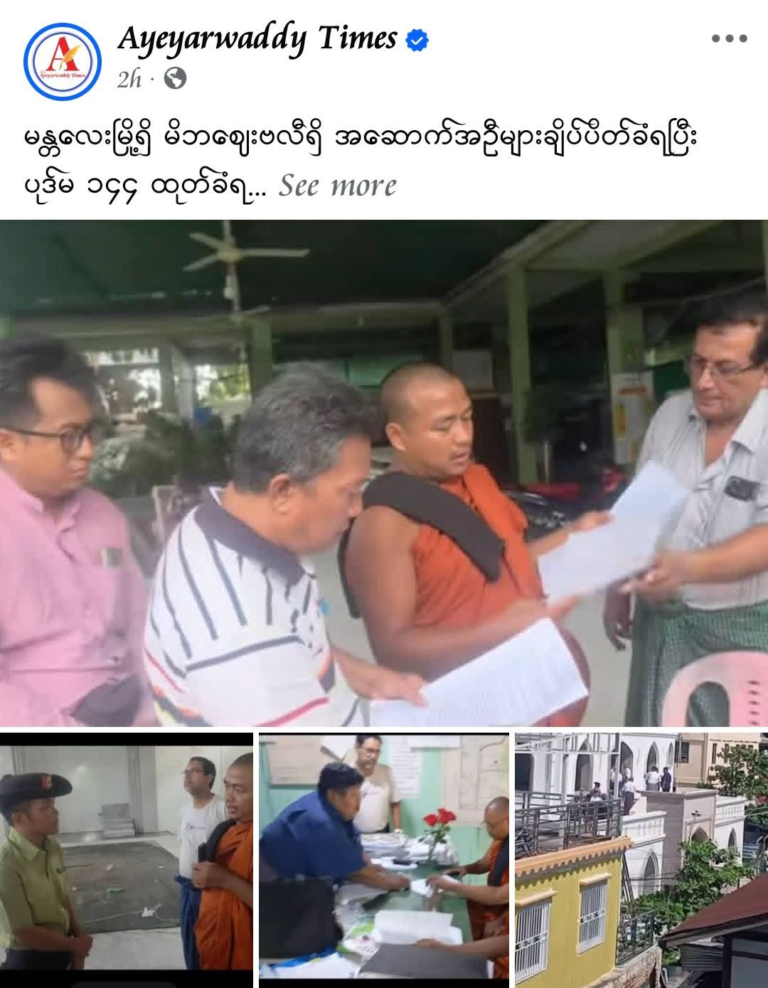
In response, Win Myat Aye, a former minister, dismissively claimed that the NRC was no longer valid because it had been issued during the dictatorship of General Ne Win. A photo shows Win Myat Aye awkwardly trying to justify this stance.
The Rohingya man then posed a sharp counter-question:
“If the NRC issued by Ne Win is invalid, then why is Ne Win’s 1982 Citizenship Law still considered valid today?”
This question reportedly left Win Myat Aye speechless, unable to provide a coherent answer. The moment was captured in a widely circulated photograph, showing him visibly cornered by the Rohingya man’s logic.
Fact-Checking & Historical Context
- National Registration Cards (NRCs): Introduced in the 1950s, NRCs were official proof of citizenship in Burma/Myanmar. Rohingya families held these cards for decades until the military began confiscating them in the late 1970s.
- 1982 Citizenship Law: Enacted by General Ne Win on 15 October 1982, this law divided citizens into three tiers: full, associate, and naturalised. It tied full citizenship to membership in one of 135 “national races” said to have settled before 1823. The Rohingya were deliberately excluded, rendering them stateless.
- Contradiction Highlighted: Win Myat Aye’s claim that NRCs are invalid because they were issued under Ne Win contradicts the fact that the 1982 law from the same regime remains enforced. This exposes the selective use of Ne Win’s legacy to disenfranchise Rohingya while upholding discriminatory laws.
Why This Matters
- The Rohingya man’s question underscores the legal hypocrisy: Myanmar authorities dismiss Rohingya citizenship documents as “invalid” while continuing to enforce Ne Win’s apartheid-style law.
- This contradiction reveals the systematic exclusion of Rohingya from citizenship, despite their documented presence in Rakhine for centuries.
- The exchange with Win Myat Aye illustrates how Rohingya voices challenge official narratives, even when met with silence or evasion.
Suggested References for MMNN Article
- 1982 Citizenship Law — Rohingya History
- Ne Win’s 1982 Speech on Citizenship
- Burma’s Path to Genocide — US Holocaust Memorial Museum
မူရင်းပိုစ့်ပိုင်ရှင်ကိုခရက်ဒစ်ပေးပါသည်
ရိုဟင်ဂျာအမျိုးသားက သူ့ရဲ့တရားဝင်ထုတ်ယူကိုင်ဆောင်ထားတဲ့ အမျိုးသားမှတ်ပုံတင်ကဒ်ပြားကိုထုတ်ပြီး ဒီကဒ်လက်ရှိရှိနေပါလျက် NVC card ထုတ်ယူပြီးနိုင်ငံသားပြန်လျောက်ထားဖို့ဘာအကြောင်းကြောင့်လိုအပ်တာလည်းလို့မေးမြန်းစဉ်မှာ
ဝင်းမြတ်အေးက ကက်ကက်လန် ခါးခါးသီးသီး ဒီကဒ်ပြားကအာဏာရှင်ဦးနေဝင်းခေတ်ကထုတ်ပေးခဲ့တာမို့တရားမဝင်တော့ဘူးလို့ပြန်ပက်နေခိုက်ရိုက်ယူထားတဲ့ပုံပါ။
ရိုဟင်ဂျာအမျိုးသားရဲ့တန်ပြန်အမေးကြောင့်ဝင်းမြတ်အေးတယောက်အာစေးမိသွားခဲ့ရပါတယ်။
သူ့ရဲ့တန်ပြန်မေးခွန်းကတော့
နေဝင်းထုတ်ပေးတဲ့ကဒ်ကတရားမဝင်တော့ဘူးဆိုရင်နေဝင်းပြဌါန်းခဲ့တဲ့ ၁၉၈၂ နှစ်ခုနှစ် apartheid law ကတော့ဘာလို့အခုထိတရားဝင်နေရတာလည်းလို့မေးခဲ့တာပါ။
ဝန်ကြီးအဖြစ်နဲ့သွားခဲ့တဲ့ဝင်းမြတ်အေးတကောင် ခွေးကကြီးလှည်းတက်နင်းခံလိုက်ရသလိုဖြစ်သွားလိုက်ပုံများ ဇော်မဲလုံးလို အာ့ ကျ ကျ ရယ်လို့တောင်မမြည်တွန်နိုင်ရှာဖြစ်သွားခဲ့ရတဲ့မှတ်တမ်းဝင်ဓါတ်ပုံတပုံပါ။