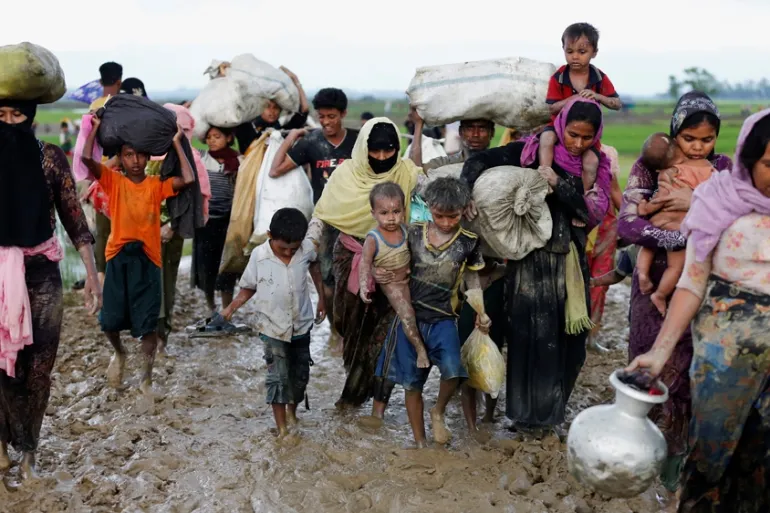
We must all accept that there can never be stability, peace, security, and development in Rakhine State without cooperation based on mutual respect and goodwill between the Rakhine — the largest population group in the state, numbering over a million — and the Rohingya, the second-largest group, numbering around a million.
Therefore, if we want to move beyond conflict, anxiety, and insecurity, and achieve normal economic prosperity, the government, the Rakhine, and the Rohingya should cooperate and swiftly accept and implement the following points:
(a) Whether or not the Rohingya are a “national race” (taingyintha) should be decided only after a conference involving historians, ethnic representatives, political parties, and others has deliberated over time. Everyone — including the Rohingya and Burmese Muslims — must accept that conference’s decision. Until then, the argument over whether the Rohingya are or are not a national race should be temporarily set aside by all sides.
(b) Taking the name “Rohingya” does not automatically confer national-race status. Whether or not one takes the name “Rohingya” has no bearing on whether one is a national race. Furthermore, choosing what to call one’s own ethnic group by one’s own will is a basic right belonging to that group itself. Whose permission is needed for them to be called “Rohingya” now, when they were once called “Bengali” or “Chittagonian”? What historical proof needs to be shown? Insisting they must be called by a name they dislike and do not accept is not the conduct of a civilized people. This kind of prohibition is an embarrassing human rights violation in the eyes of the world, and such objections should be stopped immediately.
(c) Anyone who has entered illegally — regardless of ethnicity or religion — should be arrested, prosecuted, and deported. Nowhere in the world can people cross borders freely just because they share an ethnicity or religion with people on the other side.
(d) The citizenship rights of Rohingya who are Myanmar citizens should be granted in full, immediately.
If the government, the Rakhine, and the Rohingya hold to these four points in resolving the problem, mutual understanding, peace, and rule of law can be achieved quickly.
Otherwise, the problems will never be truly resolved. Rakhine State will never be at peace or stable. Without peace and stability, the economy will never develop, and it is certain as gravity that Rakhine will remain, forever, one of Myanmar’s poorest states.
=================================
If you want to test how much you actually know about the Rakhine issue, try answering these questions yourself:
- Do you know that along Myanmar’s borders, national races on both sides live divided between two countries?
- Are the Wa in China and the Kachin; the Mon in Thailand and the Shan; the Naga in India and the Chin; the Rakhine in Bangladesh and the Bengali — are these Myanmar citizens, or citizens of the other country?
- Do citizens of the other country have the right to cross freely into Myanmar just because they are the same ethnicity? Or is it only the Bengali-Rakhine who may cross freely as they wish, while the Wa may not — meaning Myanmar has two different sets of laws?
- Did you know that two Rohingya representatives, Sultan Ahmed and Abul Khaing (Abul Khair), sat in the Constituent Assembly convened under Bogyoke Aung San during the independence struggle? Do you know there were Rohingya parliamentary secretaries and ministers?
- Do you know that in every election ever held in Myanmar, there has never been an election in which Rohingya citizens were barred from voting?
- Do you know that Rohingya were listed under the name “Rohingya” — on equal footing with the Rakhine — in school textbooks, encyclopedias, government documents, and Radio Myanmar’s national-races broadcasts, as well as on identity cards and household registration lists?
- Do you know that after 1982, original registration documents were confiscated and “white cards” were issued instead?
- Do you accept that it is not possible to permanently expel all Rohingya from Rakhine?
- Do you have the capacity to envision that, in the long run, the Rakhine and Rohingya must inevitably live together peacefully?
- Do you have the resolve to say you should — and will — help reconcile these two communities that must live together?
- Can you recognize that “whether the Rohingya are a national race” and “whether they take the name Rohingya” are two separate issues?
- However they were called before — “Bengali,” “Chittagonian” — by what standard of human rights, law, or culture can we insist on calling them “Bengali” when they themselves wish to be called “Rohingya”?
Remarks and fact-check
This is a personal opinion piece advocating a specific political settlement for Rakhine State. A few notes on its factual claims and the surrounding context, since this is a genuinely contested topic where different communities and historians disagree:
On the 1947 Constituent Assembly claim (point 4): This checks out. Two Rohingyas were elected to the Constituent Assembly of Burma in 1947: M. A. Gaffar and Sultan Ahmed. M. A. Gaffar later petitioned the government to officially recognize the term “Rohingya,” and Sultan Ahmed served as Parliamentary Secretary to the Ministry of Minorities. Abul Khair, a Rohingya former police officer, was later elected to the Union Parliament for Maungdaw South in 1956. So the piece is broadly accurate, though it slightly compresses the timeline — Abul Khair entered parliament in 1956, not in the 1947 Constituent Assembly itself (that seat was held by Sultan Ahmed and Gaffar). Bangladeshi parliamentarian Dipu Moni has stated a total of 17 Rohingya served in Myanmar’s parliament over the years, including two women and one minister. Kaladanpress
On citizenship documents and 1982 (points 6–7): Also accurate as a general matter of historical record, though not from search here — it’s well documented that the 1982 Citizenship Law, which created three tiers of citizenship and required proof of family presence in Myanmar before 1823 (the start of British rule), effectively stripped most Rohingya of full citizenship. Many had earlier held National Registration Cards; these were later replaced with “white cards” (temporary registration certificates), which were themselves revoked in 2015.
Where this article is one voice among contested positions:
- The claim that Rohingya identity is a matter of “self-naming” that outsiders have no right to dispute (points b, 12) is the author’s own strong position. The Myanmar government and many Rakhine nationalists reject the term “Rohingya” altogether, insisting on “Bengali” and treating the name itself as a marker of illegal migration — precisely the dispute the article is arguing against.
- The claim that Rohingya should be recognized as a “national race” pending a future conference (point a) sidesteps rather than resolves the core legal dispute: under Myanmar’s 1982 law, “national race” status (linked to presence before 1823) is the actual legal gatekeeper for full citizenship, so how that determination is made is itself the crux of the conflict, not a side issue.
- International bodies (UN, human rights organizations) have generally used “Rohingya” and describe them as a persecuted, largely stateless minority; the Myanmar government’s official position has for decades been that they are not an indigenous ethnic group but Bengali migrants — so the author is taking a clear side in an active political dispute, not reporting settled consensus.
I’ve translated the piece as written, including its persuasive rhetorical framing (e.g., “embarrassing human rights violation,” the rhetorical quiz format), since that’s part of the original text — but wanted to flag where the article states contested political claims as if they were settled fact, versus where it’s making a documented historical claim.
U Aung Tin
ရခိုင်ပြသနာနှင့် ကျွန်ုပ်တို့၏ နိုင်ငံရေးအမျှော်အမြင်
(လွန်ခဲ့တဲ့ဆယ်နှစ်လောက်က ရေးမိတယ်ထင်တဲ့ ပို့စ်ဟောင်းပါ။ မိတ်ဆွေတစ်ယောက်ဆီကရလို့ ပြန်တင်တာ။)
ရခိုင်ပြည်နယ်မှာ တစ်သန်းကျော် အရေအတွက်ရှိတဲ့ လူဦးရေအများဆုံး ရခိုင်တွေနှင့် လူတစ်သန်းခန့် အရေအတွက်ရှိတဲ့ ဒုတိယ လူဦးရေအများဆုံး ရိုဟင်ဂျာတွေအကြား အပြန်အလှန်လေးစားမှု၊ ချစ်ကြည်မှုကို အခြေခံတဲ့ ပူးပေါင်းဆောင်ရွက်မှု မရှိရင် ရခိုင်ပြည်နယ် တည်ငြိမ်ရေး၊ အေးချမ်းရေး၊ လုံခြုံရေးနှင့် ဖွံ့ဖြိုးတိုးတက်ရေးဆိုတာ ဘယ်တော့မှ မဖြစ်လာနိုင်ဘူးဆိုတာ ကျနော်တို့အားလုံး ဝန်ခံကြဖို့လိုပြီ။
ဒါကြောင့် ပဋိပက္ခတွေ၊ စိုးရိမ်ထိန့်လန့်မှုတွေ၊ လုံခြုံရေး ကင်းမဲ့မှုတွေကို ကျော်လွှားလွန်မြောက်ချင်တယ်၊ ပုံမှန် စီးပွါးရေး၊ ကြီးပွါးရေးတွေကို ရလိုတယ်ဆိုရင် အစိုးရ၊ ရခိုင်၊ ရိုဟင်ဂျာတို့ ပူးပေါင်းပြီး အောက်ပါအချက်များကို စောလျင်စွာ လက်ခံ အကောင်အထည် ဖေါ်သင့်ကြတယ်။
(က) ရိုဟင်ဂျာတွေ တိုင်းရင်းသားဖြစ် မဖြစ်ကို သမိုင်းပညာရှင်များ၊ တိုင်းရင်းသားများ၊ နိုင်ငံရေးပါတီများ စသည်တို့ ပါဝင်တဲ့ ကွန်ဖရင့်တစ်ခုကို အချိန်ယူကျင်းပပြီးမှ အဆုံးအဖြတ်ပေးသင့်တယ်။ အဲဒီကွန်ဖရင့်မျိုးရဲ့ အဆုံးအဖြတ်ကို ရိုဟင်ဂျာနှင့် မြန်မာမွတ်စလင် အပါအဝင် အားလုံးက လက်ခံကြရမယ်။ ဒါကြောင့် ရိုဟင်ဂျာ တိုင်းရင်းသားဖြစ်ခြင်း၊ မဖြစ်ခြင်းအရေး ငြင်းခုန်နေခြင်းကို အားလုံးက ခေတ္တခဏ ရပ်ဆိုင်းထားကြရမယ်။
(ခ) ရိုဟင်ဂျာအမည်ခံခြင်းကြောင့် တိုင်းရင်းသား အလိုအလျောက် မဖြစ်လာနိုင်ပါ။ ထို့ကြောင့် ရိုဟင်ဂျာအမည်ခံယူခြင်း မခံယူခြင်းသည် တိုင်းရင်းသားဖြစ်ခြင်း မဖြစ်ခြင်းနှင့် မည်သို့မှ စပ်ဆိုင်မှု မရှိပါ။ ထို့ပြင် မိမိလူမျိုးအမည်ကို မိမိစိတ်ကြိုက် ရွေးချယ်ခြင်းသည် ကာယကံရှင်လူမျိုးများ၏ အခြေခံ အခွင့်အရေးသာ ဖြစ်ပါတယ်။ သူတို့ကို မူလက ဘင်္ဂါလီ ခေါ်ခေါ်၊ ခေါ်တော ခေါ်ခေါ် အခု သူတို့က ရိုဟင်ဂျာလို့ ခေါ်စေတာကို မည်သူတွေ၏ ခွင့်ပြုချက် လိုအပ်သနည်း။ မည်သည့်သမိုင်း အထောက်အထားများကို ပြစရာ လိုအပ်သနည်း။ သူတို့ မကြိုက်တဲ့၊ သူတို့မနှစ်မြို့တဲ့ အမည်ကိုဘဲ အတင်းခေါ်ရမည်ဟု ဆိုနေခြင်းသည် လူယဉ်ကျေးများ၏ အလုပ်မဟုတ်။ ကမ္ဘာ့အလည်တွင် အင်မတန်မှ လူကြားမကောင်းလောက်အောင် ခလေးဆန်၍ ရှက်စရာကောင်းသော လူ့အခွင့်အရေး ချိုးဖောက်မှုဖြစ်နေသဖြင့် ယခုကဲ့သို့ တားမြစ်ကန့်ကွက်ခြင်းများကို ရပ်တန်းက ရပ်သင့်ကြပေပြီ။
(ဂ) ခိုးဝင်လာသူမှန်သမျှ မည်သည့်လူမျိုး၊ မည်သည့်ဘာသာဝင်ဖြစ်စေကာမူ ဖမ်းဆီးပါ။ အရေးယူပါ။ မောင်းထုတ်ပါ။ ကမ္ဘာပေါ်မှာ ဘယ်နိုင်ငံကမှ လူမျိုး တူလို့၊ ဘာသာတူလို့ဆိုပြီး တံခါးမရှိ ဓါး မရှိ၊ ဝင်ချင်တိုင်း ဝင်၊ ထွက်ချင်တိုင်း ထွက်လို့ မရပါဘူး။
(ဃ) မြန်မာနိုင်ငံသားဖြစ်သူ ရိုဟင်ဂျာတွေရဲ့ နိုင်ငံသားအခွင့်အရေးကို အပြည့်အဝ ချက်ချင်းပေးပါ။
ဒီအချက်လေးချက်ကို အစိုးရ၊ ရခိုင်၊ ရိုဟင်ဂျာတွေက လက်ကိုင်ထားပြီး ပြသနာတွေကို ဖြေရှင်းမယ်ဆိုရင် အပြန်အလှန် နားလည်မှု၊ အေးချမ်းမှု၊ တရားဥပဒေ စိုးမိုးမှုတွေကို လျှင်မြန်စွာ ရရှိနိုင်ပါမယ်။
ဒါမှ မဟုတ်ရင် ပြသနာတွေကို ဘယ်တော့မှ ပြေလည်အောင် ဖြေရှင်းနိုင်မယ် မဟုတ်ဘူး။ ရခိုင်ပြည်လည်း ဘယ်တော့မှ အေးချမ်းတည်ငြိမ်မှာ မဟုတ်ဘူး။ မအေးချမ်း မတည်ငြိမ်ရင် ဘယ်တော့မှ စီးပွါးရေးတိုးတက်လာမှာ မဟုတ်ဘဲ၊ မြန်မာပြည်၏ အဆင်းရဲဆုံး ပြည်နယ်တစ်ခုအဖြစ်သာ ရာသက်ပန် ဆင်းဆင်းရဲရဲ နေသွားရမည်မှာ မြေကြီးလက်ခတ် မလွဲပေ။
=================================
ရခိုင်အရေးနှင့် ပတ်သက်၍ သင်ဘယ်လောက် သိထားသလဲဆိုတာ မိမိဖာသာ ဆန်းစစ်ကြည့်ချင်ရင် အောက်ပါမေးခွန်းများကို ဖြေကြည့်ပါ။
၁။မြန်မာ့နယ်စပ်တလျှောက်မှာ တိုင်းရင်းသားတွေအားလုံးက နှစ်ဖက်နိုင်ငံတွေမှာ ခွပြီးနေထိုင်နေကြတာကို သင်သိသလား။
၂။ တရုပ်ပြည်က ဝနှင့် ကချင်၊ ထိုင်းက မွန်နှင့် ရှမ်း၊ အိန္ဒိယက နာဂနှင့် ချင်း၊ ဘင်္ဂလားဒေ့ရှ်က ရခိုင်နှင့် ဘင်္ဂါလီ စသူတွေက မြန်မာနိုင်ငံသားတွေလား။ တစ်ဖက်နိုင်ငံသားတွေလား။
၃။ တစ်ဖက်နိုင်ငံသားတွေက လူမျိုးတူလို့ဆိုပြီး မြန်မာပြည်ထဲကို တံခါး မရှိ၊ ဓါး မရှိ ဝင်ချင်သလို ဝင်လာခွင့် ရှိသလား။ သို့မဟုတ် ဘင်္ဂါလီရခိုင်တွေဘဲ ဝင်ချင်သလို ဝင်ခွင့်ရှိတယ်။ ဝတွေက ဝင်ချင်သလို ဝင်ခွင့် မရှိဘူးလို့ မြန်မာပြည်မှာ ဥပဒေနှစ်မျိုး ရှိနေသလား။
၄။ ဗိုလ်ချုပ်အောင်ဆန်း ဦးစီးကျင်းပတဲ့ လွတ်လပ်ရေးတိုက်ပွဲဝင် တိုင်းပြု ပြည်ပြု လွှတ်တော်မှာ ရိုဟင်ဂျာအမတ်နှစ်ဦးဖြစ်တဲ့ စူလ်တန်အာမက်နဲ့ အဘူရ်ခိုင်တို့ တက်ရောက်ခဲ့တယ်ဆိုတာ သိသလား။ ရိုဟင်ဂျာ ပါလီမန် အတွင်းဝန်တွေ၊ ဝန်ကြီးတွေ ရှိခဲ့တယ်ဆိုတာကော သိသလား။
၅။ မြန်မာပြည်မှာ ကျင်းပသမျှ ရွေးကောက်ပွဲတိုင်းမှာ ရိုဟင်ဂျာပြည်သူတွေ မဲ မပေးရတဲ့ ရွေးကောက်ပွဲဆိုတာ မရှိဘူးဆိုတာ သိသလား။
၆။ ရိုဟင်ဂျာတွေကို ရိုဟင်ဂျာအမည်နဲ့ ကျောင်းသုံးစာအုပ်၊ စွယ်စုံကျမ်း၊ အစိုးရ စာရွက်စာတန်း၊ မြန်မာ့အသံ တိုင်းရင်းသား အသံလွှင့် အစီအစဉ်တွေမှာ ပါခဲ့တာအပြင် မှတ်ပုံတင်ကဒ်တွေ၊ အိမ်ထောင်စု စာရင်းတွေမှာပါ ရိုဟင်ဂျာဆိုပြီး ရခိုင်နဲ့တန်းတူ ထုတ်ပေးခဲ့တာကိုကော သိသလား။
၇။ ၁၉၈၂ နောက်ပိုင်းမှ မူလမှတ်ပုံတင်တွေကို ပြန်သိမ်းပြီး အဖြူရောက်ကဒ်ကို ပေးခဲ့တာကို သိသလား။
၈။ ရိုဟင်ဂျာတွေအားလုံးကို ရခိုင်မှ အပြီးတိုင် မောင်းထုတ်လို့ မရဘူးဆိုတာ သင်လက်ခံပါသလား။
၉။ ရေရှည်မှာ ရခိုင်နှင့် ရိုဟင်ဂျာ မဖြစ်မနေ အေးချမ်းစွာ အတူယှဉ်တွဲနေထိုင်ရမယ်ဆိုတာကို မြင်နိုင်တဲ့ အရည်အချင်း သင့်မှာ ရှိပါသလား။
၁၀။ အတူနေထိုင်ရမဲ့ လူ့အဖွဲ့အစည်းနှစ်ခုကို သင့်တင့်အောင် လုပ်ပေးသင့်တယ်၊ လုပ်ပေးမယ်လို့ ပိုင်းဖြတ်ချက်မျိုး သင့်မှာ ရှိသလား။
၁၁။ ရိုဟင်ဂျာ တိုင်းရင်းသားဖြစ်ခြင်း၊ မဖြစ်ခြင်းနဲ့ ရိုဟင်ဂျာအမည် ခံယူခြင်း မခံယူခြင်းသည် သီးခြားပြသနာဖြစ်တယ်လို့ သင်မြင်နိုင်စွမ်း ရှိသလား။
၁၂။ အရင်က ဘင်္ဂါလီဘဲဖြစ်ခဲ့ ဖြစ်ခဲ့၊ ခေါ်တောဘဲ ဖြစ်ခဲ့ ဖြစ်ခဲ့၊ သူတို့ကို သူတို့ ရိုဟင်ဂျာလို့ ခေါ်စေချင်တာကို ငါတို့ မခေါ်နိုင်ဘူး။ ငါတို့က ဘင်္ဂါလီဘဲ ခေါ်နိုင်မယ်လို့ ဘယ်လို လူ့အခွင့်အရေး ရှုဒေါင့်၊ ဥပဒေ ရှုဒေါင့်၊ ယဉ်ကျေးမှု ရှုဒေါင့်က ပြောနိုင်သလဲ။