Historical Context: Mon Migrations to Thailand
The provided text details the 10 historical waves of Mon migration from Burma (Myanmar) to Thailand, driven by internal conflict, loss of independence (notably after the fall of Hanthawaddy in 1757 to King Alaungpaya), and Burmese military subjugation. Former Thai Prime Minister Kukrit Pramoj observed that Mon refugees integrated seamlessly into Thailand because their ancestors had already laid the foundational cultural, artistic, and religious bedrock of the region during the ancient Dvaravati and Hariphunchai eras.
ဓါတ်ပုံ- Pictures by Artificial Intelligence- AI
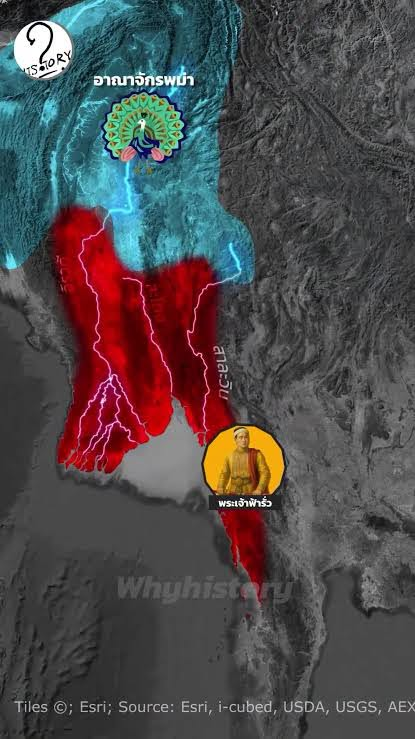
- Wave 1 (1539 & 1541): Following Tabinshwehti’s capture of Hanthawaddy and Mottama (Martaban), Mon refugees fled to Ayutthaya. Key leaders like Phraya Kiat and Phraya Ram settled near Wat Khun Shan and became royal servants.
- Wave 2 (1584): King Naresuan declared independence from Pegu/Ava and invited loyalist Mon populations to resettle in Thailand.
- Wave 3 (1595): Rakhine forces devastated Hanthawaddy, sending another massive wave of Mon refugees east toward Ayutthaya (documented around the time traveler Ralph Fitch visited).
- Wave 4 (1613): Following brief Mon autonomy aided by Portuguese adventurer Filipe de Brito, Burmese forces reasserted control, driving Mon groups to settle along the Thai-Burmese border.
- Wave 5 (1661–1662): A failed rebellion in Mottama forced Mon refugees through the Three Pagodas Pass to join earlier border settlements.
- Wave 6 (1757): King Alaungpaya captured Hanthawaddy, permanently ending the independent Mon kingdom. Suppressive assimilation policies forced waves of Mon refugees south into Thailand and north into Lanna (where they merged with the Min).
- Wave 7 (1774): Following a crushed revolt in Yangon, refugees fled to Thonburi under King Taksin, who settled them in Pak Kret. This created the distinction between “Old Mon” (Ayutthaya era) and “New Mon” led by Chao Phraya Maha Yotha (Jeng Kachchani).
- Wave 8 (1793): King Rama I briefly took Dawei (Tavoy); upon retreating due to resource constraints, he relocated local Mon leaders and families to Thailand.
- Wave 9 (1814): Resisting forced labor for pagoda construction, Mon populations revolted in Mottama. Over 40,000 refugees—the largest wave—fled to Thailand. Prince Mongkut (later Rama IV) personally received them at the border, settling them in Sam Khok, Pak Kret, and Phra Pradaeng.
- Wave 10 (1824): Prior to the First Anglo-Burmese War, Chao Phraya Maha Yotha led an expedition to retrieve remaining Mon relatives, marking the final major pre-colonial migration wave under King Rama III.
Additional Historical & Contemporary Facts
- Transient Economic Migration to Malaysia: Modern Mon migration continues a long pattern of mobility. Driven by wage differentials, Mon workers frequently migrate through Thailand into Malaysia for higher earning power. A common pattern involves pregnant wives returning to Myanmar for childbirth before returning to Malaysia illegally with infants once they are a few months old.
- Historical Maritime Presence in Malacca: During the peak of the Hanthawaddy/Pegu maritime trading networks, historical accounts record around 20 “Pago” (Pegu/Mon) merchant ships regularly trading in and out of the Malacca port.
- Founders of Malacca: Merchant groups and seafaring settlers from Pegu (Mon) were among the early demographic and commercial founders of the Sultanate of Malacca.
- Royal Lineage of Tunku Abdul Rahman: Historical records from the Kedah-Thai borderland context document that the mother of Malaysia’s first Prime Minister, Tunku Abdul Rahman (Makche Menjelara), had Burmese Mon heritage (though frequently misrecorded in different historical texts as Burmese Shan, and officially recorded in Malaysian state records simply as Thai).
- Mon-Khmer Linguistic Footprint: The deep historical footprint of Mon-Khmer populations across the peninsula remains evident today: one of the six main Orang Asli indigenous tribes of Peninsular Malaysia (specifically within the Senoi group, such as the Semai and Temiar) continues to speak a variant of the Mon-Khmer language family.
While historical records on the distant maternal ancestry of Rama I (the founder of the Chakri Dynasty) are sparse, historical consensus and scholarly analysis note that the Chakri royal family possesses significant Mon heritage. Rather than a specific focus on his grandmother, historians highlight that [Rama I]’s father (Thongdi) came from a Mon noble lineage, and his queen consort (Amarindra) came from a wealthy Mon family. [1, 2, 3, 4, 5]
Key Aspects of Mon Heritage in the Early Chakri Dynasty
- Mon Lineage: [Rama I]’s paternal line had deep roots in the Mon noble networks serving the late Ayutthaya Kingdom.
- Queen Amarindra: [Rama I]’s primary wife and queen consort hailed from a prominent Mon family that had migrated to Siam.
- Cultural Ties: The Mon community integrated closely with Siamese court culture, and subsequent monarchs like Rama IV (Prince Mongkut) actively welcomed later waves of Mon refugees fleeing conflict in Myanmar.
The history of the Mon people in Thailand is a story of indigenous roots, massive waves of wartime migration, and exceptional socio-political integration that profoundly shaped the Ayutthaya, Thonburi, and Rattanakosin eras. [1, 2, 3]
1. The Pre-Ayutthaya Roots: The First Civilizations
Long before the Tai people migrated south into the Chao Phraya River basin, the Mon were already the dominant civilization in central and northern Thailand. [1]
- Dvaravati Kingdom (6th–11th centuries): The Mon established the Dvaravati culture centered around towns like Nakhon Pathom and Lopburi.
- The Buddhist Legacy: The Mon were the first in mainland Southeast Asia to adopt Theravada Buddhism. When the Thai kingdoms of Sukhothai and Ayutthaya eventually rose, they inherited their deeply rooted Buddhist practices, legal frameworks, and artistic styles directly from this early Mon foundation. [, 2, 3]
2. The Ayutthaya Era: War and Noble Status (1351–1767)
As the Ayutthaya Kingdom grew, the Mon lands in Lower Burma (Myanmar) became a perpetual battleground between expanding Burmese empires and Siam. This triggered the first political migrations: [, 2]
- The 1584 Migration: When the Mon chiefs Phraya Kiet and Phraya Ram discovered a Burmese plot against Ayutthaya’s King Naresuan, they defected to the Siamese side. They brought thousands of Mon families with them into Ayutthaya. []
- Elite Integration: Unlike other captive or migrant groups, the Mon were highly respected for their administrative skills and military bravery. They were granted high noble titles, and specialized Mon military regiments (Krom Mon) were created to defend the Siamese capital against Burma. []
3. The Fall of Hanthawaddy and the Thonburi Era (1757–1782)
The mid-18th century brought catastrophic shifts that forever tied Mon and Thai lineages together. []
- The 1757 Collapse: The Burmese Konbaung Dynasty brutally crushed the Mon Hanthawaddy Kingdom. This sparked a massive, continuous influx of Mon refugees into Siam. []
- Royal Ties: When Ayutthaya fell in 1767, King Taksin liberated Siam and established the Thonburi Kingdom. Taksin’s own mother, Nok-iang, was of noble Siamese-Mon descent. [, 3, 4]
- Settlement Areas: King Taksin settled a massive wave of 1774 Mon refugees in strategic frontier outposts and suburban areas surrounding modern Bangkok, most notably restoring the area of Pak Kret and Koh Kret in Nonthaburi. []
4. The Rattanakosin (Bangkok) Era: Peak Migration and Assimilation
When Rama I founded the Rattanakosin Kingdom in 1782, Mon integration reached its zenith. Because [Rama I]’s paternal line and his queen consort, Amarindra, possessed deep Mon roots, Mon culture enjoyed elite patronization. [1, 3]
- The Great Migration of 1814: During the reign of Rama II, an oppressive Burmese governor triggered a colossal uprising in Martaban. Roughly 40,000 Mon refugees fled en masse through the Three Pagodas Pass into Siam.
- Royal Welcome: Rama II sent his young son, Prince Mongkut (the future Rama IV), to personally welcome and guide the Mon refugees at Kanchanaburi. They were settled in dedicated communities along the Chao Phraya River, including Pathum Thani, Samut Prakan, and Nonthaburi.
- Ecclesiastical Influence: Because of their strict and historical adherence to early Buddhist scriptures, Mon monks heavily influenced Thai Buddhism. When Rama IV established the highly disciplined Thammayut Nikaya reform order of Thai Buddhism, he drew heavily from orthodox Mon monastic practices. [, 3]
Summary of Mon Legacy in Thailand Today
Because the Mon shared the same Theravada Buddhist religion and closely aligned cultural values, they did not face ghettoization. Instead, they seamlessly assimilated through intermarriage. Today, millions of central Thais possess Mon bloodlines. Mon cultural footprints remain clearly visible in Thai life via traditional pottery (especially from Koh Kret), the use of Mon-style openwork funeral towers, specific song styles in Thai classical music, and the celebration of Songkran in historic Mon communities like Phra Pradaeng. []
မွန်လူမျိုးတွေဟာ ဗမာလက်အောက်ကနေ ထွက်ပြေးတိမ်းရှောင်တဲ့အခါ ထိုင်းနိုင်ငံကိုပဲ ဘာကြောင့် အခြေချခဲ့ကြတာလဲ?
(รามัญคดี – MON Studies ထိုင်းဘာသာဆောင်းပါးကို မြန်မာပြန်ဆိုသည်)
“မွန်တွေဟာ ထိုင်းနိုင်ငံထဲကို ရွှေ့ပြောင်းဝင်ရောက်လာပြီး ထိုင်းလူ့အဖွဲ့အစည်းနဲ့ ကောင်းကောင်းမွန်မွန် ပေါင်းစည်းနေထိုင်နိုင်ခဲ့တာဟာ ထိုင်းအနုပညာနဲ့ ယဉ်ကျေးမှုဆိုတာ ရှေးအတိတ်ကာလကတည်းက မွန်တွေ ချန်ထားပေးခဲ့တဲ့ အမွေအနှစ်တွေ ဖြစ်နေလို့ပဲ ဖြစ်တယ်…”
ထိုင်းနိုင်ငံရဲ့ ၁၃ ယောက်မြောက် ဝန်ကြီးချုပ်ဟောင်း၊ ထင်ရှားတဲ့ ပညာရှင်တစ်ဦးဖြစ်သူ ခွက်ရစ် ပရာမော့ချ် (คึกฤทธิ์ ปราโมช) က အထက်ပါအတိုင်း ပြောဆိုခဲ့ပါတယ်။ သူဟာ Siam Rath သတင်းစာကို တည်ထောင်သူဖြစ်သလို “Soi Suan Phlu” ကော်လံကိုလည်း ရေးသားခဲ့သူ ဖြစ်ပါတယ်။
ခွက်ရစ် ပရာမော့ချ်က မြန်မာတို့ရဲ့ ကျူးကျော်သိမ်းပိုက်မှုကြောင့် မိမိတို့နေထိုင်ရာဒေသကနေ ထွက်ပြေးရတဲ့ မွန်တွေဟာ အိန္ဒိယ၊ တရုတ်၊ လာအို ဒါမှမဟုတ် ကမ္ဘောဒီးယားဘက်ကို မသွားဘဲ ထိုင်းနိုင်ငံဘက်ကို ဘာကြောင့် ရွေးချယ်ခဲ့ကြသလဲဆိုတဲ့ အကြောင်းရင်းကို ရှင်းပြခဲ့တာ ဖြစ်ပါတယ်။ သူပြောတဲ့ “ရှေးအတိတ်ကာလ” ဆိုတာဟာ ဒွါရဝတီ (ทวารวดี) ခေတ်ကို ရည်ညွှန်းတာ ဖြစ်နိုင်ပါတယ်။
အရှေ့တောင်အာရှရဲ့ ရှေးအကျဆုံး လူမျိုးများထဲက မွန်လူမျိုး
မွန်လူမျိုးဟာ အရှေ့တောင်အာရှဒေသမှာ ရှေးအကျဆုံး လူမျိုးတွေထဲက တစ်မျိုး ဖြစ်ပါတယ်။ မွန်တို့ဟာ ယခင်က မွန်နိုင်ငံတော် တည်ရှိခဲ့တဲ့ နယ်မြေ၊ ယနေ့ မြန်မာနိုင်ငံအောက်ပိုင်းဒေသတွေနဲ့ ထိုင်းနိုင်ငံအလယ်ပိုင်း၊ မြောက်ပိုင်းဒေသတွေမှာ ယဉ်ကျေးမှုအခြေခံတွေ ချမှတ်ခဲ့သူတွေ ဖြစ်တယ်လို့ ယူဆကြပါတယ်။
ထိုင်းနိုင်ငံ အလယ်ပိုင်းနဲ့ မြောက်ပိုင်းမှာတော့ “ဒွါရဝတီ” နဲ့ “ဟရိဗုဥ္စယ” ယဉ်ကျေးမှုတွေ ပေါ်ထွန်းခဲ့ပါတယ်။
ထိုင်းနိုင်ငံအလယ်ပိုင်းနဲ့ မြောက်ပိုင်းမှာ နေထိုင်ခဲ့တဲ့ ရှေးမွန်တွေဟာ အချိန်ကြာလာတာနဲ့အမျှ ထိုင်းလူမျိုးတွေအဖြစ် အများစု ပေါင်းစည်းသွားခဲ့ကြတယ်လို့ ခန့်မှန်းကြပါတယ်။
ယနေ့တိုင် မွန်လူမျိုးအဖြစ် မိမိတို့ရဲ့ လူမျိုးရေးအသိစိတ်ကို ထိန်းသိမ်းထားသူတွေဟာ အယုဒ္ဓယခေတ်ကစပြီး ယနေ့ မြန်မာနိုင်ငံအောက်ပိုင်းဒေသမှာ ရှိခဲ့တဲ့ မူလနေရာတွေကနေ ထိုင်းနိုင်ငံဘက်ကို ရွှေ့ပြောင်းလာသူတွေရဲ့ မျိုးဆက်တွေ ဖြစ်နိုင်ပါတယ်။
မွန်လူမျိုးဟာ ဘာသာရေး၊ ယဉ်ကျေးမှု၊ ရိုးရာဓလေ့၊ စာပေ၊ အက္ခရာ၊ ဗိသုကာ၊ ဥပဒေ၊ ကပြဖျော်ဖြေမှုနဲ့ ဂီတစတဲ့ ကဏ္ဍတွေမှာ အခြေခံအုတ်မြစ်တွေ ချမှတ်ပေးခဲ့တဲ့ ရှေးဟောင်းလူမျိုးတစ်မျိုး ဖြစ်ပါတယ်။ အဲဒီအမွေအနှစ်တွေဟာ မြန်မာ၊ ထိုင်း၊ လာအိုနဲ့ ကမ္ဘောဒီးယား အပါအဝင် အရှေ့တောင်အာရှနိုင်ငံအများအပြားဆီကို ဆက်လက်လက်ဆင့်ကမ်း ရောက်ရှိခဲ့ပါတယ်။
ကိုယ်ပိုင်နိုင်ငံ မရှိတော့တဲ့ မွန်လူမျိုး
ယနေ့ခေတ်မှာ မွန်လူမျိုးဟာ ကိုယ်ပိုင်အုပ်ချုပ်ခွင့်ရှိတဲ့ နိုင်ငံနယ်မြေ မရှိတော့ပါဘူး။ အကြောင်းရင်းကတော့ အတိတ်ကာလတစ်လျှောက် မွန်ဒေသတွေဟာ စစ်ပွဲတွေနဲ့ အမြဲတမ်း ရင်ဆိုင်ခဲ့ရလို့ ဖြစ်ပါတယ်။
အတွင်းပိုင်းမှာလည်း ထီးနန်းလုယက်မှုတွေ ဖြစ်ပွားခဲ့သလို မြန်မာဘက်က ကျူးကျော်တိုက်ခိုက်မှုတွေလည်း အကြိမ်ကြိမ် ကြုံတွေ့ခဲ့ရပါတယ်။
မွန်တို့ရဲ့ နယ်မြေတွေဟာ အခြားလူမျိုးတို့ရဲ့ အုပ်ချုပ်မှုအောက် ကျရောက်သွားတဲ့အခါ မွန်ပြည်သူတွေဟာ အလွန်ခက်ခဲတဲ့ ဘဝကို ဖြတ်သန်းခဲ့ရပါတယ်။
အခွန်အကောက်နဲ့ အတင်းအကျပ် ဖိနှိပ်ခံရခြင်း၊ အဆောက်အအုံတွေ ဆောက်လုပ်ဖို့ အဓမ္မလုပ်အားပေးခံရခြင်း၊ စစ်တပ်အတွက် စားနပ်ရိက္ခာ စုဆောင်းပေးရခြင်းနဲ့ စစ်တပ်ထဲ အတင်းအကျပ် စုဆောင်းခံရခြင်းတို့ ရှိခဲ့ပါတယ်။
အထူးသဖြင့် ခရစ်နှစ် ၁၇၅၇ (မြန်မာသက္ကရာဇ် ၁၁၁၉ ခုနှစ်ဝန်းကျင် / ထိုင်းပြက္ခဒိန်အရ 2300) မှာ ဖြစ်ပွားခဲ့တဲ့ စစ်ပွဲဟာ မွန်တို့က ဗမာတို့ကို အပြီးအပိုင် ရှုံးနိမ့်ခဲ့တဲ့ နောက်ဆုံးအကြီးစား စစ်ပွဲဖြစ်ခဲ့ပြီး အဲဒီနောက်ပိုင်း ယနေ့အချိန်အထိ လွတ်လပ်တဲ့ မွန်နိုင်ငံကို ပြန်လည်တည်ထောင်နိုင်ခြင်း မရှိတော့ပါဘူး။
ဒါကြောင့် မွန်လူမျိုးအချို့ဟာ ထိုင်းနိုင်ငံဘက်ကို ရွှေ့ပြောင်းဝင်ရောက်ပြီး ထိုင်းဘုရင်ရဲ့ အကာအကွယ်အောက်မှာ နေထိုင်ခွင့်ရယူကာ အခြေချနေထိုင်ခဲ့ကြပါတယ်။ ထိုင်းရာဇဝင်မှတ်တမ်းတွေမှာလည်း မွန်တွေ ထိုင်းနိုင်ငံဘက်ကို ရွှေ့ပြောင်းလာခဲ့တဲ့ ဖြစ်ရပ်တွေကို အကြိမ်ကြိမ် တွေ့ရပါတယ်။
ဗမာအုပ်ချုပ်သူတွေရဲ့ ဖိနှိပ်မှုတွေ ကြုံရတဲ့အခါ မွန်တွေဟာ မိမိတို့နေရပ်ကနေ ထွက်ခွာပြီး ထိုင်းနိုင်ငံဘက်ကို အမြဲတမ်း ရွှေ့ပြောင်းလာလေ့ရှိပါတယ်။
အဓိကအကြောင်းရင်းကတော့ ထိုင်းနဲ့ မွန်တို့အကြား ရှေးကတည်းက ရင်းနှီးကျွမ်းဝင်မှုနဲ့ ဆက်နွယ်မှုတွေ ရှိခဲ့တာကြောင့် ဖြစ်ပါတယ်။
မှတ်တမ်းတွေအရ မွန်တို့ ထိုင်းနိုင်ငံဘက်ကို အကြီးစား ရွှေ့ပြောင်းလာခဲ့တာ စုစုပေါင်း ၁၀ ကြိမ် ရှိပါတယ်။
ပထမအကြိမ်- ခရစ်နှစ် ၁၅၃၉ (ထိုင်းသက္ကရာဇ် 2082) ခုနှစ်မှာ ဘုရင် တပင်ရွှေထီးက ဟံသာဝတီကို သိမ်းပိုက်ပြီးနောက် မွန်လူမျိုး အများအပြားဟာ အယုဒ္ဓယမြို့ကို ထွက်ပြေးလာခဲ့ကြပါတယ်။
အယုဒ္ဓယဘုရင်က သူတို့ကို မြို့ပြင်ဘက်မှာ အိမ်ရာတည်ဆောက်နေထိုင်ခွင့် ပေးခဲ့ပါတယ်။ ဗညားကျိယာ (Phraya Kiat)၊ ဗညားရာမ (Phraya Ram) နဲ့ သူတို့ရဲ့ ဆွေမျိုးတွေကိုတော့ မြို့အတွင်း ဝတ်ခွန်ဆန် ဘုရားကျောင်း အနီးမှာ နေထိုင်ခွင့် ပေးခဲ့ပါတယ်။
အဲဒီအချိန်ကစပြီး မွန်အရာရှိတွေဟာ အယုဒ္ဓယနိုင်ငံတော်ရဲ့ အစိုးရဝန်ထမ်းတွေ ဖြစ်လာခဲ့ကြပါတယ်။
ခရစ်နှစ် ၁၅၄၁ ခုနှစ်မှာ တောင်ငူမင်းဆက်က မုတ္တမမြို့ကို သိမ်းပိုက်တဲ့အခါ မွန်လူမျိုးအများအပြား သတ်ဖြတ်ခံခဲ့ရပြီး နောက်ထပ် မွန်အုပ်စုတွေ အယုဒ္ဓယဘက်ကို ထွက်ပြေးလာခဲ့ကြတယ်လို့ ယူဆရပါတယ်။ ဒါဟာ မွန်တွေရဲ့ ပထမဆုံး ရွှေ့ပြောင်းမှုလှိုင်း ဖြစ်ပါတယ်။
ဒုတိယအကြိမ်- ခရစ်နှစ် ၁၅၈၄ ခုနှစ်မှာ ဘုရင့်နောင်မင်းကြီး ကွယ်လွန်ပြီးနောက် မြန်မာပြည်ဘက်ကို ချီတက်ခဲ့တဲ့ ဘုရင် နရသူမင်း (နရေစွမ်- King Naresuan) က အင်းဝနဲ့ ပဲခူးဘက်ကနေ လွတ်လပ်ရေးကြေညာခဲ့ပြီးနောက် သူ့ဘက်ကို သစ္စာခံလာတဲ့ မွန်တွေကို ထိုင်းဘက်ကို အတူတကွ ရွှေ့ပြောင်းလာဖို့ ဖိတ်ခေါ်ခဲ့ပါတယ်။
တတိယအကြိမ်- ခရစ်နှစ် ၁၅၉၅ ခုနှစ်မှာ ရခိုင်တပ်တွေက ဟံသာဝတီကို ဖျက်ဆီးခဲ့တဲ့အခါ မွန်တွေဟာ အရှေ့ဘက် အယုဒ္ဓယနယ်မြေထဲကို ထပ်မံ အစုလိုက်အပြုံလိုက် ရွှေ့ပြောင်းလာခဲ့ကြပါတယ်။
အဲဒီမတိုင်မီ ၁၅၈၆ ခုနှစ်က အင်္ဂလိပ်ခရီးသွား Ralph Fitch ဟံသာဝတီကို ဖြတ်သန်းသွားစဉ်မှာပင် မြို့သူမြို့သားအများစုဟာ မွန်ဘာသာစကား ပြောဆိုကြတယ်လို့ မှတ်တမ်းတင်ထားပါတယ်။
စတုတ္ထအကြိမ်- ဟံသာဝတီ ပျက်စီးပြီးနောက် တောင်ငူမင်းဆက်က မြို့တော်ကို အင်းဝသို့ ပြောင်းရွှေ့ခဲ့ပါတယ်။ အဲဒီအချိန်မှာ မွန်တွေဟာ မိမိတို့နယ်မြေမှာ အာဏာကို ပြန်လည်တည်ထောင်ခဲ့ပြီး ပေါ်တူဂီ စွန့်စားသူ ဒီဘရစ်တို (De Brito) ရဲ့ အကူအညီကိုလည်း ရရှိခဲ့ပါတယ်။
နောက်ပိုင်းမှာ ဗမာဘက်က မွန်တွေကို ပြန်လည်တိုက်ခိုက်နှိမ်နင်းခဲ့ပြီး ခရစ်နှစ် ၁၆၁၃ ခုနှစ်မှာ မွန်တွေ အယုဒ္ဓယဘက်ကို ထပ်မံရွှေ့ပြောင်းလာခဲ့ကြပါတယ်။
မှတ်တမ်းအချို့အရ အဲဒီမွန်အုပ်စုကို ထိုင်း-မြန်မာ နယ်စပ်တစ်လျှောက်မှာ အခြေချနေထိုင်ခွင့် ပေးခဲ့တယ်လို့ ဆိုပါတယ်။
ပဉ္စမအကြိမ်-ခရစ်နှစ် ၁၆၆၁-၆၂ ခုနှစ်မှာ မုတ္တမမြို့က မွန်တွေ ထပ်မံပုန်ကန်ခဲ့ကြပေမယ့် ဗမာတပ်တွေက နှိမ်နင်းနိုင်ခဲ့တာကြောင့် မွန်တွေဟာ အယုဒ္ဓယဘက်ကို ထပ်မံထွက်ပြေးခဲ့ကြပါတယ်။
သူတို့ဟာ ဘုရားသုံးဆူ တောင်ကြားလမ်း ကနေ ထိုင်းနိုင်ငံထဲ ဝင်ရောက်လာခဲ့ကြပြီး နယ်စပ်ဒေသမှာ အခြေချနေထိုင်ခဲ့တဲ့ ယခင်မွန်အုပ်စုတွေနဲ့ ဆက်နွယ်မှုရှိတဲ့အတွက် အတူတကွ နေထိုင်ခွင့်ရခဲ့တယ်လို့ ယူဆရပါတယ်။
ဆဋ္ဌမအကြိမ်- တောင်ငူမင်းဆက် နောက်ဆုံးကာလမှာ မွန်တွေဟာ မိမိတို့ရဲ့ နိုင်ငံတော်ကို ပြန်လည်တည်ထောင်နိုင်ခဲ့ပြီး ဗမာတို့ရဲ့ အင်းဝကို တိုက်ခိုက်သိမ်းပိုက်နိုင်ခဲ့ပါတယ်။
ဒါပေမယ့် အလောင်းဘုရား က ဗမာတပ်တွေကို စုစည်းပြီး ပြန်လည်တိုက်ခိုက်ခဲ့ကာ အလောင်းဘုရားမင်းဆက်ကို တည်ထောင်နိုင်ခဲ့ပါတယ်။
ခရစ်နှစ် ၁၇၅၇ ခုနှစ်မှာ အလောင်းဘုရားတပ်တွေက မွန်တို့ရဲ့ ဟံသာဝတီကို ပြန်လည်သိမ်းပိုက်ခဲ့ပါတယ်။
အဲဒီမင်းဆက်ရဲ့ မူဝါဒဟာ မွန်တွေကို အင်အားသုံးပြီး မြန်မာအဖြစ် ပေါင်းစည်းသွားစေရန် ဖြစ်ခဲ့ပြီး မွန်လူမျိုးနဲ့ မွန်ယဉ်ကျေးမှုအပေါ် ဖိနှိပ်မှုတွေ အများအပြား ပြုလုပ်ခဲ့ပါတယ်။
ဒါကြောင့် မွန်လူမျိုးတွေဟာ ထိုင်းနိုင်ငံဘက်ကို အကြိမ်ကြိမ် ထွက်ပြေးရွှေ့ပြောင်းလာခဲ့ကြပါတယ်။ တချို့ကတော့ မြောက်ဘက် လန်နား ဒေသအထိ ရွှေ့ပြောင်းသွားကြပြီး ယနေ့မှာ “မင်း (မင်)” လို့ ခေါ်ဝေါ်ခံရတဲ့ မွန်အုပ်စုတွေနဲ့ ဆက်စပ်ပါတယ်။
သတ္တမအကြိမ်-ခရစ်နှစ် ၁၇၇၄ ခုနှစ်၊ ထိုင်းနိုင်ငံ ထွန်ဘူရီခေတ်မှာ ရန်ကုန်မြို့က မွန်တွေ ပုန်ကန်ခဲ့ကြပါတယ်။
မြန်မာတပ်တွေက အလွန်ရက်စက်စွာ နှိမ်နင်းခဲ့ပြီး ရန်ကုန်မြို့ကိုပါ မီးရှို့ဖျက်ဆီးခဲ့ပါတယ်။ အဲဒီနောက် မွန်တွေ ထိုင်းနိုင်ငံဘက်ကို ထပ်မံ ထွက်ပြေးလာကြပါတယ်။
ထိုင်းဘုရင် တက်ဆင်မင်းကြီး က မွန်တွေကို ပါက်ကရက် (Pak Kret) ဒေသမှာ အခြေချနေထိုင်ခွင့် ပေးခဲ့ပါတယ်။
ဒါကြောင့် ထိုင်းနိုင်ငံမှာ “မွန်ဟောင်း” နဲ့ “မွန်သစ်” ဆိုတဲ့ အုပ်စုနှစ်မျိုး ဖြစ်ပေါ်လာပါတယ်။ မွန်ဟောင်းတွေက အယုဒ္ဓယခေတ်ကတည်းက ရောက်ရှိလာသူတွေဖြစ်ပြီး မွန်သစ်တွေကတော့ စစ်သူကြီး ဗညားစိင် (Chao Phraya Maha Yotha – Jeng Kachchani) ဦးဆောင်တဲ့ အုပ်စု ဖြစ်ပါတယ်။
၇ ကြိမ်မြောက် ရွှေ့ပြောင်းမှုကစပြီး ယနေ့အချိန်အထိ မိမိတို့ကိုယ်ကို မွန်လူမျိုးအဖြစ် သတ်မှတ်ထားတဲ့ မွန်အများစုဟာ ဒီကာလ ဒါမှမဟုတ် အဲဒီနောက်ပိုင်းက ရွှေ့ပြောင်းလာသူတွေရဲ့ မျိုးဆက်တွေ ဖြစ်ပါတယ်။
အဲဒီမတိုင်မီက ရောက်ရှိလာတဲ့ မွန်အများစုဟာ ထိုင်းလူမျိုးအဖြစ် ပေါင်းစည်းသွားခဲ့ကြတယ်လို့ ဆိုပါတယ်။ ကန်ချနဘူရီနယ်စပ်ဒေသမှာ နေထိုင်တဲ့ မွန်တွေလည်း အပါအဝင် ဖြစ်ပါတယ်။
အဋ္ဌမအကြိမ်-ခရစ်နှစ် ၁၇၉၃ ခုနှစ်မှာ ထိုင်းဘုရင် ရာမ ၁ က ထားဝယ်မြို့ကို သိမ်းပိုက်ခဲ့ပေမယ့် စားနပ်ရိက္ခာနဲ့ တပ်အင်အား မလုံလောက်တာကြောင့် ထိန်းသိမ်းမထားနိုင်ဘဲ ထိုင်းနိုင်ငံဘက်ကို ပြန်ဆုတ်ခဲ့ရပါတယ်။
အဲဒီအချိန်မှာ ထားဝယ်ဒေသက မွန်တွေ၊ အထူးသဖြင့် ခေါင်းဆောင်ပိုင်းတွေကို ထိုင်းနိုင်ငံဘက်ကို ခေါ်ဆောင်လာခဲ့ပါတယ်။
နဝမအကြိမ်- ခရစ်နှစ် ၁၈၁၄ ခုနှစ်၊ ထိုင်းဘုရင် ရာမ ၂ လက်ထက်မှာ မွန်တွေဟာ ဗမာဘက်က စေတီတည်ဆောက်ရေးအတွက် အဓမ္မလုပ်အားပေး စေခိုင်းခံရတာကို မကျေနပ်တဲ့အတွက် မုတ္တမမြို့မှာ ပုန်ကန်ခဲ့ကြပါတယ်။
မြန်မာတပ်တွေက ပြင်းထန်စွာ နှိမ်နင်းခဲ့တဲ့အတွက် မွန်တွေဟာ ထိုင်းနိုင်ငံဘက်ကို သမိုင်းတစ်လျှောက် အကြီးမားဆုံး ရွှေ့ပြောင်းမှုအဖြစ် ထွက်ပြေးလာခဲ့ကြပါတယ်။ လူဦးရေ ၄၀,၀၀၀ ကျော် ရှိခဲ့ပါတယ်။
အဲဒီအချိန်က ထိုင်းဘုရင်ဖြစ်လာမယ့် မင်းသားမွန်ကွတ် (နောက်ပိုင်း ရာမ ၄) ကိုယ်တိုင် ဘုရားသုံးဆူ နယ်စပ်ဂိတ်အထိ သွားရောက်ပြီး မွန်ဒုက္ခသည်တွေကို လက်ခံကြိုဆိုခဲ့ပါတယ်။
အဲဒီမွန်တွေဟာ Sam Khok၊ Pak Kret နဲ့ Phra Pradaeng ဒေသတွေမှာ အခြေချနေထိုင်ခဲ့ကြပါတယ်။
ဒသမအကြိမ် (နောက်ဆုံး ရွှေ့ပြောင်းမှု) နောက်ဆုံးအကြိမ်ကတော့ ရာမ ၃ မင်းလက်ထက်၊ ခရစ်နှစ် ၁၈၂၄ ခုနှစ်မှာ ဖြစ်ပါတယ်။
မွန်စစ်သူကြီး ဗညားစိန် (ဗညာစိၚ်)က မြန်မာပြည်မှာ ကျန်ရစ်နေတဲ့ ဆွေမျိုးသားချင်းတွေဟာ အန္တရာယ်ကျရောက်နိုင်တယ်လို့ စိုးရိမ်တဲ့အတွက် သူတို့ကို သွားရောက်ခေါ်ဆောင်ဖို့ စစ်တပ်ဖွဲ့စည်းခွင့် ထိုင်းဘုရင်ထံ တောင်းခံခဲ့ပါတယ်။
အဲဒီအချိန်မှာ အင်္ဂလိပ်နဲ့ မြန်မာတို့အကြား စစ်ပွဲ စတင်တော့မယ့်ကာလ ဖြစ်ပါတယ်။
ဒီအကြိမ် ရွှေ့ပြောင်းမှုမှာ လူဦးရေ အများအပြား မပါဝင်ခဲ့ဘဲ မြန်မာနိုင်ငံ အင်္ဂလိပ်ကိုလိုနီမဖြစ်မီ မွန်တွေ ထိုင်းနိုင်ငံဘက်ကို ရွှေ့ပြောင်းလာခဲ့တဲ့ နောက်ဆုံးအကြိမ် ဖြစ်ပါတယ်။