Original post by Phoe Kyaw, “Old Burma – ရှေးရှေးတုန်းကဗမာပြည်”
During the ten years following Burma’s independence, when the country was governed under a parliamentary democratic system, the Anti-Fascist People’s Freedom League (AFPFL) gradually divided into two major factions.
One was the Clean AFPFL, led by Prime Minister U Nu. The other was the Stable AFPFL, led by U Ba Swe and U Kyaw Nyein and associated with the socialist faction.
The Burmese military became increasingly close to the Stable faction. Senior military officers had family connections with leading members of the Stable faction. During the AFPFL period, U Ba Swe, a Stable faction parliamentarian who served as Minister of Defence, was responsible for managing the promotions and transfers of senior military officers. Consequently, many officers regarded themselves as indebted to him.
Colonel Kyi Win, who was U Ba Swe’s brother-in-law, was himself a senior military commander, while many other relatives—including brothers and sons-in-law—also held positions within the military.
The incident that most strongly cemented the relationship between the Burmese military and the Stable faction was the marriage of Defence Chief General Ne Win.
General Ne Win went to court and formally married Daw Khin May Than, the married daughter of Dr Ba Than, a hospital superintendent.
As Ne Win was travelling to the court, Mr. Lazarus, a reporter from The Nation, approached him, smiling politely, and said, “Congratulations, General,” while taking photographs.
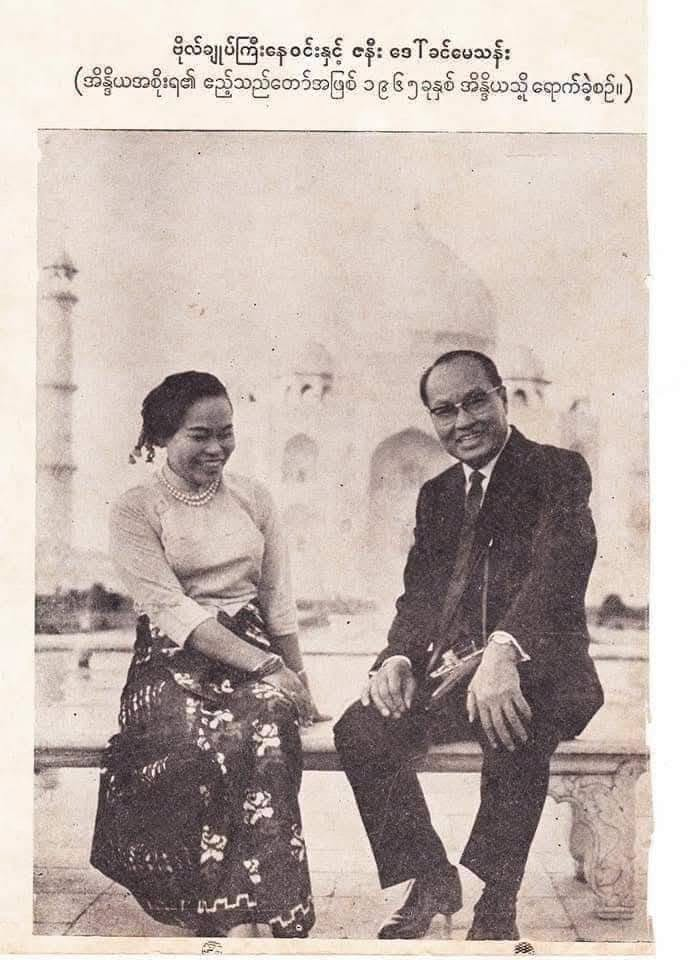
Ne Win became furious. He personally assaulted and punched the journalist and smashed his camera. As a result, newspapers were afraid to report the marriage and remained silent.
The following day, Ne Win’s original senior wife, Daw Tin Tin, submitted a short paid announcement to newspaper advertising departments declaring:
“I am the senior wife.”
However, no newspaper dared to publish it. The newspapers rejected the announcement, apparently considering it merely a personal or social announcement, even though Daw Tin Tin believed she had every right to publicly declare that she was Ne Win’s original wife.
But U Tin Maung, editor-in-chief of the Burma Khit newspaper, took the matter to the paper’s owner, U Ohn Khin.
When U Ohn Khin was told about the announcement, he replied, in effect:
“Go ahead and publish it.”
He then advised the editor not to treat it as some insignificant little advertisement:
“Don’t make such a fuss over a tiny announcement. If you really have courage, publish the whole thing properly and in full.”
U Tin Maung therefore asked the representative who had brought in the advertisement to provide the complete story. He also offered to publish photographs and said that the newspaper would waive the advertising fee.
The next day, Burma Khit published Daw Tin Tin’s statement in considerable detail under the headline:
“I am the senior wife.”
Her account included such statements as how, when “Maung Shu Maung” was poor and starving, she had supported him and even sent food parcels to him while he was in prison.
Alongside the lengthy statement, approximately half a newspaper page in length, Burma Khit published photographs of Ne Win together with Daw Tin Tin and their children from the period when they had lived together.
This made General Ne Win so furious that he supposedly wanted to tear the Burma Khit newspaper apart. Yet he did not dare touch the newspaper.
The reason was that Prime Minister U Nu himself was already extremely angry with him.
According to the Buddhist Dhammathat legal tradition, a man was permitted to marry and live with more than one wife. However, a woman who was already legally married could not lawfully be married or sexually associated with by another man. Such conduct could constitute a criminal offence.
Thus, according to the account, Ne Win’s relationship with a married woman was considered a serious offence even under the social and legal standards of the time.
What made the matter particularly serious, according to the author, was that the alleged offence had been committed not by an ordinary citizen but by the country’s military commander-in-chief.
Prime Minister U Nu, who was himself regarded as a morally upright person and wanted even ordinary civil servants to maintain high standards of conduct, therefore decided that the military commander-in-chief—who was technically a government servant under his administration—should be disciplined under the relevant civil-service regulations.
Under the 1947 Constitution, as the author emphasizes, the military was not an independent political authority. It was an armed institution responsible for national defence and subordinate to the government elected by the people.

Accordingly, the Cabinet secretly convened a meeting to consider removing General Ne Win from his position as Commander-in-Chief.
Prime Minister U Nu put forward the proposal, and all the ministers present initially agreed.
It was decided that the matter would be submitted to Parliament for a final decision.
Immediately after the meeting, however, one of the Cabinet ministers, Minister for Religious Affairs U Ba Saw, went to Ne Win’s residence through the back entrance and informed him of what had happened.
At that time, U Tin Maung—the author of this account, who was an editor of Burma Khit—was a close friend of Thakin Chit Maung of Myanaung, Parliamentary Secretary at the Ministry of Defence.
He frequently visited Thakin Chit Maung’s home early in the morning for breakfast and tea.
One morning, when he arrived before 7 a.m., the guardhouse stopped him and refused to let him enter.
The soldier explained:

“An important person has arrived early this morning.”
Disappointed, U Tin Maung returned home.
When he visited again the following morning, he was able to meet Thakin Chit Maung and learned what had happened.
Thakin Chit Maung told him:
“It’s General Ne Win. Because of his problem, the Prime Minister has become extremely angry and is preparing to remove him. So Ne Win has been coming here and pleading for help.”
He explained that Ne Win himself was too ashamed to face U Ba Swe and U Kyaw Nyein and had therefore asked Thakin Chit Maung to intercede on his behalf.
“He has been coming to me for about four days now,” he said.
The author says that U Kyaw Nyein, Minister of Home Affairs, and U Ba Swe, Minister of Defence, both from the socialist Stable faction, strongly pleaded with U Nu to forgive Ne Win.
They reminded U Nu that Ne Win had been one of the comrades who had fought alongside General Aung San for independence.
After repeated appeals from his former comrades, U Nu finally relented and decided not to take disciplinary action.
He reportedly said:

“Well… we are comrades who fought together. If one of us makes a mistake, we have to help him.”
According to the author, Thakin Chit Maung, who had helped Ne Win at that time, later lamented during the BSPP era:
“The reason that Ne Win has been able to oppress people like this is because I was too weak back then.”
Thus, according to this account, Ne Win—who had faced the possibility of dismissal—was restored to his position.
The Stable faction and the military consequently became increasingly intertwined, eventually functioning almost as one political force.
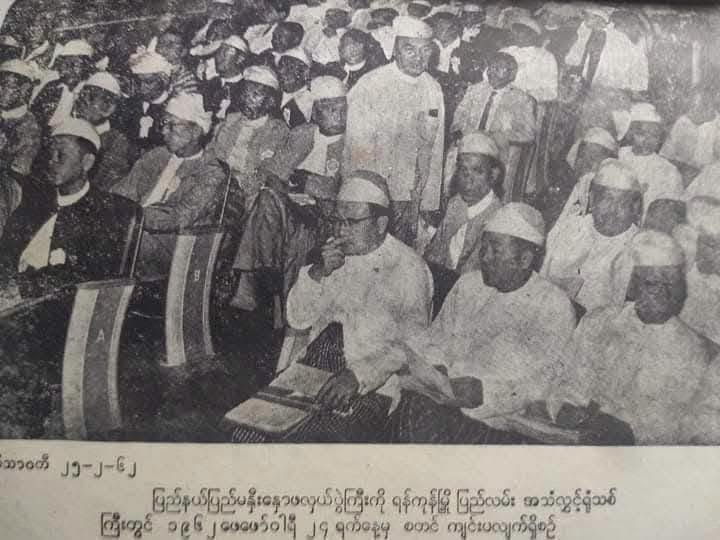
The Political Crisis of 1958
Later, the Clean and Stable factions split openly.
On 9 June 1958, the Stable faction submitted a motion of no confidence in the Clean AFPFL government.
Although the Stable faction had 97 votes in Parliament, 44 left-wing Pa Ma Nya Tha MPs and ethnic minority representatives supported the Clean faction.
As a result, the Clean faction, despite having only 51 members, won the vote by 127 to 119, according to the original account.
The political situation became increasingly tense.
Behind U Ba Swe and U Kyaw Nyein’s Stable faction, the shadow and influence of the military grew steadily larger.
The military increasingly pressured the political system in order to help the Stable faction obtain power.
The author argues that even at that time there were signs that if the Stable faction and military joined forces and took power, Burma could become a state dominated by the military, with authoritarian or fascistic characteristics.
Recognizing this danger, Prime Minister U Nu’s Clean AFPFL government and ethnic leaders began working with the Pa Ma Nya Tha organization to find a way to end the civil war, whose continuation was strengthening the military’s political influence.
To ease the increasingly tense political situation, U Nu announced that a great National Convention would be held in which all political forces would participate.
The government planned to invite not only political organizations but also representatives of workers, farmers, civil servants, journalists and students.
Even armed groups who had gone underground were invited to attend.

In July, the government announced that all armed insurgents who participated in the political process would be offered a general amnesty.
A peace organization was formed, adopting the water pot as its emblem.
The Pa Ma Nya Tha organization, which strongly supported the goal of achieving internal peace, welcomed the National Convention.
It called upon armed groups in the jungle to change their strategy:
“Come down from armed struggle and enter the political arena. Change your course.”
Some armed organizations—including the White Flag movement, the Mon People’s Front, and the Pa-O United Forces—came into the legal fold.
In Parliament, different political forces openly debated various approaches to achieving peace.
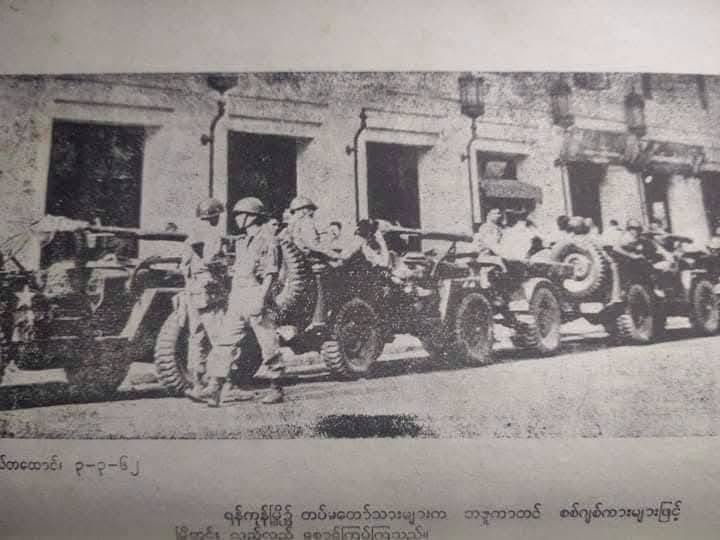
The Pyu Saw Hti Militias
As peace proposals were openly debated in Parliament, political groups began demanding that the Pyu Saw Hti militias, which they accused of functioning as armed supporters of the Stable faction and the military, be disbanded.
The Pyu Saw Hti were accused of committing numerous acts of political violence, including robbery, murder, assault, torture and looting, particularly in constituencies where the Stable faction was weak and the Clean faction was strong.
Political organizations therefore jointly demanded their dissolution.
Prime Minister U Nu summoned senior military commanders and ordered them to disband the Pyu Saw Hti forces.
The senior military officers were deeply unhappy about being forced to dissolve them.
They were also dissatisfied with the government’s attempt to build peace through negotiations.
Commander-in-Chief General Ne Win was particularly opposed to the approach.
He firmly supported a policy of defeating and eliminating the insurgents militarily rather than negotiating with them.
According to the author, Ne Win appeared to believe that as long as civil war continued, the military’s influence would continue to grow, giving it greater opportunities to intervene in and control politics.
Ne Win and the Military Tradition

The author then goes further back into the origins and political culture of the Burmese military.
He argues that in the Burmese military created with Japanese assistance, Ne Win was one of the officers who became particularly close to the Japanese Fascist military leadership.
According to the author, Ne Win greatly admired and imitated Japanese militarism and fascism.
After General Aung San and General Let Ya left the military, the author claims that militaristic thinking became increasingly influential within the armed forces under Ne Win’s influence.
The contribution of the politicians, workers, farmers and civilian guerrillas who had begun resisting the Japanese was allegedly minimized.
At the same time, while the Japanese were being fought on one side and the communists were being mobilized for armed struggle on another, the political leaders were fighting for independence and democracy through political means.
The author argues that this historical contribution was subsequently obscured by military propaganda, which promoted the idea that the Burmese military alone had won independence for the country.
According to this interpretation, senior officers who had been influenced by such historical narratives consequently became deeply hostile to negotiating peace with armed left-wing groups.
The post then quotes Thakin Soe, who is said to have criticized the origins of the Burmese military in extraordinarily harsh language.
The quotation compares the military’s origins to a child conceived through rape in a Buddhist monastery on a moonless Sabbath night, arguing metaphorically that its parents, place and circumstances of conception were all fundamentally wrong and therefore that nothing good could be expected from it.
The author then uses this quotation to argue that the military has continued to commit serious mistakes throughout its history, right up to the present day.
The Military’s Opposition to Negotiated Peace

While almost the entire country was attempting to pursue internal peace, the Stable faction and the military took a different position.
A document entitled:
“If politicians continue doing whatever they please, the military will not tolerate it”
was brought by Thakin Kyaw Sein, a person close to the military.
He asked that the document be delivered to Prime Minister U Nu through the Kyeemon newspaper.
U Ohn Khin of Burma Khit decided to publish the document in Burma Khit so that the public could see what he regarded as the military’s hostile attitude toward the internal peace process.
After the document was published, Prime Minister U Nu travelled throughout the country.
Wherever he went, he deliberately stayed in military officers’ quarters, demonstrating that he was not intimidated.
He reportedly declared:
“If you dare to kill me, I dare to die.”
He travelled and sat in public places unarmed.
At that time U Nu possessed enormous political influence. According to the author, the military did not dare physically harm him, and Ne Win and his followers were particularly wary of confronting him directly.
Nevertheless, the military challenged the government in other ways.
Unable to attack U Nu directly, military forces reportedly entered and occupied or destroyed Clean AFPFL offices in some smaller towns.
Thus, tensions between the civilian government and the military continued to rise.
The 1958 Transfer of Power to Ne Win

Against this background, on 26 September 1958, the political crisis reached a critical point.
According to the post, General Ne Win ordered Brigadier Maung Maung, Colonel Aung Gyi and Colonel Tin Pe to act on his behalf.
They approached Prime Minister U Nu after military forces had positioned artillery toward the Prime Minister’s Office and residence in Windermere.
They conveyed the military’s argument that the Clean government had violated the fundamental principles of the 1947 Constitution and that the military therefore intended to take power.
U Nu gave what the author describes as a simple and democratic answer.
If the Clean government was indeed on the wrong path, he said, the people should be allowed to decide through a new election.
He therefore agreed to transfer power to the military according to the constitutional framework.
The military could establish a temporary caretaker government, conduct a free and fair election, and then return power according to democratic principles.
In this way, U Nu transferred power to General Ne Win’s caretaker government.
The author argues that this frustrated Ne Win’s apparent intention to seize permanent political power.
The military formed a caretaker government and even accepted responsibility for holding elections under the Constitution.
According to the author’s interpretation, Ne Win’s fundamental motivation was not simply dissatisfaction with negotiations with left-wing insurgents.
Rather, he wanted the military to rule the country according to the militaristic ideology of the Japanese officers whom he admired, instead of remaining constitutionally subordinate to a civilian democratic government.
However, because Ne Win could not produce a convincing constitutional argument for rejecting U Nu’s democratic proposal, he accepted the arrangement.
The military therefore governed temporarily under the Constitution for six months.
It then cited the continuing civil war as justification for extending its caretaker rule for another six months.
Eventually, elections were held in 1960.
The 1960 Election
Before the election, U Ba Swe, the leading figure of the Stable faction, reportedly declared:
“If Stable wins the election, it must win; even if it loses, it must win.”
The statement caused the public to fear that the Stable faction, backed by the military, intended to obtain power regardless of the election result.
U Nu openly warned that if the Stable faction lost the election, it might attempt to seize power through unconstitutional means.
The author argues that the “unconstitutional means” being contemplated amounted to establishing a military dictatorship with the assistance of the military caretaker government that was already exercising coercive power.
Although General Ne Win publicly announced, as caretaker prime minister, that military personnel should remain neutral and support no political organization during the election, the author alleges that in practice the military encouraged soldiers to support the Stable faction.
He claims that the military arranged polling stations and ballot-box tables in ways that favored Stable.
Across the country, military personnel allegedly supported Stable in various ways.
As a result, the people became extremely fearful of the military and rallied behind U Nu’s Clean faction.
In some places, polling stations were not even properly constructed. Ballot boxes were placed on tables in open spaces while soldiers stood nearby with rifles.
Even under such intimidating circumstances, voters reportedly courageously voted for the Clean faction.
The election result was decisive.
U Nu’s Clean AFPFL, renamed the Union Party, won 195 parliamentary seats, while the Stable faction won only 42.
The author presents this as a landslide rejection by the population of military domination and of the political alliance between Stable and the military.
U Nu’s Return and the Federal Question
U Nu’s Union government returned to office.
It reopened newspapers that had been suppressed or closed during the caretaker government period.
Political prisoners were released, and the notorious Coco Island prison, where prisoners had been sentenced to life imprisonment, was abolished.
Democracy began to revive.
For long-term peace, U Nu negotiated with ethnic leaders and sought to build a federal union based on the principles of the Panglong Agreement.
His government therefore worked toward amending the 1947 Constitution so that a federal union could be established.
In June 1961, a multi-ethnic conference was held in Taunggyi.
The participants discussed constitutional amendments.
A committee established by the conference spent a year negotiating and eventually produced a set of basic principles for constitutional reform.
These included proposals concerning:
- the formation and status of states;
- equality of parliamentary powers;
- fair representation;
- equitable distribution and use of tax revenues;
- and the division of responsibilities between the Union and the states.
Defence, finance, the judiciary and other areas were also discussed in detail, with the proposed arrangements based on federal principles.
The author says that scholars regarded the proposals as fair and reasonable.
The Federal Constitutional Proposals
On 24 February 1962, a conference was held at the Rangoon Broadcasting Station to discuss these proposals.
Political organizations were to negotiate the proposals step by step, allowing them to submit recommendations, objections and amendments.
Only after this process would a final agreed version be submitted to Parliament.
It would then be debated thoroughly before being enacted through the constitutional amendment procedures.
The purpose was to ensure that the proposed amendments contained no serious errors or omissions.
The author argues that these negotiations could have produced a genuinely federal constitutional framework.
Political organizations, ethnic communities and the general public who wanted national stability, peace and development welcomed the prospect.
Ethnic communities, in particular, hoped that federalism would enable them to live peacefully and equally without being subjected to continuing military domination.
But the Stable faction strongly opposed the proposals.
According to the post, Stable leaders and the military circulated the argument that federalism would threaten the unity and territorial integrity of the Union and might cause the country to break apart.
The Final Step Toward the 1962 Coup
The person who most strongly opposed this democratic process of negotiating constitutional reform and building peaceful relations among the country’s ethnic communities was, according to the author, Commander-in-Chief General Ne Win.
If the constitutional amendments succeeded, the military would remain confined largely to its military bases at Maymyo, Meiktila and Mingaladon.
The author’s interpretation is that Ne Win could not accept the resulting collapse of his ambitions for military domination of the country.
Therefore, while the Prime Minister and representatives of the various ethnic nationalities were still negotiating, the military intervened.
The post states that the conference which had begun on 24 February 1962 was due to conclude seven days later, and that on 26 March 1962, the military seized complete power, claiming that it was necessary to prevent the Union from disintegrating.
The author argues that the real reason was different.
A united, peaceful democratic country would not allow the military to act as it pleased.
Nor would it allow the military to exercise overwhelming political influence over the nation.
Therefore, according to this interpretation, the military ultimately relied upon armed force to seize political power.
Sources cited by the original post
The post identifies the following sources:
- U Thaung (Aung Bala), Kyeemon: Bilu Dò Ywar (“The Village of Giants”)
- U Mya Han and U Thein Hlaing, Myanmar Historical Events Truth Group: Myanmar Politics, 1958–1962, Parts I–IV
- Original post by Phoe Kyaw, dated 26 January 2022.
A note for MMNN publication

This is a very interesting historical narrative, especially because it presents the road to military rule not simply as beginning with the coup itself, but as a gradual process involving:
military–political alliances → weakening civilian authority → armed proxies/Pyu Saw Hti → disagreement over negotiated peace → caretaker government → election → federal constitutional negotiations → military seizure of power.
That structure connects remarkably well with the theme you have been developing in your recent MMNN articles: Myanmar’s repeated political crises are not isolated events; they are connected to the failure to establish a durable culture of constitutional civilian control, dialogue, federal accommodation and negotiated settlement.

Old Burma ရှေးရှေးတုန်းကဗမာပြည်
“ပထမဆုံးမြန်မာ့စစ်အာဏာရှင်မျိုးစေ့ချခဲ့ပုံ”
မြန်မာနိုင်ငံလွတ်လပ်ရေးရပြီး ပါလီမန်
ဒီမိုကရေစီစံနစ် ၁၀နှစ်တာကာလအတွင်း အာ
ဏာရ ဖဆပလအတွင်း၌ ဝန်ကြီးချုပ်ဦးနု၏
သန့်ရှင်းနှင့် ဦးဗဆွေ၊ဦးကျော်ငြိမ်းတို့ဦးဆောင်
သော ဆိုရှယ်လစ်စံနစ်တည်မြဲအုပ်စုတို့ နှစ်စု
ကွဲခဲ့ရာ မြန်မာစစ်တပ်သည် တည်မြဲအုပ်စု
နှင့် ပိုမိုနီးစပ်ကျွမ်းဝင်ကြ၏။စစ်ဗိုလ်ထိပ်ပိုင်း
ခေါင်းဆောင်များသည် တည်မြဲခေါင်းဆောင်
များနှင့် ဆွေမျိုးတော်စပ်ကြသည်။ဖဆပလ
ခေတ်တွင် ကာကွယ်ရေးဝန်ကြီးဖြစ်သော
တည်မြဲအမတ်ဦးဗဆွေက စစ်ဗိုလ်ကြီးများ
အားလုံး၏ ရာထူးတိုးတက်ရေးနှင့် အပြောင်း
အရွှေ့ကိစ္စများကို စီမံခန့်ခွဲရသူဖြစ်သဖြင့်
ကျေးဇူးခံ ကျေးဇူးစားရှိကြလေသည်။သူနှင့်
မယားညီအစ်ကိုဖြစ်သူ ဗိုလ်မှူးကြီးကြည်ဝင်း
သည် တပ်မှူးကြီးတစ်ဦးဖြစ်သလို အခြား
ညီအစ်ကို၊သမီးယောက်ဖ ဆွေမျိုးအများ
အပြားလည်း တပ်ထဲမှာရှိကြကုန်၏။
အဓိက မြန်မာစစ်တပ်နှင့် တည်မြဲပါတီ
ခိုင်မာစွာဂဟေစွဲစေသည်မှာ ကာကွယ်ရေးဦး
စီးချုပ် ဗိုလ်ချုပ်ကြီးနေဝင်း၏ အိမ်ထောင်
သစ်ထူပွဲဖြစ်လေသည်။ဗိုလ်နေဝင်းက ဆေးရုံ
အုပ်ကြီး ဒေါက်တာဘသန်းသမီး လင်ရှိမယား
ဒေါ်ခင်မေသန်းအား တရားရုံးတော်တွင် လက်
မှတ်ထိုးကာ လက်ထပ်ခဲ့သည်။တရားရုံးသို့
အသွားတွင် နေးရှင်းသတင်းထောက်မစ္စတာ
လာဇရိုးက “ဂုဏ်ယူပါတယ် ဗိုလ်ချုပ်ကြီး
ခင်ဗျား”ဟု မျက်နှာချိုသွေးကာ ဓါတ်ပုံရိုက်
သောအခါ ဗိုလ်နေဝင်းက ဒေါသထွက်ကာ
သတင်းထောက်ကို သူကိုယ်တိုင်ရိုက်နှက်ထိုး
ကြိတ်ခဲ့ပြီး ကင်မရာကို ရိုက်ခွဲလိုက်သော
ကြောင့် သူ၏ မင်္ဂလာသတင်းကို သတင်းစာ
များကမရေးဝံ့ဘဲ နှုတ်ပိတ်နေကြ၏။
နောက်တစ်နေ့တွင် ဗိုလ်နေဝင်း၏ လက်ရှိ
မူလလက်ဟောင်းမယားကြီးဒေါ်တင်တင်က
“ကျွန်မသာလျှင် မယားကြီးဖြစ်ပါသည်” ဟု
ကြေငြာတိုကလေးကို သတင်းစာကြေငြာဌာ
နများသို့ အခကြေးငွေနှင့်အတူ ပေးပို့ခဲ့သည်။
သို့သော် ယင်းကြေငြာကိုမည်သည့်သတင်း
စာကမှ မထည့်ဝံ့ကြောင်း ငြင်းပယ်ခံရသည်။
ထိုကြေငြာသည် ထုံးတမ်းစဥ်လာ လူမှု့ရေး
ကြေငြာသာ ဖြစ်သည်။မူလမယားကြီးဖြစ်
ကြောင်း ကြော်ငြာပိုင်ခွင့်ရှိသည်ဟုယူဆ၍
မည်သည့်သတင်းစာကမျှ မထည့်သွင်းဝံ့သော်
လည်း ဗမာ့ခေတ်သတင်းစာအယ်ဒီတာချုပ်
တင်မောင်က ထိုကြော်ငြာကို ထည့်သွင်းဖော်
ပြရန် သတင်းစာတိုက်ပိုင်ရှင် ဦးအုန်းခင်အား
တင်ပြသာအခါ “ထည့်ပေါ့ကွာ”ဟု သူက
သဘောတူသည့်အပြင် “ဒီကြော်ငြာတိုလေး
လောက်နဲ့ မဖြစ်စလောက်တော့မလုပ်နဲ့၊ မင်း
တကယ်သတ္တိရှိရင် ကျကျနနပြည့်ပြည့်စုံစုံ
ချပေါ့ကွ”ဟု သြဝါဒပေးသောကြောင့် ကြော်
ငြာလာအပ်သူကိုယ်စားလှယ်ကို “အပြည့်အစုံ
ရေးပေးပါ၊ဓါတ်ပုံလည်းထည့်ချင်တယ်။ကြော်
ငြာခ မယူပါဘူး”ဟု မေတ္တာရပ်လိုက်လေသည်။
နောက်တစ်နေ့”ဗမာ့ခေတ်”တွင် “ကျွန်မ
သာ မယားကြီးဖြစ်ပါတယ်”ဟု မယားကြီး
ဒေါ်တင်တင်၏ရေးသားချက်များကို အကျယ်
တဝံ့ပုံနှိပ်နိုင်ခဲ့သည်။”မောင်ရှု့မောင်ဘဝဖြင့်
ငတ်ပြတ်နေစဥ် ထောင်ထဲအထိထမင်းထုပ်
ပို့ကာ ပေါင်းသင်းခဲ့ပါတယ်”စသဖြင့် စာမျက်
နှာတစ်ဝက်ခန့် ရှည်လျှားစွာဖွဲ့နွဲ့ရေးထာသော
ကြော်ငြာနှင့်အတူ ဗိုလ်နေဝင်းနှင့်မယားဒေါ်
တင်တင်ပေါင်းသင်းကြစဥ်က သားများနှင့်
အတူ စုံတွဲရိုက်ထားသောပုံများကို ဗမာ့ခေတ်
သတင်းစာတစ်စောင်တည်း၌သာ ဖော်ပြ
နိုင်ခဲ့သည်။
ထို့အကြောင်းကြောင့် ဗိုလ်နေဝင်းမှာ ဗမာ့
ခေတ်သတင်းစာကို ဝါးစားချင်လောက်
အောင် စိတ်တိုဒေါသထွက်စေကာမူ လက်ဖျား
နှင့်မျှ မတို့ဝံ့ပါ။အကြောင်းမှာ နိုင်ငံတော်
ဝန်ကြီးချုပ်ဦးနုကိုယ်တိုင်က သူ့အပေါ်များ
စွာစိတ်ဆိုးဒေါသထွက်လျှက်ရှိသောကြောင့်
ပင်တည်း။ ဗုဒ္ဓဘာသာဓမ္မသတ်အရ အမျိုး
သားတစ်ဦးက မယားအများလက်ထပ်ပေါင်း
သင်းခွင့်ရှိသည်။ သို့သော်ကာမပိုင် လင်ရှိ
သူ အမျိုးသမီးကိုမူ မည့်သည့်ယောကျ်ားက
မှပေါင်းသင်းခွင့်မရှိသည်သာမက ရာဇဝတ်
မှု့ပင်မြောက်သည်။ လင်ရှိမယားတစ်ဦးကို
လက်ထပ်ရန်မဆိုထားဘိ လျှို့ဝှက်ပေါင်း
သင်းလျှင်ပင် မယားခိုးမှု့(ရာဇဝတ်မှု့)ဖြစ်
၏။သာမာန်အရပ်သားတစ်ဦးဆိုလျှင်ပင်
ခွင့်လွှတ်ဖွယ်မရှိသော ရာဇဝတ်မှု့ကြီးကို
တိုင်းပြည်၏ တပ်မတော်အကြီးအကဲကိုယ်
တိုင်ကကျုးလွန်သဖြင့် နိုင်ငံတော်ဝန်ကြီး
ချုပ်မှာ လုံးဝလက်မခံနိုင်ဘဲ စိတ်မချမ်း
မသာဖြစ်လျှက်ရှိသည်။
နောက်ဆုံးတွင် မိမိကိုယ်တိုင်လည်း အ
ကျင့်စာရိတ္တကောင်းမွန်ပြီး သာမာန်ဝန်ထမ်း
များကိုပင် စာရိတ္တမဏ္ဍိုင်ခိုင်မြဲစေလိုသော
ဆန္ဒရှိသူ ဝန်ကြီးချုပ်ဦးနုက သူ၏အစိုးရ
အဖွဲ့၏ ဝန်ထမ်းတစ်ဦးဖြစ်သော တပ်မတော်
စစ်သေနာပတိကြီးကို ဝန်ထမ်းများကျင့်ထုံး
ဥပဒေအရ အရေးယူအပြစ်ပေးရန်ဆုံးဖြတ်
ခဲ့လေသည်။(၁၉၄၇ခုနှစ်အခြေခံဥပဒေအရ
တပ်မတော်သည် ပြည်သူရွေးကောက်တင်
မြှောက်ထားသော အစိုးရအဖွဲ့၏ လက်
အောက်ခံ ကာကွယ်ရေးတာဝန်ယူထားရ
သော လက်နက်ကိုင်အဖွဲ့အစည်းသာဖြစ်၏)
သို့ဖြင့် တပ်မတော်စစ်ဦးစီးချုပ် ဗိုလ်ချုပ်
ကြီးနေဝင်းအား ရာထူးမှထုတ်ပယ်ရန် ဝန်ကြီး
အဖွဲ့ လျှို့ဝှက်အစည်းအဝေးကိုခေါ်ယူကာ
ဝန်ကြီးချုပ်ဦးနုမှ အဆိုတင်သောအခါ တက်
ရောက်သူဝန်ကြီးအားလုံးက ပဏာမသဘော
တူညီခဲ့ကြသည်။ယင်းကိစ္စကို လွှတ်တော်၌
တင်သွင်းဆုံးဖြတ်ရန် အတည်ပြုခဲ့ကြပေ
သည်။ထိုအစည်းအဝေး ပြီးလျှင်ပြီးချင်း
ကတ်ဘိနက်ဝန်ကြီးများအနက်မှ သာသနာ
ရေးဝန်ကြီး ဦးဘစောက ဗိုလ်နေဝင်း၏ အိမ်
နောက်ပေါက်သို့ တက်ကာသတင်းပေးလေ
သည်။
ထိုစဥ်ကဗမာ့ခေတ်အယ်ဒီတာတစ်ဦးဖြစ်
သူ(ကျွန်တော်)တင်မောင်သည် ကာကွယ်ရေး
ဝန်ကြီးဌာန၊ ပါလီမန်အတွင်းဝန် မြန်အောင်
သခင်ချစ်မောင်နှင့် ခင်မင်ရင်းနှီးသူဖြစ်သ
ဖြင့် မကြာခဏနံနက်စောစော သူ့အိမ်သွား
ကာ နံနက်စာနှင့်လက်ဖက်ရည်သောက်လေ့
ရှိသည်။ တစ်နေ့တွင်နံနက် ၇နာရီမထိုးမီ
သခင်ချစ်မောင်အိမ်သွားသောအခါ ဂိတ်
စောင့်ကင်းတဲက မဝင်ရဟု တားဆီးသည်။
“စောစောစီးစီး အရေးကြီးပုဂ္ဂိုလ်ရောက်
နေလို့ပါ”ဟူ၍ အစောင့်စစ်သားကပြော၏။
ကျွန်တော်လည်းမကျေမနပ်ဖြင့် ပြန်လှည့်
ခဲ့ရသည်။နောက်တစ်နေ့နံနက် သွားမှ သ
ခင်ချစ်မောင်နှင့် တွေ့ရကာ အကြောင်းစုံ
သိခွင့်ရသည်။
“ဗိုလ်နေဝင်းပေါ့ကွာ သူ့ပြဿနာကြောင့်
ဝန်ကြီးချုပ်က အတော်ဒေါပွပြီးထုတ်မယ်
လုပ်နေတော့ ကိုယ့်ဆီလာပြီးအပူကပ်နေ
တာ”ဟုပြောပြ၏။”ဗိုလ်နေဝင်းက သူကိုယ်
တိုင် ကိုဗဆွေနဲ့ ကိုကျော်ငြိမ်းတို့ကို မျက်နှာ
မပြဝံ့လို့ သူ့ကိုကယ်ကြပါဦးလို့ ကိုယ်ကတ
ဆင့် တောင်းပန်နေတာကွ။ကိုယ့်ဆီလာနေ
တာ ၄ရက်လောက်ရှိပြီ”ဟု ပြောပြ၏။ပြည်
ထဲရေးဝန်ကြီး ဦးကျော်ငြိမ်း၊ကာကွယ်ရေး
ဝန်ကြီးဦးဗဆွေတို့ ဆိုရှယ်လစ်အုပ်စုက
ဇွတ်တောင်းပန်ကြသောကြောင့် ဦးနုက
အလျှော့ပေးလိုက်သည်ဟု သိရသည်။
လွတ်လပ်ရေးအတူကြိုးပမ်းခဲ့တဲ့မျက်နှာ
ဗိုလ်ချုပ်အောင်ဆန်း၏ ရဲဘော်သုံးချိပ်ဝင်
မျက်နှာတို့ကိုထောက်ရှု့၍ အရေးမယူရန်
ဝိုင်းဝန်းတောင်းပန်တိုက်တွန်းခဲ့သောကြောင့်
ဦးနုက လွှတ်တော်သို့မတင်ပြတော့ပဲ အရေး
မယူရန်ဆုံးဖြတ်ခဲ့လေသည်။
“ကွာ…ရဲဘော်ရဲဘက်တွေအချင်းချင်းပဲ
မှားမိတော့လည်း ကူညီရမှာပေါ့”ဟုပြောခဲ့
ပြီး ထိုစဥ်က ကူညီခဲ့သူ မြန်အောင်သခင်ချစ်
မောင်မှာ နောက်ပိုင်း မဆလခေတ်ရောက်
သောအခါ “ဒီကောင်နေဝင်း ညှင်းဆဲနိုင်
နေတာ ငါ့ပျော့ညံ့ခဲ့လို့ပေါ့ကွာ”ဟု ညည်း
ညူလေ့ရှိပေသည်။ထိုသို့ မယားခိုးမှု့ဖြင့်
ရာထူးမှဖြုတ်ချခံရသော ဗိုလ်နေဝင်းအား
မူလရာထူးအတိုင်း ပြန်လည်ရရှိအောင်
ဆောင်ရွက်ပေးခဲ့သော တည်မြဲ(ဆိုရှယ်လစ်)
တို့နှင့် စစ်တပ်သည် နှစ်ကိုယ့်တစ်စိတ်ဖြစ်
လာခဲ့တော့သည်။
နောက်ပိုင်းတွင် သန့်ရှင်း၊တည်မြဲ ကွဲကြ
သောအခါ ၁၉၅၈ခု၊ဇွန်လ၉ရက်နေ့တွင် သန့်
ရှင်းဖဆပလအစိုးရကို အယုံအကြည်မရှိ
ကြောင်းအဆိုကို တည်မြဲတို့က တင်သွင်း
သည်။ ပါလီမန်တွင် တည်မြဲအင်အား(၉၇)
မဲရှိစေကာမူ လက်ဝဲဝါဒီများဖြစ်သော ပမ
ညတ အမတ်(၄၄)ဦးနှင့် လူမျိုးစုအမတ်များ
က သန့်ရှင်းကိုမဲပေးခဲ့ကြသဖြင့် အင်အား
(၅၁)ဦးသာရှိသောသန့်ရှင်းအဖွဲ့ကပင်(၁၂၇)၊
(၁၁၉)မဲနှင့် အနိုင်ရရှိခဲ့ပါသည်။
နိုင်ငံရေးအခြေအနေမှာ တည်မြဲ(ဦးဗဆွေ
ဦးကျော်ငြိမ်း)တို့နောက်မှ စစ်တပ်၏ လောင်း
ရိပ်သည် ကြီးသည်ထက်ကြီးလာပြီး တည်မြဲ
တို့အာဏာမရမချင်း စစ်တပ်က အမျိုးစုံဖိ
အားပေးလာလေတော့သည်။တည်မြဲနှင့်စစ်
တပ်ပေါင်းပြီး အာဏာရကြလျှင် စစ်တပ်ကြီး
စိုးကွပ်ကဲသော ဖက်ဆစ်နိုင်ငံတစ်နိုင်ငံဖြစ်
ပေါ်လာမည့် အရိပ်လက္ခဏာများကို ထိုစဥ်
ကပင် နိုင်ငံရေးလောကထဲ ဝင်ရောက်မည့်
စစ်တပ်၏ အရိပ်အခြေကို မြင်တွေ့လာကြရ
ပါသည်။ထို့ကြောင့် အာဏာရ ဦးနု၏သန့်
ရှင်းဖဆပလအစိုးရနှင့် လူမျိုးစုခေါင်းဆောင်
များတို့သည် ပမညတအဖွဲ့နှင့်ပါ ညှိနှိုင်း၍
စစ်တပ်၏ သြဇာကိုပိုမိုကြီးမားလာစေသည့်
ပြည်တွင်းစစ်မီးကို ရပ်စဲရန် နည်းလမ်းရှာကြ
တော့သည်။
တင်းမာနေသော နိုင်ငံရေးအခြေအနေများ
ပြေပျောက်စေရန် တည်မြဲ၊သန့်ရှင်းတို့သာမက
နိုင်ငံရေးအင်အားစုအားလုံးပါဝင်သော အမျိုး
သားညီလာခံကြီးတစ်ရပ် ကျင်းပမည်ဟု
ဦးနုက ကြေညာသည်။နိုင်ငံရေးအင်အားစု
များသာမက အလုပ်သမား၊လယ်သမား၊
အမှု့ထမ်းအရာထမ်းများ၊ စာနယ်ဇင်းကိုယ်
စားလှယ်များ၊ကျောင်းသားများကိုပါ ဖိတ်
ကြားရန်စီစဥ်သည်။ထိုညီလာခံကြီးသို့ ပါဝင်
တက်ရောက်နိုင်ကြရန် လက်နက်ကိုင်တောခို
သူများအားလုံးကိုလည်း ဖိတ်ခေါ်ပြီး၊လက်
နက်ကိုင်တော်လှန်သူမှန်သမျှ သင်ပုန်းချေ
လွတ်ငြိမ်းချမ်းသာခွင့်ပေးမည်ဟု ဇူလိုင်လ
တွင် အစိုးရကကြေညာသည်။
ငြိမ်းချမ်းရေးအဖွဲ့ဖွဲ့စည်းကာ အဖွဲ့တံဆိပ်
အဖြစ် “ရေချမ်းအိုး”ကိုသတ်မှတ်သည်။ပြည်
တွင်းငြိမ်းချမ်းရေးရရှိမှု့ကို ဦးတည်ထားသော
ပမညတအဖွဲ့ကြီးက အမျိုးသားညီလာခံကို
ထောက်ခံကြသည်။”တောတွင်းအင်အားစု
များအား လက်နက်ကိုင်တိုက်ပွဲအသွင်မှ နိုင်
ငံရေးတိုက်ပွဲစင်မြင့်သို့ တက်ခဲ့ကြပါ၊လမ်း
စဥ်ပြောင်းပါ”ဟုကြေညာဖိတ်ခေါ်သည်။
လက်နက်ကိုင်တော်လှန်နေသော ရဲဘော်ဖြူ
မွန်ပြည်သူ့တပ်ဦး၊ ပအို့ဝ်တပ်ပေါင်းစုတို့က
အလင်းဝင်လာကြသည်။ပါလီမန်တွင် ငြိမ်း
ချမ်းရေးလမ်းစဥ်ကို အမျိုးမျိုးအဖုံးဖုံဆွေး
နွေးကြသည်။
ထိုသို့ပါလီမန်တွင်ငြိမ်းချမ်းရေးအတွက်
ပွင့်လင်းစွာ ဆွေးနွေးကြသောအခါ စစ်တပ်
နှင့် တည်မြဲ၏ လက်ကိုင်တုတ်အဖြစ်ဖွဲ့စည်း
ထားသော”ပျုစောထီးတပ်များကို ဖျက်သိမ်း
ပေးပါ”ဟုတောင်းဆိုကြတော့သည်။ဓါးပြမှု့
မှစ၍ သူတို့ထောက်ခံသည့်တည်မြဲရှုံးခြေရှိ
သော သန့်ရှင်းအားကြီးသည့်မဲဆန္ဒနယ်များ
တွင်လူသတ်ရိုက်နှက်နှိပ်စက်လုယက်သည်
အထိ နိုင်ငံရေးလုပ်ကြံမှု့ပေါင်းစုံ ကျုးလွန်
ထားသည့် တည်မြဲတို့၏ ခါးပိုက်ဆောင်တပ်
ပျုစောထီးများကို ဖျက်သိမ်းရေး နိုင်ငံရေး
အင်အားစုအသီးသီးကဝိုင်းဝန်းတောင်းဆို
သဖြင့် ဝန်ကြီးချုပ်ဦးနုက တပ်မတော်အ
ကြီးအကဲများကို ဆင့်ခေါ်၍ ပျုစောထီးတပ်
များကို ဖျက်သိမ်းရန်အမိန့်ပေးလေသည်။
ထိုသို့ ပျုစောထီးတပ်များ ဖျက်သိမ်း
ပေးရသည်ကို တပ်မတော်ဗိုလ်မှူးကြီးများက
မကျေနပ်ကြပေ။ထို့အပြင် တွေ့ဆုံဆွေးနွေးသော
နည်းဖြင့် ငြိမ်းချမ်းရေးတည်ဆောက်နေသည်
ကိုလည်း စစ်ဦးစီးချုပ်ဗိုလ်ချုပ်ကြီးနေဝင်း
က လုံးဝမကျေနပ်ဖြစ်နေသည်။သူက သူပုန်
တို့ကို အပြတ်ရှင်းအပြုတ်တိုက်ရေးမူကိုသာ
စွဲကိုင်ထားသည်။ပြည်တွင်းစစ်မီးရှိနေသ၍
စစ်တပ်သြဇာကို ကြီးသည်ထက်ကြီးထွား
ကာ နိုင်ငံရေးကိုပါထင်သလိုဝင်ရောက်ခြယ်
လှယ်နိုင်ခွင့်ရှိစေရန် ရည်ရွယ်ထားပုံရလေ
သည်။
ဂျပန်ဖက်ဆစ်တပ်မတော်က ဖွဲ့စည်းပေး
သော မြန်မာ့တပ်မတော်တွင် ဗိုလ်နေဝင်းတစ်
ယောက်သည် ဂျပန်ဖက်ဆစ်ဗိုလ်ကြီးများ၏
လက်ရွေးစင်အမာခံဖြစ်သည်။ဗိုလ်နေဝင်း
ကိုယ်တိုင်ကလည်း ဂျပန်တို့၏ဖက်ဆစ်စစ်
ဝါဒီကို အလွန်အမင်းအထင်ကြီးအတုခိုးလေ့
ရှိ၏။ဗိုလ်ချုပ်အောင်ဆန်းနှင့် ဗိုလ်လကျ်ာတို့
တပ်မှထွက်ခွာသောအခါ တပ်မတော်တွင်
သူ၏သြဇာကြောင့် စစ်ဝါဒီထွန်းကားနေလေ
သည်။ဂျပန်ကိုစတင်တော်လှန်သူခဲ့ကြသော
နိုင်ငံရေးသမားများ၊အလုပ်သမား၊လယ်
သမား၊ပြည်သူပျောက်ကြားစစ်များအင်
အားတို့ကို ထိန်ချန်လျှက်၊ အင်္ဂလိပ်တို့ထံမှ
လွတ်လပ်ရေးကို တစ်ဘက်က ကွန်မြူနစ်
များအကြမ်းဖက်ရန်တပ်လှန့်ပေးနေစဥ် နိုင်
ငံရေးခေါင်းဆောင်များက ဒီမိုကရေစီတိုက်
ပွဲဝင်ကြိုးပမ်းအရယူပေးခဲ့ခြင်းကို မှေးမှိန်
စေပြီး မြန်မာ့လွတ်လပ်ရေးကို တပ်မတော်
ကသာအရယူပေးခဲ့သည်ဟု ယနေ့တိုင်
အချက်အလက်အမှားများဖြင့် အမှန်တရား
ကိုဖုံးကွယ်ကာ ဦးနှောက်ဆေးခြင်းခံရသော
တပ်ဦးစီးများအဖို့ လက်နက်ကိုင်လက်ဝဲဝါဒီ
များနှင့် စေ့စပ်ငြိမ်းချမ်းရေးကို ခါးခါးသီးသီး
လက်မခံနိုင်ဖြစ်နေကြ၏။
“ဗမာ့တပ်မတော်ဆိုတာ လကွယ်ဥပုသ်နေ့
ညတစ်ညမှာ ဘုရားဝတ်ကျောင်းအတွင်း ပြည့်
တန်ဆာမတစ်ဦးကို သူခိုးတစ်ယောက်က
မုဒိမ်းကျင့်လို့ ရလာတဲ့သန္ဓေဖြစ်တယ်။အဖေ
နဲ့အမေ ဇာတိမမှန်ဘူး၊ပဋိသန္ဓေတည်တဲ့နေရာ
နဲ့ အချိန်ကာလကလည်း မမှန်ဘူး၊ ကောင်း
တာမှန်တာ တစ်ခုမှလုပ်မယ့်သားမျိုးမဟုတ်
ဘူး”ဟု ထိုစဥ်က သခင်စိုးဝေဖန်ခဲ့သည့်အ
တိုင်း တပ်မတော်သမိုင်းတစ်လျှောက်လုံး
ယနေ့အချိန်ထိ အမှားများကိုသာဆက်တိုက်
ကျုးလွန်ခဲ့လေသည်။
တည်မြဲနှင့်စစ်တပ်တို့မှတစ်ပါး တစ်နိုင်
ငံလုံး လိုလားအားထုတ်နေကြသော ပြည်
တွင်းငြိမ်းချမ်းရေးလမ်းစဥ်နှင့် ပက်သက်ပြီး
“နိုင်ငံရေးသမားတွေ ထင်ရာလုပ်နေလျှင်
စစ်တပ်က သည်းခံမည်မဟုတ်”ဟူသော
ခေါင်းစဥ်နှင့်စာတမ်းကို စစ်တပ်နှင့်နီးစပ်သူ
သခင်ကျော်စိန်က ယူလာပြီး ကြေးမုံသတင်း
စာမှတဆင့် ဦးနုထံပို့ပေးပါပြောသည်။ယင်း
ကို ဗမာ့ခေတ်ဦးအုန်းခင်ကစစ်တပ်၏ပြည်
တွင်းငြိမ်းချမ်းရေးအပေါ်ထားသည့် ဆိုးဝါး
သောစိတ်ထားကို အများပြည်သူသိရှိနိုင်စေ
ရန် ဗမာ့ခေတ်သတင်းစာ၌ပုံနှိပ်ဖော်ပြခဲ့
သည်။
ထိုစာတမ်းကို ဗမာ့ခေတ်တွင်ဖော်ပြပြီး
သည့်နောက်ပိုင်း ဝန်ကြီးချုပ်ဦးနုသည် တစ်
န်ိုင်ငံလုံးအနှံ့ ခရီးထွက်၏။ရောက်လေရာ
မြို့များတွင်လည်း စစ်တပ်အရာရှိရိပ်သာ
များ၌သာ တည်းခိုကာ သတ္တိပြ၏။”မင်း
တို့မှ သတ်ရဲလျှင် ငါကလည်းသေရဲတယ်”
ဟုကြွေးကြော်ကာ လက်နက်မဲ့သွားလာနေ
ထိုင်၏။ထိုစဥ်က နိုင်ငံရေးသြဇာကြီးသော
ဦးနုကို စစ်တပ်က လက်ဖျားနှင့်မတို့ဝံ့၊ထို
သို့ ဗြောင်ရင်ဆိုင်သည့်လမ်းစဥ်မျိုးကိုလည်း
ဗိုလ်နေဝင်းနှင့်သူ၏ နောက်လိုက်များက
ကြောက်ရွံ့လေ့ရှိသည်။ဦးနုကို ထိပါးခြင်း
မပြုဝံ့သော စစ်တပ်က နယ်မြို့ငယ်အချို့
တွင် သန့်ရှင်းဖဆပလရုံးများကို ဝင်ရောက်
သိမ်းပိုက်ဖျက်ဆီးမှု့များ လုပ်ဆောင်ကာ
အစိုးရကို အန်တု၏။
ထိုသို့ အစိုးရနှင့်စစ်တပ်ကြား နိုင်ငံရေး
အခြေအနေတင်းမာနေချိန် ၁၉၅၈ခုနှစ်၊စက်
တင်ဘာလ(၂၆)ရက်နေ့တွင်မူ ဝင်ဒါမီယာ
ရပ်ကွက်ရှိ ဝန်ကြီးချုပ်ရုံးနှင့်အိမ်ကို အမြှောက်
ဖြင့်ချိန်ရွယ်ကာ ဗိုလ်ချုပ်ကြီးနေဝင်းက ဗိုလ်
မှူးချုပ်မောင်မောင်၊ဗိုလ်မှူးကြီးအောင်ကြီး
နှင့် ဗိုလ်မှူးကြီးတင်ဖေတို့အား ကိုယ်စားစေ
လွှတ်ပြီး “သန့်ရှင်းအစိုးရသည် ၁၉၄၇ဖွဲ့စည်း
အုပ်ချုပ်ပုံအခြေခံဥပဒေကြီး၏ အနှစ်သာရ
များကို ဖောက်ဖျက်သဖြင့် စစ်တပ်ကအာ
ဏာသိမ်းယူလိုက်ကြောင်း တင်ပြစေသည်။
ထိုအခါ ဦးနုက ရှင်းလင်းလွယ်ကူသောအဖြေ
ကိုပေး၏။သန့်ရှင်းအစိုးရလမ်းမှားနေသည်
ဆိုလျှင် ရွေးကောက်ပွဲအသစ်ကျင်းပပြီး လူ
ထုအဆုံးအဖြတ်ကို ခံယူကြရမည်။ထို့ကြောင့်
စစ်တပ်အား ဖွဲ့စည်းအုပ်ချုပ်ပုံဥပဒေပါအတိုင်း
အာဏာလွှဲပြောင်းပေးမည်။စစ်တပ်ကကြား
ဖြတ်ယာယီအိမ်စောင့်အစိုးရဖွဲ့စည်းပြီး တရား
မျှတပြီး လွတ်လပ်သောရွေးကောက်ပွဲကျင်း
ပပေးရန် ဒီမိုကရေစီအစဥ်အလာအတိုင်း
အာဏာလွှဲပေးလိုက်လေသည်။
နိုင်ငံရေးအာဏာကို စစ်တပ်ကအပြီးတိုင်
လုယူရန်စီစဥ်ထားသော ဗ်ိုလ်နေဝင်းအကြံ
ပျက်ချေ၏။စစ်တပ်ကအိမ်စောင့်အစိုးရဖွဲ့
ကာ ဖွဲ့စည်းပုံအရ ရွေးကောက်ပွဲကျင်းပပေး
ရန်တာဝန်ကိုပါ ယူလိုက်သေးသည်။အကြောင်း
ရင်းအမှန်မှာ ဗိုလ်နေဝင်းသည် လက်ဝဲသူ
ပုန်များနှင့်စေ့စပ်ကာငြိမ်းချမ်းရေးရယူသည်
ကိုမကျေနပ်သည်ထက် ဒီမိုကရေစီလမ်းစဥ်
အရ စစ်တပ်ကအစိုးရလက်အောက်ခံအဖွဲ့
အစည်းအဖြစ်နေရသည်ကို သူလေးစား
အားကျခဲ့ရသော ဂျပန်ဖက်ဆစ်ဗိုလ်များ၏
စစ်ဝါဒီဝါဒဖြင့် တိုင်းပြည်ကိုအုပ်ချုပ်စိုးမိုး
လိုခြင်းသာ အဓိကဖြစ်ပေသည်။သို့သော်
ဦးနုတင်ပြသော ဒီမိုကရေစီလမ်းစဥ်ကို
ပယ်ချရန် ဆင်ခြေပေးတင်ပြနိုင်ခြင်းမပြု
နိုင်သောကြောင့် လက်ခံလိုက်ရပေသည်။
သို့ဖြင့် စစ်တပ်ကအိမ်စောင့်အစိုးရအ
ဖြစ်အခြေခံဥပဒေအရ ၆ လယာယီအုပ်
ချုပ်သော်လည်း ပြည်တွင်းစစ်မီးကိုအကြောင်း
ပြကာ နောက်ထပ်၆လ အုပ်ချုပ်ခွင့်တိုးယူ
ကာ၁၉၆၀ခုနှစ်တွင် ရွေးကောက်ပွဲပြန်လည်
ကျင်းပပေးရသည်။ ရွေးကောက်ပွဲမတိုင်မီ
ကာလတွင် တည်မြဲခေါင်းဆောင်ကြီး ဦးဗ
ဆွေကိုယ်တိုင်”ရွေးကောက်ပွဲမှာ တည်မြဲ
ဟာ နိုင်လျှင်လည်းနိုင်ရမည်၊ရှုံးလျှင်လည်း
နိုင်ရမည်”ဟုတရားဟောသောကြောင့် စစ်
တပ်ကျောထောက်နောက်ခံပြုထားသော
တည်မြဲအနိုင်ရမည်ကို လူထုကစိုးရိမ်လာ
ကြသည်။ ဦးဗဆွေ၏ စကားကြောင့် တည်
မြဲတို့ရှုံးခဲ့လျှင် မတရားသောနည်းဖြင့် အာ
ဏာရယူရန်စီစဥ်ထားသည်ဟု ဦးနုကဖွင့်ဟ
ပြောကြားသည်။မတရားသောနည်းမှာ လက်
ရှိ ဖိနှိပ်အုပ်ချုပ်နေသော အိမ်စောင့်အစိုးရ
စစ်တပ်၏ အကူအညီဖြင့် စစ်အာဏာရှင်
နိုင်ငံတည်ဆောက်ရန်သာ ဖြစ်သည်ကို လူ
ထုက သိရှိလာကြသည်။
ရွေးကောက်ပွဲတွင် တပ်မတော်သားများ
အနေဖြင့် မည်သည့်အဖွဲ့အစည်းကိုမှ ဘက်မ
လိုက်ရန် အိမ်စောင့်အစိုးရဝန်ကြီးချုပ် ဗိုလ်
ချုပ်ကြီးနေဝင်းက လူသိရှင်ကြားကြေညာ
ချက်ထုတ်သော်လည်း လက်တွေ့တွင်တို့
“စစ်သားတွေ ဘက်လိုက်ကြဟေ့”ဟု တပ်
လှန့်ပေးလိုက်သည်ဟု ထင်ရသည်။မဲရုံတည်
နေရာ၊မဲပုံးစားပွဲကစတင်ပြီး တည်မြဲတို့
အသာစီးရစေရန် စစ်တပ်ကစီစဥ်ပေးသည်။
တစ်ပြည်လုံးတွင် စစ်တပ်မှန်သမျှက တည်
မြဲတို့ဘက်က အမျိုးမျိုးအားပေးသည်။ထို့
ကြောင့်လူထုကြီးက စစ်တပ်ကိုအလွန်အ
မင်းကြောက်လန့်လာကြပြီး သန့်ရှင်းကို
အားကိုးတကြီး မဲပုံအောပေးကြလေတော့
သည်။
မဲရုံမဆောက်ထားသည့် ဟင်းလင်းပြင်
ကွက်လပ်တွင် စားပွဲခုံပေါ်၌ မဲပုံးများထောင်
ကာ စစ်တပ်ကသေနတ်နှင့် ချိန်ထားသည့်
ကြားကပင် မဲဆန္ဒရှင်များက သန့်ရှင်းကို
ရဲရဲဝံ့ဝံ့မဲပေးကြသည်အထိ စစ်တပ်ကိုတတ်
စွမ်းသမျှ ဆန့်ကျင်ကြပါတော့သည်။ရလာဒ်
မှာ ပြည်ထောင်စုပါတီဟုအမည်ပြောင်းထား
သည့် ဦးနု၏သန့်ရှင်းဖဆပလက အမတ်
၁၉၅ ဦးအရွေးချယ်ခံရပြီး၊ တည်မြဲတို့က
၄၂ ဦးသာအရွေးခံခဲ့ရလေသည်။တည်မြဲ
တို့နှင့်ပေါင်းကာ စစ်တပ်ကြီးစိုးရေးဝါဒကို
ထိုစဥ်ကပင် လူထုကလက်မခံဆန့်ကျင်ကာ
သန့်ရှင်းကိုပုံအောမဲထည့်ခဲ့ကြသောကြောင့်
သောင်ပြိုကမ်းပြိုပင်အနိုင်ရခဲ့လေတော့
သည်။
ဦးနု၏ ပြည်ထောင်စုအစိုးရတက်လာကာ
အိမ်စောင့်အစိုးရလက်ထက် ဖိနှိပ်ခံရသော
အပိတ်ခံရသည့်သတင်းစာများပြန်လည်
ဖွင့်ပေးခဲ့သည်။ဖမ်းဆီးခံန်ိုင်ငံရေးသမား
များပိုလည်း ပြန်လည်လွှတ်ပေးကာ တစ်
သက်တစ်ကျွန်းချထားသော ကိုကိုးကျွန်း
ထောင်ကြီးကိုလည်း ဖျက်သိမ်းပေးခဲ့လေ
သည်။ ဒီမိုကရေစီစံနစ်ပြန်လည် နိုးထအ
သက်ဝင်လာသည်။ တိုင်းပြည်ရေရှည်ငြိမ်း
ချမ်းရေးအတွက် ပင်လုံစာချုပ်မူအတိုင်း
သွားရန် လူမျိုးစုခေါင်းဆောင်များနှင့်
ညှိနှိုင်းဆွေးနွေးကာ ဖက်ဒရယ်ပြည်ထောင်
စုတည်ဆောက်နိုင်ရန် ၁၉၄၇ အခြေခံဥပဒေ
ပြင်ဆင်ရေးအားထုတ်ကြိုးပမ်းခဲ့သည်။
၁၉၆၁ခုနှစ်၊ဇွန်လတွင် လူမျိုးပေါင်းစုံ
ကွန်ဖရင့်ကို တောင်ကြီးမြို့၌ကျင်းပပြီး
အခြေခံဥပဒေပြင်ဆင်ရေး ညှိနှိုင်းဆွေး
နွေးခဲ့ကြသည်။ထိုညီလာခံမှ လုပ်ငန်းကော်
မတီသည် တစ်နှစ်ကြာဆွေးနွေးညှိနှိုင်းပြီး
နောက် အခြေခံဥပဒေပြင်ဆင်ရေး အဆို
ပြုချက်အခြေခံမူများထွက်လာသည်။
ပြည်နယ်ဖွဲ့စည်းရေး ၊လွှတ်တော်အာဏာ
တူညီရေး၊ ကိုယ်စားလှယ်မျှတရေး၊အခွန်
ဘဏ္ဍာကို မျှတစွာသုံးစွဲရေး၊စသည့်အချက်
များနှင့် ကာကွယ်ရေး၊ဘဏ္ဍာရေး၊တရားစီ
ရင်ရေးစသည်တို့ကို ဗဟိုပြည်ထောင်စုအစိုး
ရက လုပ်ဆောင်ရန်အချက်များအသေးစိတ်
ကို ဖက်ဒရယ်မူအခြေခံကာ အဆိုပြုခဲ့ကြ
သည်။မျှတပြီးသဘာဝကျသည်ဟု ပညာ
ရှင်တို့က သုံးသပ်ကြပါသည်။
ထိုအဆိုပြုချက်များကို ၁၉၆၂၊ဖေဖော်ဝါ
ရီလ၂၄ရက်နေ့တွင် ရန်ကုန်အသံလွှင့်ရုံကြီး
တွင် နှီးနှောဖလှယ်ပွဲကျင်းပကာ အဆိုပြု
ချက်၊ကန့်ကွက်ချက်၊ဖြည့်စွက်ခြင်းတို့ပြု
နိုင်ရန် နိုင်ငံရေးအဖွဲ့အစည်းအားလုံး အဆင့်
ဆင့်ညှိနှိုင်းကြရန် စီစဥ်ထားပါသည်။ထိုမှ
ရလာသည့် နောက်ဆုံးအတည်ပြုသောမူ
ကိုသာ လွှတ်တော်သို့ဆင်ပြကာ၊အကျေအ
လည်ဆွေးနွေးပြီးမှ ဥပဒေပြင်ဆင်ထုံးများ
အရ အသေးစိတ်ပြဌာန်းနိုင်ရန် စီစဥ်ထား
သည်။တင်ပြသည့်မူများ မှားယွင်းမှု့၊တ်ိမ်း
ပါးမှု့မရှိစေရန် အဆင့်ဆင့်ဆွေးနွေးစေသည်။
သန့်စင်သော ပြည်ထောင်စုပြင်ဆင်ချက်မူ
ကြမ်းကြီးပေါ်ပေါက်လာနိုင်သောကြောင့်
နိုင်ငံအကျိုးနှင့်ငြိမ်းချမ်းတည်ငြိမ်တိုးတက်
ရေးကိုလိုလားသော နိုင်ငံရေးအဖွဲ့အစည်း
များ တိုင်းရင်းသားများနှင့် ပြည်သူလူထု
ကြီးက ဝမ်းသာကြသကဲ့သို့ လူမျိုးစုများ
ကလည်း နည်းမျိုးစုံအနှိပ်စက်ခံနေရသော
စစ်တပ်ရန်ကကင်းဝေးပြီး တန်းတူညီမျှ
စွာအေးချမ်းစွာလုပ်ကိုင်စားသောက်န်ိုင်
သော ဘဝကိုလိုလားသဖြင့် ကျေနပ်နေကြ
လေသည်။တည်မြဲတို့ကား အကြီးအကျယ်
ကန့်ကွက်၏။ ဖက်ဒရယ်မူကို ပြည်ထောင်
စုပြိုကွဲမည့်အန္တရာယ်ဟု စစ်တပ်တွင်သ
တင်းဖြန့်၏။
ယင်းသို့ဒီမိုကရေစီနည်းဖြင့် တိုင်းရင်းသား
သွေးစည်းညီညွတ်ချစ်ကြည်စွာ ငြိမ်းချမ်းရေး
အတွင်ပြင်ဆင်နေသာ်ကို အထူးမလိုလား
လက်မခံနိုင်သူမှာ ကာကွယ်ရေးဦးစီးချုပ်
ဗိုလ်ချုပ်ကြီးနေဝင်းဖြစ်ပေသည်။ ဥပဒေ
ပြင်ဆင်ချက်အောင်မြင်လျှင် စစ်တပ်အဖို့
မေမြို့၊မိတ္ထီလာနှင့်မင်္ဂလာဒုံစစ်စခန်းများမှာ
သာနေကြရပြီး သူမျှော်မှန်းထားသောစစ်ဝါ
ဒ ကြီးစိုးရေး မျှော်လင့်ချက်ပြိုလဲရတော့
မည့်အခြေအနေကို မည်သို့မျှ လက်မခံ
န်ိုင်ပါပေ။ ထို့ကြောင့် ဖေဖော်ဝါရီလ ၂၄
ရက်နေ့က စတင်သော ဝန်ကြီးချုပ်နှင့်
တိုင်းရင်းသားလူမျိုးစုပေါင်းစုံ ဆွေးနွေးပွဲ
ကြီး အပြီးမသတ်မီ (၇)ရက်အလို ၁၉၆၂
ခုနှစ် မတ်လ(၂၆)ရက်နေ့တွင် ပြည်ထောင်
စုကြီးပြိုကွဲမည့်အန္တရာယ်ကို တားဆီးရန်
ဟုအကြောင်းပြပြီး စစ်တပ်က အပြီးအပိုင်
အာဏာသိမ်းပိုက်လိုက်ပေတော့သည်။
အကြောင်းမူ ညီညွတ်ငြိမ်းချမ်းသည့် ဒီမို
ကရေစီနိုင်ငံတွင် စစ်တပ်က ထင်သလို
ကြဲခွင့်မရှိလေသောကြောင့်လည်းကောင်း
သူ၏ နိုင်ငံအပေါ်စစ်ဝါဒီသြဇာလွှမ်းမိုးရေး
မရှိနိုင်တော့သောကြောင့်လည်းကောင်း လက်
နက်အားကိုးဖြင့် အတင်းအဓမ္မအာဏာလု
သည်သာဖြစ်ပေသည်။
စာကိုး။ ကြေးမုံဦးသောင်း(အောင်ဗလ)
“ဘီလူးတို့ရွာ”
ဦးမြဟန် နှင့် ဦးသိန်းလှိုင်တို့
ပြုစု၍ မြန်မာ့သမိုင်းဖြစ်ရပ်
မှန်အဖွဲ့ကစီစဥ်သည့်
“၁၉၅၈-၁၉၆၂”မြန်မာ့န်ိုင်ငံရေး”
(ပ၊ဒု၊တ၊စ တွဲ) ®Phoe K
(26:1:2022)