Panic and Self-Destruction
Don’t lose hope, Myanmar Muslims and Rohingyas. The military, USDP proxies, and extremist groups like Ma Ba Tha are panicking because they face the inevitable: granting equal citizenship rights to all communities and recognizing federal status for ethnic minorities.
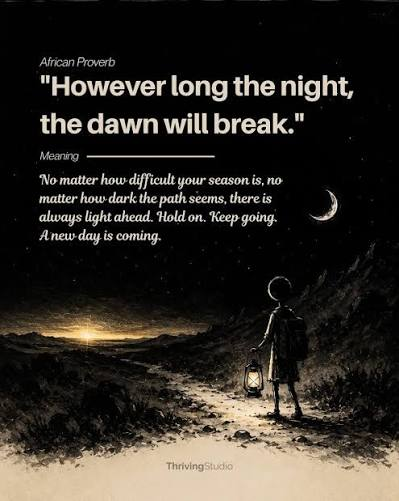
They wrongly believe they are pressing a “panic button,” but in truth they have foolishly pressed the self-destruction button. This is a blessing in disguise—for after the darkest night, dawn will surely come.
The Reality Behind “Democratization”
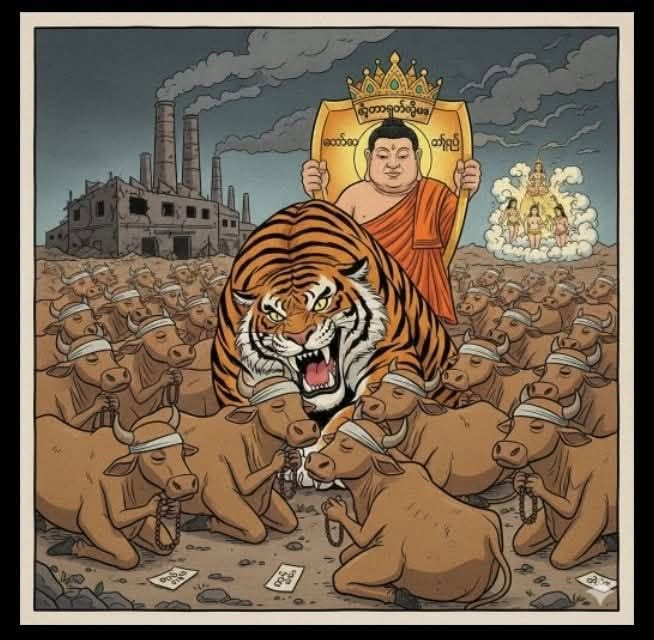
The world sees Myanmar’s democratization as slow but steady. Yet the truth is harsher: many Bamar elites never intended to build a genuine democracy. Their vision remains a Bamar Buddhist empire, lording over ethnic and religious minorities. They resist a level playing field because:
- Natural resources: Petroleum, gas, jade, and minerals lie in minority regions. Federal autonomy would reduce Bamar control.
- Economic competition: Equal rights for Burmese-Chinese, Muslims, and Rohingyas would challenge Bamar dominance.
- Religious freedom: Allowing Christians, Muslims, and Hindus full freedom would erode the privileged position of the majority.
- Entrenched Islamophobia: Hatred and suspicion of Muslims remain deeply rooted across political divides.
Silent Majorities and Shared Hopes
Beyond the loud voices of extremists, there exists a silent majority. Many ordinary citizens—on both sides of the revolution divide—long for peace and fairness. They may not openly challenge discrimination, but in their hearts they know that a democracy built on exclusion cannot endure.
This is why persuasion matters. Instead of harsh criticism, we can remind our friends and neighbors that true federalism means dignity for every community. It means no one should be forced to hide their identity, and no one should be treated as a guest in their own homeland.
Current Developments (2025–2026)
- Ko Ko Gyi, veteran 88 Generation leader, has called for a national unity government after the 2026 elections, warning that winner-takes-all politics will deepen conflict. Yet his own history of Rohingya exclusion reflects the contradictions of Myanmar’s democratization.
- The UN Human Rights Council (HRC61, February 2026) reported that Rohingyas remain trapped in statelessness, segregation, and persecution. Arbitrary arrests, forced recruitment, and denial of citizenship continue.
- Armed conflict has killed over 80,000 people since 2021, displaced 3.6 million, and left 16 million in humanitarian crisis. Both the military and the Arakan Army have targeted Rohingyas, blocking aid and worsening famine risks.
- The resignation of the Rohingya Deputy Minister from the NUG revealed the fragility of symbolic inclusion. Despite international pressure, Rohingyas were still referred to as “Bengali” and Muslims as “Kalar.” These words wound deeply, showing that prejudice remains entrenched even within opposition circles.
Lessons for the Future
- Symbolic inclusion: Appointments alone cannot erase prejudice; genuine acceptance must follow.
- Language matters: Respectful words are the first step toward healing.
- Federal democracy: Only by embracing diversity can Myanmar build a union strong enough to endure.
A Call for Reflection
The extremists tying “petrol-soaked cloths” to their own tails are burning down Myanmar’s future. If the international community enforces Responsibility to Protect (R2P) or if federal democracy emerges after the Spring Revolution, Myanmar could transform.
The path forward is not easy. But if the silent majority begins to speak softly, with courage and compassion, change will come. Myanmar’s future depends not only on political leaders but on ordinary citizens choosing respect over prejudice.