Today, five or six Myanmar Muslim organizations — along with several Rohingya groups — remain divided. They are not united, do not always cooperate, and at times work directly against one another, particularly on questions of how to relate to the military, the USDP, multiethnic peace coalitions, or hardline monastic movements like 969 and Ma Ba Tha.
Many ordinary Muslims watch this fragmentation with frustration, even anger. Their instinct is simple: if only we were united, standing together as one, it would surely be better for the community.
But this instinct may be wrong. For a minority living under military dictatorship, the absence of a single central command is not necessarily a weakness. It may, in fact, be the community’s greatest source of resilience — the strength of the starfish.
The Starfish Principle
The comparison comes from a well-known idea in organizational theory: the difference between a “spider” and a “starfish.” Cut off a spider’s head, and the spider dies — the whole organism depended on that one center of control. Cut off a starfish’s arm, however, and not only does the starfish survive — in many species, the severed arm can regenerate into an entirely new starfish. There is no head to target, because there is no single point of failure.
Now imagine the alternative: a single umbrella organization uniting all of Myanmar’s Muslims under one leader — a Muslim equivalent of Daw Aung San Suu Kyi and the NLD. On paper, this sounds powerful. In practice, it would hand the military dictatorship exactly what it needs: one visible leader, one office, one organization to pressure. Through the classic tools of “carrot and stick” — offers of legitimacy on one hand, arrest, intimidation, or violence on the other — the regime could isolate that leader and, in doing so, control the entire community at once. No individual, however principled, can indefinitely withstand that kind of coercion when the fate of an entire people rests on their shoulders alone.
A starfish structure works differently. Information can move outward from many points at once — leaked to Liberated Areas, to exile communities, to international media and human rights bodies. Many independent groups can then amplify that information and respond to it in parallel, rather than waiting for permission from a single center. When international pressure builds as a result, the dictatorship cannot simply punish “the” organization — because there isn’t one. There is no single mother ship to sink, only a fleet of independent vessels, each capable of acting, and each expendable without destroying the whole.
Arms on Every Side
Taken further, the starfish metaphor suggests something else: the community’s various “arms” need not all extend in the same direction. They can — and perhaps should — reach across the political divide simultaneously.
Muslims should not put all their eggs in one basket. That is a needless risk when the political situation itself is so unsettled and dangerous. Instead:
- Some align with the revolutionary camp — the NLD, the National Unity Government (NUG), the People’s Defence Forces (PDF), ethnic revolutionary organizations (EROs), the underground resistance, or the Civil Disobedience Movement (CDM).
- Some remain engaged with the military, the USDP, government service, or even Ma Ba Tha-affiliated networks — not necessarily out of loyalty, but to preserve channels of communication, protect local communities, and maintain a presence within structures that will not disappear overnight.
- Some stay neutral, avoiding entanglement with any single faction.
- Others work through NGOs and humanitarian organizations, focused on relief and survival rather than politics at all.
This is not necessarily a symptom of disunity. It can be read instead as a form of distributed risk management — the community maintaining relationships and options across every possible outcome of Myanmar’s political future, so that whichever side eventually prevails, Muslim communities are not left with no seat at the table.
What Must Still Bind the Arms Together
None of this means “anything goes.” A starfish without any shared identity is not a strategy — it is simply fragmentation. For this approach to work, every arm of the community, regardless of which political current it swims in, must still be held together by some shared thread: a basic spirit of Islamic brotherhood and a shared commitment to the wellbeing of Muslims in Myanmar.
And that shared thread must include firm, non-negotiable limits:
- No terrorism. Muslim organizations, in whatever form and wherever positioned politically, must never resort to methods that harm other races or religions. A community fighting for its own dignity and safety cannot claim that cause while inflicting the same harms on others that have been inflicted upon it.
- No ties to terrorist financing or training. Association with, or support from, extremist or terrorist organizations — regardless of how tempting outside help might seem in moments of desperation — would discredit the entire community’s legitimate struggle and hand the regime a propaganda weapon it does not currently possess.
- Genuine interaction across lines of difference. Each group, depending on its own position and political alignment, must actively engage and cooperate with people of other ethnicities and faiths standing on the same side of the divide. Isolation — even well-intentioned, protective isolation — weakens the very alliances that a minority community needs most.
Conclusion
Disunity, viewed one way, looks like weakness. Viewed another way — through the lens of the starfish — it can look like insurance. A single, centralized Muslim organization in Myanmar would be easier to praise, easier to rally behind, and immeasurably easier for a military dictatorship to crush. A distributed network of groups, each pursuing its own path but bound by a shared ethical floor — no terrorism, no extremist funding, and genuine cooperation with allies across the political spectrum — may ultimately prove far harder to defeat, and far more resilient in securing a future for Myanmar’s Muslims, whichever way the country’s long struggle finally turns.
Hla Soewai
sdnSotroeptt0t20l1sMmit4PY8 4742ta231 mde1lfhaf72yg: 9rie6i2 ·
ရေလက်ဝါး နှင့် ပင့်ကူ
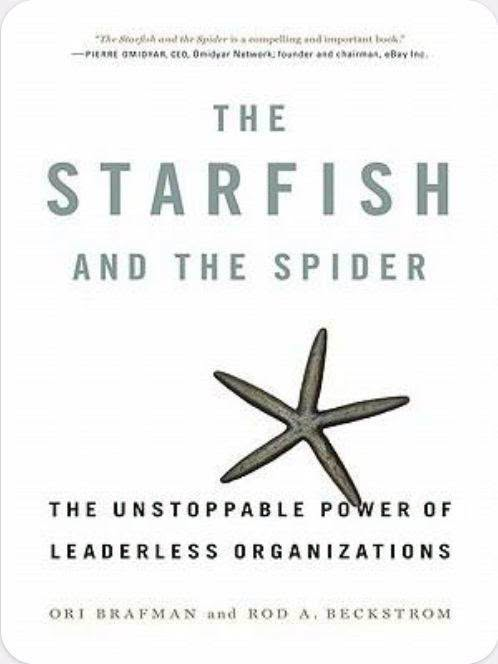
The Starfish And The Spider by Ori Brafman and Rod Beckstrom
အဓိက အိုင်ဒီယာ
သဘာဝကမ္ဘာတွင် ပင့်ကူတကောင်၏ ခေါင်းကို ဖြတ်ပစ်လိုက်ပါက ယင်းသတ္တဝါ သေဆုံးသွားမည်ဖြစ်သည်။ သို့သော် ရေလက်ဝါး (starfish) နှင့် မူ ကွာခြား ပေသည်။ ၎င်း၏ ခြေထောက်တချောင်းကို ဖြတ်လိုက်ပါက ရေလက်ဝါးတွင် ခြေထောက်အသစ် တချောင်း ပြန်ပေါက်လာစေရုံသာမက၊ ဖြတ်ခံလိုက်ရသည့် ထိုခြေထောက် ကိုယ်တိုင်ကလည်း လုံးဝအသစ်စက်စက် ရေလက်ဝါး အဖြစ်သို့ ပြောင်းလဲရှင်သန် ကြီးထွားလာမည်ဖြစ်သည်။
ဤဖြစ်ရပ်မျိုးသည် ယခုအခါ စီးပွားရေးလောကတွင်လည်း ပေါ်ထွက်လာနေပြီ ဖြစ်သည်။ သမိုင်းကြောင်းအရ ကုမ္ပဏီအများစုမှာ “ပင့်ကူများ” နှင့် ပိုမိုဆင်တူကြသည်— ၎င်းတို့တွင် တောင့်တင်းခိုင်မာသော အထက်အောက် အဆင့်ဆင့် အုပ်ချုပ်မှုစနစ် (Hierarchies)၊ တာဝန်ယူဆုံးဖြတ်ပေးမည့်သူ ဦးဆောင်သည့် အထက်မှအောက်သို့ အမိန့်ပေးကွပ်ကဲသည့် ခေါင်းဆောင်မှုစနစ် (Top-down leadership) နှင့် ကောင်းစွာ ရေးဆွဲ သတ်မှတ်ထားသော ကော်ပိုရိတ်ဖွဲ့စည်းပုံတို့ ရှိကြသည်။
သို့သော် ထင်ရှားသည့် ကုမ္ပဏီအချို့ကမူ “ရေလက်ဝါး ” ပုံစံအတိုင်း ဖွဲ့စည်းလာကြသည်— ၎င်းတို့မှာ တောင့်တင်းခိုင်မာသော အဆင့်ဆင့် အုပ်ချုပ်မှုစနစ် သို့မဟုတ် သမားရိုးကျ စီးပွားရေးလုပ်ငန်းများ၏ အခြားသော အသွင်အပြင်များ မရှိဘဲ ခေါင်းဆောင်မရှိသော အဖွဲ့အစည်းများ ဖြစ်ကြသည်။
ဤရေလက်ဝါး ပုံစံ စီးပွားရေးလုပ်ငန်းအသစ်များသည် စက်မှုလုပ်ငန်း တခုပြီးတခုအပေါ် သက်ရောက်လာနေသော ၎င်းတို့၏ ရိုက်ခတ်မှုများကြောင့် အရှိန်အဟုန်နှင့် အာဏာစက် ပိုမိုကြီးမားလာနေကြသည်။ မည်သည့် ပြိုင်ဆိုင်မှုမျိုးတွင်မဆို ရေလက်ဝါး အဖွဲ့အစည်းများသည် ရိုးရာပင့်ကူပုံစံ အဖွဲ့အစည်းများကို အမြဲတမ်း အသာစီးရရှိလေ့ရှိပြီး — များသောအားဖြင့် စျေးကွက်ကို လက်ဝါးကြီးအုပ်ထားသူများအတွက် ဆိုးရွားပြင်းထန်သော ရလဒ်များကို ဖြစ်ပေါ်စေတတ်သည်။
သဘာဝတရားထဲတွင် မျိုးစိတ်များ ရှင်သန်တိုးတက်ရန်အတွက် ဆက်လက်တိုးတက်ပြောင်းလဲနေရန် လိုအပ်သကဲ့သို့ပင် စီးပွားရေးလောကတွင် တက်ကြွလှုပ်ရှားသော အနာဂတ်တခုကို ပိုင်ဆိုင်ရန်အတွက် အဓိကသော့ချက်မှာ တည်ထောင်ပြီးသား ကုမ္ပဏီများအနေဖြင့် ရေလက်ဝါး စီးပွားရေးသဘောတရားအချို့ကို မိမိတို့၏ စီးပွားရေးအတွေးအခေါ်ထဲသို့ စတင်ထည့်သွင်းလာကြရန်ပင် ဖြစ်သည်။
အကယ်၍သာ သင်သည် အကောင်းဆုံးသော ပင့်ကူ၏ လက္ခဏာရပ်များကို ရယူထားပြီး ရေလက်ဝါး ၏ ထိရောက်သော သဘောတရားအချို့ကိုလည်း ရောနှောပါဝင်စေမည့် ပေါင်းစပ်စီးပွားရေးအဖွဲ့အစည်းတခုကို ဖန်တီးနိုင်မည်ဆိုပါက အနာဂတ်အတွက် သင့်အား အသာစီးရရှိစေမည့် ကြံ့ခိုင်ကောင်းမွန်သော စီးပွားရေးမဟာဗျူဟာတခုကို ဖော်ထုတ်နိုင်မည်ဖြစ်သည်။
အဓိကကျသည့် အချက်မှာ မိမိကိုယ်တိုင် မျိုးတုံးပျောက်ကွယ်သွားမည့်အရေးကို စိုးရိမ်နေရမည့်အစား အချိန်နှင့်အညီ ပြောင်းလဲရှင်သန်အောင် လုပ်ဆောင်ရန်ပင် ဖြစ်သည်။ “ဤအရာသည် အထက်လူကြီး သို့မဟုတ် ဦးဆောင်သူ တဦးတယောက်မှ မရှိတော့သည့်အခါ ဘာတွေဖြစ်လာတတ်သလဲ ဆိုသည့်အကြောင်း ဖြစ်ပါသည်။
အာဏာစနစ် သို့မဟုတ် အဆင့်ဆင့်အုပ်ချုပ်ရေး မရှိတော့သည့်အခါမျိုးတွင် မည်သို့ဖြစ်မည်ကို တွေးကြည့်မည်ဆိုလျှင် မငြိမ်မသက်မှုများနှင့် ရှုပ်ထွေးချို့ယွင်းမှုများ ပင် ဖြစ်ပေါ်လာမည်ဟု ထင်ရပေလိမ့်မည်။
သို့သော် နယ်ပယ်အသီးသီးတွင် အစဉ်အလာ ခေါင်းဆောင်မှု ကင်းမဲ့သွားခြင်းက လုပ်ငန်းနယ်ပယ်များနှင့် လူ့အဖွဲ့အစည်းကို ပြောင်းပြန်လှန်ပစ်နိုင်သည့် အင်အားကြီးမားသော အုပ်စုအသစ်များကို ပေါ်ထွက်လာစေသည်။
အတိုချုပ်ဆိုရသော် ကျွန်ုပ်တို့၏ ပတ်ဝန်းကျင်တွင် တော်လှန်ရေးကြီးတခု ဖြစ်ပေါ်နေပြီ ဖြစ်သည်။ ဤစွမ်းအားကို ဆန့်ကျင်တိုက်ခိုက်လေလေ၊ ပို၍ပင် ကြီးမားအားကောင်းလာလေလေ ဖြစ်သည်။ ၎င်းကို ရှုပ်ထွေးလှသည်ဟု ထင်မြင်လေလေ၊ ပို၍ကြံ့ခိုင်ခံ့နိုင်စွမ်း ရှိလာလေလေ ဖြစ်သည်။ ၎င်းကို ထိန်းချုပ်ရန် ကြိုးပမ်းလေလေ၊ ပို၍ခန့်မှန်းရခက်လာလေလေ ဖြစ်သည်။
ဗဟိုချုပ်ကိုင်မှု လျှော့ချခြင်း သဘောတရားသည် လွန်ခဲ့သော နှစ်ပေါင်း ထောင် နှင့် ချီကတည်းက တည်ရှိနေခဲ့ခြင်း ဖြစ်သည်။ သို့သော် အင်တာနက် ပေါ်ထွက်လာခြင်းက ဤစွမ်းအားကို လွတ်မြောက်လာစေခဲ့ပြီး ရိုးရာစီးပွားရေးလုပ်ငန်းများကို ပြိုလဲစေခြင်း၊ စက်မှုလုပ်ငန်းတခုလုံးကို ပြောင်းလဲပစ်ခြင်း၊ ကျွန်ုပ်တို့အချင်းချင်း ဆက်ဆံပုံကို သက်ရောက်မှုရှိစေခြင်းနှင့် ကမ္ဘာ့နိုင်ငံရေးကို လွှမ်းမိုးလာစေခြင်းတို့ ဖြစ်ပေါ်စေခဲ့သည်။ တည်ဆောက်ပုံ၊ ခေါင်းဆောင်မှုနှင့် တရားဝင်အဖွဲ့အစည်း ကင်းမဲ့နေခြင်းသည်ပင်လျှင် ကစားပွဲ၏ စည်းမျဉ်းစည်းကမ်းများ ပြောင်းလဲပစ် နိုင်စွမ်း ရှိသည့် အဓိက အားသာချက်တစ်ခု ဖြစ်လာခဲ့ပြီ ဖြစ်သည်။ ” – အိုရီ ဘရာ့ဖ်မန် နှင့် ရော့ ဘက်စထရွမ်