By Dr. Abdul Rahman Zafrudin @ Ko Ko Gyi (MMNN English Editor)
(Based on an original Burmese article by Chan Ko Win, with additional analysis and commentary.)
Myanmar has experienced almost continuous political conflict since independence in 1948. Coups, revolutions, armed resistance, ethnic conflicts, authoritarian governments, and repeated cycles of violence have become tragic features of our national history.
Many political, military, ethnic, and economic factors have contributed to this long crisis. Yet beneath these visible causes lies a deeper problem that is rarely discussed:
Myanmar has never successfully developed a strong culture of dialogue.
Instead of solving disagreements through consultation, negotiation, compromise, and consensus, we have repeatedly relied on force, coercion, and military victory.
As a result, one revolution gives birth to another, one coup invites another resistance, and one generation simply inherits the conflicts of the previous generation.
After nearly eighty years, there are no true winners—only millions of ordinary people who continue to suffer.
Why Has Dialogue Been So Weak?
The original Burmese article identifies four major historical reasons.
1. A Deeply Entrenched Hierarchical Culture
For centuries Myanmar society was organized around unquestioned authority.
Within many families, fathers made final decisions without discussion. Children were expected to obey rather than express independent opinions.
Similarly, under successive monarchies, consultation rarely extended beyond the royal court. Even when councils existed, they generally served to implement the king’s wishes rather than represent the people.
This long tradition produced a political culture where:
- authority speaks,
- subordinates obey,
- disagreement is viewed as disrespect.
Such habits do not disappear overnight. They continue to influence politics today.
2. A Memorization-Based Education System
Myanmar historically achieved impressive literacy rates.
However, education emphasized memorization rather than critical thinking.
Students learned to repeat correct answers instead of asking difficult questions.
This approach produced generations skilled at recalling information but less accustomed to constructive debate, evidence-based reasoning, or challenging assumptions respectfully.
Critical thinking is not the enemy of tradition.
Rather, it strengthens wisdom by testing ideas against truth.
3. Viewing Different Opinions as Enemies
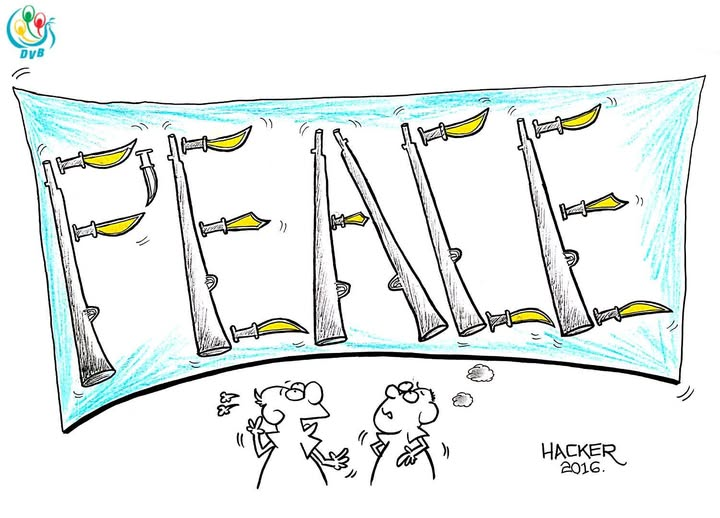
Perhaps the most destructive habit is equating disagreement with disloyalty.
Too often our political culture has followed this logic:
“If you disagree with me, you are against me.”
Instead of seeing opponents as fellow citizens with different perspectives, they become enemies to be defeated.
This mentality has appeared across Myanmar’s political spectrum at different times and under different governments.
Whenever any group believes:
- “Only we are right,”
- “Only we represent the nation,”
- “Everyone else is a traitor,”
dialogue becomes impossible.
Violence then replaces discussion.
4. Generations of Political Repression
Successive governments have often restricted freedom of expression, independent media, civil society, and open political debate.
Fear discourages honest discussion.
Without opportunities for peaceful disagreement, frustration accumulates until it eventually explodes into conflict.
This creates a vicious cycle:
Authoritarianism → resentment → resistance → military response → deeper polarization → renewed conflict.
Breaking this cycle requires rebuilding trust—not merely changing governments.
Dialogue Begins at Home
Dialogue is not only something presidents, generals, or political leaders should practice.
It begins:
- between husband and wife,
- between parents and children,
- between teachers and students,
- between neighbours,
- within religious communities,
- inside political parties,
- and throughout civil society.
A nation that cannot discuss peacefully within families will struggle to negotiate peacefully between armies.
Healthy democratic culture grows from the bottom upward—not merely from the top downward.
The Buddha’s Teaching on National Prosperity
The importance of consultation is deeply rooted in Buddhist teachings.
In the Mahāparinibbāna Sutta (Dīgha Nikāya 16), the Buddha described the Seven Conditions of Welfare (Aparihāniya Dhamma) for the Vajji Confederacy.
Among these principles were:
- meeting together frequently;
- assembling in harmony;
- conducting public affairs through unity and consultation.
The Buddha taught that as long as these principles were maintained, the Vajjis would prosper rather than decline.
These teachings remain remarkably relevant for modern democratic governance.
Islamic Teachings: Shūrā (Mutual Consultation)
Islam also places consultation at the heart of good governance.
The Qur’an praises believers:
“Their affairs are conducted by mutual consultation (shūrā).”
(Qur’an 42:38)
Allah also instructed Prophet Muhammad ﷺ:
“…consult them in matters. Then when you have decided, place your trust in Allah.”
(Qur’an 3:159)
Shūrā encourages:
- sincere advice,
- active listening,
- respectful disagreement,
- consultation with knowledgeable people,
- seeking the common good,
- and accepting consensus even when it differs from one’s personal preference.
Leadership in Islam is therefore balanced by accountability rather than arbitrary power.
Dialogue in Other Religious Traditions
The value of consultation is shared across the world’s major faiths.
Judaism
The Book of Proverbs teaches:
“Plans fail for lack of counsel, but with many advisers they succeed.”
(Proverbs 15:22)
Rabbinic Judaism developed centuries of respectful debate through the Talmud, demonstrating that differing opinions can be a path toward truth.
Christianity
Jesus taught peaceful conflict resolution through direct dialogue (Matthew 18:15).
The early Church resolved major disagreements through consultation at the Council of Jerusalem (Acts 15), where apostles debated openly before reaching consensus.
Hinduism
Some of Hinduism’s greatest scriptures are themselves dialogues.
The Bhagavad Gita is a conversation between Lord Krishna and Arjuna, illustrating that sincere questioning is essential in the search for wisdom.
Ancient Hindu political traditions also emphasized kings consulting ministers and advisers before making important decisions.
Dialogue Is a Universal Human Value
These remarkable similarities remind us that consultation is not merely a Western democratic concept.
It is a timeless human principle shared by Buddhism, Islam, Judaism, Christianity, Hinduism, and many other traditions.
Civilizations flourish not because everyone thinks alike, but because they know how to disagree without destroying one another.
Myanmar Needs a New Political Culture
Military victories rarely eliminate political grievances.
Revolutions alone cannot erase distrust.
Constitutions cannot survive without mutual confidence.
Peace agreements cannot last without public participation.
Myanmar’s future therefore depends less on who wins the next battle than on whether we can finally learn to listen to one another.
Our Proposal: The Five Cs Peace Framework
MMNN respectfully proposes that all stakeholders—including the State Administration Council (SAC), the National Unity Government (NUG), Ethnic Resistance Organizations (EROs), People’s Defence Forces (PDFs), registered political parties, religious leaders, civil society, women, youth, and representatives of all ethnic and religious communities—consider adopting the following framework:
1. Ceasefire
An immediate nationwide ceasefire monitored by impartial observers acceptable to all parties, allowing humanitarian assistance to reach civilians and creating the conditions necessary for dialogue.
2. Conciliation
Professional mediation supported by trusted national, regional, and international partners to reduce hostility, narrow differences, and encourage practical compromise.
3. Consensus
Inclusive political dialogue involving every major stakeholder in Myanmar’s future. Durable peace cannot be achieved by excluding any significant political or ethnic actor.
4. Constitution
Agreement on constitutional reforms establishing a genuine federal democratic union based on equal citizenship, minority rights, judicial independence, the rule of law, accountable civilian institutions, and shared national ownership.
5. Confidence
Rebuilding trust through humanitarian assistance, reconstruction, economic recovery, security sector reform, voluntary return of internally displaced persons and refugees, national reconciliation, transitional justice where appropriate, and eventually free and fair elections under credible domestic and international observation.
A Transitional National Consensus Government
To implement these objectives, Myanmar should seriously consider establishing a Transitional National Consensus Government (TNCG) with a clearly defined and time-limited mandate.
Such a transitional administration could oversee:
- implementation of the ceasefire,
- constitutional negotiations,
- humanitarian coordination,
- institutional reforms,
- confidence-building measures,
- and preparations for genuinely free and fair elections.
Its legitimacy would derive not from military victory or revolutionary success alone, but from broad national consensus.
Conclusion
Myanmar has spent nearly eight decades trying to solve political problems through armed struggle.
History has demonstrated that no side has been able to achieve a complete or lasting victory.
The greatest victory now would not be defeating one another.
It would be defeating hatred, fear, mistrust, and the culture of refusing to listen.
If dialogue becomes our new national habit—from our homes and schools to our religious institutions and political leadership—Myanmar can finally break the cycle of coups, revolutions, and civil war.
May all parties find the courage to replace bullets with dialogue, vengeance with reconciliation, and division with unity.
Only then can Myanmar become a peaceful, democratic, federal Union where every citizen—regardless of ethnicity, religion, or political belief—can live together with justice, dignity, and hope.
“Peace is not achieved when one side silences the other. Peace begins when every side is finally willing to listen.”
Four Corners – လေးမျက်နှာ
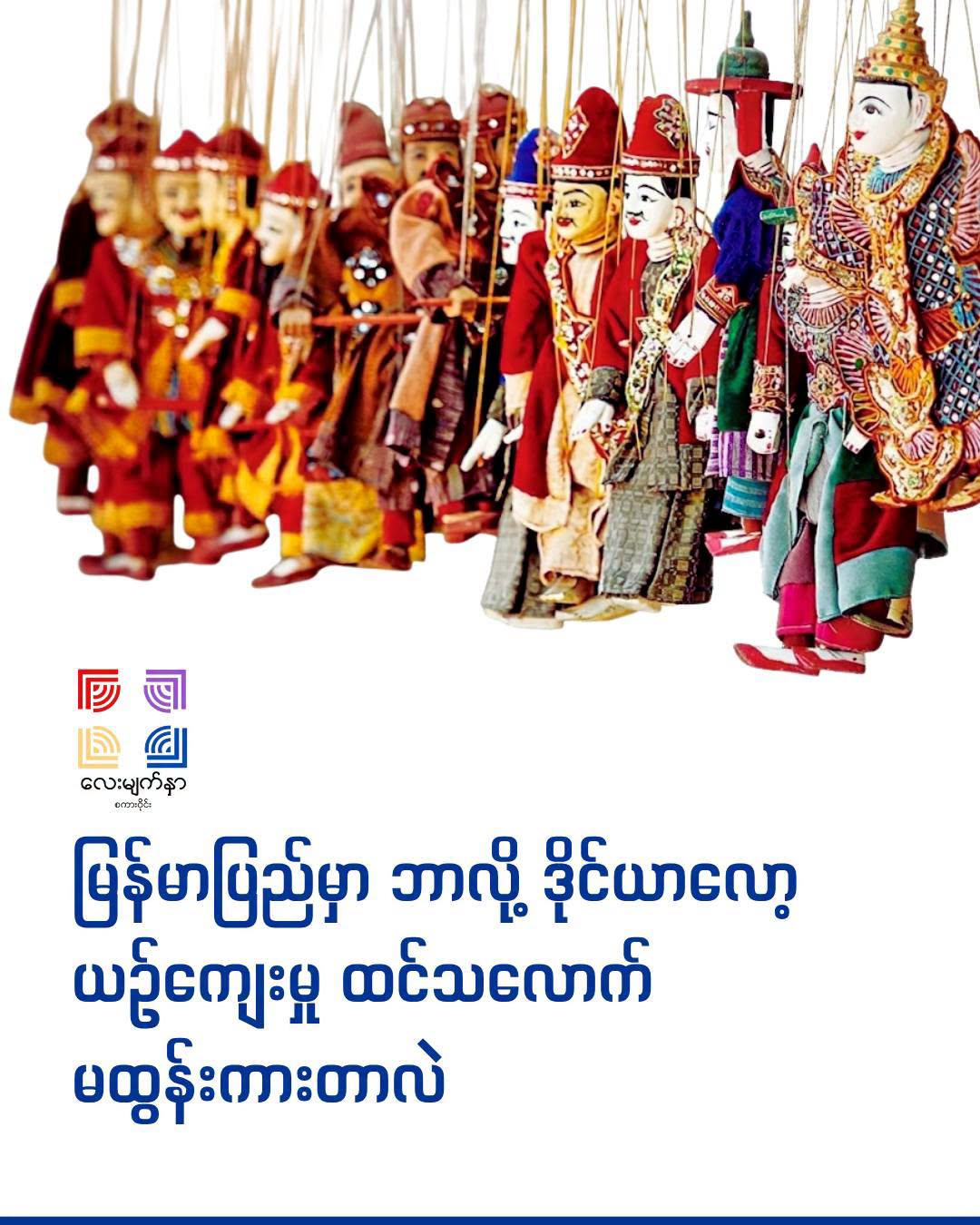
မြန်မာပြည်မှာ ဘာလို့ ဒိုင်ယာလော့ယဉ်ကျေးမှု ထင်သလောက် မထွန်းကားတာလဲ
ဒိုင်ယာလော့ယဉ်ကျေးမှုဟာ လူ့အဖွဲ့အစည်းတစ်ခုအတွက် အင်မတန်လိုအပ်တဲ့ ယဉ်ကျေးမှုတစ်ရပ်လို့ ဆိုနိုင်ပါတယ်။ ဒါပေမဲ့ မြန်မာနိုင်ငံရဲ့ သမိုင်းကြောင်းကို ပြန်ကြည့်ရင်တော့ ဒိုင်ယာလော့ယဉ်ကျေးမှုဟာ ခေတ်အဆက်ဆက် အားနည်းခဲ့ပြီး မရှိသလောက် ဖြစ်ခဲ့တာကို တွေ့ရမှာပါ။ ဒါကြောင့်မို့လို့လည်း ဒီနေ့ဒီအချိန်အထိ အပြန်အလှန် ဆွေးနွေးမှုထက် လက်ရုံးအားကိုးတဲ့ ဗိုလ်ကျစိုးမိုးရေးဝါဒတွေ အားကောင်းနေတာ ဖြစ်ပါတယ်။ ဒီတော့ ဒိုင်ယာလော့ယဉ်ကျေးမှု မထွန်းကားမီ ဒီယဉ်ကျေးမှုကို တားဆီးပိတ်ပင်နေတဲ့ သမိုင်းနဲ့ချီတဲ့ အခြေခံအကြောင်းတရားတွေ ရှိနေမလားဆိုတာကို ဉာဏ်မှီသမျှ စဉ်းစားဆွေးနွေးကြည့်ချင်ပါတယ်။ ဒါတွေကတော့ –
၁။အထက်အောက် ယဉ်ကျေးမှု ကြီးစိုးတာ
၂။ အလွတ်ကျက် ပညာရေးစနစ် အားကောင်းတာ
၃။အမြင်မတူမှုကို ရန်သူဟု သတ်မှတ်တာ
၄၊။သမိုင်းနဲ့ချီတဲ့ နိုင်ငံရေးနှင့်ဖိနှိပ်မှုတွေ အားကောင်းတာတွေဖြစ်ပါတယ်။
ပထမဦးဆုံးတစ်ချက်ကို ပြောရရင် သမိုင်းစဉ်တစ်လျှောက်မှာ ဖိုဝါဒ ကြီးစိုးချင်တဲ့အတွက် အိမ်ထောင်စုတစ်ခုမှာ အဖေဟာ အပြီးသတ် ဆုံးဖြတ်ချက်ချနိုင်သူ ဖြစ်ခဲ့ပြီး အဖေပြောသမျှကိုပဲ နာခံရမယ်ဆိုတဲ့ အလေ့အထကြောင့် သားသမီးတွေနဲ့ ဇနီးဖြစ်သူတို့မှာ ပြန်ပြောခွင့် မရှိခဲ့ပါဘူး။ ဒီလို ဖိုဝါဒကြီးစိုးမှုဟာ ဒီအသေစား (ပုံသေကားကျ) လူမှုဖွဲ့စည်းပုံစံမှာ ကြီးစိုးနေခဲ့တာ နှစ်ထောင်ချီခဲ့သလို၊ အကျယ်စား နိုင်ငံရေးအဖွဲ့အစည်းပုံစံမှာလည်း အဲံဒီခေတ် နိုင်ငံအများစု နည်းတူ လွှတ်တော်နိုင်ငံရေးထက် တသွေး၊ တသံ၊ တမိန့် ဘုရင့်အာဏာကို နာခံရတဲ့စနစ်က ၁၉ ရာစုအထိ ရှိနေခဲ့တာပါ။ ပုဂံခေတ်မှာ လွှတ်တော်စနစ် ပေါ်ပေါက်ခဲ့တယ်ဆိုပေမဲ့ ဒါဟာ မင်းမျိုးမင်းနွယ် အချင်းချင်း တိုင်ပင်တဲ့ သဘောလောက်သာ ဖြစ်ပြီး၊ ကုန်းဘောင်ခေတ် လွှတ်တော်ဆိုတာကလည်း ပြည်သူလူထုအတွက် အလုပ်လုပ်ပြီး တိုင်းပြည်ရေးရာတွေကို ဆုံးဖြတ်ချက်ချ ဥပဒေပြုတာထက် ဘုရင် အမိန့်ချသမျှ ဘုရင့်အလိုကျကို အကောင်အထည်ဖော်ရတဲ့ ဗျူရိုကရေစီ ယန္တရားပုံစံသာ ဖြစ်ပါတယ်။ ဒါကို နှစ်ထောင်စုနဲ့ချီပြီး ခံစားခဲ့ရတဲ့နောက်မှာတော့ အပြန်အလှန် ဆွေးနွေးခြင်းထက် အထက်အောက် စကားပြောရမယ်ဆိုတဲ့ အသိတရား၊ အထက်ကပြောသမျှ အောက်ကလူက နာခံရမယ်ဆိုတဲ့ အသိစိတ်က မျိုးဆက်နဲ့ချီပြီး စွဲမြဲသွားပါတော့တယ်။
မြန်မာ့စကားပုံအရ “ကြီးသူကိုရိုသေ၊ ရွယ်တူကိုလေးစား၊ ငယ်သူကိုသနား” ဆိုတဲ့ ယဉ်ကျေးမှု ရှိပေမဲ့၊ ဒီယဉ်ကျေးမှုမှာ လေးစားမှုဆိုတာ အသက်အရွယ်အရဖြစ်စေ၊ လူမှုအဆင့်အတန်းအရဖြစ်စေ ကိုယ့်ထက် အထက်ကလူတွေနဲ့တန်းတူလူတွေအပေါ်မှာပဲ သက်ရောက်ပြီး ကိုယ့်ထက်ငယ်တဲ့သူတွေအပေါ်မှာတော့ အထက်စည်းကနေပြီး “သနား” ရတဲ့ ပုံစံမျိုး ဖြစ်သွားပါတယ်။ ငယ်တဲ့သူတွေကို အရေးတယူနဲ့ အတူတူ ဆွေးနွေးရမယ့် အုပ်စုအဖြစ် မမြင်တော့ပါဘူး။ “ကြီးသူကိုရိုသေ” ဆိုတဲ့ နေရာမှာလည်း အသက်ကြီးတာနဲ့အမျှ လူမှုအဖွဲ့အစည်းမှာ ကိုယ့်ထက်ကြီးတဲ့သူတွေရဲ့ စကားကို တသွေမတိမ်း လိုက်နာရမယ်ဆိုတဲ့ အထက်အောက်ကြီးစိုးမှု အော်တိုကရေစီ (Autocracy) ယန္တရားကို အခြေခံကျကျ အမြစ်ခိုင်ခိုင် ဖြစ်ပေါ်လာစေခဲ့တာ အကြောင်းရင်းတစ်ခု ဖြစ်ပါတယ်။
ဒုတိယတစ်ချက်ဖြစ်တဲ့ အလွတ်ကျက်ပညာရေးစနစ် အားကောင်းတဲ့အကြောင်းကို ပြောရရင်လည်း မြန်မာနိုင်ငံရဲ့ ပညာရေးမှာ စာတတ်တဲ့သူ အရေအတွက် သမိုင်းနဲ့ချီပြီး များပြားခဲ့တယ်ဆိုတာ အနောက်တိုင်းက ပုဂ္ဂိုလ်တွေ မြန်မာနိုင်ငံကို စတင်ရောက်ရှိလာတဲ့အချိန်မှာ ရေးသားခဲ့ကြတဲ့ မှတ်တမ်းတွေအရ ငြင်းမရတဲ့ အချက်ပါပဲ။ သို့သော်လည်း “ကြောင်ပုစွန်စား ကျွတ်ကျွတ်ဝါး” သလိုမျိုး စာကို အလွတ်ရနေရမယ်ဆိုတဲ့ စနစ်နဲ့ပဲ သွားခဲ့တယ်ဆိုတဲ့ အချက်က အဓိက ဖြစ်ပါတယ်။
ဗုဒ္ဓဝါဒမှာ ဗုဒ္ဓကိုယ်တိုင် ဟောကြားခဲ့တဲ့ မသိတာတွေကို ဆရာ၊ တပည့်အချင်းချင်း ဆွေးနွေးကြရတာဟာ လုပ်သင့်လုပ်ထိုက်တဲ့ အပြုအမူဆိုပြီး တရားတော်ထဲမှာ ရှိနေပေမဲ့လည်း၊ တစ်ဖက်မှာ ပါဠိလိုမျိုး တရားတော်တွေကို “၏၊ သည်” မရွေ့ မှန်ကန်အောင် နှုတ်ထွက်ဆောင်ထားရမယ်၊ သင်အံထားရမယ်ဆိုတဲ့ စနစ်ကြောင့် Critical Thinking (ဝေဖန်ပိုင်းခြား စဉ်းစားနိုင်စွမ်း) အားနည်းခဲ့ပါတယ်။ ဒါဟာ ဘုရင့်လက်ထက်မှာ ပြောစရာ သိပ်ကိစ္စမရှိပေမဲ့ လွတ်လပ်ရေးရပြီး ခေတ်ပညာရေးစနစ်မှာပါ ရာစုနှစ်တစ်ခုနီးပါး ကြာလာတဲ့အထိ ဒီစနစ်ကြီး ကြီးစိုးနေတာတွေဟာ ဝေဖန်သုံးသပ်မှုထက် တစ်ဖက်ပိတ် (ငါသိတာကိုသာ အမှန်ထင်တဲ့) စနစ် အခြေခံစိတ်ဓာတ်ကို ရိုက်သွင်းပေးသလို ဖြစ်ခဲ့ပါတယ်။ ဒါကြောင့် တယူသန် တစ်ဇွတ်ထိုး ခေါင်းမာဂိုဏ်းသားတွေကို စက်ရုံကနေထုတ်သလိုမျိုး မျိုးဆက်နဲ့ချီပြီး အများအပြား ထုတ်လုပ်ပေးခဲ့တာလည်း ပါဝင်ပါတယ်။
ဒီလို တယူသန် တစ်ဖက်ပိတ်အခြေနေတွေကြောင့်ပဲ သူ့အမြင်၊ ကိုယ့်အမြင် ဖလှယ်ပြီး ဆွေးနွေးရမယ့် အနေအထားတွေကနေ “ငါပြောတာအမှန်၊ ငါနဲ့တူတဲ့သူကသာအမှန်၊ ငါတို့ကမှန်တယ်” ဆိုပြီး အုပ်စုစိတ်နဲ့ လူမှုအကွဲအပြဲတွေ အများအပြား ကွဲပြားသွားစေပါတယ်။ အမှန်တရားဆိုတာကို ယထာဘူတ ဓမ္မဓိဋ္ဌာန်ကျကျ မမြင်ဘဲ ငါဆိုတဲ့ အတ္တနဲ့ တွဲမြင်တဲ့ အလေ့အကျင့်ဆိုး ဖြစ်ပေါ်လာစေပြီး၊ အပြန်အလှန် ဆွေးနွေးတဲ့ ဒိုင်ယာလော့စနစ်ကို ပြတ်သုန်းသွားစေပါတော့တယ်။
ဒီလို လူမှုရေး၊ နိုင်ငံရေး အခြေခံစနစ်တွေနဲ့ အလွတ်ကျက် ပညာရေးစနစ်ဆိုးတွေကြောင့် တတိယအချက်ဖြစ်တဲ့ “ငါနဲ့မတူ ရန်သူ၊ အမြင်မတူရင် ငါ့လူမဟုတ်၊ ငါ့လူမဟုတ်ရင် ငါ့ရန်သူဖြစ်လို့ တိုက်ရမယ်” ဆိုတဲ့ ရန်လိုစိတ်တွေပါ ကြီးထွားလာရပါတယ်။ ဒါကြောင့် ကိုယ့်စိတ်တိုင်းမကျတာနဲ့ တစ်ဖက်လူကို အုပ်စုဖွဲ့ တိုက်ခိုက်တာ၊ “ငါတို့ကမှန်တယ်၊ သူတို့ကမှားတယ်၊ မှားတဲ့သူတွေကို အမြစ်ဖြတ် ဆုံးမဖို့ ငါ့တို့တာဝန်ရှိတယ်” ဆိုပြီး ကြောင်သူတော်ဝါဒ (Hypocrisy) နဲ့ ပြဿနာတစ်ခုကို ရင်ဆိုင်တာတွေ ဖြစ်ပေါ်စေပါတယ်။ ဒီတော့ ရလဒ်အနေနဲ့ အချင်းချင်း ဒိုင်ယာလော့ (Dialogue) မလုပ်နိုင်တော့ဘဲ၊ ရန်လိုတိုက်ခိုက်ခြင်း၊ မယဉ်ကျေးစွာ ငြင်းခုံခြင်းတွေနဲ့ပဲ ပရိပက္ခသံသရာ အဆက်ဆက် လည်သွားစေပါတော့တယ်။
ဒီလိုမျိုး “ငါနဲ့မတူ ရန်သူ” ဆိုပြီး တစ်ဖက်ကို ဖိနှိပ်တဲ့ အခြေခံလူ့အဖွဲ့အစည်း ပုံစံငယ်တွေ (Micro-level) မှာ ကြီးစိုးလာတာနဲ့အမျှ၊ အစိုးရလိုမျိုး လူမှုအဆောက်အအုံကြီးတွေ (Macro-level) မှာပါ ဒီစိတ်ဓာတ်က လွှမ်းမိုးသွားပါတော့တယ်။ ရလဒ်အနေနဲ့ ခေတ်အဆက်ဆက် ဖိနှိပ်မှုတွေ၊ နိုင်ငံရေးအတိုက်အခံတွေ၊ အမြင်မတူတဲ့ နိုင်ငံရေးသမားတွေနဲ့ အခြားအုပ်စုတွေကို “ငါတို့ကသာ တိုင်းပြည်နဲ့ လူမျိုးအတွက် အမှန်ကန်ဆုံး လုပ်နေတာ၊ တစ်ဖက်လူတွေက ဖျက်ဆီးသူတွေ” ဆိုပြီး စာရိတ္တပိုင်းအရ အထက်စီးယူပြီး (Moral High Ground ပြုလုပ်ပြီး) ဖိနှိပ်တာတွေ လုပ်ဆောင်ကာ ၎င်းတို့ရဲ့ အသံတွေကို ပါးစပ်ပိတ် ဖျောက်ဖျက်ပစ်လိုက်ခွင့်ရသွားကြပါတော့တယ်။
ဒီလို အားလုံးပါဝင်နိုင်တဲ့ ဒိုင်ယာလော့ (Inclusive Dialogue) တွေ မလုပ်ဆောင်နိုင်တာနဲ့အမျှ လက်သင့်ရာစားတဲ့ (Cronyism/Nepotism) ဝါဒ၊ ငါနဲ့ ငါ့အသိုင်းအဝိုင်း ကောင်းစားရေးဝါဒတွေ ကြီးစိုးလာပြီး လာဘ်ပေးလာဘ်ယူမှုတွေ (Corruption) ထူပြောလာပါတယ်။ အုပ်ချုပ်ရေးစနစ်လည်ပတ်ပုံမှာလည်း ဥပဒေစိုးမိုးရေး (Rule of Law) အစား အားကြီးသူ၊ အာဏာရှိသူရဲ့ နိုင်ငံရေးအလိုဆန္ဒပေါ်ကိုပဲ အခြေပြုတဲ့ စနစ်ကြီးက လွှမ်းမိုးသွားတဲ့အတွက် ဒိုင်ယာလော့ယဉ်ကျေးမှုဟာ ပျောက်ကွယ်လုမတတ် ဖြစ်သွားရပါတယ်။ အကျိုးဆက်အနေနဲ့ ဒီအစိုးရတွေကိုယ်တိုင်ကလည်း မိမိတို့အာဏာ တည်မြဲရေးအတွက် ဒိုင်ယာလော့ယဉ်ကျေးမှုကို ဖျောက်ဖျက်ပစ်ဖို့ တွန်းအားပေးတဲ့ အခြေခံအကြောင်းရင်းတွေ ဖြစ်လာသလို ဒီလေးချက်ဟာ အချင်းချိတ်ဆက်လည်ပတ်နေတဲ့ ကွင်းဆက်တွေလို ဖြစ်လာပါတော့တယ်။
ဒါကတော့ မြန်မာပြည်မှာ ဘာကြောင့် ဒိုင်ယာလော့ (Dialogue) ယဉ်ကျေးမှု အားနည်းနေရတာလဲဆိုတဲ့ အချက်တွေနဲ့ ပတ်သက်ပြီး၊ သမိုင်းနဲ့ချီပြီး တွေ့မိသလောက်ကို သုံးသပ်ကြည့်တာ ဖြစ်ပါတယ်။ ဒီအချက် (၄) ချက်ကို ပြန်ကြည့်ရင် မြန်မာ့သမိုင်းမှာ ဒိုင်ယာလော့ယဉ်ကျေးမှု အရမ်းအားနည်းနေတာဟာ သိသာတဲ့အချက်တွေ တင်မကဘဲ၊ မသိသာတဲ့ အချက်တွေလည်း အများကြီး ပါဝင်နေသလို၊ အခြေခံအဆောက်အအုံဖြစ်တဲ့ မိသားစုစနစ်ကနေပြီးတော့မှ ဒိုင်ယာလော့ယဉ်ကျေးမှုကို ဖျက်ဆီးထားတဲ့ အခြေခံတရားတွေ အားကောင်းနေတယ်ဆိုတာကို တွေ့ရမှာ ဖြစ်ပါတယ်။
ဒိုင်ယာလော့ဆိုတာ တကယ်တမ်းတော့ နိုင်ငံနဲ့ချီပြီး၊ အဖွဲ့အစည်း အကြီးကြီးတွေနဲ့ချီပြီး လုပ်ရမယ့် အလုပ်မျိုးတင်မကဘဲ၊ သူငယ်ချင်းနှစ်ယောက်၊ အဖေနဲ့အမေ၊ သားနဲ့သမီး၊ မိသားစုတစ်ခု၊ ရပ်ကွက်တစ်ခု စတဲ့ လူမှုအဖွဲ့အစည်းရဲ့ အသေးစားပုံစံ (Micro-level) တွေကနေပြီးတော့မှ စတင်လုပ်ဆောင်ဖို့ဟာ အရမ်းအရေးကြီးတယ်ဆိုတာကို တွေ့ရပါလိမ့်မယ်။ ဒီနေ့ခေတ်လို မြန်မာနိုင်ငံရဲ့ အခြေအနေမျိုးမှာ “တွေ့ဆုံဆွေးနွေးရေး” ဆိုတဲ့ ဒိုင်ယာလော့ကို မက်ခရို (Macro) အဆင့်ဖြစ်တဲ့ နိုင်ငံအကြီးအကဲတွေ အင်အားရှိသူတွေ လောက်မှာပဲ ပုံအပ်ထားပြီး၊ ရပ်ကွက်ထဲမှာ၊ မိသားစုထဲမှာ ဒိုင်ယာလော့ယဉ်ကျေးမှု လုပ်ဆောင်ဖို့ မေ့နေတာဟာ ရေရှည်မှာ မိုက်ခရိုအဆင့် (Micro-level) မှာ အဆင်မပြေရင် မက်ခရိုအဆင့် (Macro-level) မှာလည်း အဆင်မပြေနိုင်ဘူးဆိုတာကို သတိမေ့နေကြလို့ ထင်ပါတယ်။
ဒီတော့ အထက်ကနေ အောက်ကို ပြုပြင်ပြောင်းလဲဖို့ ခက်ခဲနေတဲ့ အနေအထားမျိုးမှာ အောက်ခြေကနေ အထက်ကို ပြုပြင်ပြောင်းလဲဖို့ကသာ အကောင်းဆုံးနဲ့ အခြေခံအကျဆုံး နည်းလမ်း ဖြစ်ပါတယ်။ ဒါကြောင့် ဒိုင်ယာလော့ယဉ်ကျေးမှုကို ဘယ်ကနေ စတင်တည်ဆောက်ရမှန်း မသိဖြစ်နေရင်တော့ သင့်ကိုယ်တိုင်ကနေ သင့်သူငယ်ချင်းတွေ၊ သင့်မိသားစုတွေနဲ့ပဲ အရင်ဆုံး စတင်လိုက်ပါလို့ တိုက်တွန်းအားပေးရင်း နိဂုံးချုပ်လိုက်ရပါတယ်။
 ချမ်းကိုဝင်း