By Dr. Abdul Rahman Zafrudin (Ko Ko Gyi), with reflections inspired by articles by Aung Tin and Thida Aung
Political ideas are often attractive on paper. Throughout history, many ideologies have promised equality, justice, prosperity, and freedom. Yet history repeatedly demonstrates that the real challenge is not designing an ideal political theory, but implementing it in ways that respect human nature, individual liberty, and the rule of law.
The recent reflections by U Aung Tin and Ma Thida Aung on communism prompted me to look back over my own seventy-six years of life. Having lived under parliamentary democracy, military socialism, authoritarian rule, and having observed different political and economic systems around the world, I believe these discussions deserve careful consideration rather than emotional debate.
Born into Burma’s First Democracy
I was born in 1950 during the administration of Burma’s first democratically elected Prime Minister, U Nu.
Politics entered my life long before I understood what politics actually meant.
As a preschool child, I frequently listened to passionate political arguments between my two grand-uncles in Mandalay.
One was U Thein Maung, a respected municipal councillor representing U Nu’s AFPFL “Clean” (Thant Shin) faction. He owned a well-known Singer Sewing Machine repair shop in Mandalay.
His younger brother, U Ko Lay, had earlier joined the Communist insurgency before later supporting the rival AFPFL “Stable” (Tae Myae/Swe-Nyein) faction.
Remarkably, the two brothers even contested local elections on opposing political tickets while continuing to work together every day in the same sewing machine shop. One owned the business, while the other worked there as his assistant.
Their political disagreements were often intense but remained within the family.
I was adopted and raised by my grandmother for part of my childhood, and I spent countless hours in that sewing machine shop listening to political debates that I barely understood.
Even today, I can still remember one childish remark I made when they were arguing about which leader was better.
I confidently interrupted them and declared:
“General Ne Win’s Caretaker Government was the best!”
Of course, I was only a small boy.
What impressed me was not political ideology but what I observed around me.
Living in Kalaw, I admired the soldiers’ discipline, the cleanliness of the town, and the apparent restoration of law and order after years of political instability.
Everywhere I saw slogans emphasizing peace, stability, and the rule of law.
Like many children, I judged politics by appearances.
Only much later did I understand that maintaining order and protecting liberty are not always the same thing.
The Military Socialist Era
Everything changed after General Ne Win seized power in the 1962 coup.
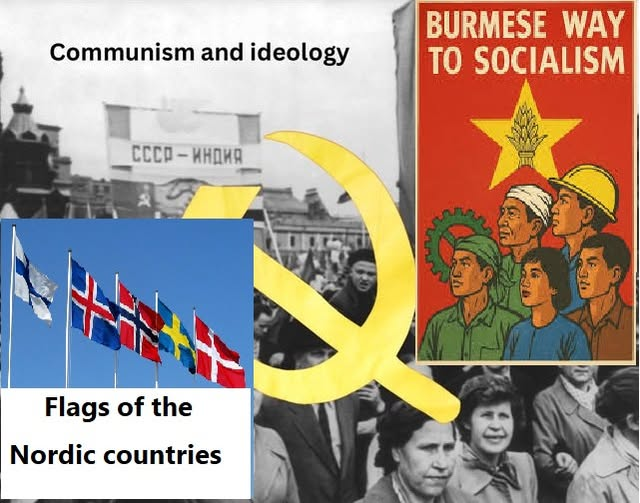
As I grew older, I began witnessing the consequences of the “Burmese Way to Socialism.”
Private schools were nationalized.
Businesses were nationalized.
Banks, shops, industries, and commerce all came under state control.
The repeated demonetization of Burmese currency devastated ordinary citizens, destroying the savings of countless families overnight.
Officially these policies were intended to build an equal socialist society.
In reality, they impoverished millions while concentrating power in the hands of the state.
Learning the Official Ideology
As a secondary school student competing for the prestigious Lu Ye Chun (Outstanding Student) award, I was required to study nearly every publication issued by the Burma Socialist Programme Party (BSPP).
I read its political journals, economic plans, ideological manuals, and even memorized the booklet entitled “Our Belief.”
On paper, much of it appeared logical.
The promises were attractive:
- equality,
- social justice,
- national development,
- discipline,
- prosperity.
Many political ideologies sound admirable when presented in textbooks.
The real test comes when they meet human reality.
What I Personally Witnessed
The greatest lesson I learned did not come from books.
It came from life itself.
Despite constant claims of equality, military personnel enjoyed privileges unavailable to ordinary citizens.
They received preferential treatment in employment.
Promotions.
Scholarships.
Foreign education.
Housing.
Business opportunities.
Influence.
Connections.
Instead of creating equality, the system gradually produced a privileged elite.
Even more painful was the increasing racial discrimination.
Military governments did not suppress only ethnic minorities.
They also oppressed ordinary Bamar citizens who lacked military connections or political loyalty.
Authoritarianism eventually harms almost everyone.
Understanding Different Political Systems
As an adult, I continued studying political thought beyond Burma.
I read about Marxism and communist systems in the Soviet Union, China, Cuba, North Korea, and Eastern Europe.
I also studied liberal democracy and capitalism in Western Europe and the United States.
Each system has produced achievements.
Each has also produced failures.
The Communist Ideal
Communism, as originally envisioned by Karl Marx, sought to eliminate exploitation through collective ownership of the means of production.
Its ultimate aspiration was summarized by the famous phrase:
“From each according to his ability, to each according to his needs.”
In theory, it imagines a society where everyone contributes according to ability and receives according to need, without private ownership or class divisions.
It is a vision of profound equality.
The Practical Reality
However, history shows that every country attempting to establish a fully communist economy has encountered severe practical difficulties.
Among the recurring problems observed by historians and economists are:
- centralized economic planning replacing market signals;
- shortages and inefficiencies;
- suppression of political opposition;
- restrictions on freedom of speech, religion, and association;
- concentration of power within a single ruling party.
The former Soviet Union ultimately collapsed in 1991.
China retained one-party political rule but introduced extensive market-oriented economic reforms beginning in 1978 under Deng Xiaoping, allowing private enterprise and foreign investment while maintaining Communist Party control.
Vietnam followed a broadly similar path through its Đổi Mới reforms.
These historical developments suggest that even self-described communist states have often relied on market mechanisms to sustain economic growth.
Capitalism’s Strengths—and Its Weaknesses
Capitalism has generated extraordinary innovation, entrepreneurship, technological progress, and rising living standards in many countries.
Yet unregulated capitalism can also widen inequality.
Without appropriate labour protections and social policies, wealth may become concentrated while vulnerable workers remain disadvantaged.
Economic growth alone does not automatically guarantee social justice.
Human Nature Matters
The observations made by Thida Aung highlight an important debate found throughout political philosophy.
Human beings naturally care about:
- their families,
- personal achievement,
- incentives,
- freedom of choice,
- ownership,
- recognition for hard work.
Any political system that completely ignores these aspects of human nature may struggle to function as intended.
This does not mean equality is undesirable.
Rather, it suggests that institutions must balance equality with freedom, incentives, accountability, and justice.
The Nordic Model: A Practical Balance
After studying many political systems, I personally find the Nordic model among the most balanced approaches currently practiced.
Countries such as Denmark, Finland, Norway, Sweden, and Iceland combine:
- democratic governance,
- competitive market economies,
- strong rule of law,
- independent courts,
- free elections,
- extensive labour rights,
- universal healthcare,
- affordable education,
- comprehensive social welfare,
- transparent government,
- low corruption,
- and high public trust.
This model does not abolish private enterprise.
Nor does it leave everything entirely to market forces.
Instead, it attempts to combine economic freedom with social responsibility.
Although every country has its own historical and cultural circumstances, the Nordic experience demonstrates that democracy, market economics, and social protection can coexist.
Myanmar’s Future
Myanmar today faces enormous challenges after decades of dictatorship, civil war, ethnic conflict, corruption, and economic collapse.
Our country needs neither extreme authoritarian socialism nor unrestrained oligarchic capitalism.
Nor does it need another military dictatorship claiming to know what is best for the people.
Myanmar needs:
- genuine democracy,
- rule of law,
- protection of minority rights,
- independent institutions,
- honest elections,
- free media,
- economic opportunity,
- social justice,
- and equal citizenship regardless of ethnicity or religion.
No political ideology is perfect.
Ultimately, the success of any system depends less on slogans than on the integrity of those who govern and the willingness of citizens to defend justice, accountability, and human dignity.
Conclusion
As someone who has lived under parliamentary democracy, military socialism, authoritarian rule, and observed political systems across the world, I have learned that no ideology alone can guarantee justice.
History teaches humility.
Political theories may inspire us, but governments succeed only when they respect both human nature and human rights.
Myanmar’s future should not be built upon ideological extremism of any kind.
Rather, it should seek a balanced democratic system that combines political freedom, economic opportunity, social welfare, equality before the law, and respect for every citizen’s dignity.
Only then can our country escape the cycles of dictatorship, conflict, and division that have burdened generations of Myanmar’s people.
U Aung Tin
ကွန်မြူနစ်စနစ်ကို စိတ်ကူးယဉ်နေသူတွေ မသီတာအောင်ပို့စ်ကို ဖတ်သင့်တယ်။
ကွန်မြူနစ်စနစ်က မကောင်းလို့မဟုတ်ဘူး။
မဖြစ်နိုင်၊ မစဉ်းစားနိုင်လောက်အောင် ကောင်းလွန်းအားကြီးပြီး လူသားသဘာဝနဲ့ လုံးလုံးလျားလျား ဆန့်ကျင်နေလို့ဖြစ်တယ်။
နွား၊ ဆိတ်၊ ကြက်၊ ဝက်တွေကို ညာဏ်ရည်မြင့်အောင် လုပ်နိုင်လို့ဖြစ်ဖြစ်နဲ့ သို့မဟုတ် တချိန်မှာစက်ရုပ်လူသား Robotsတွေကြားမှာဖြစ်ဖြစ်သာ ကျင့်သုံးလို့ရရင် ရသွားနိုင်တယ်။
လူသားတွေထဲမှာ ကွန်မြူနစ်စနစ်ကို မကျင့်သုံးနိုင်ဘူး။
ကနေ့အအောင်မြင်ဆုံး ကွန်မြူနစ်နိုင်ငံကြီးလို့ပြောတဲ့ ခင်ဗျားတို့ဆရာကြီး တရုတ်ပြည်တောင်မှာ ပစ္စည်းမဲ့ကွန်မြူနစ်ကနေ ပစ္စည်းရှိ ဓနရှင် ဘူဇွာ ကွန်မြူနစ်စနစ်ဖြစ်နေတဲ့အပြင် အဲဒီကွန်မြူနစ်စနစ် ဆက်လက်ရှင်သန်နေအောင် အာဏာရှင်စံနစ်နဲ့ ကျားကန်ကျင့်သုံးနေရတာကို မြင်အောင်ကြည့်ကြပါ။
မြန်မာပြည်မှာ ကွန်မြူနစ်စနစ်ကို ကျင့်သုံးရင် နူရာဝဲစွဲ လဲရာသူခိုးထောင်းဖြစ်သွားရုံမက အဲဒီကွန်မြူနစ်စနစ်ကြီး အောင်မြင်ရေးအတွက် အာဏာရှင်စနစ်ကို အသက်သွင်းရအုံးမှာဖြစ်လို့ မြန်မာပြည်မှာ ကွန်မြူနစ်စနစ် တည်ထောင်လိုသူတွေက ပိုသွေးချောင်းစီးမယ့်လမ်းကို စိတ်ကူးမယဉ်ကြစေချင်ဘူး။
ခင်ဗျားတို့စိတ်ကူးယဉ်တာကြောင့် တိုင်းပြည်ကိုလည်း ပိုမနစ်နာစေချင်ကြပါနဲ့။
ခင်ဗျားတို့အလေးထားတဲ့ တရုတ်အပ်ဖောင်ကြီးတောင် ကွန်မြူနစ်စနစ်ကို မကျင့်သုံးနိုင်တာကို သခ်န်းစာယူပါ။
မြန်မာပြည်မှာ အလွန်ဆုံး ဖြစ်ကောင်းဖြစ်နိုင်တာက စကင်ဒီနေးဗီးယားနိုင်ငံတွေလို ဒီမိုကရက်တစ် ဆိုရှယ်လစ်စနစ်မျိုးဖြစ်တယ်။
အခု နယူးယောက်မြို့တော်ဝန် မန်ဒါနီနဲ့ ဒီမိုကရက်တစ်ပါတီတွေ စတင်ကျင့်သုံးဖို့ ဆော်ဩောနေတဲ့ ဒီမိုကရက်တစ် ဆိုရှယ်လစ်စနစ်မျိုးဖြစ်တယ်။
Ma Thida Aung
“ကွန်မြူနစ်စနစ်ရဲ့ သဘာဝ”
ကွန်မြူနစ်စနစ်ရဲ့ သဘာဝ (Nature) ကို တကယ့်အရှိတရားအတိုင်း နားလည်နိုင်ဖို့ စာအုပ်ထဲက “သီအိုရီ (Theory)” နဲ့ မြေပြင်က “လက်တွေ့ (Practice)” ဆိုတဲ့ မျက်နှာစာနှစ်ဖက်လုံးကနေ ကြည့်ရပါမယ်။
သူ့ရဲ့ ပင်ကိုယ်သဘာဝကို အချက် (၄) ချက်နဲ့ အလွယ်ဆုံး ရှင်းပြထားပါတယ်။
 စုပေါင်းပိုင်ဆိုင်မှု သဘာဝ (Collective Ownership)
ဒါက ကွန်မြူနစ်စနစ်ရဲ့ အသက်ပါပဲ။ “ငါ့ပစ္စည်း၊ ငါ့ဆိုင်၊ ငါ့မြေ” ဆိုတဲ့ ပုဂ္ဂလိကပိုင်ဆိုင်မှုကို လုံးဝလက်မခံပါဘူး။
အရင်းရှင်စနစ်မှာ လူတစ်ယောက်ဟာ စက်ရုံထောင်ပြီး သူဌေးဖြစ်လာနိုင်ပေမယ့် ကွန်မြူနစ်စနစ်မှာတော့ စက်ရုံ၊ လယ်ကွင်း၊ သယံဇာတ အားလုံးကို “ပြည်သူအားလုံး ပိုင်သည်” ဆိုတဲ့ ခေါင်းစဉ်အောက်မှာ အစိုးရက သိမ်းယူပြီး စီမံခန့်ခွဲပါတယ်။
လူတိုင်းဟာ နိုင်ငံတော်ရဲ့ ဝန်ထမ်းတွေ ဖြစ်သွားကြတဲ့ သဘာဝပါ။
သဘာဝလွန် မျှော်မှန်းချက် (The Utopian Nature)
ကွန်မြူနစ်ရဲ့ မူရင်းသီအိုရီ (Marxism) မှာ အန္တိမပန်းတိုင်တစ်ခု ရှိပါတယ်။ အဲဒါကတော့ “စွမ်းဆောင်နိုင်သမျှလုပ်၊ လိုအပ်သမျှယူ” (From each according to his ability, to each according to his needs) ဆိုတဲ့ အယူအဆပါ။
လူတိုင်းက ပိုက်ဆံရဖို့ တွန်းအားကြောင့် မဟုတ်ဘဲ လူ့အဖွဲ့အစည်း တိုးတက်ဖို့အတွက် ကိုယ်တတ်နိုင်သလောက် ပျော်ပျော်ရွှင်ရွှင် အလုပ်လုပ်ကြမယ်။
ပြီးရင် ကိုယ်လိုချင်တဲ့ စားစရာ၊ နေစရာကို ဘုံစတိုးဆိုင်ကြီးတွေကနေ အခမဲ့ သွားယူကြမယ်ဆိုတဲ့ “ပရဒိသုဘုံ” စိတ်ကူးမျိုး ဖြစ်ပါတယ်။
လက်တွေ့မှာ ဖြစ်လာတဲ့ “ဗဟိုချက်ထိန်းချုပ်မှု သဘာဝ” (Totalitarian Nature)
စာအုပ်ထဲက စိတ်ကူးယဉ်အိပ်မက်ကို လက်တွေ့အကောင်အထည်ဖော်တဲ့အခါ ကွန်မြူနစ်နိုင်ငံတိုင်းမှာ မလွှဲမရှောင်သာဘဲ ဒီလိုသဘာဝတွေ ပေါ်လာပါတယ်-
 စျေးကွက်ကို အမိန့်ပေးခြင်း (Command Economy) – ဘယ်ပစ္စည်းကို ဘယ်လောက်ထုတ်ရမယ်၊ စျေးနှုန်း ဘယ်လောက်ရောင်းရမယ်ဆိုတာကို “ဗဟိုစီမံကိန်းကော်မတီ” (အစိုးရ) ကပဲ ဆုံးဖြတ်ပါတယ်။ စျေးကွက်ရဲ့ လိုအပ်ချက် (Supply & Demand) အတိုင်း သဘာဝကျကျ လည်ပတ်ခွင့်မရှိတော့ပါဘူး။
လွတ်လပ်ခွင့်ကို ပိတ်ပင်ခြင်း – စနစ်ကြီးတစ်ခုလုံးကို လူတိုင်း အကြွင်းမဲ့နာခံဖို့ လိုတဲ့အတွက် လွတ်လပ်စွာ ပြောဆိုခွင့်၊ ကိုးကွယ်ခွင့်နဲ့ အမြင်ကွဲလွဲခွင့်တွေကို လုံးဝခွင့်မပြုတဲ့ အာဏာရှင်သဘာဝ ဖြစ်သွားပါတယ်။
လူ့သဘာဝ (Human Nature) နဲ့ ဆန့်ကျင်ဘက်ဖြစ်နေခြင်း
ကွန်မြူနစ်စနစ် ကျရှုံးရတဲ့ အဓိကအကြောင်းရင်းက လူ့ရဲ့ ပင်ကိုယ်ဗီဇသဘာဝ ကို မျက်ကွယ်ပြုထားလို့ပါ။
အတ္တနှင့် မိသားစုစိတ် – လူဟာ မိမိနဲ့ မိမိမိသားစုကို သူများထက် ပိုကောင်းစေချင်တဲ့ သဘာဝရှိပါတယ်။ “အားလုံးတန်းတူ” ဆိုတဲ့နေရာမှာ ကိုယ့်သားသမီးကို သူများထက် ပိုမပေးရဘူးဆိုရင် လူတွေဟာ ကြိုးစားချင်စိတ် ပျောက်ဆုံးသွားတတ်ပါတယ်။
ပြိုင်ဆိုင်လိုစိတ် – ပြိုင်ဆိုင်မှုမရှိတဲ့အခါ တိုးတက်မှု နှေးကွေးသွားပြီး ပစ္စည်းတွေ အရည်အသွေးညံ့ဖျင်းလာကာ ရှားပါးမှုတွေ ကြုံရတတ်ပါတယ်။
 အနှစ်ချုပ်
ကွန်မြူနစ်စနစ်ရဲ့ Nature ဟာ “စာအုပ်ထဲမှာ အင်မတန် ကြင်နာတတ်ပြီး မျှတတဲ့ စနစ်တစ်ခု ဖြစ်ပေမယ့်၊ လက်တွေ့မြေပြင်မှာတော့ လူ့သဘာဝကို အတင်းအဓမ္မ ပုံသွင်းဖို့ ကြိုးစားရင်း အာဏာရှင်စနစ်အဖြစ် ပြောင်းလဲသွားတတ်တဲ့ သဘာဝ” ရှိပါတယ်။
ဒါကြောင့်မို့လို့ပဲ သမိုင်းမှာ ဆိုဗီယက်ယူနီယံလို နိုင်ငံကြီးတွေ ပြိုကွဲခဲ့ရပြီး၊ တရုတ်နိုင်ငံလို ကွန်မြူနစ်နိုင်ငံမျိုးကတောင် စီးပွားရေးမှာ အရင်းရှင်စနစ် (စျေးကွက်စီးပွားရေး) ကို ကူးပြောင်းအသုံးပြုခဲ့ရတာ ဖြစ်ပါတယ်။
သီတာအောင်