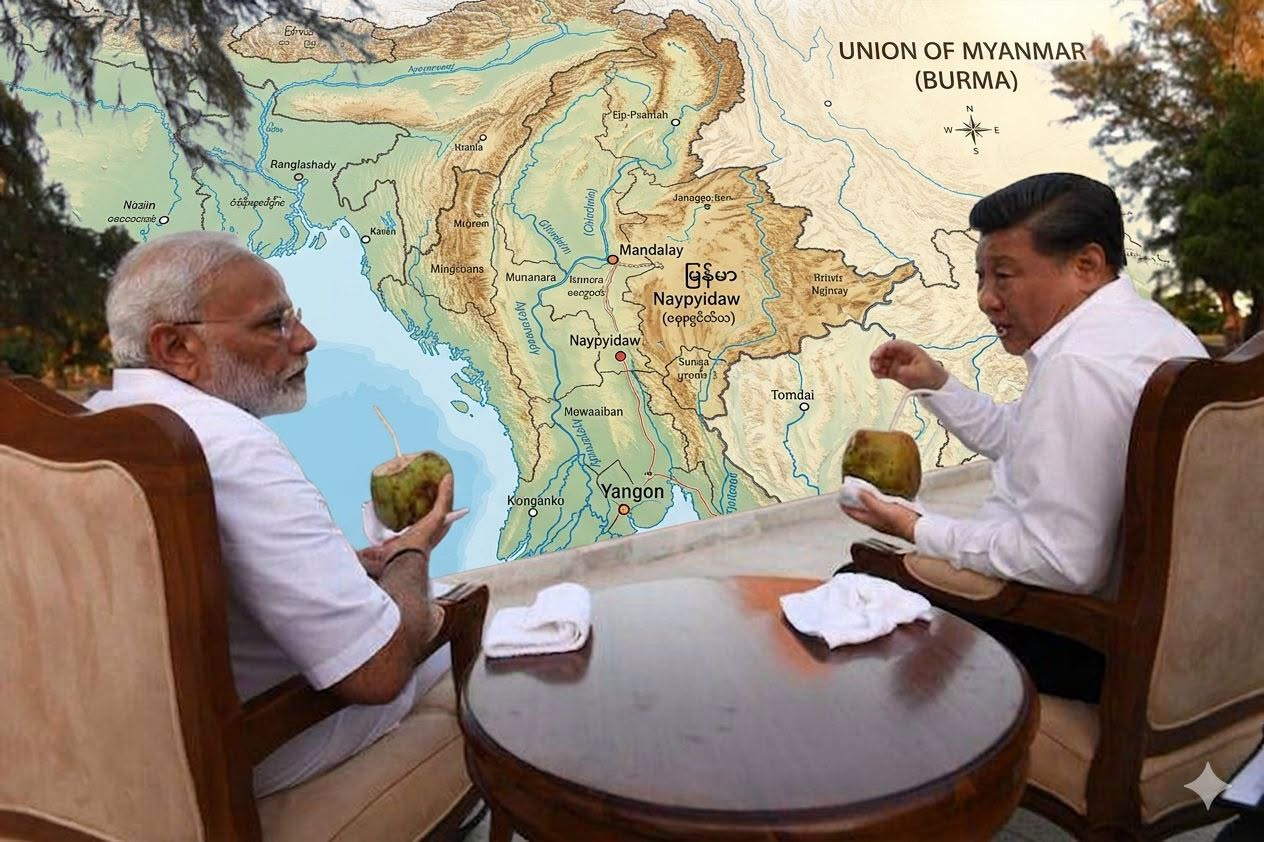
Before discussing the following article, I would like to humbly suggest that the National Unity Government (NUG), Ethnic Resistance Organizations (EROs), and all pro-democracy forces revisit the timeless principles of Dale Carnegie’s classic book How to Win Friends and Influence People.
Among Carnegie’s most important lessons are:
- Do not criticize, condemn or complain.
- Become genuinely interested in other people.
- Talk in terms of the other person’s interests.
- Make the other person feel important.
- Avoid unnecessary arguments.
- Respect the opinions of others.
- Try honestly to see things from the other person’s point of view.
- Appeal to higher motives.
- Begin in a friendly way.
- Let others save face.
- Encourage rather than humiliate.
These principles are not merely about personal relationships. They are equally valuable in diplomacy, negotiations, and international politics.
Instead of repeatedly condemning governments that fail to support Myanmar’s democracy movement, perhaps we should first understand what motivates them, what concerns them most, and how our objectives can be presented in ways that also address their legitimate national interests.
The following article offers an important perspective.
If I Were Xi Jinping… or Narendra Modi…
By Hla Soewai
Myanmar’s democratic revolution continues to survive because of the extraordinary courage and resilience of its people. Yet obtaining meaningful international support increasingly depends on whether Myanmar’s democratic cause can demonstrate that it also matters to the strategic interests of major powers.
Australia’s Lowy Institute has similarly argued that governments generally formulate their foreign policies according to national interests rather than moral principles alone.
There is an old saying:
“When the wise man points at the moon, the fool looks only at the finger.”
For the past five years, much of the discussion about Myanmar has focused on the “finger”—who supports the military regime, who condemns it, and who remains silent.
But the real “moon” is the strategic interest that guides every government’s foreign policy.
Myanmar’s democratic movement has done an admirable job documenting war crimes, exposing human rights abuses, and appealing to the conscience of the international community. Morally, its arguments are compelling.
Nevertheless, governments often respond with indifference, caution, or even policies that appear contradictory.
Perhaps we have sometimes been asking the wrong question.
Instead of asking:
“Why isn’t the world doing more?”
we should ask:
“If governments are acting according to what they perceive as their national interests, how can Myanmar’s democratic movement align its message with those interests?”
Successful diplomacy requires understanding the strategic calculations that drive government decisions.
This is becoming increasingly important because Myanmar’s revolution is no longer fought only on the battlefield. It is also a contest for diplomatic legitimacy.
Although the military regime lacks genuine public support inside Myanmar, it continues to accumulate a degree of international legitimacy through practical engagement.
Regional powers continue to deal with the junta. ASEAN maintains humanitarian engagement through its Five-Point Consensus framework. Russia has significantly expanded military and diplomatic cooperation with Myanmar. None of these necessarily represent full political endorsement, but they gradually reinforce the regime’s international standing.
Myanmar’s democratic movement therefore cannot succeed solely through military victories. It must also compete successfully in international diplomacy.
To achieve this, democratic forces should frame their messages in ways that resonate with each country’s own interests.
If I were Xi Jinping, my first priority would not be democracy.
I would be primarily concerned about:
- stability along China’s southwestern border;
- the security of the China-Myanmar oil and gas pipelines running from Kyaukphyu to Yunnan;
- protection of Belt and Road Initiative investments;
- preventing instability from spilling into China.
At the same time, I would increasingly recognize that Myanmar’s military regime has become unreliable in protecting those interests.
The explosion of cyber scam compounds along the border—many targeting Chinese citizens—has clearly demonstrated that the junta cannot fully guarantee border security.
Viewed purely through strategic realism, the important question becomes:
Who can actually provide greater long-term stability?
If I were Indian Prime Minister Narendra Modi, my concerns would likewise be strategic rather than ideological.
I would focus on:
- China’s expanding influence in Myanmar;
- insurgencies along India’s northeastern frontier;
- connectivity projects linking India with Southeast Asia;
- strategic balance in the Bay of Bengal.
If I were Bangladesh’s leader, my overwhelming concern would be the enormous humanitarian, economic, and political burden of hosting more than one million Rohingya refugees.
ASEAN countries each view Myanmar through different national priorities.
Thailand emphasizes border trade, migrant labour, and energy security.
Singapore focuses heavily on financial stability and regional economic confidence.
Indonesia and Malaysia are particularly concerned with ASEAN’s credibility and regional leadership.
Further afield, Washington increasingly evaluates Myanmar within the broader context of strategic competition with China across the Indo-Pacific.
Moscow, meanwhile, views Myanmar as another opportunity to expand Russian influence while challenging Western geopolitical dominance.
None of this suggests that governments completely ignore human rights.
Rather, human rights rarely become the starting point of foreign policy.
Governments first calculate national interests, then determine which policies best serve those interests.
That is simply how international relations work.
Therefore, instead of asking why different governments behave differently, Myanmar’s democratic movement should ask:
How can we advance our democratic principles while simultaneously addressing each government’s strategic priorities?
This means tailoring our diplomatic messaging without compromising our core values.
When engaging China, for example, endlessly repeating democratic slogans may not be the most persuasive approach.
Instead, democratic forces should demonstrate that continued military rule itself threatens China’s strategic interests by producing instability, organized crime, border insecurity, and economic uncertainty.
Most importantly, democratic forces must convince the international community that they possess the institutional capacity to govern effectively after the conflict.
They must show that they can:
- maintain public order;
- suppress transnational criminal networks;
- ensure a smooth political transition;
- protect foreign investments;
- guarantee long-term stability.
Understanding another country’s interests is not surrender.
It is acquiring influence.
Speaking the language of practical statecraft rather than relying solely on moral appeals does not mean abandoning justice or accountability.
It simply recognizes that in today’s intensely competitive Indo-Pacific region, governments often respond more readily to arguments about stability, security, economics, and strategic advantage than to moral appeals alone.
Influence begins where emotion ends.
Ultimately, Myanmar’s future will be decided by the courage and resilience of its own people.
Yet international support will continue to depend largely upon how governments calculate their own national interests.
Moral courage remains indispensable.
But in today’s Indo-Pacific geopolitical landscape, strategic understanding has become equally essential.
Editor’s Notes
I think this article makes a valuable strategic argument. However, I would add two important qualifications.
First, democratic movements should indeed learn to speak the language of strategic interests, but they should not abandon universal principles such as democracy, human rights, accountability, and the rule of law. The most successful diplomacy combines both values and interests.
Second, different countries’ interests are not fixed forever. Governments often adjust their policies when they perceive that supporting democratic forces can better serve long-term regional stability than supporting an increasingly isolated military regime.
Suggested References
- Australia’s Lowy Institute analyses on Myanmar and Indo-Pacific strategy.
- The International Crisis Group reports on Myanmar’s civil war and regional diplomacy.
- The United Nations Independent Investigative Mechanism for Myanmar (IIMM) reports documenting atrocities.
- ASEAN Five-Point Consensus official documents.
- Studies by the United States Institute of Peace on Myanmar’s political transition.
- Reports from International Institute for Strategic Studies on Indo-Pacific security and Myanmar.
- Publications from Chatham House regarding China’s and ASEAN’s Myanmar policies.
Overall, I think this is one of the stronger strategic essays I’ve shared. It moves beyond emotional appeals and examines how diplomacy actually works while still preserving the democratic movement’s principles.
Hla Soewai
ကျွနုပ်သာ ရှီကျင့်ပင် သို့မဟုတ် မိုဒီ ဖြစ်ခဲ့လျင်
မြန်မာ တို့၏ ဒီမိုကရေစီ အရေးတော်ပုံသည် လူထု၏ စိတ်ဓာတ်ခွန်အားဖြင့် အသက်ဝင်နေသော်လည်း၊ နိုင်ငံတကာ၏ ပံ့ပိုးကူညီမှု ရရှိရန်မှာမူ ကမ္ဘာ့အင်အားကြီးနိုင်ငံများ၏ တွက်ချက်မှုများထဲတွင် မြန်မာ့ဒီမိုကရေစီအရေးသည် ၎င်းတို့၏ အကျိုးစီးပွားအတွက် မည်မျှအရေးပါကြောင်း သက်သေပြနိုင်မှုအပေါ်တွင် များစွာ မူတည်လာနေသည်ဟု ဩစတေးလျှ ၏ Lowy Institute ယခုလို တင်ပြထားသည်။
“ပညာရှိက လကို ညွှန်ပြတဲ့အခါ လူမိုက်က လက်ညှိုးကိုပဲ ကြည့်တတ်တယ်” ဆိုသည့် ရှေး ဟောင်း စကားပုံတခု ရှိသည်။ လွန်ခဲ့သည့် ငါးနှစ်တာ ကာလအတွင်း မြန်မာ့အရေးနှင့် ပတ်သက်ပြီး ဖြစ်ပေါ်နေသည့် ဆွေးနွေးငြင်းခုံမှု အများစုသည် “လက်ညှိုး” ကိုသာ အာရုံစိုက်နေခဲ့ကြသည်။ လက်ညိုး ဆိုသည်က စစ်အုပ်စု ကို မည်သူတွေက ထောက်ခံသလဲ၊ မည်သူ တွေက ရှုတ်ချသလဲ၊ မည်သူ တွေကတော့ နှုတ် ဆိတ်နေသလဲ ဆိုတာမျိုး ဖြစ်သည်။
သို့သော် “လ” ဆိုသည်ကတော့ ထို လက်ညိုးများကို မောင်းနှင်ပေးနေသည့် ဗျူဟာမြောက် အကျိုးစီးပွားများအား ကိုယ်စားပြုနေသည်။
မြန်မာ့ဒီမိုကရေစီလှုပ်ရှားမှုဖက်က စစ်ရာဇဝတ်မှုများကို မှတ်တမ်းတင်ခြင်း၊ နိုင်ငံတကာ၏ ကိုယ်ကျင့်တရားဆိုင်ရာ အသိစိတ်ကို နှိုးဆော် ပေးနေ မှု များ နှင့် အတူ ထူးခြား ပြောင် မြောက်သည့် ကိုယ်ကျင့်တရားဆိုင်ရာ ရှင်းလင်းပြတ်သားမှု များ နှင့် ပြောဆိုခဲ့ကြသည်။ သို့သော်လည်း နိုင်ငံအစိုးရများကတော့ လျစ်လျူရှုခြင်း သို့မဟုတ် ကလည်း ဆန့်ကျင်ဘက် လုပ်ဆောင်ခြင်းမျိုး များ နှင့်သာ တုံ့ပြန်လေ့ရှိသည်။
တခါတရံတွင် ကျွနုပ် တို့ဖက်က မှားယွင်းသည့် မေးခွန်းကို မေးမိနေတာ မျိုး လည်း ဖြစ်နိုင်သည်။
“ကမ္ဘာကြီးက ဘာလို့ ပိုပြီး မလုပ်ဆောင်ပေးရတာလဲ” လို့ မေးမည့် အစား “အစိုးရတွေဟာ သူတို့ မျှော်မှန်းထားသည့် ဗျူဟာမြောက် အကျိုးစီးပွားတွေ အတိုင်း ပဲ လုပ်ဆောင်နေကြတာဆိုရင်ကော” ဆိုတဲ့ မေးခွန်းကို ကျွနုပ်တို့ မေးသင့်ပါသည်။
ထိရောက်သော နိုင်ငံရေးလှုပ်ရှားမှုတစ်ခု ဖြစ်လာစေရန်ကျွန်ုပ်တို့ သြဇာလွှမ်းမိုးလိုသည့် အစိုးရများ၏ လုပ်ရပ်နောက်ကွယ်မှ အခြေခံတွန်းအားပေးသည့် “ဗျူဟာမြောက် နားလည်သဘောပေါက်ထားမှု” ကို သဘောပေါက်ရန် လိုအပ် ပေသည်။
မြန်မာ့တော်လှန်ရေး၏ သဘောသဘာဝသည် ပြောင်းလဲတိုးတက်လာနေသောကြောင့် ဤအချက်မှာ အလွန်အရေးကြီးပါသည်။ လက်နက်ကိုင် ပဋိပက္ခနှင့်အတူ သံတမန်ရေးရာ တရားဝင်မှု အတွက်လည်း အလွန်အရေးပါသော ယှဉ်ပြိုင်ရမည့် အဆင့် ရောက်လာ နေသည်။
ပြည်တွင်းတွင် လူထု၏ လက်ခံ ယုံကြည်မှုကို မရနိုင်သည့် စစ်အုပ်စုသည် နိုင်ငံတကာ၏ အသိအမှတ်ပြုမှုကို တစတစ စုဆောင်း လာနေသည်။ ဒေသတွင်း အင်အားကြီးနိုင်ငံများ၏ ထိတွေ့ဆက်ဆံမှုများ၊ အာဆီယံ၏ ဘုံသဘောတူညီချက် ၅ ချက်အောက်မှ ဆက်လက်ဆောင်ရွက်နေသည့် လူသားချင်းစာနာမှုဆိုင်ရာ ပူးပေါင်းဆောင်ရွက်မှုများနှင့် ရုရှားကဲ့သို့သော မိတ်ဖက်နိုင်ငံများနှင့် သံတမန်ရေးရာနှင့် စစ်ရေးဆိုင်ရာ ဆက်ဆံမှုများ ပိုမိုနက်ရှိုင်းလာခြင်းတို့သည် တရားဝင် အသိအမှတ်ပြုကြောင်း လူသိရှင်ကြား ကြေညာခြင်းမရှိဘဲ တရားဝင်မှု ကို မည်သို့ တဖြည်းဖြည်း စုဆောင်းရယူနေပုံကို ပြသနေပါသည်။
မြန်မာ့တော်လှန်ရေးသည် စစ်မြေပြင်တွင်သာမက သံတမန်ရေးရာ ရှေ့တန်းတွင်ပါ အနိုင်ရရှိမှသာ အောင်မြင်နိုင်မည် ဖြစ်သည်။
ထို့ အတွက် ဒီမိုကရေစီရေး လှုပ်ရှားသူများသည် မိမိတို့၏ သတင်းစကားများကို သက်ဆိုင်ရာနိုင်ငံများ၏ အကျိုးစီးပွားနှင့် တိုက်ရိုက်ကိုက်ညီအောင် ပုံစံပြောင်းလဲ တင်ပြရန် လိုအပ်သည်။
ဥပမာအားဖြင့် – ကျွနုပ်သည် တရုတ်အစိုးရ နေရာမှာသာဆိုလျှင် ပထမဦးစားပေးမည်က ဒီမိုကရေစီရေး မဟုတ်။ ကျွနုပ်၏ စိုးရိမ်မှုများသည် နယ်စပ်ဒေသ မတည်ငြိမ်မှု၊ ယူနန်ပြည်နယ်မှသည် အိန္ဒိယသမုဒ္ဒရာအထိ ဆက်သွယ်ထားသည့် ရေနံနှင့် သဘာဝဓာတ်ငွေ့ ပိုက်လိုင်းများ၏ လုံခြုံရေး၊ နှင့် ခါးပတ်လမ်း ရင်းနှီးမြှုပ်နှံမှုများအပေါ်တွင်သာ ဖြစ်ပေလိမ့်မည်။ ယင်း နှင့် အတူ စစ်အုပ်စုသည် ကျွနုပ်၏ စိုးရိမ် ပူပန် နေမှုများကို အာမ မခံနိုင်ကြောင်းကိုလည်း သိမြင်နေမည် ဖြစ်သည်။
တရုတ်နိုင်ငံသားများကို ပစ်မှတ်ထားသည့် နယ်စပ်တလျှောက်မှ ဆိုက်ဘာလိမ်လည်မှုဂိုဏ်းများ ပေါက်ဖွားလာခြင်းကပင် စစ်အုပ်စု သည် ကျွနုပ် အတွက် “ဝန်ထုပ်ဝန်ပိုး” ဖြစ်နေကြောင်း သက်သေပြနေ၍ လက်တွေ့ကျသော အကျိုးစီးပွားကို ဦးစားပေးသည့် ပဓာနဝါဒ ကသာ နယ်စပ်ဒေသကို မည်သူက အမှန်တကယ် လုံခြုံအောင် လုပ် ပေးနိုင်မည်ဆိုသည့်အချက်ကို ပြန်လည်တွက်ချက်ရန် တွန်းအားပေးနေသည်။
ကျွနုပ်သာ မိုဒီ နေရာမှာသာဆိုလျှင် မြန်မာအပေါ် တရုတ်၏ တိုးပွားလာသော သြဇာလွှမ်းမိုးမှု၊ နယ်စပ်ဖြတ်ကျော် လက်နက်ကိုင်ပုန်ကန်မှုများ၊ ဆက်သွယ်ရေး စီမံကိန်းများ နှင့် ဘင်္ဂလားပင်လယ်အော်အတွင်းရှိ မဟာဗျူဟာမြောက် မျှခြေတို့နှင့် ခွဲခြား၍မရသော နိုင်ငံအဖြစ် သတ်မှတ်မည်သာ ဖြစ်သည်။
ဘင်္ဂလားဒေ့ရှ် နေရာမှာသာဆိုလျှင် ကျွနုပ်၏ အဓိက အရေးကြီးဆုံး စိုးရိမ်မှုမှာ ရခိုင်ပြည်နယ်မှ ထွက်ပြေးလာကြသည့် ဒုက္ခသည်များကို လက်ခံထားရခြင်းကြောင့် ဖြစ်ပေါ်လာသော ကြီးမားသည့် လူသားချင်းစာနာမှုဆိုင်ရာနှင့် နိုင်ငံရေးဆိုင်ရာ ဝန်ထုပ်ဝန်ပိုးပင် ဖြစ်ပါလိမ့်မည်။
တဖက်တွင်လည်း အိမ်နီးချင်း အာဆီယံ နိုင်ငံများသည် ဤအကျပ်အတည်းကို ၎င်းတို့၏ ရှင်သန်ရပ်တည်ရေးအတွက် ချက်ချင်းအကျိုးသက်ရောက်မှု ရှိသည့် တိုင်းတာမှုများဖြင့်သာ ကြည့်ရှုနေကြသည် – ဘန်ကောက်က နယ်စပ်ကုန်သွယ်ရေး၊ ရွှေ့ပြောင်းအလုပ်သမားများနှင့် စွမ်းအင်လုံခြုံရေးကို ဦးစားပေးသည်။ စင်ကာပူက ငွေကြေးတည်ငြိမ်မှုကို အဓိကထားပြီး ဂျကာတာနှင့် ကွာလာလမ်ပူကမူ အာဆီယံ၏ ဂုဏ်သိက္ခာနှင့် ယုံကြည်ရမှုကို အလေးချိန် ချိန်ဆနေကြသည်။ ပိုမိုဝေးကွာသည့် နိုင်ငံများအနေဖြင့် ဝါရှင်တန် က မြန်မာ့အရေးကို တရုတ်နှင့် အင်ဒို-ပစိဖိတ်ဒေသအတွင်း ယှဉ်ပြိုင်မှု ရှုထောင့်မှ ကြည့်မြင်ပြီး မော်စကို ကမူ အနောက်နိုင်ငံများ၏ သြဇာကို စိန်ခေါ်ရန် အခွင့်အရေးတခုအဖြစ် ရှုမြင်သည်။
ဤရှုမြင်ပုံများထဲမှ မည်သည့်နိုင်ငံကမျှ လူ့အခွင့်အရေးကို လုံးဝလျစ်လျူရှုထားသည်ဟု ဆိုလိုခြင်းမဟုတ်ပါ။ သို့သော် မည်သည့်နိုင်ငံ၏ ချဉ်းကပ်မှုကမျှ လူ့အခွင့်အရေးမှ စတင်၍ မစဉ်းစားကြပေ။
အစိုးရများသည် မိမိတို့၏ အကျိုးစီးပွားကို တိုးတက်စေမည့် လုပ်ရပ်မျိုးကိုသာ လုပ်ဆောင်ရန် ဆုံးဖြတ်လေ့ရှိကြသည်။ ဤသည်မှာ နိုင်ငံတကာ ဆက်ဆံရေးတွင် လက်တွေ့ကျသည်။
၎င်းတို့သည် အဘယ်ကြောင့် မတူညီသော ချဉ်းကပ်မှုများကို ပြုလုပ်နေကြသလဲဟု မေးခွန်းထုတ်မည့်အစား၊ မိမိတို့ တော်လှန် ရေး၏ မူဝါဒအခြေခံများကို မထိခိုက်စေဘဲ အဆိုပါနိုင်ငံများ၏ ဦးစားပေး လုပ်ငန်းစဉ်များနှင့် မည်သို့ ကိုက်ညီအောင် လုပ်ဆောင်နိုင်မည်နည်း ဆိုသည်ကိုသာ မေးခွန်းထုတ်သင့်သည်။
ဆိုလိုသည်မှာ ၎င်းတို့၏ အားနည်းချက်တခုချင်းစီအလိုက် မိမိတို့၏ သတင်းစကားကို ပုံဖော်ပြောဆို နိုင်ဖို့ပင် ဖြစ်သည်။ တရုတ်အစိုးရ နှင့် ထိတွေ့ဆက်ဆံရာတွင် ဒီမိုကရေစီ၏ သဘောတရားများကို မပြောဆိုမိရန် လိုအပ်သည်။ စစ်အုပ်စု ၏ လက်ရှိမတည်ငြိမ်မှုသည် တရုတ်၏ အဓိကအကျိုးစီးပွားများအတွက် တိုက်ရိုက်ထိခိုက်နစ်နာစေသော အချက်ဖြစ်ကြောင်း သက်သေပြရန် အာရုံစိုက်သင့်သည်။
အရေးကြီးဆုံးမှာ ဒီမိုကရေစီ အင်အားစုများသည် စစ်အုပ်စုထက် ပိုမိုထိရောက်စွာဖြင့် အုပ်ချုပ်ရေးအကူးအပြောင်းကို ချောမွေ့အောင် လုပ်ဆောင်နိုင်ခြင်း၊ ရာဇဝတ်ဂိုဏ်းများကို ဖြိုခွင်းနိုင်ခြင်းနှင့် နိုင်ငံခြားရင်းနှီးမြှုပ်နှံမှုများကို ကာကွယ်ပေးနိုင်ခြင်း စသည့် အဖွဲ့အစည်းဆိုင်ရာ စုစည်းမှုနှင့် စွမ်းဆောင်ရည်ရှိကြောင်း သက်သေပြနိုင်ရမည်ဖြစ်သည်။
၎င်းတို့၏ အကျိုးစီးပွားကို နားလည်ပေးခြင်းသည် လက်နက်ချခြင်း မဟုတ်။ ၎င်းသည် အသာစီးရယူနိုင်မည့် “သြဇာ” ကို ရယူခြင်းပင် ဖြစ်သည်။
ဒီမိုကရေစီဆိုင်ရာ စကားလုံးများကို ကျော်လွန်၍ လက်တွေ့ကျသော နိုင်ငံရေး ဘာသာစကားဖြင့် ပြောဆိုခြင်းသည် တရားမျှတမှုနှင့် တာဝန်ယူမှုကို စွန့်လွှတ်ခြင်း မဟုတ်။ ၎င်းသည် ယှဉ်ပြိုင်မှုများ ပြည့်နှက်နေသော အင်ဒို-ပစိဖိတ်ဒေသတွင် ကိုယ်ကျင့်တရားဆိုင်ရာ အကြောင်းပြချက်များထက် နိုင်ငံတခု၏ မတည်ငြိမ်မှုအပေါ် ကြောက်ရွံ့ခြင်း သို့မဟုတ် အသာစီးရလိုခြင်းများနှင့် ဆက်စပ်နေမှသာ အလေးအနက်ထားခြင်း ခံရမည်ကို လက်ခံသိရှိခြင်းသာ ဖြစ်သည်။ လွှမ်းမိုးနိုင်စွမ်းသည် စိတ်ခံစားမှုများ ကုန်ဆုံးသွားသည့်နေရာမှ စတင်သည်။
မြန်မာနိုင်ငံ၏ အနာဂတ်ကို နောက်ဆုံးတွင် ပြည်သူလူထု၏ သတ္တိနှင့် ခံနိုင်ရည်ကသာ အဆုံးအဖြတ်ပေး ပေလိမ့်မည်။ သို့သော်လည်း နိုင်ငံတကာ၏ ထောက်ခံမှုမှာမူ အစိုးရအသီးသီး၏ တွက်ချက်မှုများအပေါ်တွင်သာ မူတည်၍ ပုံဖော်သွားမည် ဖြစ်သည်။
ကိုယ်ကျင့်တရားဆိုင်ရာ သတ္တိသည် မရှိမဖြစ် လိုအပ်ဆဲပင် ဖြစ်သည်။ သို့သော်လည်း ယှဉ်ပြိုင်မှုများ ပိုမိုပြင်းထန်လာနေသော အင်ဒို-ပစိဖိတ်ဒေသတွင် မဟာဗျူဟာမြောက် နားလည်သဘောပေါက်မှု သည်လည်း အလားတူပင် မရှိမဖြစ် လိုအပ်လာလိမ့်မည် ဖြစ်သည်။
ပြည်သူတို့၏ တရားသော စစ် မုချ အောင်ရမည်!!!