Weaponized Xenophobia: Myanmar’s Military Between Beijing, Moscow, and Delhi
Yangon — Myanmar’s military has long manipulated xenophobia — Sinophobia, Islamophobia, and anti-minority sentiment — as a political instrument. From the Mao badge riots of 1967 to the Rohingya genocide of the 2010s, these campaigns have not only shaped domestic politics but also Myanmar’s foreign alignments. Today, Min Aung Hlaing’s junta continues this tradition, leveraging hostility toward China while courting Russia and India.
1967: Mao Badges and Riots
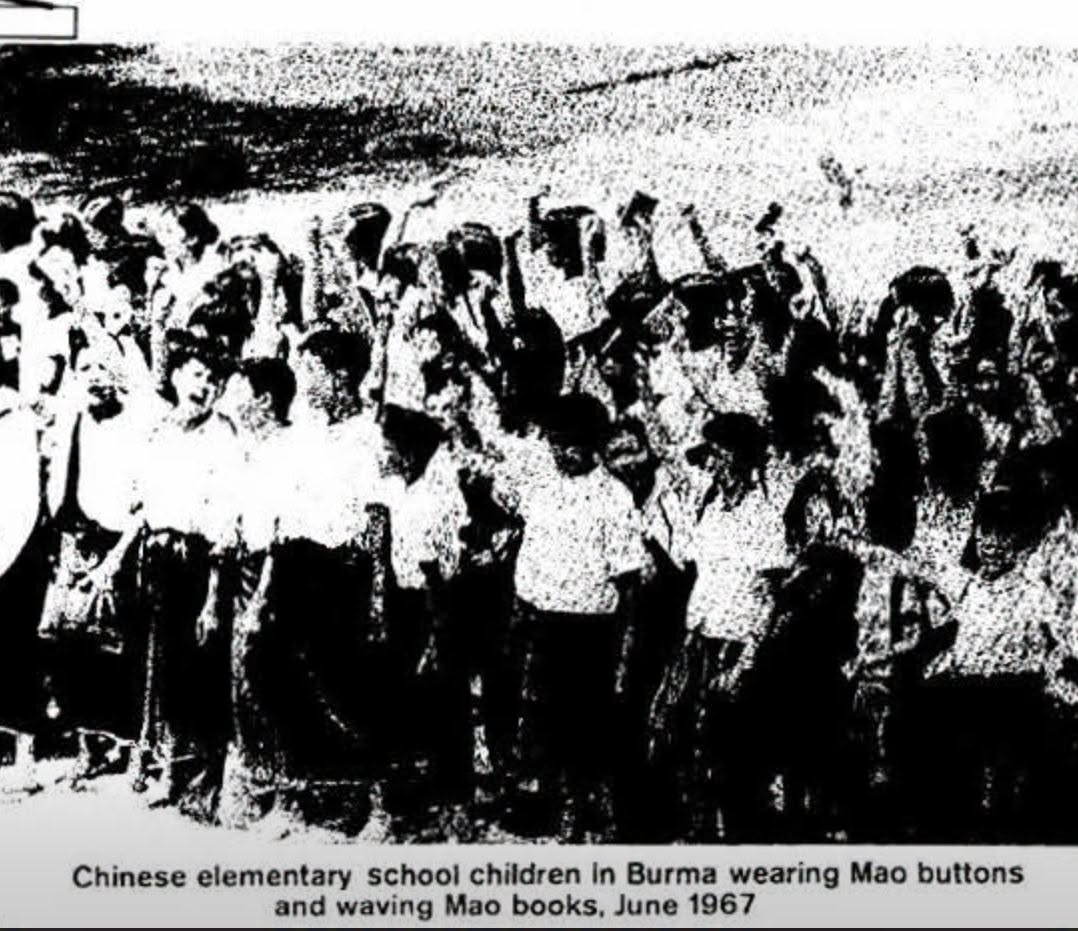
Eyewitness accounts, such as Nyunt Nyunt Tin’s memory of Rangoon students wearing Mao jackets and carrying Little Red Books, show how China’s Cultural Revolution export triggered unrest. The June 1967 riots killed dozens to hundreds of Chinese residents, destroyed property, and ended the “Pauk Phaw” friendship. Beijing retaliated by backing the Communist Party of Burma insurgency.
2011: Myitsone Dam Protests
The Myitsone Dam protests reflected fears of Chinese economic domination. Thein Sein’s government suspended the project, but analysts noted that the military tolerated Sinophobia to rebalance ties with Beijing and court Western support during Myanmar’s political opening.
Rohingya Genocide and Pipelines
Weaponized xenophobia extended to Islamophobia. The Rohingya genocide cleared land for the Kyaukpyu–Kunming oil and gas pipelines, securing China’s corridor to the Bay of Bengal. By displacing Rohingya communities, the military facilitated infrastructure crucial to Beijing’s Belt and Road ambitions.
China’s Tactical Pullbacks
Beijing has since pulled back affiliated forces from areas like Lashio and Mogoke, recalibrating support for ethnic armed groups such as the Wa, Kokang, and Palaung within the Northern Alliance. This reflects China’s balancing act: maintaining leverage while avoiding direct confrontation.
Min Aung Hlaing’s Outreach to Russia and India
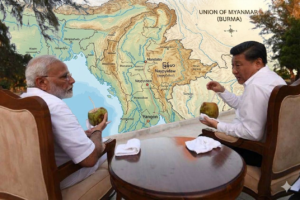
Facing Chinese pressure, Min Aung Hlaing has sought alternative patrons. He approached Russia for arms and diplomatic backing, and also visited India to engage Prime Minister Modi. India’s strategic rivalry with China made it a natural partner for Myanmar’s military, particularly in counterbalancing Beijing’s influence in northern Myanmar and the Bay of Bengal. This triangulation — playing China, Russia, and India against each other — underscores how xenophobia at home is paired with opportunistic diplomacy abroad.
Islamophobia as a Domestic Political Weapon
Internal Political Game: Islamophobia Against DASSK and the NLD
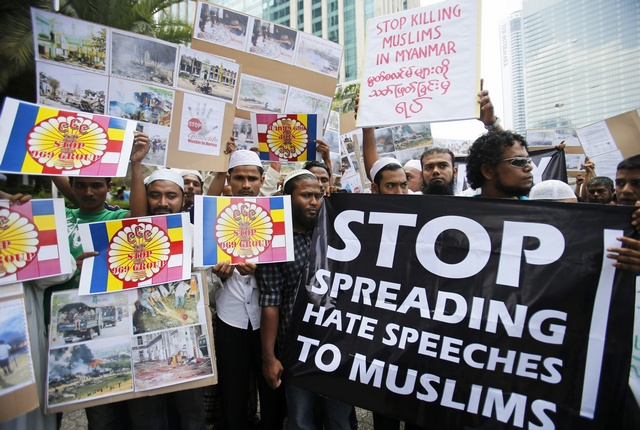
After the USDP’s electoral losses, the military and its allied nationalist networks (especially Ma Ba Tha) launched campaigns of anti-Rohingya and anti-Muslim rhetoric. The aim was to discredit the NLD and Aung San Suu Kyi as “soft” on Muslims.
Initially, the NLD resisted. But as the pressure mounted, DASSK and her party acted like traditional Burmese boxers — the losing fighter hugging the opponent to survive. They joined the Islamophobic bandwagon, protecting themselves in domestic elections but sacrificing credibility abroad.
This maneuver allowed the military to dominate the narrative. Internationally, DASSK’s reputation collapsed, especially after the Rohingya genocide. Domestically, however, the NLD survived the electoral battlefield — until the 2021 coup, when the generals claimed the ultimate victory.
Weaponized Xenophobia: Dual Tracks
- Sinophobia → Used externally to rebalance relations with China, Russia, and India.
- Islamophobia → Used internally to weaken civilian rivals and justify ethnic cleansing.
Together, these tracks show how xenophobia was not spontaneous public anger, but a deliberate military strategy. It secured pipelines, suppressed dissent, manipulated elections, and reshaped Myanmar’s diplomacy.
Closing Reflection
From Mao badges in 1967 to Myitsone protests in 2011, from the Rohingya genocide to Min Aung Hlaing’s outreach to Russia and India, Myanmar’s military has consistently weaponized xenophobia. DASSK and the NLD, caught in the trap, chose survival at home over credibility abroad — a choice that ultimately left them vulnerable when the coup came.
This cycle of fear, manipulation, and opportunism is the through-line of Myanmar’s modern political history.
The military also successfully weaponized Islamophobia against domestic opponents. After the USDP’s electoral losses, nationalist networks and Ma Ba Tha monks launched campaigns of anti-Rohingya and anti-Muslim rhetoric to discredit the NLD and DASSK.
Initially, the NLD resisted. But as pressure mounted, DASSK and her party acted like “traditional boxers” — embracing their opponent to survive. They joined the Islamophobic bandwagon, protecting themselves in Myanmar’s electoral arena but sacrificing credibility in international politics. This tactical compromise allowed the military to dominate the narrative, and after the coup, it was clear: the generals had won that round.
Weaponized Xenophobia: A Pattern
- 1967: Sinophobia against Chinese students, tolerated by Ne Win’s regime.
- 2011: Anti-Chinese protests against Myitsone, used to rebalance foreign policy.
- 2017–present: Islamophobia against Rohingya, clearing land for pipelines and discrediting the NLD.
- 2020s: Sinophobia revived through Ma Ba Tha rhetoric, while Min Aung Hlaing courts Russia and India to counterbalance Beijing.
Across decades, xenophobia has been weaponized — not as spontaneous public anger, but as a deliberate tool of statecraft. Whether targeting Chinese, Rohingya, or other minorities, Myanmar’s military has repeatedly mobilized fear of the “foreign other” to secure infrastructure, suppress dissent, manipulate elections, and maneuver between global powers.
References
- CIA Report (1971): Peking and the Burmese Communists.
- Hongwei Fan, The 1967 anti-Chinese riots in Burma and Sino-Burmese relations, Journal of Southeast Asian Studies (2012).
- Mary Callahan, Making Enemies: War and State Building in Burma (2003).
- International Crisis Group, China’s Myanmar Dilemma (2010).
- The Irrawaddy archives on the Myitsone Dam protests (2011).
- Human Rights Watch, Crimes Against Humanity and Ethnic Cleansing of Rohingya Muslims in Burma’s Arakan State (2013).
- Reports on Min Aung Hlaing’s visits to Russia and India (2020s).
Hla Soewai
ospteoSndr4m:1fh 9mP4 40ula20g65i4umg2at 67lMg9 c0Jt7ctimy0c ·
ကျွန် တော် ပြန်ဆို ရေးသားခဲ့ပြီး နှင်းဆီဖြူ စာပေ မှ ပုံနှိပ် ထုတ်ဝေခဲ့သည့်…
စီအိုင်အေ ပြောသော ဗမာပြည် ကွန်မြူနစ်ပါတီနှင့် ဘေဂျင်း ဆက်ဆံရေး (၁၂)
************
တရုတ်-ဗမာ လူမျိုးရေး အဓိကရုဏ်းကြီး (ဇွန်လ ၂၃၊ ၁၉၆၇)
တရုတ်-မြန်မာ ဆက်ဆံရေး ပျက်ပြားသွားခဲ့ရခြင်း၏ အဓိက အကြောင်းရင်းသည် တရုတ်-ဗမာ လူမျိုးရေး အဓိကရုဏ်းကြီး ဖြစ်ပွားခဲ့ရခြင်းကြောင့် ဖြစ်ကြောင်း ယခု တင်ပြသော အစီရင်ခံစာ စာတမ်းတွင် မိမိတို့ အနေဖြင့် အခိုင်အမာ ပြောလိုပေသည်။ ယင်းသို့ အဓိကရုဏ်းကြီး ဖြစ်သည်အထိ ကြီးထွားလာရခြင်းမှာလည်း တရုတ်တွင် ပေါ်ပေါက်နေသော ယဉ်ကျေးမှု တော်လှန်ရေးကြီး ဘေးသို့ လွင့်စင်ထွက်လာခဲ့ရသောကြောင့်ပင် ဖြစ်သည်။
အဆိုပါ အဖြစ်အပျက်ကြီးကို အသေးစိတ် လေ့လာကြည့်မည်ဆိုက ၁၉၆၇ ဇန်နဝါရီလတွင် ရန်ကုန်ရှိ တရုတ် သံရုံး အဖွဲ့ဝင်များကို ပီကင်းသို့ ပြန်လည် ခေါ်ယူပြီး ယဉ်ကျေးမှု တော်လှန်ရေး၏ သဘောတရားများကို ပို့ချပေးခဲ့ခြင်းနှင့် စတင်ရပေမည်။
သင်တန်းကို လနှင့်ချီပြီး ပို့ချခံခဲ့ရပြီးနောက် အဆိုပါ တရုတ် သံအရာရှိများက ရန်ကုန်သို့ ပြန်လည်ရောက်ရှိလာကြပြီး မော်စီတုန်း၏ အတွေးအခေါ်များကို ရန်ကုန်ရှိ တရုတ် အသိုက်အဝန်းထံ လက်ဆင့်ကမ်းလာခဲ့ကြပေသည်။ ယင်းလုပ်ငန်းစဉ်ကို Red Guard Diplomacy ဟု တရုတ်တို့က ကင်ပွန်း တပ်ခဲ့သည်။ ယခင်က တင်ပြခဲ့သလို တရုတ်-မြန်မာ ဆက်ဆံရေး တဖြည်းဖြည်း ပိုမို တင်းမာလာနေသည့် အခုလိုကာလတွင် မော် တရားများကို ရန်ကုန်တွင် ဟောပြောပို့ချလာနေခြင်းသည် ထိပ်တိုက်ရင်ဆိုင်တွေ့ရန် အခြေအနေများကို ဖန်တီးသလို ဖြစ်လာခဲ့ရသည်။
(အောက်ခြေမှတ်စု – Red Guard Diplomacy ကြောင့် ဆက်ဆံရေး ပျက်ပြားခဲ့ရသည်မှာ မြန်မာတစ်နိုင်ငံတည်းမဟုတ်၊ ကွန်မြူနစ် မြောက်ဗီယက်နမ် အစိုးရပင် တရုတ်တို့မှ သူတို့၏ ယဉ်ကျေးမှု တော်လှန်ရေးကို သူတို့၏ တရုတ် လူမျိုး အသိုက်အဝန်းထံ တင်ပို့ လာကြခြင်းကို အထိတ်တလန့်နှင့် ဒေါသ အမျက်ချောင်းချောင်း ထွက်ခဲ့ကြသည်။ တရုတ်တို့က သူတို့၏ ယဉ်ကျေးမှု တော်လှန်ရေး သဘောတရားများကို ပြည်ပရှိ တရုတ်လူမျိုးများသာ သိရန် ရည်ရွယ်ခဲ့သည့်အတွက် တရုတ်လူမျိုး အများအပြားနေထိုင်ကြသည့် မြန်မာ၊ ကမ္ဘောဒီးယား၊ သီဟိုဠ်၊ အိန္ဒိယ၊ မြောက်ဗီယက်နမ်၊ နှင့် ဟောင်ကောင်ရှိ အစိုးရများအဖို့ တရုတ် နိုင်ငံခြားရေး မူဝါဒကြောင့် အကြီးအကျယ် အခက်တွေ့လာခဲ့ရသည်။)
လတ်တလော ဖြစ်ပွားခဲ့ရသော အကြောင်းရင်းမှ ရန်ကုန်ရှိ တရုတ် သံအရာရှိများက မော်စီတုန်း ပုံပါ အင်္ကျီ ကြယ်သီးများကို တရုတ် ကျောင်းသားများအား စတင် ဖြန့်ဝေပေးလာခဲ့ကြသည်။ မြန်မာ ဘက်မှ အဆိုပါ လှုပ်ရှားမှုများ ရပ်တန့်ရန် အလွတ်သဘော ပြောဆိုခဲ့သော်လည်း မည်သို့မျှ ထူးခြား မလာခဲ့ပေ။ သို့အတွက် ဇွန်လ ၁၉ ရက်နေ့တွင် အစိုးရမှ မော်စီတုန်း အမှတ်တံဆိပ်များ ကျောင်းသို့ ဝတ်ဆင်မလာကြရန် အမိန့်ထုတ်ပြန်ခဲ့သည်။ တရုတ် ကျောင်းသားများက ထိုအမိန့်ကို ဆန့်ကျင်လာကြသည့်အခါ အစိုးရမှ တရုတ်ကျောင်းသား ရာနှင့်ချီပြီး ကျောင်းမှ ထုတ်ပစ်ရုံမျှမက ပြဿနာ ဖြစ်နေသော ကျောင်းများကို ပိတ်ပစ်လိုက်ကြသည်။ ထို့အတွက် တရုတ် သံအရာရှိများက ကျောင်းသားများကို ဦးဆောင်ပြီး ဆန္ဒပြခဲ့ကြသည်။ ယင်းသည်ကား အဓိကရုဏ်းကြီး ဖြစ်ပွားရန် မီးစ ကြီး ဖြစ်လာခဲ့ရပေသည်။
(အောက်ခြေမှတ်စု – မြန်မာပြည်တွင် နေထိုင်လျက်ရှိသော တရုတ် အမျိုးသားများ၏ နိုင်ငံသား ဖြစ်ရေး အတွက် ဗိုလ်နေဝင်း နှင့် တရုတ်တို့ ကာလကြာမြင့်စွာကပင် သဘောကွဲလွဲခဲ့ကြသည်။ ၁၉၆၂ တွင် မြန်မာအစိုးရမှ ပြည်တွင်း နေထိုင်လျက်ရှိကြသော နိုင်ငံရပ်ခြားမှ လူများ အနေဖြင့် မြန်မာပြည်အပေါ် (သို့မဟုတ်) သူတို့ မွေးဖွားရာ နိုင်ငံ တခုခုကို သစ္စာခံပါမည့် အကြောင်း ထုတ်ဖော်ကြေညာရမည် ဟု အမိန့်ထုတ်ပြန်ခဲ့သည်။ ဆိုလိုသည်မှာ မြန်မာနိုင်ငံသား ခံယူ (သို့မဟုတ်) သူတို့ နိုင်ငံ၏ ပါတ်စပို့များ ကိုင်ဆောင်ထားရမည် ဟူ၍ ဖြစ်သည်။ တရုတ်တို့က မိမိတို့၏ ရွေးချယ်ခွင့်သာ ဖြစ်ပြီး အခုလို အတင်းအကျပ် လုပ်ရန် အဆိုပြုလာမှုကို လက်ခံခဲ့ကြခြင်း မရှိပေ၊ နှစ်နိုင်ငံ ၏ နိုင်ငံသား ဖြစ်မှုကို အစိုးရချင်း တရားဝင် သဘောတူညီချက် ဖြင့်သာ ဖြေရှင်းသင့်သည်ဟု တရုတ်တို့က သူတို့၏ သဘောထား ကို ထုတ်ပြန်ခဲ့သည်။ ဤသို့ပြောဆိုလိုက်ခြင်းဖြင့် မြန်မာနိုင်ငံအတွင်း နေထိုင်လျက်ရှိသော တရုတ် လူမျိုးများမှ နိုင်ငံခြားသား အဖြစ် ခံယူပါက တရုတ် နိုင်ငံသား အဖြစ် တရုတ် က အသိအမှတ်ပြုလိုက်ခြင်းပင် ဖြစ်သည်။)
သုံးရက်လုံးလုံး ရန်ကုန်ရှိ လူထုကြီးမှ ကာလကြာမြင့်စွာ သူတို့မြို သိပ်ထားခဲ့ရသော တရုတ် လူမျိုးများ အပေါ် မကျေနပ်မှုများကို ထုတ်ဖော်ပြသသည့်အနေဖြင့် ရန်ကုန်ရှိ တရုတ်ပိုင် ဆိုင်များ၊ အိမ်များ နှင့် ကားများကို မီးတင်ရှို့ခဲ့ကြသည်။ သူတို့ ၏ ပစ္စည်းများကို လုယက်ယူငင်ကြခြင်း မရှိသော်လည်း ရန်ကုန်ရှိ တရုတ်တန်း တွင် မြင်သမျှ ကို ဖျက်ဆီးပစ်ကြတော့သည်။ ထို သုံးရက်အတွင်း တရုတ်လူမျိုး ၅၀ မှ ၈၀ ခန့်အထိ သေဆုံးခဲ့ရပြီး ထိုအထဲတွင် တရုတ် သံရုံးမှ ရှေးဦးသူနာပြုတစ်ယောက်ပါ ပါဝင်ခဲ့သည်။ ဒဏ်ရာရရှိ သွားသူများက အများအပြား ရှိခဲ့ပြီး ဆုံးရှုံးသွားရသော ပစ္စည်း ပမာဏ က ဒေါ်လာ ထောင်ပေါင်းများစွာ တန်ကြေး ရှိခဲ့သည်။
အဓိကရုဏ်းကြီး စတင် ဖြစ်ခဲ့ရသည်မှာ နောက်ပိုင်းတွင် တရုတ်တို့ စွပ်စွဲခဲ့သလို မြန်မာအစိုးရ ဖက်မှ စီစဉ် ခဲ့ခြင်း မဟုတ်မှန်းကို မိမိတို့ ကောင်းစွာ သိရှိထားပြီး ဖြစ်သည်။ တရုတ် ကျောင်းသားများ၏ အပြုအမူကို ဒေါသ ထွက်လာခဲ့ကြသော မြန်မာ လူထုကြီးက ဇွန်လ ၂၆ ရက်နေ့က ပြုလုပ်ခဲ့သော ဆန္ဒပြပွဲကြီးသည် မိမိတို့ အစိုးရ ၏ အာဏာ ကို စော်ကား လာမှု အဖြစ် ယူဆလာကာ လက်တုံ့ပြန်လိုက်ခြင်းသာ ဖြစ်သည်။ ထိုသို့ ရုတ်ခြည်း ပေါ်လာသော အဖြစ်အပျက်များ၏ မြန်ဆန်မှုကို မြန်မာ ကော တရုတ် အစိုးရပါ ထိန်းချုပ်နိုင်ခဲ့ကြခြင်း မရှိပေ။
(အောက်ခြေ မှတ်စု – ၅၀ မှ ၈၀ အကြား သေဆုံးခဲ့သည်ဆိုသည်မှာ အမေရိကန် သံရုံး၏ ခန့်မှန်းချက်သာ ဖြစ်ပြီး ပီကင်းကမူ ၂၀၀ ကျော်ခန့်သေဆုံးသည်ဟု ပြောဆိုလာခဲ့ရုံမက ရန်ကုန်ရှိ တရုတ် များကို သူတို့၏ နိုင်ငံသားများအဖြစ် ယူဆထားသဖြင့် တရုတ် နိုင်ငံ ၏အကျိုးစီးပွား ကို ထိခိုက်မှု အဖြစ် မှတ်ယူလာခဲ့ပြန်သည်။)
ထို့သို့ အဓိကရုဏ်းကြီး စတင် ဖြစ်ပေါ်လာရခြင်းသည် တရုတ် နိုင်ငံတွင် အဓိက တာဝန်ရှိကြောင်း ထင်ရှားလှသည်။ သံတမန် စည်းမျဉ်း စည်းကမ်း များကို ချိုးဖောက်ပြီး မော်စီတုန်း ရင်ထိုး များကို ရန်ကုန် ရှိ တရုတ်ကျောင်းသားများကို တရုတ် သံအရာရှိ များက ဖြန့်ဝေခဲ့ကြခြင်းသည် လက်ခံနိုင်ဖွယ်ရာ မရှိပေ။
သို့သော် တရုတ်-မြန်မာ ဆက်ဆံရေး ပျက်ပြားသည်အထိ ဖြစ်ခဲ့ရမှုတွင် မြန်မာ အစိုးရတွင်လည်း တာဝန်ရှိသည်ဟု ဆိုရပေမည်။ မြန်မာ အစိုးရမှ သူတို့စတင်ခဲ့ခြင်း မဟုတ်သော်လည်း အခြေအနေများ ဆိုးသထက် ဆိုးအောင် ခွင့်ပြုသလို ဖြစ်ခဲ့ရသည်။ အဓိကရုဏ်း စတင်ချိန်မှစ၍ မြန်မာ အစိုးရမှ ဟန့်တားမှု မဆိုသလောက်သာ ပြုလုပ်ခဲ့ကြသည်။ မျက်မြင် ကိုယ်တွေ့ ကြုံခဲ့ရသော အမေရိကန် သံရုံး မှ လေ့လာသူများအဆိုအရ လမ်းပေါ်တွင် ရဲများ စစ်သားများ အနှံ့အပြားချထားသော်လည်း တရုတ် နိုင်ငံသား များ သတ်ဖြတ်ခြင်း၊ ပစ္စည်းဥစ္စာများ ဖျက်ဆီးခြင်းတို့ကို မည်သို့မျှ ဟန့်တားမှု မပြုခဲ့ကြပေ။ သို့အတွက် တရုတ် အစိုးရ က စတင်ခဲ့သည့် ရှို့ မီးကို မြန်မာ အစိုးရ က ပို၍ ကူးစက်စေရန် ပံ့ပိုးပေးခဲ့ကြသည်ဟု ဆိုရမည် ဖြစ်သည်။
ထင်သည့်အတိုင်းပင် ၎င်းတို့၏ ယဉ်ကျေးမှု တော်လှန်ရေးကြောင့် ဖြစ်ပေါ်ခဲ့ရသော အမှားကို တရုတ်တို့ဖက်မှ သတိပြုမိပုံ မရခဲ့ပေ။ တရုတ် အစိုးရမှ မြန်မာအစိုးရ အခြေအနေ ကို ကိုင်တွယ်ခဲ့မှုများအပေါ် ယမ်းပုံမီးကျ ဖြစ်ခဲ့ကြသည်။ အထူးသဖြင့် တရုတ် လူမျိုး အများအပြား သေဆုံးရအောင် ခွင့်ပြုခဲ့သည့် အနေအထားများကိုပင် ဖြစ်သည်။
ထို့အတွက် ၎င်းတို့ နိုင်ငံသားများ အသတ်ခံခဲ့ရသော ရာဇဝတ်မှုကြီးတွင် မြန်မာအစိုးရ ပါဝင် ပတ်သက်သည်ဟု အကြီးအကျယ် စွပ်စွဲလာခဲ့ပြီး ဗိုလ်နေဝင်း နှင့် မြန်မာအစိုးရ အား တရုတ်နိုင်ငံ အပေါ် သေချာ တွက်ချက်ပြီး တိုက်ခိုက်ခဲ့သည့် ရန်သူများ အဖြစ် ယူဆခဲ့ကြသည်။ ယခင်က သူတို့ တည်ဆောက်ခဲ့သည့် ကောင်းမွန်သော ဆက်ဆံရေးများ၊ စီးပွားရေး နှင့် စစ်ရေး အကူအညီပေးခဲ့မှုများအပြင် မြန်မာ ကွန်မြူနစ်များ အပေါ် အကန့်အသတ် နှင့်သာ ထောက်ခံမှုပေးခဲ့ကြသည်များကို ဗိုလ်နေဝင်းမှ မျက်နှာမထောက်ဟု ယူဆခဲ့ကြသည်မှာ ယုံမှားသံသယ ဖြစ်ရန်ပင် မလိုပေ။
တရုတ်ပြည်မှ မြန်မာအပေါ် ရုတ်ခြည်း သဘောထား ပြောင်းလဲသွားခဲ့ရမှု က အထင်အရွား ဖြစ်လာခဲ့ရပေသည်။ ချက်ချင်းဆိုသလို မြန်မာအပေါ် ချစ်ကြည်ရင်းနှီးသော အနေအထားမှ အမည်တပ် ဆဲဆိုသည်အထိ ဖြစ်လာခဲ့သည်။ “တရုတ်လူမျိုး ၂၀၀ ကျော် အကြမ်းဖက်ခံရ၍ သေဆုံး” ခဲ့သည်ဆိုသောသတင်းကို ရရှိပြီး ၂၄ နာရီ အတွင်းမှာပင် ၁၅ နှစ်လုံးလုံး မြန်မာအပေါ် ထားရှိခဲ့သော သဘောထားကို ပစ်ပယ်လိုက်ကြပြီး မြန်မာ နှင့် ဆက်ဆံရေး အဆင့်အတန်းကို “နီးစပ်စွာ ချစ်ကြည်ရင်းနှီးသော ဆက်ဆံရေး” မှ သည် ပီကင်း က သတ်မှတ်ထားသည့် အနိမ့်ဆုံး အမျိုးအစား ဖြစ်သော နိုင်ငံခြား အစိုးရ အဖြစ် ရောက်ရှိသွားခဲ့သည်။ ထို အမျိုးအစားတွင် ပါဝင်သော အစိုးရ များကို ကွန်မြူနစ်များ ဦးဆောင်၍ လက်နက်ကိုင် ပုန်ကန်ရန် တရုတ် မှ အားပေးခြင်း ခံရသည့် အနေအထား အဖြစ် သတ်မှတ်ထားခြင်း ဖြစ်ပေသည်။
(အောက်ခြေ မှတ်စု – ဆိုဗီယက်မှ တရုတ်ကျောင်းသားများ မော်ရင်ထိုး များ ဝတ်ဆင် ရန်စ၍ ဖြစ်သည် ဟု စွပ်စွဲလာခဲ့ပြီး ထိုအရေး နှင့် ပတ်သက်၍ မြန်မာအစိုးရ အား ထောက်ခံခဲ့ကြသည်။)
ဇွန်လ ၂၉ ရက်တွင် မြန်မာအစိုးရသည် တရုတ်-မြန်မာ ဆက်ဆံရေး ပျက်ပြားအောင် တမင် ဖျက်ဆီးပစ်ကာ ပြီးခဲ့သည့် လေးရက်အတွင်း အရေးအခင်း ဖြစ်အောင် လှုံ့ဆော်ခဲ့သည်ဟု တရုတ် နိုင်ငံခြားရေး ဝန်ကြီးဌာနမှ စွပ်စွဲ လာခဲ့သည်။
တရုတ် သတင်းဌာနမှလည်း မြန်မာအစိုးရ အား ပြန်လည် ပြင်ဆင်ရေး သမားများ အဖြစ် ကင်ပွန်းတပ်ကာ တရုတ်လူမျိုး ထောင်ပေါင်းများစွာတို့က ပီကင်းရှိ မြန်မာသံရုံး ရှေ့တွင် “ဖက်ဆစ်နေဝင်း အစိုးရ” ဟူသော စကားလုံးများသုံး၍ ဆန္ဒပြခဲ့ကြသည်။
အားလုံးထဲတွင် အသိသာ အထင်ရှားဆုံး ဖြစ်လာရသည်က ပီကင်း မှ ပထမဆုံး အကြိမ် အဖြစ် “ဗမာပြည် ကွန်မြူနစ်ပါတီ၏ ဦးဆောင်မှု ဖြင့် ဖွဲ့စည်းခဲ့သော အမျိုးသား ဒီမိုကရက်တစ် ညီညွတ်သော တပ်ဦး” မှ လက်နက်ကိုင် တော်လှန်ရေး ဆင်နွှဲနေသည့် အကြောင်း လူသိရှင်ကြား ရည်ညွှန်း ပြောဆိုလာခဲ့ခြင်း ဖြစ်ပြီး မြန်မာ အစိုးရ ပျက်စီး ဆုံးခန်းရောက်ရန် တဖြည်းဖြည်း ဖြစ်ပေါ် တိုးတက်လာနေပြီဟု ပြောဆိုလာခြင်းပင် ဖြစ်သည်။
ထို့အတွက် ဇွန်လ ၂၉ ရက်နေ့ သည် မြန်မာပြည်အပေါ် တရုတ် မှ စတင်ပြီး မူဝါဒ ပြောင်းလဲလာခဲ့ခြင်း ဖြစ်သည်။ တရုတ်တို့မှ အပြောနှင့် အလုပ်ညီရန် ကွန်မြူနစ် တို့၏ လက်နက်ကိုင် ပုန်ကန်မှုကို တက်တက်ကြွကြွ ထောက်ခံအားပေးရန်သာ ရှိတော့သည်။
ယင်းသည်ကား ကြာကြာတော့ မစောင့်လိုက်ရပေ။
ရည်ညွှန်း။ ။ CIA Intelligence Report : Peking and the Burmese communist, July 1971)
ရန်ကုန် မောင်ခိုင်လမ်း(အခုတော့ ရွဲ လို့ ဗိုလ်ရွဲ လမ်းတဲ့) ကမ်းနားလမ်းဘက် နီးတဲ့နေရာမှ ပြည်သူပိုင်သိမ်းထားတဲ့ မူလတန်းကျောင်းတခုရှိပါတယ်။
အဲ့ဒီကျောင်းက ကျောင်းသားတွေဆီမှာ မော်စီတုံး( အနီခံပေါ် ရွှေရောင်မော်စီတုံးရုပ်ကြွ)) ရင်ထိုးတွေ ထိုးထားပြီး စာအုပ်နီတွေကိုင်ထားကြပြီး 1967 June 25 နေ့မှာ ဆန္ဒပြကြပါတယ်။ ( ဘာအတွက်လည်းတော့ မသိပါဘူး)။
သတင်းလာယူတဲ့ ဗိုလ်တထောင်သတင်းစာ သတင်းထောက် ကိုအောင်သီနဲ့ နောက်တယောက် ကို အဲ့ဒိကျောင်းသားတွေ ဝိုင်းရိုက်လို့ ကမ်းနားလမ်းဘက် ထွက်ပြေးလာတုန်း ဘတ်စ်ကားနံပတ် ၁၃ လား ၁၄ လား က ကားပေါ်ဆွဲတင်လို့ လွတ်သွားကြတယ်။ ကိုအောင်သီပြောလို့သိရပါတယ်။