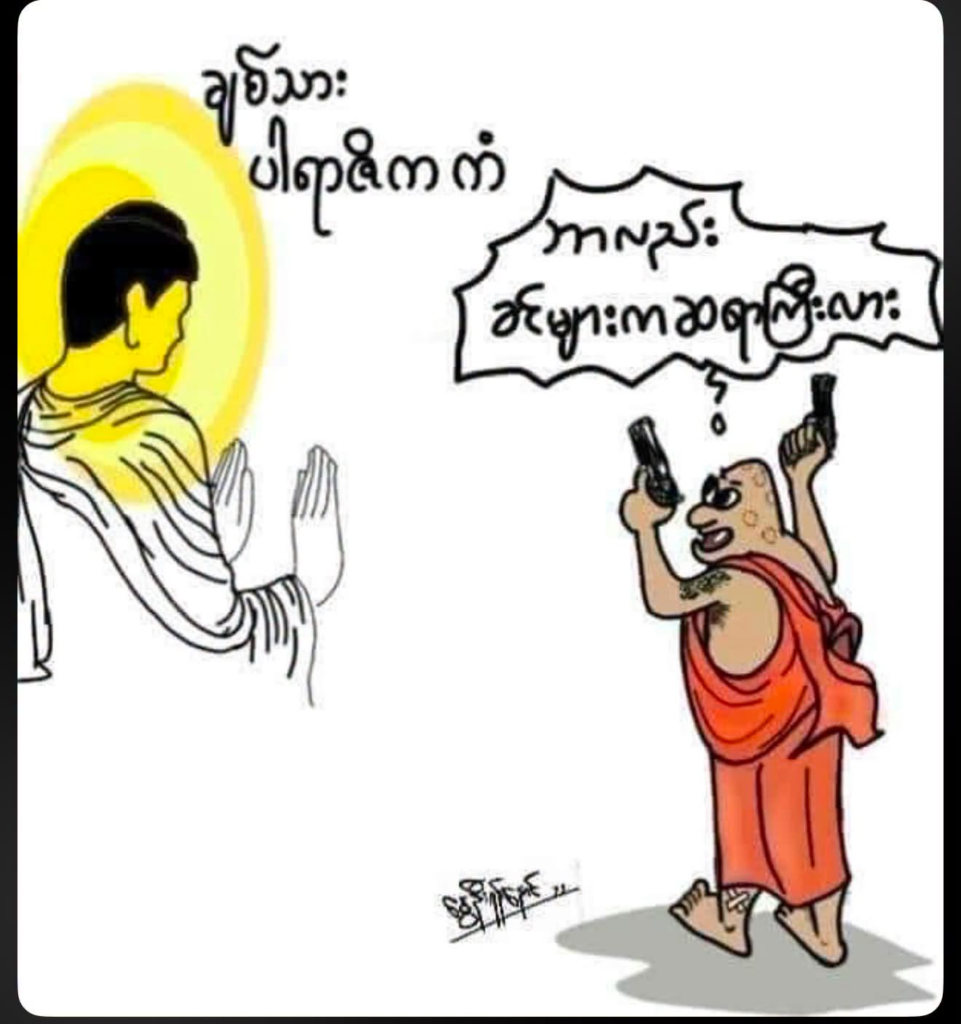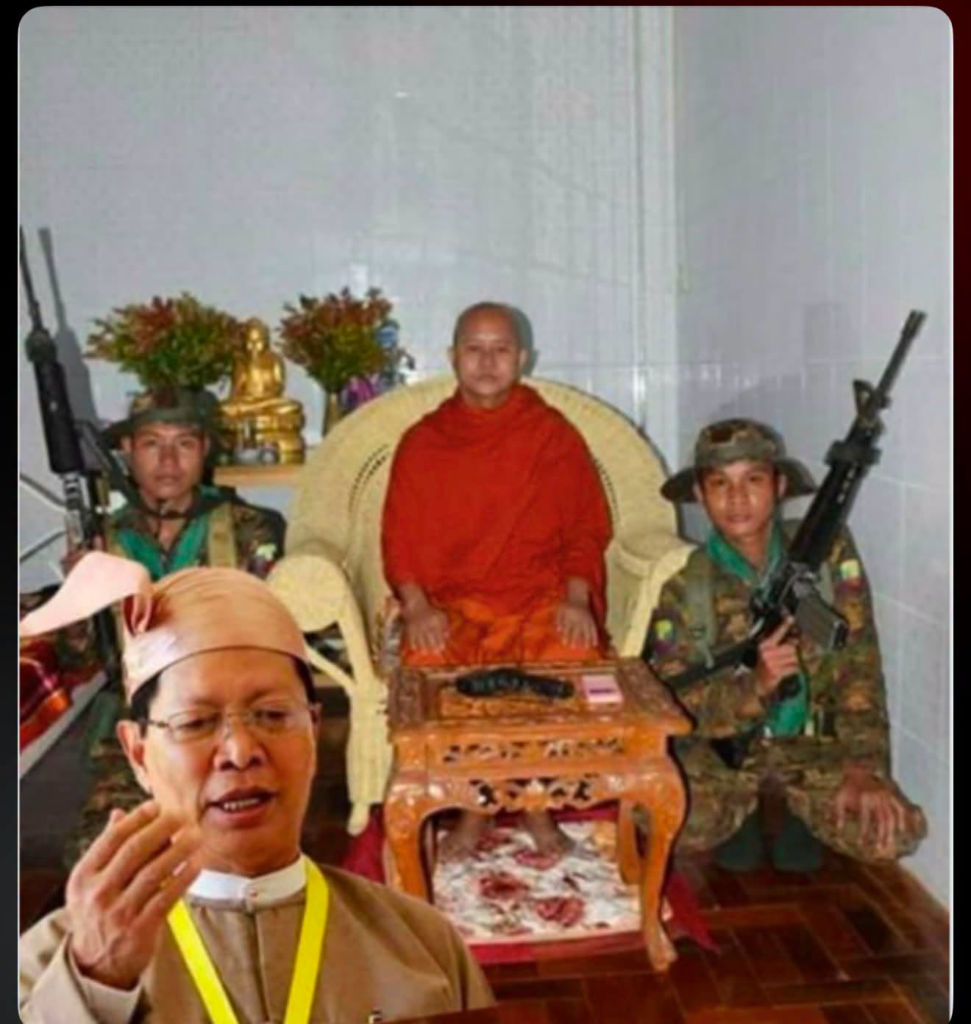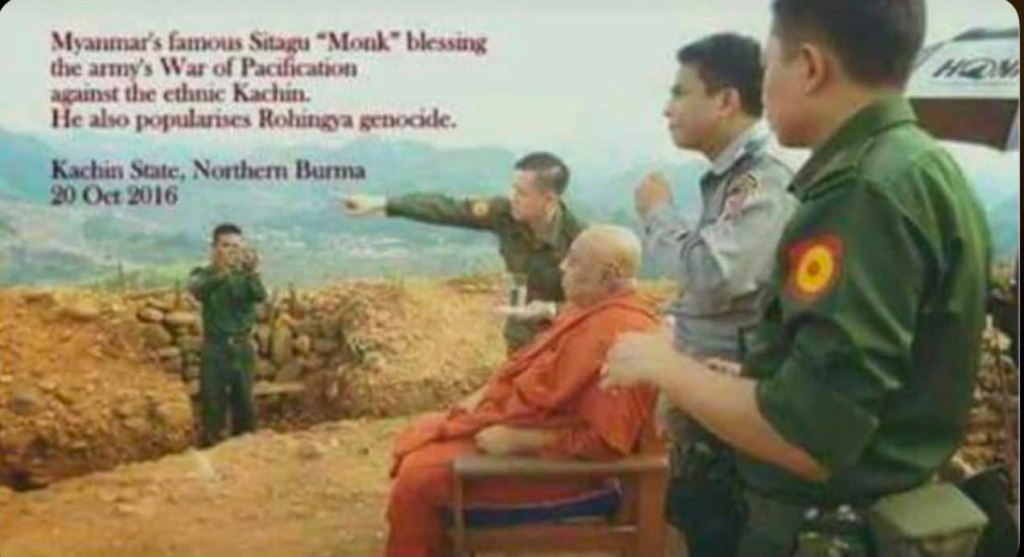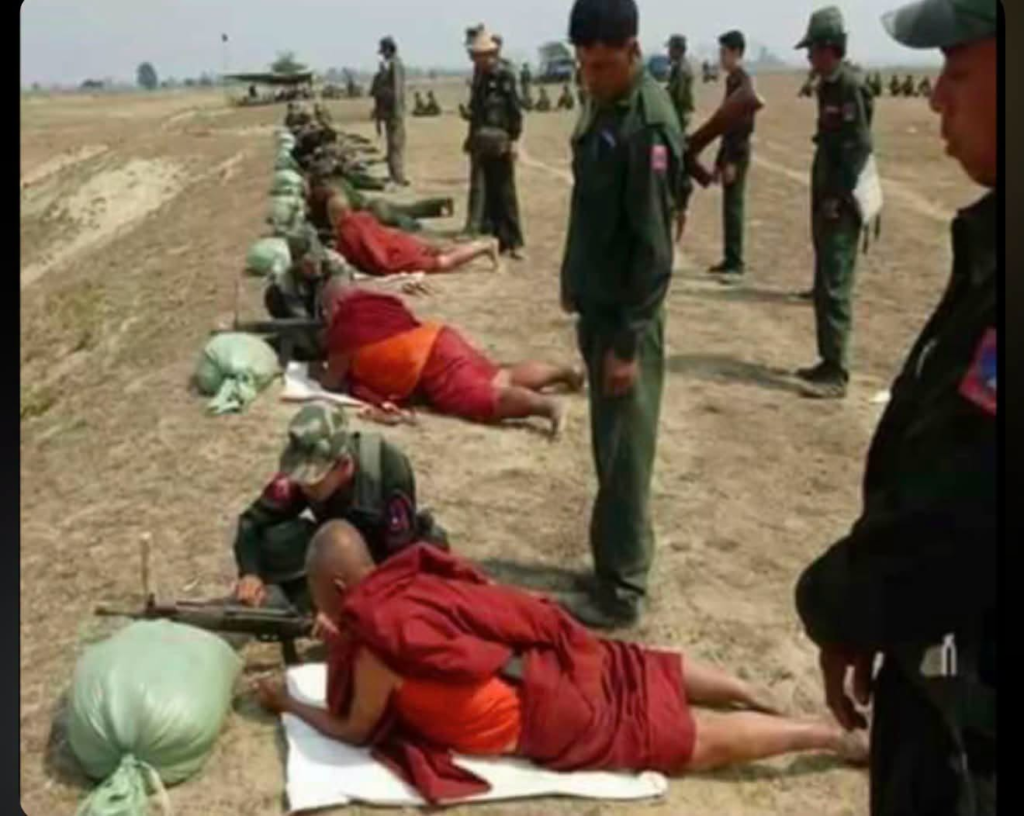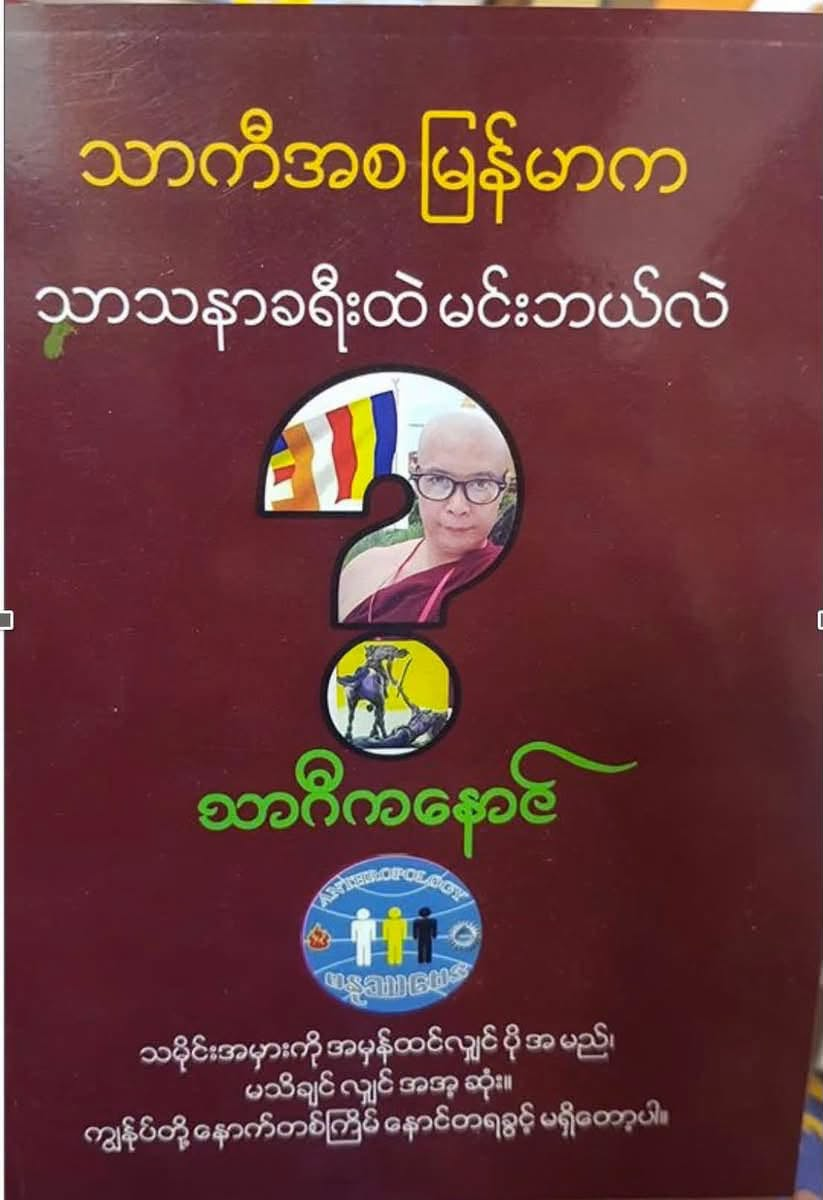
Looking closely at the tone and phrasing, it is absolutely a sharp piece of political satire.
The author is using sarcasm to mock extreme nationalist rhetoric in Myanmar by taking their logic to absurd lengths—pointing out how ridiculous it is to treat a universal, global figure like the Buddha as if he were an exclusive, local commodity, while simultaneously stripping fellow citizens of their identity the moment they change their faith.
The post critiques ethnocentric distortions of history and the politicization of religious identity in Myanmar. Below is an objective breakdown of the historical realities referenced, supported by academic consensus:
1. The Origins of the Buddha and the Madhyadesha
- The Post’s Reference: The author notes that the Buddha belonged to the peoples of the ancient Madhyadesha (the “Middle Country” of ancient India/modern-day Nepal and northern India) over 2,500 years ago.
- Historical Fact: Siddhārtha Gautama (the historical Buddha) was born in Lumbini (modern-day Nepal) and taught across the ancient kingdoms of Magadha and Kosala.
- Reference: Standard historical texts, such as A.L. Basham’s The Wonder That Was India, detail the geopolitical landscape of the Indo-Aryan Mahajanapadas (great realms) during the 6th–5th centuries BCE, confirming that the origin of Buddhism is firmly rooted in the Indian subcontinent, entirely independent of early Tibeto-Burman migrations.
2. The Timeline of the Burmese Ethnicity (Mranya / Bamar)
- The Post’s Reference: The author mentions that the Burmese emerged as a distinct ethnic identity just over a thousand years ago.
- Historical Fact: Anthropological and linguistic evidence shows that the proto-Bamar peoples migrated from the Himalayan foothills and Nanzhao into the central plains of the Irrawaddy valley around the 8th to 9th centuries CE. They established their first major unified kingdom at Pagan (Bagan) in the 11th century under King Anawrahta.
- Reference: Renowned historian Thant Myint-U discusses these migration patterns and the consolidation of the early Burmese identity in his historical work, The Making of Modern Burma (Cambridge University Press).
3. Religious Conversion and Sociological Identity
- The Post’s Reference: The author satirizes a prevalent socio-political bias in Myanmar where changing one’s faith from Buddhism to Islam often results in being stripped of indigenous status and pejoratively labeled an outsider or “Bengali.”
- Sociological Fact: Modern citizenship and national identity in Myanmar have historically been heavily intertwined with the concept of Amayyo Batha Thathana (Race, Language, and Religion), viewing Theravada Buddhism as an inseparable component of being ethnically Bamar.
- Reference: This dynamic and its impact on minority communities are extensively analyzed in Dr. Iselin Frydenlund’s research on Buddhist nationalism, as well as publications by the International Crisis Group, which document how religious conversion intersects contentiously with state-recognized ethnic classification (Taingyintha).
Aung Tin is with Aung Tin.
ptodeosSrnce1241Ytt:6 6609iy302s50c ag17a3ae 2i7M3d42lc31rAt ·
ဗုဒ္ဓဘာသာဝင် မြန်မာလူမျိုးက အစ္စလာမ်ဘာသာပြောင်းလိုက်တာနဲ့ အရှင်လတ်လတ်ကြီး ဘဂ်ါလီလူမျိုးအဖြစ် ဘဝပြောင်းသွားရှာရတဲ့ နိုင်ငံပဲလေ။
ဗုဒ္ဓသည် ကျောက်ဆည်က
အညာသားမြန်မာလူမျိုးစစ်စစ်ဖြစ်တယ်ဆိုလည်း
ရတယ်။
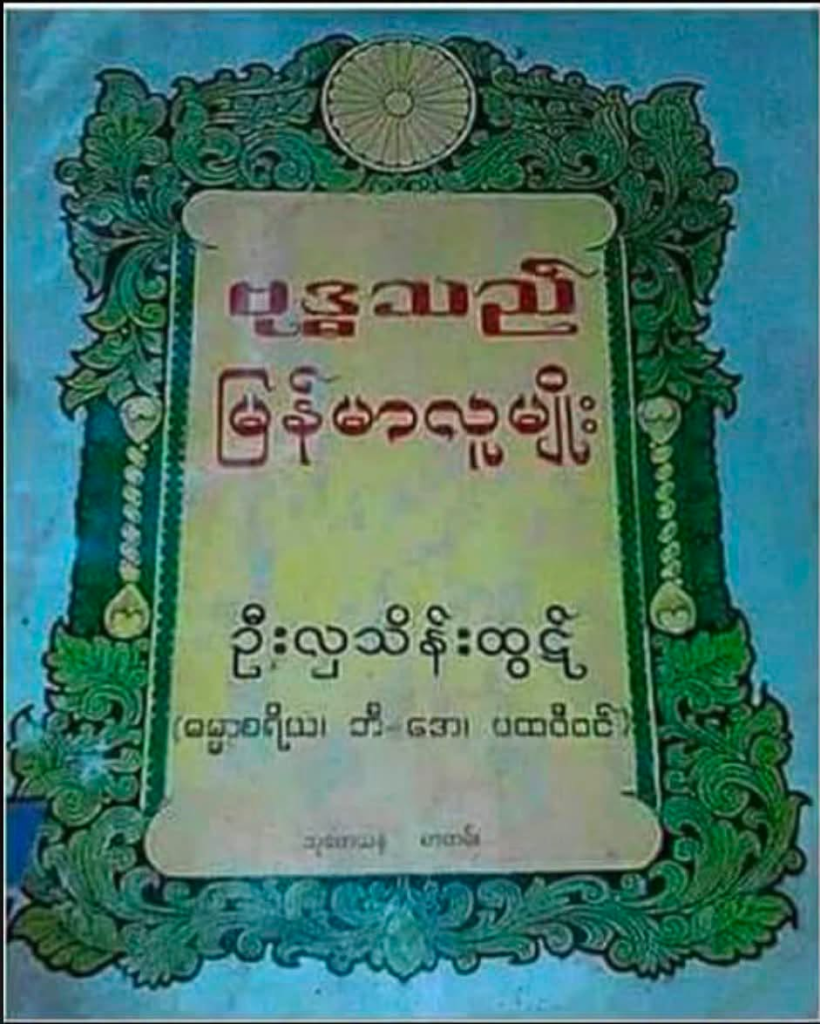
လွန်ခဲ့သောနှစ်၂၅၀၀ကျော်က
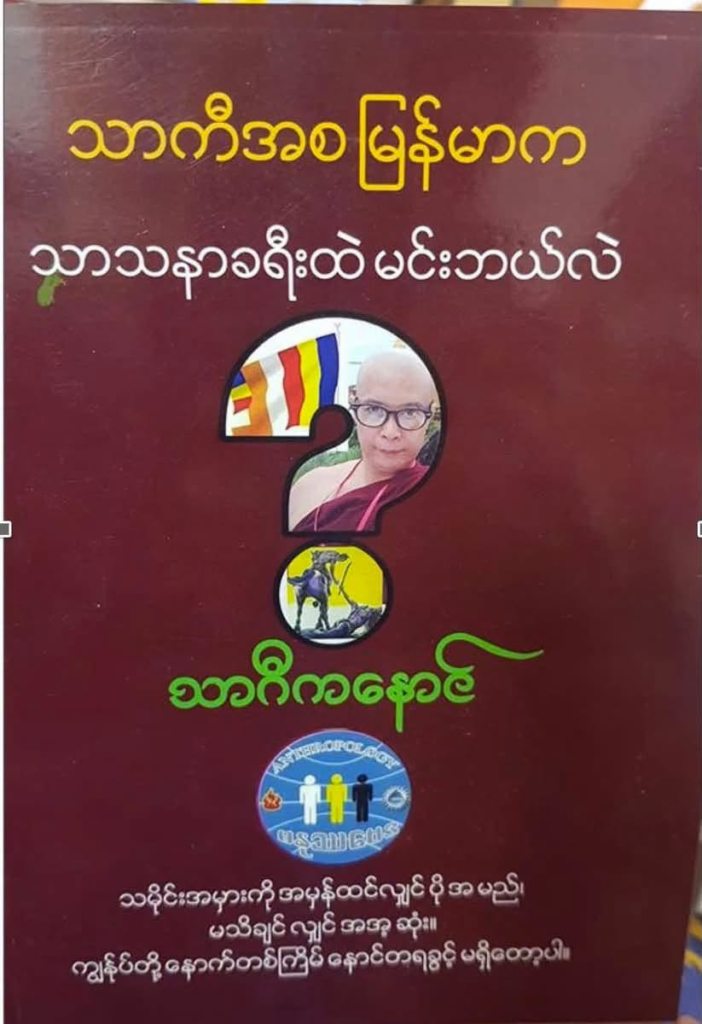
ဗုဒ္ဓရဲ့သာကီဝင်လူမျိုးတွေကိုလည်း
လွန်ခဲ့သောနှစ်တစ်ထောင်ကျော်မှ
လူမျိုးဖြစ်လာတဲ့
မြန်မာတွေက မွေးထုတ်လိုက်တာပါဆိုလည်း
ရတယ်။
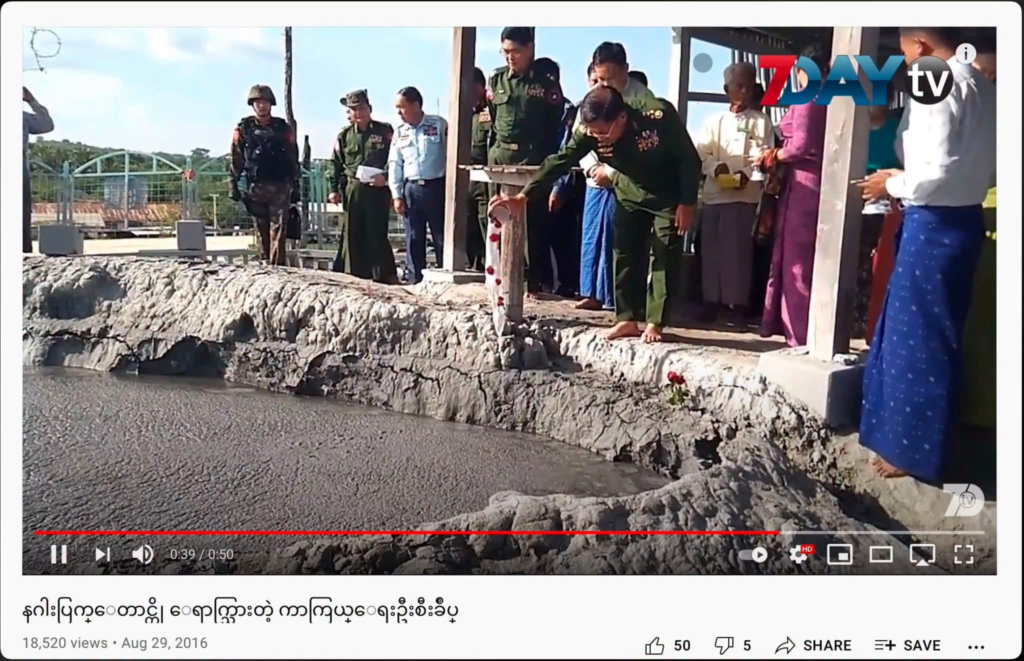
ရွှံ့ပွက်ပူအိုင်ထဲ နွားနို့လောင်းပြီး
နဂါးမင်းကို နို့တိုက်သူတွေလည်း တိုက်ကြ၊
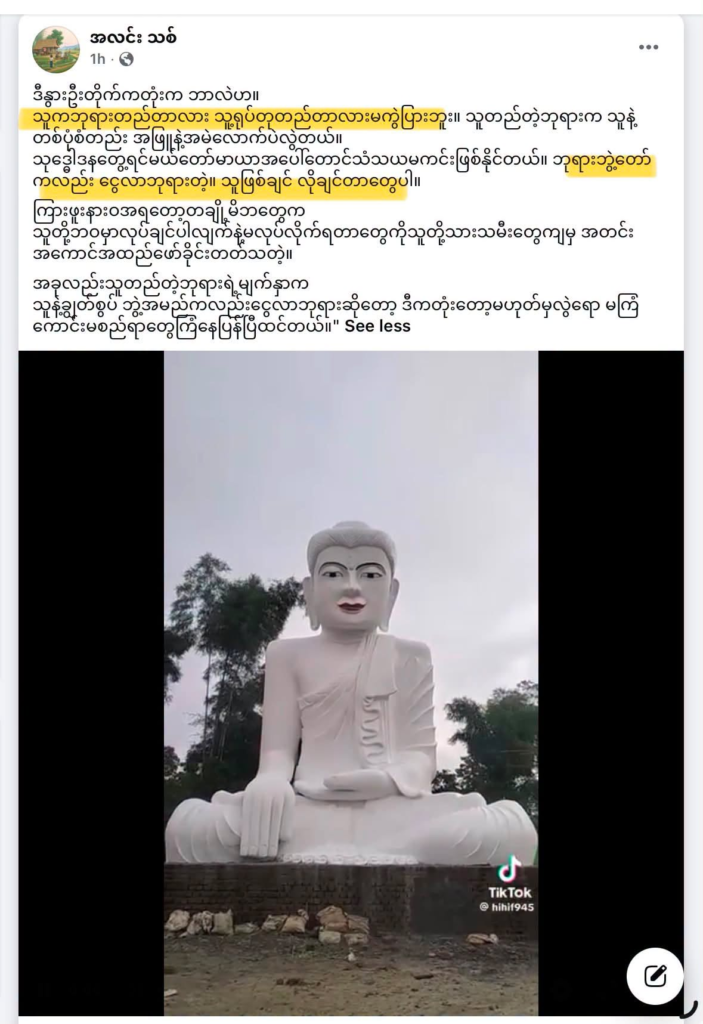
ဗုဒ္ဓရုပ်ပွါးမျက်နှာတော်ကို ကိုယ့်မျက်ခွက်နဲ့
အစားထိုးသူထိုးနဲ့
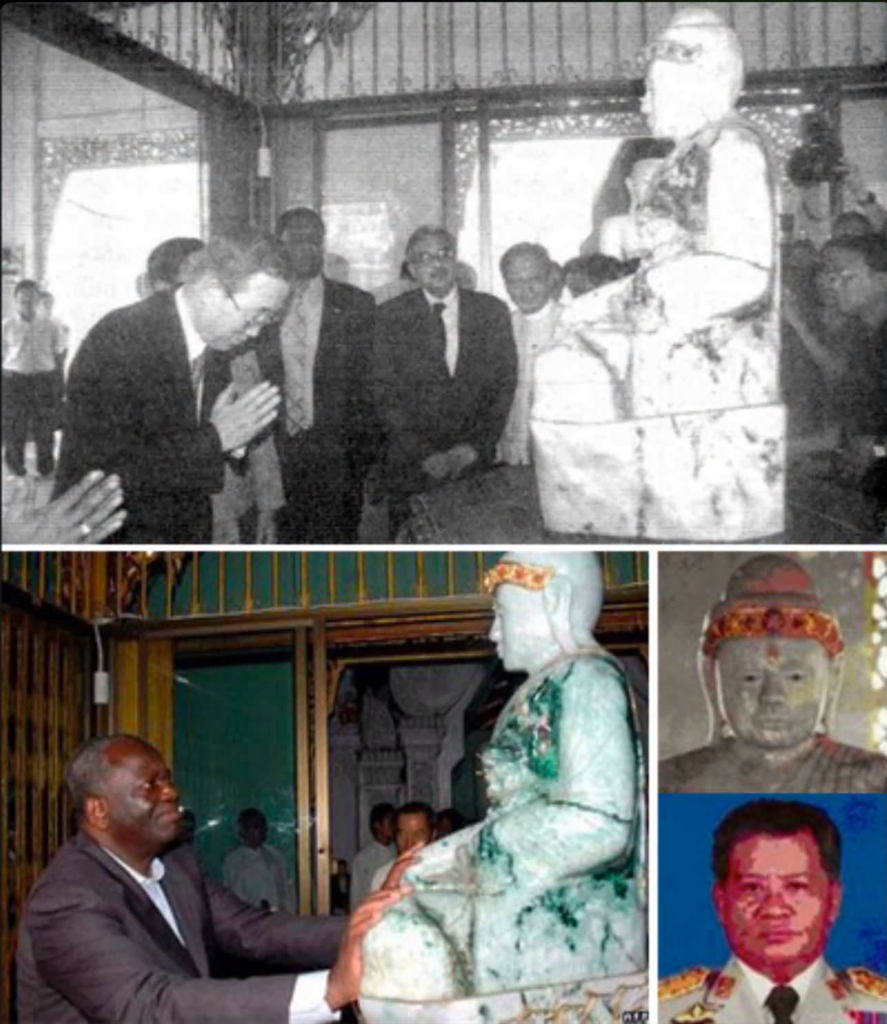
ပြောချင်သလိုပြော
လုပ်ချင်သလိုလုပ်ကြပေရော့။