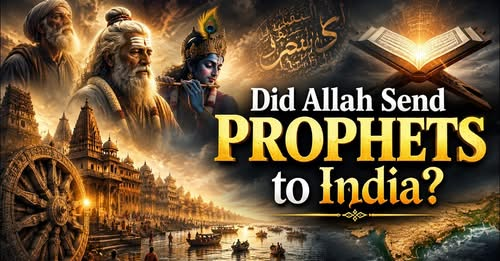
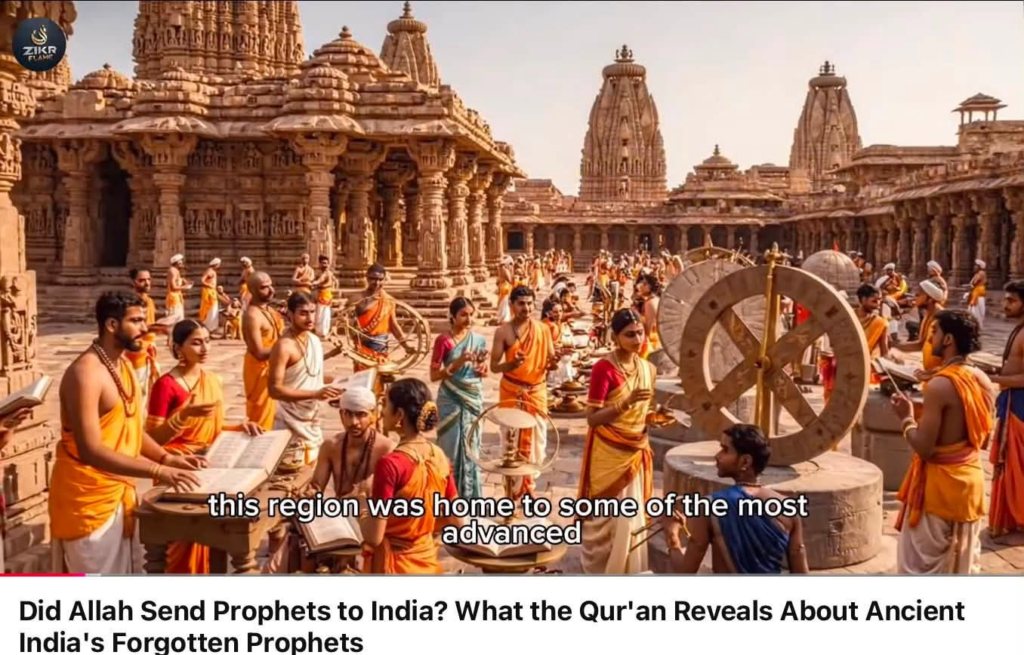
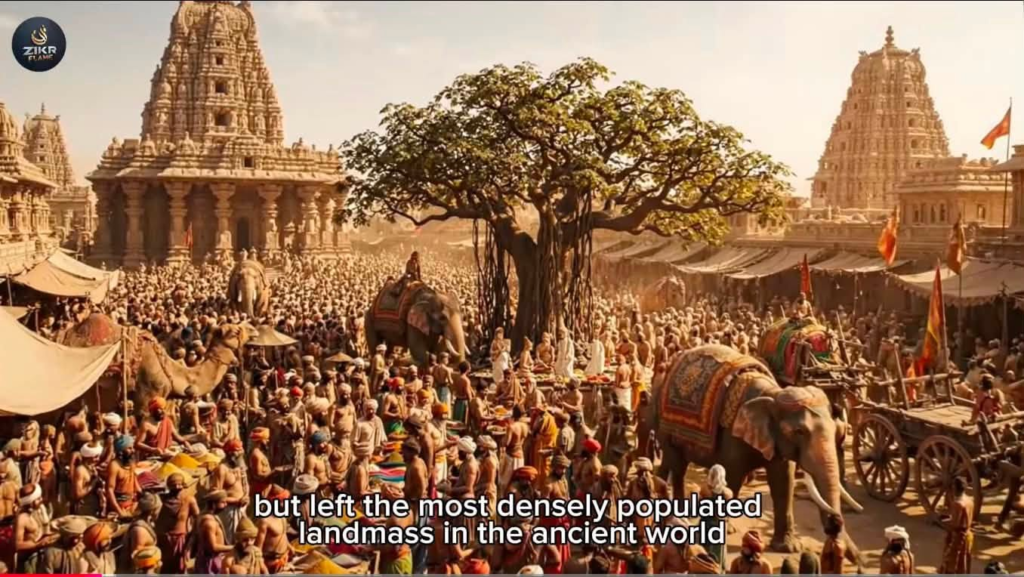
“The Buddha taught that there is no human being who has not been a relative in the past. Just as humans are fundamentally interconnected through their bloodlines and genetics, I firmly believe that all religions share the same core original beliefs and foundations.
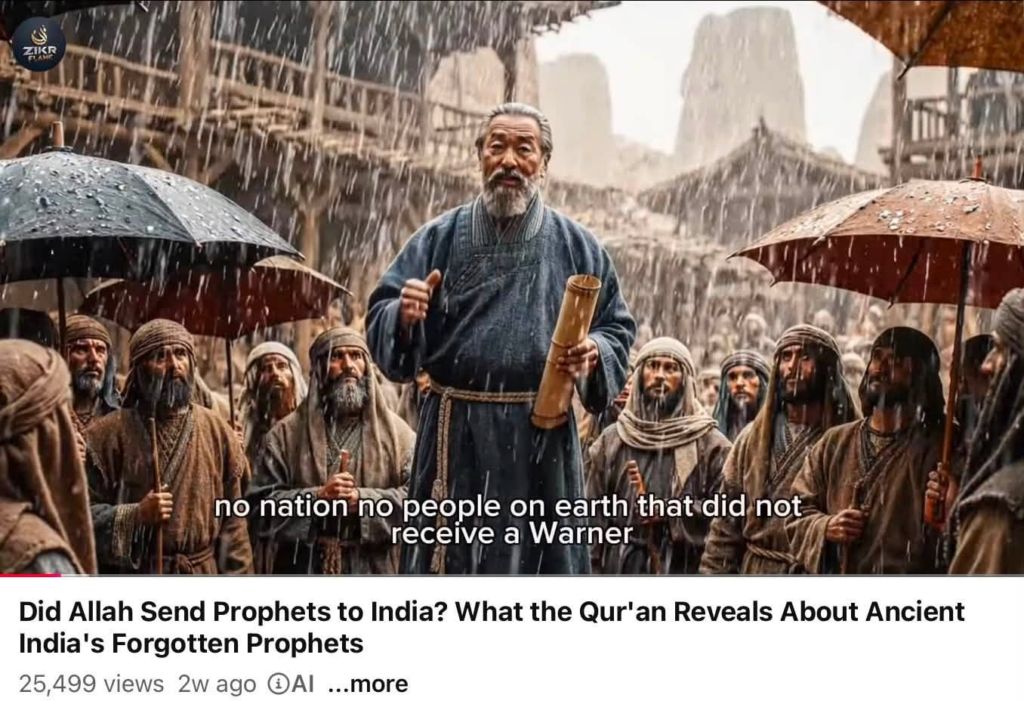
In the Qur’an, it is explicitly stated that Allah the Almighty sent messengers and warners to every single nation of mankind to ensure justice.
Surah Fatir (35:24):
‘Indeed, We have sent you, [O Muhammad], with the truth as a bringer of good tidings and a warner. And there was no nation but that there had passed within it a warner.’
Therefore, according to the Qur’an, it would be completely impossible if not a single prophet had been sent to the Indian subcontinent, which holds one of the largest human populations on Earth.
Below is a summary translation provided by Grok.”
Fact Verification
The concepts mentioned in the post and further elaborated in the Zikr Flame YouTube video align accurately with their respective religious texts:
1. The Buddha’s Teaching on Past Relatives
Status:Verified (True)
Details: In the Pali Canon (Samyutta Nikaya 15.14–19, the Anamatagga Samyutta), the Buddha explains the concept of Samsara (the endless cycle of rebirth). He states that because the cycle has no discoverable beginning, it is nearly impossible to find any living being who has not at some point in a past life been your mother, father, brother, sister, son, or daughter.
2. The Qur’anic Statement on Messengers to All Nations
Status:Verified (True)
Details: The quote cited in the post is Surah Fatir 35:24, and its translation is entirely accurate. Furthermore, Surah Ar-Ra’d 13:7 reinforces this by stating, “And for every people is a guide.” Islamic theology traditionally teaches that 124,000 prophets were sent throughout human history, the majority of whom are not named in the Qur’an.
3. Context from the Referenced YouTube Video
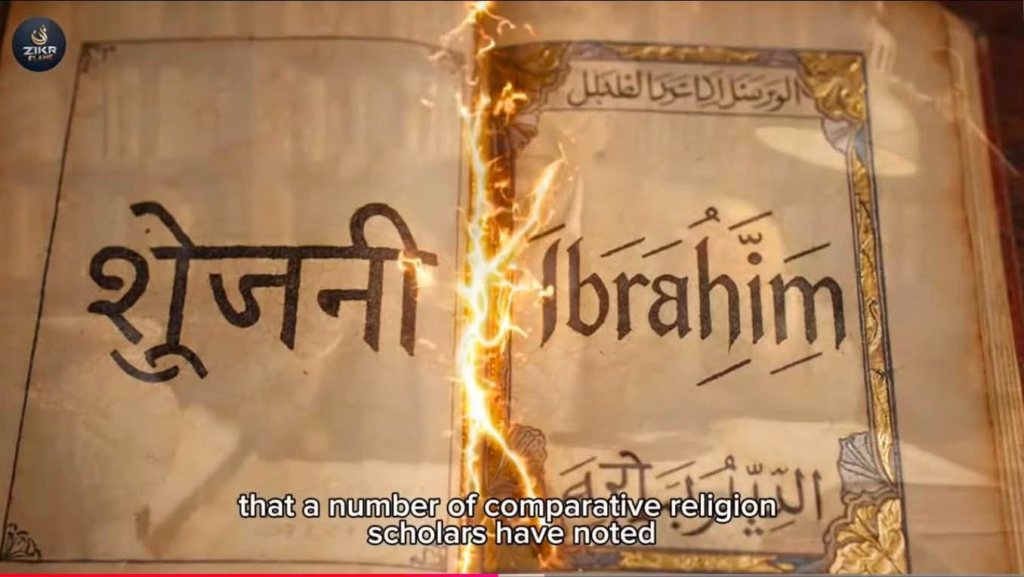
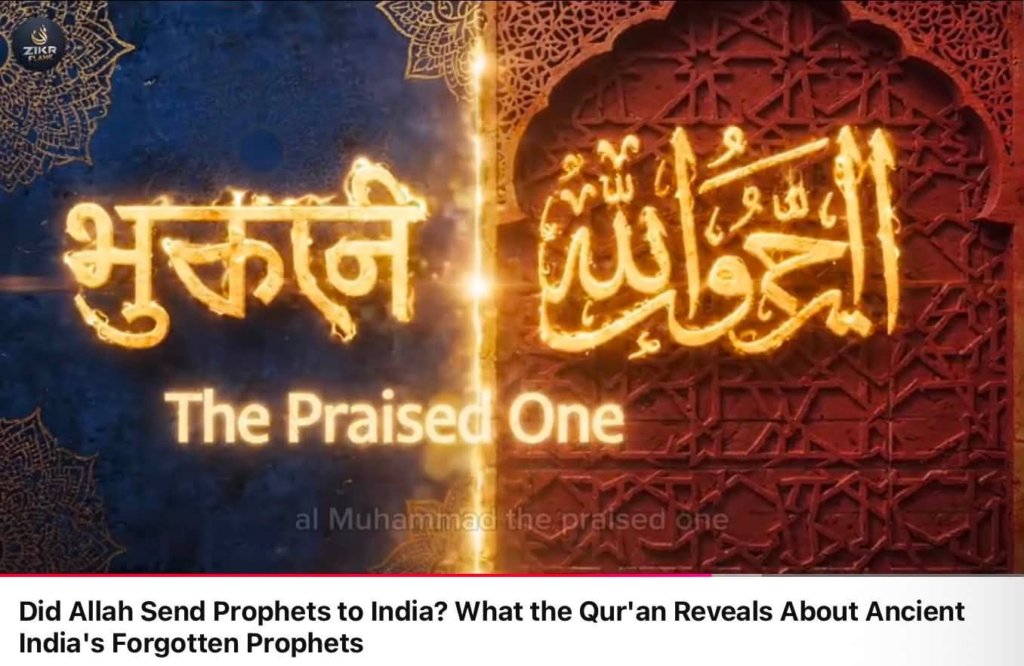
The video, titled “Did Allah Send Prophets to India?”, expands significantly on this premise using comparative theology to find traces of original monotheism (Tawhid) in ancient India:
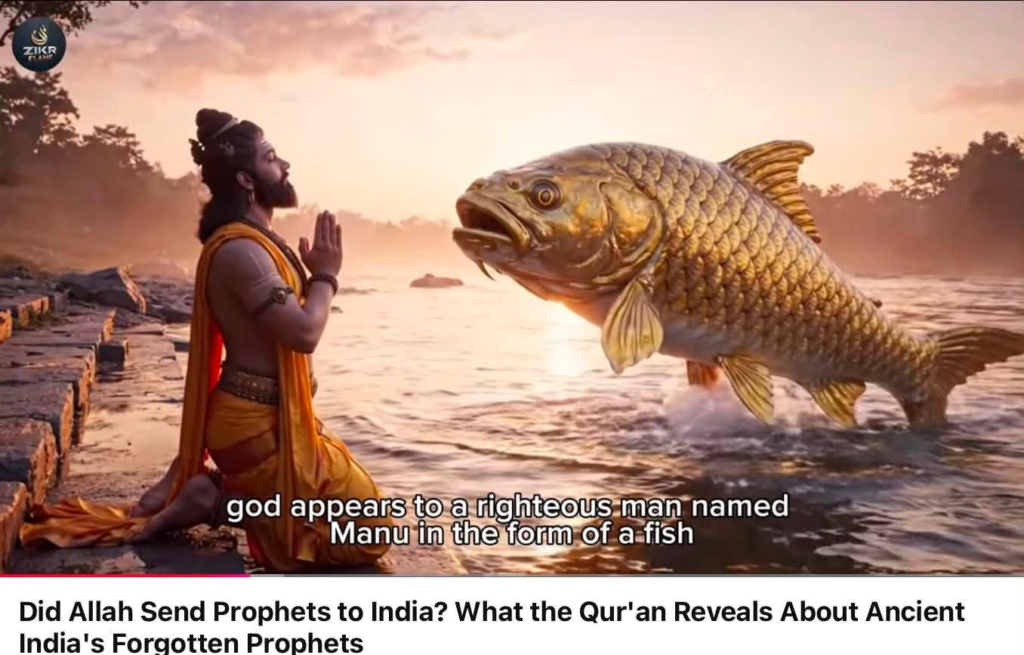
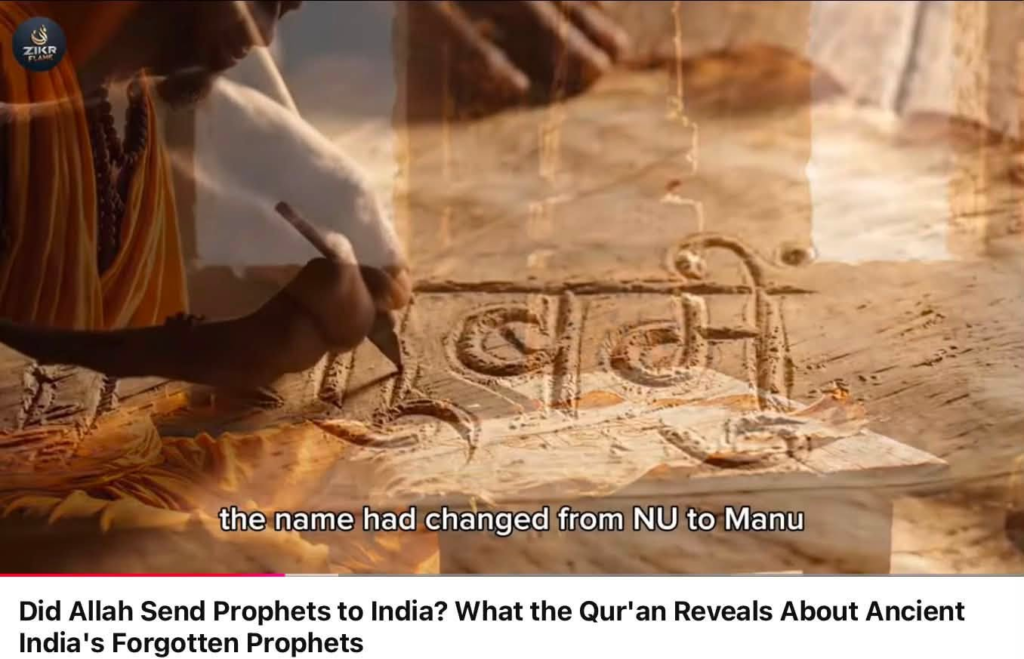
The Flood Myth: It notes the precise structural parallels between the Islamic/Biblical story of Prophet Noah (Nuh) and the Hindu Matsya Purana story of Manu, who survives a divine global deluge by building a massive boat containing his family and pairs of every creature.
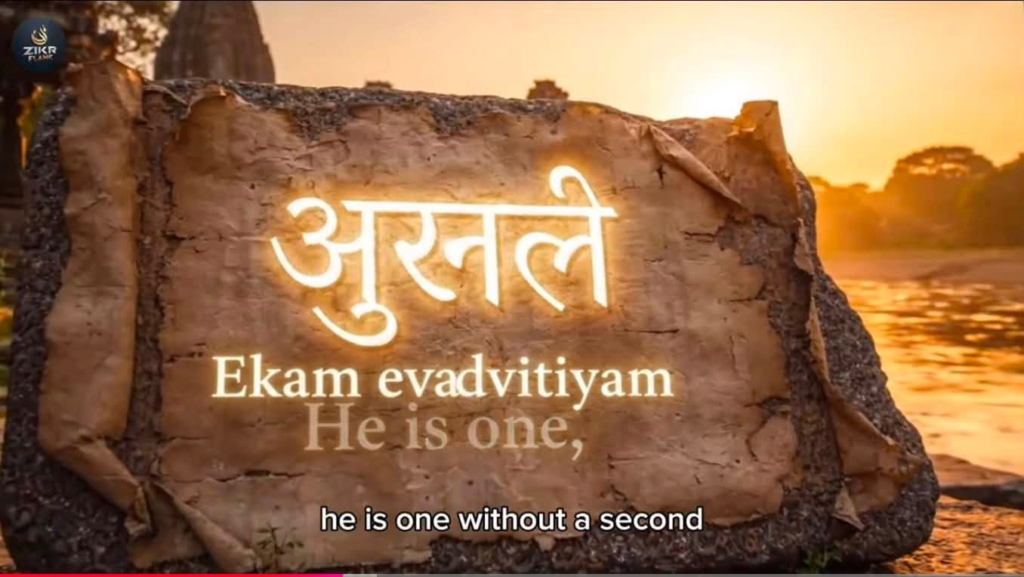
Monotheism in Hindu Scriptures: It points out monotheistic statements in foundational Hindu texts, such as the Chandogya Upanishad (“Ekam evadvitiyam” — “He is one without a second”) and the Shvetashvatara Upanishad 4:19 (“Na tasya pratima asti” — “There is no image/idol of Him”), drawing direct thematic links to Surah Al-Ikhlas in the Qur’an.
Prophetic Descriptions: It examines texts like the Kalki Purana, exploring striking conceptual and linguistic parallels between descriptions of the final avatar’s parents (Vishnu-Yash meaning “Servant of God” vs. Abdullah; Sumati meaning “Peace/Tranquility” vs. Amina) and the biography of Prophet Muhammad.