Today, as my old post resurfaced in my FB memories, I was struck by the coincidence: World Migrant Day, and what I personally call the “Religious Migrant Day” — Ashura, yesterday. A day that recalls Adam’s exile to earth, Prophet Noah’s ship finding land, and Moses leading his people across the sea. Migration, whether forced or chosen, has always been part of human destiny.
In Malaysia today, migrants remain unrecognized under international law, as the country has not signed the UN Charter covenant on the Rights of Migrants. Refugees, especially Rohingyas, face hostility online, raids, arrests, imprisonment, and deportation. Yet history reminds us that migration is not alien to this land.
Malay Refugees in Myanmar
During the wars between the Malay Sultanates and Thailand, and later during the Second World War, countless Malay refugees crossed into Myanmar. When British troops withdrew from Singapore and Malaya by land route through Burma to India, many Malayan forced laborers fled as well — some ending up in Myanmar, even working on the infamous “Death Railway.” These communities, known as the Pashus or Myanmar Malay Muslims, remain part of Myanmar’s social fabric.
Migration as a Cycle of History
Today, Malaysia hosts large numbers of refugees and migrants. But who can say what the future holds? If, centuries from now, disaster, war, or rising seas force Malaysians or Singaporeans to flee, I pray that Myanmar’s people — including my descendants — will not seek revenge, but instead respond with metta, loving-kindness.
This spirit was beautifully expressed by the wise minister Ananda Thuriya, who, facing execution under King Narapatisithu, composed a timeless poem of forgiveness. His words echo across cultures and faiths, comparable to Jesus Christ’s prayer on the cross: “Father, forgive them, for they know not what they do.”
The Law of Nature
Ananda Thuriya’s “Law of Nature” (written in the linka form) is considered the first known Burmese vernacular poem, blending literature with monarchical criticism. Though later versions may have been updated in the 14th century, its essence remains a classic of Burmese civilization.
Here is a brief excerpt from R.F. St. Andrew St. John’s translation:
“Yes, he is one who, wealth attained, Shall pass away and disappear; ’Tis Nature’s Law. … Thee, gentle lord, I blameless hold, Freely to thee, I pardon give, ’Tis not thy deed.”
This noble acceptance of impermanence, coupled with forgiveness, is a lesson for all who suffer displacement. Migration is not only about borders and laws; it is about humanity, compassion, and the refusal to perpetuate cycles of vengeance.
The “Fourth R”: A Silent Burden
In Malaysia, public discourse often warns against touching the “3Rs” — race, religion, and royalty — subjects so sensitive that even a whisper can invite scrutiny. Yet, in the shadows, there exists a “Fourth R,” unspoken but ever-present: Rohingyas.
Unlike the protected sanctity of the 3Rs, the Fourth R has become a punching bag. Anyone may strike, mock, or spit without consequence. Rohingyas, already stripped of legal recognition, are burdened with stigma, scapegoated for social ills, and denied the dignity of belonging. Their suffering is diluted, dismissed, and too often ignored.
This metaphor carries an added cultural resonance. In Chinese tradition, the number four is shunned, avoided in house numbers and floor labels because it echoes the sound of death (sei in Cantonese, si in Mandarin). In Malaysia’s public discourse, the Rohingyas have become a similar “Fourth R” — unlucky, unwanted, and burdened with stigma. Yet superstition should remind us of impermanence, not justify exclusion. What is feared today may tomorrow be the source of compassion.
This reflection is not meant as provocation, but as a reminder. Societies reveal their moral compass not by how they treat the powerful, but by how they treat the powerless. If Malaysia is to soften its stance in the years ahead, it must begin by acknowledging this Fourth R not as a target, but as a test of compassion. For in the cycles of migration, today’s scapegoats may tomorrow be the ones offering refuge.
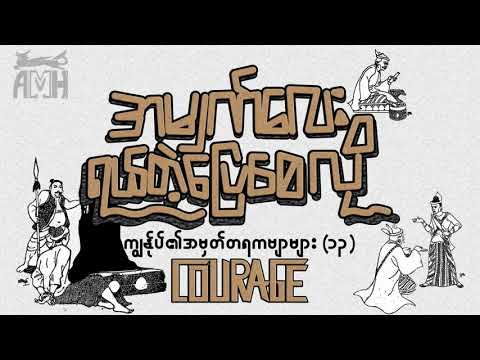
အနန္တသူရိယ(၄၇၄ ခန့် – ၅၃၅)
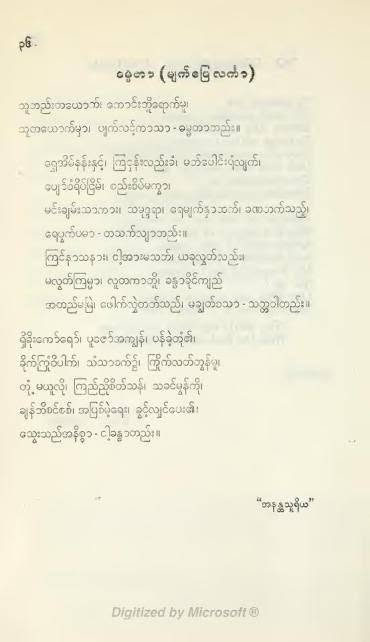
“‘သူတည်းတစ်ယောက်၊ ကောင်းဘို့ရောက်မူ၊ သူတစ်ယောက်မှာ၊ ပျက်လင့်ကာသာ၊ ဓမ္မတာတည်း”‘ ဟု အစရှိသော အမျက်ဖြေလင်္ကာ လေးပုဒ်ကို သတ်အံ့မူးမူးတွင် ရဲရင့်တည်ကြည်သော နှလုံးသားဖြင့် ရေးသားနိုင်စွမ်းသည့် အမတ်ကြီးဟူ၍ မြန်မာစာပေသမိုင်းတွင် အထူးထင်ရှား ကျော်စောလျက်ရှိသူမှာ အနန္တသူရိယ အမတ်ပင် ဖြစ်သည်။
အနန္တသူရိယအမတ်သည် တုန်လှုပ်ထိတ်လန့်ခြင်းဖြစ်နိုင်ရအံ့လော၊ မဖြစ်နိုင်။ ထို့ကြောင့်ရဲရင့်တည်ကြည်သောစိတ်ထားနှင့် တရားပြည့်ဝစွာပင်လျှင် သူတယောက်တည်း၊ ကောင်းဘို့ရောက်မူ အစရှိသောအမျက် ဖြေလင်္ကာလေးပိုဒ်ကိုလည်း သတ်အံ့ဆဲဆဲတွင် ရဲရင့်တည်ကြည်သော နှလုံးရှိသည်ဖြစ်၍ မည်သို့မျှ တုန်လှုပ်ထိတ်လန့်ခြင်း မရှိပဲ မသေမီ အမျက်ဖြေလင်္ကာလေးပိုဒ်ကို အေးဆေးတည်ငြိမ်စပ်ဆို၍ မင်းကြီးအား ဆက်ပါဟု အပ်ခဲ့၏။
သူသတ်တို့လည်း သတ်ပြီးမှ စာကို ဆက်၏။ လင်္ကာလေးပိုဒ်ကား
၁၊ သူတည်းတစ်ယောက်၊ ကောင်းဘို့ရောက်မူ၊ တစ်ယောက်သူမှာ၊ ပျက်လင့်ကာသာ−ဓမ္မတာတည့်။
၂၊ ရွှေအိမ်နန်းနှင့်၊ ကြငှန်းလည်းခံ၊ မတ်ပေါင်းရံလျက်၊ ပျော်စံရိပ်ငြိမ်၊ စည်းစိမ်မကွာ၊ မင်းချမ်းသာကား၊ သမုဒ္ဒရာ၊ ရေမျက်နှာထက်၊ ခဏတက်သည် .... ရေပြွက်ပမာ−တသက်လျာတည့်။
[အချို့မူမှာ – ရွှေအိမ်နန်းနှင့်၊ ကြငှန်းတက်သည်၊ ရေပြွက်ပမာ-တသက်လျာတည့်ဟူ၍တိုတိုသာရှိသည်။]
၃၊ ကြင်နာသနား၊ ငါ့အားမသတ်၊ ယခုလွှတ်လည်း၊ အလွတ်ကြမ္မာ၊ လူတကာတို့၊ ခန္ဓာခိုင်ကျည်၊ အတည်မမြဲ၊ ဖောက်လွဲတတ်သည် .... မချွတ်စသာ−သတ္တဝါတည်း။
[အချို့မူမှာ – ကြင်နာသနား၊ ငါ့အားမသတ်၊ ယခုလွှတ်လည်း၊ မလွတ်ပေရာ၊ * အနိစ္စာတည်း-ဟူ၍တိုတိုသာရှိသည်။]
၄၊ ရှိခိုးကော်ရော်၊ ပူဇော်အကျွန်၊ ပန်ခဲ့တုံ၏၊ ခိုက်ကြုံ ဝိပါက်၊ သံသာစက်၌၊ ကြိုက်လတ်တွန်မူ၊ တုံ့မယူလို၊ ကြည်ညိုစိတ်သန်၊ သခင်မွန်ကို ချန်ဘိစင်စစ်၊ အပြစ်မဲ့ရေး၊ ခွင့်လျှင်ပေး၏၊ သွေးသည်အနိစ္စာ၊ ငါ့ခန္ဓာတည့်။
Read also:
Report: Flooded Future: Global vulnerability to sea level rise worse than previously understood