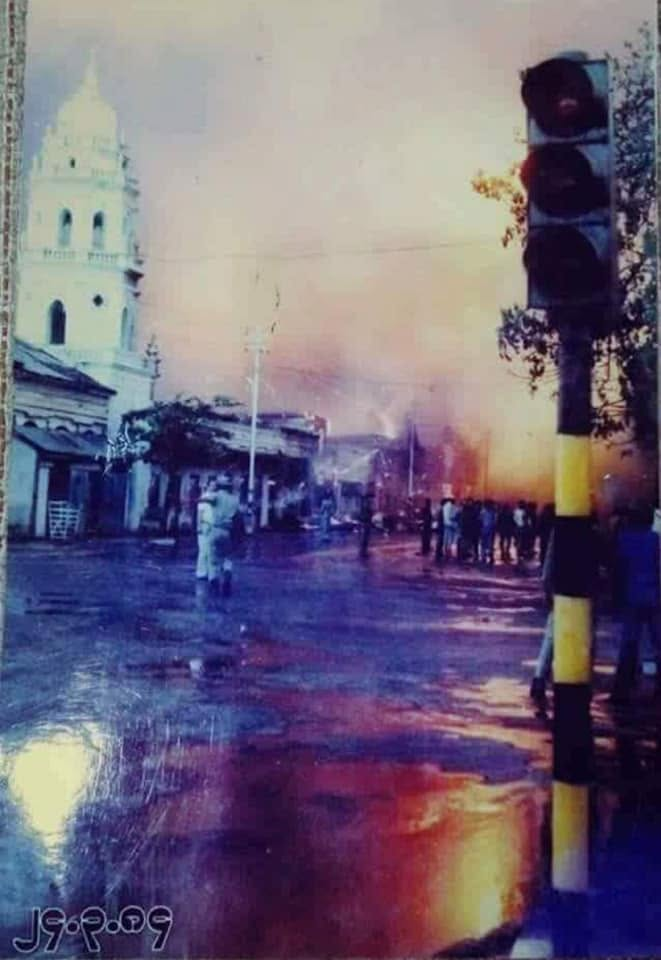
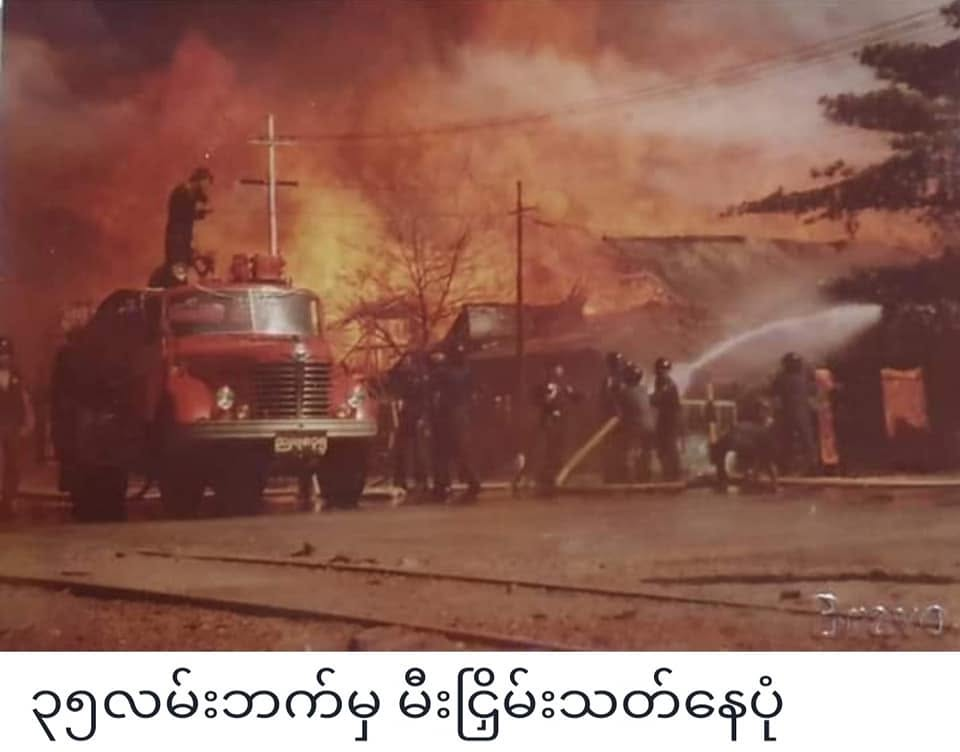
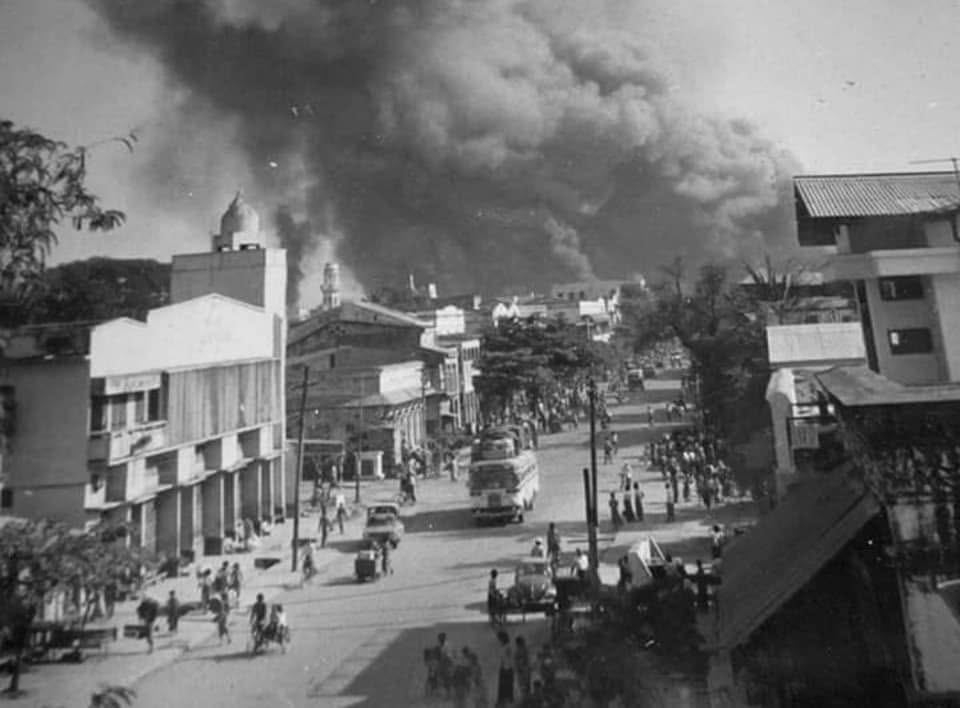
By Naing Minaung Looking back at old photographs of the devastating 1984 fire in Mandalay always brings a profound sense of realization. That fire ripped through the heart of the city, reducing almost the entire downtown area to ashes.
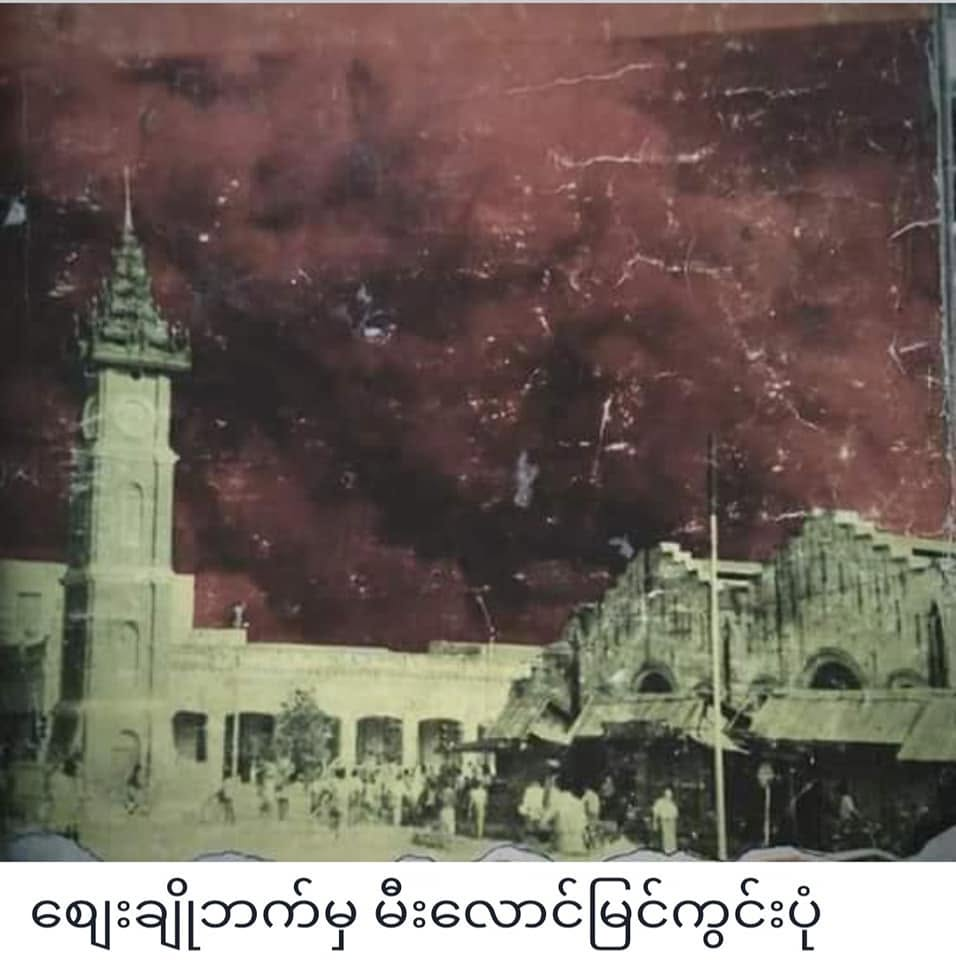
When the flames roared, they did not discriminate. Buddhist pagodas, Dhamma assembly halls, Christian churches, mosques, Chinese shrines, and Hindu temples—all were consumed equally. The sacred spaces of every religious community were destroyed side by side. Fire knows no religion; it spares no one, and everyone suffered the tragedy together.
Historically, our communities understood this shared destiny. However, following the 1988 uprising and the subsequent military coup, a calculated shift occurred: voices of religious and racial conflict suddenly began to rise. While communal tensions had flared in the distant past—such as the anti-Chinese riots, which only quieted down after stern warnings from Beijing—this newer wave of division was deliberately reignited.
In recent years, we have seen the toxic proliferation of hate speech. Phrases warning of an “Islam virus” or stoking fears of “racial extinction” became commonplace. Extremist groups like the 969 movement began openly spreading anti-Islamic rhetoric, even organizing training sessions for young children complete with professionally printed vinyl banners. Far from stopping these provocations, the authorities actively tolerated and encouraged them.
This brings us to a fundamental truth that ordinary citizens must reflect upon: When a fire burns, we all burn together. When floods subvert our towns, we drown together. When a cyclone strikes or an earthquake shakes the ground, we suffer the catastrophe together. When taxes are demanded, we all pay. We are bound by a shared reality as ordinary, downtrodden citizens.
Given this reality, how could one marginalized group possibly possess the power to make another’s religion or race vanish? It is worth pausing to think rationally. In our shared struggle at the bottom of society, we have no such power. A religion only fades if its own followers abandon it from within; outside forces are not that powerful.
We must look closer and ask a vital question: Who actually benefits from keeping the public unstable, angry, and divided? History shows us the answer. While the public was entirely distracted by manufactured communal riots and religious provocations, the massive dual oil and gas pipelines to China were quietly completed. Natural resources were siphoned off, and foreign interests secured energy at cheap prices.
So, who truly profited? And who are the ones actually relying on foreign powers while loudly accusing others of doing so? It is time for us to see past the smoke and mirrors.
Naing Minaung
ဒီပုံလေးတွေ မြင်ရတော့
ကျနော် အသိတရားတခု ရခဲ့တယ်
ဒါက ၁၉၈၄ခုနှစ် မန္တလေးမှာ
လောင်ခဲ့တဲ့ မီးပါ
မြို့လည်ခေါင် အကုန်နီးပါး မီးလောင်ခံခဲ့ရတဲ့ မီးပါ
မီးထဲမှာ ဘုရားစေတီတွေ ဓမ္မာရုံတွေ ခရိယာန်ချပ်ခ်ျတွေ ပလီတွေ တရုတ်ဘုံကျောင်းတွေ ဟိန္ဒူဘုရားကျောင်းတွေ ပါခဲ့ပါတယ်
ဘာသာပေါင်းစုံရဲ့ သာသနိကအဆောက်အဦတွေ ပါခဲ့တာပါ
ဘယ်ဘာသာမှ ကွက်ပြီး ကျန်ခဲ့တာ မရှိပါဘူး
အားလုံးဟာ အတူတူ ခံရတာပါ
၈၈ အရေးအခင်းနောက်ပိုင်း စစ်တပ်အာဏာသိမ်းပြီးချိန်မှ ဘာသာရေး လူမျိုးရေး ပဋိပက္ခအသံတွေ ကြားလာခဲ့ရတာပါ အရင်က ဖြစ်ခဲ့ဖူးပေမယ့် တရုတ်-ဗမာ အရေးအခင်းဖြစ်ပြီး နောက်ပိုင်း တရုတ်ရဲ့ ပြင်းပြင်းထန်ထန် သတိပေးမှုကြောင့် ငြိမ်သက်ခဲ့ရတာကနေ ပြန်အစပျိုးလာတာပါ
အခုနောက်ပိုင်းမှာ
အစ္စလာမ်ဗိုင်းရပ်တို့ အမျိုးပျောက်မှာ စိုးကြောက်စရာတို့လို စာမျိုးတွေအပြင် ၉၆၉အဖွဲ့ရဲ့ အစ္စလာမ်မုန်းတီးရေးတရားတွေကို ပေါ်ပေါ်တင်တင် ဖြန့်လာခဲ့သလို
ဗီနိုင်းတွေနဲ့တကွ ကလေးငယ်တွေကို သင်တန်းပေးလာခဲ့ကြပါတယ်
ဒါကို အာဏာပိုင်အဖွဲ့တွေက မတားဆီးတဲ့အပြင် အားပေးခဲ့ကြပါတယ်
မီးလောင်ခံရတော့ အတူတူ
ရေကြီးတော့လည်း အတူတူ
လေမုန်တိုင်းဒဏ် ခံရတော့လည်း အတူတူ
ငလျင်ဒဏ် ခံရတော့လည်း အတူတူ
အခွန်ဆောင်ရတော့လည်း အတူတူ
အားလုံး အတူတူ ခံရတာချင်း တူတူ ကျနော်တို့ကြောင့် ခင်များတို့ဘာသာပျောက်မယ်
လူမျိုးပျောက်မယ်ဆိုတာ ဖြစ်နိုင်မဖြစ်နိုင် ချင့်ယုံကြစေချင်တယ်
အတူတူ နင်းပြားဘဝချင်းမှာ ကျနော်တို့က ဘာစွမ်းလို့ ခင်များတို့ဘာသာကို ပျောက်အောင် လုပ်နိုင်မှာလဲ
ခင်များတို့ ပိုင်တဲ့ဘာသာကို ခင်များတို့ကိုယ်တိုင် ဖျောက်မှ ပျောက်မှာ ကျနော်တို့ အဲ့လောက် မစွမ်းဘူးဗျ
နောက်ထပ် ထပ်ပြီး ဆက်စဉ်းစားကြည့်
အဲ့ဒီလို လူထုမငြိမ်မသက် ဆူပူအောင် ဘာလို့လုပ်ကြသလဲလို့
အဲ့ဒီလို ဆူပူရန်ဆောင်နေချိန်မှာ တရုတ်ကို သွယ်တဲ့ ပိုက်လိုင်းကြီး ပြီးမြောက်အောင်မြင်သွားတယ်
ရေနံနဲ့ဓါတ်ငွေ့တွေ ဈေးပေါပေါနဲ့ တရုတ်က ရသွားတယ်
ဘယ်သူ အမြတ် ရလိုက်သလဲ
ပြည်ပအားကိုး ပုဆိန်ရိုး အဆိုးမြင်ဝါဒီများအား ဆန့်ကျင်ကြတဲ့
ဘယ်သူတွေ ပြည်ပအားကိုး နေကြပါလိမ့်