Of “Non-Taingyintha,” Playgrounds and Swing Sets
A Myanmar reading of the “pendatang” question — adapted from a Malaysian original
Who counts as a “true” son or daughter of the soil depends entirely on how far back in time you’re willing to go.
I’ve always thought of Myanmar’s belonging debates as kids in a playground fighting over a swing set — insisting “we were here first” and hogging it out of spite, rather than letting others get a turn.
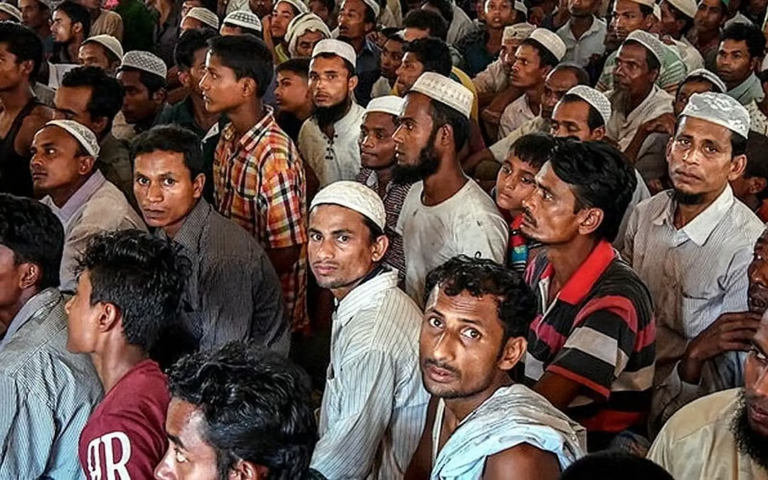
Today that playground is crowded. Bamar, Shan, Karen, Kachin, Mon, Rakhine, Chin, Kayah, Rohingya, Wa, and dozens more all claim a stake in it. Everyone still needs to learn to share.
Anyone can be branded an outsider, depending on how far back you’re willing to look.
If we go back to the colonial era, we find Indian and Chinese migrants brought over by the British as laborers, clerks, moneylenders and soldiers — some of whose descendants have lived in the country for five generations and are still asked to prove they “belong.”
If we go back to the Third Anglo-Burmese War and the fall of Mandalay in 1885, we find an entire kingdom’s borders redrawn by an outside power in a matter of weeks.
If we go back to the Konbaung dynasty’s wars against Arakan, Manipur, and Ayutthaya, we find forced resettlement, war captives, and refugees created on every side of every conflict.
If we go back further, to the Mon and Pyu kingdoms that predate the Bamar people’s migration into the Irrawaddy basin, then the Bamar themselves were once the newcomers.
If we go back to Bagan’s rise, we find Bamar kings absorbing Mon and Pyu polities that came before them.
If we go back to the Arakanese kingdom of Mrauk U, we find a coastline whose history was shaped by centuries of trade and settlement with Bengal, Persia, and the Mughal court — the very cross-Naf ties now used to cast doubt on Rohingya belonging.
If we go to the Shan hills, the Kachin ranges, or the Chin and Karen highlands, we find peoples whose own migrations and kingdoms predate the plains dynasties that later claimed to speak for the whole country.
If you believe in evolution, we’re all African migrants.
If you hold to Buddhist or Christian cosmology — both deeply rooted among Myanmar’s many peoples — we’re all exiles of one kind or another: cast out of Eden, or cycling endlessly through samsara, never permanently rooted anywhere at all.
So do we go all the way back to first migration, or do we cherry-pick whichever chapter of history happens to fit the story of ownership we already wanted to tell?
Because if the answer is to use whatever history is convenient to claim a land as ours alone while disregarding the people who actually live there now — using only ancestry, only scripture, only the version of the chronicle that flatters us — then what separates that from the very accusation so often levelled at Zionists over land in Israel?
At the same time, if we lay claim to a land by looking only at who happens to live there today, without acknowledging who built it or settled it first, and then try to seize it through force, economic pressure, or citizenship laws written to favor the majority — what separates that from the same accusation?
So where does that leave us? Precarious. This is an old question that demands an answer, but one that needs tact and considered judgment, not slogans.
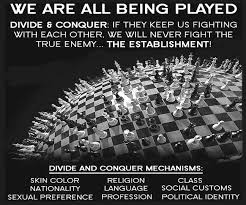
What’s needed most is an honest acceptance of present-day realities, and reconciliation toward a shared future that sits above ethnicity, religion, and inherited privilege.
That would be about as close to utopia as this troubled country could get.
So what should actually be done? Myanmar has tried race-and-religion-based nation-building again and again — the 1982 Citizenship Law’s tiered categories, the official list of 135 “national races” (taingyintha) — and it has resolved nothing.
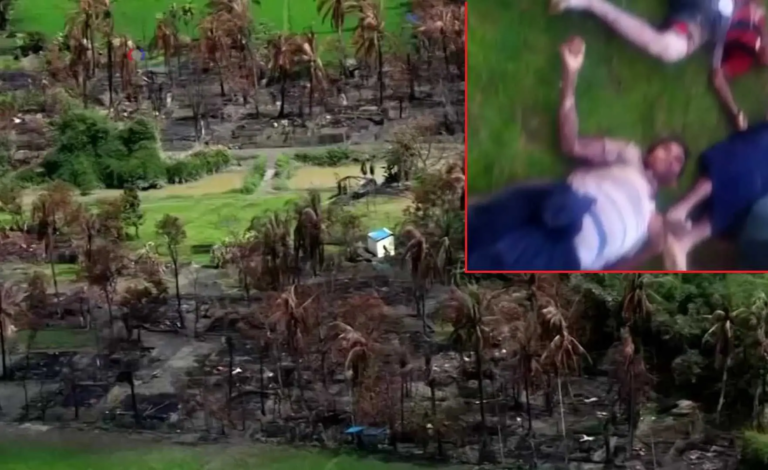
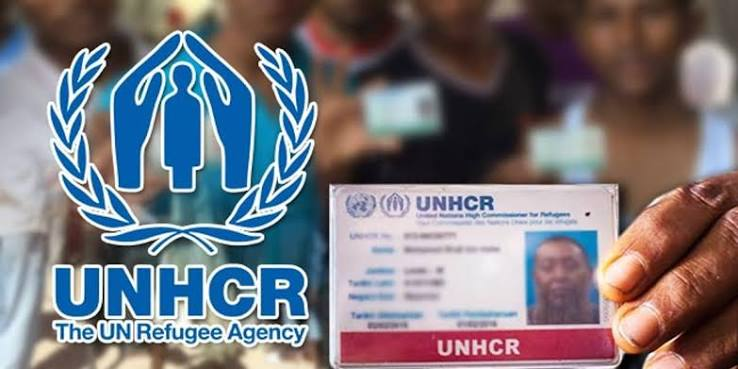
What was once simply a turn on the swing set has hardened into a right claimed for eternity: a lifetime National Verification Card versus full citizenship, a recognized “national race” versus a stateless population, a Bamar-Buddhist center versus ethnic states pushed to the periphery and, for decades, into open conflict.
This is especially true because these classification schemes never looked hard enough at who actually hoards power and resources at the center — Naypyidaw, the military’s sprawling business conglomerates — while equal opportunity at the edges, in Rakhine, Chin, Kachin, Shan and Karen States alike, was never seriously on offer.
In other words: the kid with his own private swing set at home gathers a gang to hog the playground’s swing set too, rather than ever inviting anyone over to share what’s already his.
So perhaps whoever eventually governs a genuinely federal Myanmar — not a garrison state — needs to build more swing sets, and teach people to share them, rather than leave the children to fight it out with rifles.
Adapted from “Of ‘pendatangs’, playgrounds and swing sets” by Hafidz Baharom, originally published on Free Malaysia Today.