By Dr Ko Ko Gyi Abdul Rahman Zafrudin MMNN (Adapted and Edited from the writings of Tin Htun, Aung San Oo, and other historical sources) with the help of Chat GPT
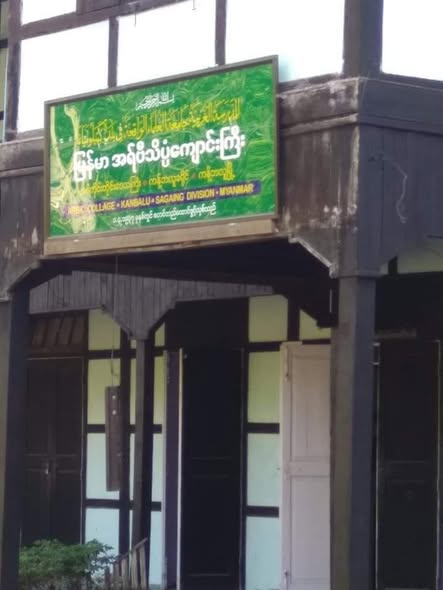
မြန်မာအာရဗီသိပ္ပံကျောင်းကြီး ကန့်ဘလူမြို့ စစ်ကိုင်းတိုင်း
The history of Myanmar Muslims is not only the story of migration and trade. It is also the story of communities deeply rooted in the soil of Burma for centuries—communities that served kings, defended the kingdom, preserved knowledge, and contributed to the nation’s cultural heritage.
Among the most remarkable of these communities are the Myedu Muslims (မြေဒူးမွတ်စလင်များ) of Upper Myanmar.
An Ancient Muslim Community in the Heart of Burma
About ten miles west of Kanbalu, in Sagaing Region, lies the historic area of Myedu (မြေဒူး), once an important town during the Burmese royal era. The region later became associated with King Hsinbyushin, the second son of King Alaungpaya, who was known as the “Prince of Myedu” before ascending the throne.
Surrounding Myedu are several historic Muslim villages, including:
- Salekone (ဆားကုန်း)
- Salekhaing / Sagaing (ဆားခင်း)
- Bawtaw (ဘုတ္တော)
- Ywathitkone
- Myaw Taw
- Chaung Zauk
- Kyay Myit Kyin
- Wa Yone Bot
For generations, these villages formed one of the most important Muslim settlements in Upper Myanmar.
Unlike later immigrant communities, the Myedu Muslims trace their roots to soldiers, administrators, and settlers who served successive Burmese kings. Historical traditions suggest that their ancestors included Arabs, Persians, Pathis, and Muslims from northwestern India who entered royal service and were granted land in central Burma.
Over time, they became thoroughly integrated into Burmese society. They spoke Burmese as their mother tongue, wore traditional Burmese dress, adopted Burmese personal names, and participated fully in local culture while maintaining their Islamic faith.
The Four Great Scholars of Myedu
The Myedu region became famous not only for its Muslim population but also for producing some of the greatest Islamic scholars in Burmese history.
Among them, four names stand out:
- U Khwar (ဆရာကြီးခွာ)
- U Pon (ဆရာကြီးပုံ)
- U Hla (ဆရာကြီးလှ)
- U Zon (ဆရာကြီးဇုံ)
These scholars dedicated their lives to religious education and community service.
Local tradition records that Burmese kings recognized the importance of Islam in the region and sponsored major mosques for these scholars and their communities. Although the original structures have largely disappeared, their legacy remains alive.
For much of the twentieth century, these scholars were responsible for spreading Islamic learning throughout Upper Myanmar.
Scholar U Khwar: Researcher, Judge, and Historian
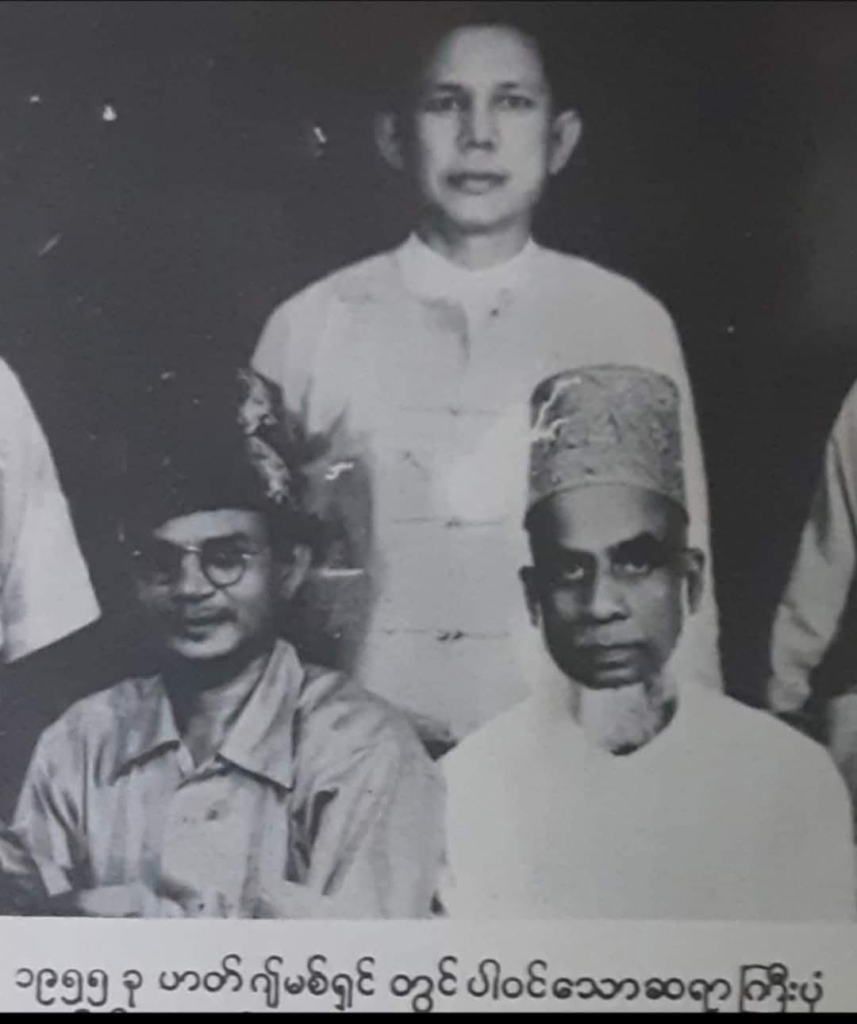
Born in Mandalay in 1886, U Khwar became one of the most respected Islamic scholars of his generation.
After receiving advanced religious education, he returned to his ancestral village of Salekone and established the Ta’limul Islam School. He later sent several students abroad for higher Islamic studies.
Beyond religious scholarship, U Khwar was a serious researcher who traveled widely collecting:
- Ancient manuscripts
- Palm-leaf texts
- Historical records
- Handwritten documents
His contributions helped preserve the history of Burmese Muslims for future generations.
He also assisted in the compilation of early Burmese Muslim historical works, including the 1938 publication Ancient Biographies of Burmese Muslims.
Known for his integrity and impartiality, local people often sought his judgment in disputes. His arbitration became so respected that communities far beyond his village accepted his rulings.
Scholar U Pon: Educator and National Figure
If U Khwar was the researcher, U Pon was the institution builder.
Born in 1901 into a distinguished family, he mastered Burmese literature, Pali, Persian, Arabic, and Urdu.
Following years of study, he founded a religious school in Bawtaw village and later transferred its resources and students to what became the Myanmar Arabic Institute (မြန်မာအာရဗျီသိပ္ပံကျောင်း).
He served as principal from its founding until his death.
His influence extended beyond education:
- He served on national Islamic councils.
- He participated in the independence-era nationalist movement.
- He joined the official Burmese Hajj Mission in 1955.
- He was granted nationwide travel privileges by the government in recognition of his service.
Together with U Khwar, he authored and translated numerous Islamic works, including commentaries on the Qur’an and instructional texts that made Islamic teachings accessible to Burmese-speaking Muslims.
At a time when complete Burmese translations of the Qur’an were unavailable, these scholars helped ordinary Muslims understand the sacred text through detailed explanations and commentaries.
The Myanmar Arabic Institute
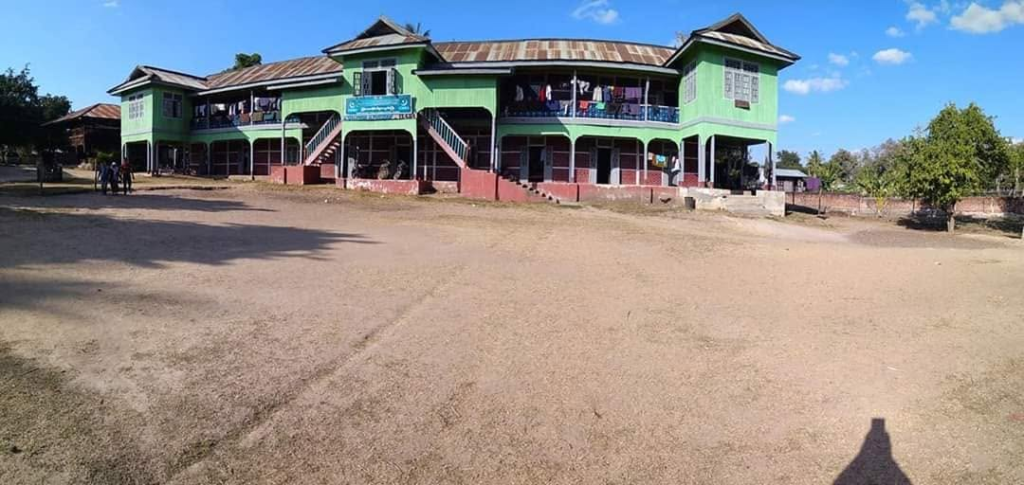
One of the most enduring achievements of the Myedu scholars was the establishment of the Myanmar Arabic Institute in Kanbalu in 1936.
The school became one of the most important centers of Islamic learning in Upper Myanmar.
Generations of students passed through its classrooms and later became teachers, religious leaders, and community figures throughout the country.
The institution survives today and continues to serve the Muslim community.
The Remarkable Story of Principal U Hadi
Among the modern custodians of this legacy is U Hadi, the current principal of the Myanmar Arabic Institute.
His story reflects the perseverance of many Burmese Muslim families.
His father, the respected scholar U Phi, was a nationally recognized Islamic jurist and religious leader. During a journey to northern Myanmar to mediate theological discussions, U Phi was tragically killed by bandits after being struck by gunfire.
Following his father’s death, young Hadi moved with his mother to Bawtaw village.
Raised under difficult circumstances, he received both secular and religious education and eventually graduated as an Islamic scholar.
Rather than seeking personal advancement elsewhere, he spent twenty years serving his home village school.
Later, he was called to Kanbalu to join the Myanmar Arabic Institute. Through dedication, scholarship, honesty, and administrative ability, he gradually rose through the ranks:
- Committee member
- Vice Principal
- Principal
He never campaigned for leadership. Circumstances, merit, and community trust elevated him to the position.
Now in his eighties, he has served the institution for decades with a reputation for integrity, moderation, and non-partisanship.
The Historic Salekone Teak Mosque
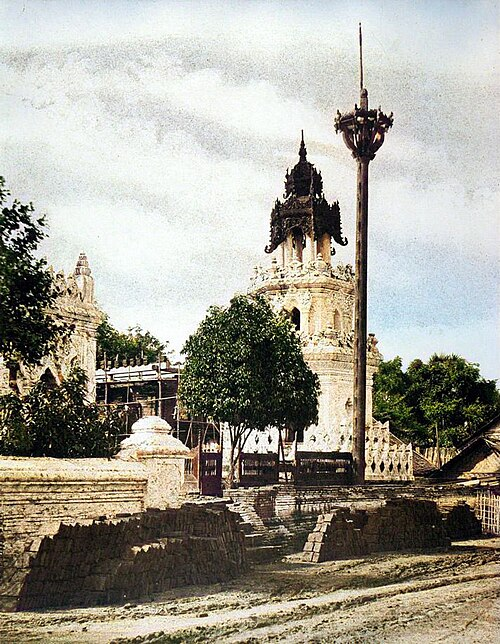
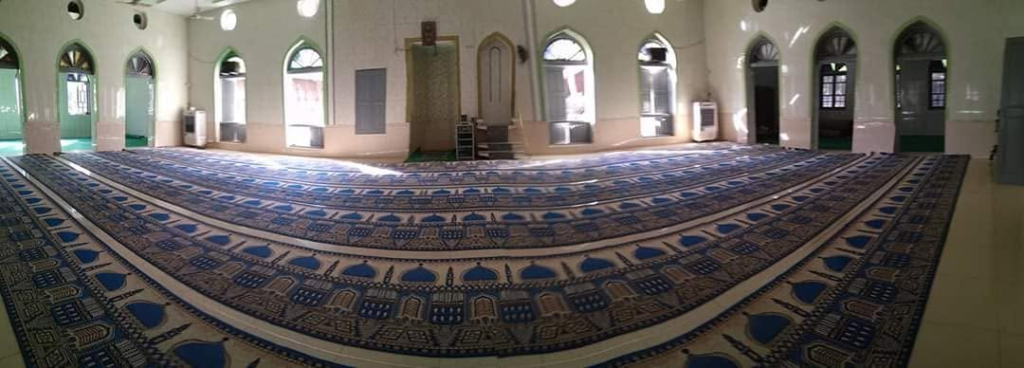
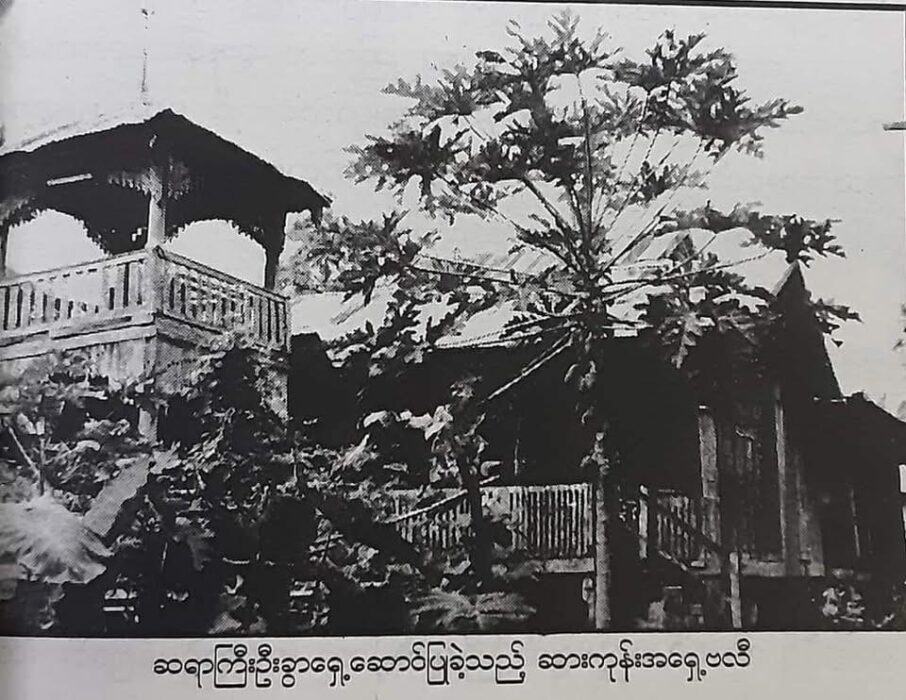
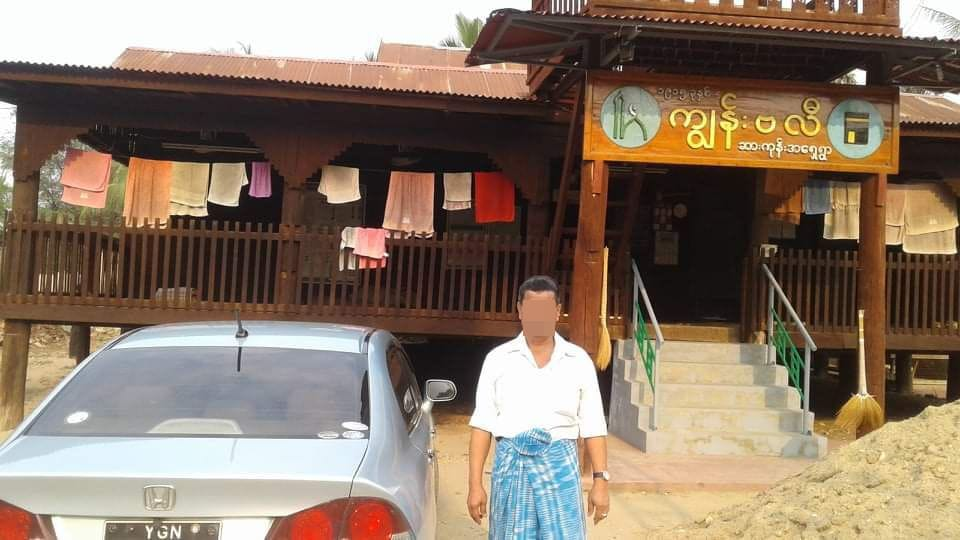
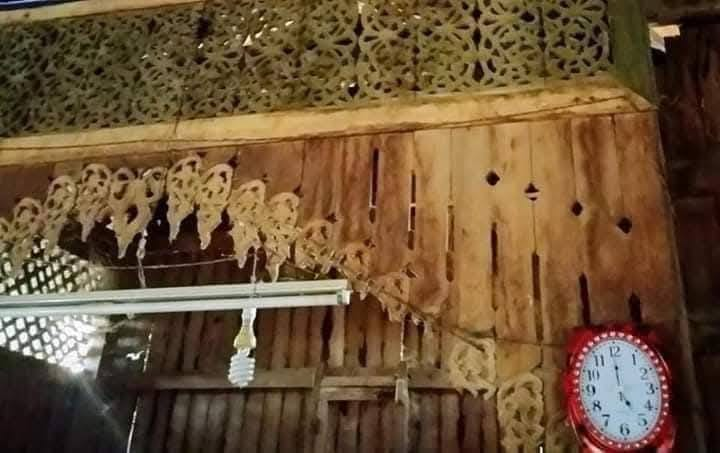
The Myedu region is also home to one of Upper Myanmar’s rare architectural treasures: the Salekone Teak Mosque (ဆားကုန်းကျွန်းပလီ).
More than a century old, it remains one of the few surviving examples of traditional Burmese-Islamic architecture.
The mosque reflects how deeply Islam became localized in Burma. Its design incorporates Burmese craftsmanship rather than foreign styles.
Older villagers recall a simpler era when worshippers used woven mats for prayer, children gathered outside mosques waiting for treats after Friday prayers, and entire communities assembled in open fields for Eid prayers.
Such memories reveal a form of Islam that was deeply rooted in local Burmese culture while remaining firmly Islamic in faith.
A Legacy Worth Preserving
The story of the Myedu Muslims challenges simplistic narratives about Muslims in Myanmar.
They were not outsiders to Burmese history.
They were:
- Soldiers who served Burmese kings.
- Farmers who cultivated Upper Myanmar.
- Scholars who preserved religious knowledge.
- Judges trusted by both Muslims and non-Muslims.
- Educators who trained generations of students.
- Loyal citizens whose roots stretch back centuries.
Today, as Myanmar struggles with questions of identity, citizenship, and national belonging, the history of the Myedu Muslims stands as a reminder that Islam has been woven into the fabric of Burmese civilization for hundreds of years.
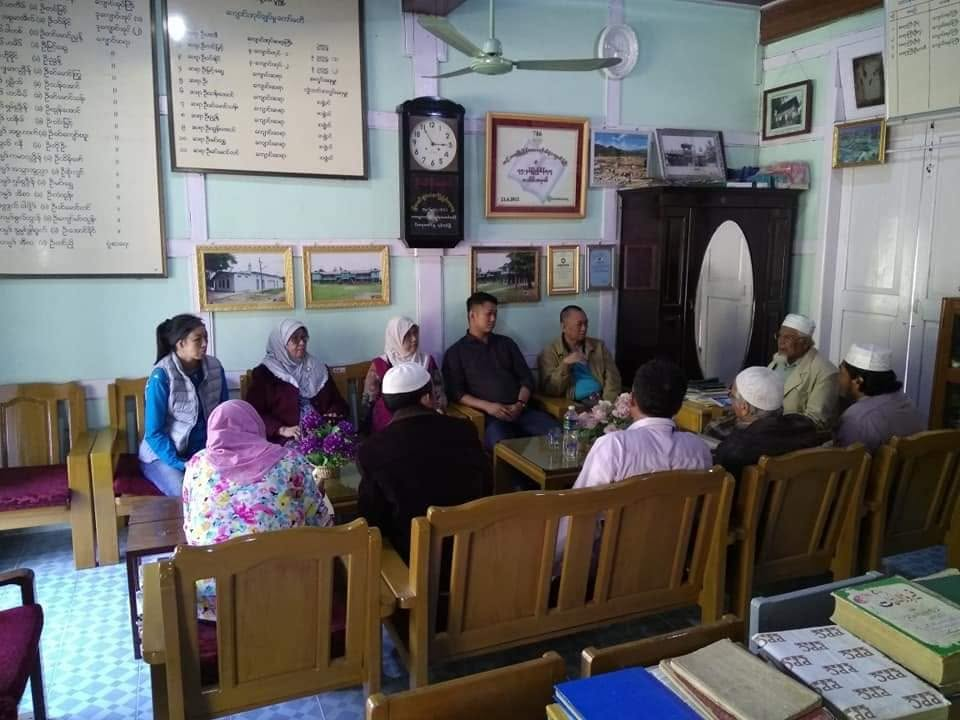
The legacy of U Khwar, U Pon, U Hla, U Zon, U Phi, U Hadi, and countless others deserves preservation—not only for Myanmar Muslims, but for all who seek an honest understanding of Myanmar’s rich and diverse history.
“To know the Myedu Muslims is to understand that Myanmar’s history has always been more diverse, more interconnected, and more inclusive than many modern narratives suggest.”
Sources: Historical accounts from Kanbalu and Myedu region; writings of Tin Htun; MMNN archives; Burmese Muslim historical records; local oral traditions; and research materials concerning the Four Great Scholars of Shwebo and Upper Myanmar.
Read also:
2/ ဆရာကြီး ပုံ နှင့် ဆရာကြီး ခွာ
3/ မြေဒူးမွတ်စလင်များ အကြောင်း
4/ The Shrine of the Four Martyr Saints of Shwebo
5/ ကန့်ဘလူ,ကျောင်းအုပ်ကြီးနဲ့တွေ့ဆုံခြင်း။
မြန်မာ-အာရဗီ သိပ္ပံကျောင်းကြီးသည် မြန်မာနိုင်ငံတွင် မှတ်ပုံတင်ထားသော အကြီးဆုံး အစ္စလာမ်ဓမ္မပညာသင်ကျောင်းကြီးတစ်ခုဖြစ်ပြီး စစ်ကိုင်းတိုင်းဒေသကြီး၊ ကန့်ဘလူမြို့တွင် တည်ရှိသည်။ [1, 2]
ဤကျောင်းနှင့်ပတ်သက်သော အချက်အလက်အကျဉ်းချုပ်မှာ-
- စတင်တည်ထောင်ခြင်း – ၁၉၃၇ ခုနှစ်တွင် စစ်ကိုင်းမြို့၌ စတင်တည်ထောင်ခဲ့ပြီး၊ ၁၉၆၀ ပြည့်နှစ်တွင် ကန့်ဘလူမြို့သို့ ပြောင်းရွှေ့ခဲ့သည်။
- ကျောင်းသားဦးရေ – ကျောင်းသား (၁,၀၀၀) ခန့်ရှိကာ အဓိကအားဖြင့် အမျိုးသားများအတွက် အစ္စလာမ့်ဘာသာရေးနှင့် အာရဗီစာပေများကို သင်ကြားပေးသည်။
- ထူးခြားချက် – အခြားဘာသာရေးကျောင်းများကဲ့သို့ အာရဗီအမည်များမသုံးဘဲ “မြန်မာ-အရ်ဗီ သိပ္ပံကျောင်းကြီး” ဟု မြန်မာအမည်ဖြင့် မှည့်ခေါ်ထားသည်။
- ဝန်ဆောင်မှု – ကျောင်းသားများအတွက် အခမဲ့နေရာထိုင်ခင်းနှင့် စားသောက်ဖွယ်ရာများကို အလှူရှင်များ၏ ရန်ပုံငွေဖြင့် ပံ့ပိုးပေးထားသည်။ [1, 2]
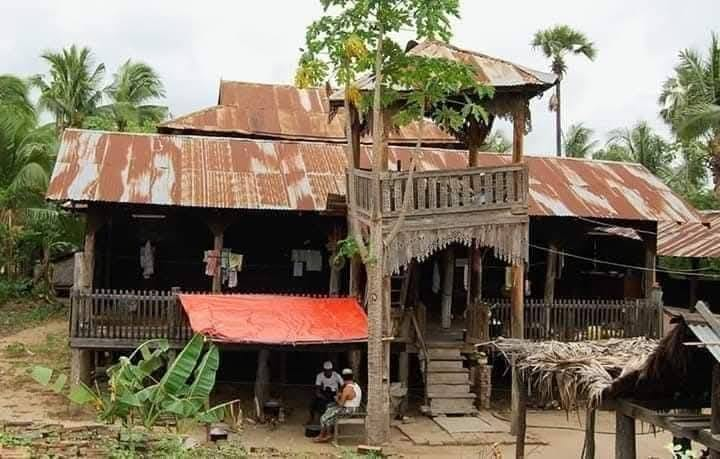
စစ်ကိုင်းတိုင်းဒေသကြီး၊ကန့်ဘလူမြို့၏အနောက်ဖက်၁၀မိုင်ခန့်အကွာ၊ဦးအောင်ဇေယျရွှေဘိုတူးမြောင်းအရှေ့ဖက်ကပ်လျှက်ဆင်ဖြူရှင်မင်းတရားကြီး(မြေဒူးမြို့စား)၏သမိုင်းဝင်မြေဒူးမြို့ဆိုတာရှိတယ်။ထိုဒေသကပုဂ္ဂိုလ်တွေသတ္တိပြောင်ကြောင်းကို..လူမြေဒူး၊ဆူးထနောင်း.ဆိုတဲ့အဆိုရှိခဲ့ဖူးပါတယ်။
မြေဒူးမြို့ရဲ့မြောက်ဖက်တခေါ်လောက်မှာရွာ၃ရွာဖိုခနောက်ဆိုင်ရှိရာ၊၎င်းတို့မှာ…ဆားကုန်း၊ဆားခင်း(ဆကိုင်း)၊ဘုတ္တောရွာတို့ဖြစ်ကြပါတယ်။ဒီအရပ်ဟာ..ဆားထွက်လို့ရေကငံသပေါ့။အဲတော့…ဒီအရပ်ကအညာသားတွေကိုလည်း..ရေငံသောက်မြှစ်ခြောက်စားသူတွေလို့ပြောကြပြန်တယ်။ဆိုလိုတာက…ရိုးသားတယ်၊တောကျတယ်တယ်ပေါ့။
အဲဒီရွာ၃ရွာမှာ..ဆားကုန်းကအကြီးဆုံး။အိမ်ခြေတရာခန့်ရှိတယ်။မြန်မာဗုဒ္ဓဘာသာအနည်းငယ်နဲ့မြန်မာအစ္စလာမ်များစွာအတူယှဥ်တွဲနေကြတယ်။ရွာထဲမှာနံမည်ကြီးအစ္စလာမ်ဘုန်းကြီးတွေကိုတွေ့ရပါတယ်။တနယ်လုံးရဲ့အရိုသေခံပုဂ္ဂိုလ်နှစ်ပါးကတော့..ဆရာကြီးခွာနဲ့ဆရာကြီးပုံတို့ဖြစ်ကြပါတယ်။အဲဒီနောက်…အိန္ဒိပြည်ဒါဗင်တက္ကသိုလ်ကဘာသာရေးပညာ.မဟာတက်ရောက်သင်ကြားအောင်မြင်ခဲ့သော..ဆရာကြီးလှ၊ဆရာကြီးဇုံ၊ဆရာကြီးဖီ..တို့ရှိကြပါတယ်။
.. သူတို့တတွေဟာ…ဆားကုန်းရွာမှာအစ္စလာမ်ဘာသာကိုကျောင်းဖွင့်သင်ကြားခဲ့ကြတယ်။ဆရာကြီးဖီဟာဒီပုဂ္ဂိုလ်တွေအထဲမှာ၊အငယ်ဆုံးနဲ့အဖြတ်အလတ်ဆုံးဖြစ်သမို့ဆရာကြီးတွေကသူ့ကိုအရာရာရှေ့တန်းတင်ဆောင်ရွက်စေခဲ့တယ်။ဆရာကြီးဖီဟာဒေါ်အေးမှော်နဲ့အိမ်ထောင်ကျပြီးသားတယောက်ထွန်းကားရာ၊၎င်းသားမှာနောင်,ကန့်ဘလူကျောင်းအုပ်ဖြစ်လာမည့်ဟာဒီပင်ဖြစ်ပါတယ်။
ဆရာကြီးဖီရဲ့ဥာဏ်ပညာဂုဏ်သတင်းဟာတနိုင်ငံလုံးမွှေးနေရာ၊မြန်မာနိုင်ငံလုံးဆိုင်ရာဘာသာရေး,ဥပဒေရေးရာခေါင်းဆောင်၊ဓမ္မသတ်မှူးအဖြစ်.တပြည်လုံးက..ထိုအချိန်ကတင်ထားကြပါတယ်။ဆိုတော့…တခါ၊နာယကဆရာကြီးခွာနဲ့ဆရာကြီးပုံတို့အားကျီကုန်းကျေးရွာတွင်ဗဟာအီဆိုသောဘာသာအသစ်တခုထိုးဖောက်ဝင်ရောက်နေရာ၊အသိဥာဏ်ပညာပွင့်လင်းစေရန်မိမိတို့အစ္စလာမ်ဘာသာဝင်များအားအစ္စလာမ်ဘာသာကျမ်းလာဒေသနာများရှင်းလင်းပြောကြားပေးရန်ဖိတ်၍ဆရာကြီးဖီသွားရောက်တင်ပြဟောကြားရတယ်။
ထိုအချိန်အခါက…ဆားကုန်းကျေးရွာဟာကားလမ်း၊ရထားလမ်းမရှိ၊ပကတိ..တောကြီးမြိုင်လယ်,ဇနပုဒ်ငယ်ဖြစ်တယ်။လှည်းကိုသာအားကိုးသွားလာနေကြရတယ်။အကြောင်းတခုက….မြစ်ကြီးနားမြို့ဘာသာရေးခေါင်းဆောင်များ၊ရွှေဘို၊အင်းတော်၊ကသာနှင့်အမြို့မြို့၏လူထုတောင်းဆိုမှုနှင့်ဆရာကြီးမြစ်ကြီးနားသွားရန်ဖြစ်လာတယ်။အကြောင်းက…ရှီအာနဲ့စွန်နီ..အစ္စလာမ်ဘာသာကွဲပြားပုံကျမ်းလာ.ရှင်းလင်းရန်ဖြစ်ပါတယ်။ဆိုတော့…ဆရာဖီ.ခရီးထွက်ရပြီပေါ့။
. ဆရာဖီခရီးထွက်ခဲ့ရာ…ခင်ဦးမြို့ဖက်တွင်၊ဓမြများ၏သေနပ်ကျည်ထိမှန်ပြီးကွယ်လွန်သွားခဲ့ရတယ်။ဆရာကြီးဆုံးပါးသွားပြီးဆရာဟာဒီဟာဆားကုန်းရွာမှဘုတ္တောရွာသို့အမေနဲ့ပြောင်းရွှေ့နေထိုင်ခဲ့ပြီးအမေ၏စက်ချုပ်ပညာနှင့်အတန်းပညာ၄တန်းအောင်,အောင်သင်ကြား၊ဘာသာရေးပညာဘွဲ့ရသည်အထိသင်ကြားခဲ့တယ်။
ဆရာဟာဒီ.အသက်၂၀ကျော်မှာဘွဲ့ရပြီး၊ဇာတိရပ်ရွာအကျိုးသယ်ပိုးရန်ဆားကုန်းကျောင်းတွင်အနှစ်၂၀အမှုထမ်းခဲ့တယ်။အသက်၄၀အရွယ်တွင်…ကန့်ဘလူမှမရမကအမိန့်စာထုတ်ခေါ်၍ကန့်ဘလူမြန်မာအာရဗျီကျောင်း,ကျောင်းဆရာတဦးဖြစ်လာခဲ့တယ်။ကန့်ဘလူကျောင်းတွင်ကျောင်းတည်ထောင်သူဆရာကြီးပုံဆုံး၍ဆရာကြီးလှအုပ်ချုပ်စဥ်၊ဆရာကြီးက….ဒုကျောင်းအုပ်ကိုဆရာကြီးဇုံကိုထားပြီးကျောင်းကိုကော်မတီဖွဲ့အုပ်ချုပ်ရန်အမိန့်ချပါတယ်။
ကော်မတီမှာ…ဒုကျောင်းအုပ်ဆရာကြီးဇုံ၊အဖွဲ့ဝင်၁.ဆရာခင်မောင်၊အဖွဲ့ဝင်၂.ဆရာတွာဟင်ဖြစ်ရာ၊စုံဂဏန်းဦးရေဖြစ်၍တဦးလျော့(သို့)တဦးတိုးရန်ပြောသဖြင့်ဆရာဟာဒီမှာ..ကံအားလျော်စွာအဖွဲ့ဝင်၃.ဖြစ်လာခဲ့ရတယ်။ဆရာကြီးလှဆုံးပြီးဆရာကြီးဇုံလက်ထက်တွင်အဖွဲ့ဝင်၁.၂မှာလည်းဆုံးပါးသွားသဖြင့်ဆရာဟာဒီမှာဒု.ကျောင်းအုပ်ဖြစ်လာခဲ့တယ်။
ဆရာကြီးဇုံကွယ်လွန်သောအခါ..ဆရာဟာဒီမှာအသက်၆၀ရှိပြီဖြစ်၍အော်တိုကျောင်းအုပ်ဖြစ်လာခြင်းဖြစ်ပါတယ်။ဆိုတော့…ဆရာဟာဒီဟာ…၁။ကျောင်းအုပ်အတင်းလုပ်ချင်၍ကျောင်းအုပ်ဖြစ်လာသူမဟုတ်ခြင်း၊၂။..မျိုးရိုးဗီဇကောင်းခြင်း၊၃။…ဘာသာရေးပညာတတ်ခြင်း၊၄။..ရိုးသားဖြောင့်မတ်ခြင်း၊၅။အုပ်ချုပ်နိုင်မှုစွမ်းရည်ရှိခြင်း၊၆။လုမှုဆက်ဆံရေးပညာတတ်ခြင်းနှင့်နိုင်ငံရေးမစွက်ဖက်မရောယှက်ခြင်း၊…စသဖြင့်ဂဏ်အင်ပိုင်ဆိုင်သူဖြစ်၍ကန့်ဘလူမြို့မြန်မာအာရဗျီသိပ္ပံကျောင်းကြီးအားကျောင်းအုပ်အဖြစ်အသက်၆၀မှယခုအသက်၈၀အထိအမှုတော်ထမ်းခဲ့သည်မှာအပြစ်အနာအဆာတစုံတရာမရှိ..ဘုရားသခင်၏စောင့်ရှောက်မှုရရှိခဲ့သည်ဆိုရမည်။
……………..
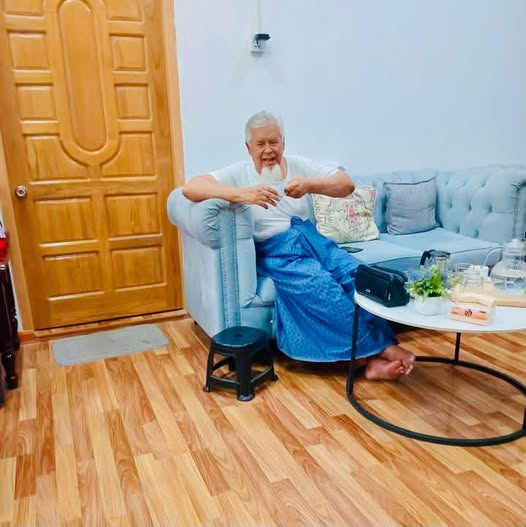
ဆရာဦးဟာဒီ၊လက်ရှိကန့်ဘလူမြို့မြန်မာအာရဗျီသိပ္ပံကျောင်းအုပ်ကြီး..မန္တလေးဆေးပြလာစဥ်ကျွန်တော်သွားရောက်တွေ့ဆုံဂါရဝပြုပြီးဆရာကြီး၏သမိုင်းကြောင်းလေးအကျဥ်းမျှပြောရန်မေတ္တာရပ်ခံ၍ဆရာကြီးပြောကြားသည်များ..မှတ်သားရသမျှအများသိစေရန်တင်ပြရေးသားရပါသည်။
Credit : Tin Htun