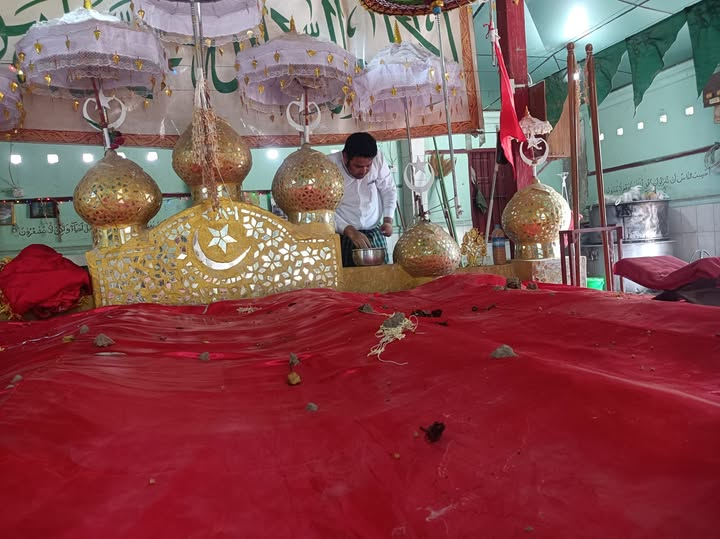
A Forgotten History of Faith, Sacrifice, and Royal Regret
In Shwebo, if one simply asks, “Where is the Dargah of the Four Great Teachers?”, people of all religions and ethnicities can readily point the way. This is not hearsay—I have personally witnessed how widely known and respected this sacred site remains.
Yet, what many do not know is that this shrine had once been lost and overgrown, hidden beneath thick bushes and wilderness. It was later rediscovered and restored by the revered saint
Shaykh Khul Barma Sayadaw, whose efforts brought the site back into public memory.
This is not merely folklore. The story of the Four Muslim Saints (Pashis) is recorded in the Burmese royal chronicle, the Hmannan Yazawin, confirming its place in Myanmar’s historical narrative.
The Chronicle of the Four Noble Saints of Shwebo
During the reign of King Alaungpaya (U Aung Zeya), around 1759, just before his campaign against Siam, efforts were made to purify and standardize religious practices across the kingdom. Buddhist monastic discipline was enforced strictly, and deviations were punished.
At that time, various religious communities came under scrutiny. When inquiries were made about the practices of the Muslim (Pashi) community, a court Brahmin named Govinda Brahmin gave a distorted and hostile account.
Influenced by this report, the king summoned four respected Muslim scholars:
- Ustaz Muhammad Shonshan
- Ustaz Mohibullah
- Ustaz Shammadar
- Ustaz Uthman
They were ordered to abandon Islam, consume pork, and worship idols. They refused.
Faced with the threat of torture and execution, the four chose faith over life. After performing ablution (wudu), offering two units of prayer (rak‘ah), and making supplication (du‘a), they submitted themselves in prostration—and were executed by beheading.
Thus, the blood of righteous martyrs was shed upon the soil of Shwebo.
References:
1. Moshe Yegar, “The Muslims of Burma” 1972 edition,Page 4
2. Siddiq Khan P 263
Signs and Omens After the Martyrdom
Following their execution, extraordinary events were reported across the kingdom:
- Violent earthquakes
- Meteoric phenomena and storms
- Darkness during daylight
- Thunder striking the royal palace
- Thirteen simultaneous lightning strikes
Astrologers and scholars were summoned. Their interpretation was clear:
“Among the many peoples of the kingdom, no religion should be oppressed. The blood of holy men has been unjustly spilled. These are ominous signs. A great drought may follow for three years.”
When King Alaungpaya learned the truth—that the executions had been unjustly carried out—he was filled with remorse. He condemned the actions of his officials and ordered punishment for the instigator, Govinda Brahmin.
The king personally visited the burial site. There, he found four mysterious mounds, said to have formed miraculously over the bodies, untouched by decay or animals.
Realizing their sanctity, he declared:
“Indeed, they were true saints.”
He ordered:
- The site to be enclosed and protected
- White sand to be laid
- Four golden umbrellas to be erected above the graves
- Guards to be stationed permanently
Royal Recognition of the Muslim Community
As an act of repentance and reconciliation, the king:
- Summoned 3,700 Muslim families
- Granted them protection and recognition
- Allowed them to freely practice Islam
He also ordered the construction of four grand mosques in Myedu, decorated with gold and glass, in honor of the four martyrs.
From that time onward, Muslims in Burma were able to live and practice their religion more openly, gaining recognition within the kingdom.
The descendants of the Four Saints went on to serve the kingdom with distinction. Among the notable lineages:
- Shwe Wa lineage
- Shwe Don lineage (including military officers)
- Pan Wa lineage (including poets such as U Pwint and U Phaw)
- Myat Kyar lineage (including officials like U Shwe Gon)
Their legacy became intertwined with the broader history of Myanmar.
A Petition from the Muslim Community (1245 ME)
A later historical record preserves a formal petition submitted by Muslim leaders from Myedu to the Burmese king. It recounts:
- The arrival of thousands of Muslims from regions like Delhi and Varanasi
- Their peaceful settlement and religious life
- The persecution triggered by false accusations
- The martyrdom of the four saints
- The supernatural signs that followed
- The king’s eventual repentance and restoration of justice
The petition also humbly requested support to rebuild mosques that had fallen into disrepair due to conflict and poverty, emphasizing that such an act would earn lasting spiritual merit.
The story of the Four Martyrs of Shwebo is not only a religious narrative—it is a profound lesson in:
- The dangers of misinformation and prejudice
- The moral responsibility of rulers
- The enduring power of faith and sacrifice
- The possibility of repentance and reconciliation
It stands as a reminder that justice delayed may still be redeemed—but never without consequence.
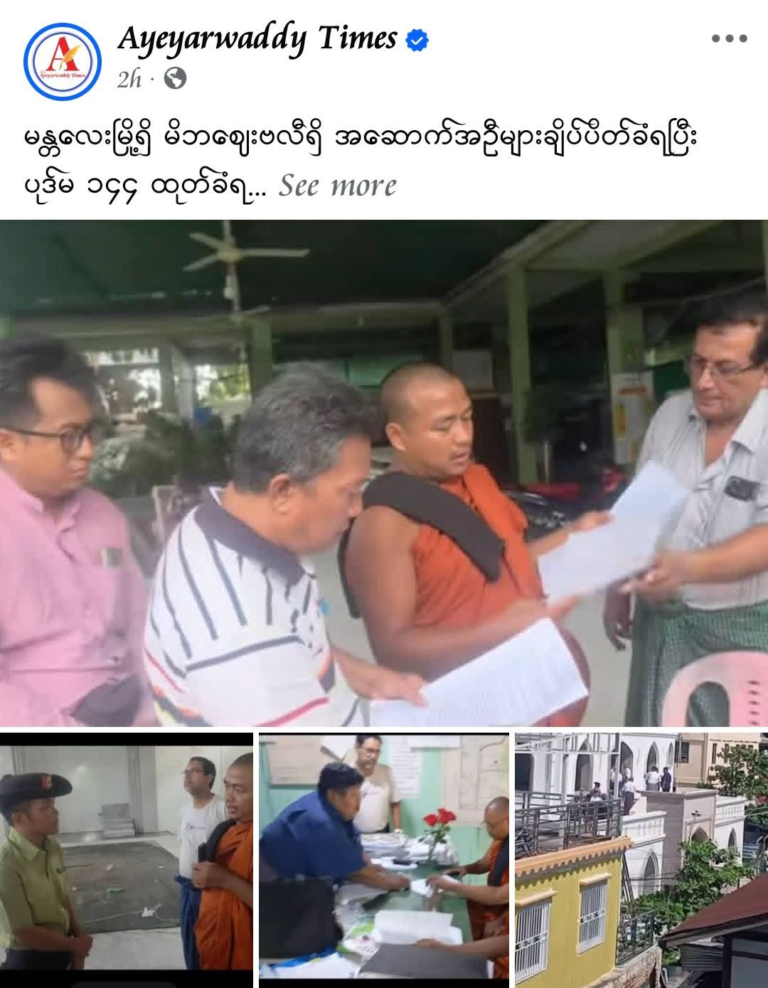
မြန်မာမွတ်စလင်မ် သမိုင်းပုံရိပ်များ
Aung Kyaw Oo Via Aung Myint Tun
ရွှေဘိုမြို့၌ စံမြန်းလျက်ရှိသော သာသနာ့အာဇာနည် ရှဟီဒီ ဆရာကြီး၄ပါးဗိမ္မာန်တော်မြတ်…
(8-9-2022)ဇေယာရသ် ရောက်စဥ်
ရွှေဘိုမြို့ ကိုရောက်ပြီဆိုတာနဲ့ ဆရာကြီးလေးပါး ဒါရ်ဂါလို့မေးလိုက်ရင် ဘာသာလူမျိုးမခြား မသိသူမရှိသလို လမ်းညွှန်လေ့ရှိတာကို ကျနော်ကိုယ်တိုင် သတ်ထားမိပါတယ် ။
တကယ်တော့ ပျောက်ဆုံးနေတဲ့ ဆရာကြီးလေးပါး ဒါရ်ဂါတော်ကို ချုံနွယ်ပိတ်ပေါင်းများထဲမှ ပြန်လည်ထင်ရှားအောင် ဖော်ထုတ်ပေးခဲ့သူကတော့ ရှိတ်ခ်ခွလ်ဗရ်မာ ဆရာတော်ကြီး SA ကိုတဝါလ် ပဲဖြစ်ပါတယ် ။ မြန်မာ့သမိုင်းမှာ ထင်ရှားခဲ့ပြီး မှန်နန်းရာဇဝင်မှာပါ မှတ်တမ်းတင်ထားခံရတဲ့ ပသီဆရာကြီးလေးပါးဒါရ်ဂါတော်သမိုင်းကို တရီကာဝင်များ ဗဟုသုတအဖြစ် ပြန်လည်ဖော်ပြပေးလိုက်ပါတယ် ။
“သူတော်စင် ရွှေဘို သခင်ကြီးလေးပါး ရာဇဝင်”
******************************************
ဦးအောင်ဇေယျသည် ၁၇၅၉-ခုတွင် ယိုးဒယားသို့ စစ်မထွက်မီ တိုတောင်းလှသောကာလ၌ သာသနာ့ဂိုဏ်းကွဲများ ပေါ်ပေါက်သည်ကို ဖြေရှင်းခဲ့သည်။ ဝိနည်းတော်နှင့်အညီ ရဟန်းတော်များကို ကျင့်သုံးစေသည်။ ဝိနည်းတော်ကို မရိုမသေ မလိုက်နာသူတို့အား ဒဏ်ခတ်စေရန် မဟာဒါန်၀န် ခန့်အပ်သည်။ ၁၇၅၉-ခုနှစ်တွင် သာသနာတော်သန့်ရှင်းရေးအား တာ၀န်ယူဆောင်ရွက်ရသောကြောင့် ကိုးကွယ်မှုအမျိုးမျိုးအား သန့်ရှင်းစေခဲ့ရာ ပသီမွတ်စ်လင်မ် တို့၏ ဓလေ့ထုံးတမ်းအား မေးမြန်းစဉ် ဂေါဝိန္ဒပုဏ္ဏား၏ လျှောက်တင်မှုအရ ပသီမွတ်စ်လင်မ် တို့အား ဆင့်ခေါ်တော်မူပြီး စစ်ဆေးမေးမြန်းခဲ့သည်တွင် သာသနာ့ယုံကြည်ချက်အား လျှောက်ထားခဲ့ကြသည်။
ဂေါဝိန္ဒပုဏ္ဏားစကားနှင့် ညီညွတ်သည်ဟု မင်းတရားကြီးထင်မှတ်တော်မူပြီး ဆရာကြီး(၄)ပါးအား အယူလွဲမှားနေသည်။ တရားဒေသနာတော် ဟောကြားပြုပြင်ရန် အချုပ်အာဏာသားတို့လက်သို့ လွှဲအပ် ခဲ့သည်။
မလိုက်နာငြင်းဆန်က စီရင်ရန် အမိန့်ချမှတ်တော်မူခဲ့သည်။ ဆရာကြီး(၄)ပါးတို့မှာ နောက်သားမြေးတို့အရေးမြော်တွေးပြီး ယုံကြည်ချက်အတွက် အသက်ပေးဆက်ခဲ့ကြသည်။ ဆရာကြီး(၄)ပါးကို ခေါင်းဖြတ်သတ်လိုက်သည်။
ထိုသ်ို့ဖြင့် သူတော်စင် အာဇာနည်တို့ သွေးမြေကျခဲ့သည်။
ဆရာကြီး(၄)ပါး၏ မျိုးနွယ်ဆက်တို့မှာ နိုင်ငံတော်တာဝန်ထမ်းလျက် (ရွှေဝါနွယ် ဟင်းခူး၊ ဖလံဗိုလာရွာ) ရွှေဒုံးနွယ် (မင်းကြီးသီလဝ ခန်းဆပ်ဗိုလ်အဘိုး) ပန်းဝါနွယ် (စာဆိုဦးပွင့်၊ စာဆိုဦးဖော့) မြတ်ကြာနွယ် ( မြေဒူးမြို့ဝန် ဦးရွှေဂုဏ် ဆရာကြီးပုံအဘိုး) တို့ ထင်ရှားကျော်ကြားသည်။
ဆရာကြီးဦးမောင်မောင်ရီ၊ ကုန်ဘောင်ခေတ်ဦးသမိုင်း
ထိုအချိန်တွင် ဥပ္ပါပျံ၊ တော်လဲ၊ ငလျင်လှုပ်၊ မှောင်ကြီးကျပြီး ကုန်းဘောင် ရွှေပြည်တွင် မိုးကြိုး(၁၃)ချက် တစ်ပြိုင်တည်းပစ်ခတ်သည်။ ဤနမိတ်အား ဘုရင်မင်းမြတ်မှ နက္ခတ်ဗေဒင်ပညာကျော် များအား ခေါ်ယူမေးမြန်းတော်မူရာ လူမျိုးတစ်ရာ့တစ်ပါးတို့တွင် မည်သည့်လူမျိုးဘာသာ ယုံကြည်မှုကိုမှ ညှဉ်းပန်းနှိပ်စက်၊ မပယ်ဖျက်သင့်ကြောင်း၊ ယခုအဖြစ်အပျက်မှာ တစ်ရာ့တစ်ပါးသော လူမျိုးမှ သူတော်စင်တို့ သွေးမြေကျ၍ ဤသို့ အတိတ်နမိတ်ကြီးများပြပါသည်။ (၃)နှစ်မိုးခေါင်ရန် ကိန်းရှိပါကြောင်း ပညာရှိများမှ လျှောက်တင်ကြသည်။
ဘုရင်မင်းမြတ်မှ ဆရာကြီး(၄)ပါး အခြေအနေ၊ ကျွန်ယုံတော်များအားမေးတော်မူရာ ဆရာကြီးတို့ မချေမငံပြု၍ လက်လွန်သွားကြောင်း သံတော်ဦးတင်ရာ အသင်တို့ မိုက်မဲလေစွတကားဟု အပြစ်တော် တင်ကာ မလိုတမာကုန်းချောသည့် လက်သုံးတော် ၀င်္ကပုဏ္ဏားအား ထောင်သွင်း၍ အကျဉ်းထားစေ အမိန့်တော်သတ်မှတ်ပြီး ဆရာကြီး(၄)ပါး ခန္ဓာ၀န်ချရာနေရာသို့ သွားရောက်ကြည့်ရှုရာ ခြတောင်ပို့(၄)လုံး ဖြစ်နေသည်ကိုမြင်တော်မူလျှင် အမှန်ပင်သူတော်စင်များပါတကားဟု ယူကျုံးမရဖြစ်ကာ ၎င်းနေရာကို မင်းမှုထမ်းများအား သဲဖြူခင်း၊ ရာဇမတ်ကာပြီး ရွှေထီး(၄)လက်မိုး၍ အစောင့်ထားရန် အမိန့်တော် သတ်မှတ်ခဲ့သည်။ နန်းတော်သို့ပြန်ပြီး ၀င်္ကပုဏ္ဏားမိုက်အား သတ်စေရန် အမိန့်ချကာ သုံးထောင်ခုနှစ်ရာ ဆရာကြီးမျိုးနွယ်များကို ဆင့်ခေါ်ပြီး မလိုတမာကုန်းချောစကားကြောင့် ယူကျုံးမရဖြစ်ရကြောင်း ဆရာကြီး(၄)ပါးကိုရည်စူး၍ ၀တ်ကျောင်းတော်လေးဆောင်လှူဒါန်းတည်ဆောက်ပေးမည့်အကြောင်း မိန့်ကြားတော်မူသည်။ မြေဒူးမြို့တွင် မှန်စီရွှေချဗလီကြီး(၄)လုံး တိုင်းရင်းသားအစ္စလာမ်သာသနာ၀င်များ အား ချီးမြှောက်ခဲ့သည်။
ရှကျရတွလ်အီမံကျမ်းလာ သခင်ကြီး(၄)ပါးအကြောင်း
မြန်မာဘုရင်ကို တင်သွင်းလွှာ
(၁၂၄၅-ခုနှစ်၊ တော်သလင်းလ)
ဘုရားကျွန်တော် မြေဒူးမြို့နေ သင်္ဘောဘလီ၀င်၊ တကာကြီးငယ်တို့နှင့် ပသီကျောင်းထိုင် ဆရာမို့ဟရစ်ဒင် ရွှေဘဝါးတော်အောက် ရှိခိုးသံတော်ဦးတင်ပါသည်ဘုရား ။
အင်း၀မင်းဆက် စနေမင်းလက်ထက် မြန်မာသက္ကရာဇ် (၉၀၀)ကျော်က မွတ်စ်လင်မ်လူပေါင်း သုံးထောင်ခွန်နှစ်ရာတို့သည် ကာသီရွှေဝါ၊ ကာသီရွှေဒုံး၊ ကာသီပန်းဝါ၊ ကာသီမြတ်ကြာ မင်နာနုရပ်၊ မင်းနဝါဟရပ်၊ မင်းသီဟရပ်၊ မင်းနေမျိုးဂုဏ္ဏရတ်တုိ့နှင့် ၀င်စားလာရောက်ရာ စားမြဲ နေမြဲ ပေးချသနားတော်မူပြီးလျှင် ရွှေချမှန်စီ ပလီ(၄)လုံး မြေဒူးမြို့အတွင်း တည်လုပ်သနားတော်မြတ်ခံရ၍ ကျမ်းဂန်နှင့်အညီ ကျင့်ဆောင်နေထိုင်ကြသည်နောက် ယခု ဘုရင်မင်းမြတ်ဘေးတော် အလောင်းမင်းတရားကြီးလက်ထက် မွတ်စ်လင်မ်လူမျိုးတို့ကို မမြင်ဘူးသည်နှင့် အပါးတော်တွင် ကျွန်ယုံ ပုဏ္ဏား ဂေါဝိန္ဒကိ မေးတော်မူရာ ဂေါဝိန္ဒပုဏ္ဏားက ၎င်းလူမျိုးတို့သည် ကြက်ငှက်ကျွဲနွားတို့ကို အရှင်လတ်လတ် လှီးဖြတ်သစား၊ အယူမှားသောသူ လူမျိုးဖြစ်ပါသောကြောင့် ဟင်ဒွတ်စတံဒလင်လိ (ဒေလီ)ဗာရာဏသီမြို့များက နှင်ထုတ်လိုက်သောသူများဖြစ်ပါကြောင်း ရှိခိုးသံတော်ဦးတင်၍ ကျွန်တော်မျိုးဘေး၊ ဆရာကြီး မုဟမ္မဒ်ရှောင်ရှန်၊ ဆရာကြီး မိုဟစ်ဗွလ္လာ၊ ဆရာကြီးရှမ္မဒါရ်၊ ဆရာကြီးအွတ်သမံ တို့ကို အရတောင်းတော်မူပြီးလျှင် အစ္စလာမ်ဘာသာကိုလွှတ်၍ ၀က်သားကိုစားရ မည်။ ရုပ်ပွားဆင်းတုတို့ကို ရှိခိုးပူဇော်ရမည်။ ရာဇမာန်ပွား၍ ထောင်မှာ အကျဉ်းချထား၊ ညှဉ်းပန်းနှိပ်စက်၊ အသက်ကို အသေသတ်မည်၊ ထုတ်ယူသွားရာ ၎င်းဆရာကြီး(၄)ပါးတို့သည် သုသာန်၀မှာ ဝုိဇူသန့်စင်၍ ဒိုရကအတ် နမာတ်ဖတ်ရွတ် ဒိုအာဆုတောင်းပြီးလျှင် ဦးချစစ်ဂျဒါတွင်းမှာ အသေခံသောကြောင့် ကောင်းကင်က အတိတ်ကြီးနမိတ်ကြီးပြသည်။ ငလျင်လှုပ်သည်။ ဥပ္ပါတ်ပျံသည်၊ တော်လဲသည်။ နန်းတော်ကန်တော့တိုင်ကို မိုးကြိုးပစ်သည်။ မှောင်ကျသည်။ နေမထွက် ကြယ်ပေါ်သည်။ နေ့ကိုညဉ့်အတိ ဖြစ်နေသည်။ နေ့ည၌မကွဲရှိနေသောကြောင့် ဂေါဝိန္ဒပုဏ္ဏားကို ထောင်မှာ အကျဉ်းထား သင့်၊ မသင့်ကို ချင့်ချိန်၍ အဆုံးစီရင်မည်။ ကြယ်သွားနေသွား အတိတ်ကိန်းခန်းကို နားလည်သူပညာရှိ တို့ကို ခေါ်၊ အမိန့်တော်နှင့်ခေါ်ပြီးလျှင် မေးတော်မူပြန်ရာ ၎င်းပညာရှိတို့က လူမျိုးတစ်ရာ့တစ်ပါးတွင် တစ်ပါးလူမျိုးကို မပယ်သင့်၊ ဦးခေါင်းကသွေးသည် မြေတွင်စွန်းငြိပါသောကြောင့် အစားအစာ မွတ်သိပ်ရန်၊ မိုးသုံးနှစ်မခြိမ်းမရွာရှိမည်။ မိုးမှောင်လည်း ခုနှစ်ရက်လည်မှ လင်းမည်၊ ထင်မြင်ပါကြောင်း ရှိခိုးသံတော်ဦးတင်ကြ၍ သူတော်စင် မှန်မမှန်ကို သုဿာန်၀မှာ အစောင့်နှင့်ထား၊ မိန့်တော်မူပြီးလျှင် ၎င်း ဆရာကြီးလေးပါးအလောင်းသည် မဖူးမရောင်၊ မသိုးမပုတ်၊ ကျီးငှက်တို့အချဉ်း မှောင်လင်းသည့်နောက် ခုနှစ်ရက်ရှိလျှင် ခြတောင်ပို့လေးလုံး အထူးအဆန်းသည်ကို ရွှေနားတော်မြတ် ကြားသိတော်မူ၍ ရာဇမတ်ကာရန် ရွှေထီးလေးစင်းအုပ်ထားရှိသည့်နောက် မိုးသုံးနှစ်မခြိမ်းမရွာရှိသည်နှင့် မြေဒူးမြို့သို့ ထွက်စံတော်မူ၍ မူးမြစ်တူးဖောက်၊ ရွှေဘိုကန်တော်သို့ ရေသွင်းတော်မူပါ ဆရာကြီး(၄)ပါးတို့ အဆက်အနွယ်ကိုခေါ်၍ ရှေးအစဉ်အလာ ဘာသာထုံးစံကျမ်းဂန်ထွက်ရှိသည့်အတိုင်း ကျင့်ဆောင် ကိုးကွယ် စားသောက်နေထိုင်မြဲ ငြိမ်၀ပ်စွာနေထိုင်ရမည်။ အထက်ကနည်း ရွှေချမှန်စီ ဗလီလေးလုံး မြေဒူးမြို့အတွင်း တည်လုပ်သနားတော်မူပြန်၍ ငါးနှစ်မြန်မာနှင့် ရောနှောရှိနေသည်ကို ၎င်းမင်းတရားကြီး လက်ထက်ကစ၍ မြန်မာနိုင်ငံတွင် မွတ်စ်လင်မ်လူမျိုးတို့ ထင်ပေါ် စည်ပင်ရှိကြပါသည်။ ၎င်းရွှေချမှန်စီ တည်လုပ်တော်မူခဲ့သည်။ သင်္ဘောဗလီသည် ပတိမ်းစားအရေးတွင် သူပုန်လူဆိုးတို့ ဖျက်ဆီးပျက်စီး၊ အမှုထမ်း ဆင်းရဲသားတို့ မတည်မလုပ်နိုင် ယခုတိုင် ဗလီ၀င်လူတစ်ရာကျော်တို့သည် ၀တ်ဝါရိုဇာ နမာဇ် စောင့်ထိန်းရန် မရှိသည်ဖြစ်ပါသောကြောင့် ဘုရားကိုယ်စားတော်စားတည်လုပ် မစတော်မူလျှင် ကမ္ဘာထက်ဆုံးတိုင် ကုသိုလ်တော်သည် အခေါင်အဖူးထူးမြတ်လှသည်။ သိမ်ဗလီဖြစ်ပါ၍ တည်လုပ်မစ သနားတော်မြတ်ခံရပါမည့်အကြောင်းကို ရွှေဖဝါးတော်အောက် ရှိခိုးသံတော်ဦးတင်ပါသည်။
(မြေဒူးရှိုက်မိုဟ်ယစ်ဒီန် (ခ) ဦးရွှေတောင်ရေး ရှဂျရတွလ်အီမံကျမ်းနှင့် ဖွသာအေ့အလွတ်ရှဟူရ်ကျမ်း၊ ၂-ကျမ်းတွဲ စာ ၁၆၇-၁၆၉)