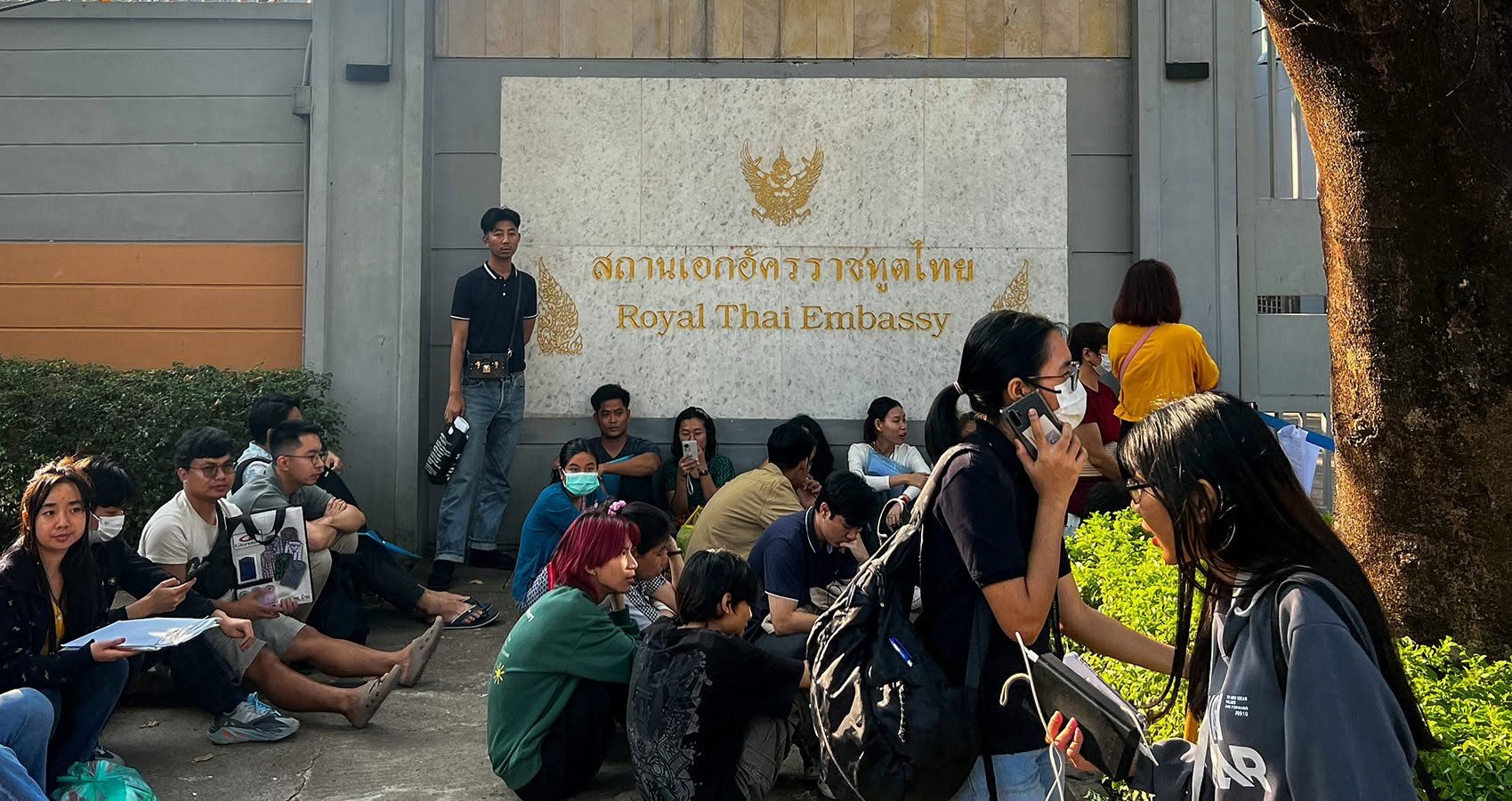
Yangon/Bangkok, June 15 — Myanmar’s enforcement of its People’s Military Service Law has triggered one of the largest outward migrations in recent history, with millions of citizens — from low-wage workers to affluent professionals — relocating to neighboring Thailand. This exodus is reshaping Thailand’s economy while raising urgent humanitarian concerns.
Economic Impact: A Growing Consumer Market
- Population Shift: Thailand now hosts an estimated 4–6 million Myanmar nationals, including 2.1 million registered workers and over a million undocumented migrants.
- Spending Power: According to Happio Consulting, Myanmar migrants spend THB 221 billion annually in Thailand and remit THB 119 billion back home, making them a significant driver of both Thai retail and Myanmar’s fragile economy.
- Retail Transformation: Some 7-Eleven branches in Bangkok report more Myanmar than Thai customers, prompting tailored products and loyalty programs.
- Property Market: Myanmar nationals are among the top three foreign buyers of condominiums in Bangkok and Chiang Mai, signaling a shift from temporary labor migration to long-term settlement.
- Education: Over 15,000 Myanmar students are enrolled in Thai international schools and universities, reflecting the middle-class flight from Myanmar’s instability.
Business Expansion: From Beer to Banking
- Food & Beverage: Myanmar brands such as Rangoon Tea House, Feel Restaurant, and Burbrit Craft Beer have opened outlets in Bangkok. Burbrit plans to launch a brewery in Thailand by September.
- Coffee Industry: Genius Coffee’s founder has opened Blue Pond Cafés in Mae Sot and Chiang Mai, sourcing beans from Thai farmers due to labor shortages in Myanmar.
- Finance: Entrepreneur U Aung Htun founded Syn Pitarn Group, offering microloans of THB 8,000–40,000 to Myanmar workers. The firm now serves 30,000 clients across five provinces, with THB 125 million disbursed.
Humanitarian Challenges: Vulnerability Amid Opportunity
- Forced Returns: Rights groups report 3,500 migrants forcibly repatriated via Ranong, with some conscripted at gunpoint upon arrival in Myanmar.
- Social Tensions: Incidents of clashes and crime involving Myanmar migrants have been reported in Bangkok and border towns, fueling local unease.
- Labor Exploitation: Many undocumented workers remain vulnerable to wage theft, unsafe conditions, and lack of healthcare access.
- Uncertain Future: Analysts warn Myanmar’s conflicts show no sign of resolution within 4–5 years, meaning migration will persist, deepening both opportunities and strains in Thailand.
Voices from the Ground
Ko Tin Min Htut, founder of AVA Ventures, notes that “wealthy families and foreign-educated youth are now opening restaurants, bars, and clubs in Bangkok — a sign that migration is no longer just about survival but about building new lives.”
Meanwhile, U Aung Htun cautions that “without access to Thai bank loans, Myanmar workers risk falling into cycles of debt,” underscoring the need for financial inclusion.
Conclusion: A Dual Reality
Thailand’s Myanmar diaspora is evolving from a labor force into a consumer and entrepreneurial community, reshaping Thai retail, property, and education sectors. Yet behind the economic boom lies a humanitarian crisis — families torn apart, workers exploited, and migrants forcibly returned to face conscription.
As Myanmar’s instability shows no sign of easing, Thailand must grapple with this dual reality: a growing market opportunity and a deepening humanitarian responsibility.
Khit Thit Media
မြန်မာစစ်တပ်၏ စစ်မှုထမ်းဥပဒေကြောင့် ထိုင်းနိုင်ငံသို့ မြန်မာလူငယ်များနှင့် လူလတ်တန်းစားများ အလုံးအရင်းဖြင့် ရွှေ့ပြောင်းအခြေချလာပြီး ထိုင်းစျေးကွက်သစ်ကို မောင်းနှင်နေ၊ မြန်မာမှ စီးပွားရေးလုပ်ငန်းကြီးများပါ ထိုင်းဘက်သို့ ရွှေ့ပြောင်းလာ
ရန်ကုန်၊ ဇွန် ၁၅
မြန်မာနိုင်ငံတွင် စစ်မှုထမ်းဥပဒေကို ပြဋ္ဌာန်းပြီး အတင်းအဓမ္မ လူသစ်စုဆောင်းမှုများ ပြု လုပ်လာခြင်းကြောင့် တိုင်းပြည်အတွင်း ဆက်လက်နေထိုင်ရန် ခက်ခဲလာသည့် မြန်မာလူ ငယ်များနှင့် လူ လတ်တန်းစား၊ အထက်တန်းစား အလွှာစုံမှ ပြည်သူအများအပြားသည် အိမ် နီးနားချင်း ထိုင်းနိုင်ငံသို့ အလုံးအရင်းနှင့် ရွှေ့ပြောင်းအခြေချ ဝင်ရောက်လာကြကြောင်း ထိုင်းအခြေစိုက် The Business Times ၏ သတင်းဖော်ပြချက်အရ သိရှိရသည်။
လက်ရှိ ထိုင်းနိုင်ငံရောက် မြန်မာနိုင်ငံသား အရေအတွက်မှာ တရားဝင် အထောက် အထားရှိသူ ၂ ဒသမ ၈ သန်းနှင့် အထောက်အထားမဲ့ ၁ ဒသမ ၃ သန်း အပါအဝင် စုစုပေါင်း ၄ ဒသမ ၁ သန်းခန့်အထိ ရှိလာနေပြီး ၎င်းတို့သည် လုပ်အားခသက်သာသည့် အလုပ်သမားထုသက်သက် မဟုတ်တော့ဘဲ လက်လီအရောင်းဆိုင်များ၊ ဆက်သွယ်ရေးကုမ္ပဏီများ၊ ငွေလွှဲလုပ်ငန်းများနှင့် အိမ်ခြံမြေလုပ်ငန်းရှင်များပါ အထူးစိတ်ဝင်စားလာရသည့် စားသုံးသူစျေးကွက်ကြီးတစ်ခုအဖြစ် ပေါ်ထွက်လာနေသည်။
စျေးကွက်အတိုင်ပင်ခံအဖွဲ့အစည်းတစ်ခုဖြစ်သည့် Happio ကုမ္ပဏီ၏ အစီရင်ခံစာအရ ထိုင်း နိုင်ငံရောက် မြန်မာနိုင်ငံသားများသည် ထိုင်းနိုင်ငံအတွင်း၌ တစ်နှစ်လျှင် ဘတ် ၂၂၁ ဘီလီယံခန့် သုံးစွဲနေကြသလို မိခင်မြန်မာနိုင်ငံသို့လည်း တစ်နှစ်လျှင် ဘတ် ၁၁၉ ဘီလီယံခန့် ပြန်လည်ပေးပို့နေကြကြောင်း သိရသည်။
Happio ကုမ္ပဏီ၏ အမှုဆောင်အရာရှိချုပ်ဖြစ်သူ နာသီ ဂျာရာယာဘန်းက True နှင့် dtac ကဲ့သို့သော ဆက်သွယ်ရေးလုပ်ငန်းများ၊ Western Union ငွေလွှဲလုပ်ငန်းများနှင့် 7-Eleven စတိုးဆိုင်များအတွက် မားကတ်တင်းပိုင်းဆိုင်ရာ ကူညီပေးနေရပြီး၊ အချို့သော 7-Eleven ဆိုင်ခွဲများတွင် ထိုင်းဖောက်သည်များထက် မြန်မာဖောက်သည် အရေအတွက်က ပိုမိုများပြားနေသည့်အတွက် ၎င်းတို့၏ လိုအပ်ချက်နှင့် ကိုက်ညီမည့် ကုန်စည်များနှင့် အဖွဲ့ဝင်ပရိုဂရမ်များကို ပြောင်းလဲပြင်ဆင်ပေးနေရကြောင်း ပြောကြားသည်။
ယခင်က ထိုင်းနိုင်ငံသို့ လာရောက်ကြသည့် မြန်မာရွှေ့ပြောင်းလုပ်သားအများစုမှာ စိုက် ပျိုးရေး၊ ရေလုပ်ငန်း၊ ဆောက်လုပ်ရေးနှင့် အိမ်အကူလုပ်ငန်းကဲ့သို့သော လုပ်အားအခြေပြု အခြေခံလူ တန်းစားကဏ္ဍများတွင်သာ အဓိကလုပ်ကိုင်ခဲ့ကြသော်လည်း စစ်မှုထမ်းဥပဒေ ပြဋ္ဌာန်းချက်နောက်ပိုင်းတွင်မူ ငွေကြေးတတ်နိုင်သည့် လူလတ်တန်းစားနှင့် အထက်တန်းစားများပါ တိမ်းရှောင်လာကြခြင်း ဖြစ်သည်။
ထိုသို့ ရွှေ့ပြောင်းလာပြီးနောက် ၎င်းတို့သည် မြန်မာနိုင်ငံသို့ ပြန်ရန်မဖြစ်နိုင်တော့သည့်အတွက် ဘန်ကောက်နှင့် ချင်းမိုင်မြို့ကြီးများရှိ ကွန်ဒိုမီနီယံတိုက်ခန်းများကို အဝယ်ဆုံးနိုင်ငံခြားသားများစာရင်းတွင် ထိပ်ဆုံးအဆင့် ၃ အတွင်း ပါဝင်လာသည်အထိ အိမ်ခြံမြေစျေးကွက်ကို လွှမ်းမိုးလာခဲ့ကြသည်။
ထို့ပြင် ထိုင်းနိုင်ငံရှိ အပြည်ပြည်ဆိုင်ရာ အထက်တန်းကျောင်းများနှင့် တက္ကသိုလ်များတွင် တက်ရောက်ပညာသင်ကြားနေသည့် မြန်မာကျောင်းသား အရေအတွက်မှာလည်း ၁၅,၀၀၀ ကျော်အထိ ရှိလာကြောင်း သိရသည်။
ဘန်ကောက်အခြေစိုက် AVA Ventures အကျိုးတူရင်းနှီးမြှုပ်နှံမှုလုပ်ငန်း၏ တည်ထောင်သူ ကိုတင်မင်းထွဋ်က စစ်မှုထမ်းဥပဒေ ထွက်လာပြီးနောက်ပိုင်း ချမ်းသာကြွယ်ဝသူများ၏ သားသမီးများနှင့် အမေရိကန်အပါအဝင် နိုင်ငံ တကာက ဘွဲ့ရလာသည့် လူငယ်ပညာတတ်အများအပြား မြန်မာနိုင်ငံတွင် မနေ နိုင်တော့ဘဲ ထိုင်းနိုင်ငံသို့ ပြောင်းရွှေ့လာကြကာ ၎င်းတို့ကိုယ်တိုင် စား သောက်ဆိုင်၊ ဘားနှင့် ကလပ်များကဲ့သို့သော အသေးစားစီးပွားရေးလုပ်ငန်းများကို စတင်လုပ်ကိုင်လာကြကြောင်း ရှင်းပြသည်။
သူ၏ ရင်းနှီးမြှုပ်နှံမှုကုမ္ပဏီသည် ထိုင်းနိုင်ငံခြေစိုက် မြန်မာစတင်တည်ထောင်သူများ၏ လုပ်ငန်းပေါင်း ၁၄ ခုတွင် ရင်းနှီးမြှုပ်နှံထားပြီး ယင်းတို့အထဲတွင် ရန်ကုန်၌ နာမည်ကြီးသည့် Burbrit Craft Beer ဘား၏ ဘန်ကောက်ဆိုင်ခွဲလည်း ပါဝင်ကာ လာမည့် စက် တင်ဘာလတွင် ထိုင်းနိုင်ငံ၌ ကိုယ်ပိုင် ဘီယာချက်စက်ရုံတစ်ခု အပြီးသတ်တည်ဆောက်သွားမည် ဖြစ်သည်။
ထို့အပြင် ရန်ကုန်တီးဟောက်စ် (Rangoon Tea House) နှင့် Feel စားသောက် ဆိုင်ကဲ့သို့သော မြန်မာ အမှတ်တံဆိပ်ကြီးများလည်း ဘန်ကောက်တွင် ဆိုင်ခွဲများ ဖွင့်လှစ်လာကြသည်။
နာမည်ကြီး မြန်မာကော်ဖီအမှတ်တံဆိပ် Genius ၏ တည်ထောင်သူ ဦးငွေထွန်းကလည်း ထိုင်းနိုင်ငံ အနောက်ပိုင်း မဲဆောက်မြို့နှင့် မြောက်ပိုင်း ချင်းမိုင်မြို့တို့တွင် Blue Pond Cafe အမည်ဖြင့် ကော်ဖီဆိုင် ၃ ဆိုင်ကို ဖွင့်လှစ်ခဲ့ပြီး ချင်းမိုင်၌ ကော်ဖီလှော်လုပ်ငန်းကိုပါ စတင်ခဲ့သည်။
မြန်မာနိုင်ငံအတွင်း စစ်မှုထမ်းဥပဒေကြောင့် လုပ်သားရှားပါးမှု ပြဿနာများဖြင့် ရင်ဆိုင်နေရသဖြင့် အဆိုပါလုပ်ငန်းရှင်သည် ကော်ဖီထုတ်လုပ်မှုကို လျှော့ချခဲ့ရပြီး လက်ရှိတွင် ၎င်းတို့၏ ကော်ဖီအများစုကို ထိုင်းမြောက်ပိုင်းက တောင်သူများထံမှ ရယူကာ တရုတ်နှင့် စင်ကာပူနိုင်ငံများသို့ တင်ပို့နိုင်ရန် ကြိုးပမ်းနေကြောင်း သိရသည်။
အဆင့်မြင့် စားသောက်ဆိုင်နှင့် ဘားများသည် ငွေကြေးတတ်နိုင်သည့် မြန်မာလုပ်ငန်းရှင်များနှင့် ကမ္ဘာလှည့်ခရီးသွားများကိုသာ ဦးတည်သော်လည်း မြန်မာရွှေ့ပြောင်းလုပ်သားအများစုအတွက်မူ အခြားလိုအပ်ချက်များ ရှိနေသည်။
ရင်းနှီးမြှုပ်နှံသူ ဦးအောင်ထွန်းက မြန်မာလုပ်သားများကို ထိုင်းဘဏ်များက ချေးငွေထုတ်မပေးသည့် အခွင့်အလမ်းကို မြင်တွေ့ကာ ဆင်ပီတန် (Syn Pitarn Group) အမည်ရှိ အသေးစားငွေရေးကြေးရေးလုပ်ငန်းကို တည်ထောင်ခဲ့ပြီး မြန်မာလုပ်သားများကို ဘတ် ၈,၀၀၀ မှ ၄၀,၀၀၀ အထိ အသေးစားချေးငွေများ ထုတ်ချေးပေးလျက်ရှိသည်။
သူ၏လုပ်ငန်းသည် လက်ရှိတွင် ထိုင်းပြည်နယ် ၅ ခုတွင် ရုံးခွဲ ၁၃ ခု ဖွင့်လှစ်ကာ သုံးစွဲသူပေါင်း ၃၀,၀၀၀ ခန့်အား ထိုင်းဘတ်ငွေ ၁၂၅ မီလီယံခန့် ထုတ်ချေးထားနိုင်ခဲ့သည်။
ဦးအောင်ထွန်းက မြန်မာနိုင်ငံ၏ ပဋိပက္ခများသည် လာမည့် ၄ နှစ်မှ ၅ နှစ်အတွင်း ပြေ လည်သွားမည့် အရိပ်အယောင်မတွေ့ရသေးသဖြင့် အဆိုပါ စစ်မှု ထမ်းဥပဒေအပါအဝင် အကြောင်းအမျိုးမျိုးကြောင့် ထိုင်းနိုင်ငံသို့ မြန်မာနိုင်ငံသားများ ရွှေ့ပြောင်းအခြေချနေထိုင်မည့် ဖြစ်စဉ်မှာ ရေရှည်အထိ ဆက်လက်တည်ရှိနေဦးမည်ဖြစ်ပြီး ထိုင်းနိုင်ငံအတွင်းရှိ စားသုံးသူစျေးကွက်ကိုလည်း ပိုမိုကြီးထွားလာစေမည်ဖြစ်ကြောင်း သုံးသပ်ပြောကြားသွားသည်။