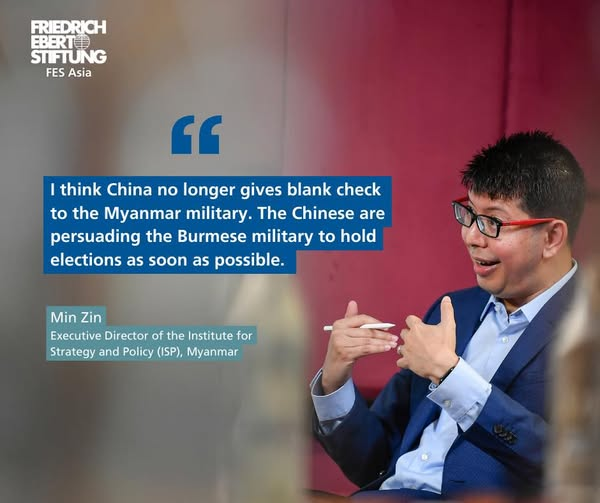
The recent news of ISP Myanmar’s Executive Director, Ko Min Zin, being criminally detained in Kunming, China, on allegations of espionage has reignited intense debates surrounding his think tank’s political stance. To many hardline revolutionaries, ISP Myanmar and the legacy of the original Myanmar Egress group are viewed with deep skepticism—often labeled as subtle lobbyists for the military because of their persistent focus on “Institutional Pragmatism” and “Elite Settlement.”
The critics argue that ISP’s academic frameworks, data maps, and calculated terminology (like using “civil war” instead of “revolution”) serve to legitimize the military and dilute the revolutionary momentum. They see the group’s warnings—that a sudden military collapse would trigger a chaotic “conflict economy” and fracture the nation—as a manufactured narrative to force a compromise.
The Validity of Pragmatism Amid Chaos
However, when we look past the harsh political rhetoric and analyze the grim realities on the ground, a different perspective emerges. Today, Myanmar is paralyzed by a profound weakness of central authority, widespread corruption, and a crippling lack of unity among various political and armed factions. In this climate of instability, the pragmatic approach advocated by groups like ISP feels less like betrayal and more like a sobering assessment of realpolitik.
For many people—particularly those belonging to oppressed ethnic minority groups—the endless cycle of political tug-of-war has brought immense suffering. The ultimate goal is not necessarily who holds the seat of power in Naypyidaw, but whether the governing body can guarantee the foundational elements of a civilized society:
- The Rule of Law: Replacing arbitrary violence and factional lawlessness with a dependable, uniform legal framework.
- Controlled Corruption: Ending the predatory economic practices that bleed the citizens dry.
- Economic Progress and Stability: Rebuilding a collapsed economy so ordinary families can survive and thrive without constant fear of displacement.
- Peace and Order: Creating a secure environment where communities are no longer caught in the crossfire of perpetual warfare.
The True Dream: Meritocracy Over Discrimination
For decades, ethnic minorities have borne the brunt of systematic racial and institutional discrimination. Therefore, the true idealistic dream for a future Myanmar is not just a change of regime, but a fundamental shift in values.
The ultimate aspiration is the establishment of a strict Meritocracy to permanently replace racial and ethnic discrimination. In a meritocratic system, a citizen’s worth, rights, and opportunities are determined by their character, capability, and contribution—not by their ethnicity, religion, or background.
If the current revolutionary path only promises a fragmented nation ruled by competing, unstable armed factions without a clear blueprint for law and order, then a structured, negotiated transition—even one that pragmatically includes existing institutions—starts to carry valid weight. Ultimately, the priority must be a stable, peaceful, and fair country where every minority group can live with dignity under the shield of the law.
Part 1: Fact-Checking and References
The specific claims surrounding Ko Min Zin’s arrest and the activities of ISP Myanmar can be verified through international consensus and independent reporting:
- Fact Check: The Detention of Ko Min Zin
- Status: Confirmed. * Details: On June 3, 2026, U Min Zin was detained at Kunming Changshui International Airport in Yunnan province, China, after arriving to attend an academic conference. On June 12, 2026, Chinese Foreign Ministry spokesperson Lin Jian officially confirmed that Min Zin had been placed under criminal detention on suspicion of “engaging in espionage and endangering China’s national security.” Because he is a naturalized U.S. citizen (and a Ph.D. candidate at UC Berkeley), the U.S. Consulate General in Guangzhou was formally notified, and the U.S. Department of State has confirmed it is providing consular assistance.
- Contextual Nuance: Independent analysts point out that his arrest happened right before a high-profile state visit by Myanmar’s military leader to Beijing (scheduled for mid-June 2026). Rather than being a conventional “spy,” international watchdogs like Amnesty International view him as an empirical scholar whose research on sensitive topics—such as Myanmar’s rare earth mineral exports to China and conflict dynamics along the shared border—offended Beijing’s strictly controlled narrative.
- Fact Check: ISP Myanmar’s Ideology
- Status: Accurate Interpretation of Political Stance.
- Details: Formed by alumni of the original Myanmar Egress and Vahu development networks, the Institute for Strategy and Policy (ISP) Myanmar has long advocated for “Institutional Pragmatism.” They historically positioned themselves as moderate, empirical analysts. In the context of the post-2021 civil war, their research maps and terminology have frequently argued that a total collapse of the military would result in a fragmented, failed state dominated by warlords and a chaotic “conflict economy.” This stance has deeply alienated hardline pro-democracy forces who demand the absolute eradication of the military dictatorship.
Tha Aye Tun is with Tha A Htoon.
sdretSoopn503iaJ87h10f8 M33034u7P2e3t93unhu01 i t8 :ui219mlc ·
“ကိုမင်းဇင်နဲ့ ISP Myanmar”
အရင်ဆုံးပြောချင်တာက ကိုမင်းဇင်ရယ်လို့မဟုတ်ပါဘူး၊ မြန်မာပြည်ဖွားဘယ်သူပဲဖြစ်စေ ပြည်ပနိုင်ငံတခုခုမှာမတရားအချုပ်ခံရတယ်ဆိုရင်တော့ အဖြစ်မှန်ပေါ်ပြီးအချုပ်ကလွတ်စေဖို့ ဦးစွာဆုတောင်းပေးလိုက်ပါတယ်။
Case Study ကိုမရေးမှီမှာတွေးမိတာလေးတခုက
ဒီနေ့ လူအတော်များများဟာ သမိုင်းပါမောက္ခဒေါက်တာသန်းထွန်းပြောတဲ့ မအအောင်သမိုင်းသင်ကြတယ်ဆိုတဲ့ စကားလုံးကိုတော့ လှိုင်လှိုင်သုံးပြီး သူတို့ကိုယ်တိုင်သမိုင်းနောက်ခံအချက်အလက်တွေကိုမလေ့လာပဲ အများပြောနေကြတာကိုအခြေခံပြီး ယေဘူယျဆန်ဆန်ရေးနေပြောနေကြတာတွေကိုစိတ်မကောင်းဖွယ်တွေ့မြင်ကြရပါတယ်။
ဒီမိုကရေစီဖက်ကလို့ပြောဆိုလုပ်ကိုင်နေကြသူတချို့ဟာ မင်းဇင်ရဲ့ ISP Myanmar ဘာလဲဆိုတာ အသေအချာမသိပဲ မင်းဇင်နဲ့ ISP Myanmar ကို ဒီမိုကရေစီသူရဲကောင်းတွေအဖြစ်ရေးသားပုံဖော်နေကြတာအံ့ဩဖွယ်တွေ့မြင်ကြရပါတယ်။
ISP Myanmar ဆိုတာဘာလဲ။
ISP Myanmar (Institute for Strategy and Policy – Myanmar) ဟာ စစ်ကောင်စီ (SAC) အတွက် မသိမသာ ဝါဒဖြန့်ပေးနေတဲ့အဖွဲ့လို့တိုတိုရှင်းရှင်းအဖြေပေးရပါလိမ့်မယ်။ တကယ်လဲသူတို့ဟာ စစ်အုပ်စုအကြိုက် ဖြစ်စေမယ့် နိုင်ငံရေးအမြင်တွေကို ပုံဖော်ပေးနေကြပါတယ်။ အဲဒီလိုပြောဆိုဝေဖန်ချက်တွေဟာ နွေဦးတော်လှန်ရေး အင်အားစုတွေနဲ့ အရပ်ဘက်အဖွဲ့အစည်းတွေကြားထဲမှာ အတော်လေးအငြင်းပွားဖွယ်ရာ ဖြစ်နေခဲ့ပါတယ်။
သူတို့ရဲ့ နောက်ခံအကြောင်းအရင်း၊ ထုတ်ပြန်ချက်တွေနဲ့ အလုပ်လုပ်ပုံတွေအပေါ် အခြေခံပြီး “ဘာကြောင့် ဒီလိုအပြောခံနေရလဲ” ဆိုရင် ISP Myanmar ရဲ့ သုတေသနနဲ့ ဆောင်းပါးတော်တော်များများဟာ မြန်မာ့နိုင်ငံရေးကို “အထက်တန်းလွှာအချင်းချင်း ညှိနှိုင်းမှု (Elite Settlement)” လမ်းကြောင်းကနေပဲ အဖြေရှာချင်တဲ့ ပုံစံမျိုး အမြဲဦးတည်လေ့ရှိတယ် ဆိုတာအရင်ဆုံးတွေ့ရလိမ့်မယ်။
သူတို့ဟာစစ်တပ်မပါရင် မရဘူးဟူသော အမြင်ကိုကိုင်စွဲထားကြတယ်။
စစ်အာဏာရှင်စနစ် ဖြုတ်ချရေးထက် စစ်တပ်ကို အင်အားစုတစ်ခုအနေနဲ့ မဖြစ်မနေ ထည့်သွင်းစဉ်းစားရမယ်ဆိုတဲ့ အယူအဆ (Institutional Pragmatism) ကို သွယ်ဝိုက်သောနည်းနဲ့ အမြဲတွန်းအားပေးလေ့ရှိပါတယ်။
သူတို့ဟာတော်လှန်ရေးအင်အားစုများကိုလဲ အဆိုးမြင်နဲ့ကြည့်ကြတယ်။
စစ်ကောင်စီကို ဆန့်ကျင်နေတဲ့ တော်လှန်ရေးအင်အားစုတွေကို စနစ်တကျ နိုင်ငံရေးဦးဆောင်မှုထက် “ပဋိပက္ခကြောင့် ဖြစ်ပေါ်လာတဲ့ လက်နက်ကိုင်အုပ်စုများ” သို့မဟုတ် “အစိတ်စိတ်အမွှာမွှာ ကွဲပြားနေမှုများ” အဖြစ် ပုံဖော်လေ့ရှိတာကြောင့် တော်လှန်ရေးကိုသေးသိမ်အောင် လုပ်တယ်၊ တရားဝင်မှုကို လျှော့ချရာရောက်တယ်လို့ ဝေဖန်ခံရပါတယ်။
သူတို့ရဲ့စကားလုံးအသုံးအနှုန်း ရွေးချယ်မှု (Terminology)ကိုကြည့်ရင်သိသာတယ်။
ISP Myanmar သုံးစွဲတဲ့ စကားလုံးတွေဟာ စစ်ကောင်စီအပေါ် သက်ညှာပြီး တော်လှန်ရေးအင်အားစုတွေအပေါ် တင်းကျပ်တဲ့ သဘောဆောင်နေတတ်ပါတယ်။
စစ်ကောင်စီကို “ခိုင်ခန့်နေတဲ့အင်အားကြီးမားတဲ့ အဖွဲ့အစည်း (Established Entity)” သို့မဟုတ် “မြန်မာ့တပ်မတော် (Myanmar Armed Forces – MAF)” လို့ သုံးနှုန်းပြီး တရားဝင်မှု (Legitimacy) ရှိသယောင် သွယ်ဝိုက်ဖော်ပြတတ်ပါတယ်။
တော်လှန်ရေးအင်အားစုတွေကိုတော့ “အသစ်ပေါ်ထွက်လာသော လက်နက်ကိုင်အုပ်စုများ (Emerging Armed Groups)” လို့ပဲ သုံးနှုန်းလေ့ရှိပါတယ်။
ပြည်သူလူထုတစ်ရပ်လုံး ဆင်နွှဲနေတဲ့ “တော်လှန်ရေး (Revolution)” ဆိုတဲ့ စကားလုံးကိုမသုံးပဲ ပဋိပက္ခ (Conflict) သို့မဟုတ် “ပြည်တွင်းစစ် (Civil War)” ဆိုတဲ့ စကားလုံးတွေကိုပဲ အဓိကသုံးပြီး နိုင်ငံရေးအရ တရားမျှတမှုအတွက် တိုက်ပွဲဝင်မှုကို မပြောပဲ သာမန် ရန်ပွဲ/စစ်ပွဲတစ်ခုအသွင် ပုံဖော်လေ့ရှိပါတယ်။
နိုင်ငံတကာနှင့် တရုတ်မူဝါဒအပေါ် လွှမ်းမိုးရန် ကြိုးပမ်းမှု
ISP Myanmar ဟာ China Studies Program (တရုတ်လေ့လာရေးအစီအစဉ်) ကို အထူးတလည် လုပ်ဆောင်တဲ့ အဖွဲ့ဖြစ်ပါတယ်။
တရုတ်နိုင်ငံရဲ့ မြန်မာ့အရေး ချဉ်းကပ်ပုံဖြစ်တဲ့ “တည်ငြိမ်ရေးကို ဦးစားပေးပြီး စစ်တပ်နဲ့ တော်လှန်ရေးအဖွဲ့တွေကြား ညှိနှိုင်းစေချင်တဲ့” မူဝါဒနဲ့ ISP ရဲ့ ထုတ်ပြန်ချက်တွေဟာ ထပ်တူနီးပါး ကျနေသလိုပြောဆိုပေမယ့် အမေရိကန် အစိုးရအထောက်အကူနဲ့ တရုတ်ပြည်လေ့လာရေးခေါင်းစဉ်အောက်မှာတရုတ်ဆန့်ကျင်ရေးတွေရေးသားခဲ့ကြပါတယ်။
တော်လှန်ရေးအင်အားစုတွေ အရှိန်အဟုန်နဲ့ နယ်မြေစိုးမိုးလာချိန်မှာပင် ISP ရဲ့ သုံးသပ်ချက်တွေက “စစ်တပ်ပြိုလဲရင် တိုင်းပြည် ပျက်စီးသွားနိုင်တယ်၊ ပဋိပက္ခစီးပွားရေး (Conflict Economy) ကြောင့် နယ်မြေတွေ စုတ်ပြတ်သွားနိုင်တယ်” ဆိုတဲ့ အကြောက်တရားကို အချက်အလက်တွေနဲ့ ပုံဖော်ပြီး နိုင်ငံတကာက တော်လှန်ရေးကို အပြည့်အဝမပံ့ပိုးဘဲ ဇဝေဇဝါဖြစ်အောင် သံတမန်ရေးအရ လမ်းကြောင်းလွှဲလေ့ရှိတယ်လို့ စောင့်ကြည့်သူတွေက ဆိုပါတယ်။
အဖွဲ့ခေါင်းဆောင်ပိုင်း၏ နောက်ခံ သမိုင်း(Background and Ideology)ကိုကြည့်မယ်ဆိုရင် ISP Myanmar ကို ဦးဆောင်သူအချို့နဲ့ အဓိက အကြံပေးပုဂ္ဂိုလ်တွေဟာ ဦးသိန်းစိန်အစိုးရလက်ထက်က မြန်မာနိုင်ငံ ငြိမ်းချမ်းရေးပြန်လည်ထူထောင်ရေးလုပ်ငန်းဗဟိုဌာန (MPC) ကဲ့သို့သော စစ်တပ်နဲ့ နီးစပ်ပြီး အရပ်ဘက်-စစ်ဘက် ဆွေးနွေးပွဲတွေကို ဖော်ဆောင်ခဲ့ကြသူတွေဖြစ်နေကြပါတယ်။
၂၀၀၇ လောက်မှာ Living Colour Media နဲ့ The voice ဂျာနယ်ပိုင်ရှင်၊ ငြိမ်းချမ်းရေးပွဲစား လှမောင်ရွှေ ၊ ကျော်ရင်လှိုင်တို့တွေက Myanmar Egress ဆိုတဲ့ အဖွဲ့ ကို တည်ထောင်ကြတယ်။ သူတို့က စစ်တပ်ကိုထွက်ပေါက်ပေးရမယ်၊ စစ်တပ်နဲ့ညှိမှ နိုင်ငံရေးထွက်ပေါက်ရမယ် ၊ညောင်၂ပင်ခြေဥကို လက်ခံပြီး နိုင်ငံရေးစာမျက်နှာအသစ်ဖွင့်ရမယ်ဆိုတဲ့အတွေးအခေါ်ကိုဇောင်းတင်လာတယ်။
ပိုလက်စောင်းထက်လာတဲ့ Egress အုပ်စုဟာာ ၂၀၁၀ ရွေးကောက်ပွဲအကြိုမှာတော့ စစ်လော်ဘီစာတွေပေါ်ပေါ်ထင်ထင်ရေးလာကြတယ်။
နေဝင်းမောင် က အောင်ထွဋ် ကလောင်နာမည်နဲ့ ရွေးကောက်ပွဲ လက်ခံရေးဆောင်းပါးတွေ တောက်လျှောက်ရေးတယ်။ သန်း ၅၀ ကိုအနိုင်ပေးပါဆိုပြီး ဆောင်းပါးစာအုပ်တောင်ထုတ်လိုက်သေးတယ်။ အဲ့အချိန် ချင်းမိုင်ပြည်ပအုပ်စုဘက်မှာလည်း ဗဟုဆိုပြီး ၈၈ ဇော်ဦး အောင်သူငြိမ်း အောင်နိုင်ဦးတို့ထောင်တဲ့ အဖွဲ့ပေါ်လာပြန်တယ်၊ သူတို့က Egress အုပ်စုလောက် မပြောပေမဲ့ စစ်တပ်လုပ်ပေးတဲ့၂၀၁၀ ရွေးကောက်ပွဲကို လက်ခံသင့်တယ်ဆိုတာကိုဖြန့်ကြတာပါပဲ။
သိန်းစိန်လက်ထက်မှာ ဗဟုအုပ်စု ပြည်တွင်းပြန်ဝင်လာပြီး ဇော်ဦးဆို သမ္မတအကြံပေးတောင်ဖြစ်သွားတယ် အောင်နိုင်ဦးတို့လည်း Egress အုပ်စုနဲ့ပေါင်း၊ စိုးသိန်း အောင်မင်းတို့နဲ့ပါတွဲမိပြီး Myanmar Peace Centre ဖြစ်လာတယ်၊၊
ဒေါ်စုတက်လာတော့ အောင်သူငြိမ်းက မင်းဇင်နဲ့ပေါင်းပြီး ISP ယောမင်းကြီးဇရပ်အုပ်စုဖြစ်လာတယ်၊ ဒေါ်စုအစိုးရခေတ်မှာ တတ်ယောင်ကား တော်တော်အသံထွက်ခဲ့တဲ့ အုပ်စုဖြစ်ပြီး NLD + စစ်အုပ်စု ချစ်ကြည်ရေးအဓိကအားထုတ်ခဲ့ကြတယ်။
သတင်းအချက်အလက်တွေအရ ဇော်ဦး လှမောင်ရွှေတို့က နေပြည်တော်မှာနေပြီး စစ်တပ်ဘက် ကြားပွဲစားလုပ်နေတာ သိသာတယ်၊ အောင်သူငြိမ်းကချင်းမိုင်မှာနေပြီး တလရဘက်က ရပ်တည်သလိုလို နဲ့ ပြောတဲ့လေသံကြည့်လိုက်ရင် တလရကို ဘယ်လိုသဘောထားလဲသိသာပါတယ်၊ ISP က ထုတ်နေတဲ့ မင်းဇင်ရေးတဲ့ စာတွေလည်း စစ်တပ်နဲ့စေ့စပ်မှဖြစ်မယ်ဆိုတဲ့ ဒီသဘောတွေပါပဲ ဆိုတာကို ဇွဲသူရ ရေးထားတာလေးလဲဖတ်မိလို့ ပြန်ကိုးကားပါရစေ။
သူတို့ရဲ့ အဓိကအခြေခံအတွေးအခေါ်ဟာ “စစ်တပ်ကို အကြမ်းဖက်တိုက်ခိုက်ပြီး ဖျက်ဆီးလို့မရနိုင်ဘဲ ပြုပြင်ပြောင်းလဲရေး (Reform) လမ်းကြောင်းပေါ် ဆွဲတင်ရမယ်” ဆိုတဲ့ အတွေးအခေါ်မျိုး ဖြစ်တာကြောင့် ယနေ့ ပြည်သူလူထုလိုလားတဲ့ “စစ်အာဏာရှင်စနစ် အမြစ်ပြတ်ချေမှုန်းရေး” နဲ့ လုံးဝ ဆန့်ကျင်ဘက် ဖြစ်နေပါတယ်။
ဒါပေမယ့် ISP Myanmar ဟာ စစ်ကောင်စီရဲ့ သာမန် ဝါဒဖြန့်ချိရေးဌာန (ဥပမာ- မြဝတီ၊ အလင်းတန်း) တွေလိုမျိုး ဗြောင်ကျကျ လိမ်ညာဝါဒဖြန့်တာမျိုး လုံးဝမလုပ်ပါဘူး။ သူတို့ဟာ အင်မတန်ပါးနပ်ပြီး ရှုတ်ထွေးတဲ့အဓိပ္ပါယ်၂ခွထွက်တဲ့ စကားလုံးတွေနဲ့ စစ်တပ်အတွက်ဝါဒဖြန့်လော်ဘီလုပ်နေသူတွေဖြစ်တယ်။
သူတို့ဟာ သုတေသနအချက်အလက် (Data)၊ မြေပုံ (Mapping) နဲ့ ပညာရပ်ဆိုင်ရာ စကားလုံး (Academic Jargon) တွေကို စနစ်တကျ အသုံးပြုပြီး “စစ်တပ်ကို ဖယ်ထုတ်လို့မရဘူး၊ တော်လှန်ရေးဟာ အကွဲကွဲအပြားပြားနဲ့ တိုင်းပြည်ပျက်မယ့် လမ်းကြောင်းဖြစ်တယ်”ဆိုတဲ့အမြင်ကို ပြည်တွင်းကော နိုင်ငံတကာပါ ယုံကြည်လာအောင် မသိမသာဝါဒဖြန့်တဲ့နည်း (Subtle Propaganda/Framing) နဲ့ ပုံဖော်နေတာကြောင့် ပြည်သူတွေကြားမှာ နိုင်ငံရေးအနီးကပ်လေ့လာသူတွေကတော့ စစ်အုပ်စုဘက်က လော်ဘီလုပ်နေသူတွေ” လို့ သာသတ်မှတ်ထားရခြင်း ဖြစ်ပါတယ်။