By Dr Ko Ko Gyi @ Abdul Rahman Zafrudin with the help of Chat GPT
With several upcoming films set during the Konbaung Dynasty, public interest in Myanmar’s last royal era is once again growing. Yet, as is often the case with historical dramas, audiences will probably see palace conspiracies, succession struggles, wars, and rebellions.
What may remain largely absent from the screen is another important reality of the Konbaung period: the tradition of religious tolerance and mutual respect that existed between the Buddhist monarchy and many of its Muslim subjects.
No historical period was perfect. There were tensions and occasional restrictions. Nevertheless, a fair reading of history shows that many Muslim citizens served the kingdom with distinction and were rewarded with trust, honor, land grants, administrative positions, and even royal patronage.
This forgotten legacy deserves to be remembered.
1. The Islamic Religious Leader Abid Shah Husaini During the Reign of Bodawpaya အာဗစ်ရှာဟ် ဟူစိုင်နီသခင်
One of the lesser-known figures in Konbaung history is the Islamic religious leader Abid Shah Husaini, who is remembered in Burmese Muslim historical traditions as an important Muslim authority during the reign of King Bodawpaya (Badon Min).
Although surviving records are limited, references in Muslim historical accounts suggest that the royal court recognized Muslim religious leadership and allowed Islamic affairs to be administered according to Islamic customs. This demonstrates that Muslims were not merely tolerated as foreign merchants or soldiers but were also recognized as a religious community with their own scholars and institutions.
The existence of respected Islamic leaders during the Konbaung era reminds us that Myanmar’s Muslim heritage was not a recent phenomenon. It was already deeply rooted in the kingdom centuries ago.
2. Saya Gyi U Nu: A Muslim Scholar in the Royal Court
Among the most remarkable Muslim personalities of the Konbaung period was Saya Gyi U Nu, remembered as a distinguished scholar, administrator, and intellectual.
His life serves as evidence that education and ability could sometimes transcend religious identity in the royal service. U Nu gained recognition through scholarship and public service rather than through family privilege.
His achievements challenge the modern misconception that Muslims were outsiders to Myanmar’s intellectual and cultural development. Instead, they were active participants in the country’s literary, administrative, and educational life.
Today, his legacy remains an important symbol of meritocracy and coexistence.
3. U Pein and Muslim Participation in Civic Administration
The appointment of U Pein to high municipal responsibility is another example of how the Konbaung court valued competence and loyalty.
The famous U Bein Bridge in Amarapura preserves the name of a man who served the kingdom with distinction. Historical accounts describe U Pein as a senior official entrusted with major administrative responsibilities.
Such appointments reflected a broader royal practice of recruiting capable individuals from different ethnic and religious backgrounds into public service.
In an age when many modern states were still struggling with religious discrimination, the Konbaung administration often demonstrated a practical willingness to utilize talent wherever it was found.
4. King Mindon and the Muslim Royal Guards
King Mindon Min occupies a special place in the memory of Myanmar’s Muslim community.
When Prince Mindon and Prince Kanaung rebelled against Pagan Min, several Muslim soldiers and attendants remained loyal to them. After ascending the throne, Mindon rewarded many Muslims with military and civil appointments. Historical records mention Muslim cavalry units, artillery personnel, cooks, tailors, judges, and royal bodyguards serving under his reign.
Muslim oral traditions also preserve accounts of loyal Muslim bodyguards who protected members of the royal family during the Myingun-Myaungdaing rebellion of 1866. One frequently repeated story concerns General U Chone and other Muslim guards who helped save the queen during the crisis. While details vary among different narrations, these stories reflect the trust placed in Muslim officers within the royal court.
5. The Shwe Pannet (Golden Foundation) Mosque Inside the Palace Grounds
Perhaps the strongest symbol of Mindon’s religious inclusiveness was his support for a mosque within the Mandalay Palace compound.
Historical accounts record that a mosque was constructed for Muslim royal bodyguards inside the palace walls. King Mindon himself reportedly laid the golden foundation for the building, leading to its later reputation as the Shwe Pannet Mosque (Golden Foundation Mosque). The mosque stood near the southeastern section of the palace grounds.
The significance of this act should not be underestimated.
Few Buddhist monarchs in Asia would personally support the construction of a mosque within a royal palace complex. Mindon’s action reflected confidence rather than insecurity and demonstrated respect toward loyal Muslim subjects.
6. Land Grants and Mosques in Mandalay
When King Mindon founded Mandalay as the new royal capital, Muslim communities were allocated residential quarters and land for religious purposes.
Historical records mention numerous Muslim neighborhoods and mosque sites established in the new city. Areas such as Kone Yoe, Oh Bo, Taung Balu, Wali Khan Quarter, Kala Pyo Quarter, and Panthay Quarter became important centers of Muslim life. Land was allocated for multiple mosques outside the palace walls, allowing Muslims to worship freely while contributing to the development of the new capital.
This was not merely tolerance. It was active royal patronage.
Mindon understood that a thriving capital required the participation of all its communities.
7. The Royal Donation for Burmese Pilgrims in Mecca
One of the most extraordinary examples of interfaith respect occurred when King Mindon supported the establishment of a rest house in Mecca for Burmese Muslims performing the Hajj pilgrimage.
Historical sources state that the king ordered officials, including Nay Myo Gonna Khalifa U Pho Mya and Haji U Swe Baw, to supervise the project and contributed royal funds to complete the building.
This gesture was remarkable.
A devout Buddhist king who sponsored the Fifth Buddhist Council also contributed to the welfare of Muslim pilgrims thousands of miles away in the holy city of Mecca.
Such actions reveal a level of religious accommodation that deserves far greater recognition in Myanmar history.
8. Shwe Bone Shein Mosque and Other Royal Donations
Muslim historical traditions also preserve accounts of royal donations of land and support for several mosques around Mandalay, including sites near Maha Myat Muni.
While some details require further archival verification, these traditions are consistent with the broader historical pattern of Mindon’s support for Muslim communities, mosques, and religious institutions.
Together, they form part of a larger story often ignored in modern narratives.
Lessons for Today
The Konbaung kings were deeply committed Buddhists. Yet many of them understood that loyalty to the kingdom did not require religious uniformity.
Muslims served as soldiers, judges, scholars, administrators, artisans, cavalrymen, and royal bodyguards. They were granted land, allowed to build mosques, and in some cases received direct royal patronage.
This historical reality does not diminish Buddhism. Rather, it demonstrates the confidence of a Buddhist monarchy secure enough to respect the faith of others.
At a time when religious divisions continue to trouble Myanmar, the examples left by King Mindon and other Konbaung rulers offer an important lesson:
A nation becomes stronger not when diversity is suppressed, but when different communities are allowed to contribute their talents while remaining faithful to their own beliefs.
That may be one of the most valuable legacies of the Konbaung era—and one that deserves a place not only in history books, but also on the cinema screen.
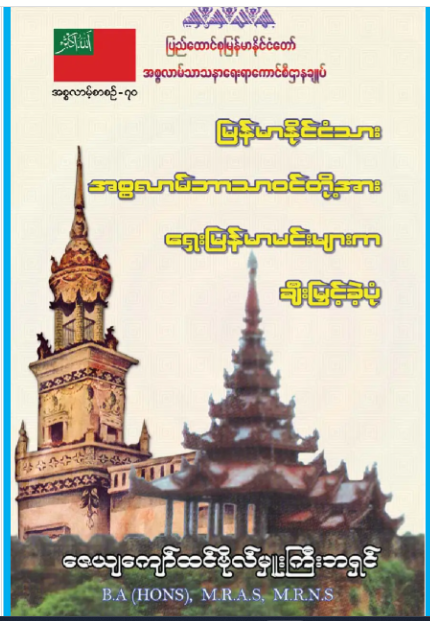
Read ALso: မြန်မာနိုင်ငံသား အစ္စလာမ်ဘာသာဝင်တို့အား ရှေးမြန်မာမင်းများက ချီးမြှင့်ခဲ့ပုံ
TQ my friend…Because of your post tagging me…I wrote the above post.
Ko Phyo Win Latt
မကြာမီ ထွက်ပေါ်လာတော့မယ့် ကုန်းဘောင်ခေတ် နောက်ခံ ရုပ်ရှင်ပရောဂျက်တွေနဲ့ ပတ်သက်ပြီး ပရိသတ်တချို့ကြားမှာတော့ စိတ်ဝင်စားမှု တော်တော်လေး မြင့်တက်နေတာကို တွေ့ရပါတယ်။ ဒါပေမဲ့ ရုပ်ရှင်ဇာတ်ကား အများစုရဲ့ သဘာဝအရ နန်းတွင်းလုပ်ကြံမှုတွေ၊ အာဏာပြိုင်ပွဲတွေနဲ့ စစ်မက်ရေးရာတွေကိုသာ အဓိကထား ရိုက်ကူးလေ့ရှိကြတော့၊ အဲဒီခေတ်အခါက တကယ့် အရှိတရားတစ်ခု ဖြစ်ခဲ့တဲ့ “ဘာသာရေး လွတ်လပ်ခွင့်နဲ့ အပြန်အလှန် လေးစားမှု (Religious Tolerance)” ဆိုတဲ့ အချက်ကို ဖန်သားပြင်ပေါ်မှာ မြင်တွေ့ရဖို့ကတော့ အတော်လေး ခဲယဉ်းနိုင်ပါတယ်။