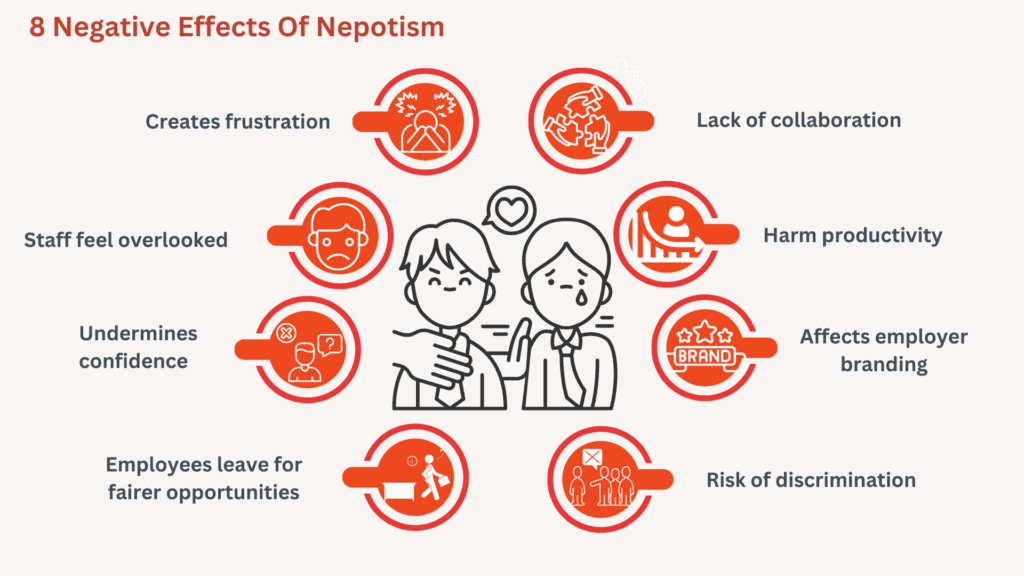
Merit, Nepotism, and My Personal Encounter with a Burmese Proverb
One of the most famous Burmese proverbs is:
“ဆပ်ပြာကောင်းလို့ ခေါင်းပေါင်းဖြူ”
(“The turban is white because the soap is good.”)
At first glance, it appears to be a simple observation about washing clothes. However, like many traditional Burmese sayings, it contains a deeper social meaning.
The proverb suggests that a person’s success, prestige, or polished appearance may not necessarily result from his own abilities. Rather, it may be due to external support, powerful connections, favorable circumstances, or privileged backgrounds.
In other words:
“Do not assume that the man is exceptionally capable. Perhaps he simply has very good soap.”
Traditionally, a white turban symbolized dignity, cleanliness, and respectability. The proverb reminds us that the whiteness of the turban may owe more to the quality of the soap than to the skill of the washerman.
Today, we would call this phenomenon by other names:
- Nepotism
- Cronyism
- Favoritism
- Patronage
- Having “connections”
- Having “cables”
- Corruption
In many countries, especially across Asia, Africa, the Middle East, and Latin America, there is a common saying:
“Who you know is more important than what you know.”
This reality often weakens meritocracy, discourages talent, and prevents societies from achieving their full potential.
The Global Reality of Nepotism
Throughout history, powerful families have frequently passed influence from one generation to the next.
Political dynasties exist in many countries:
- The Nehru-Gandhi family in India.
- The Bhutto family in Pakistan.
- The Marcos family in the Philippines.
- The Sukarno and Sukarnoputri family in Indonesia.
- The Razak family in Malaysia.
- The Bush family in the United States.
- The Clinton family in the United States.
- The Kennedy family in the United States.
- The Lee family in Singapore.
- Trump family in USA.
Some leaders groom their children or relatives for future leadership positions. Others benefit from family names, political networks, inherited wealth, or powerful social connections.
Many people are born with what is often called:
“A silver spoon in their mouth.”
This does not necessarily mean they lack talent. Some indeed prove highly capable. However, they often begin the race far ahead of ordinary citizens.
Meanwhile, countless talented individuals must struggle uphill without assistance.
Myanmar and the Problem of Meritocracy
Unfortunately, Myanmar has suffered particularly from favoritism and patronage.
Decades of military rule weakened institutions and encouraged loyalty over competence. Positions were often awarded not according to merit but according to personal connections, family ties, military affiliations, or political loyalty.
This culture of favoritism extended beyond politics into education, business, and professional life.
The result has been predictable:
- Brain drain
- Corruption
- Inefficiency
- Public distrust
- Loss of national competitiveness
A society that ignores merit eventually pays a heavy price.
My Own Story
My parents belonged to Myanmar’s Muslim minority community.
We were neither wealthy nor politically connected. We were ordinary middle-class citizens, and I was the eldest of eight siblings.
Although my ancestors included migrants, the racial atmosphere during much of the 1950s and early 1960s was relatively tolerant. Open Islamophobia was far less visible than it would later become.
I never received special favors.
I was not a child prodigy.
My memory was average then and is fading with age now.
At about ten years old, I suffered a supracondylar fracture of my left elbow. Because the plaster cast was applied too tightly, swelling and stiffness developed. For almost three years I could hardly use my left arm properly.
Fortunately, after extensive treatment and physiotherapy from a traditional Burmese practitioner, I gradually recovered.
Perhaps because of that early handicap, I became determined to strengthen myself.
During my school years I participated actively in:
- Tennis
- Swimming
- Jogging
- Weightlifting
- Cycling
Not because I dreamed of becoming an athlete, but because I wanted to compete in Myanmar’s prestigious Outstanding Student Competitions (Luyechun).
The Outstanding Student Competitions
The Luyechun competitions were serious affairs.
Students had to demonstrate excellence not only academically but also physically.
The selection process included:
- Burmese language examinations
- Mathematics examinations
- General knowledge tests
- Interviews
- Shot-put competitions
- Sprinting events
- Push-ups
- Other physical fitness assessments
After completing Standard Five at Kingswood School in Kalaw, I transferred to St. Peter’s School in Mandalay.
As a newcomer, I was assigned to Class 6B.
Traditionally, the A classes were reserved for the top students.
However, all classes sat for the same examinations.
At the Standard Seven mid-term examination, I achieved first place overall.
Even more surprisingly, the first nine positions were occupied by students from our supposedly inferior B class.
My First Encounter with “Good Soap”
Around that time, the Luyechun competitions had recently been introduced.
I prepared enthusiastically.
I studied not only school textbooks but also BSPP publications, journals, magazines, and current affairs materials because political and general knowledge questions frequently appeared.
Yet something unexpected happened.
Without informing students or parents, certain school authorities selected three students from the A class to represent the school in the township competition.
Their selection appeared to have little relation to examination results.
Later we discovered that many questions had indeed come directly from BSPP materials.
Despite being given the opportunity, those selected students failed.
This was perhaps my earliest real-life encounter with the proverb:
“The turban is white because the soap is good.”
Connections and favoritism can sometimes open doors.
But they cannot guarantee performance.
Another Unexpected Encounter
Years later I learned another amusing chapter related to the same proverb.
My future father-in-law was then a Deputy Director of Education and a highly respected former headmaster.
One of my uncles happened to be among his former students.
Without my knowledge or permission, my uncle attempted to seek favors on my behalf.
The result was not what he expected.
The Deputy Director, known for honesty and integrity, reportedly chased him away.
At that time he did not even know me personally.
Nor could he have known that one day I would marry his eldest daughter, who was still a child of about ten years old.
Ironically, I gained no advantage whatsoever.
The Examination Question
The proverb itself would later return to haunt me.
In one Burmese examination, students were required to complete a proverb.
The question provided:
“ဆပ်ပြာကောင်းလို့ ______”
The correct answer was:
“ခေါင်းပေါင်းဖြူ”
Unfortunately, I did not know it.
I lost marks.
I failed not solely because of that question, but it certainly did not help.
The proverb that symbolized favoritism ended up contributing to my own poor result.
Life has a sense of humor.
Looking Back
Today, when I look back over my life, I realize that I possessed neither powerful cables nor influential patrons.
I belonged to a minority community.
I had no political connections.
I was not wealthy.
I was not exceptionally gifted.
I did not enjoy special privileges.
Yet by the mercy of Allah SWT, I was able to:
- Complete medical education.
- Serve patients.
- Teach medical students.
- Raise successful children.
- Build a life of dignity despite many obstacles.
For that, I remain grateful.
Alhamdulillah.
The Final Lesson
The proverb “Good soap makes the turban white” contains an important truth.
Connections matter.
Family background matters.
Social support matters.
Yet there is another truth that the proverb does not fully capture.
A clean turban may initially attract attention because of good soap.
But sustained success requires character, perseverance, competence, and integrity.
Favoritism may open a door.
Only merit can keep it open.
History is full of people who inherited power and wasted it.
It is also full of ordinary men and women who rose without privilege and left lasting legacies.
Looking back on my own life, I am content to have belonged to the second group.
ဆပ်ပြာကောင်းလို့ ခေါင်းပေါင်းဖြူ Wikipedia
ဆပ်ပြာကောင်းလို့ ခေါင်းပေါင်းဖြူ ဟူသည်မှာ မြန်မာစကားပုံတစ်ခု ဖြစ်သည်။ ရှင်းလင်းချက်. ပြင်ဆင်ရန် · ခေါင်းပေါင်းဖြူသည်မှာ ဖွတ်လျှော်သူတော်၍မဟုတ်ဘဲ ဆပ်ပြာကောင်းသောကြောင့်သာလျှင် ဖြစ်သကဲ့သို့ ဟန်ကျပန်ကျဖြစ်နေခြင်းမှာ ပြုလုပ်သူ၏ အစွမ်းအစသတ္တိကြောင့်မဟုတ်ဘဲ အထောက်အပံ့ကောင်းရှိခြင်းကြောင့်သာ ဖြစ်သည်။ မူလရင်းမြစ်.
“ဆပ်ပြာကောင်းမှ ခေါင်းပေါင်းဖြူ” သည် လူသိများသော မြန်မာစကားပုံတစ်ခုဖြစ်သည်。
အဓိပ္ပာယ်မှာ –
ခေါင်းပေါင်းဖြူစင်တောက်ပြောင်နေခြင်းသည် ဖွတ်လျှော်သူ၏ အစွမ်းထက်မှုထက် အသုံးပြုသော ဆပ်ပြာကောင်းမွန်ခြင်းကြောင့် ဖြစ်ပေသည်。
အလားတူပင် – တစ်စုံတစ်ယောက် အောင်မြင်တောက်ပနေခြင်း၊ သို့မဟုတ် ဟန်ကျပန်ကျ ဖြစ်နေခြင်းသည် ထိုသူ၏ ကိုယ်ပိုင်အရည်အချင်းထက် ပတ်ဝန်းကျင် အထောက်အပံ့ကောင်း သို့မဟုတ် အရာရာတွင် အခြေခံအကြောင်းရင်း ကောင်းမွန်ခြင်းကြောင့်သာ ဖြစ်ကြောင်း တင်စားလိုရင်း ဖြစ်သည်
မူလရင်းမြစ် “အရွေးခံရတာ လူစွမ်းလို့မထင်နဲ့၊ ဆပ်ပြာကောင်းလို့ ခေါင်းပေါင်းဖြူတာပါလို့ ဆိုလိုက်ပါတယ်။ [၁၃၄၁] ရွှေရိုး၊ ပ။ ၁၄၅။