One anecdote illustrates the wit of Pho Htu Taw U Min. King Tharrawaddy once visited Kyaukse to inspect irrigation dams. The king’s command was simple: describe the laborers sawing wood with their long steel saws, pushing and pulling in rhythm, sweating, and keeping the line straight. On the surface, U Min’s verse did that faithfully but there was the sly humor in U Min’s improvisation.
“Pull straight, pull true, Do not stumble or stray. Sweat flows as you work, O mighty saw master…”
But the double meaning is hard to miss.
The imagery of “pushing and pulling,” “sweat flowing,” and “don’t stumble” could easily be read as a cheeky allusion to intimacy.
When King Tharrawaddy laughed and remarked, “Your verse is clever indeed — but without the saw it would be rather difficult,” the pun deepened. The word “saw” could be heard as a playful stand‑in for something else, making the whole exchange a satire with a risqué undertone.
This is why contemporaries admired U Min’s wit: he could obey the king’s order instantly, yet slip in a layered joke that entertained the court. It’s a reminder that Burmese poets often played with double meanings, balancing artistry with daring humor.
The Paired Poets (“အခံအအုပ်”)
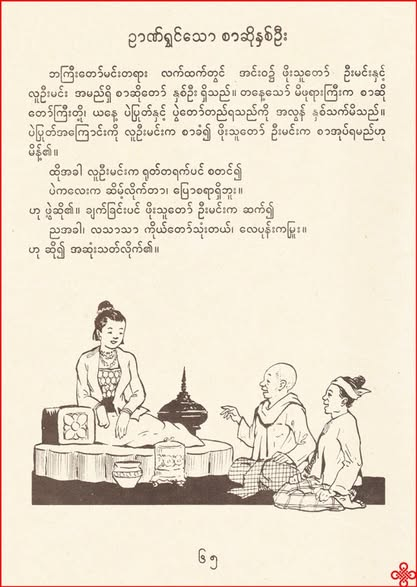
Both Pho Htu Taw U Min and Lu U Min were celebrated in the reigns of Bagyidaw and Tharrawaddy. They often wrote linked verses — one beginning, the other completing — which earned them the nickname “paired poets.” Their playful exchanges sometimes carried satire or double meanings.
Example:
- Lu U Min: “The steamed bean bends so sweet, Nothing more needs be said.” (Here “Sadaw Pae” — steamed beans — was a common breakfast, praised for its sweetness.)
- Pho Htu Taw U Min (replying): “At night, the moon shines bright, Yet the hidden wind stirs often.” (“Lay pone” literally means wind concealed — a pun on flatus, passing frequently.)
This kind of verse shows their wit: starting with something innocent and everyday (beans at breakfast), then twisting it into a cheeky nocturnal image with bodily humor. It’s lighthearted, a little vulgar, but also clever — exactly the kind of satire that made them memorable in Burmese literary culture.
Credit: Dr. Hla Bu‘s FB
ဆရာကြီး ညိုမြ ရဲ့ကုန်းဘောင်ရှာပုံတော်ထဲက ဖိုးသူတော် ဦးမင်းရဲ့ ရယ်စရာ ကဗျာလေး တပုဒ်ကို ပြန်ပြီး ဖောက်သည်ချပါရစေ ။
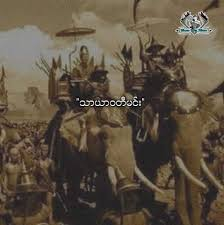
တခါက သာယာဝတီမင်း ဟာ ကိုးခရိုင် ဆည်တော်များကို လှည့်ကြည့်ရင်း ကျောက်ဆည်ကို ရောက်လာတယ် ။ ကျောက်ဆည် အစုကြီးရပ်မှာ လွှစင် တခုမှာ လွှသမားများ လွှဆွဲနေတာ မြင်တော့ ဘုရင်က ဖိုးသူတော်ဦးမင်း ကို ” ကဲ မောင်မင်း ၊ လွှသမားများ လွှဆွဲပုံကို ရုပ်လုံးပေါ်အောင် စာဆိုစမ်း” လို့ အမိန့်ပေးတယ် ။
ဦးမင်းကလည်း ချက်ခြင်းပဲ စပ်လိုက်တယ် ။
” တဲ့စေတဲ့ တဲ့စေ
အလွဲချော်မဆောင့်ပါနဲ့
လမ်းဖြောင့်ပါစေ ။
လုပ်လေလေ
ချွေးတွေက ယိုစီး
အလွဲချော်မကျစေနဲ့
(အိုကွာ)
မင်း လွှသူကြီး ။”
လို့ လက်ငင်း စပ်ပြလိုက်သတဲ့ ။
သာယာဝတီမင်းက သဘောကျလွန်းလို့ ရယ်ပြီးတော့ –
” မောင်မင်းစာက ပြောင်လည်း ပြောင်မြောက်ပါပေတယ် ။ ဒါပေမဲ့ လွှမပါရင်တော့ ခပ်ခက်ခက်ပဲ ” လို့ပြောသတဲ့ ။
ဖိုးသူတော် ဦးမင်း လူဦးမင်း
ဖိုးသူတော် ဦးမင်း နဲ့ လူ ဦးမင်းတို့ဟာလည်း ဒီမင်း နှစ်ဆက်မှာ ထင်ရှားတဲ့ စာဆိုတွေပါ ။ ၂ ဦးလုံး လေးချိုးတွေ ကဗျာတွေလွမ်းချင်းတွေ အရေးကောင်းပါတယ် ။ သူတို့က တယောက်က ရှေ့က တပိုဒ်ခံလိုက်ရင် နောက်တယောက်က ဆက်ပြီး အဆုံးသတ်ရေးတတ်ကြလို့ “အခံအအုပ်” စာဆိုတော်များလို့လည်း သိကြပါတယ် ။သူတို့ရေးသွားတဲ့အထဲက နမူနာ ပြရရင် –
ပဲကလေးက ဆိမ့်လိုက်တာ
ပြောစရာရှိဘူး ။
( လူဦးမင်း )
ညအခါ
လသာသာ ကိုယ်တော်သုံးတယ်
လေပုန်းကမြူး ။
( ဖိုးသူတော် ဦးမင်း )